Foreign

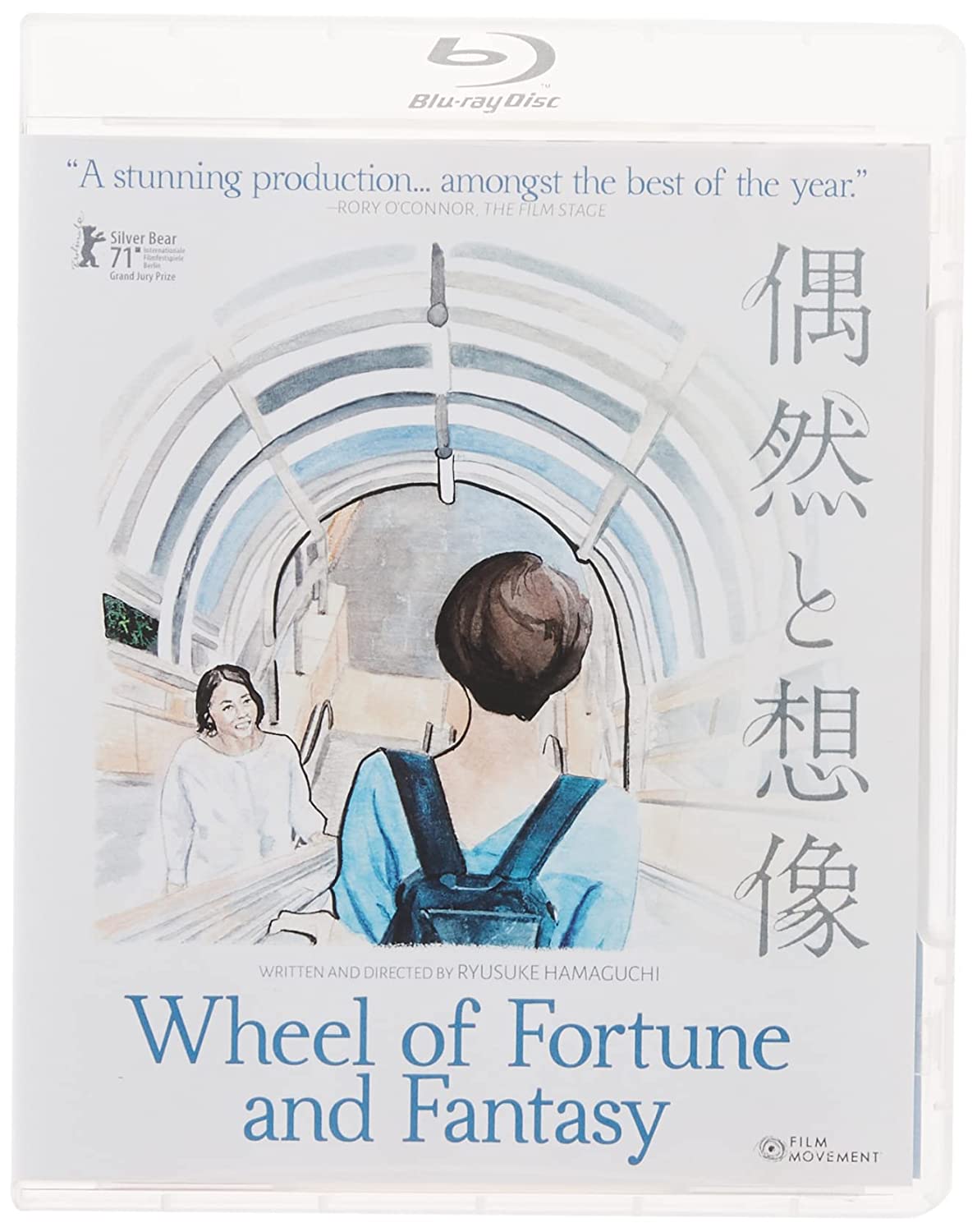
When I am not writing reviews, playing games, having a family, oh, and also having a job (because writing reviews doesn't exactly pay), I do try to dabble in the occasional short story.  Perhaps it's fantasy or science fiction, but I like spinning tales about a world that I want to be a part of even if its just for a few minutes.  It's relaxing, and that's why when I saw the opportunity to review Wheel of Fortune and Fantasy, a collection of three tales steeped in chance, culture, and some wonderful word banter, I knew I'd enjoy my time.  Let's take a look.

The stories are broken out in "Episodes".  Here is a brief summary of each one:

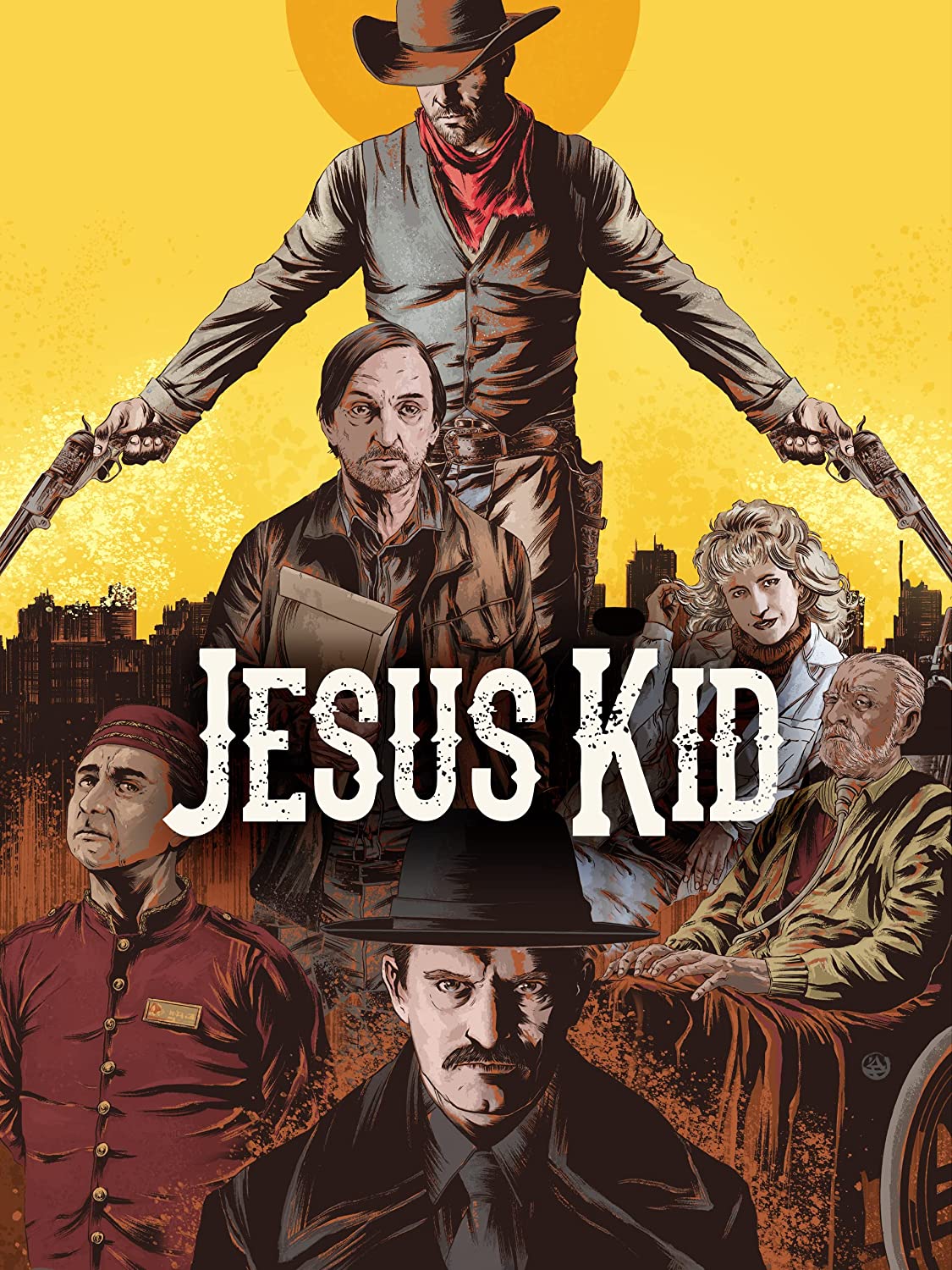
Some of my favorite movies are ones where they use the "author" as the focal part of the story.  Films like Secret Window, Misery, and The Ghost Writer are ones that immediately come to mind for me.  However, Westerns tend to be somewhere down on the list of genres for me, and only ones like Tombstone or Unforgiven tend to spark any interest.  So when I received Jesus Kid, which features a Brazilian author who likes to write Westerns, well, you can kinda understand my apprehension.  However, my curiosity was also piqued at the same time for the very same set of reasons.

Eugenio (played by Paulo Miklos) brushes his teeth late one night.  He follows it up with a mouth rinse ... and a cigarette.  Then a swish with some whiskey and some pills.  Seems like a typical night for the author.  Eugenio writes western tales about a cowboy simply known as Jesus Kid (that's Geesus, not Haysous).  In fact, he's published twenty books about the character, and his latest manuscript entitled Ballad of the Nerves is ready for publication.

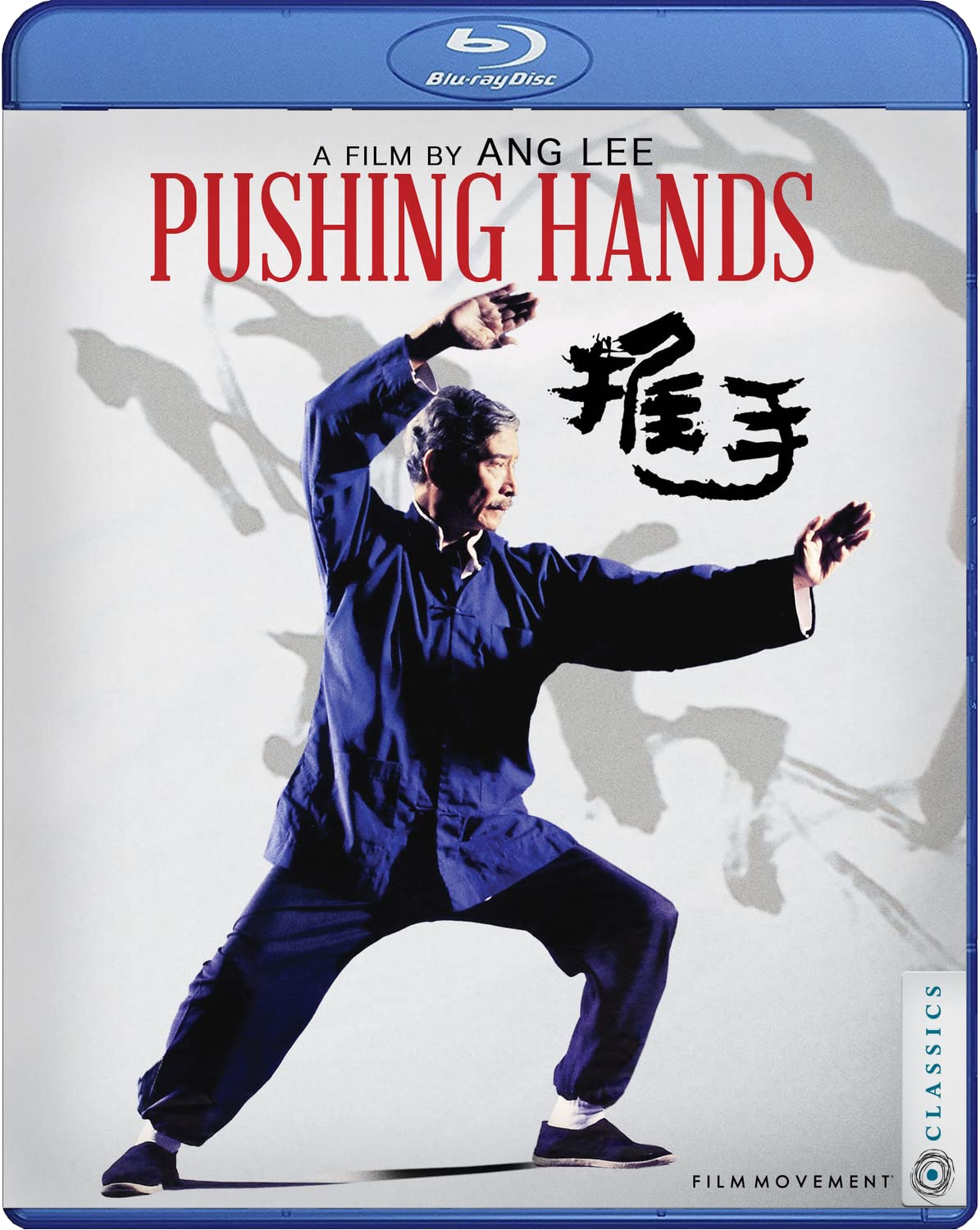
Director Ang Lee has come a long way since his 1991 debut film Pushing Hands.  When you look at Ang Lee’s impressive resume, the only film that stands out is sadly his only major misstep as a director, and that’s the 2003 film Hulk, the movie I feel audiences have been trying to forget and comic fans simply want to pretend doesn’t exist.  When you look at the rest of his resume, there are some impressive titles that have made a difference within the Hollywood cinema landscape.  Crouching Tiger, Hidden Dragon, Brokeback Mountain, and Life of Pi are just a few of his films that are standouts that were commercial successes but at the same time define his unique style and focus when it comes to character. Pushing Hands is character study that was released during the rise of independent cinema in the 90’s when film focused more on characters and finding unique voices that could tell great stories on a limited budget. What makes the film all the more unique is that it’s a martial arts film without the violence we’re used to seeing on the big screen, and instead its focus is more on the holistic methods of tai chi.

The film opens with Mr. Chu (Sihung Lung) and Martha (Deb Snyder), his American daughter in-law, at odds with one another.  The two butt heads most because of their cultural differences, and we get to see how difficult it is for them to live under the same roof. Back in China, Mr. Chu was a well respected tai chi master, but now he lives in America with no understanding of the language, living under his son’s roof, and he simply rejects the American way of living because he is stuck in his old ways. Martha is a housewife who is attempting to write her first novel but is thwarted by her father-in-law’s antics that are a constant distraction. Alex Chu (Bozhao Wang) is the dutiful son who is caught in the middle of being a loyal and loving husband while being the caretaker of his father. This dynamic and how it’s presented is very relatable for those in culturally blended families. If this was the only layer to the story the film would still be pretty good, but there is so much more going on that makes this a fun and charming viewing experience.

Short stories and films are often great ways to focus in on a singular theme. Whether you get yourself down to a few pages or fifteen minutes, you really get your message across instead of being misinterpreted across a longer medium. Disney and Pixar have done this for a number of years, and even though many have dismissed them as simple shorts or cartoons, it's often the part of the movie that holds the viewer in the strongest way. Japanese studios such as Studio Ghibli have done this as well. Studio Ponoc, founded in 2015 and fronted by Yoshiaki Nishimura, released the smash film, Mary & the Witch's Flower in 2017. Then last year, they came out with a trio of shorts for all of us to enjoy. Let's take a look.

Kanini & Kanino by Hiromasa Yonebayashi
There are birds singing and fairies flying. Streams are bubbling, and we are introduced to a family of crabs (who are depicted as tiny humans who can swim and breathe on land and in sea). There is the brother, Kanini, and the sister, Kanino. The mother is very pregnant and has gone away to the surface to give birth. Their father has stayed with the brother and sister to help them get food and protect them from threats of the sea. However, one day something sinister takes away the father, and it's up to the two kids to find and save him.

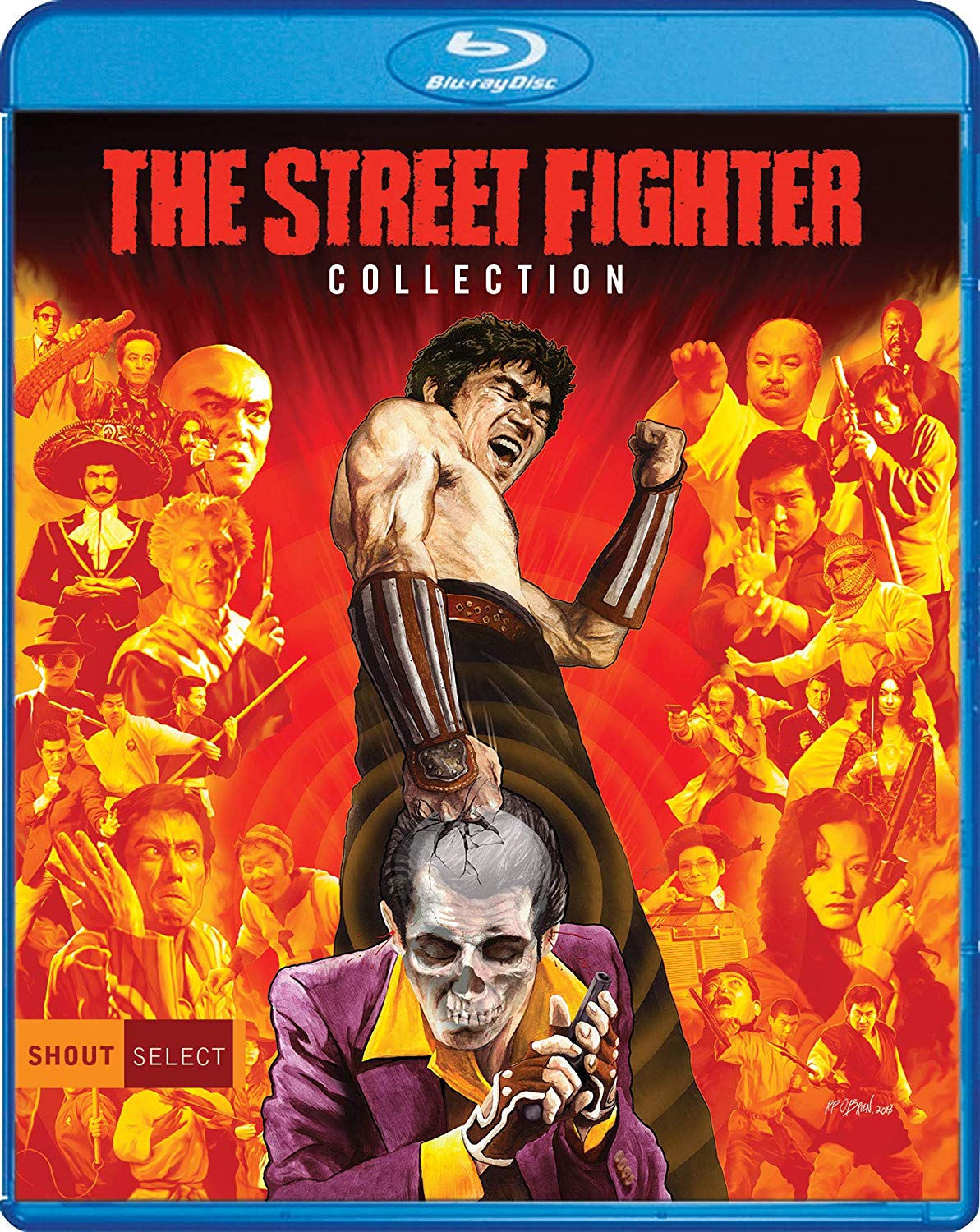
As one might guess from my film reviewing resume, I watch a lot of Asian movies.  Unfortunately, judging by the same resume, it would appear that most of that is anime and drama.  But in my spare time, I do watch a lot of popular Asian cinema, especially with the likes of Donnie Yen or Jing Wu. In addition to contemporary favorites, I certainly have not forgotten the roots of martial art cinema in the likes of Bruce Lee and others.  Well, today I received a box set featuring one of the legends of Asian cinema: Shin'ichi Chiba, better known to most American audiences as the one and only Sonny Chiba.  That set of films would be of course, The Street Fighter Collection.  Let us take a look.

The Street Fighter begins with Tateki Shikenbaru (played by Masashi Ishibashi) in a jail cell, a murderer about to be executed for his crimes.  He is visited by a Buddhist monk who is presumably there to give him his last rites.  That's no monk, but he might be there to give him his last rites.  His name is Takuma Tsurugi (played by Sonny Chiba), karate man for hire, and he takes out Shikenbaru with a special punch that throws him into a coma.  As the convict is rushed to the hospital, Tsurugi and his faithful sidekick Rakuda (played by Goichi Yamada) free him and send him off to Hong Kong.

This year, I have gravitated more towards watching movie courtroom dramas. I watched Anatomy of a Murder for the first time. The same could be said for the Verdict with Paul Newman. I re-visited A Few Good Men in glorious 4k with pleasing results. Then I got an opportunity to review The Third Murder, a courtroom drama that takes a look at the Japanese court system when one lawyer decides to seek the truth. Even though I was about to go on review hiatus for the holiday season, I eagerly wanted to take a look, and I am glad I did.

In the dead of the night, Misumi (played by Koji Yakusho), a fired factory worker hits the back of his former boss's head repeatedly with a hammer. After this continues for a few brief minutes, Misumi then douses him with gasoline and then sets him on fire to watch him burn. Misumi stares into the night with death on his cheek. We fade to black.

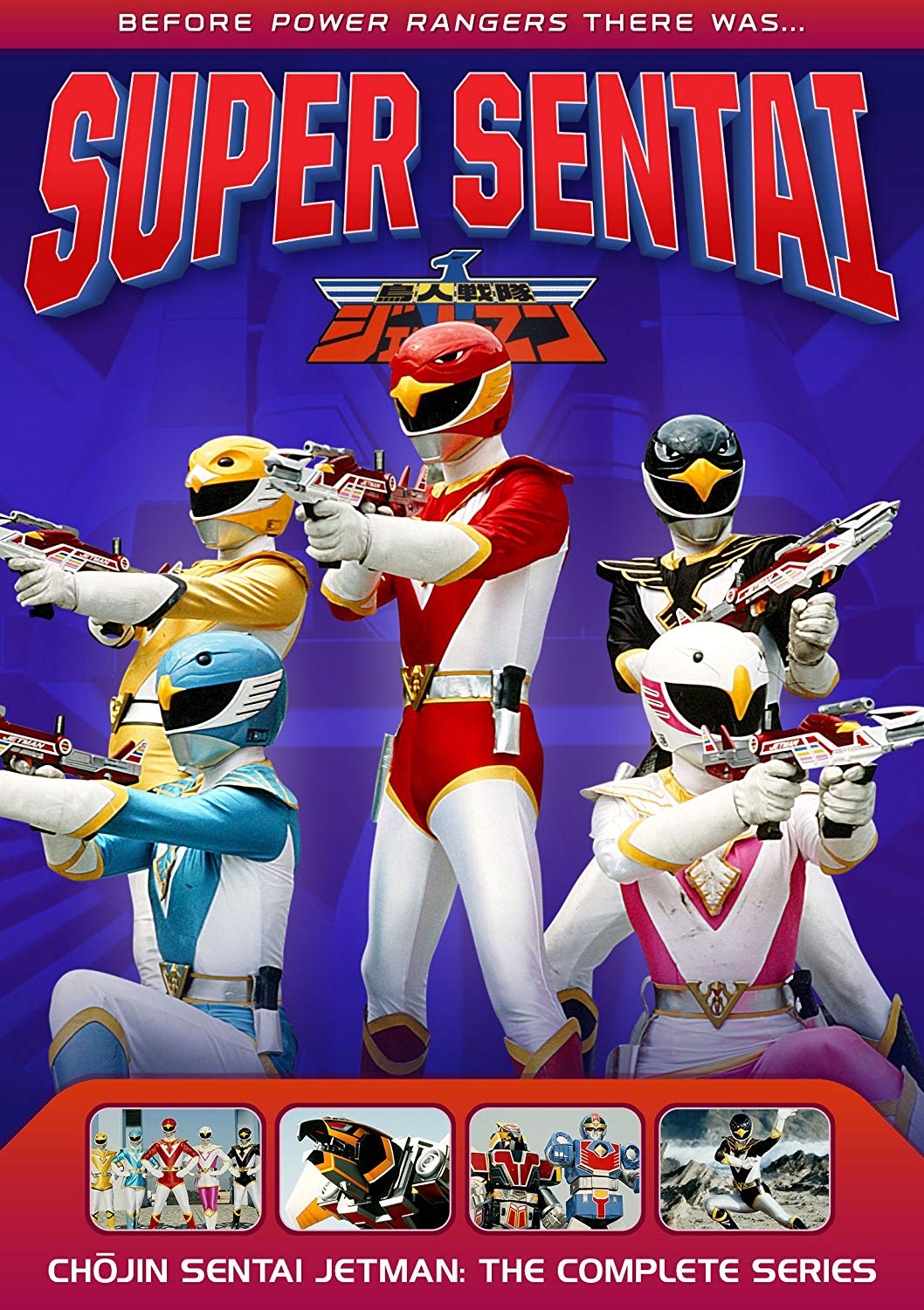
When you have done movie reviews for a very long time such as I have, you acquire knowledge about certain films and movies that in a normal life span one would probably never come across. One of those for me has been the Power Rangers series. I have reviewed several of the American adaptations for the site, and while they are not my cup of tea, I am familiar with how they work and operate. Last week, I received one of the Japanese original Super Sentai series, Chojin Sentai Jetman, and I was eager to check it out. Let's see how this all unfolds.

The year is 199X, Sky Force's Earth Ship orbiting the Earth are the guardians of peace on the planet. Suddenly an emergency is detected. It appears a robot has gone rogue and is terrorizing the ship. Ryuu Tendoh (played by Kotaro Tanaka) and Rie Aoi (played by Maho Maruyama) jump into action. Rie saves a baby, and Ryuu is able to turn off the robot which restores order to the ship.

Who do you think you are, Jackie Chan?!”
I'm going to do my very best to describe how insane this movie is, but it still might not be enough. I want to try and be fair because there aren't many people who have worked harder to entertain audiences than Jackie Chan. The 64-year-old martial arts legend has more than 100 acting credits to his name in a career that has spanned well over 50 years. Naturally, there are bound to be some turkeys along the way. Unfortunately, Bleeding Steel — an obnoxiously incoherent sci-fi departure for the action star — firmly (and gloriously) falls into the turkey category.

Chan stars as Lin, a Hong Kong special agent with an ailing daughter who is in critical condition. Lin is rushing to the hospital to be by her side when he gets an urgent work call about a witness that needs to be protected. The witness is Dr. James, a geneticist who has been working on creating a mechanical heart(!) and bioengineered blood to create super soldiers. Lin chooses duty over his daughter and rushes to protect Dr. James just in time to be ambushed by a deranged, mech-enhanced villain named...Andre (Callan Mulvey), who looks like Darth Vader without his helmet on. Lin and his team face off against Andre's stormtrooper-sequel army, Dr. James gets caught in the crossfire, and half a dozen explosions later we finally get the Bleeding Edge title card. (Yes, everything I've just described happens in the first 15 minutes!)

“Don't be jealous of a ghost.”

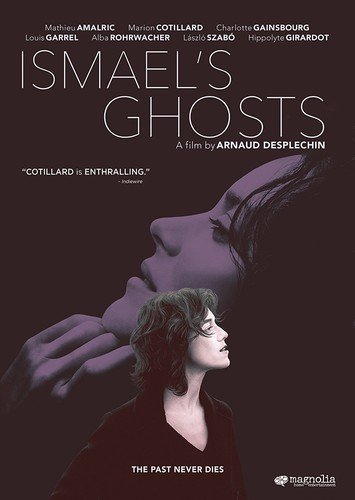
In Ismael's Ghosts, a French filmmaker's wife strolls back into his life 21 years after her sudden disappearance...much to the chagrin of the director and his current girlfriend. The tension created by the long-lost wife's return — combined with the question of where she's been and why she returned — is intriguing enough to carry this film. Unfortunately, Ismael's Ghosts is filled with way too many silly, half-baked tangents and ends up being as messy and frustrating as its main character.

Americans are loud, aren't they?”

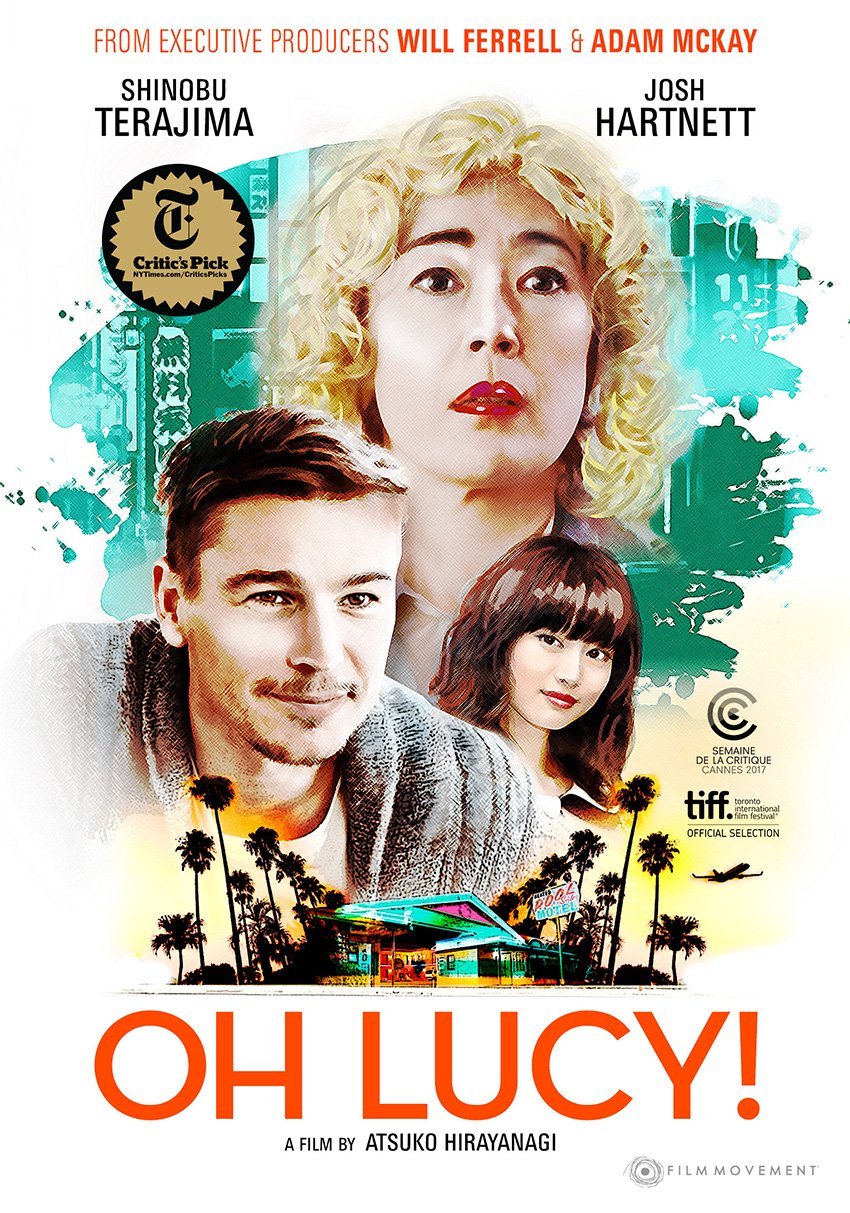
Oh Lucy! earns the exclamation point in its title within the first two minutes. The movie opens with a shocking leap that is meant to jolt the audience, but barely causes our disaffected heroine to raise an eyebrow. It's played off as a throwaway moment, but it establishes the fact that this quirky Japanese/American dramedy with oodles of personality probably isn't going to go where you expect.