Horror

Why are they doing this to us?”

Back in 2008, The Strangers stalked its way into theaters. The movie was an especially nasty bit of home invasion horror; its stunningly simple premise (three masked psychos terrorize doomed couple) and the random nature of its killings was both what the movie's fans admired about it and what left its detractors wanting more. Ten years later, The Strangers: Prey at Night hits a lot of the same notes while incorporating a self-aware tone about horror movies and some '80s-inspired flair. Call it The Strangers Things.

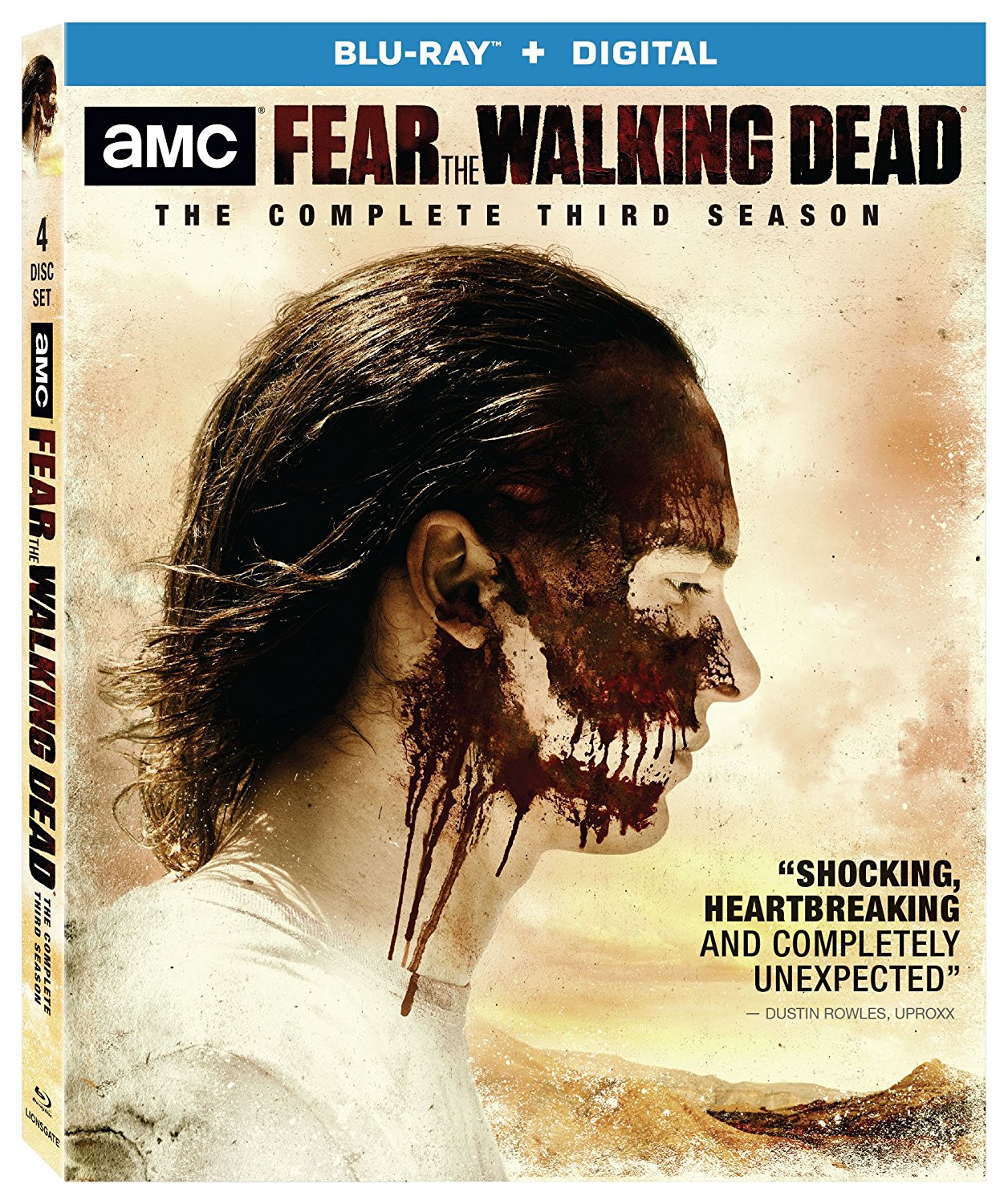
I’ve been a fan of The Walking Dead ever since the first episode aired on AMC. I’m a sucker for zombie films and the original Dawn of the Dead remains as one of my all-time favorite horror films. I mention this because when the idea came along to do a spin-off of The Walking Dead, I was stoked. But when Fear the Walking Dead first aired, I have to admit there was something about it that just didn’t hook me. So I gave up after a couple episodes. I wish I had held out just a little bit longer. Before jumping into season 3 of the show, I decided to revisit the series and start with a fresh set of eyes from the first season to catch up...and what a fun ride it has been!

For those that are unfamiliar with the show, Fear the Walking Dead starts in Los Angeles when the zombie outbreak has only just begun. If you are worried it’s nothing more than a West Coast version of the same story, let me set your mind at ease by saying, though it has similar themes and circumstances, Fear the Walking Dead is a darker and more intimate tale.

"The games have begun again, and they will not stop until the sins against the innocent are atoned for."
It has been about seven years since last we heard Tobin Bell ask if we wanted to play a game. From 2004 until 2010 we were treated to seven films in quick succession, with The Final Chapter apparently bringing the popular franchise to an end. But most of us were pretty sure that the end wasn't quite so near. The films brought in billions of dollars and even inspired a new escape room industry around the globe where people could work out puzzles and attempt to beat a ticking clock to get out of a themed room. Of course, no blood gets spilled, but folks pay for the experience, and a lot of that goes back to the Saw film franchise. With all of that money, Lionsgate simply couldn't let the franchise rest for long. But after moving so quickly from film to film, it was a good idea to allow it time to breathe and the producers a chance to recharge the old batteries. Break's over. The franchise gets a bit of a reboot without completely rebooting at all. The result is Jigsaw, and I suspect this is more of a beginning than merely Saw 8.

Jigsaw is the first film in the series to begin with something other than victims awakening to the newest trap. Police are chasing a suspect with a detonator in his hands. He's pleading to talk to a Detective Halloran (Rennie). As the cops descend upon the manic suspect, he warns that the game is about to start. It's what fans are waiting for, and we cut to five people with buckets bolted to their heads attached to chains. A wall of the obligatory saws awaits their hapless forward plunge, and a familiar voice explains their predicament. From this point there are pretty much two stories playing out for the remainder of the film.

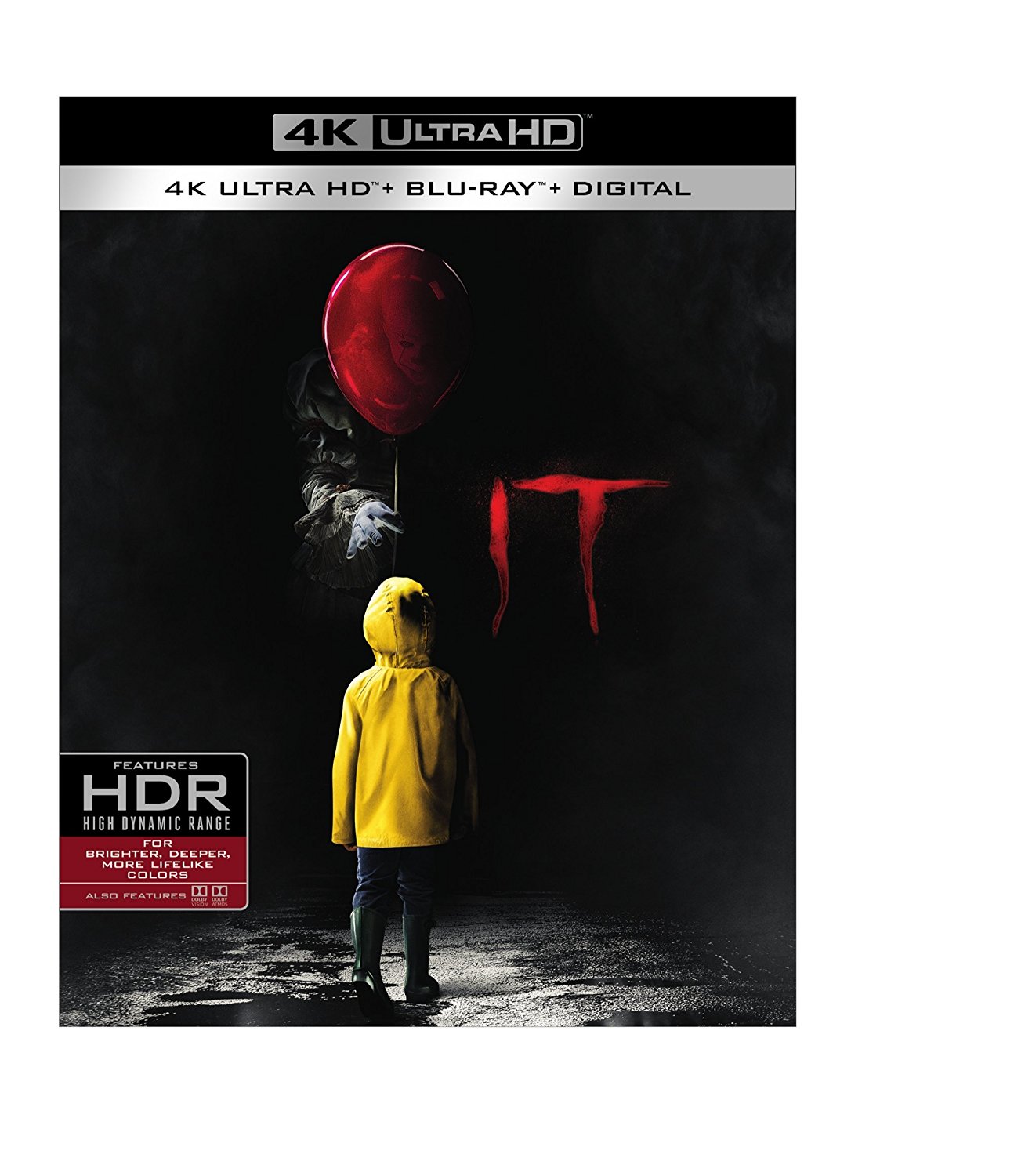
In case you’ve been living beneath a rock and out of contact with any and all social media, this weekend the long-awaited film adaption of Stephen King’s It releases. Some of my friends look at the trailer for the new film and instantly reject what they see; they immediately cling to their memories of how the original mini-series scared them. One thing you’ll hear them all saying is how Tim Curry made such an impact on their lives and to this day gave them reason to fear clowns. While I respect their opinions, when you revisit the film, you can’t help but notice how dated the film is, and really, if you’re over the age of 10, it just isn’t scary. I grew up on reading Stephen King, and as a fan, I’ve always been frustrated that it seems no one could ever get his horror stories right. Sure, there is Misery and Carrie, but there are many more miserable failed attempts of his material.  The Mist (especially the black and white version) is perhaps my favorite adaption of his work, that is to say, up until now.

When the film starts up, those of you familiar with the mini-series will perhaps have a sense of déjà vu at first. Without a doubt our first introduction to Pennywise, the dancing clown, is at first a little off-putting, but if you hang in there, you’re going to be happily terrified by this performance. Bill Skarsgard fills the clown shoes this time around, and there is no doubt a new generation of kids are going to be terrified of clowns because of this performance.  There is nothing friendly in this performance, and after our introduction and we get a glimpse at what he’s capable of doing to children, that’s when the unease sets in, and as an audience member you realize from the start that no one in the film is safe.

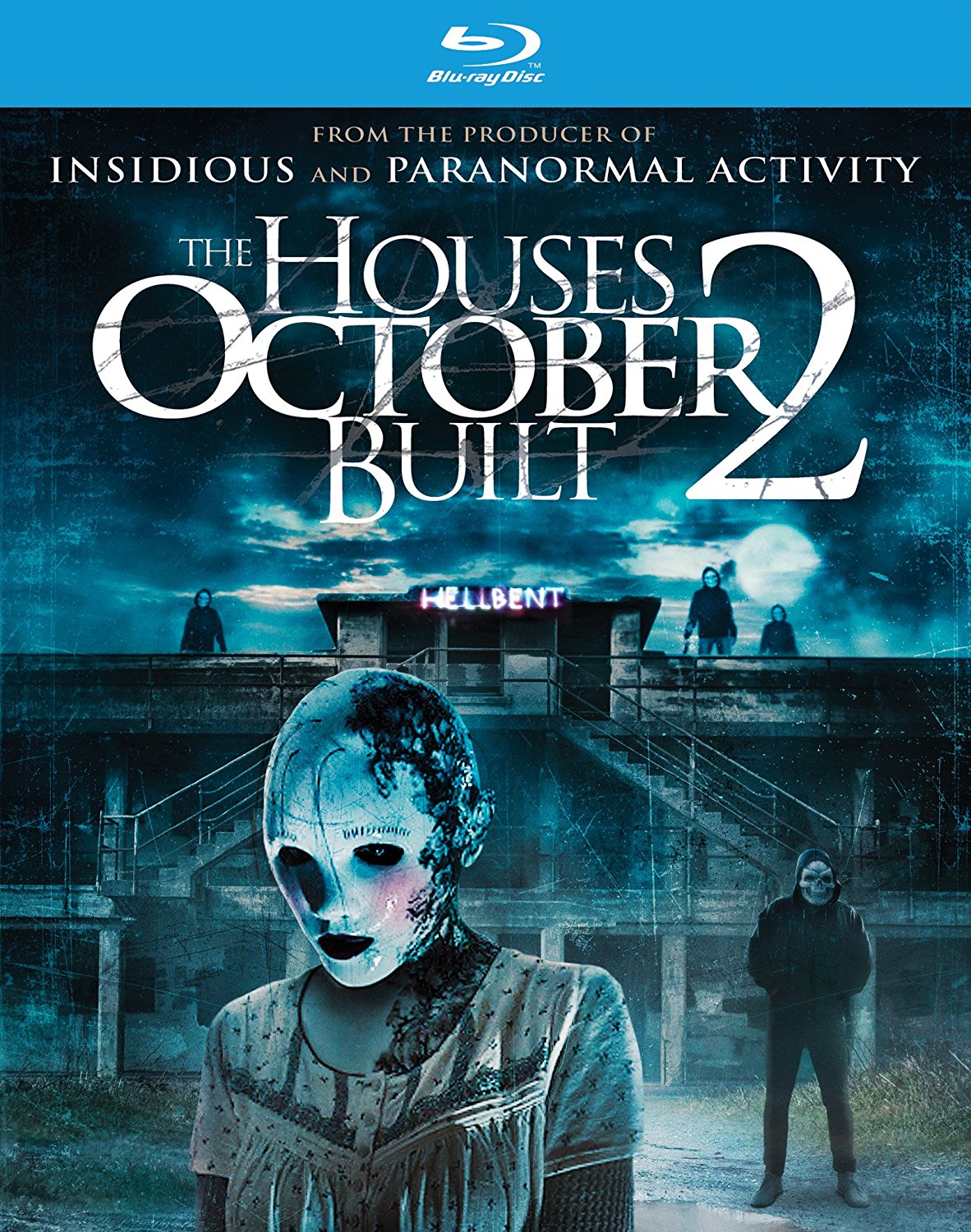
Most people that survive a near traumatic experience don’t go back for seconds. Most people that is. For the group in The House October Built 2, I guess they were adhering to the logic that lightning doesn’t strike the same way twice. Or does it? Embarking on what I can only describe as a horror tour, five friends attempt to capitalize on potential fame and fortune by documenting their experience traveling city to city to explore various haunted houses or hay rides. They even managed to convince the most traumatized member of their group to join them, reopening old wounds and provoking things that best left in the past. I wish that was the worst they had to contend with, as evidence that what they faced a year earlier begins to resurface to finish what it started.

So the concept of the film is top-shelf, execution is another matter in entirely. For one, the set-up is entirely too long. The basic idea was apparent early on, this group looking to capitalize on their famed abduction a year earlier resumes the same activities that nearly cost them their lives. I even enjoyed the addition of a holdout, the girl that refused to take part in this after being buried alive in a coffin. I mean, who would want to relieve that trauma. However, once you have the girl on board, I would say that you only need to visit a handful of places to establish tempo before moving to the center stage for the plot. I think a part of it was the fact that the group went to around three venues before they realized that they need the girl. In my opinion, they should have found themselves turned away at the first venue in order to necessitate the need for their holdout and those other two venues could have been focused more on convincing her to jump back into the mix, possibly a flashback to the year prior.

Sounds like you don't have a lot of faith in faith.”

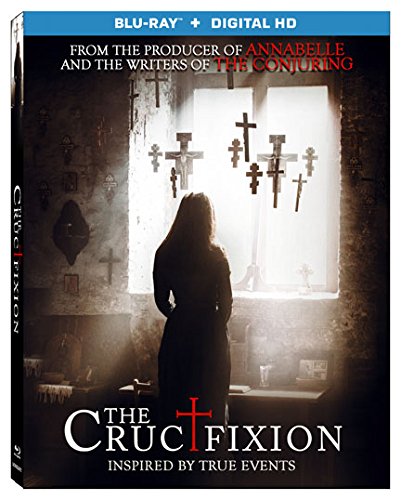
You know how sports teams retire the jerseys of their most beloved, outstanding players so that no one can ever wear their number again? Well, we are well past the point where movies about exorcisms need to be hanging from Hollywood's rafters. Simply put, no one has ever come close to doing it as well as William Friedkin did almost 45(!) years ago with his adaptation of The Exorcist. If anything, The Crucifixion is an even more egregious misfire than other head-spinning stabs at the genre because this movie is actually based on an intriguing, horific real-life case.

Of the many films based on books by prolific writer Stephen King, Misery ranks near the top. Falling somewhere between the horror and thriller genres, this film about a twisted obsession is frightening because the premise seems very real. Directed by Rob Reiner (A Few Good Men), who first visited King territory with his 1986 film Stand By Me, Misery tells the story of romance writer Paul Sheldon (James Caan, Elf) and the fan who rescues him after a car accident.

Paul wakes to find himself in the care of Annie Wilkes (Kathy Bates, About Schmidt), who’s obsessed with his “Misery” romance series. At first she seems caring, nursing him while he recovers from the accident, which left him with two broken legs and a dislocated shoulder. Soon, though, it becomes apparent that Annie is quite disturbed, and Paul realizes he’s in captivity. When his latest book in the Misery series comes out, Annie is outraged to discover that Paul, who wants to do more serious work, has ended the romance series and killed off the protagonist. She forces Paul to begin writing a new Misery book to fix things, and in his crippled state he has little choice – he’s at Annie’s mercy, until he can escape or be rescued. But is anyone out looking for him?

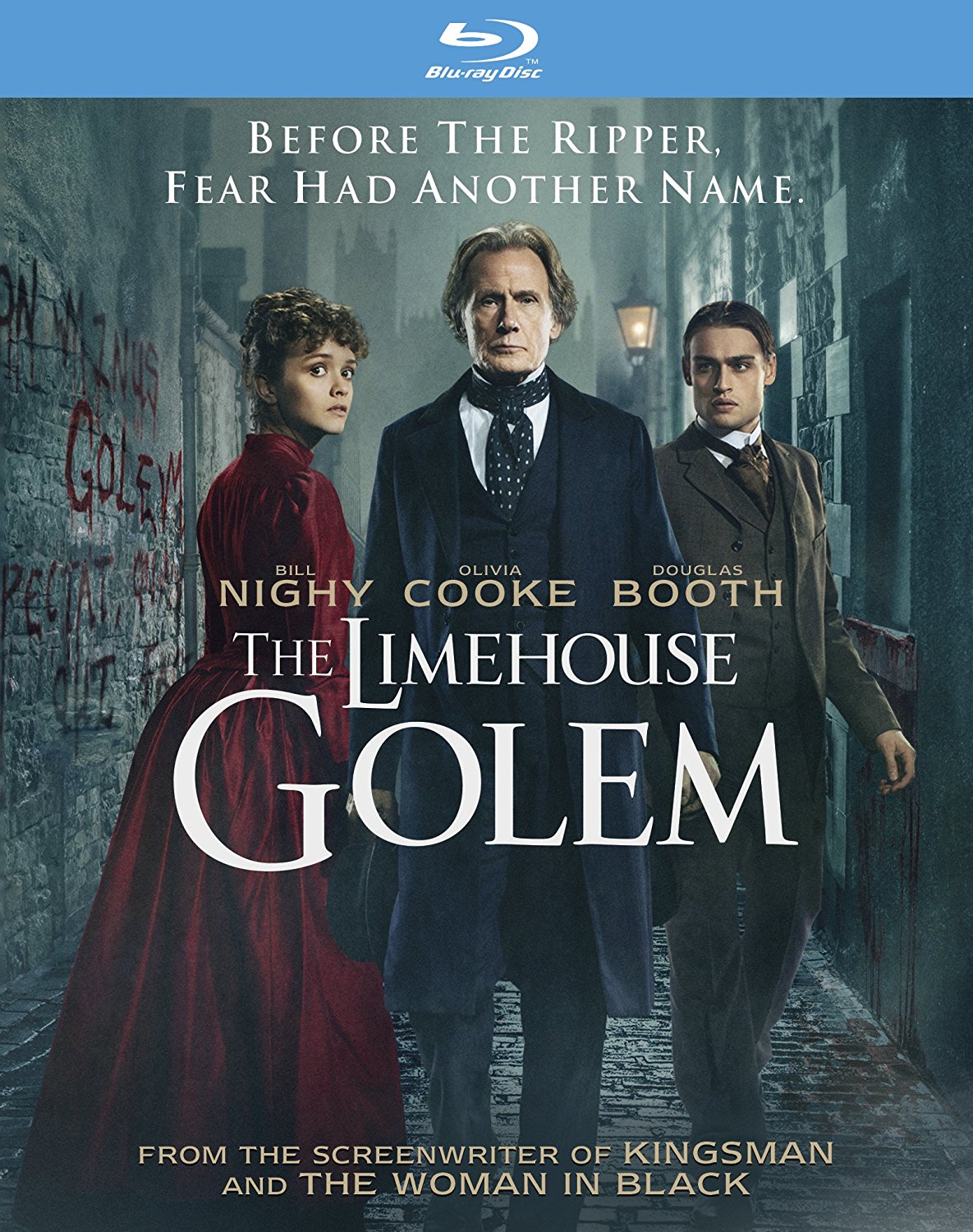
When it comes to Victorian era serial killers, Jack the Ripper is pretty much a household name. Whether you know much about the terror he caused in White Chapel, all these years later you still know the name and what he did. With The Limehouse Golem, the filmmakers create a more sinister serial killer and deliver a Hammer-esque murder mystery.  I’m all for a dark murder mystery, and when a film is channeling other successful films like Seven and From Hell, you’d imagine that you’d be witnessing a terrifying gory spectacle. The result, however, left me frustrated, as the film seems to pull from other films but never quite presents an engaging story to go along with the quirky mix of characters.


When we meet Lizzie (Olivia Cooke), she is being accused of murdering her husband. As the film progresses, we get to see how her story unfolds and her aspirations to be a theatrical star.  Her tale intertwines with the rise of a brutal serial killer who has been terrifying the city of London who has been dubbed The Golem. To attempt to squash rising fears and solve the murders, Inspector Kildare (Bill Nighy) is assigned the case. Kildare is paired with a young detective George Flood (Daniel Mays), who attempts to update Kildare with all the evidence of the case. It seems Flood and his fellow officers were inept in gathering evidence, as Kildare seems to uncover some fairly obvious clues of his own. What ties Lizzie to Kildare is the possibility that she is being charged with murdering Kildare’s prime suspect. All the evidence seems to point to Lizzie’s dead husband, so he goes to her to hear her story. Of course things are more complicated than they originally seem.

In 2003 Open Water hit the screen; it was a success since at the time the found-footage genre hadn’t yet saturated the market.  I thought it was a fun little movie that was creative, and what impressed me most of all was the use of the sharks in the film.  The danger always felt real, and to a point it was a convincing film.  It was inevitable that a sequel would follow, though it came and went so fast, it’s not big surprise that many seem to have forgotten the film existed.  Now it’s nearly a decade since the sequel came out that we now have a third installment, Open Water 3: Cage Dive.

It’s unfortunate for this film that 47 Meters Down also happens to come out the same year. (You can check out my review of that film on the site as well).  With a bigger budget, polished cinematography, and a recognizable cast, it’s no wonder that 47 Meters Down was the one to score at the box office while Open Water 3 managed to sink with barely a whimper. This isn’t the first time films with similar plots have released at the same time, but most often the case there is one that stands out; this isn’t the film to do that.

“Try to call for help…there’s no one for miles.”

The horror stories I tend to enjoy make me empathize with the ill-fated characters on screen instead of making me yell at them for their stupidity. In other words, “What would I do in this situation?” is a much more compelling question than, “Are you a freakin’ idiot?!” We don’t need to get into whether or not I’ve ever found myself handcuffed to a bed. But suffice it to say that Gerald’s Game — Netflix’s brutal and thrillingly taxing adaptation of Stephen King’s 1992 novel — kept me absolutely riveted from start to finish.