Genre

Why are you so hateful, Olive?”

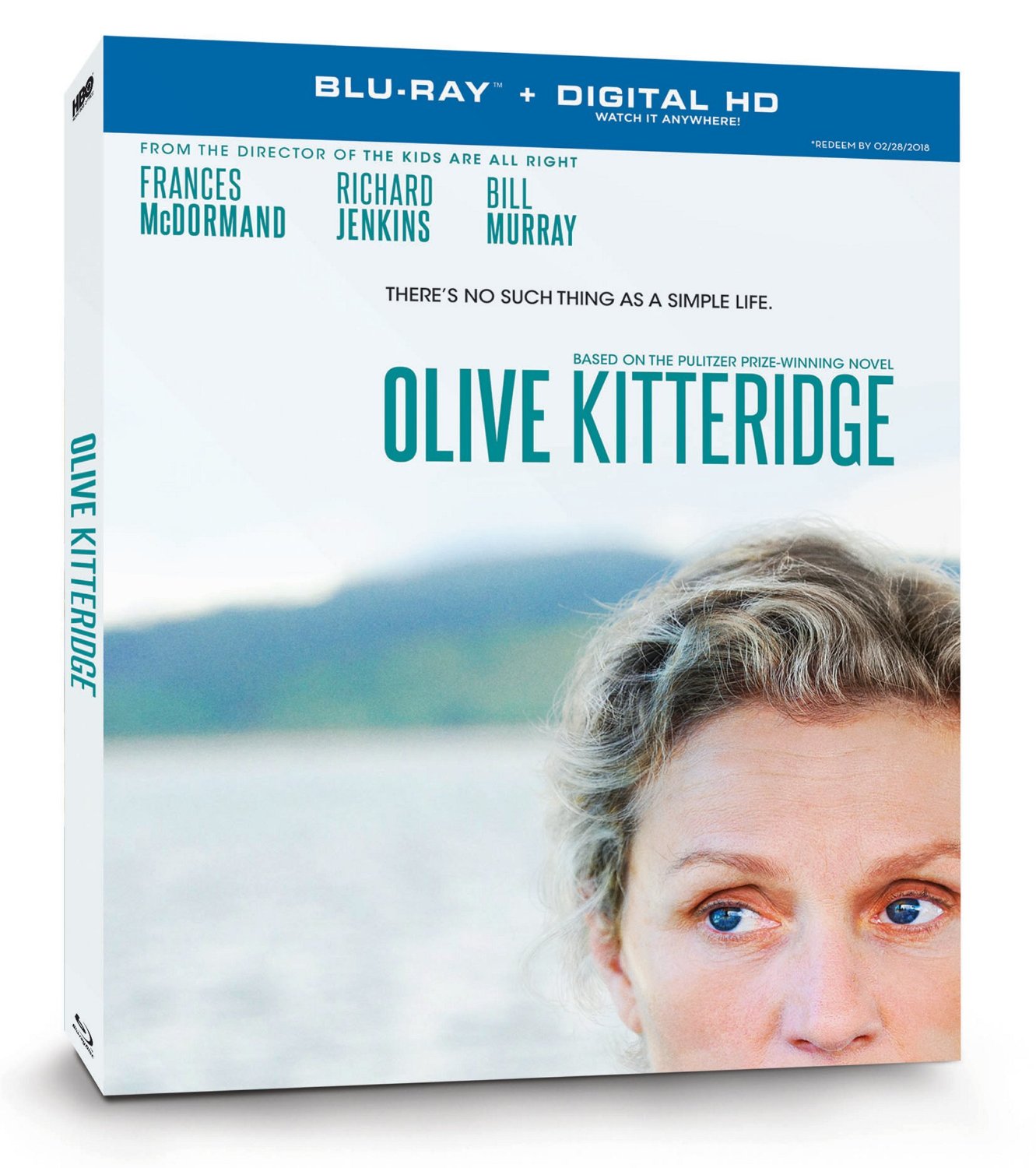
Olive Kitteridge — Elizabeth Strout's Pulitzer Prize-winning novel —has been adapted into a four-hour HBO miniseries. It's probably the best possible outcome for Strout's story, which deals with the legacy of depression, along with several other box office-unfriendly themes that would almost certainly prevent any proper Kitteridge adaptation from sniffing a multiplex. The miniseries is well-made, and the acting is top-notch. The problem for me was that, even with that four-hour running time, we don't get a ton of insight into why the title character is so hateful.


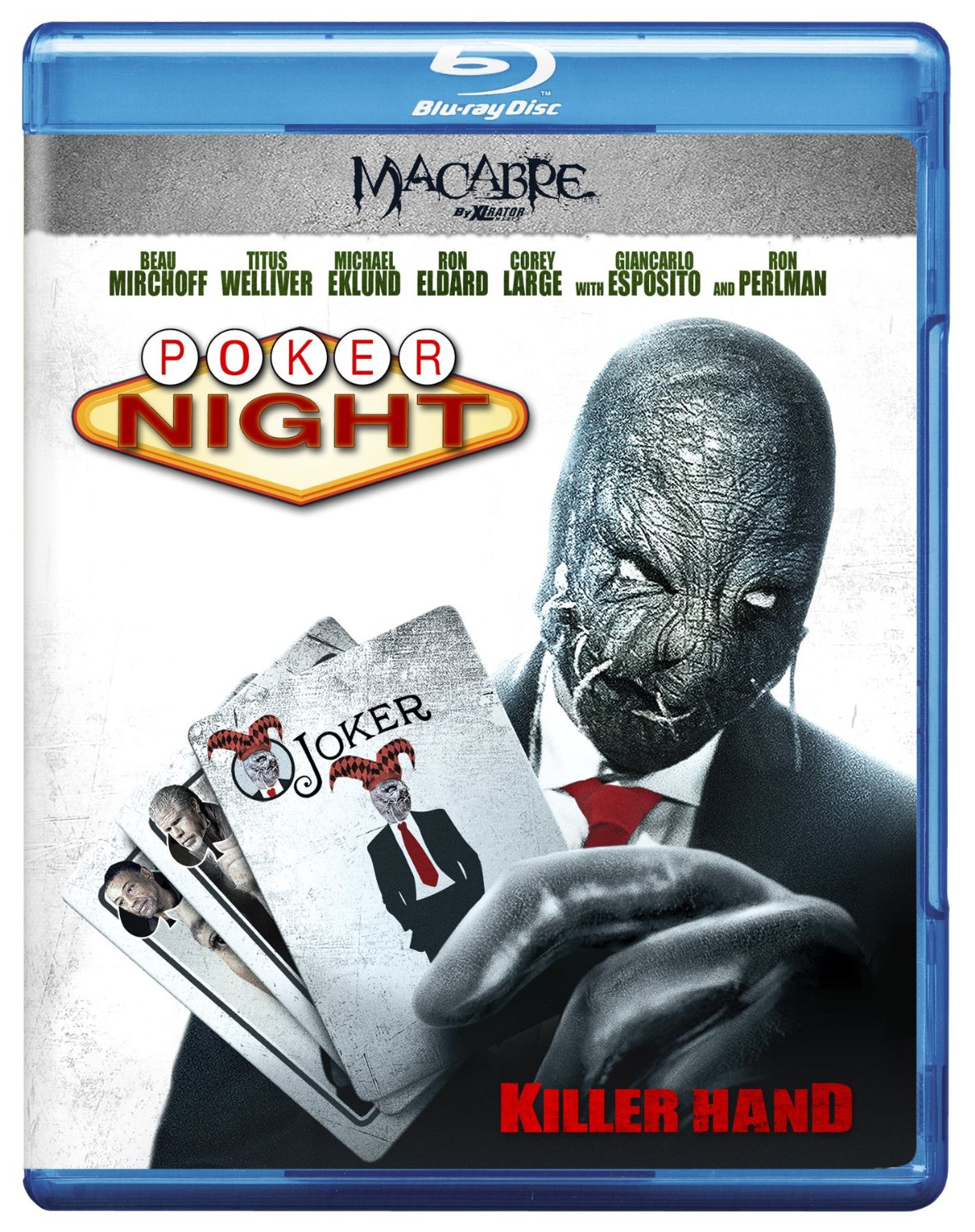
As far as I’m concerned, a filmmaker has to work pretty hard to screw up a poker game. (And for the record, I feel the same way about cinematic sniper fights and train heists.) It’s an inherently high-stakes situation that is both familiar and unpredictable, and in the hands of the right director a poker game can be either thrilling or funny. At various points, Poker Night manages to be both. But even though I certainly wouldn’t say writer/director Greg Francis screwed up this stylish horror-crime thriller, the movie is flush with flashbacks and subplots that distract from the really good stuff.

“Here's a problem with wisdom: you only get it after you need it.”

Athena here. That’s right, I’m the Siberian Husky that kind of runs things here at Gino’s house. Since I did such a great job doing the review on Snow Dogs, I decided to step in when I saw Gino watching yet another dog film. This time it was Walt Disney’s classic 101 Dalmatians. Naturally the film would have been better if it had been called 101 Siberian Huskies, but unfortunately the film was based on a popular children’s book by Dodie Smith who happened to have Dalmatians herself, so let’s not blame her; she didn’t know any better. Walt Disney himself discovered the story and took a personal interest in having it made into an animated film. 

I’ve gotten to see a lot of these Disney classics, and the first thing that I noticed is the film was made in a dramatically different style than the previous Disney projects. The studio decided to abandon its smooth animation with fluid motion in exchange for a far more art-deco look. I don’t know about you humans, but this movie was a little harder on this doggie’s eyeballs. Lines jitter and move in such a way that there is always movement even if everything is standing still. You have to understand that this was not a studio getting cheap or failing in its own quality control. The animation style was a conscious choice by production head Bill Peet. Walt himself was publicly dissatisfied with the style. He was far more attached to the very fluid style his studio had become known for. The look had much to do with a new Xerox process that allowed the original artist drawings to, for the first time, be transferred directly to the transparent cel. This, of course, put a lot of artists out of work who used to do those transfers. The cruder character design was offset by a far more detailed background design. Using actual photographic plates of London locations, the animators created visually detailed backgrounds for the film. The movie is front-loaded with the credits in some clever dog-spot animation. It takes nearly four minutes to get to the story. Your human puppies might get a little impatient. By the way, look for Dodie Smith’s small credit size. It was the only thing she complained about in the film of her book.

I see the crime a bit differently.”

American television hasn't quite cornered the worldwide market on unconventional, endearingly quirky investigators. MHz Networks has just released a hearty helping of German cop drama in the form of Marie's Mind for Murder. Despite the violent crimes being investigated, the show would've fit snugly alongside lighthearted whodunnits like USA Network's Monk or Psych. You get to sample plenty of Murder with this DVD set, considering there are 10 episodes that each clock in at a shade under 90 minutes.

“You want me to fall back in love with you? How do I do that if I never stopped?”

Or, in my case, how do I do that if I never started? Nicholas Sparks’ fans love the author as passionately and unabashedly as the lead characters in his best-selling books fawn over each other. But even though I think The Notebook is the ideal sappy romantic drama, I’ve never been part of that club. In fact, his stories — and the movie adaptations they spawn — seem to be getting worse. And yet I was somewhat intrigued by The Best of Me…at least until the movie’s monumentally dopey conclusion, which likely inspired the release of this “Tears of Joy” mea culpa Edition.

No woman dreams of entering this profession. But it is a real profession...”

In fact, it's commonly referred to as “the world's oldest profession.” We're talking, of course, about practice prostitution. The profession also happens to be the focus of the soapy, serialized Maison Close, which is set in a 19th century Parisian brothel. And thanks to Music Box Films, Season 1 of the French prostitution drama is now making its U.S. Blu-ray debut.

"You like that stuff, but it's kind of a tease."

Give Elijah credit for taking some interesting chances with his acting choices since his long and successful run with the Lord Of The Rings trilogy and his subsequent cameos in the Hobbit films as well. No one can accuse the actor of resting on his laurels. His roles have been outside the mainstream. Most of his recent work involves the quirky series Wilfred, where he sees a man in a dog suit instead of his neighbors canine. Add to the list of offbeat roles that of Nick Chambers in Open Windows.

Love is an endless act of forgiveness.”

May Brennan is the best-selling author of a successful book centered around Arabic proverbs. She is played by Cherien Dabis, who is also the writer/director/producer of May in the Summer. Both Dabis and her fictional counterpart use short, pithy phrases like the one above as the basis for exploring familial and romantic relationships. But while May encounters rousing success with her (fictitious, unseen) book, Dabis' picturesque, breezy, ultimately disposable film is a little bit more of a mixed bag.

"Did that just happen?" 

I have to confess that I entered The Judge expecting a different kind of film than I actually saw. After seeing the trailer, I was reminded of some of the classic courtroom dramas I'd seen over the years, from 12 Angry Men through ...And Justice For All. On the ride to the screening I found my mind was swimming with the "closing arguments" Al Pacino delivered in ...And Justice For All and was trying to image how Robert Downey, Jr. was going to try to top that. In the end, Downey didn't top that wonderful monologue. In the end, The Judge simply wasn't that kind of a movie after all.

Hello, please allow me to observe you working.”

A sign bearing those words hangs inside Studio Ghibli, the Japanese animation factory responsible for films like Grave of the Fireflies and My Neighbor Totoro. It's one of many polite directives that adorn the airy workspace, but it also describes the mission of The Kingdom of Dreams and Madness. The movie gives fans an unprecedented look inside the world (and walls) of Studio Ghibli, and watching the creative process is alternately fascinating, frustrating, and exciting. However, the documentary also surprisingly turns out to be an elegy for a dying art form.