Television

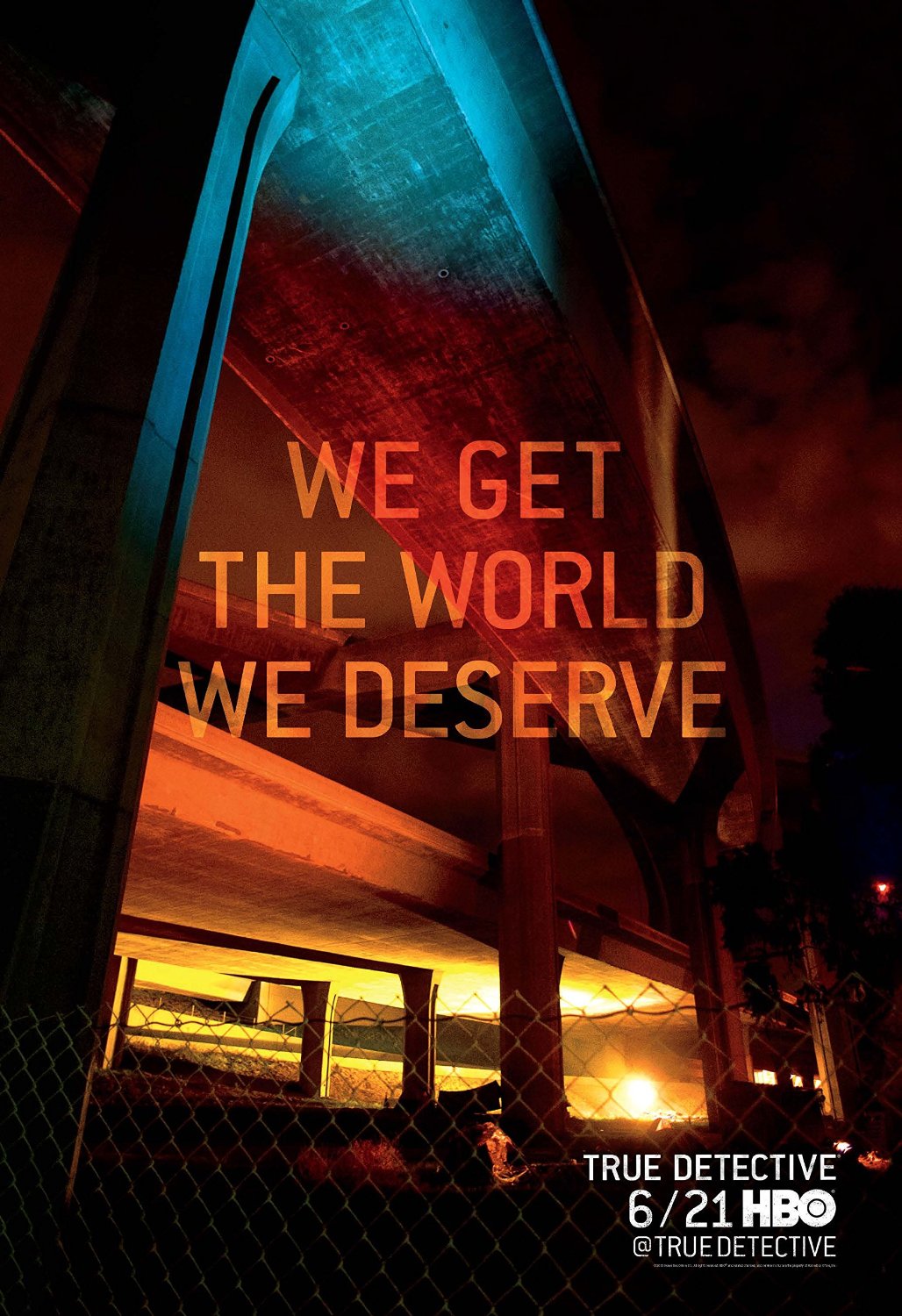
Popular opinion and so-called critical opinion often seem to careen off cliffs like lemmings in increasingly unpredictable ways guided by whims and subtle shifts in the proverbial winds. I find myself shocked by things praised and things condemned. Sometimes I feel like a little boy who sees a naked emperor while everyone else is shrieking how much they love the new elegant ensemble. In this case, I'm seeing a lovely presentation while there are many who are whining. Part of the problem is that Season 2 of True Detective is considerably distinct from Season 1. The nature of the series is that each season is a complete reboot with a new cast and location. American Horror Story also changes locations and characters but tends to recycle actors. True Detective made a determined attempt to change everything. The one thing it retained is the brooding, noir roots.

Vince Vaughn was fantastic, and that's not something I've said in a long time. He was a trim and towering figure (also something that couldn't be said for a long time). Vaughn's complex, sharp, troubled, and intimidating Frank Semyon was the edgy focus of the series. He was not the detective. There were not two this time, but three.

"A good family business is not the same as a good family." 

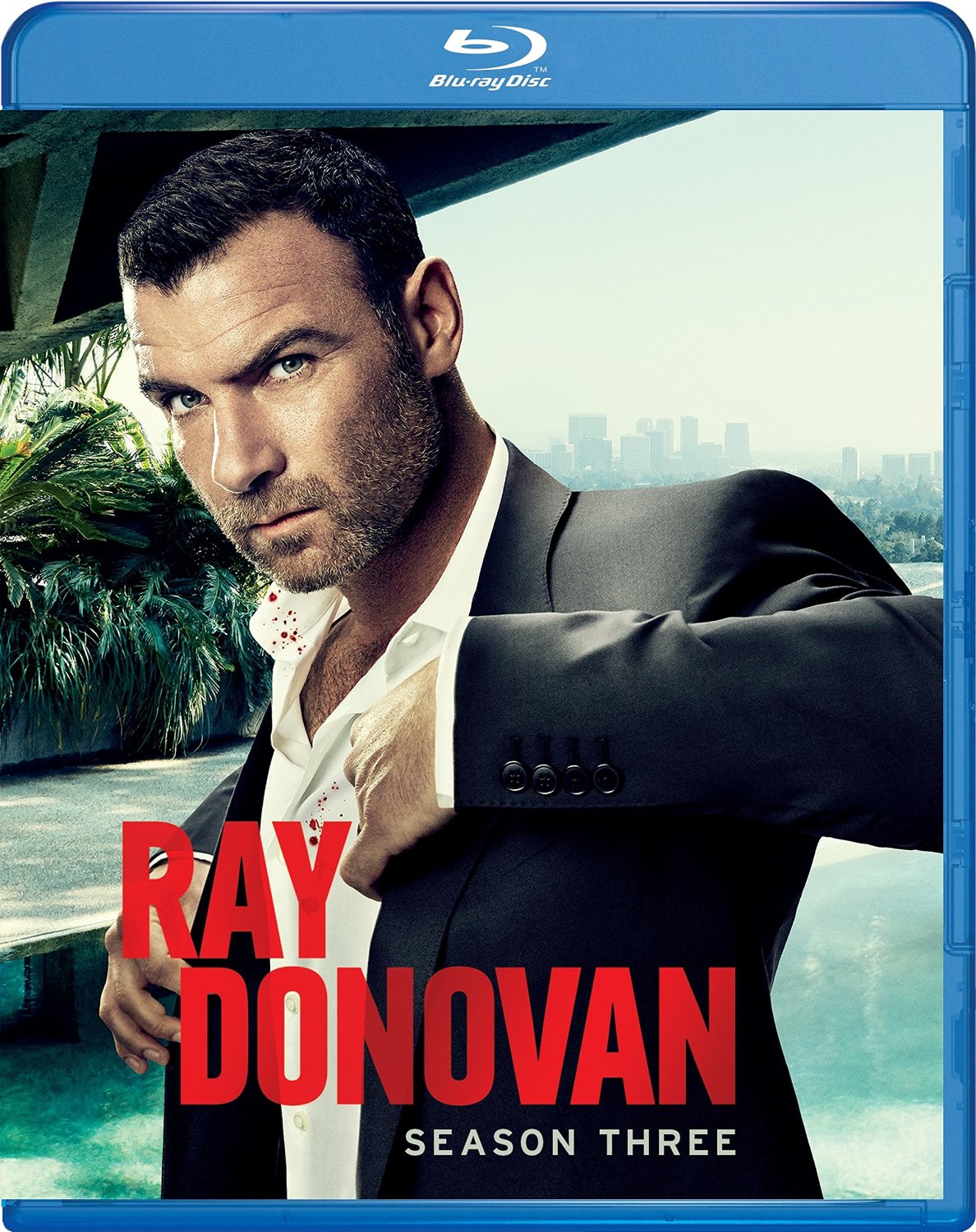
You can say that again. The television landscape is changing, at least on cable. Ray Donovan is the latest in the string of new shows that are attracting talent once thought out of reach for television. A show starring Liev Schreiber and Jon Voight: this Showtime series looked to be something very special... and it has gotten better... perhaps a lot better.

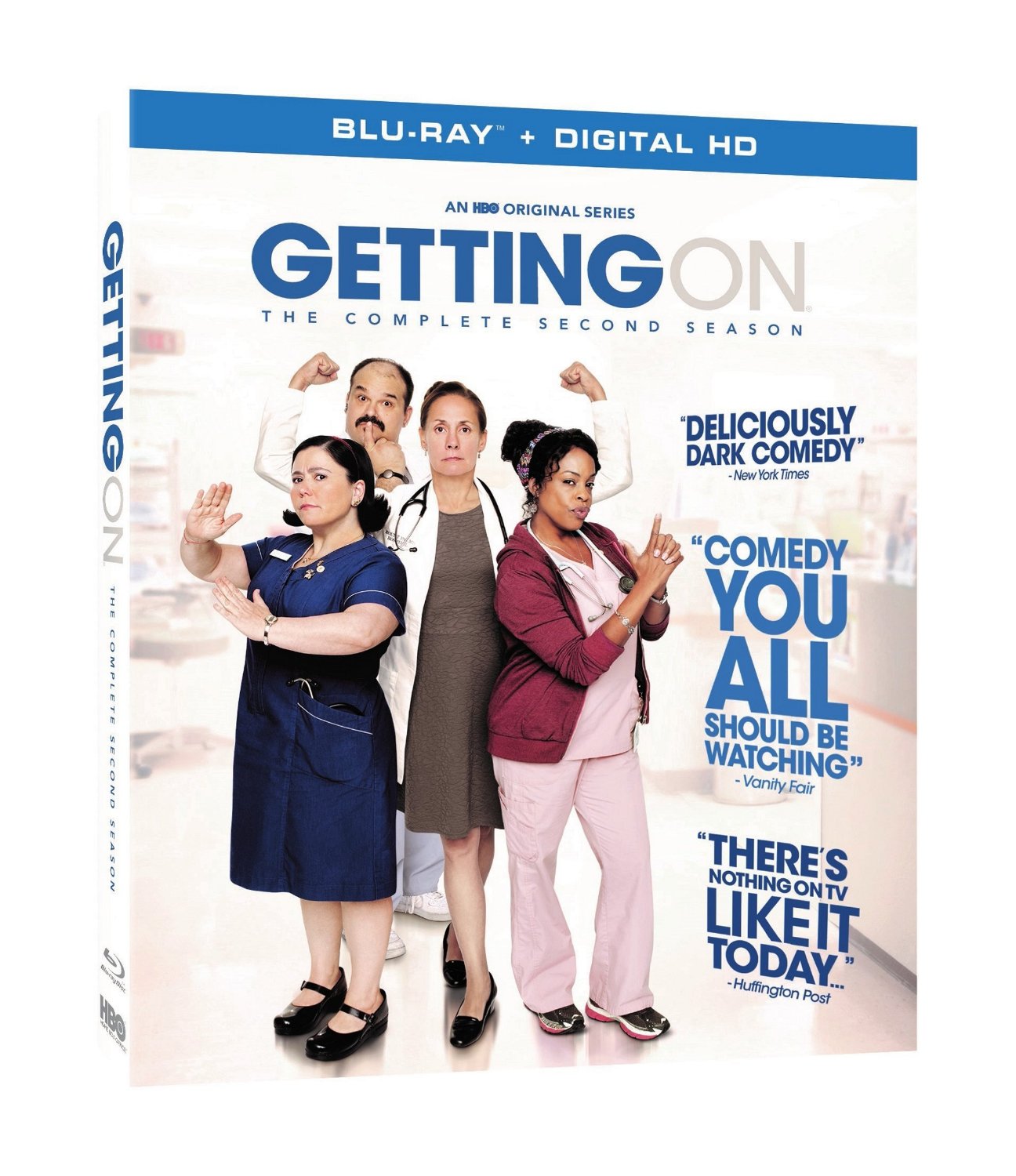
The geriatric care wing of a hospital — where the employees are undermanned and overworked, and many of the patients are in a near-catatonic state — is not the most obvious sitcom setting. That's partly the reason it took me a while to warm up to the first season of HBO's Getting On, an adaptation of the British series of the same name. The biggest drawback, however, was that those initial episodes didn't seem very interested in shaking the grim specter of the original show. But what a difference a year makes!

Before I get into all the ways Getting On improved during its second season, let's do a quick summary. The show is exclusively set within the Billy Barnes Extended Care Unit at Mount Palms Hospital in Long Beach, California. The staff includes Dr. Jenna James (Laurie Metcalf), the unit's spectacularly off-putting and self-centered director of medicine. Dawn Forchette (Alex Borstein) is the eager-to-please head ward nurse who is a professional doormat for Dr. James and a romantic doormat for on-again/off-again flame Patsy de la Serda (Mel Rodriguez), the unit's supervising nurse/resident stickler. Finally, there's overwhelmed, underpaid DiDi Ortley (Niecy Nash), who remains the most openly compassionate staff member.

Why, this is getting more farcical by the moment!”

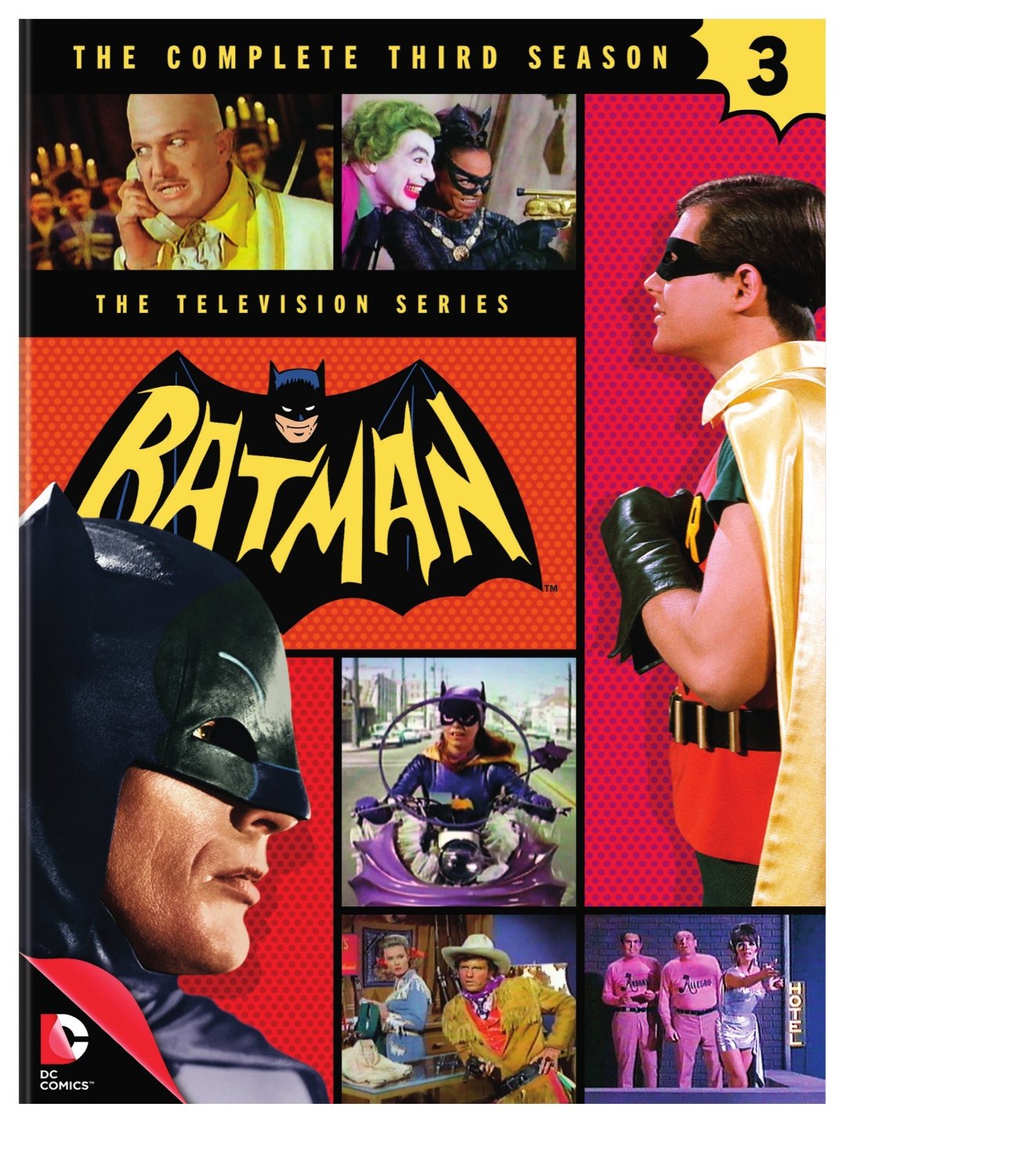
It's easy to point at the 1960s Batman TV series and laugh. For Dark Knight loyalists who insist their hero be gritty and tortured, the show is (at best) a campy amusement. At worst, it's an embarrassing atrocity. The two most important things to note are 1.) the show is very much a product of the Swinging Sixties time period in which it was made, and 2.) the series is *supposed* to be funny. (Batman picked up an Outstanding Comedy Series Emmy nomination during its run.) Keeping those two factors in mind is crucial to enjoying this entertaining, monumentally bizarre run of episodes.


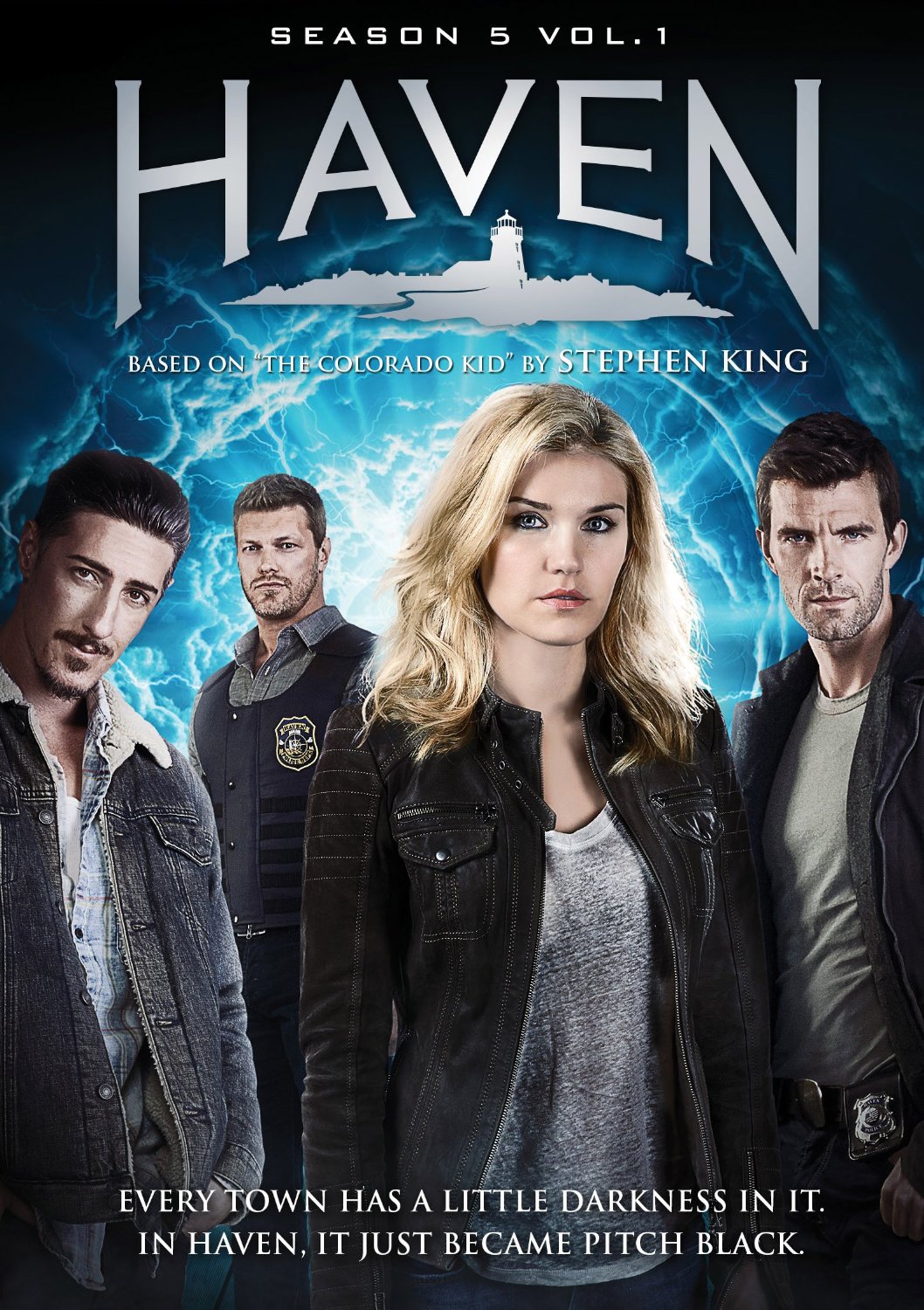
For me Haven has always been a quiet-storm series. It was a show that I had heard nothing about when I first started watching, but when I got started, I found it compelling. It’s a mystery series (or at least it used to be) based off a novella from Stephen King. In the beginning, one question was paramount to the series’ lead character: who is the Colorado King? That question took many seasons to answer, but now that the show’s time is limited due to Syfy announcing its decision to cancel the series, with the final episodes to air later this year, another question has arisen as the paramount question: who is Audrey Parker?

Brief recap: Audrey last season for the good of the town went into the barn in order to stop the Troubles, the generational affliction that grants the residents of Haven equally extraordinary and chaotic abilities. Nathan does everything in his power to stop her but ultimately fails, but despite Audrey’s sacrifice the Troubles do not go away, and a destructive meteor shower threatens to destroy the town. Concluding that they need Audrey in order to stop the chaos, they open a portal between worlds with the help of two new faces, Jenny and William. However, William turns out not to be what he represents himself to be and is soon revealed to be one of the original architects of the Troubles. As he continues to bestow dangerous and uncontrollable new Troubles on the masses , he also reveals that the reason that Audrey also returns to Haven to help the Trouble is a punishment because as her original self, Mara, she is the other architect of the Troubles. Eventually, William is captured and thrown into an abyss, but before being thrown he manages to bring back Mara.

This is the beginning of something, not the end.”

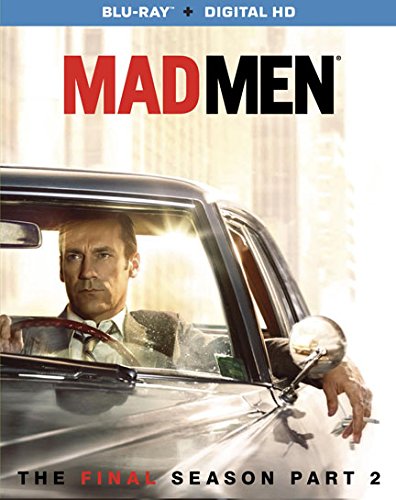
There weren’t any Lost-style mysteries to be resolved here. And unlike The Sopranos or Breaking Bad, this particular series never really hinged on whether the lead character lived or died. (Although a moment in Ep. 5/“Lost Horizon” seems to nod toward fan speculation that Don Draper would take a tumble similar to the silhouette from the show’s iconic opening credits.) Instead, the final season of Mad Men — more than any other all-time great show I can remember — is directly about the end of things.

Oh Hell No! is the cheeky subtitle for the latest entry in SyFy's made-for-TV Twitter Sharknado franchise. Coincidentally, “Oh hell no!” was also the response the creators of the first film got from everyone they approached about starring in it a few years ago. Flash forward to 2015, and things have changed dramatically. Now Sharknado auteur Anthony C. Ferrante needs a stick to beat away the washed-up actors, reality stars, and politicians(?!) angling to serve as chum for some comically unconvincing sharks.

Why do you always have to be a hero?”

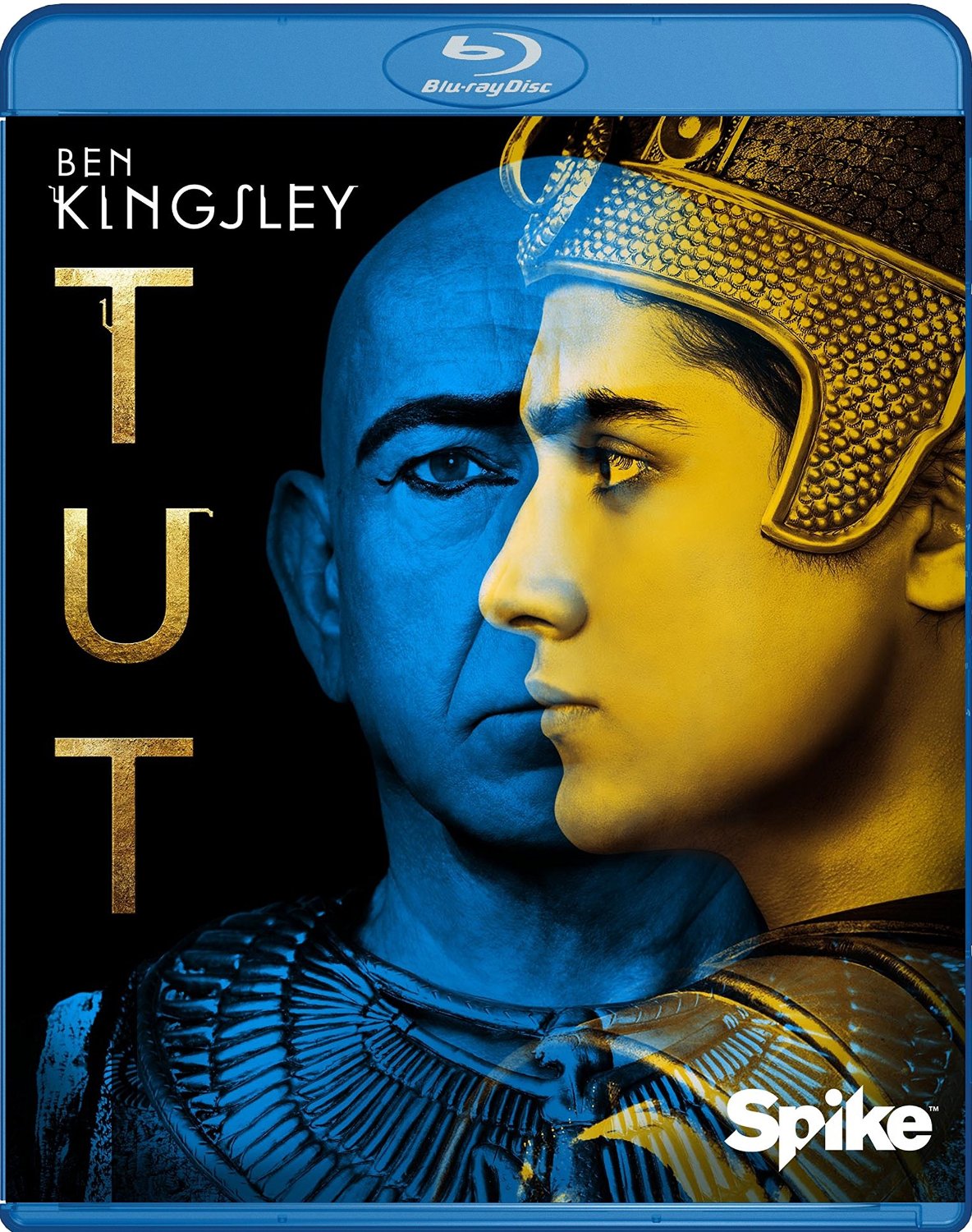
It wasn’t until I settled in to watch Spike TV’s three-part/six-hour miniseries based on the (relatively short) life of King Tut that I realized we hadn’t really seen his story depicted on screen before. I mean, it’s probably a bad sign that the most famous on-screen portrayal of the ancient Egyptian monarch comes courtesy of…Steve Martin. Given the liberties this miniseries takes with casting and storytelling, I reckon some historians would’ve preferred Martin as the famous pharaoh here. However, I still found this to be a suitably entertaining and attractive (if somewhat overstuffed) melodrama.

"No one fears you. You are the boy king who lives behind other men."

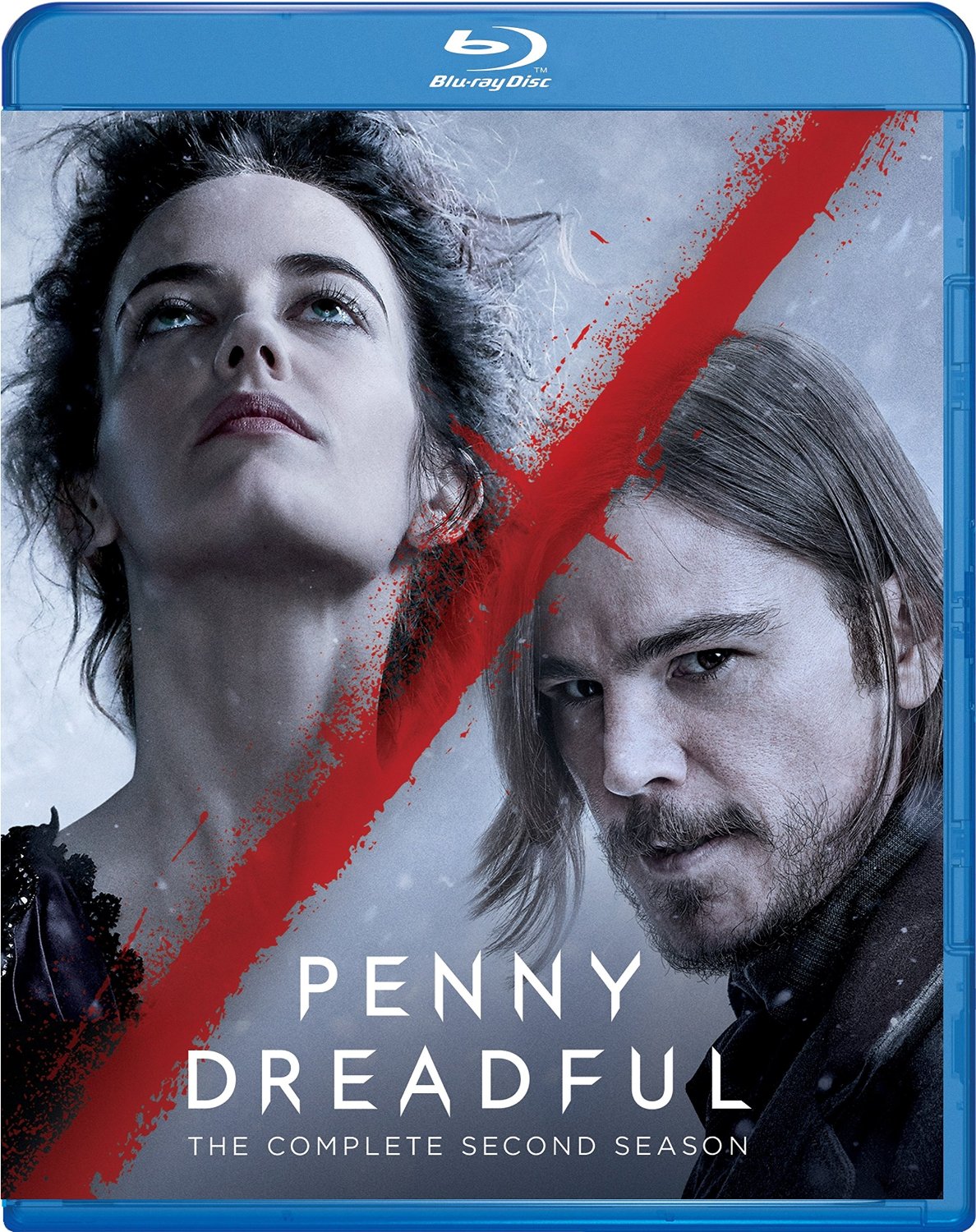
I grew up on the horror comics of the 1970's. Eerie and Creepy were two of my favorites. My father would buy them and pass them down to me when he finished reading them. They were black and white so that they could take advantage of a loophole in the Comics Code and often featured lurid and gory stories of horror and depravity. Probably not the most appropriate reading for a young boy, but I ate them up. Before those comics there were the EC horror comics from Bill Gaines in the 1950's. Titles like Tales From The Crypt and The Vault Of Horror called out to readers with gory and hideous covers. But it didn't really start there. It all goes back to 19th century England and the publication of weekly pamphlets that featured the same kind of ghoulish entertainment for the masses. They were called “penny dreadfuls”, describing the price and the material they contained. That tradition has evolved over the last century or so, and television has taken the place of that kind of literature. It was only a matter of time before that 19th century tradition would be reborn as a Showtime series called, appropriately enough, Penny Dreadful.

The series has used three popular horror novels as its foundation. You'll find characters and situations from Bram Stoker's Dracula, Mary Shelley's Frankenstein, and Oscar Wilde's The Picture Of Dorian Gray. John Logan, who brought us the thrilling Roman adventure Gladiator, takes these basic works of literature and weaves a complicated story that sprinkles in a few other horror elements to bring us something deliciously new. He whips them together in a period piece that is thick with atmosphere. He populates them with incredibly animated characters played by actors that are, for the most part, quite solid in their roles. We were introduced to them in the first season, but we hadn't been given that season to review. So let me give you a rundown of the characters you'll encounter.

It is upon us now...an old and faceless foe.”

In the second season of Reign, that foreboding statement refers to the plague and ensuing famine that lay siege to the court of King Francis II, Mary Queen of Scots, and their subjects. But in real-life terms, the most dangerous “old and faceless foe” for a promising series entering its second season is the “sophomore slump.” That's why I'm pleased to report the CW's sumptuous period drama was able to maintain the shamelessly soapy momentum from its guilty pleasure first season.