Posted in: Disc Reviews by Brent Lorentson on August 29th, 2014
“You were always such a clever troublemaker.”
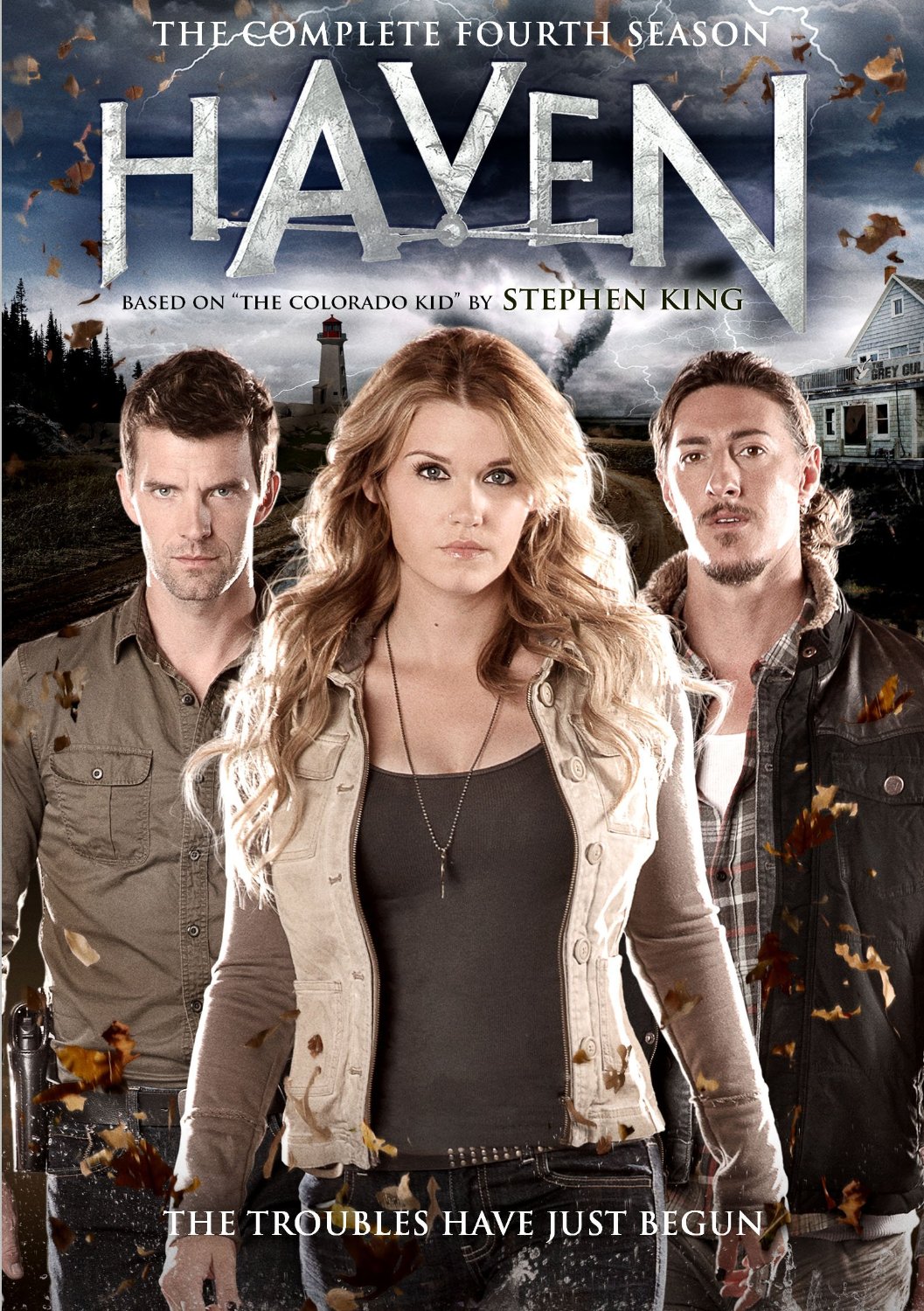
When Audrey Parker (Emily Rose) entered the barn in the conclusion of season 3 of Haven, all “the Troubles” were supposed to come to an end for the small seaside town of Haven, Maine. Sure everything seemed to go as planned, that is until Duke (Eric Balfour) took the plunge into the barn before it disappeared, leaving Sheriff Nathan Wuornos (Lucas Bryant) behind. As cliffhangers go, this ranked right up there with the season 1 finale when we discovered that there were two Audrey Parkers. I loved season 3 of Haven; the pursuit of the “Bolt Gun Killer” as well as the show’s exploration into Audrey Parker’s past was excellent storytelling that continues to remind me of the David Lynch classic series Twin Peaks.
Posted in: Disc Reviews by Gino Sassani on August 27th, 2014
"It's like Prohibition never happened but for one thing. Prices will increase twenty-fold. We got a product a fellah's gotta have. Even better is that, we got a product he ain't allowed to have."
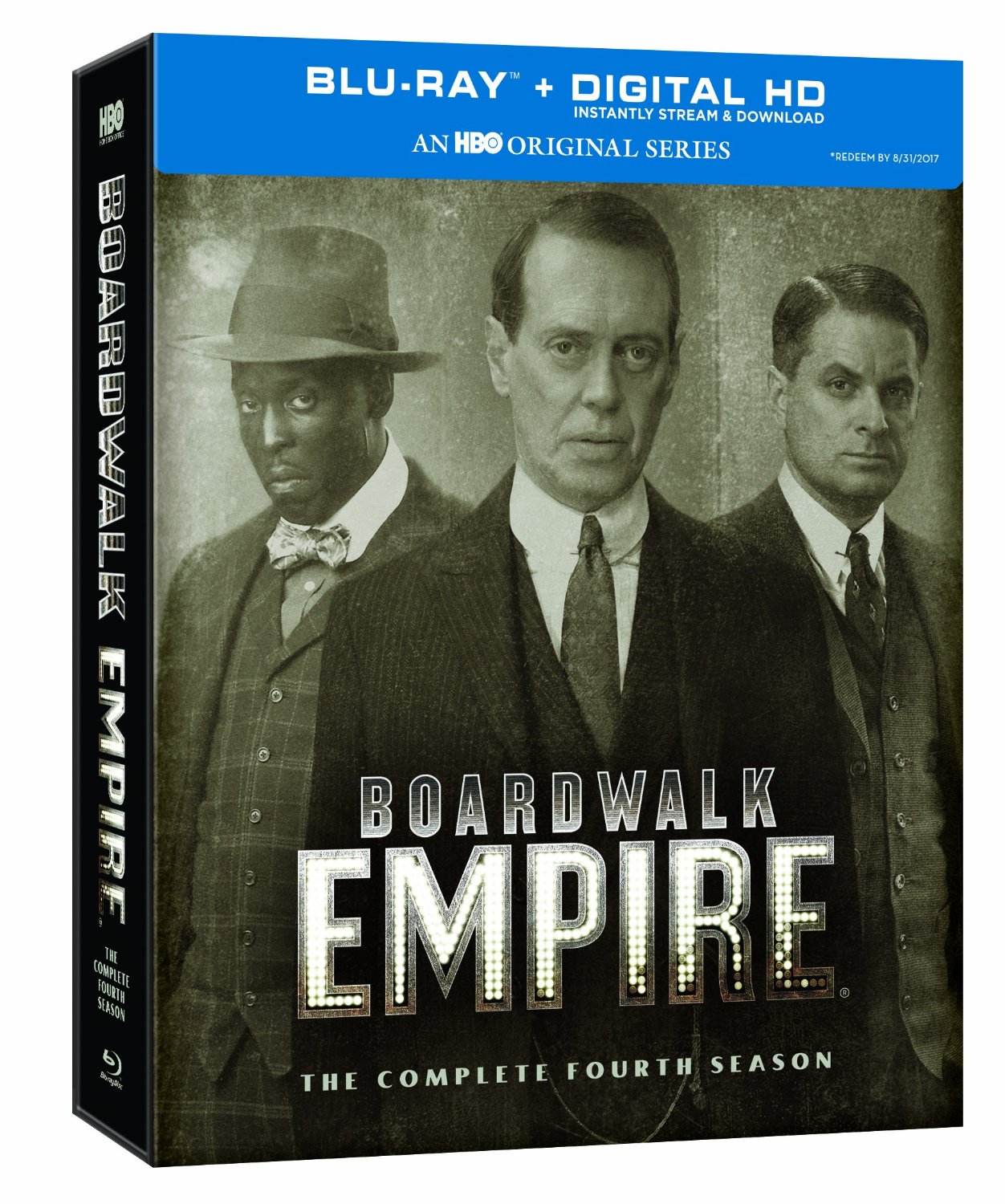
The fourth season of Boardwalk Empire began pretty much the only way it could have after the bloodbath that ended the previous season. It was an explosive season that delivered the best gangland war in television history. Now there has to be some kind of peace or at least status quo after the end of the violence. Nucky is making his peace with Arnold Rothstein and his people. He also owes Chalky White for saving his behind when war broke out. It's all going to cost him: money to Rothstein and the rebuilt club on the boardwalk for Chalky. The new Onyx club is now run by a man who is not allowed to sit in the front section of his own club.
Posted in: Disc Reviews by J C on August 26th, 2014
“Could you please reduce your level of hysteria?”
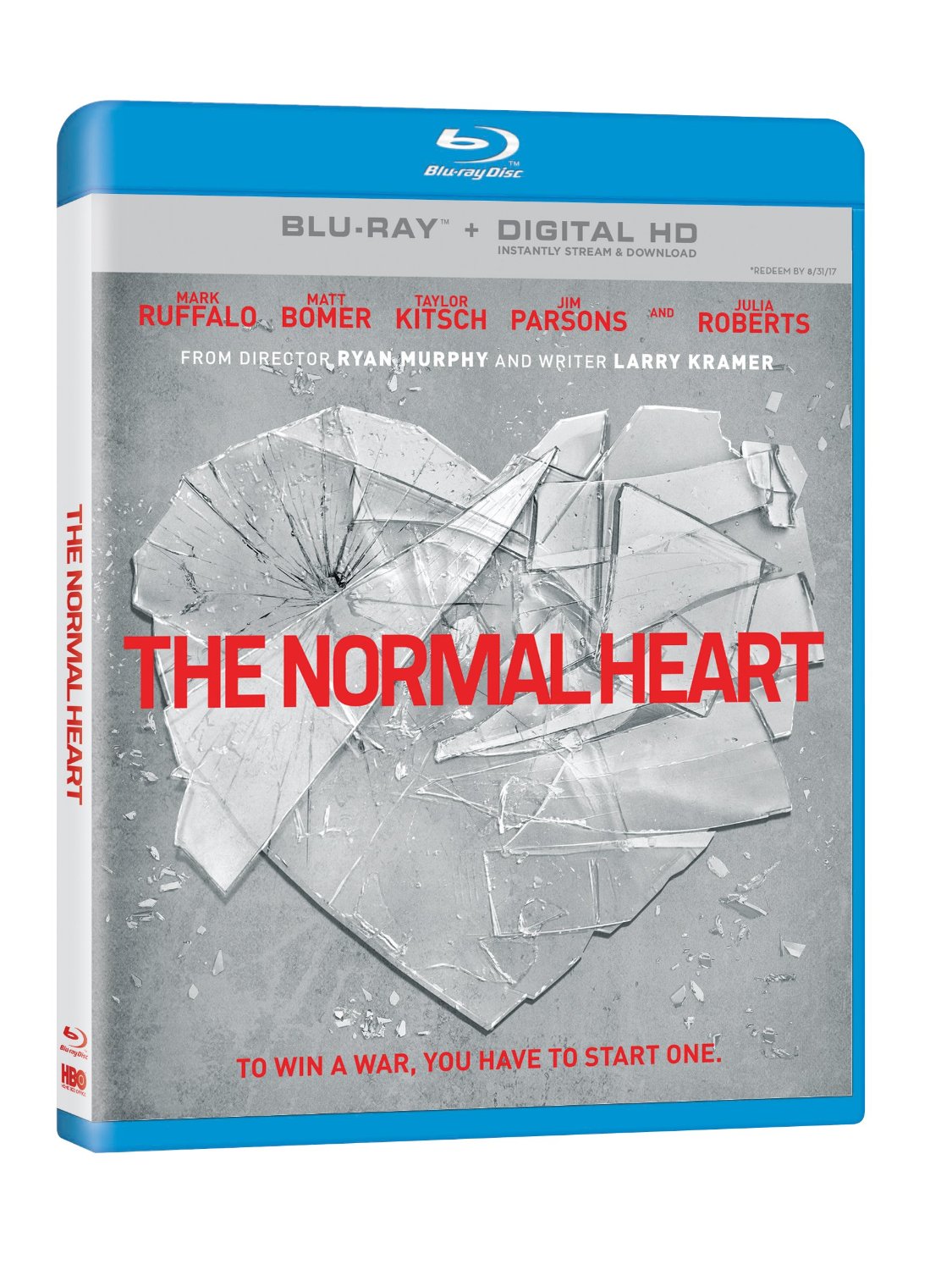
There is a lot of yelling and a lot of outrage in The Normal Heart. The film chronicles the confusing, terrifying onset of the HIV-AIDS crisis in the early 1980s and how a group of gay men (and one intrepid doctor) in New York fought to draw attention to the deadly disease. Their efforts are alternately frustrating and futile, which leads to a higher decibel level for much of the movie’s second half. Thankfully, The Normal Heart is shrewd enough to note that there’s more than one way to make a point. More importantly, the film does a strong job of illustrating the different ways the yelling and outrage were justified.
Posted in: Disc Reviews by J C on August 25th, 2014
One of the miracles of modern technology is its ability to shrink the world down so you can practically (well, proverbially) hold it in the palm of your hand. The cheerily square Smithsonian Channel series Aerial America goes the other way. In fact, the best thing about the show is how it uses technology to fill every inch of your screen with some of the most famous — along with some of the more underappreciated — U.S. landmarks, employing a larger-than-life/bird’s-eye point of view most of us wouldn’t otherwise be able to enjoy.
Now, Smithsonian Channel and Inception Media Group have released another batch of episodes on Blu-ray.

A quick primer if you’ve never seen the show (as I hadn’t prior to reviewing the Southwest Collection): the series debuted in 2010, and each hour-long episode is devoted to a different U.S. state or region. Every one of those episodes is solely comprised of stunning, leisurely aerial shots of that respective state’s natural and man-made landmarks, along with a brisk history lesson courtesy of narrator Jim Conrad.
Posted in: Disc Reviews by Gino Sassani on August 22nd, 2014
"Welcome to the SyFy Channel."
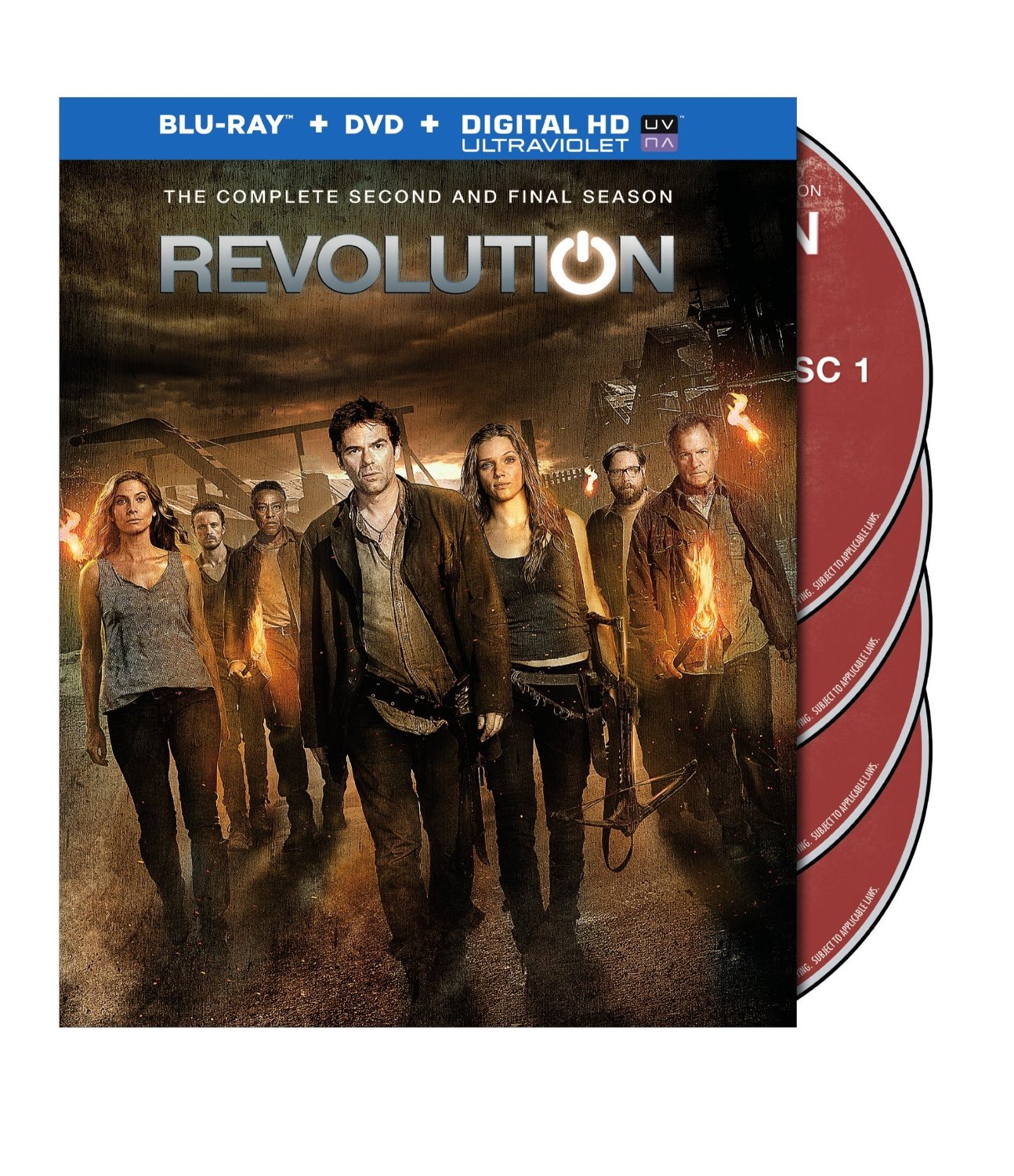
OK, not really. Revolution aired on sister network NBC, both part of the Universal family. Usually the sibling resemblances are not very visible. Revolution, however has all the elements of a typical SyFy Channel series. These shows almost always start with strong source material or a crazy but clever idea. Most of the time the idea gets lost in bad acting, cheap computer-generated images and very low production values. None of those are a problem for Revolution. The acting is pretty solid. The effects are innovative and impressive (except for the really bad guys-on-fire images). The production values could stand against any series on the air. The creative team is overrun by talented people with proven track records. So how did Revolution go so far off the rails and end up in a pretty much deserved cancellation after just two years? Let me count the ways.
Posted in: Disc Reviews by J C on August 19th, 2014
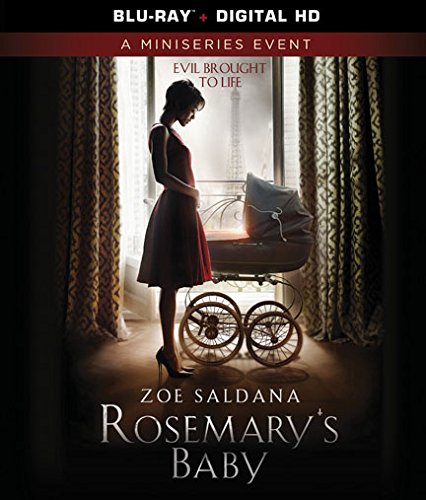
It’s kind of astounding that it took this long for somebody to revisit Rosemary’s Baby. Don’t get me wrong: I’m not suggesting Roman Polanski’s indelible 1968 adaptation of Ira Levin’s 1967 novel was crying out for a remake. It’s just that at this point you’d be hard pressed to find any horror classic — or any horror film, period — that hasn’t been re-done. (Stay strong, Exorcist!) And you probably wouldn’t expect said horror classic to be re-imagined as a bloody network TV miniseries.
I say "bloody" because NBC's two-part/four-hour modernization of Rosemary's Baby is actually more graphic than Polanski's theatrical chiller. (Then again, I still can't believe the network gets away with showing half the inspired, disturbingly brilliant stuff they do on Hannibal, so maybe this shouldn't come as a big surprise.) Unfortunately, this stylish new version lacks subtlety and — more importantly — a fundamental understanding of what makes the story scary in the first place.
Posted in: Disc Reviews by Gino Sassani on August 14th, 2014
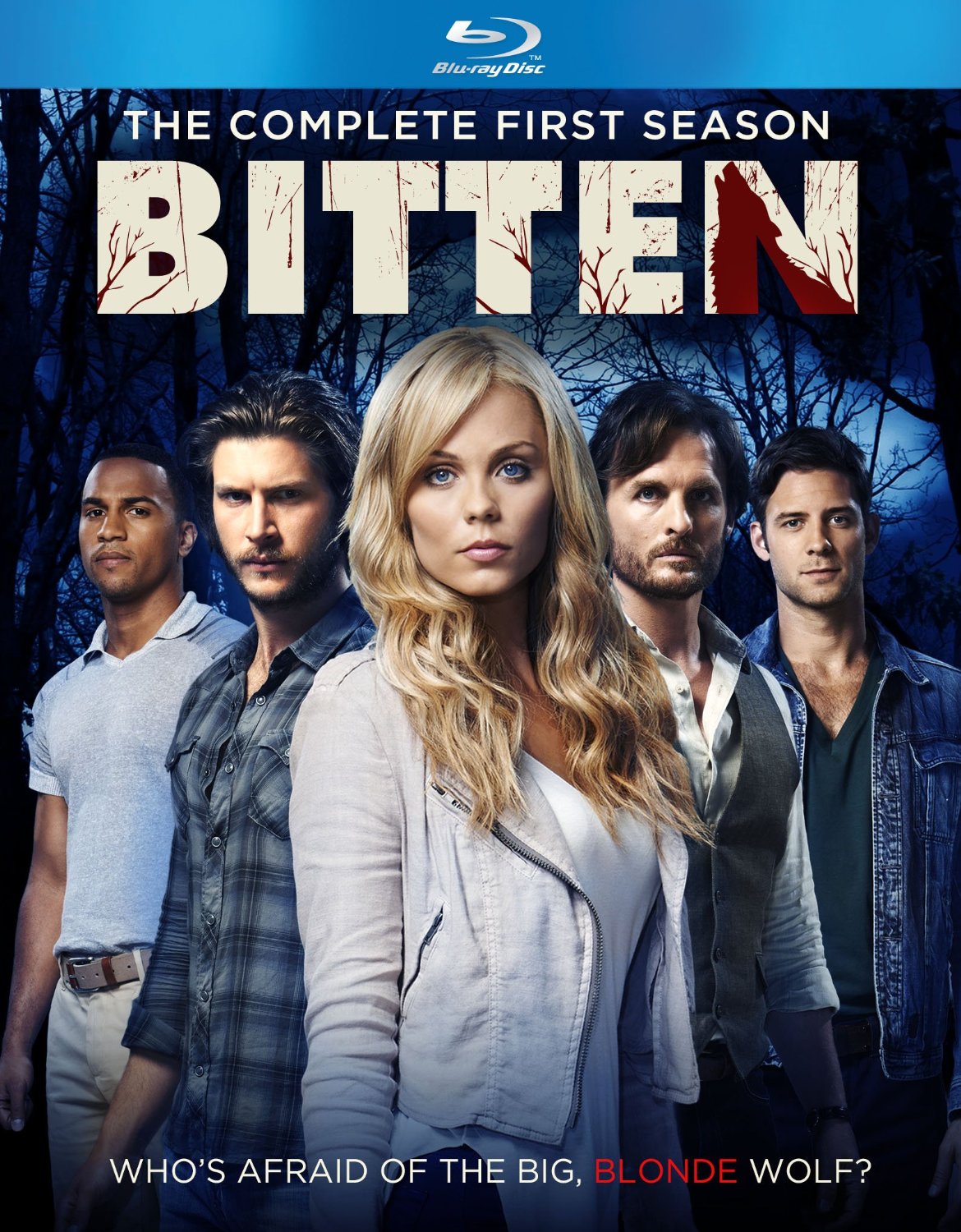
The television landscape has been flooded with shows about the supernatural. Vampires have been particularly hot topics in recent years, but werewolves are starting to get their own sub-genre going. MTV's Teen Wolf manages to pull the theme off quite well. It's no surprise that pretty much every network out there wants to throw their own hats into the supernatural ring. It's getting quite crowded, but the popularity appears to have no end. Of course, with such a crowded field you have to find a way to stand out from the rest. That's what I was hoping to find when I started to dig into the Blu-ray release of Bitten. Unfortunately, the results aren't as impressive as I had hoped.
Bitten tells the story of Elena, played by Smallville's standout actress Laura Vandervoort. Elena is a werewolf who has left her pack behind to try to live a normal life in Toronto. She gets a job as a photojournalist and even manages to find time for a more artistic approach to her photography. She has just moved in with boyfriend Philip (Greene) who is unaware of her supernatural alter-ego. Just as she's trying to build that relationship, she gets a call from her pack alpha Jeremy, played by Greg Bryk. That call is going to throw a bit of a monkey wrench into that normal life she was hoping for.
Posted in: Disc Reviews by Gino Sassani on August 12th, 2014
"Space... the final frontier. These are the voyages of the starship Enterprise. Its continuing mission, to explore strange new worlds. To seek out new life and new civilizations. To boldly go where no one has gone before."
The sixth season of Star Trek: The Next Generation is arguable one of the best seasons in the history of the franchise. There are likely many reasons for this. I think the most likely has to do with Rick Berman. He had moved his attention over to Deep Space 9 and had left the day-to-day running of Next Generation to others. Most notable of the others was Jerri Taylor, who moved up to take control of both the writer's room and casting choices. Both showed remarkable improvement under her leadership. She's credited with the "graying" of Starfleet, insisting that there be more guest stars over 30. She also insisted that stories stop using some of the same gimmicks. As a result, this is the only year in Star Trek history where a starship malfunction did not lead to the crises of the week. She would hold brainstorming sessions at her home on Sundays and was more open to tie-ins with the original series. This, of course, led to Relics, in which James Doohan returns as Scotty, and it became the third highest rated episode of Star Trek in franchise history. The season was so successful in the ratings that it beat that year's World Series, which led to a two-page spread in the trades from Paramount with the tag line: "Baseball's World Series lost to our worlds series". The truth was Trek didn't just beat it. It was a blowout. Trek brought in 23% more viewers during that time period than the games. Trek was at an all-time high in popularity. The merchandising had just crossed the $2 billion mark, and the sky was literally the limit.
Posted in: No Huddle Reviews by J C on August 7th, 2014
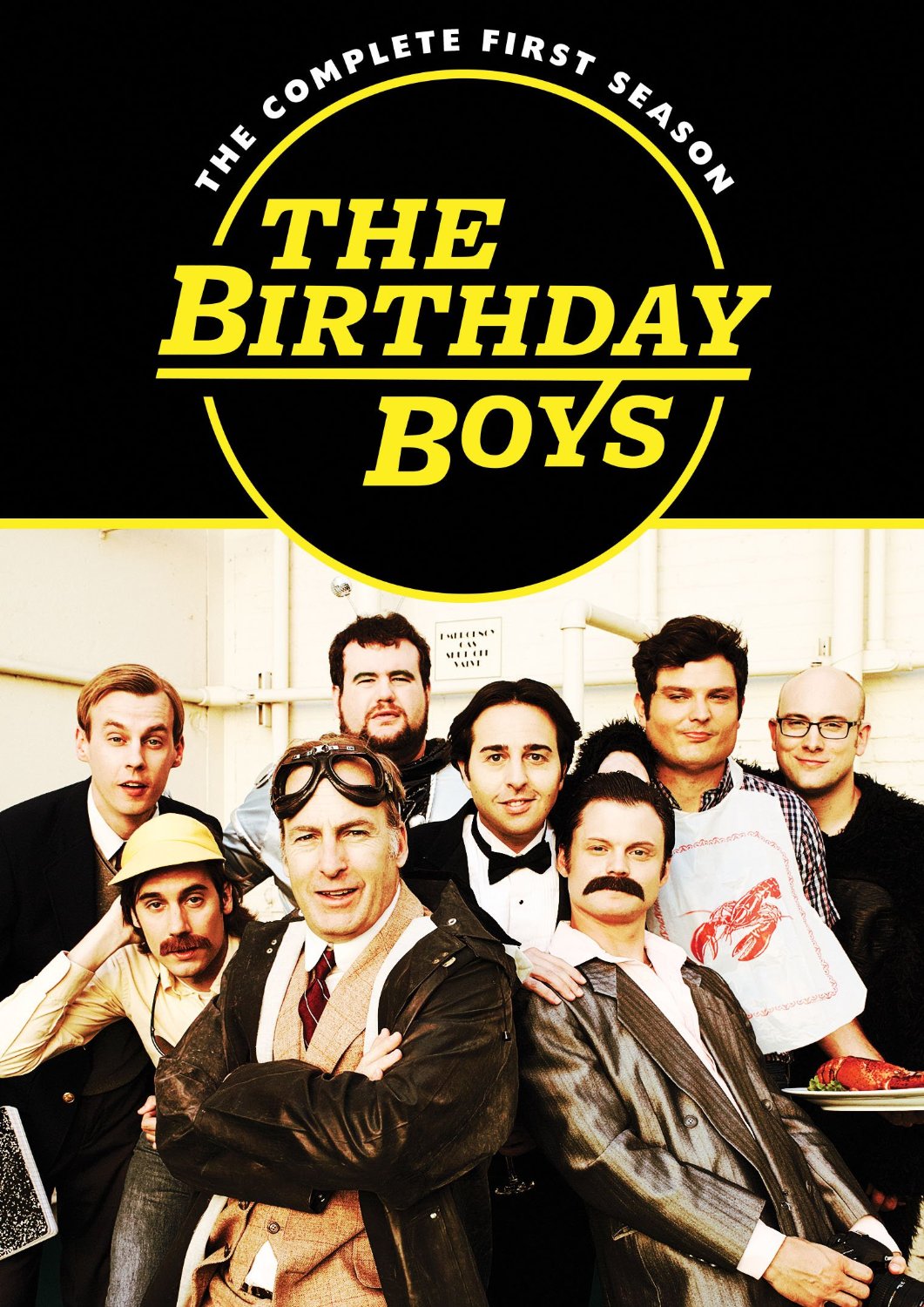
It seems to me, if your ultimate goal is to get on television, there’s never been a better time to be a sketch comedian. Thanks to sites like YouTube — which thrive on the sort of bite-size videos that line up nicely with the rhythms of sketch comedy — funny folks can hone their craft online while building a big enough fan base to maybe compel a network to offer them a show. Comedy Central is the most obvious basic cable landing spot, but IFC has emerged in recent years as a haven for offbeat humor. That includes The Birthday Boys, which is characteristically uneven, but boasts an impeccable TV sketch comedy pedigree.
“Finally, they got their golden opportunity. A television producer offered them their own show. But at what cost?”
Posted in: Disc Reviews by Gino Sassani on July 31st, 2014
"Make no mistake. Blood will be spilled. Lives will be lost. Fortunes will be made. Men will be ruined. There will be betrayal and scandal and perfidy of epic proportions."
With a statement like that, how can you not want to check out AMC's newest drama series Hell On Wheels? I've been told the title sounds like it's about motorcycle gangs, and I couldn't agree more. The term refers to the mobile tent city that housed the workers on the Union Pacific Railroad and the support entourage the camp attracted. It was a virtual tent city that had all of the essentials: a church, bar, and whorehouse. It was just after the Civil War, and the American government believed that a railroad connecting the east and west coasts was just the kind of project the country needed to pull back together and heal still-festering wounds. As one of the filmmakers accurately points out, this was the Apollo moon project of the day. Long believed impossible by the brightest engineers of the day, the railroad would cut the time it took to go from coast to coast from six months to just under seven days. It was a truly remarkable feat, and it carried with it more than a fair dosage of corruption and blood. Now AMC has brought those days from 1865 back to our television screen with an ambitious and smartly produced series. It's a must see.