Eagle Rock Entertainment

I remember over my years watching History's Duck Dynasty that the lead characters had very characteristic beards. One of the multi-season collections even came with a beard you could put on or display. A lot of folks thought it was a clever element that set these "good ol' boys" apart from the other eccentric characters the network parades in their "reality" shows, but if you're a fan of American music, you would know those beards anywhere. They originally belonged to ZZ Top iconic guitarist Billy Gibbons and equally iconic bass player Dusty Hill, who along with the ironically beardless drummer Frank Beard form the trio ZZ Top. After 50 years they remain the longest running rock band in history to still feature the complete original lineup. Of course, that's not quite as hard to do with only three members, but it's a milestone that even few marriages celebrate, and that's only two people. Like them, love them, or not, ZZ Top have become one of the most quintessential American bands in history. It's easily recognized with just a few opening chords, and it's about time someone sat down with these boys to find out what makes them tick and just how three poor cowboys from Texas changed the American music scene forever.


The documentary is by noted filmmaker Sam Dunn, who is usually known for his coverage of the metal scene. ZZ Top is a little out of the way for Dunn, but he manages to capture the essence of a band that has relied on an element of mystery their entire careers. They don't do a lot of events, interviews, or promotional gigs. They have traditionally let the music speak for themselves, and it likely took a director with a willingness to color outside the lines to bring the band's history and true personality out for the cameras. It's not a traditional kind of documentary. As history is told by one participant or another, you certainly get the expected vintage photographs, performance posters, and grainy footage of the days before fame. That's all here, but there's more. The film resorts to some black & white animation to cover some of the important meetings and decisions that came up along the way. Of most interest is the overall use of a private performance deep in the heart of Texas where the trio gather and recreate the milestone musical moments that served as turning points in their lives. It's not only nice to have a somewhat intimate concert with the band but be close enough to watch them recall those moments as they ran through the music being described. I loved those moments and wish there had actually been more of that.

It was the 'hate the performer' festival.”

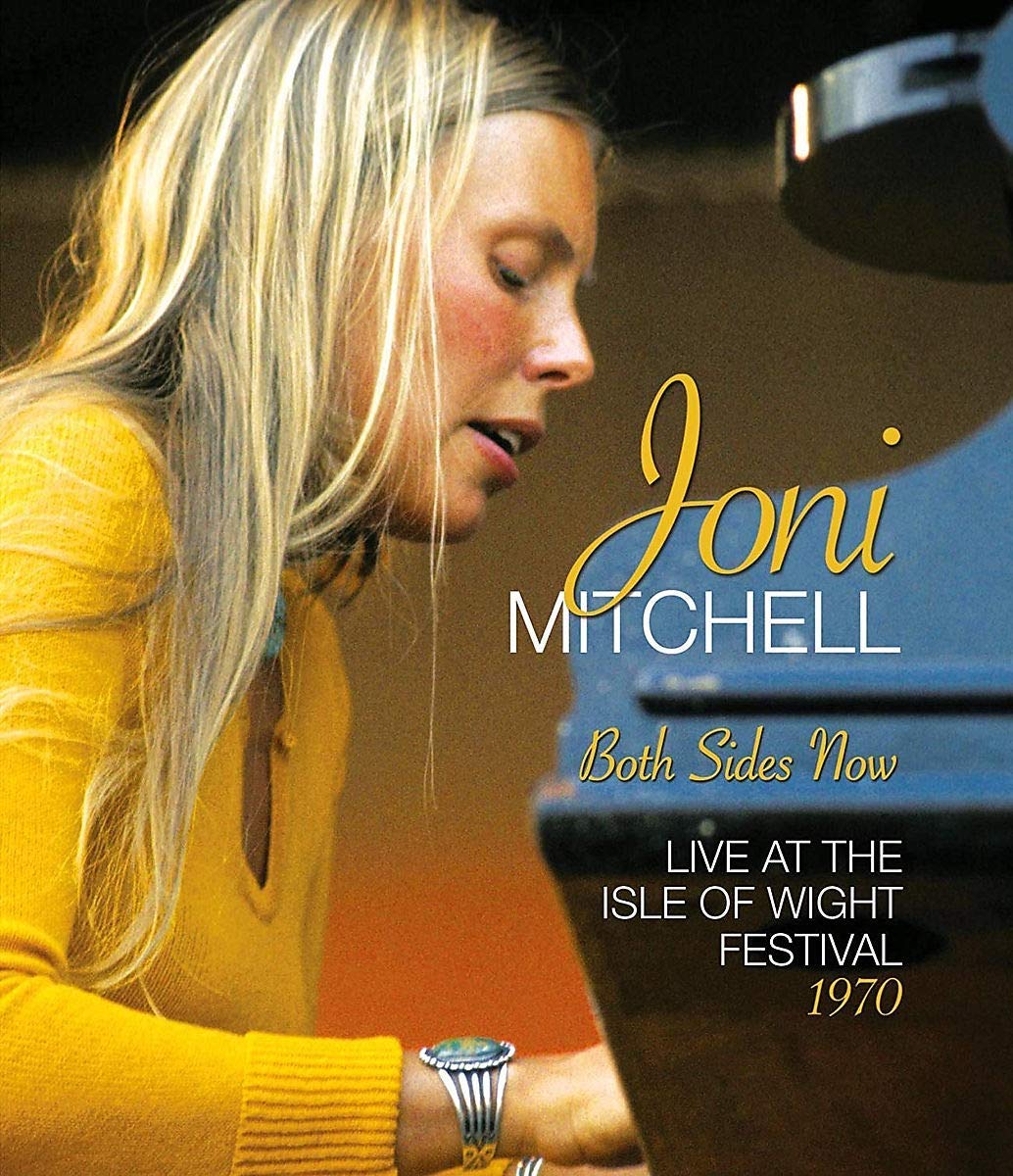
With more than 600,000 people in attendance, the Isle of Wight Festival in 1970 became the largest musical event of its time. In terms of sheer numbers, it was even bigger than Woodstock a year earlier. But instead of celebrating peace and love, the hippies who attended Isle of Wight were put off by performers who showed up in ostentatious vehicles. They were determined to aggressively protest the commercialization of music, which led to fences being torn down and artists subsequently dropping out of the festival lineup. Joni Mitchell: Both Sides Now — Live at The Isle of Wight Festival 1970 documents how one of the quietest, most unassuming artists in the lineup made some everlasting noise.

Hans Zimmer has composed the music for some of the most iconic films of the last 20 years. That list includes Gladiator, The Dark Knight Trilogy, Crimson Tide, Pirates Of The Caribbean, Dunkirk, and even some of The Lion King. He's the go-to composer for directors like Ridley Scott and Christopher Nolan. His music is on par with household names like John Williams. I own a few scores that I've felt compelled enough to pick up over the years, and one of my favorites has been Gladiator for some time. When I heard that Eagle Rock Entertainment was going to release a Blu-ray containing a tour stop of this incredible music live, I was quick to sign up to review. Still, I had little idea what to expect. A veteran of many rock concerts since the 1970's, I've never really watched or attended a concert dedicated to film scores before. Would it be more like going to the symphony to hear the likes of Bach or Mozart, or would it be something more akin to a progressive rock band with orchestral elements like ELO? The answer came down somewhere in between, and it turned out to be the most unique concert experience I've had the pleasure to review.

The concert begins more like a rock concert. Zimmer comes out, not to direct, but to play along with the other musicians. He ends up on piano, guitar, and a few other instruments before the show concludes. In the start the music is rather fast and furious. The stage is lined with an eclectic array of instruments played by a decidedly international collection of musicians. There are a couple of violins and an electric cello. But there are also several drum sets, electric bass, and a couple of electric guitars to round out the sound. And for the first few tracks taken from Driving Miss Daisy, Sherlock Holmes and Madagascar, the concert resembles a Jeff Lynne-assembled rock concert more than anything else. The band goes from one piece to another with nary a pause or introduction. In fact many tracks throughout the concert run together, and you might want to keep the track list (provided on a nice insert) handy to follow along. After this first high-energy performance, Zimmer finally stops to chat a moment with the audience. That's when the back curtain is lifted, and we discover that there is a full orchestra tucked away behind the "band" along with an extensive choir. That's when the concert moves into the more classical feel for such films as Thin Red Line, Angels And Demons, and, of course, selections from Gladiator. But there remains a bit of an edge to the music, provided by that front line of spotlighted musicians.

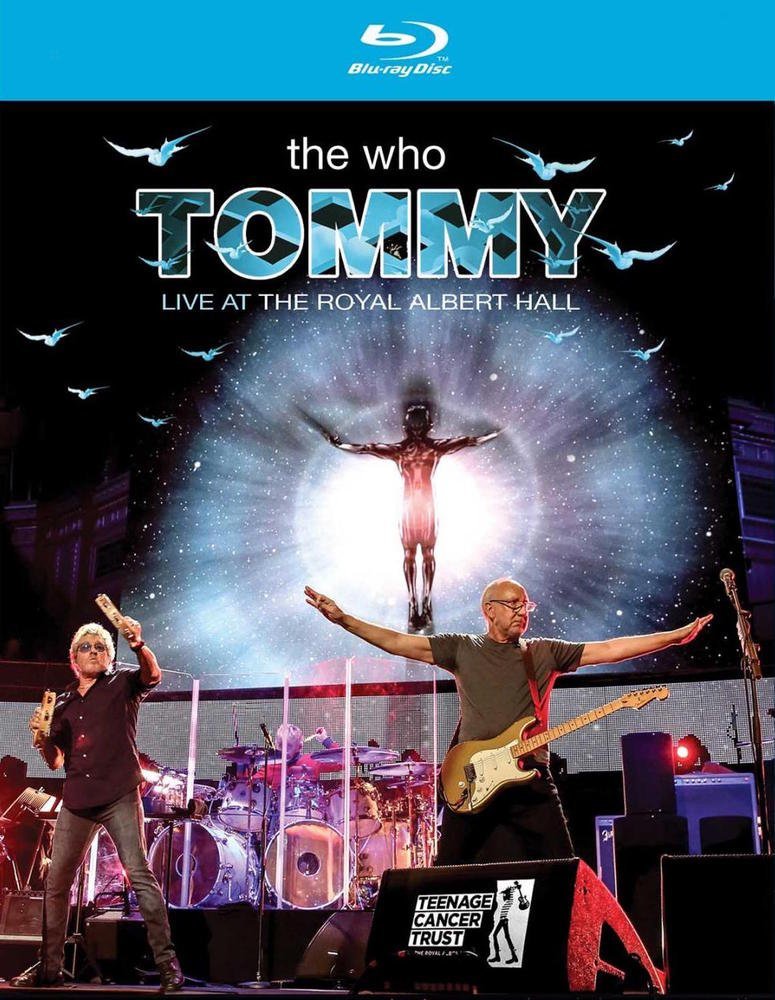
I was first introduced to The Who through the original Tommy album. It was one of my mother's favorites when I was young, and she had actually written out by hand her interpretation of the story the rock opera appeared to tell. I can't remember those scribblings, and I'm not even sure if they're still tucked away in that Decca album I have around here somewhere. But the music always stayed with me. Now, I didn't ever become a huge fan of the band. I always liked them and collected a couple of their albums over the years. I did play a lot of pinball, however. I fell more in with the likes of Elton John. So you can imagine how excited I was in the summer of 1975 when my favorite musician was cast to play the Pinball Wizard in a movie from the music that had been stuck in my head for years. And while the soundtrack version has been the version I've often found stuck in my head, the original album was never far away either. Apparently that's also the case with Pete Townshend and Roger Daltrey.

The decision to do a live version of Tommy 50 years after the album's release is tied to a worthy pet project that Daltrey has been running since 2000. He has recognized that teens have been a big part of the band getting its start back in the 1960's and worked to create Teenage Cancer Trust, which helps teens deal with cancer not only on the medical side but by providing them with unique experiences and activities. The Tommy performance in April of 2017 was the 100th performance from musicians all over the world in support of the cause. One of the parts of this show that I wish we'd seen is only talked about in the Behind the Scenes extra. Kids were provided with instruments and access to the Royal Albert Hall where they were encouraged to write songs inspired by The Who. After the concert they took the stage and got to present them to the band. That must have been a moving event.

"Is it loud enough?"

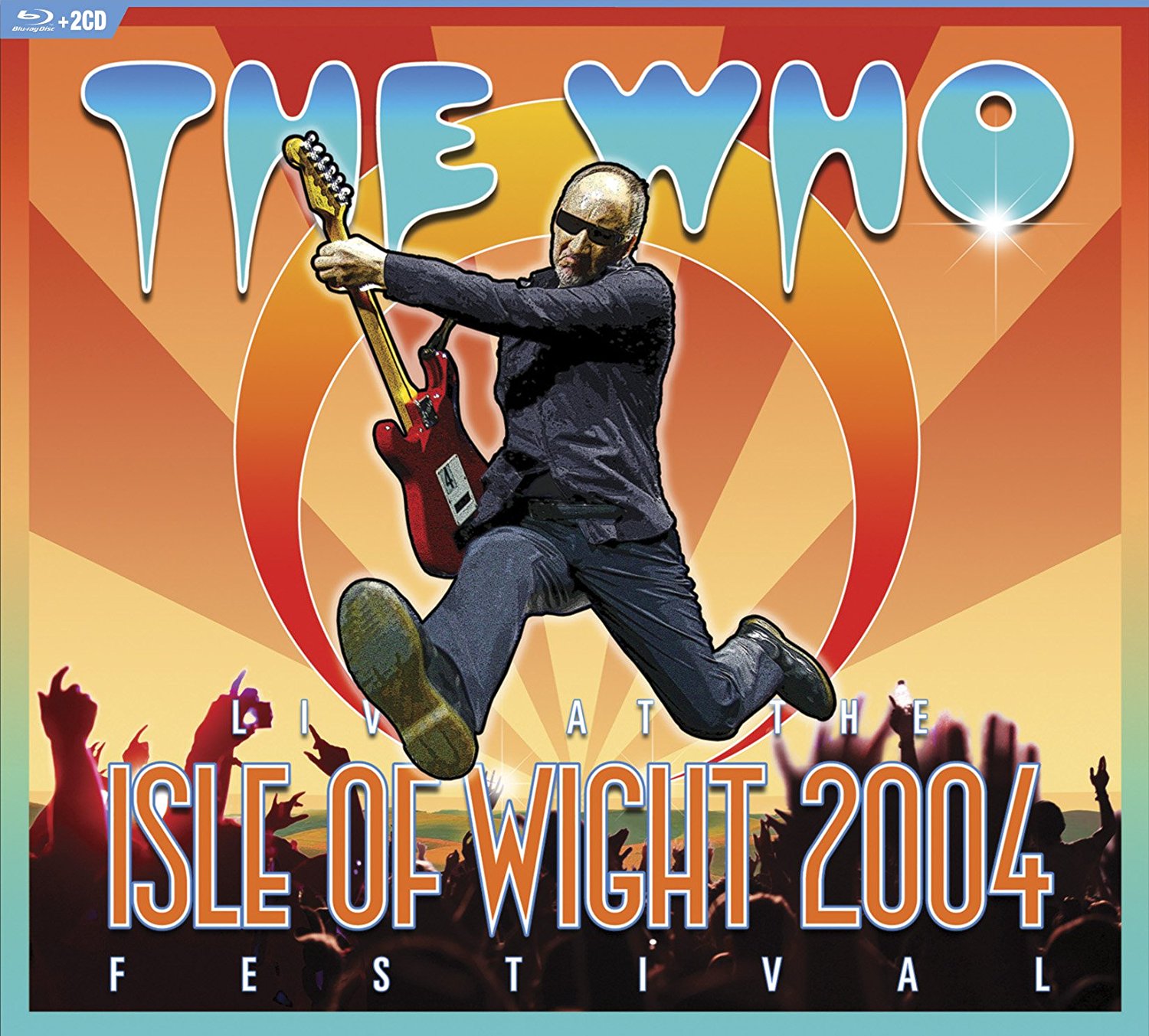
What young 1970’s pup, learning to play a guitar for the first time, didn’t, at one time or another, attempt to imitate Pete Townsend’s windmill power chord strum? I count myself in that group. While I was not a very dedicated Who fan, I had an appreciation for the musicianship. There were still songs like Pinball Wizard and Behind Blue Eyes that I would embrace as if they were my own anthems in those days. It would be hard to deny that The Who is one of the most successful rock bands in history. Part of the original British Invasion of the 1960’s, there are few such acts that are even still around, let alone able to fill the huge stadiums and halls of Rock’s yesteryears. Their songs have become anthems, and their antics have become legend. The band wrote the soundtrack for an entire generation, and proudly touted the fact in aptly named song, My Generation. Banned from all Holiday Inns at one time for their well publicized trashing of rooms, they weren’t any easier on their own instruments. Smashing their instruments and amps on stage became a staple, for a while, of the whole Who experience. They’ve inspired a legion of superstars, and now after more than 40 years of rocking, they soldier on.

It all started back in the early 1960's when Chuck and the late John Panozzo got together with another kid on their Chicago block named Dennis DeYoung and started to play a little music. By 1970 guitarist James "JY" Young joined the band, and they recorded a few minor albums. In 1975 their first hit Lady would put the band on the map, and when Tommy Shaw joined as a singer/writer/guitarist for the Crystal Ball album, the top of the pop charts would be the band's new neighborhood for the better part of a decade. There's little doubt that the band peaked in the late 1970's with The Grand Illusion and Pieces Of Eight. It's amazing how many hit singles came from just two LP's: Come Sail Away, The Grand Illusion, Fooling Yourself (Angry Young Man), Blue Collar Man, Sing For The Day, and Renegade. Recently the band cashed in on those glory years by performing a world tour of those classic albums live and in their entirety.

The band's changed since the albums were released. Dennis DeYoung and Tommy Shaw have both had stints of running the band without the other. Now Dennis is gone, apparently for good, and has been replaced by Laurence Gowan, a Canadian musician who came to my attention over 20 years ago. I have several of his hard-to-find CD's and have loved his music for years. John Panozzo passed away, and his brother Chuck isn't really doing so well these days. Chuck's been replaced by Ricky Phillips on bass. Chuck does make an occasional appearance for a song, but it's sad to say and see that he looks rather worn out. While it was great for the guys to welcome him along, I was bummed by his look and lack of energy. He was an important part of the band, and I would absolutely have loved seeing him back in form. The drums are handled by Todd Sucherman, who replaced John when he became ill.

"His imperfections were unsettling. But Frank Sinatra was a genuine artist, and his work will endure as long as men and women can hear and ponder and feel. In the end, that's all that really matters." 

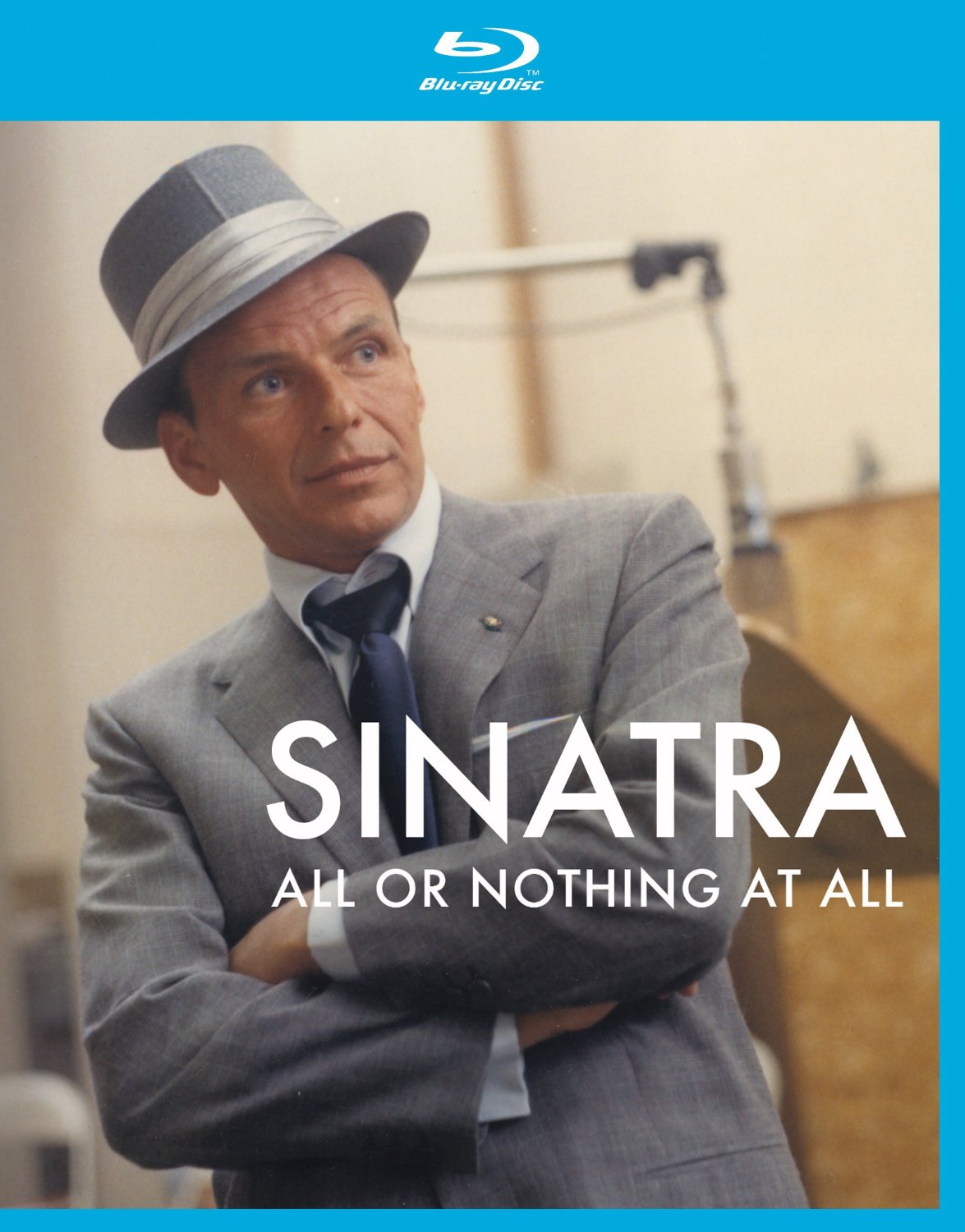
He was The Beatles before The Beatles were The Beatles. His voice would make women swoon and men want to be him. He romanced some of the most beautiful women in Hollywood history, and he sat at tables with kings, princesses and presidents. He was The Voice. The Chairman Of The Board. He was Old Blue Eyes. His name was Francis Albert Sinatra, but we all called him Frank.

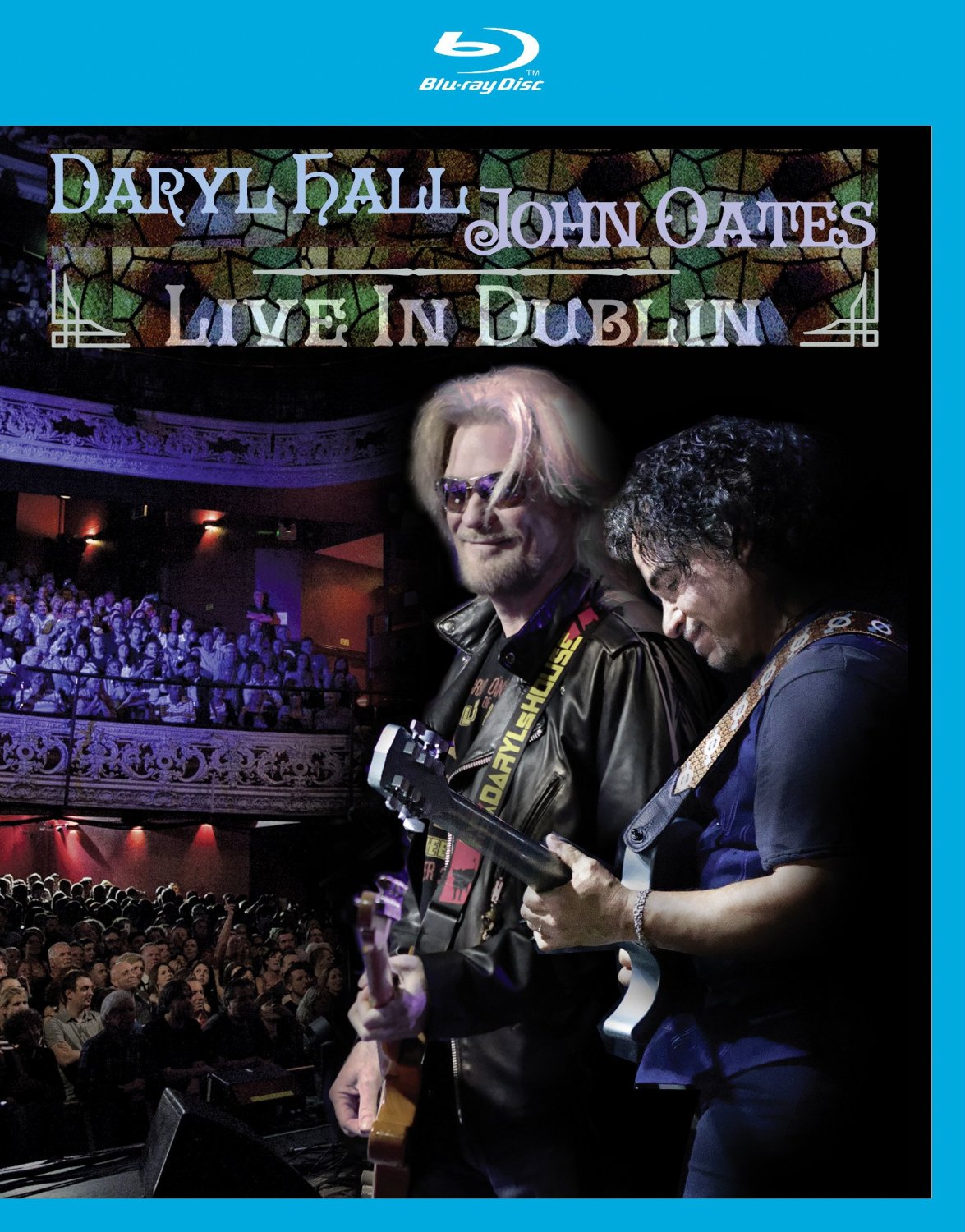
They started as a local band in Philadelphia. By 1972 they had released their first album on the national stage called Whole Oates. The duo has been together for over 40 years and have remained playing through most of that time. Even with stops for solo projects, Daryl Hall and John Oates have remained a team throughout those years. It's rather rare for a rock team to remain together and friends for so long. Their endurance has paid off in so many ways, but 2014 would be a year they would see a lot of that hard work and partnership be recognized as they became the first Philly band inducted into the Rock And Roll Hall Of Fame. They are also the best selling duo in recording history. Sounds like the books can be closed on Hall & Oates, right? Wrong. It's also true that in all of their world tours the group never played Ireland. That mistake was corrected when Hall & Oates appeared at the historic and intimate Olympia Theatre in Dublin on July 15, 2014. High-definition cameras were on hand to record the event. And now Eagle Rock Entertainment is releasing the historic event on Blu-ray. It's Hall & Oates Live In Dublin.

While the core duo for whom the act is named has remained intact all of those years, many musicians have come and gone. Fortunately, for this release the band featured here is one of the best the duo has ever assembled. This is absolutely one of the tightest groups of performers I've seen or heard in quite a while. The longest-standing member of the band is sax player Charlie DeChant. He's been with the guys since the fun started in the 1970's. His riffs provide much of that Philly sound that makes the Hall & Oates experience one of the more unique ones around. There's a fusion of rock, funk, and old time rhythm & blues to the sound, and it's distinctive. Count Charlie has one of the huge contributors to that element. The band here also features three members of the 1970's Average White Band. We're talking about Eliot Lewis on keyboards, Brian Dunne on drums, and bass player Kyle Jones. Both bands had a very similar vibe, and the combination is one of those natural things that just work out perfectly. Throw into the mix guitarist Shane Theriot and percussionist Porter Carroll, and you have a recipe for good music.

Anyone who has ever played an instrument or sung understands the therapeutic powers of music. In England they have been using that idea to help physically disadvantaged children with music at the Nordoff-RobbinsMusicCenter in London's KentishTown. The institute was founded by American composer Paul Nordoff and British teacher Clive Robbins. They have thousands of success stories. We're talking children who had closed themselves off from the world around them, many who had stopped speaking or communicating at all. The children come from all over the world. In the late 1980's the Center was looking at the need to expand their facilities. To build a state-of-the-art facility would take a lot of money, so they naturally turned to the professional musical artists whom they had honored yearly with their own Silver Clef Award. We're talking the likes of Elton John, Eric Clapton, Pink Floyd and Paul McCartney, heavy hitters, to be sure. Every one of them who were available immediately agreed to put on a super-concert to raise money for the new facility. The event was so successful that a second beneficiary was added because of the funds the show made available. The BritSchool Of Performing Arts was the added charity. It all came together for 11 hours on June 30th 1990 at a place called Knebworth.

The concert was billed as The Best All British Rock Show Ever Staged, and it very well might have been. The crowd was a living sea of rock 'n' roll fans. But it wasn't really strictly a British affair. The crowd can be seen waving flags from many nations, the United States and Canada quite prominent. It was obvious that fans came from around the globe to see the historic gathering. It doesn't look like they were disappointed in the least.

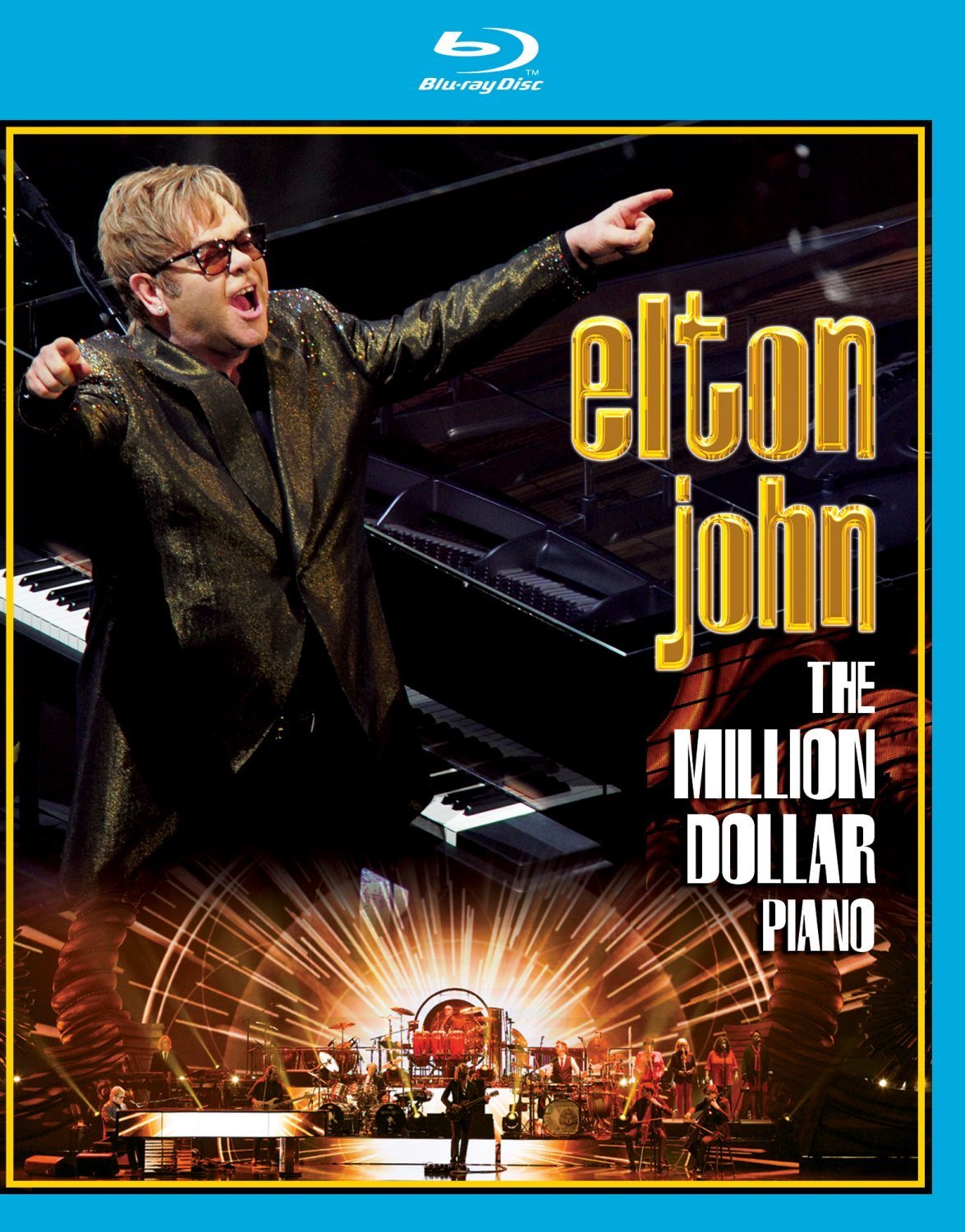
Few musicians have enjoyed the career that Elton John has enjoyed. From the release of Your Song in 1969, he hasn't seen many years without hit records. He's had number one songs in every decade since that day, and the hits continue to roll in. When the music industry changed, Elton managed to change enough to keep up with the times, yet hold on to the poignant songwriting that has made his songs stand out. I've been a fan since the Goodbye Yellow Brick Road days of 1973. When I was a kid and listening to candy pop, that's what Elton was delivering. As I got older, it appeared Elton's music aged with me. It was the time of classic melodies and thoughtful ballads. As I grow older, I find Elton is still keeping up.

Elton always found ways to reinvent himself. He was introduced to a whole new generation of children with his award-winning songs on The Lion King. He's brought his music to the stage on Broadway and dabbled in the film industry. With a catalog that brings in over $6 million a year without lifting a finger, Elton remains one of the hardest working entertainers in the industry. Now in his 60's, Elton's taken the stage in Vegas. Unlike many of the performers before him who semi-retired in Sin City, Elton continues to deliver the same energy and passion he has for decades brought on the road. I've been to somewhere between 30 and 40 performances, and I've never been disappointed in the performance. His last show at USF had an uncharacteristically bad sound mix, but I know the songs well enough to keep up.