Posted in: No Huddle Reviews by J C on July 19th, 2016
“I remember…”
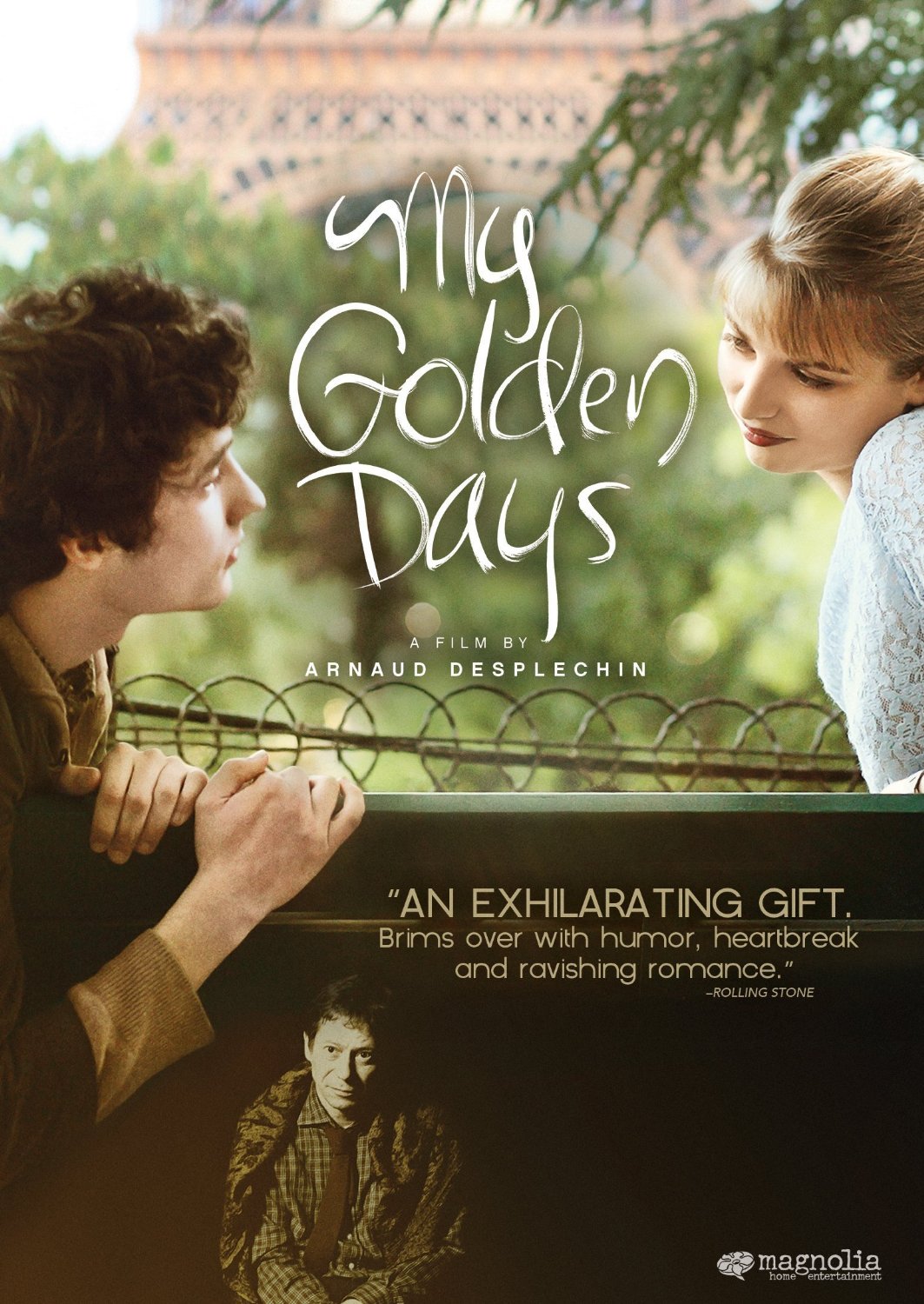
On the surface, there's nothing particularly remarkable about Paul Dedalus, the French anthropologist at the center of My Golden Days. As he prepares to return to France after an extended work stint in Tajikstan, Paul reflects on a trio of key moments from his childhood and young adulthood. Much of what Paul recalls — the death of a parent, his first love, and the aching of a long-distance relationship — is completely relatable. Yet filmmaker Arnaud Desplechin aims to present Paul's life as the most romantic, tragic story ever told.
Posted in: Disc Reviews by J C on June 16th, 2016
“Ok, so hear me out…ever watch action movies?”
It’s clear that Canadian filmmaker Allan Ungar and practically everyone involved with Gridlocked have seen their share of action flicks. More specifically, this crew is out to recapture the raucous, rowdy, R-rated spirit of late ‘80s and ‘90s franchises like Lethal Weapon and Die Hard. While Gridlocked doesn’t come close to matching the wit or winning formula of those action classics, this straight-to-DVD effort still manages to be a pretty fun throwback.
Posted in: Disc Reviews by J C on June 15th, 2016
“It's ok to be upset. We're all upset.”
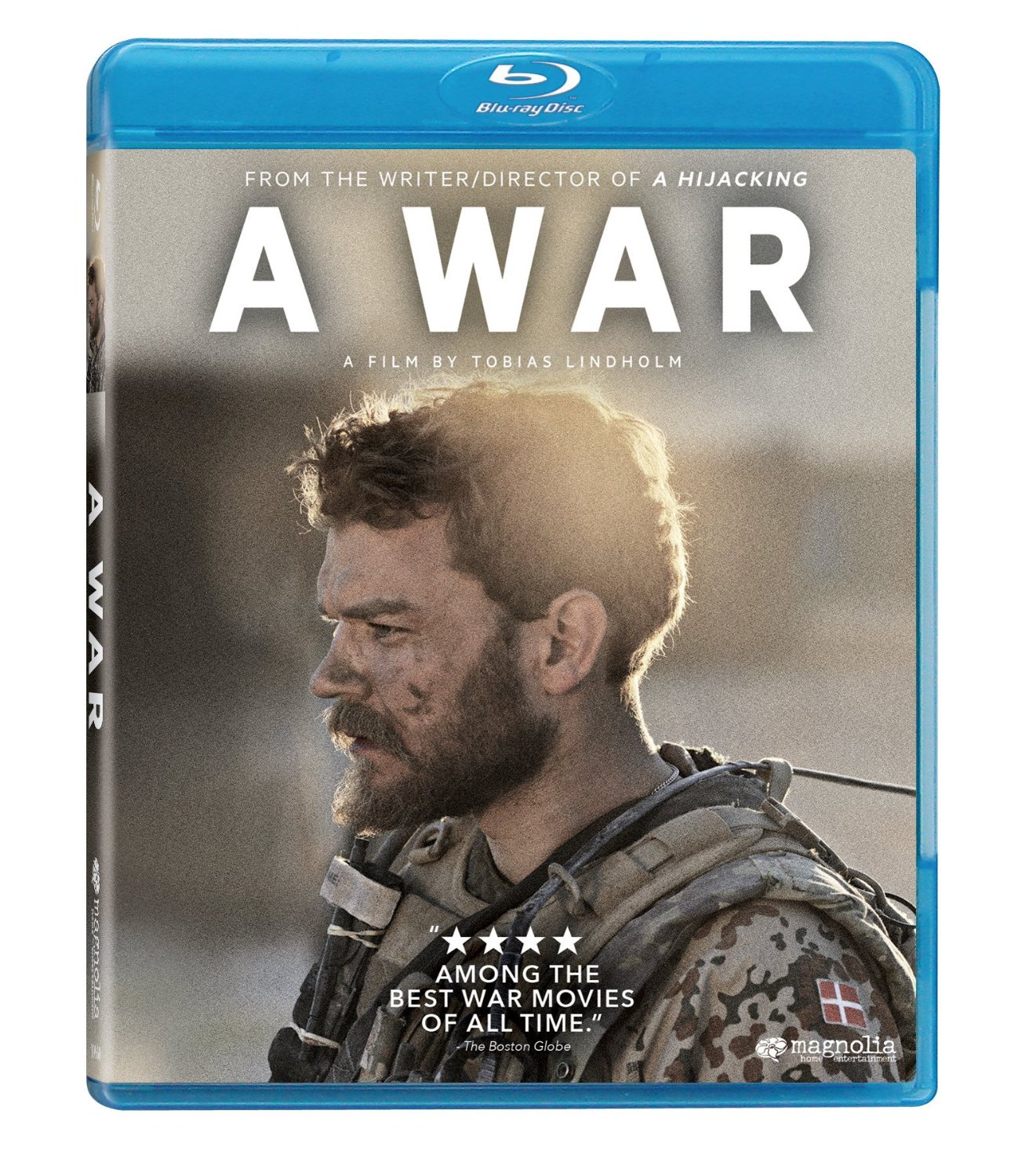
A War is about a Danish commander and his weary, overwhelmed young soldiers fighting the Taliban in Afghanistan. But besides finding a fresh angle to explore a conflict that has essentially been going on for the entire 21st century — Denmark sent nearly 10,000 military personnel to Afghanistan between 2002 and 2013 — this morally complex movie succeeds because it fully explores the toll war takes on everyone involved. In this case, that also includes the unfortunate civilians caught in between the gunfire and at least one weary, overwhelmed wife/mother back home with three young children.
Posted in: Disc Reviews by Brent Lorentson on April 25th, 2016
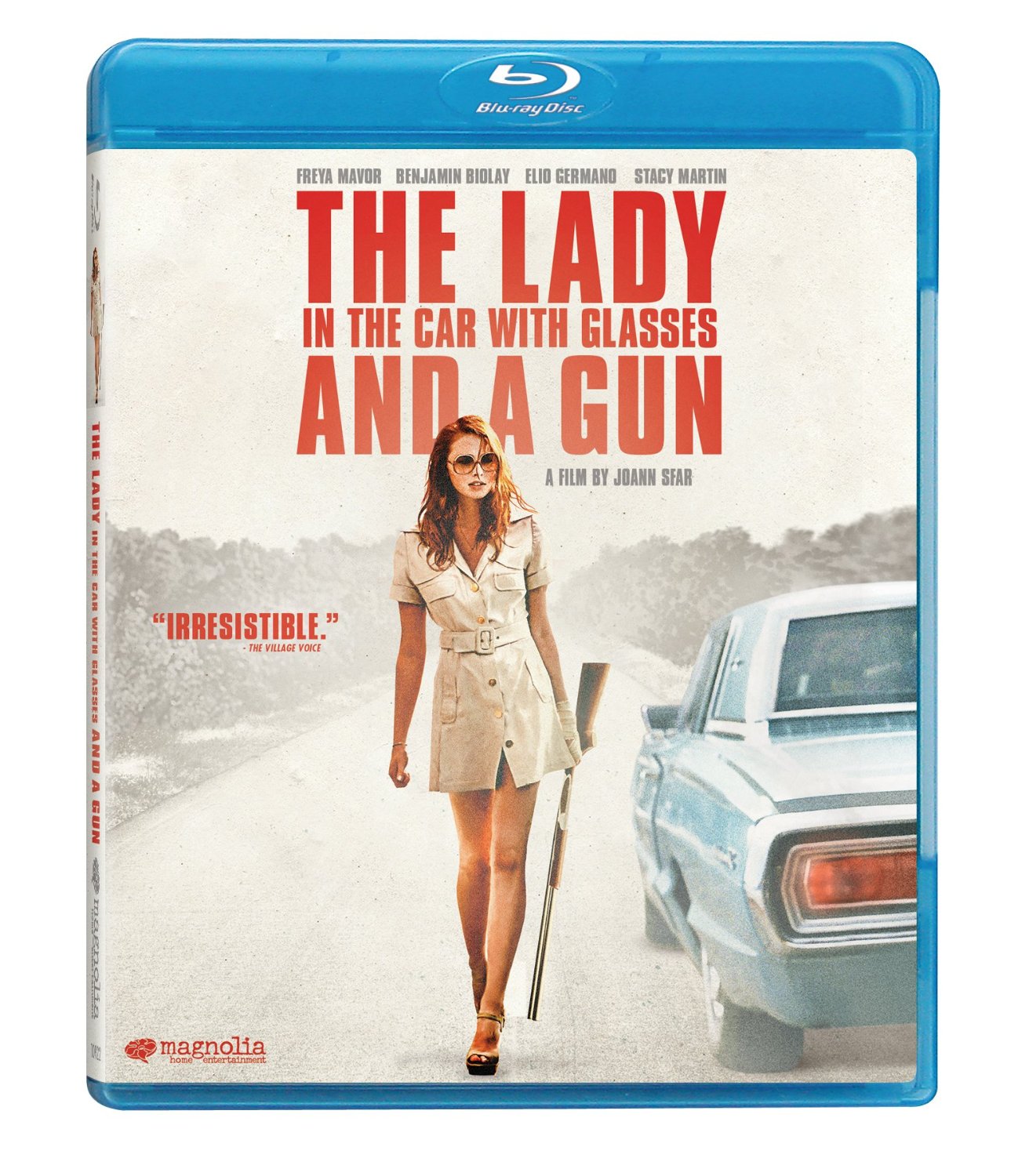
Besides the fact that The Lady in the Car with Glasses and a Gun has one of the most excessive titles that I’ve seen since Things to Do in Denver When You’re Dead, the film just might be one of the most bonkers I’ve seen as well. Not only was the film a remake from back in 1976, but it is also based off the novel from author Sebastien Japrisot. I’ve never seen the first film, nor have I read the book, so when I came into viewing this film I came into it with few to no expectations. Going by the trailer I had figured this would be just a simple straightforward thriller; I couldn’t have been any more mistaken.
When we meet Dany (Freya Mavor), she comes off as an insecure woman who seems to want nothing more than to be beautiful and to eventually get to see the coast and view the sea. It’s hard to sympathize about the beauty part, because despite the halfhearted attempts to have Dany appear unattractive, you’d have to be blind to not notice her beauty. It reminds me of the 80’s cliché when the girl was considered ugly, that is until she removed her glasses and let down her hair, and then like magic she goes from ugly duckling to the most beautiful girl in school. It’s silly how we still see this in film, but nevertheless that is what is going on here. Dany is a meek secretary who is itchy for a chance to step out of her shell as she fantasizes about her boss. And it’s when a chance opportunity comes to visit his home and work there over the weekend that she further dreams about the possibilities that can unfold.
Posted in: Disc Reviews by J C on April 21st, 2016
“Due to the explicit sexual nature of the following National Lampoon Radio Hour, it's featured as adult entertainment and not recommended for children's ears without parental supervision.”
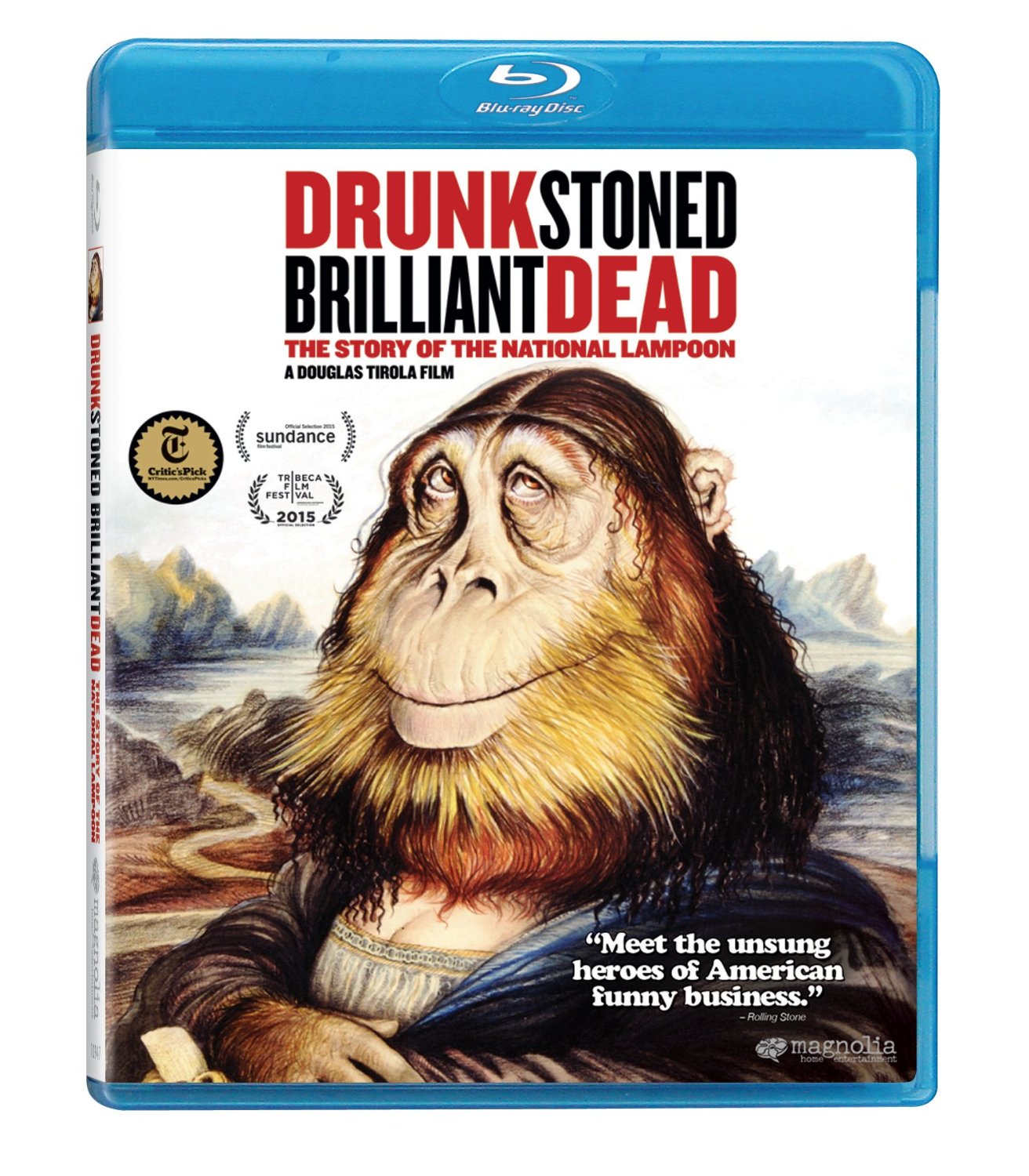
Even if you had no idea it originated as a magazine, the name “National Lampoon” instantly conjures images of raunchy, subversive, anti-establishment humor. That's how strongly the iconic comedy brand managed to embed itself into pop culture. (In addition to the magazine, there were stage and radio shows along with at least two classic movies.) This dynamic, uproarious, and aptly-titled documentary does a very good job of illustrating how that happened.

Posted in: Disc Reviews by J C on March 30th, 2016
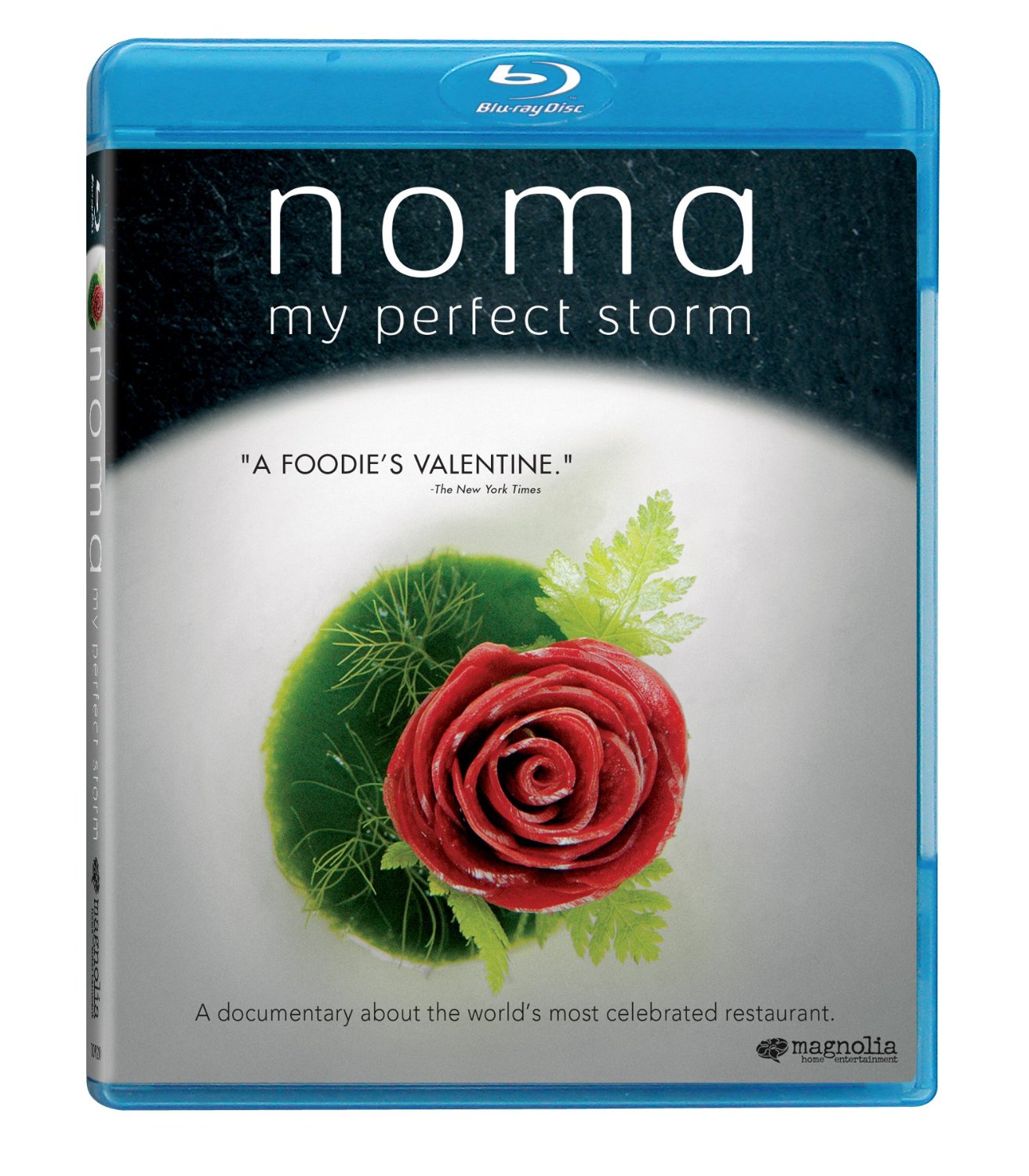
“It was as if all the pieces of the puzzle were falling into place since what was being discussed here was a matter of creating something unique: a cuisine based exclusively on raw Nordic ingredients.”
That pull quote, which appears at the start of Noma: My Perfect Storm, accidentally serves as a microcosm for the film as a whole. The excitement that builds at the prospect of witnessing something special quickly gives way to a chilly, undercooked experience.
Posted in: Disc Reviews by J C on March 21st, 2016
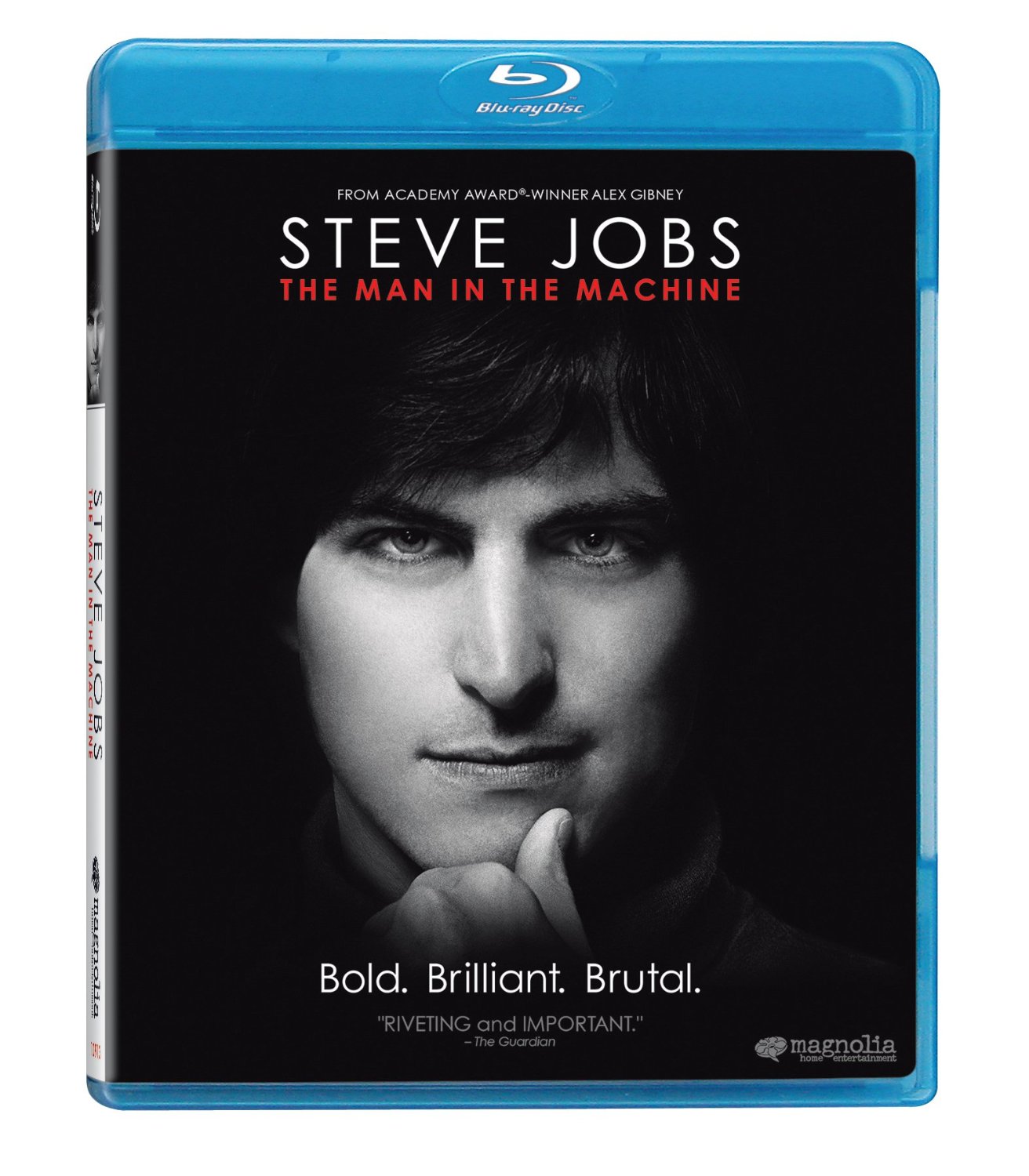
“How much of an a--hole do you have to be to be successful?”
Over the last couple of years, a grand total of three movies — 2013’s Jobs, along with 2015’s Steve Jobs and now Steve Jobs: The Man in the Machine — have applied that very question to Apple’s late co-founder. Each film has approached the issue from different angles, but this Alex Gibney documentary is easily the most comprehensive, even if it’s not the exactly the most entertaining or satisfying.
Posted in: Disc Reviews by Brent Lorentson on February 28th, 2016
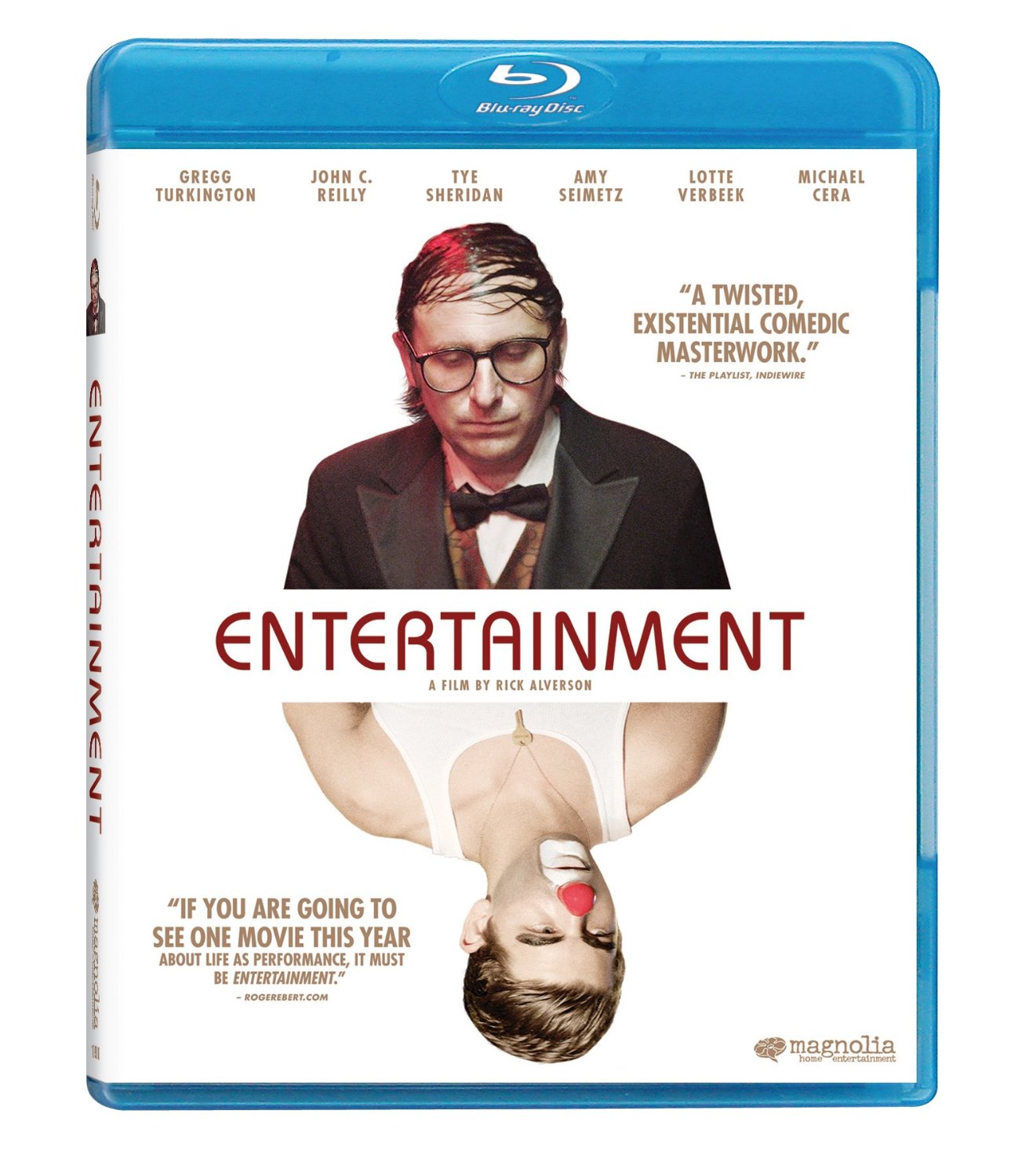
Life on the road as a comic always seemed like it would be the bachelors dream lifestyle: a new town every other night, getting to meet new people and see new sites while getting paid to tell jokes. Well, for the most part I still think it’s a pretty sweet deal, but in the new existential comedy Entertainment, we get a glimpse into what the road life would be if you just happened to be one of the worst comedians to take the stage. This slow, depressing look at The (unnamed) Comedian (Gregg Turkington) as he attempts to mend his relationship with his daughter doesn’t go for laughs but instead attempts to take an introspective look at its star, and just seems to go nowhere.
As we watch The Comedian in his life offstage, he’s your average guy who seems to be disappointed with his lot in life but seems to embrace the “art” of his craft. When we see The Comedian take the stage, we see a shift in demeanor as the quiet and meek man turns into crude and obnoxious comedian who stumbles his way through jokes and insults. It’s a very Andy-Kaufman-esque performance, only lacking the showmanship of his lounge lizard persona, and most importantly, the humor. What makes the character so frustrating is that it is obvious he’s no good, but yet he does nothing to attempt to improve upon his act, but instead he points the finger at the audience.
Posted in: Disc Reviews by Gino Sassani on January 8th, 2016
"The techniques change, the victims change but it's still a question, "How do these things happen? How are they institutionalized?"
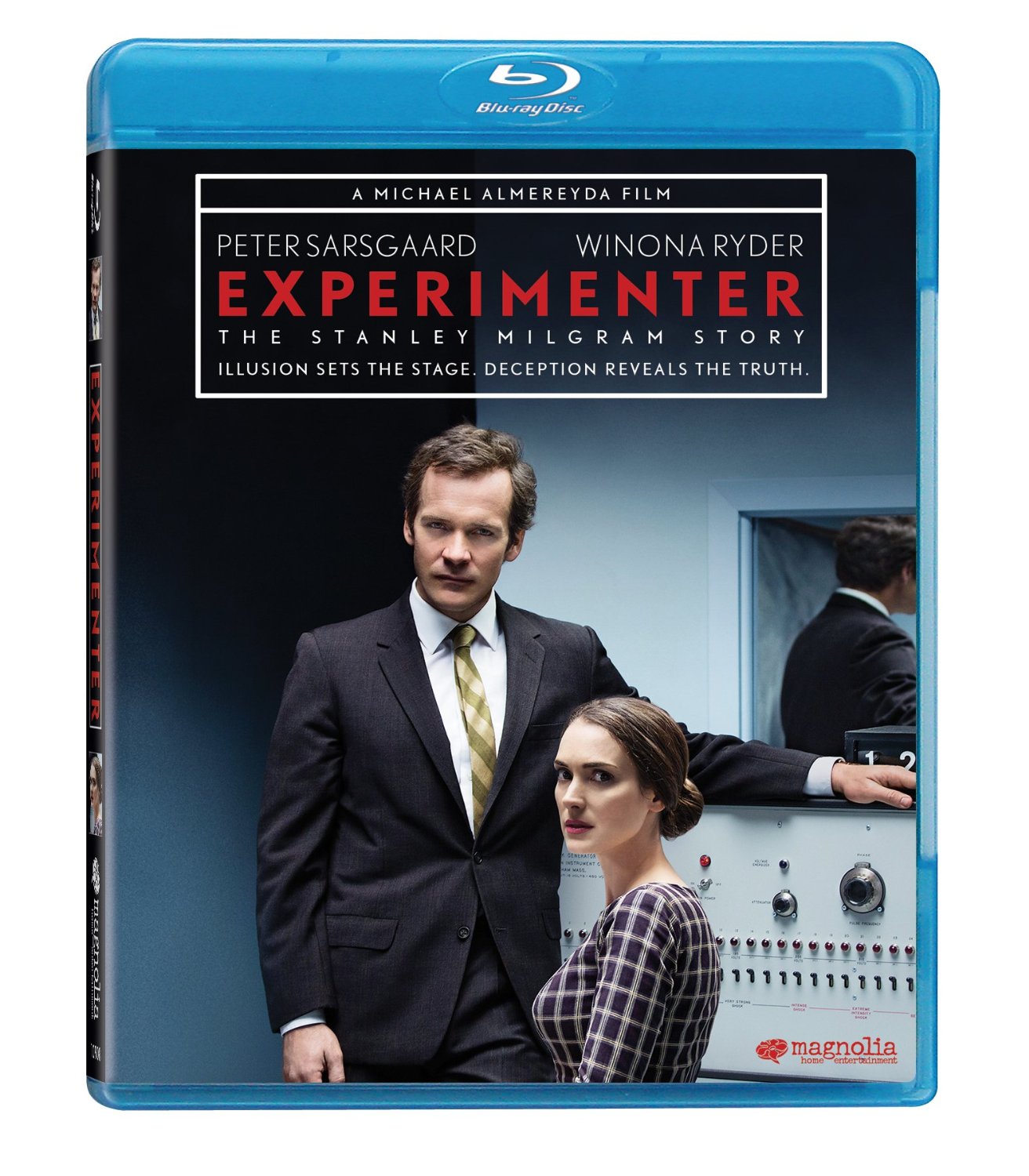
“I was just following orders.” It was the plea heard by too many of the Nazi war criminals during their trials following World War II. It wasn't enough to spare them the consequences of their actions, of course. Six million people were exterminated, experimented on, or tortured. The excuse just didn't hold water. But was it at all valid? Could an otherwise "good" person be turned into something evil just because someone in authority told them to do it? Just how far would an average human being go toward hurting another person whom they have no provocation to hurt just because they are told to do so? These are the questions that Professor Stanley Milgram set out to answer in his controversial study in the 1960's. The debate in the world of psychology and sociology continues to this day. Every psychology class likely includes footage from the study. The methodology and results are required study in most sociology classes. This is the subject of the Magnolia Blu-ray release Experimenter.
Posted in: Disc Reviews by J C on November 6th, 2015
“Argument is sugar, and the rest of us are flies.”
By now, we've grown numb to the fact that there are simply too many TV channels to count. So it's not surprising that many of them have to take increasingly extreme measures to get our attention. Unfortunately, that line of thinking has extended to television news, which began trending toward sensationalism — and away from reasonable discourse — a long time ago. However, the idea that noise and conflict attracted eyeballs wasn't the status quo during the late 1960s, when viewers had only three channels to choose from. Best of Enemies tells the story of how two towering intellectuals (and one desperate network) helped alter the TV landscape forever.