Studio

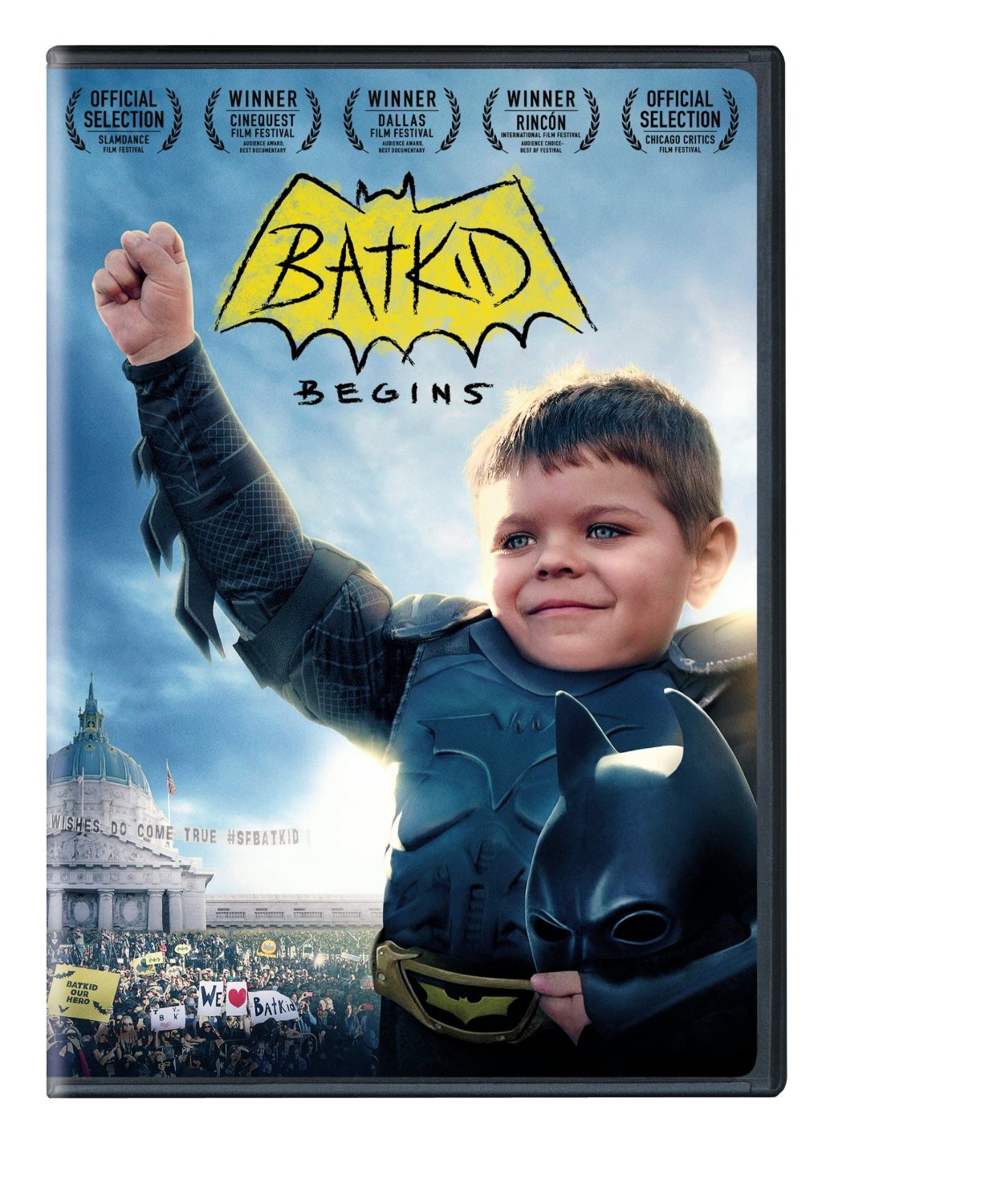
At one point or another, every kid dreams of being a superhero. For me, those flights of fancy took place at age 6 or 7, when I'd put on my Batman pajamas — the ones with the detachable velcro cape — and leap off the staircase inside our home. (When I really wanted to give my mom agita, I'd jump off the third step from the bottom.) Miles Scott — a California boy whose evil nemesis is leukemia — got to live out his superhero fantasy on the grandest scale at age 5. Batkid Begins isn't a great documentary by any means, but it's a cheerful, good-hearted (if saccharine) look at the making of a dream.

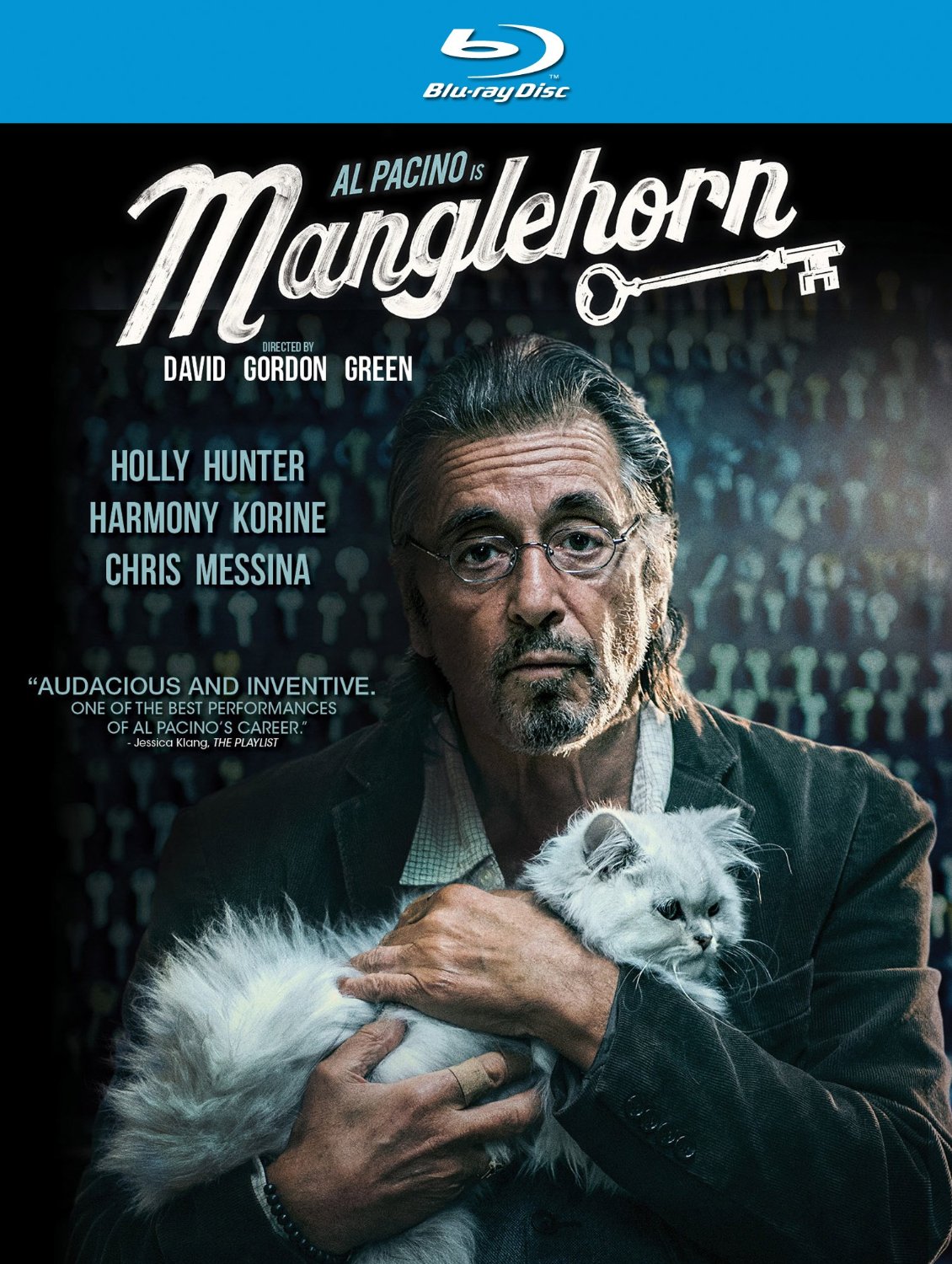
The last decade hasn’t been too kind to Al Pacino. The man is only one of our greatest living actors, but he’s mostly been stuck appearing in forgettable tripe (88 Minutes) or out-and-out atrocities (Jack and Jill) for the last 10 years. So it’s easy to overlook the fact that Pacino is quietly doing really good work again. I say “quietly” because the actor has recently eschewed the “hoo-ah!” tics that turned him into a caricature. This affecting, engaged, and more subdued version of Pacino can be seen in Danny Collins, and he is also front-and-center in Manglehorn, a whimsical, uneven drama that is grounded by its star’s strong work.

“Man, they killed my brother…you think I’m gonna let that slide?”

Even if you haven’t sat through a ton of revenge-minded pulp, you won't be surprised to hear the answer to the above question is a resounding, “No!” The good(ish) news is that Chain of Command manages to stand out from a pretty crowded straight-to-DVD action pack. The disastrous news is that this laughably bad, shoddily-made debacle is likely to stick in your memory for all the wrong reasons.

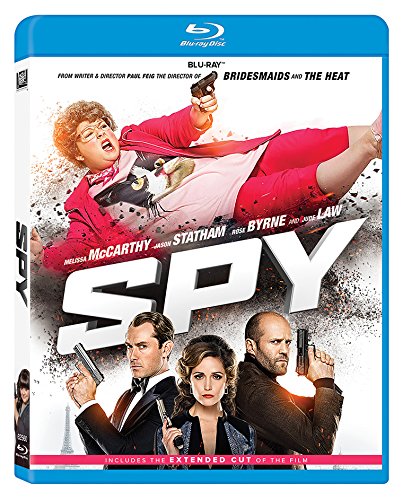
I don't enjoy writing negative reviews. It's a struggle when the film experience was joyless and then to have to go back and relive that. I also don't enjoy reading reviews by other critics that get everything completely wrong. It's even worse when almost all the critics get it wrong. Even worse than that is when I see critics dumping on a film that's actually good, but that's a story for a different day. How can I say Spy is so bad? Because I had to sit through the movie. I can get some enjoyment out of even the worst movies, and that's true here, but I would not recommend it to unsuspecting viewers.

My name is Clay Marshall, and I am one of the many survivors of the zombie apocalypse.”

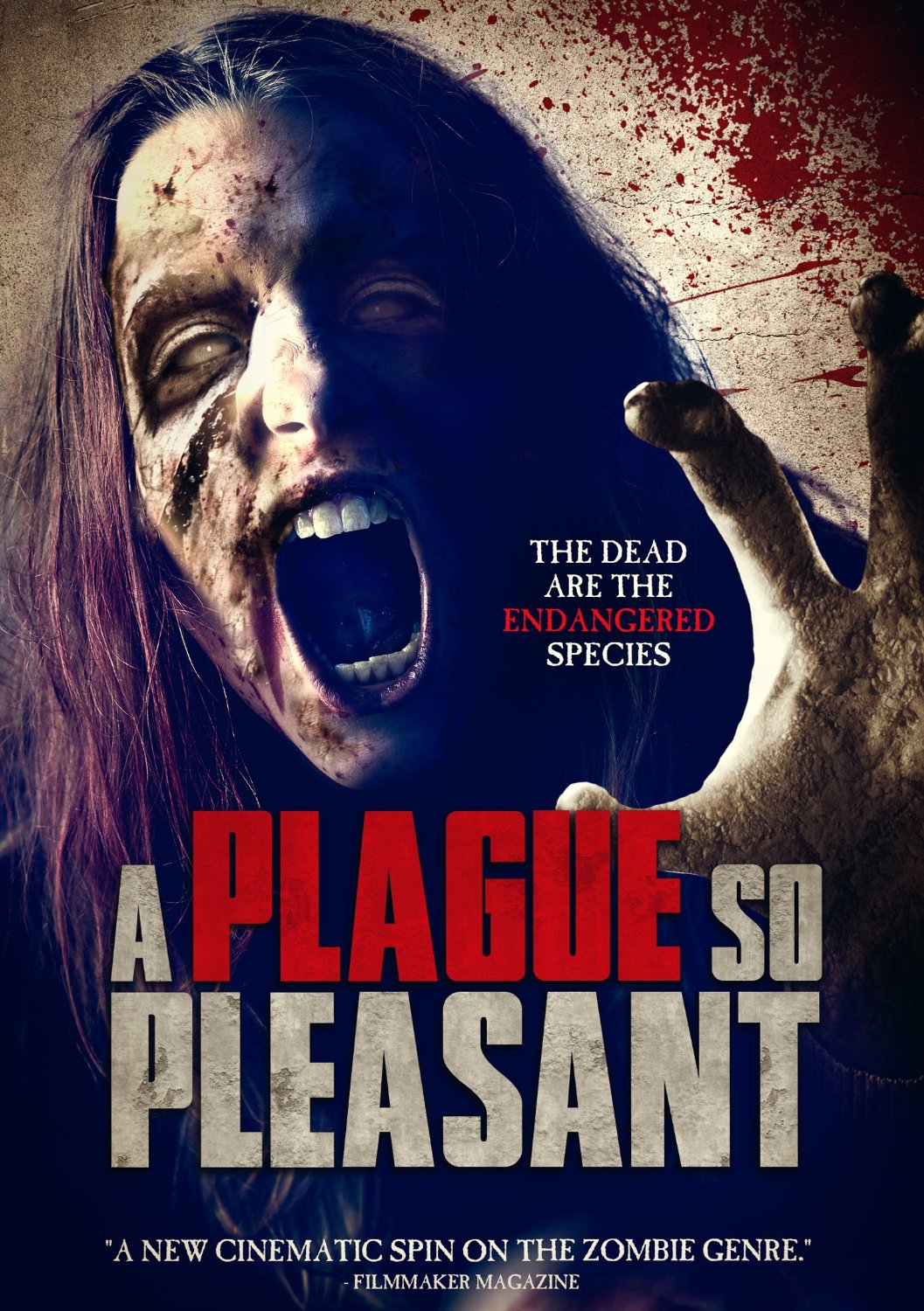
Yes, you read that right. The word “many” in the above quote is not a misprint. A Plague So Pleasant seeks to explore the crushingly mundane aftermath of a worldwide plague. Unfortunately, the movie appears to be of two minds in terms of presenting its skewed view of the zombie apocalypse. The result is an intriguing, uneven film that doesn't fully come together.

"My name is Ichabod Crane. In 1781 I died on the battlefield, but I was saved by a mysterious spell cast upon me by my wife Katrina. Now I've been reawakened 250 years later in a land I no longer recognize. And fate has led me to Miss Abigail Mills., a young police lieutenant. Investigating baffling mysteries, our real mission is in danger, and the apocalypse may be upon us, our destinies entwined."

Fans of the tale The Legend Of Sleepy Hollow will recall that Ichabod came to encounter the headless horseman in one of the first American horror tales ever written.

“Jane’s life was now the stuff of telenovelas.”

As someone who grew up in a Spanish-speaking household, I have a love-hate relationship with telenovelas. Most of the time, I can appreciate — and heartily laugh at — their inspired, over-the-top campiness. But sometimes I honestly feel a little embarrassed that this broad, ridiculous junk easily represents the most visible outlet for stories featuring Hispanic actors/characters. I’m also insulted by the implication that Hispanic audiences don’t want more nuanced TV options. The great thing about The CW’s Jane the Virgin is that it works both as an outrageous nighttime soap and a sharp, good-hearted satire.

"To understand what I'm about to tell you, you need to do something first. You need to believe in the impossible. Can you do that? Good. Because all of us, we have forgotten what miracles look like. Maybe because they haven't made much of an appearance lately. Our lives have become ordinary. But there is someone out there who is truly extraordinary." 

It's become so much easier to believe in the impossible in recent years. The guys over at Marvel have created an amazing theatrical universe where we escape into the comic book world of heroes at least a couple times a week. DC hasn't managed to wow us in our theater seats so much recently.

I just realized that having other people around is what makes life worth living.”

This lesson doesn’t come easily — or quickly — for Phil Miller, the Last Man on Earth. On the other hand, having other people around doesn’t do a heck of a lot for The Last Man on Earth, the dementedly inventive Fox comedy that becomes considerably less interesting the more people start to show up. That being said there’s plenty to like and admire here, starting with the show’s comedic, refreshingly non-bleak look at post-apocalyptic life.

Season 2 of The Red Road, SundanceTV’s tense drama about warring communities, opens with a foreboding shot of blood being spilled on the ground. It’s a conspicuously symbolic image when you consider that the show follows the lives of the (seemingly all-white) residents of fictional Walpole, N.J. and their strained relationship with the Lenape tribe that resides in the neighboring Ramapo Mountains. (You don’t even have to squint to see several centuries’ worth of wounded feelings in this scenario.) It’s also no major spoiler to say that opening shot isn’t the last instance of bloodshed in this batch of episodes.