Showtime

"Hello, Dexter Morgan."

It's been almost 10 years since everyone's favorite serial killer disappeared into a hurricane and left the airwaves with a somewhat unsatisfying series finale. It wasn't quite as bad as David Chase's ill-conceived hard cut that ended The Sopranos, but unlike David Chase, Team Dexter gets a second chance to get the ending right. With the death of actor James Gandolfini, Chase won't ever get the opportunity to give Tony Soprano a better exit. But Dexter gets the sendoff he should have had back in 2013 with the limited revival series Dexter: New Blood. The 10-episode run returns Michael C. Hall to the role of Dexter Morgan. You don't want to break into these episodes without taking time to watch the original series. That's going to set you back about 96 hours, but the investment is necessary if you're going to truly appreciate this return. You can check out our reviews of those previous seasons by banging it right here: Dexter Reviews. I'll wait....

“Why make things simple when they can be painful and difficult?”

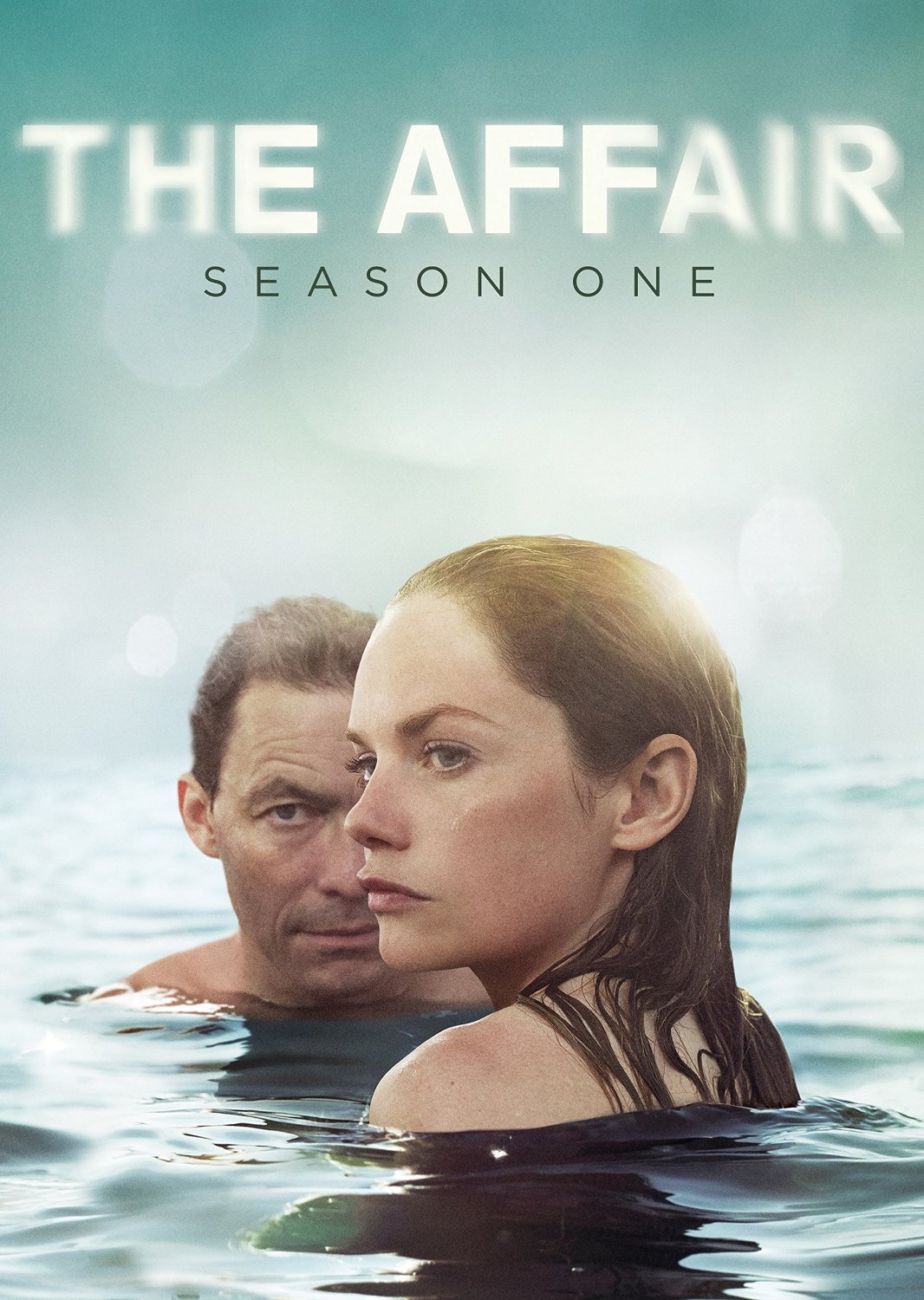
The current TV landscape is overflowing with “limited series” and anthologies that reboot themselves each year with new characters and storylines. The Affair, which premiered in 2014, seemed ready-made for that formula: each season could’ve followed different adulterous encounters in a wide variety of settings. Instead, the perspective-shifting Showtime drama has followed the same group of sad sacks through multiple years as they deal with the fallout of a single Long Island dalliance. The good news is this fourth season serves as both a soft reboot for the series and a swan song for a couple of major characters. 

Look, all funny guys are damaged.”

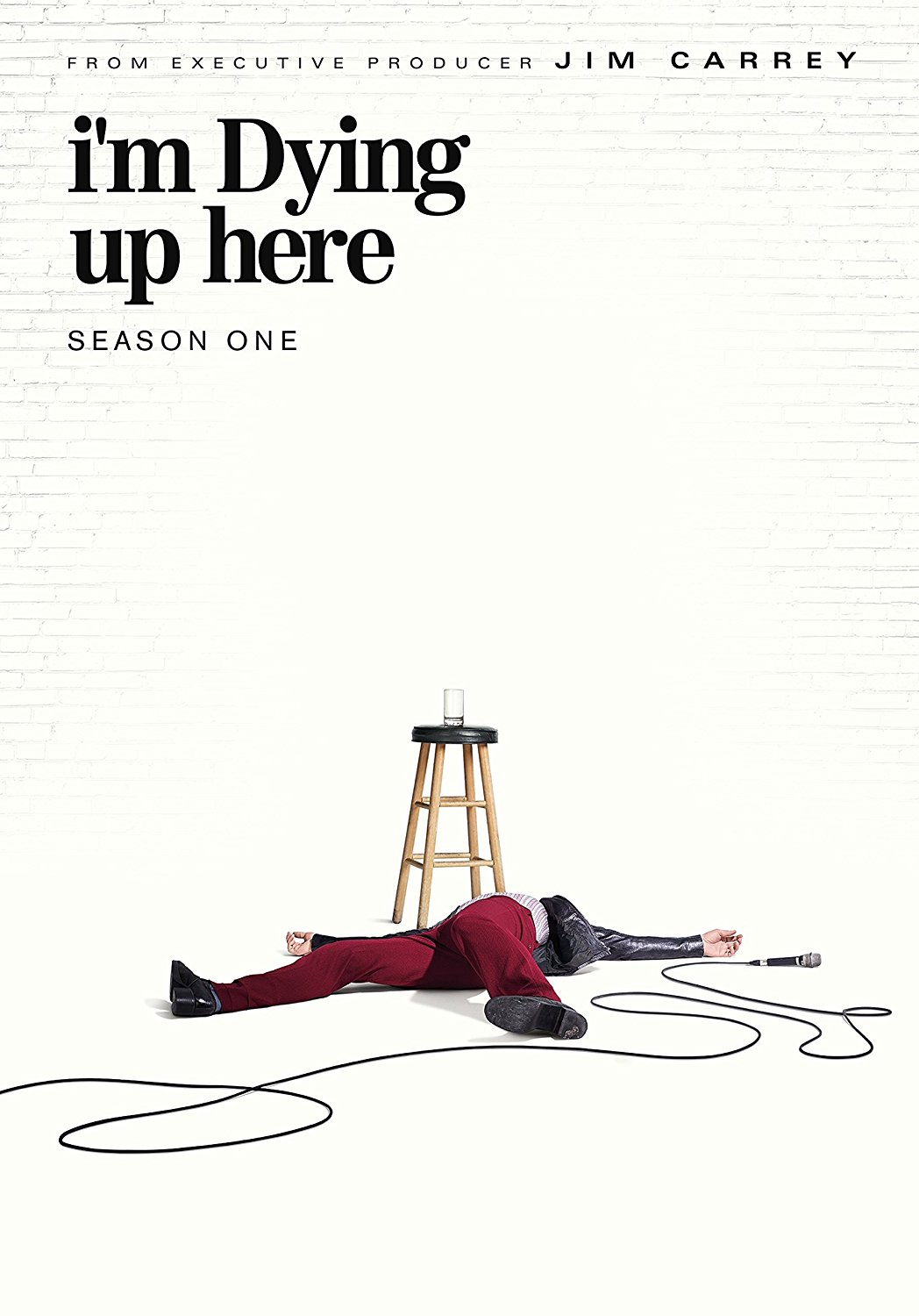
It's no secret that some of the greatest and most memorable stand-up comics of all time — Lenny Bruce, Richard Pryor and Robin Williams, to name a few — were as troubled as they were talented. Of course, turning their inner turmoil into comedy was a big part of what made them legends. Showtime's I'm Dying Up Here is a dramedy about a group of struggling Los Angeles comics in the 1970s. But the show is at its worst when it takes the art of stand-up comedy way too seriously.

I thought it was dull...unless it was supposed to be a satire.”

Television has been trending toward shorter, more self-contained stories. Successful shows like American Horror Story, Fargo, American Crime, and others reboot themselves every year with new characters and storylines in an attempt to offer viewers something fresh each season. The Affair seemed ready-made for that formula: each season could've followed different adulterous encounters in a wide variety of settings. Instead, the perspective-shifting Showtime drama is determined to chronicle the far-reaching effects of a single Long Island dalliance. So while the show brushes up against some interesting relationship dynamics, it feels like it has stretched a thin concept beyond its breaking point.

"What we do has consequences, intended and unintended. The decisions we make, the actions we bring have weight." 

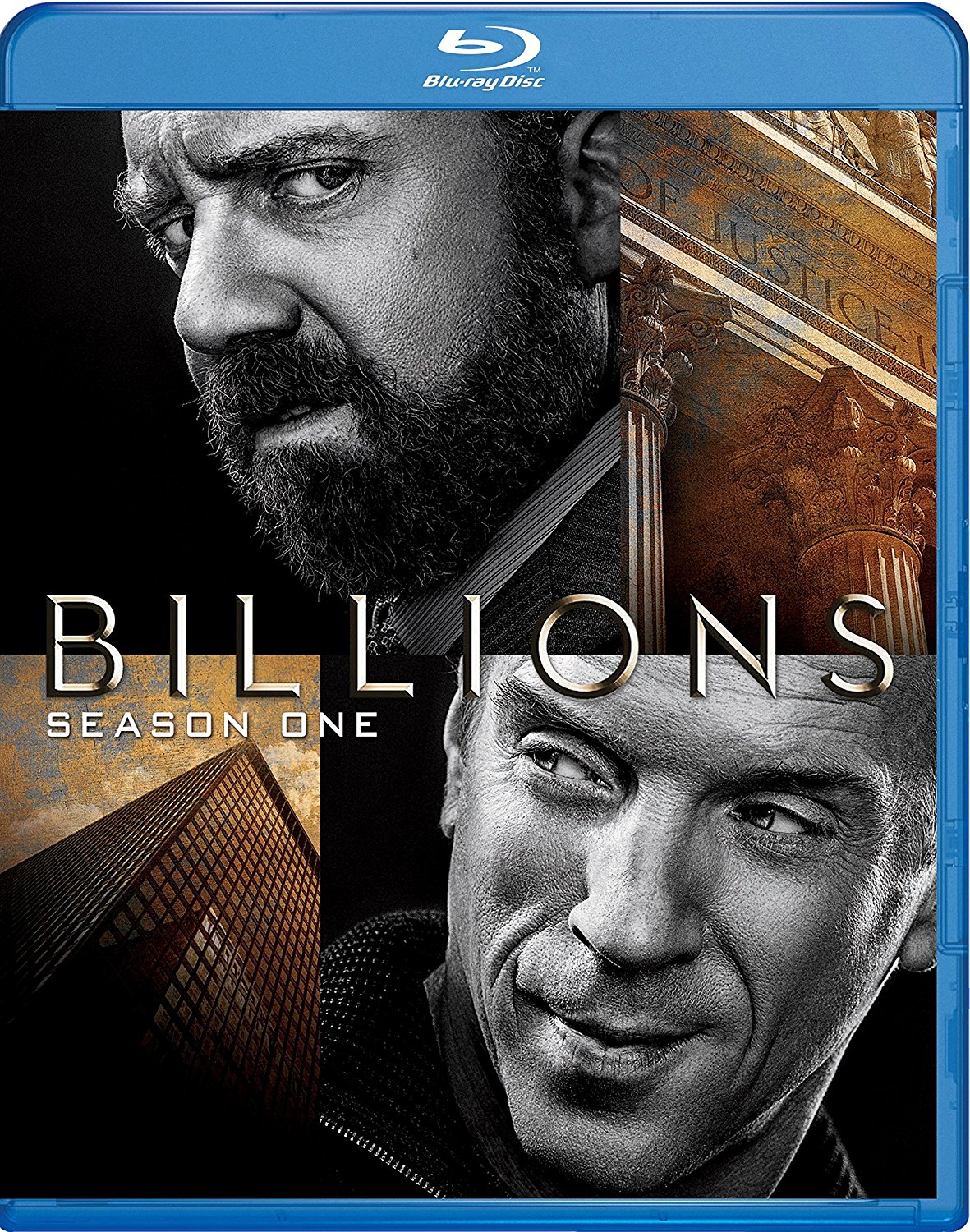
When upcoming heavyweight contenders like Brian Koppelman, David Levien, and Andrew Ross Sorkin get together, you have reason to expect big things. And Billions is very much about heavyweights. The entire show is one big metaphor for a heavyweight prizefight. In one corner you have U.S Attorney Chuck "The Scholar" Rhodes, played by Paul Giamatti. He's the reigning world champion with a record of 80+ to 0. In the other corner is Bobby "Axe" Axelrod, played by Damian Lewis; he could also be considered undefeated.


"...And then all light will end, and the world will live in darkness. The very air will be pestilence to mankind. And our brethren, the night creatures, will emerge and feed."

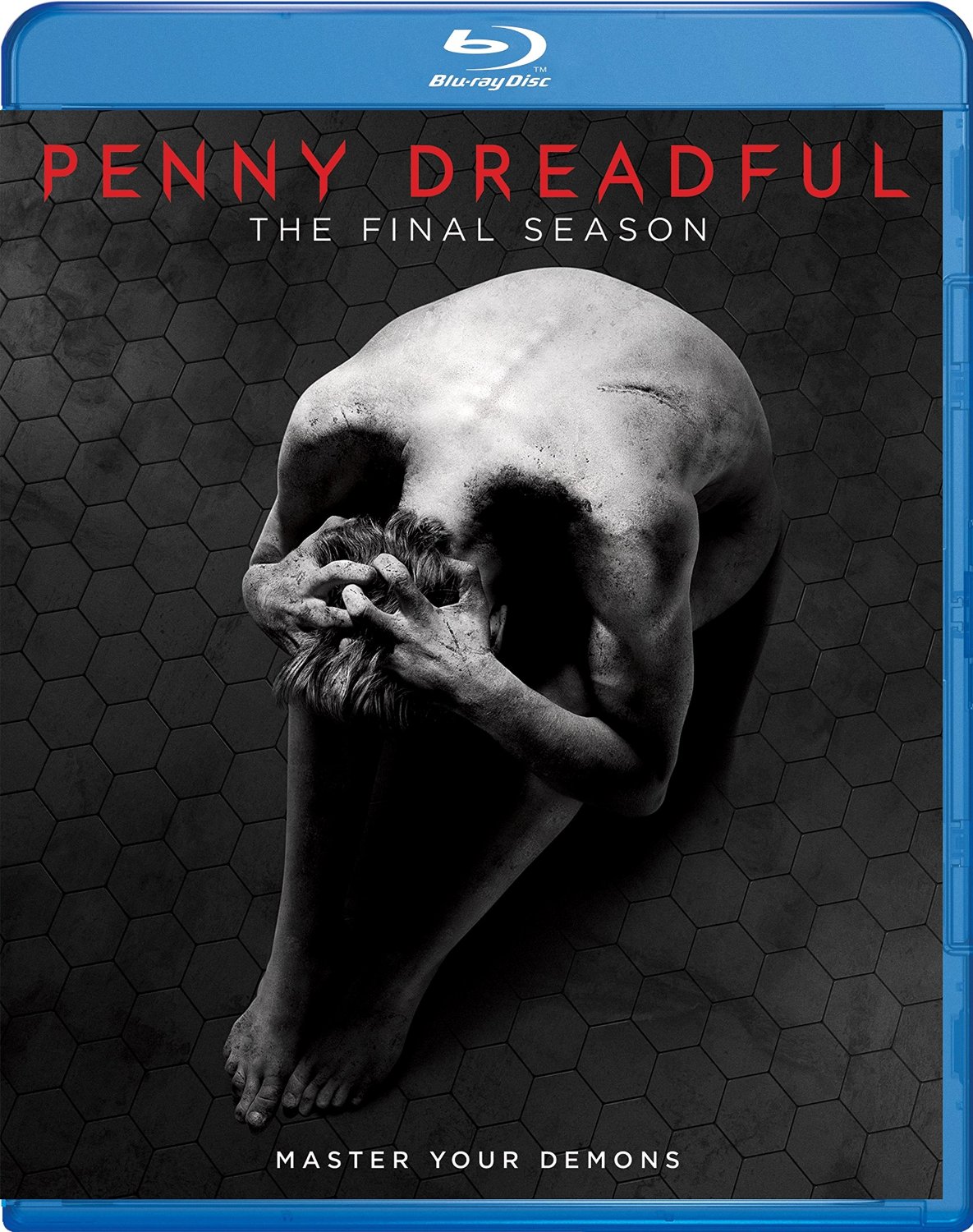
We could be talking about the end of the world. We could also be talking about the untimely demise of Penny Dreadful with just its third season at Showtime. It came with a suddenness, and not without controversy. John Logan originally planned for the series to go 6-7 years.

Your memory's very impressive.”

The first season of The Affair — Showtime's sensual, POV-shifting drama — was built on the notion that there are two sides to every story. The show's hook was that it depicted the beginnings of the same adulterous relationship from two different perspectives. Season 2 doubles down on that idea by offering four different viewpoints. So what this sophomore season lacks in sizzle compared to its predecessor, it makes up for by offering a more expansive view at complicated, messy relationship dynamics.

"A good family business is not the same as a good family." 

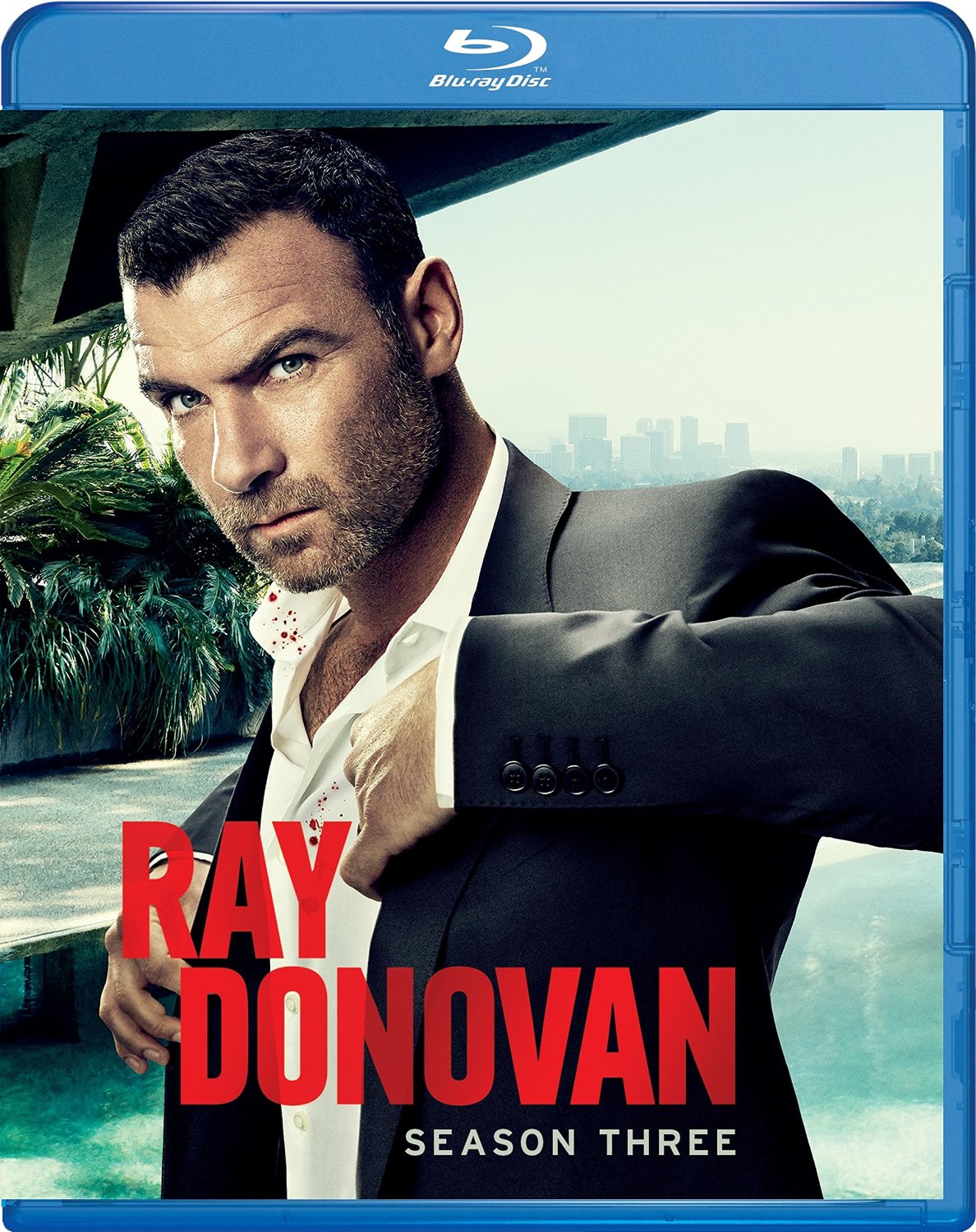
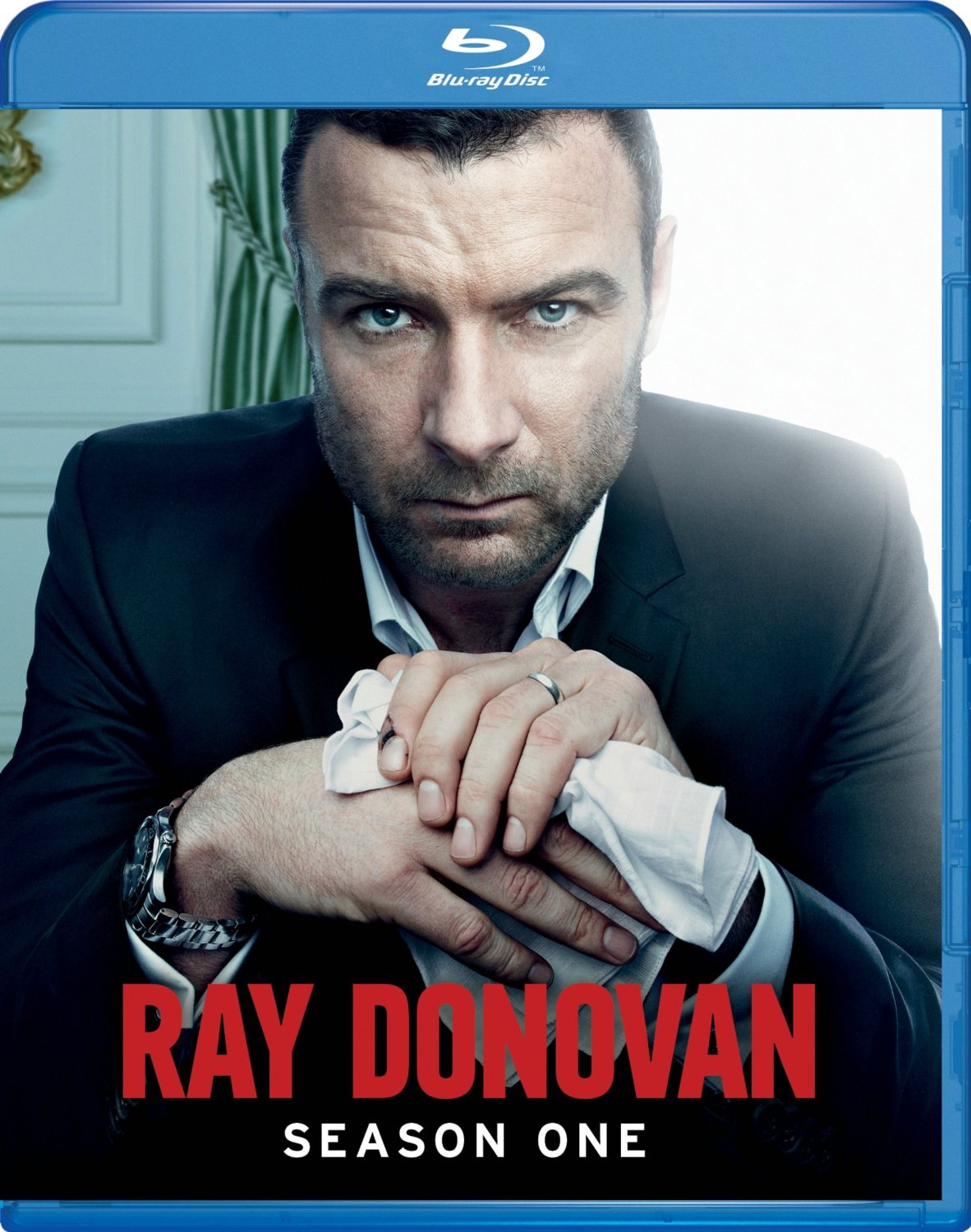
You can say that again. The television landscape is changing, at least on cable. Ray Donovan is the latest in the string of new shows that are attracting talent once thought out of reach for television. A show starring Liev Schreiber and Jon Voight: this Showtime series looked to be something very special... and it has gotten better... perhaps a lot better.

The notion that there are two sides to every story is at the center of The Affair. Almost every episode depicts the same events related to the titular adulterous relationship from two different perspectives. It’s an ingenious and inclusive storytelling tool because TV viewers are encouraged to spot the differences in each character’s account of events. (Along with inconsistencies in hairstyles, wardrobe, wallpaper, etc.) That’s why I was somewhat disheartened by the latter portion of the season veering away from what made the show great.

"It's a different world out there."

You can say that again. The television landscape is changing, at least on cable. Ray Donovan is the latest in the string of new shows that are attracting talent once thought out of reach for television. A show starring Liev Schreiber and Jon Voight, this Showtime series looked to be something very special... and it almost is.