AVC MPEG4

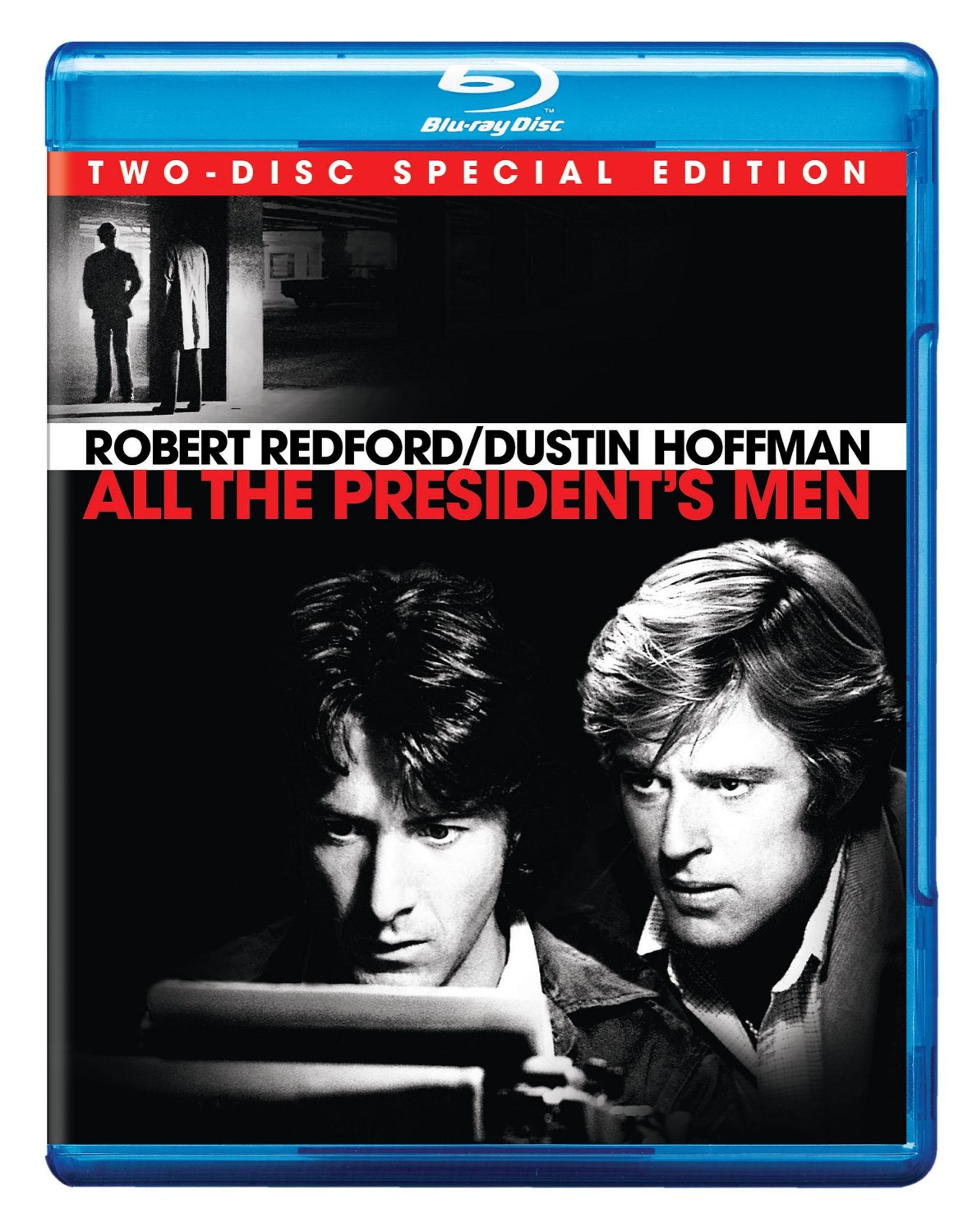
This is a film that has become a significant contribution to the very the timeline it depicts, which is that of US President Nixon being forced into resignation after the Watergate scandal. This film is an engrossing depiction of the actual reporters who used anonymous tips to help uncover a scandal so big that it rocked the entire US nation. This film was released only four years after the infamous attempt to bug the Democratic offices in Watergate, which spurred the entire course of events in this film. This was a bit of a passion piece for Robert Redford, as he began production while its main characters Bob Woodward and Carl Bernstein (who would be played by Robert Redford and Dustin Hoffman, respectively) were still reporting on related elements. Redford spent tireless hours, acting officially as the producer and star, researching the stories and the characters in order to deliver a compelling but painfully accurate adaptation.

By making these two reporters the main characters, the film became more of a detective story instead of merely a dramatization for what could easily have been a documentary. By seeing the actual methods these two men apply to uncover the details of Watergate, and “follow the money,” makes the audience all the more engaged in their findings. This, despite the fact that most everyone knows exactly how the film ends well before it begins.

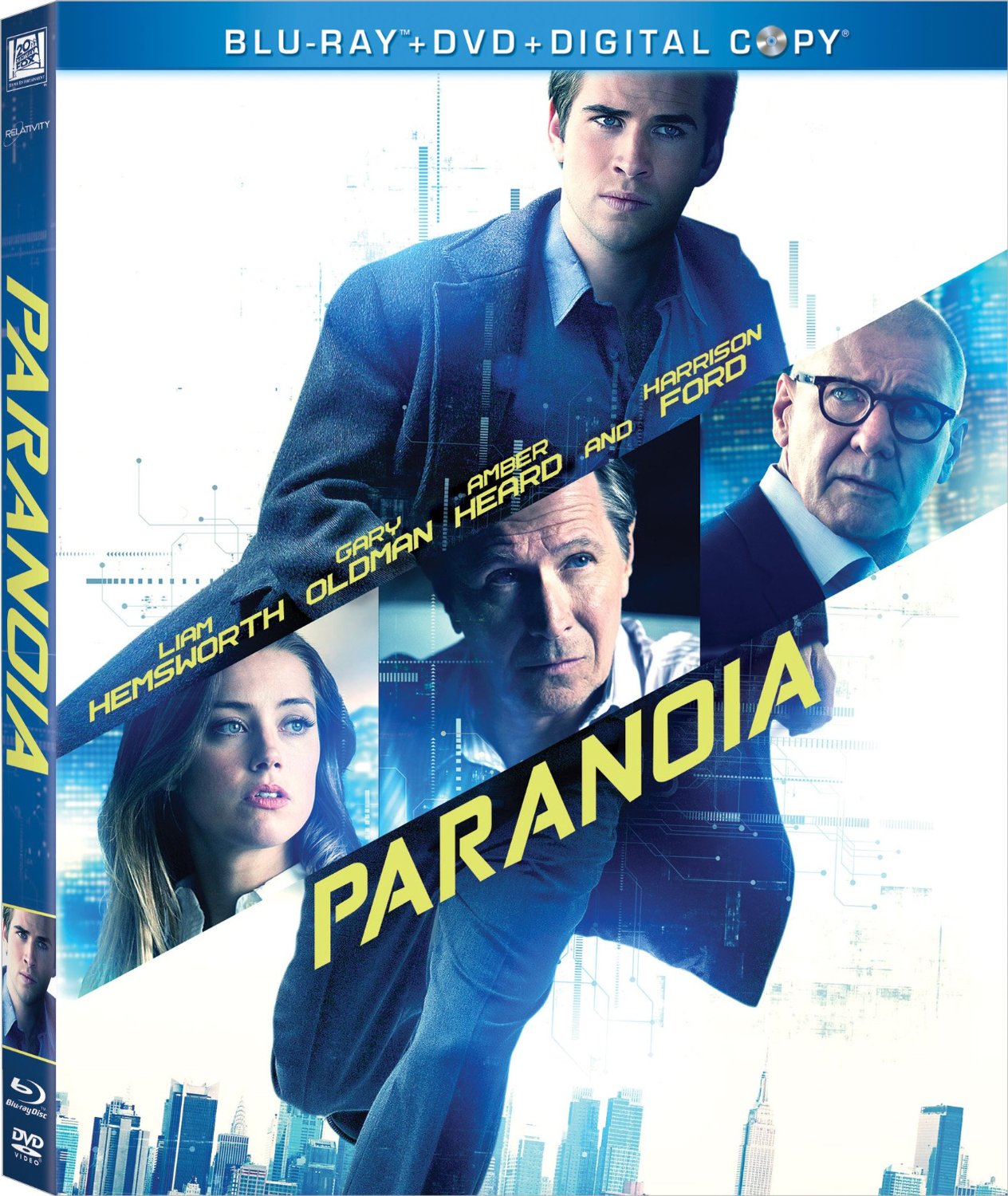
It's nice to see two Spielberg veterans in the same movie. It's been a long time since American Graffiti when Harrison Ford and Richard Dreyfuss last appeared together. It's been a long time since Hooper in Jaws and Roy Neary in Close Encounters of the Third Kind, but Dreyfuss and Ford don't appear together in this movie either. It's like they are in two different movies. Paranoia is a corporate espionage thriller with two CEO's played by Harrison Ford and Gary Oldman, who have strong ties and stronger hates. There is lots to like about the movie, but many, many missed opportunities too.

The story is fairly tangled and revolves around a young genius (Liam Hemsworth, the brother of Chris who plays Thor in some other movies) who suffers from immaturity and bad judgment. Richard Dreyfuss is his lovable loser of a father who needs his medical insurance. But he loses his medical insurance because he's not important enough to his big boss Oldman, who fires him. It turns out that was a bit of a ruse. It's actually much more convoluted and confusing than that, but that's the essence of it. Oldman's rivalry with his former mentor and now fierce competitor played by Ford is all-consuming, so much logic is lost in his zeal. Oldman uses threat of death and promises of riches to entice Hemsworth to infiltrate Ford's inner circle.

"Space... the final frontier. These are the voyages of the starship Enterprise. Its continuing mission, to explore strange new worlds. To seek out new life and new civilizations. To boldly go where no one has gone before."

Quality shows only get better with time, and by the time Star Trek: The Next Generation entered its 5th season it was already beating out most network shows in the ratings. First-run syndication was still quite new, and it was almost unheard of to expect to go up against the networks and survive...let alone win. The Next Generation went where no series had gone before, and it was just getting better all the time.

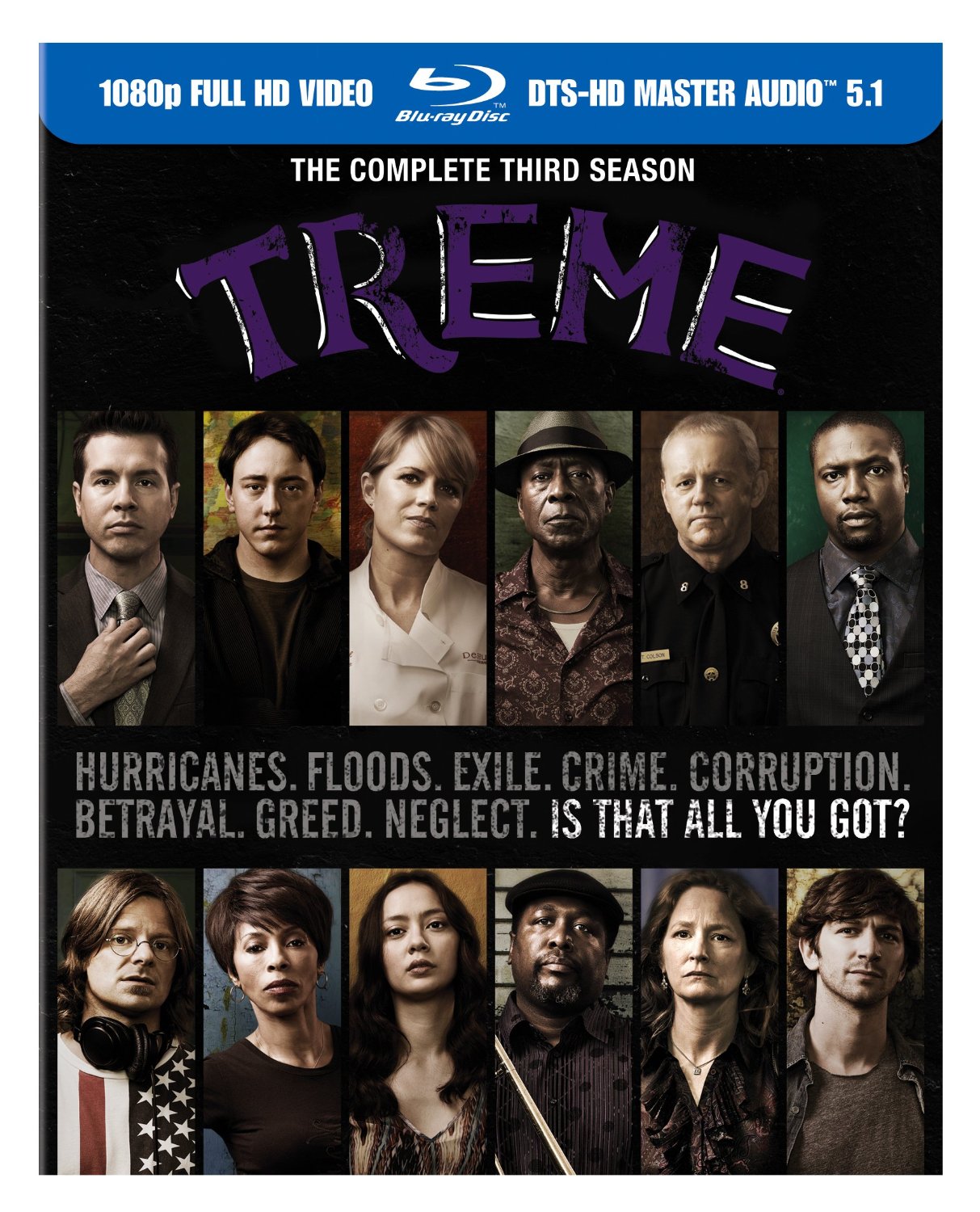
Creator David Simon (The Wire and Generation Kill) has never been a show runner concerned about cliffhangers or plot twists; instead he thrusts his viewers into the day-to-day life of the everyday Joe and shows that real life generates more conflict than most fiction can ever deliver.  Ever since I first watched The Wire I’ve considered myself a fan of Simon’s work, and I feel it could be argued that what Simon did with The Wire is a large factor in why we have the quality of television that we do today.  With Treme he has given us an array of fleshed-out characters; whether they be real or fictional, they all come together to present this allegory of greed and corruption upon the backdrop of a city that is arguably the heart and soul of music.

In the show it has been 25 months since Katrina has torn through New Orleans, and the residents of Treme who have survived the storm are treading their way through the aftermath.  The new season kicks off with trombonist, Antoine Batiste (Wendell Pierce) showing up for a Second Line memorial that is soon broken up by NOPD.  There has always been a disconnect between the police/government and the people of Treme, but post-Katrina seems to have opened the floodgates for more corruption among the members of the NOPD and the city officials.  This corruption introduces L.P. Everett (Chris Coy), a young journalist who is trying to uncover the truth behind suspicious deaths that have happened after Katrina that may or may not be connected to the police.  L.P.’s investigation seems to have a connection to a case Toni (Melissa Leo) has been working since season 2 which already uncovered enough dirty cops in the NOPD.

"Space... the final frontier. These are the voyages of the starship Enterprise. Its continuing mission, to explore strange new worlds. To seek out new life and new civilizations. To boldly go where no one has gone before."

What a difference a couple of years makes. Rick Berman was pretty stubborn about wanting The Next Generation to live on its own without connecting to the original show, perhaps as much as the fans would have liked. There was, of course, the cameo by DeForest Kelley in the pilot, but he was never called McCoy, only Admiral. Yes, we knew who he was, and his interplay with Data was intended to remind us of his relationship with a certain Vulcan. The original Enterprise would be referenced in The Naked Now that first season. It was the only direct sequel of an original episode to air. When season 3 brought the return of Mark Lenard as Sarek, Berman was insistent that no mention of Spock or the original show be made. After a barrage of pleadings from the writers he relented... slightly. He decreed that Spock's name could only be mentioned once and no other connections be in the script.

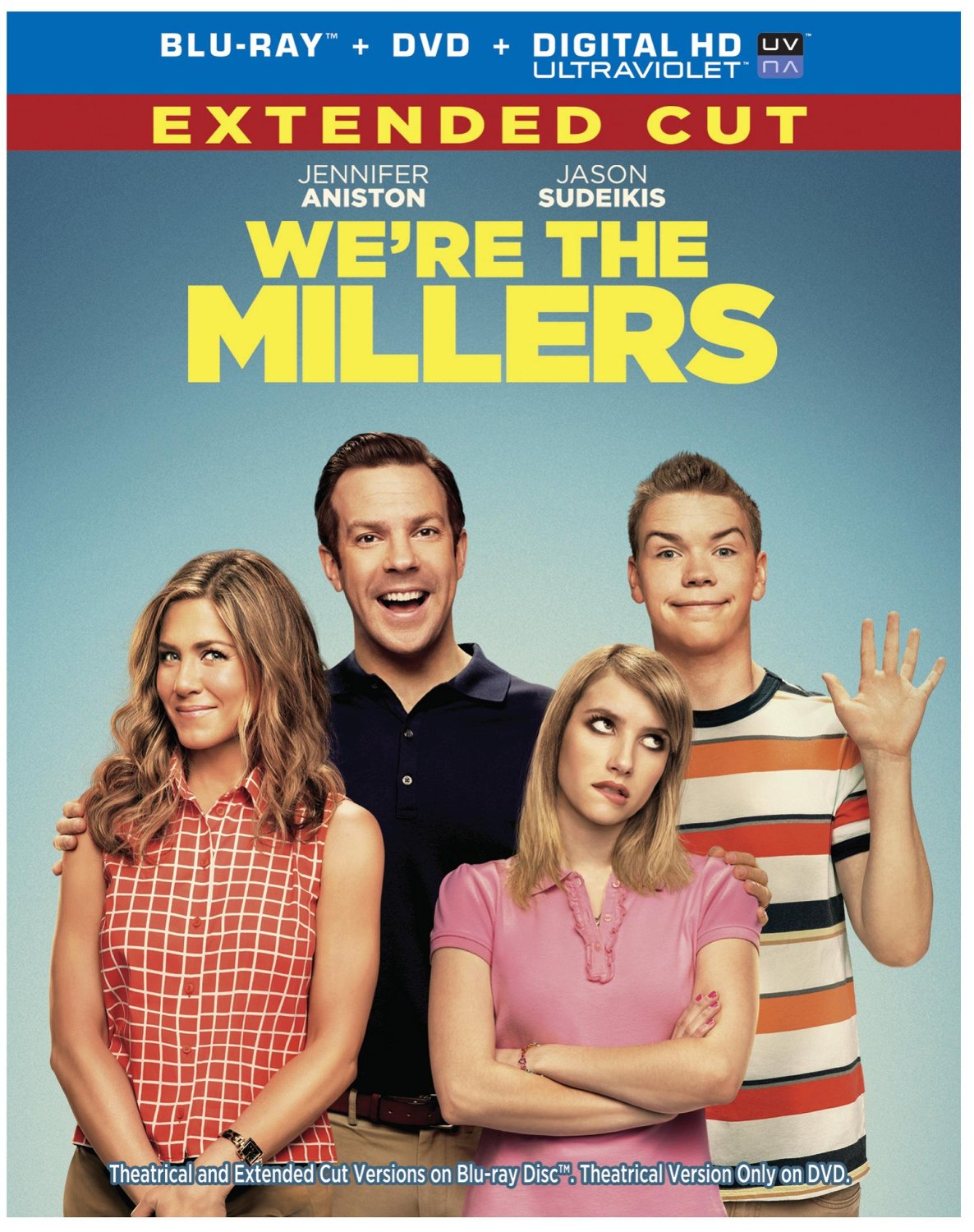
The line between hilarious raunchy comedy and over-the-top raunchy comedy is very fine, and We’re the Millers tends to dance on both sides of it. In time such action will be revealed to be both a blessing and a curse, I suspect. With the young crowd, I believe the film will fall right into place with such movies as Horrible Bosses (a comedy which coincidently starred Aniston and Sudeikis) and to be more recent, This is the End. With more mature audiences, the raunchiness may prove to be slightly more than they were expecting to see. With me, I find myself on the side of the young.

David (Jason Sudeikis) is a small town pot dealer in Denver, an occupation he has held since college without moving forward or backward. Hesitant to admit it, he has grown stagnant with the life he’s leading and wants more out of life. Those desires are put on hold after he is robbed, with both his stash and all of his cash including the money intended for his supplier Brad (Ed Helms, The Hangover). Deep in debt with no prospect of paying it back, Brad offers David one opportunity to erase his debt: smuggle a smidge and a half (inside joke, have to see the movie to understand) of marijuana from Mexico across the border back to Denver.

Five years ago, I stood on this stage and I said goodbye. Five years later, I'm standing on this stage and I say, 'Hello.'”

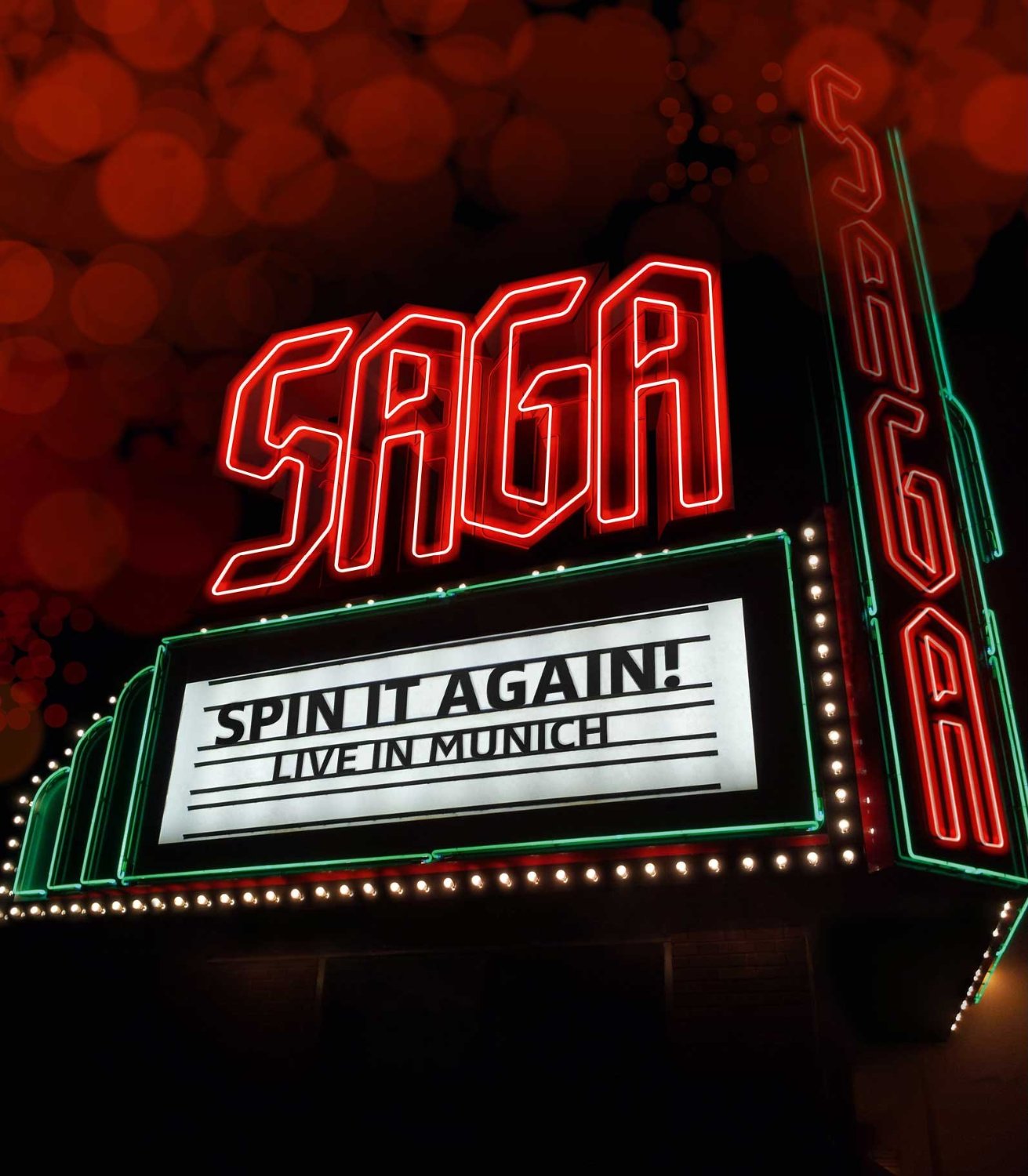
I'd honestly never even heard of Saga before popping in this Blu-ray, but it was impossible to miss the family reunion atmosphere of this show. The Canadian prog rockers released their self-titled debut album in 1978, but — like many successful, long-running bands — have undergone a number of lineup changes. (Including a non-lethal, Spinal Tap-esque run of drummers in the early part of this century.) Saga, in its various forms, has found some of its greatest success in Germany, so there was no better place to get the band back together for a concert movie.

Kenny Rogers…chances are that is a name you have heard throughout your life regardless of whether you are a fan or not; regardless whether you have ever heard any of his music, which happens to be the case when it comes to me. His name just has a way of sticking with you, and that can be doubly said of his song “The Gambler.” See, even now I bet the mere mention of the song’s name has the chorus of “You got to know when to hold ‘em, know when to fold ‘em,” playing in your head. Well, here is the film version for Rogers’ most infamous song; however, I doubt that the movie will have the same effect on you as the song.

The first in a series of five television movies (so far; there is talk of a sixth addition being in the works), in The Gambler, Kenny Rogers plays Brady Hawkes, a veteran card player with a magnificent beard and a stellar reputation as one of greatest gamblers ever to live. Despite making his living in the cutthroat world of gambling, Brady possesses a strong sense of morals evident in his constant intervention in affairs that have nothing to do with him, which is essentially what begins our story: while playing a high-stakes game on the other side of the country, Brady receives a letter from a son he never knew he had, alerting him that the boy as well as his mother are in a bad way with a local crime boss.


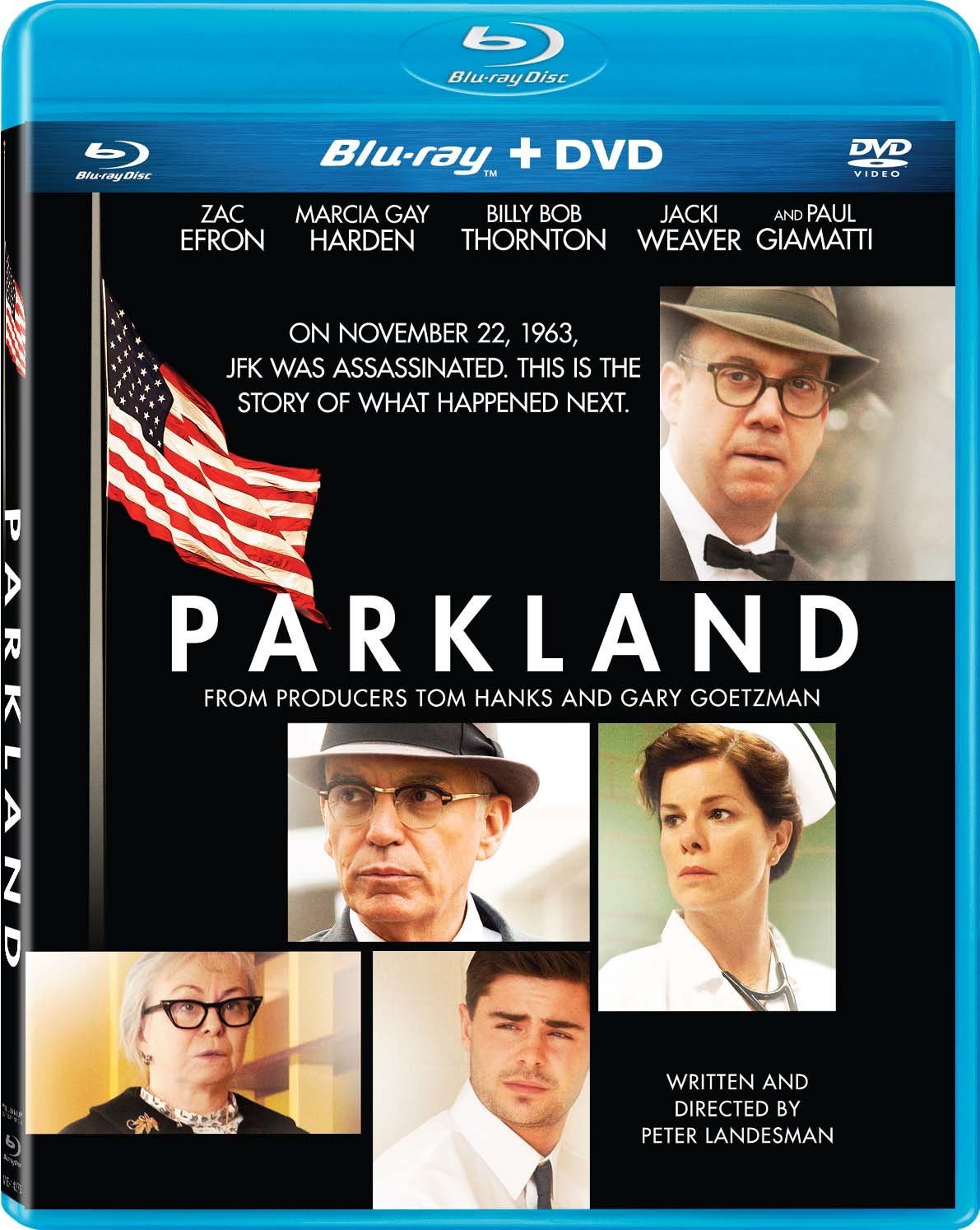
On November 22, 1963, John Fitzgerald Kennedy, the 35th president of the United States, made a political trip to Dallas, Texas with his wife, Jacqueline, and Vice President Lyndon B. Johnson.”

Of course, you don't have to be an American History buff to know what happened next. The circumstances surrounding President Kennedy's assassination instantly seared themselves into the country's collective consciousness. This month marks the 50th anniversary of President Kennedy's death, which has brought along the expected number of tributes, TV specials and movies breaking down the crime and its corresponding conspiracy theories. Parkland, however, serves as a microcosm of how Kennedy's assassination affected an entire nation.

On paper, the premise of Prince Avalanche sounds about as exciting as watching paint dry. The film follows a pair of squabbling workers whose job it is to paint yellow lines in the middle of a country road in the aftermath of a devastating wildfire. They're basically the only two characters in the movie, and the story never moves away from their desolate surroundings. Although his film is occasionally self-indulgent (by design, I suspect), director David Gordon Green finds the strange beauty in that desolate landscape. He's also armed with stars who bring this meandering character study to life.

Paul Rudd and Emile Hirsch star as Alvin and Lance. Alvin (Rudd) revels in the isolation of his work and appreciates the benefits of outdoor physical labor. Meanwhile, Lance (Hirsch) is the lazy, immature, inexplicably charming brother of Alvin's girlfriend. Alvin hired Lance to work with him on the road project as a favor to Lance's sister (who we never see) and as a way to whip some masculinity into the younger man. The pair experience some emotional ups and downs, and it turns out they both have plenty they can learn from one another.