AVC MPEG4

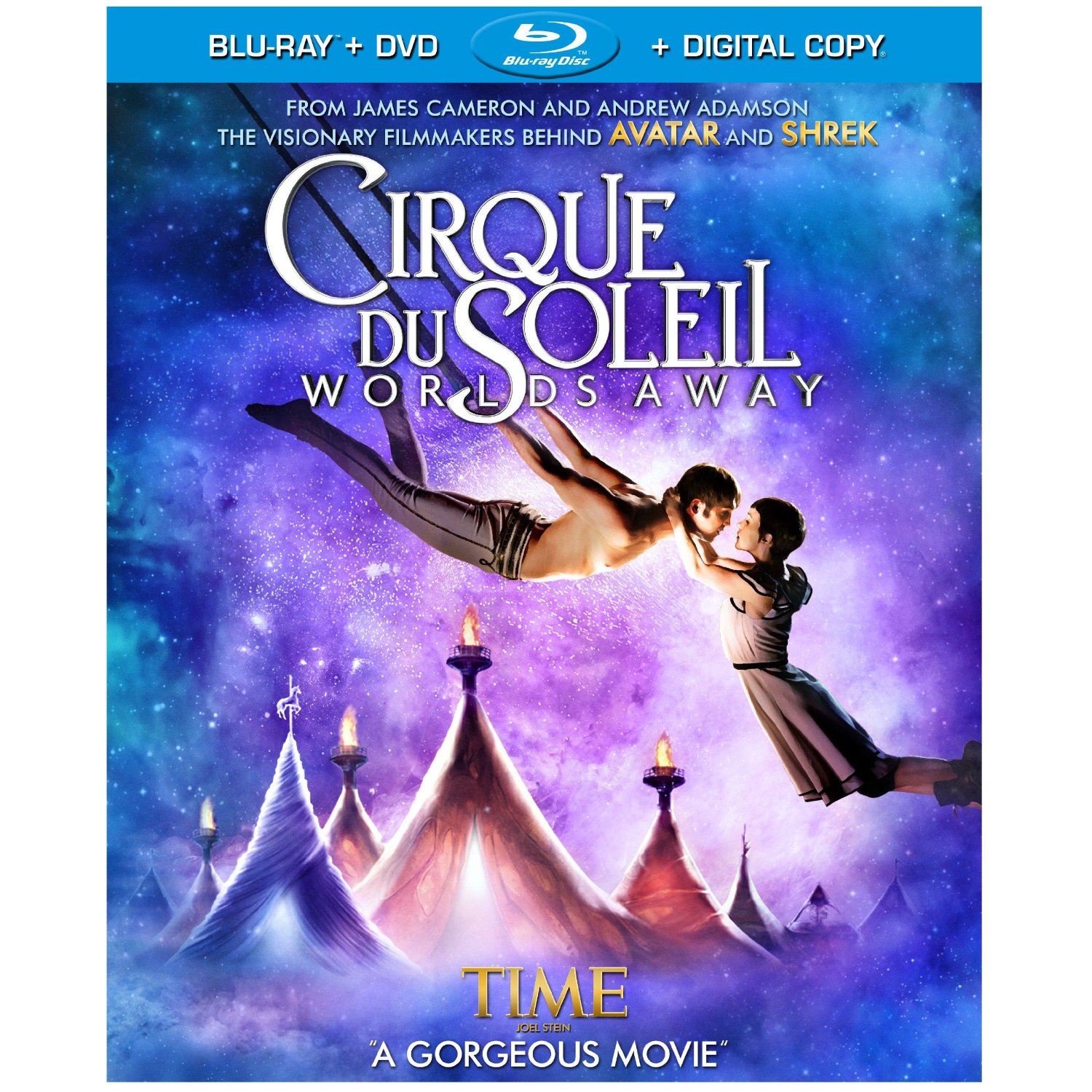
 Worlds Away is the tale of a young woman named Mia who happens across a debilitated circus, where she is enchanted by the performance of an Aerialist. Mid-performance, both she and the aerialist are sucked into a parallel universe that is littered with strange, seemingly supernatural circuses. Both are lead from performance to performance in an attempt to escape, or at least find each other.

Each performance we see is taken from a pre-existing Cirque Du Soleil show (most of which a part of their Las Vegas lineup). Only the portions featuring Mia and the aerialist traveling to, through and from them are unique to this film. The story is not new to the Cirque world as I have seen the story of someone brought into the magical/surreal world of amazing acrobats many a time before. The idea is to have the audience identify with that character and share in their awe of these uncanny performers.

“The border between the United States and Mexico spans 2,000 miles. It’s also the most frequently crossed land border in the entire world. And that just refers to legal crossings…”

Hundreds of thousands of people — we’re told at the start of Border Run — try to cross that boundary every year, and each of them has a unique story. Unfortunately, the filmmakers botched a great opportunity to explore the thorny issue of illegal immigration in a thoughtful and stimulating way by choosing to tell the most ridiculous and off-putting story they could possibly think of.

“I don’t know if I’m an alcoholic, really, I just drink. I drink a lot.”

Movies that deal with alcoholism tend to either be relentless downers (Leaving Las Vegas, When a Man Loves a Woman) or use drunkenness as a catalyst for Hangover-style shenanigans and tipsy laughs (Arthur; Dean Martin’s entire act). In other words, drunks on film don’t usually look like Mary Elizabeth Winstead in Smashed, the brisk, well-acted dramedy from writer-director James Ponsoldt.

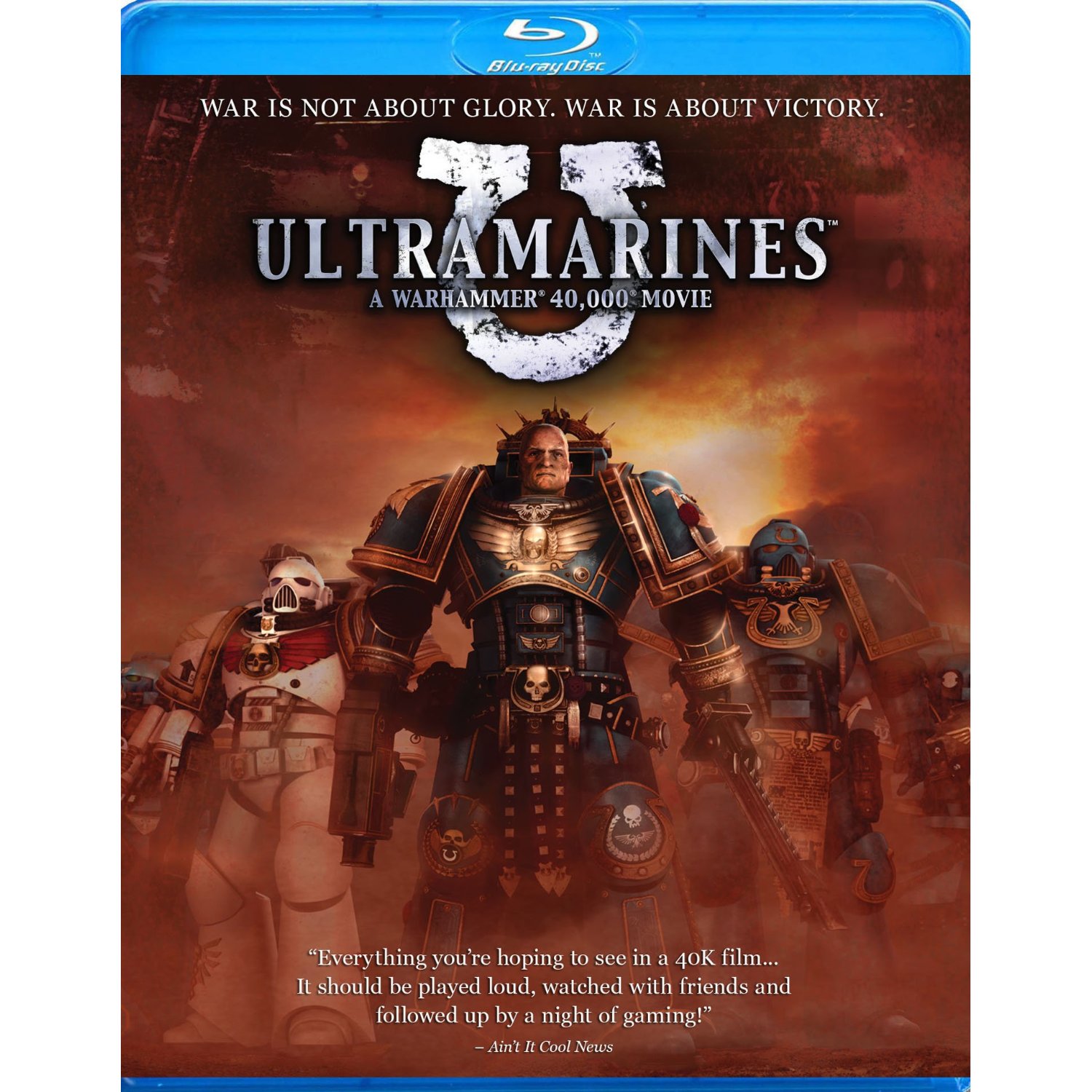
“I am steel. I am doom. I march for Macragge, and I know no fear!”

The above quote is the motto of Ultramarines, the best of the best of the Space Marines from the Warhammer 40,000 universe. The popular miniatures star in their first movie, a CGI action/adventure tale from Anchor Bay films. I admit — as nerdy as I am — I’ve never had any interest in the Warhammer figurines. Because of that, I wasn’t sure if I’d enjoy this movie. I was pleasantly surprised, then, when the story of the Warhammer universe and the Space Marines’ place in it was succinctly presented in the opening voiceover. Much like the opening crawl in Star Wars, it gives you just enough information to appreciate the story while wanting to know more.

On paper, pro wrestlers are the perfect action movie stars. Their beefy frames and larger-than-life personalities should make them naturals at kicking butt on the big screen, plus the performers are certainly familiar with choreographed combat. (This is the part where I planned to mention that wrestling is fake, but I don’t want to make anybody cry.) Even though Arnold, Sly and their brawny brethren have struggled at the box office recently — and are about 20 years past their heyday — WWE Studios has a sneakily clever thing going with its Marine franchise.

Starting with 2006’s The Marine, the company has created a recognizable and malleable action series. The movies don’t have anything to do with one another beyond the title, but they allow the WWE to push whichever wrestler du jour they want to promote by giving him his very own starring role. In other words, they could make Marine movies forever. Following in the footsteps of John Cena and Ted Dibiase Jr., Mike “The Miz” Mizanin is handed the keys to the action vehicle this time around.

"I'm bad, and that's good. I will never be good, and that's not bad."

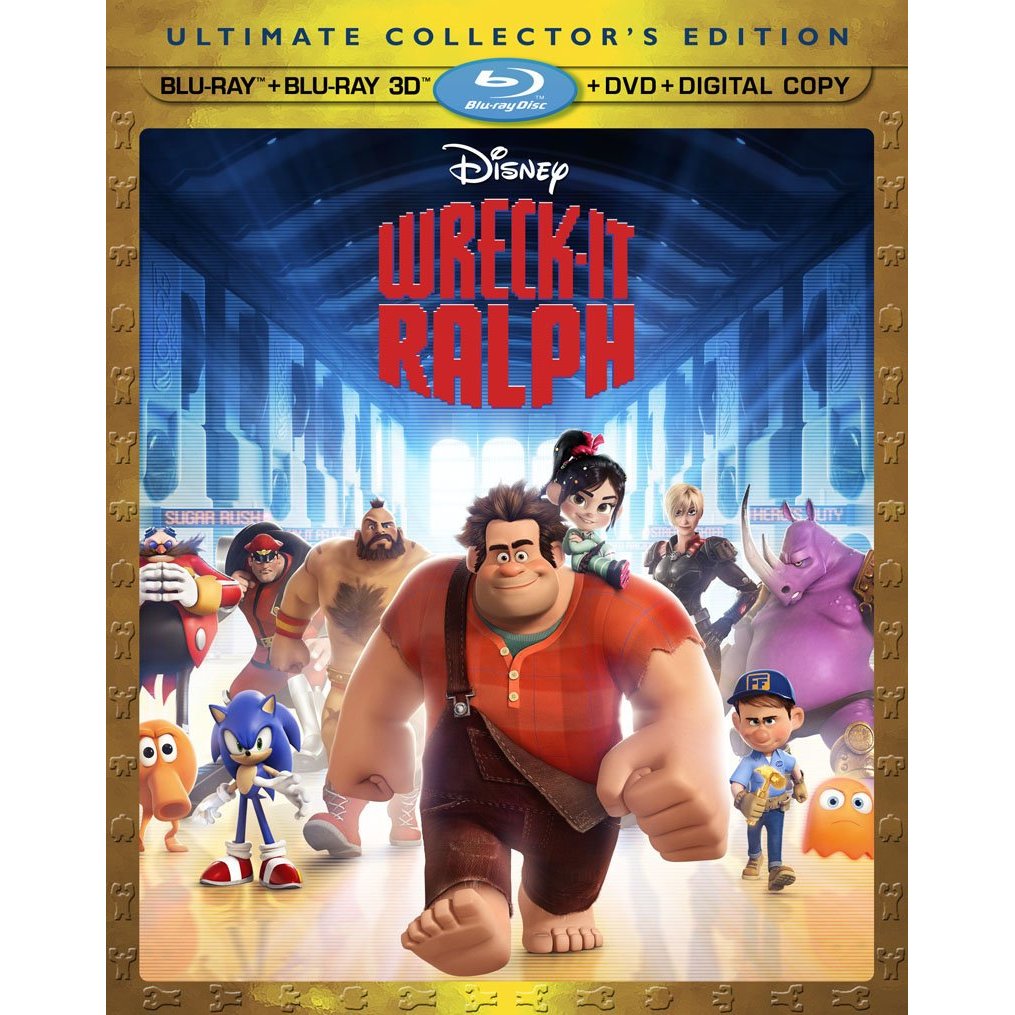
One of the easiest ways to let your age show is to talk about your favorite video games. If you're old enough, you even remember a time when there weren't any video games at all. Most people refer to this era as The Dark Ages. But I'm willing to admit that I put a deposit down on an Atari 2600 system these many years ago. If you have a love of all things video games and a great appreciation for the history of the field, Wreck-It Ralph was built just for you.

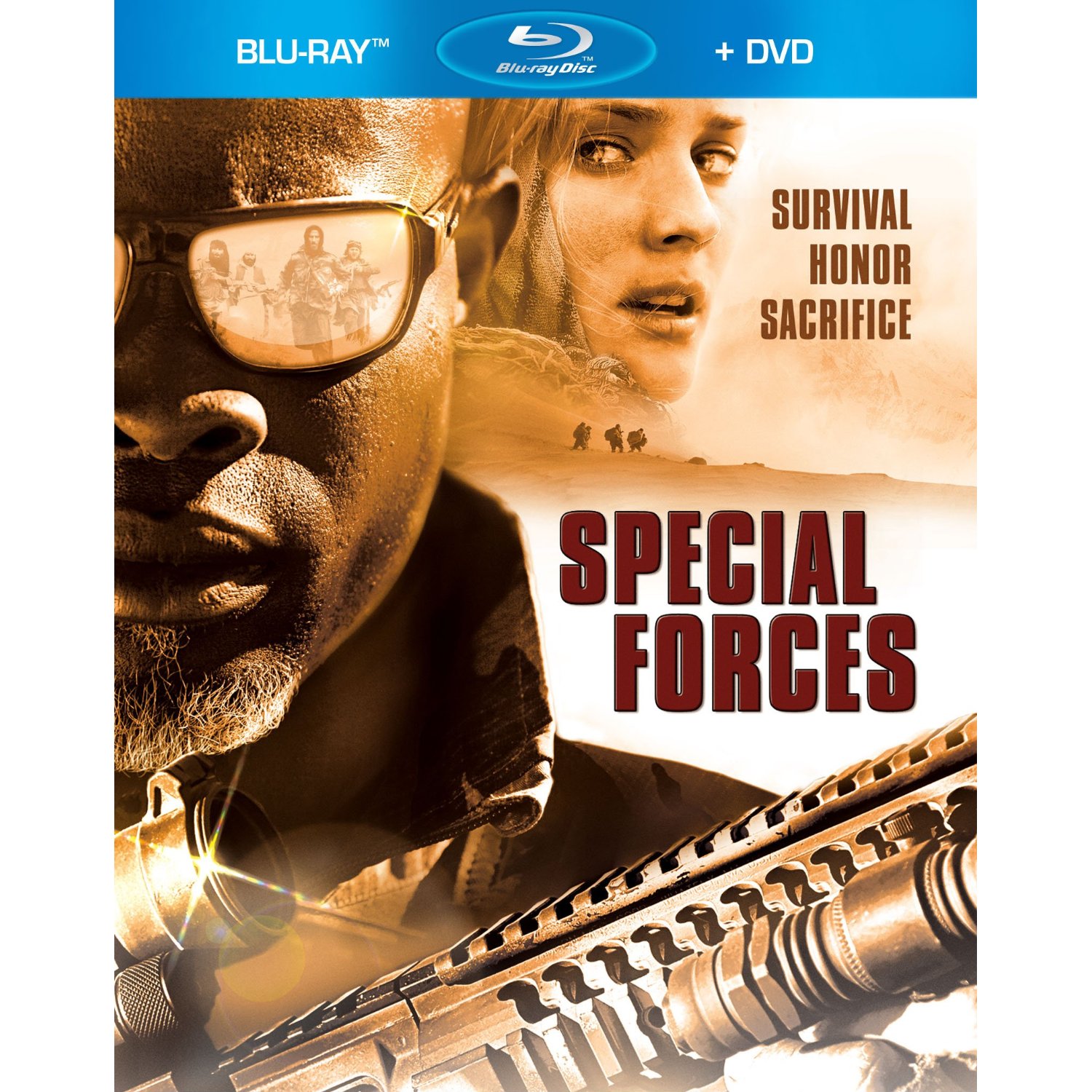
In a film the pays its respects to the French soldiers who are participating in the war on terror as well as the journalists that risk their lives to cover the war, Special Forces delivers more of the same in this new release.  Though the default setting has the spoken language in English and has English-speaking stars, don’t let this French release fool you; the dubbing is terrible and the film is better viewed in its original language. Elsa (Diane Krugar) is a French journalist who is in Afghanistan to cover a story about a woman sold as a child.  By now we should all know speaking against the politics in these countries is not just bad, but when you are a woman this could get you killed.  The woman is wanted by the Taliban, and Elsa wants to do what she can to help her friend escape, but there is little to be done when Elsa witnesses a raid of the woman’s home.  It’s not long after that Elsa finds herself in the crosshairs of the Taliban and is also captured.  Elsa reluctantly reads a message from the terrorist group, and the video is broadcast for the French government to see.  This in turn causes the French president to take action and approve a mission to have the journalist rescued.

Though many of the story points have been seen before in numerous different films, it still works and had me gripped due to some beautiful cinematography, and it doesn’t hurt that it had Diane Kruger as the captive journalist. (If this woman was able to start the war in Troy, just imagine how she’d motivate a platoon of Special Forces soldiers.)  Leading the platoon is Kovax (Djimon Hounsou), and the only other guy I recognized from the group was Lucas (Denis Menochet from the opening scene of Inglorious Basterds).

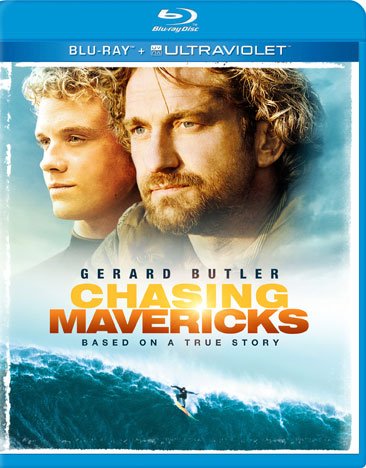
Normally when I see trailers for films about “inspiring true stories” I try to remind myself to avoid that film at all costs.  Sure I’ve seen more than a few of these kinds of films, but that’s the problem with them, once you’ve seen one you’ve seen them all.  When Chasing Mavericks was brought to my attention I was ready to ignore, but then I gave it a quick look at IMDB and to my surprise it had two directing credits, Curtis Hanson (L.A. Confidential, which just so happens to be in my all-time top ten films) and Michael Apted (Gorky Park, Nell, Gorillas of the Mist), and with that my mind was made up.  And lucky me it turned out to be one of my favorite films I’ve had the opportunity to review.

Ever since he was little Jay Moriarty (Johnny Weston) has been fascinated by the currents and the waves they produce.  The obsession sets Jay off to learn how to surf, and by the time he’s 15 he’s managed to become one of the best young surfers in Santa Cruz, but the waves he’s conquering just aren’t cutting it.  Till one morning he follows a local surf legend, who just so happens to be his neighbor, Frosty Hesson (Gerard Butler), who is going out on an early surf run.  Where they end up is at a hidden beach where Jay sees the biggest waves that are colossal in comparison to what he surfs daily, and he watches Frosty.  These giants that Jay and many others believed to be nothing more than mythic surf lore are what are called Mavericks.  And it is from this day on Jay sets off to try and surf one of these waves. For fear Jay will only get himself killed, Frosty agrees to train him to be able to survive the wave, and he has 12 weeks to get himself ready before the season ends.


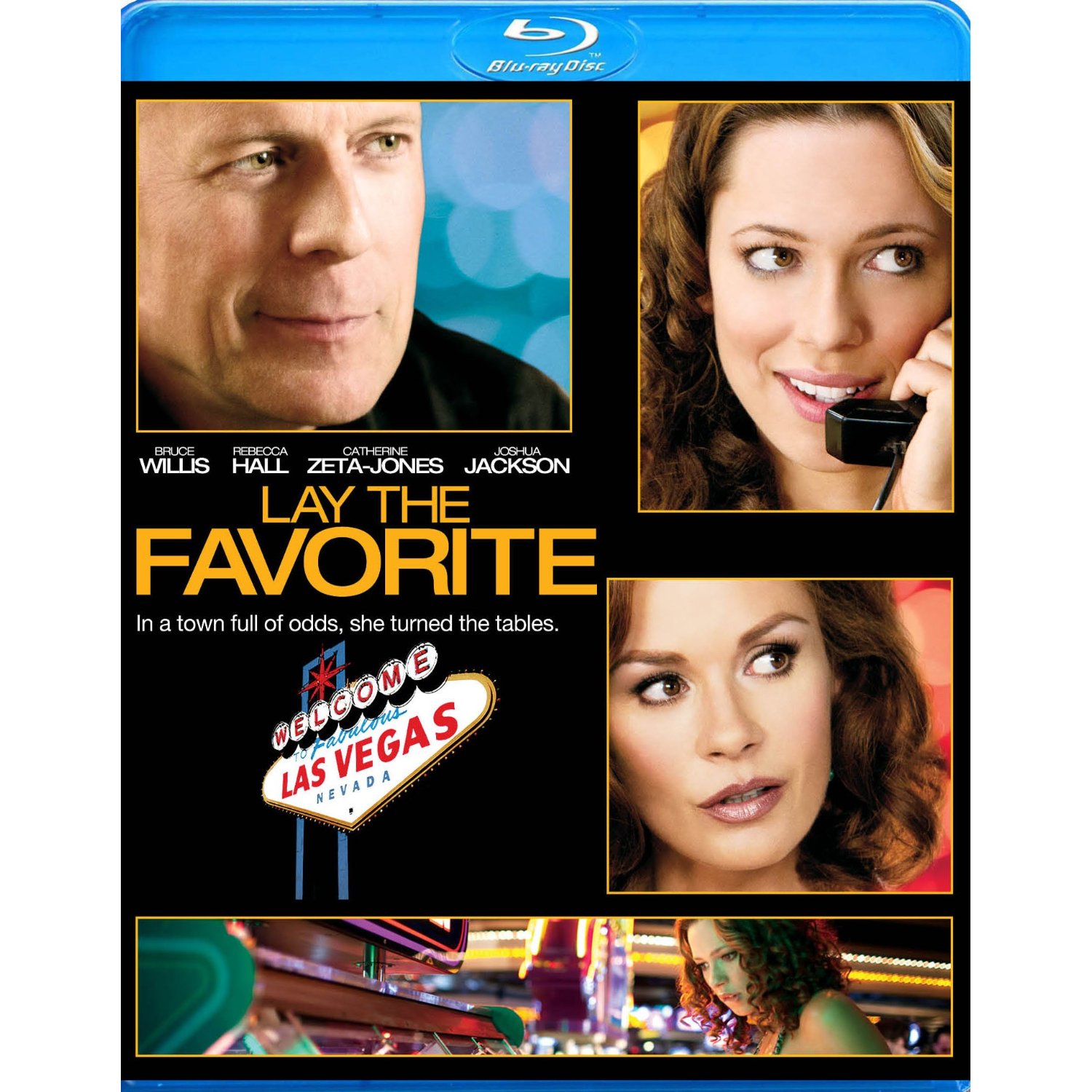
If a movie starring Bruce Willis, Catherine Zeta-Jones, Vince Vaughn and a few other notable names only grosses slightly more than $20,000 — BoxOfficeMojo.com assures us that’s not a typo — does it make a sound? The natural assumption is any film boasting that kind of star power must be pretty bad to be completely ignored by distributors and the movie-going public. Lay the Favorite is a disappointing, low-energy effort, but it certainly deserved to make more money than what A Good Day to Die Hard will probably earn in the time it takes you to finish reading this sentence.

The film follows sweet dim bulb Beth (Rebecca Hall), a stripper who feels unfulfilled in her life and dreams of moving to Las Vegas to become a cocktail waitress. (This movie’s title should’ve been Aim Higher.) Instead, Beth gets a job working for eccentric sports bettor Dink (Bruce Willis) and proves to be something of a gambling prodigy, much to the chagrin of Dink’s scary wife, Tulip (Catherine Zeta-Jones). As Beth and Dink’s relationship becomes more complicated, she gets romantically involved with nice guy journalist Jeremy (Joshua Jackson) and professionally involved with Rosie (Vince Vaughn), a volatile rival of Dink’s.

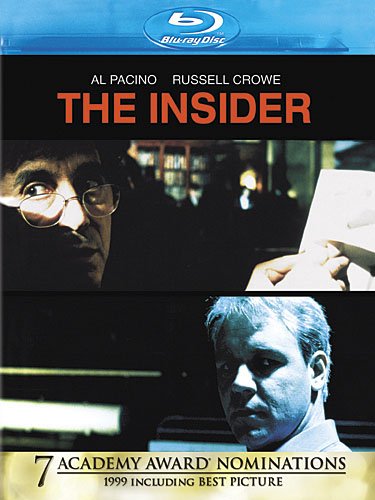
If you were alive at the time, you probably remember watching the seven tobacco company executives testifying in before a Senate committee on the addictive nature of their products. They all raised their hands to swear that they do not believe that nicotine is addictive. It made for great television of the absurd. It was great fodder for the late-night comedy routines, and almost every stand-up in the country found a way to work it into their material. It was the beginning of a changing environment in America toward smoking, in general. Most states have since passed "Clean Air Acts" which prohibit smoking from most public places. States have sued and ultimately won to recoup some of the money they lose each year on taking care of citizens who have ruined their health by smoking. Even more restrictions on advertisement have been implemented, and the idea of smoking being "cool" went out along with the billboards and sports stadium banners. The tobacco companies are still doing fine, however. They now export more product than they sell in the United States, and the lawsuits and advertisement bans have been little more than speed bumps on the profit margins.

Much of that swing in public opinion can be attributed to Jeffrey Wigand (Crowe). He was a scientist working for one of these "big 7" companies when he was fired. He had some fundamental issues with the work he was doing and left with a pretty generous severance package and a non-disclosure agreement that barred him from revealing what he knew.