AVC MPEG4

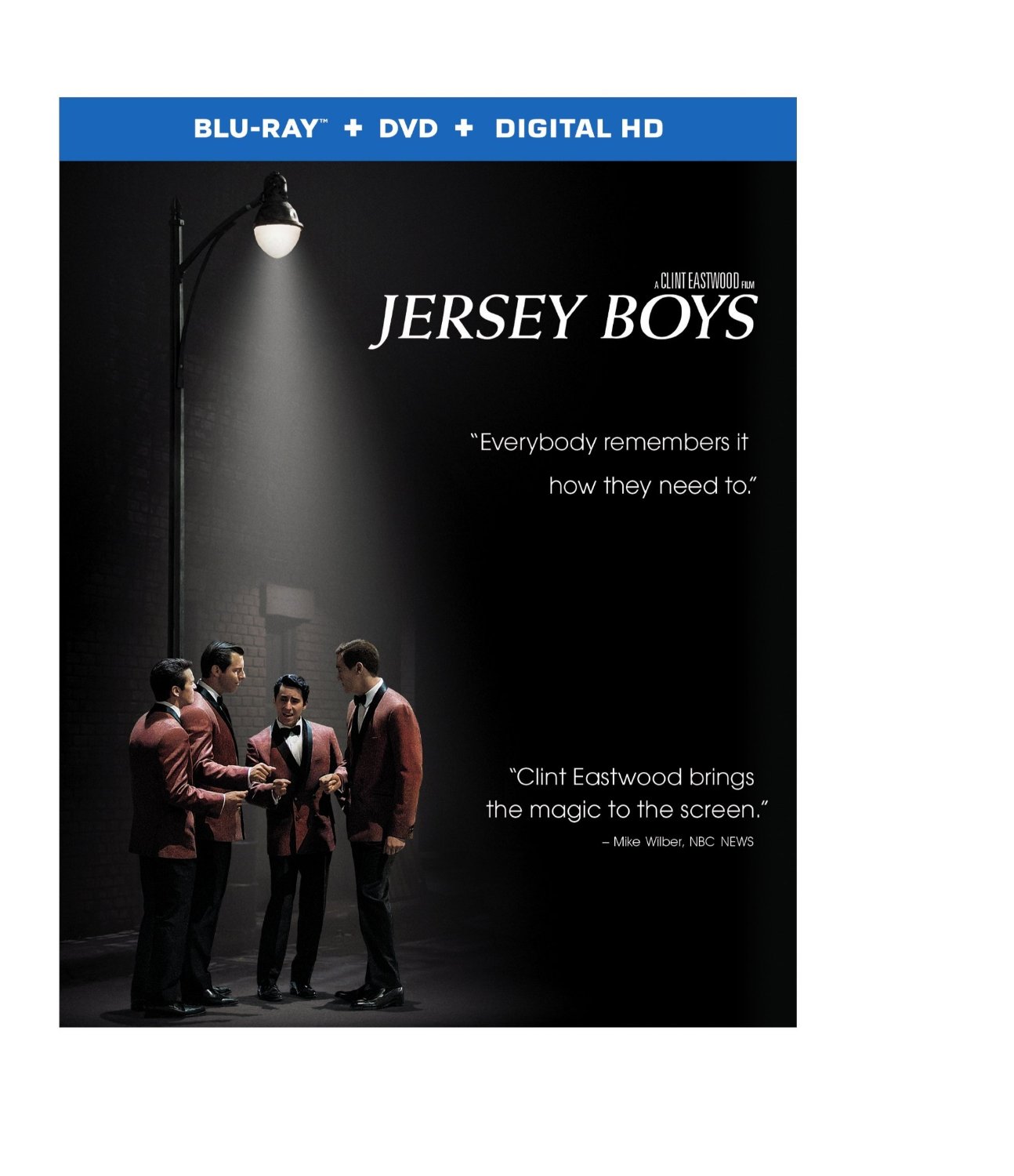
“You sell 100 million records, and see how you handle it.”

If you’ve ever seen an episode of Behind the Music — or followed popular culture at all in the previous century — then you probably know artists tend to not handle that level of success very well. However, the rise and (inevitable) fall of the original Four Seasons lineup is unique for a number reasons. Unfortunately, very few of those reasons are captured in Jersey Boys, Clint Eastwood’s oddly lifeless, workmanlike adaptation of the joyous, wildly popular Broadway musical.

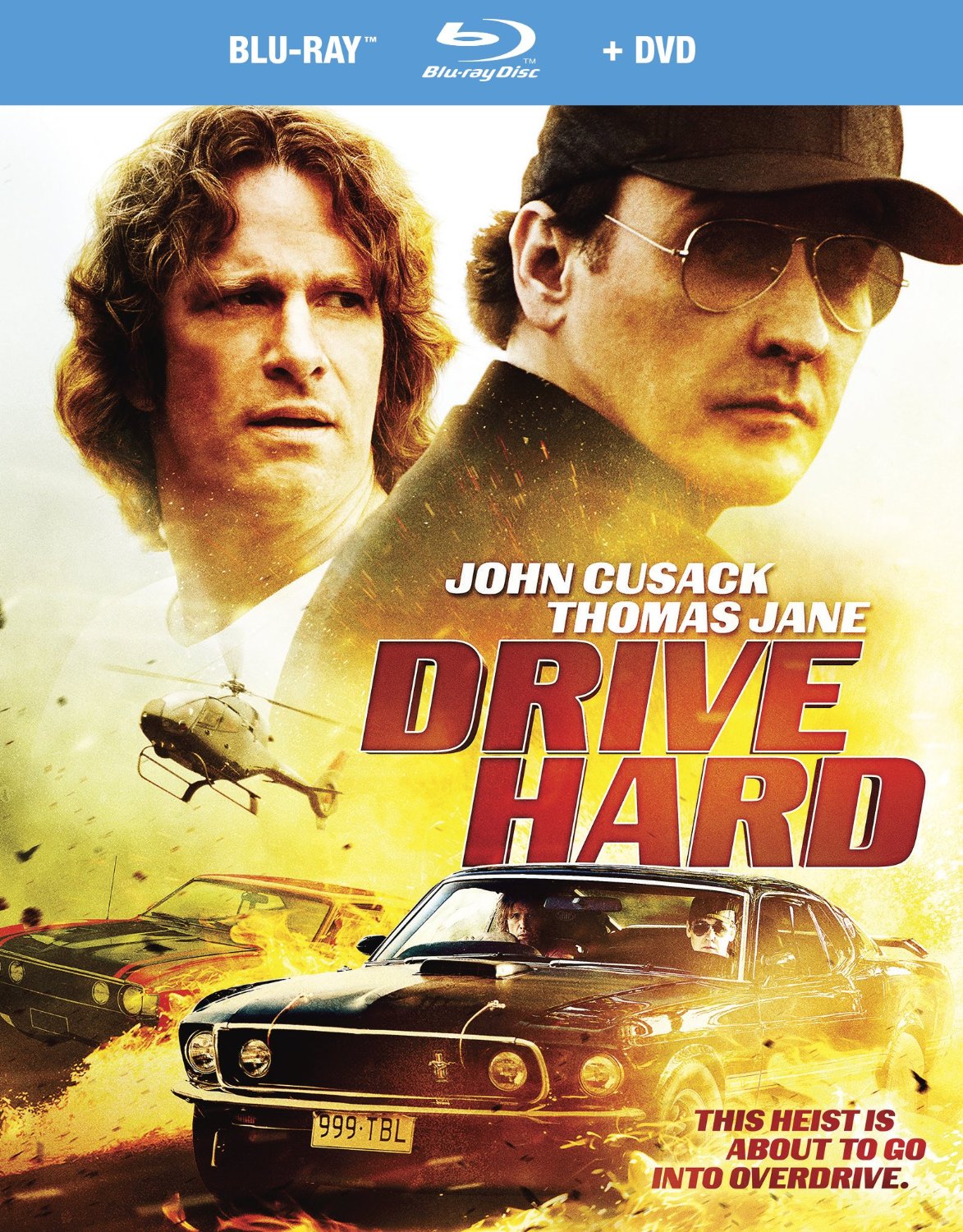
Personally I’m not a fan of the Fast and Furious franchise, despite the fact that I tend to enjoy films from the genre.  For me, I’ll take the old school films like Vanishing Point, Two-Lane Blacktop, and the original Gone in 60 Seconds over these big budget productions any day.  All I can figure is that these films that I do enjoy are working with budgets that force the directors to be creative and understand most of their elaborate stunts only get one take and are not polished with CGI, but instead whatever the camera captures that is what we see on the big screen. The stunts are simply incredible, and the cars in my humblest opinion were simply cooler back then.

Drive Hard is a fun throwback to chase films that lived in an era of drive-in theaters and grindhouse cinema.  Thomas Jane plays Peter Roberts, a former race car driver who gave up what could have been a successful career to be a father.  Sure, this is a respectable decision, but it’s a decision that has haunted him, as he now has taken on a career as a driving instructor.  Despite Roberts being a parent, he still hasn’t managed to give up the dream of being something more than an instructor, only it’s hard to imagine he could have expected Simon Keller (John Cusack) would be the person who would become the motivating force.  Simon isn’t just a regular student of Peter’s; in fact, Simon has specifically found Peter to once again take a spot behind the wheel, only this time around it is in the form of being a getaway driver.

It's noble work. It is useful. You are angels of mercy...I just never thought that I would end up here.”

The geriatric care wing of a hospital — where the employees are undermanned and overworked, and many of the patients are in a near-catatonic state — is not the most obvious sitcom setting. As a result, HBO's comedy series Getting On isn't exactly what I'd call a gut buster. But even though much of the humor seems hyper-specific to this particular circle of workplace hell, anybody who has ever been underpaid to do a hard, crappy job should be able to relate.

Flying into home entertainment, the animated comedy adventure Planes: Fire & Rescue delivers a fun film for the whole family.  The film features some of the characters from the original and a whole lot of new ones.  Brightly animated, having fine direction and with a new storyline, the film has several good values including heroism and friendship. In this episode we find Dusty Crophopper returning from his around-the-world racing tour and about to participate in annual Corn Festival.  During a practice run with his flight instructor Skipper, the gearbox in Dusty’s airplane gets damaged.  Not having another gearbox because the model is out of production, Dusty finds himself having to slow down.  Following a fire he caused, Dusty volunteers as a firefighter.

The film continues showing his training and later his heroism during a huge forest fire that threatens a vacation lodge. Director Roberts Gannaway keeps his film exciting and interesting showing how the different planes and ground firefighters work together to fight fires.  Introducing many new characters including Dipper, an airplane that drops water from the air onto fires, Blade, a helicopter that guides the aircrafts to the fire, Windlifter, who carries the ground crew, and the Jumpers, a group of vehicles that clear trees to stop the fires from spreading.   The film shows the heroism of the characters, their self-sacrifice and the importance of training to do the job right in order to save lives.

“We don't have the trust of the public anymore.”

- “Get it back!”

Does it always have to end up in a big giant dance battle?”

If you've ever sat through a dance movie, then you know the answer is a resounding, “Yes!” Dance flicks are a somewhat different beast than movie musicals; they are less whimsical and tend to take themselves more seriously, which invariably makes them seem even sillier. Some of the movies in this genre — Dirty Dancing and Footloose — are beloved guilty pleasures. (And many people who love them don't even bother feeling guilty.) In recent years, the “dance flick” itch for moviegoers has been scratched by the Step Up franchise.

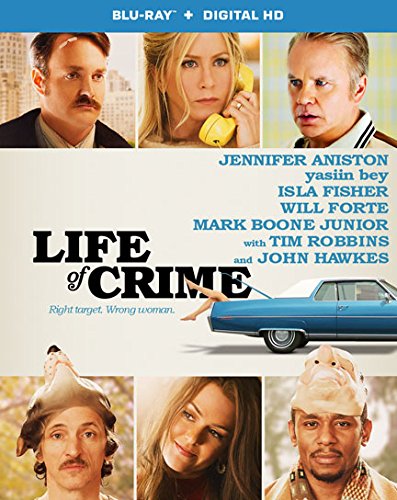
This has been a review that has taken me a while to get to, not because it’s something I was dreading, but instead it had me revisiting some other Elmore Leonard adaptations to the screen.  There have been countless adaptions of Leonard’s work on the big screen as well as television.  Whether it’s his westerns 3:10 to Yuma, Justified or Hombre or his work on crime Jackie Brown, Out of Sight, and Get Shorty, there is a good chance at some point you’ve seen Elmore’s work, and those were just a handful of titles I mentioned.  I was a teenager when I first discovered Elmore Leonard. Out of Sight had just come out in paperback, and I had scooped it up after reading this was from the guy responsible for Get Shorty.  His books didn’t read like your typical novel. Instead it felt like you were reading something that came alive; his characters simply spoke as though they came off the streets, not the pages of literature.  I loved these books and have been reading them since, and when the news came early this year that Elmore Leonard had passed, it was one of the first times I actually got upset about a “celebrity” passing.  It was the realization there simply would be no more stories to keep me turning the pages at night. Thankfully he left behind a collection of stories that will stand the test of time, and it’s with Life of Crime we get to see that.

A pair of small time crooks, Ordell (Mos Def) and Louis (John Hawkes) have a plan to kidnap a crooked real estate developer’s wife and hold her for a million-dollar ransom.  The plan is just about perfect, and Mickey (Jennifer Anniston) is just about the perfect victim for her kidnappers; the trouble instead comes with the husband, Frank Dawson (Tim Robbins) who has just gone on vacation to the Bahamas where he has his mistress waiting.  To make matters even more complicated for the crooks, Frank has even filed for divorce, so having his wife out of the picture would only make his life easier.


"Let us tell an old story anew, and we will see how well you know it."

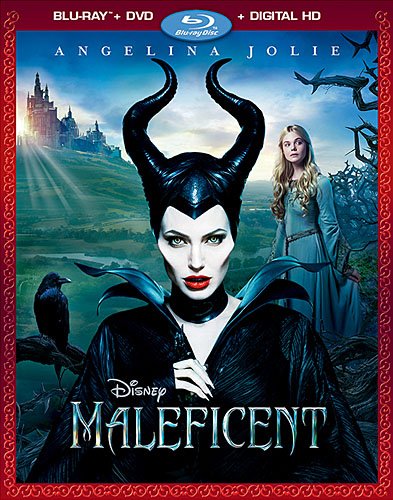
If Christopher Nolan’s take on The Joker isn’t the very best example of modern cinematic villainy, then it’s near the top of the list. Obviously, a tremendous amount of credit goes to Heath Ledger’s Oscar-winning performance in The Dark Knight, but I’d argue the real thrill comes from the character’s arbitrary, inexplicable approach to evil. By having its Joker invent tragic (fake) backstories on the spot, the film made a mockery out of the notion of having to explain a movie monster’s past. Disney’s Maleficent, on the other hand, is the latest misguided attempt to redeem a character who was better off being unredeemable.

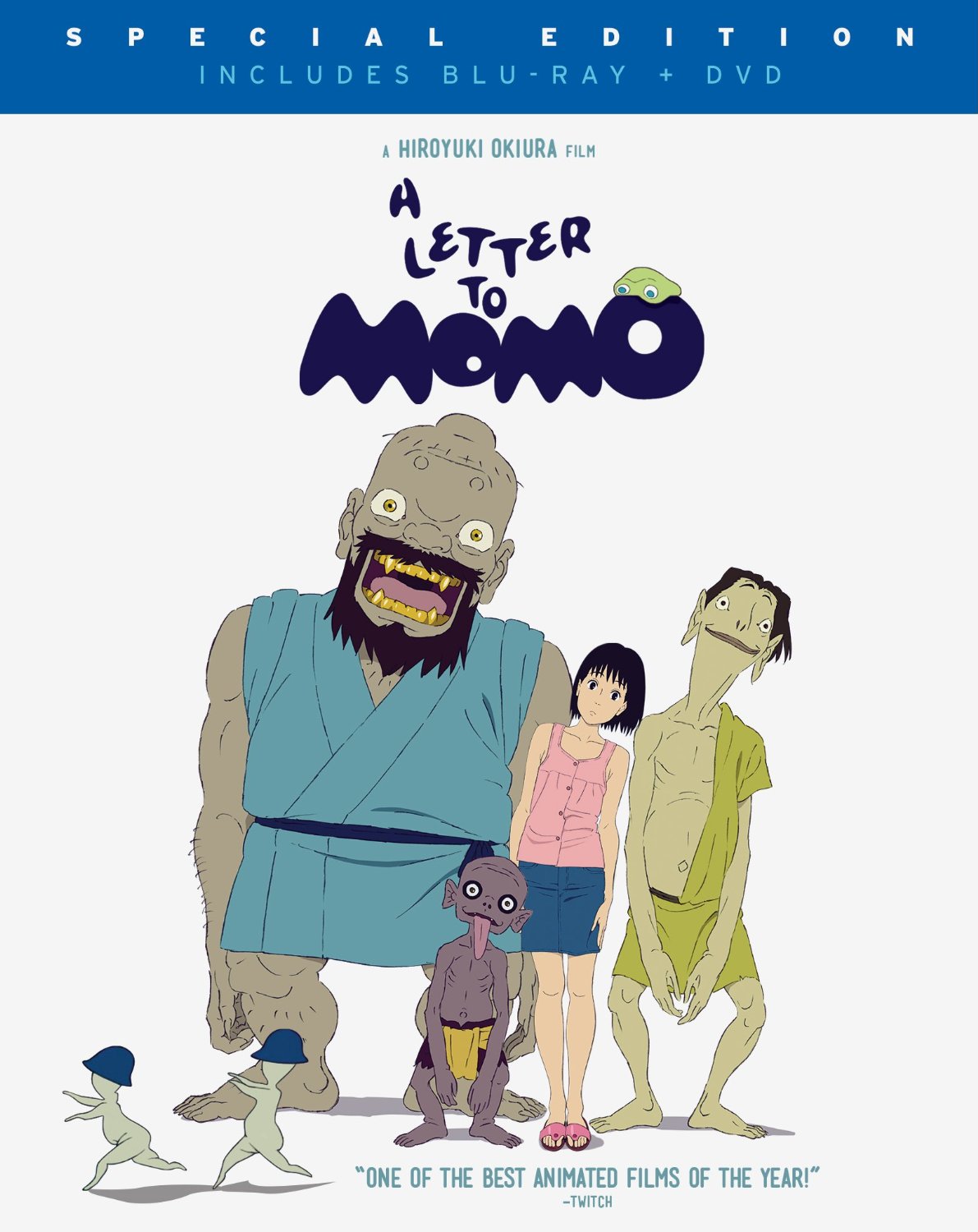
As the spookiest holiday of the year draws closer, we're all probably a little more sensitive to anything that goes bump in the night. Almost every creature associated with Halloween is meant to terrify us, but what if some of those horrific-looking monsters were actually tasked with watching over us? In the Japanese animated drama A Letter to Momo, a young girl encounters a trio of mischievous spirits that only she can see and hear. The monster shenanigans, however, were merely one aspect in what turned out to be one of the more affecting family films I've seen this year.

Momo (voice of Karen Miyama) is a grief-stricken girl who recently lost her father. Her mother Ikuko (Yuka) decides to uproot Momo from their Tokyo home and move to the island of Shio, the sleepy seaside community where Ikuko grew up. In addition to the grief Momo feels over losing her father, she is also overwhelmed by guilt; Momo had been cruel to her father prior to his unexpected death. As a result, Momo clings tightly the last memento her father left behind: an unfinished letter that started with the words, “Dear Momo.”

"It was the gang that ran amok. You have people who were being extorted, who talked of having a shotgun barrel stuck in their mouths or machine guns pointed at their groin. Body bags were shown by Bulger as he shakes them down. It was absolute terror."

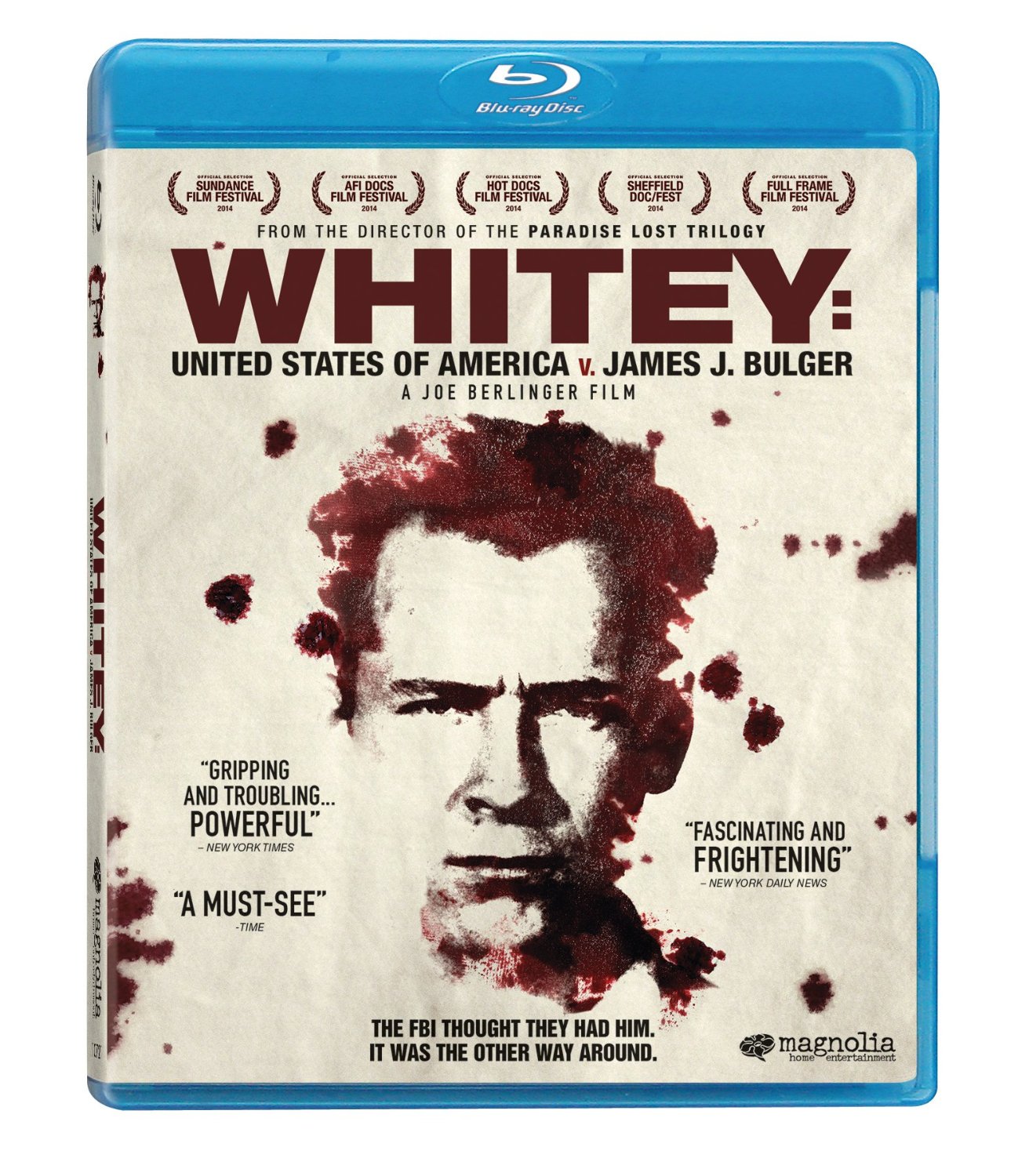
It amazes me that I really had very little idea who James J. Bulger was before I watched this film by director Joe Berlinger. How could I have missed this guy? On the run for over 16 years, Bulger was once #2 on the FBI's most wanted list. Who was #1? That was Osama Bin Laden. So who was this man that came in second only to the world's most infamous terrorist? That's what I set out to discover, and Whitey: The United States of America vs. James J. Bulger filled in all of those blanks. When the film is finally over you'll be asking yourself, "How is it possible I didn't know this stuff?" One possible reason and the focus of this documentary lies in the fact that the FBI might not have wanted you to know much about this case. Joe Berlinger corrects that oversight with one of the more compelling documentary films I've seen in years. In the end, it asks as many questions as it answers. But those questions are powerful ones indeed.