1.66:1 Widescreen

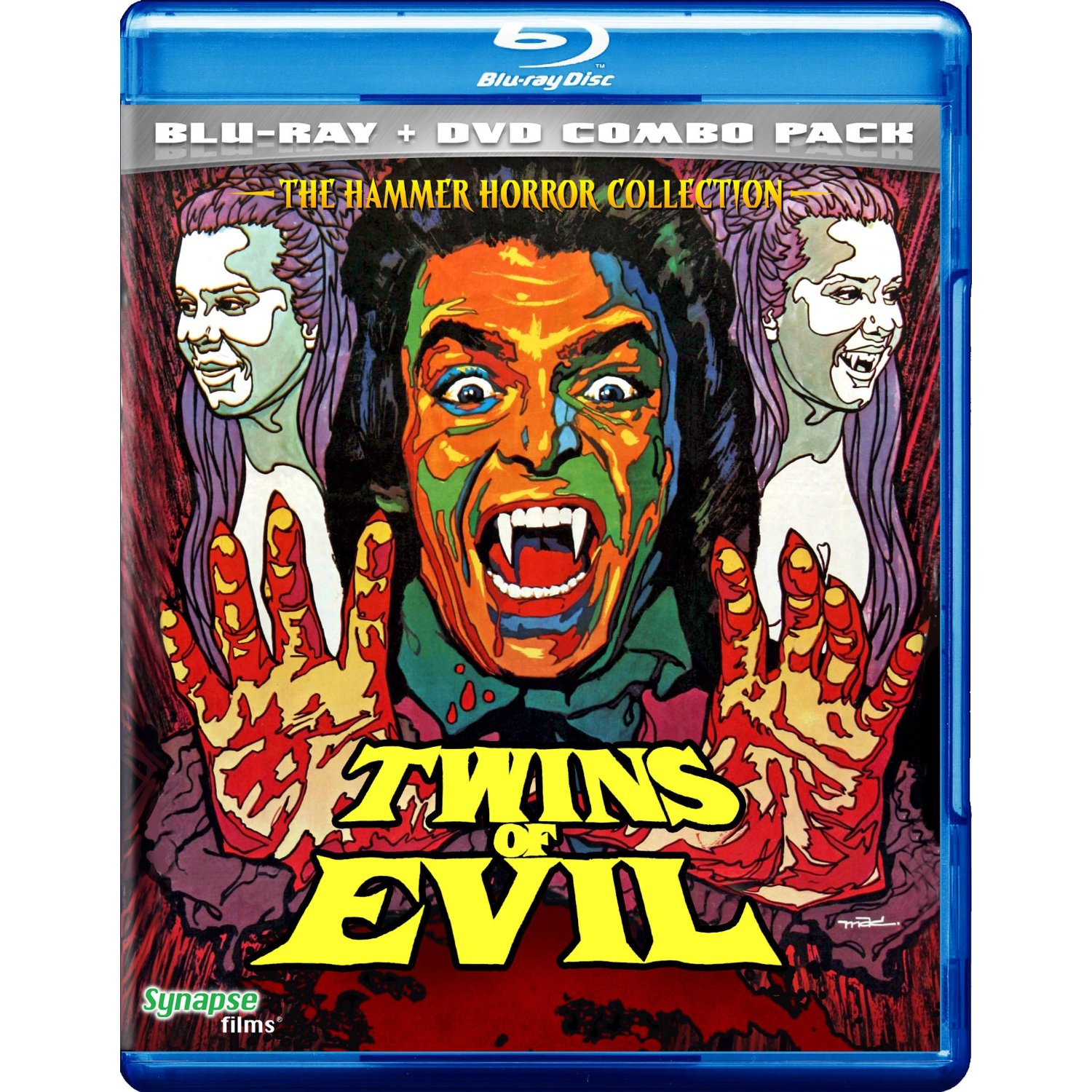
"Satan has sent me Twins Of Evil."

Okay, it wasn't really Satan, at least I don't think it was. It was the folks over at Synapse who sent me the Blu-ray release for Hammer's Twins Of Evil, and I'm pretty glad that they did. If you're a horror fan of any worth and are old enough, you have some wonderfully frightful memories of Hammer's run of horror films starting in the late 1950's. Hammer pretty much began where Universal ended their celebrated cycle of horror films. Like Universal, the cycle produced a new generation of atmospheric horror films that included the classic creatures. Dracula, Frankenstein and The Mummy were all resurrected under the Hammer banner. The studio also delivered the next generation of classic horror actors led by Christopher Lee and Peter Cushing. While it's true that changes of the guard at Hammer and a lean toward more exploitation cinema led to a decline by the 1970's, there continued to be some notable exceptions. Twins Of Evil was one such exception.

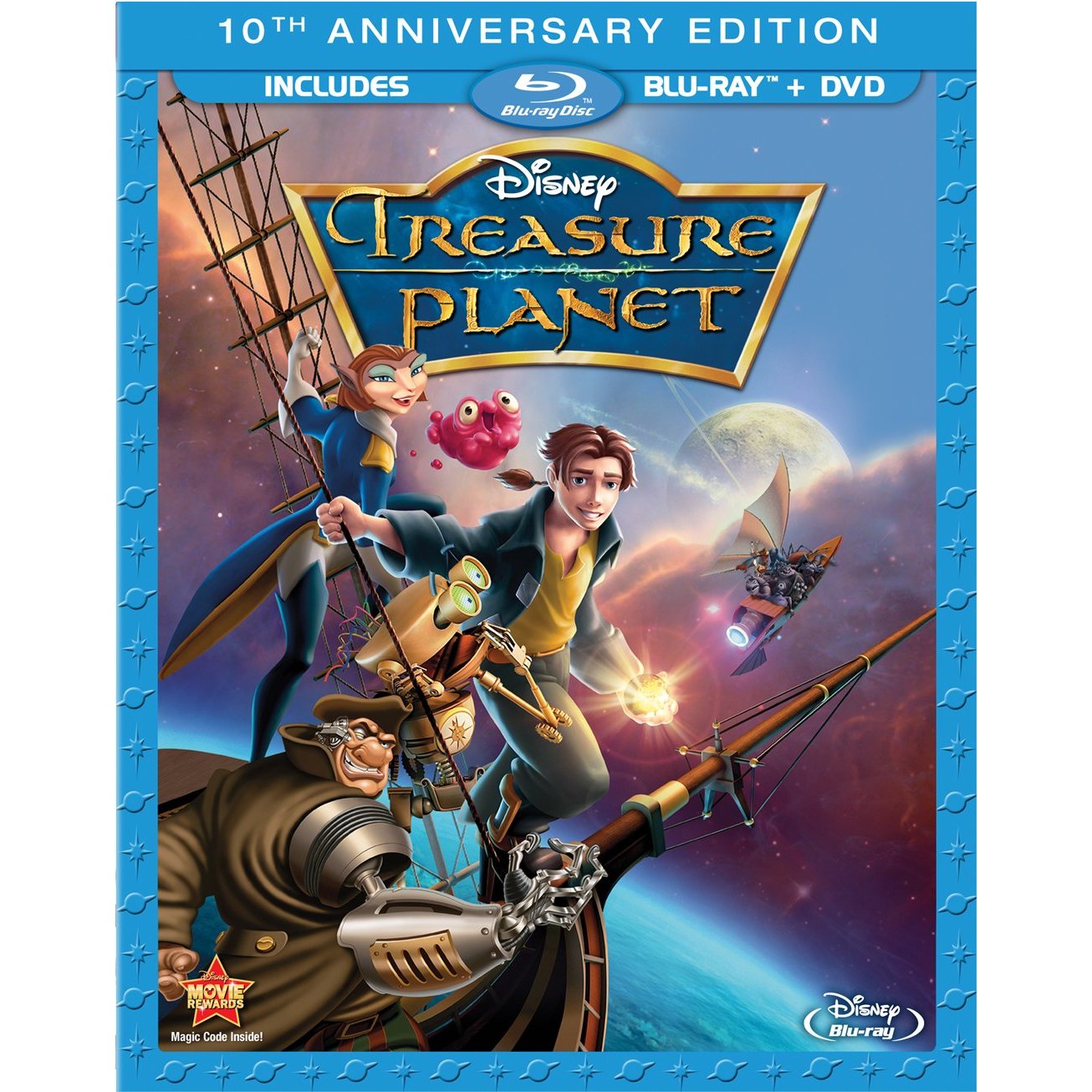
"On the clearest of nights when the winds of the Etherium were calm and peaceful, the great merchant ships with their cargos of Arturian Solar Crystals felt safe and secure. Little did they suspect that they were being pursued by pirates."

Everybody loves a pirate story, and Walt Disney Studios has made a good bit of money from that particular fact. The Pirates of the Caribbean ride and eventual Johnny Depp films have gone a long way to fill the booty chests of the studio to overflow. But, of course, Disney didn't invent the pirate sensation, and they were not the first to fully capitalize on their popularity. That honor might well fall to Robert Louis Stevenson and his 1883 novel Treasure Island. The book has been a favorite of daydreaming young boys and girls for well near 150 years. More than just a story of pirates and adventure, it's a story of self-discovery and coming of age. It's quite a timeless tale and has had several film versions over the years. In 2002 Walt Disney Animation took on the task and created an animated feature that used the material rather loosely and opted for a grand space adventure. The result was Treasure Planet.

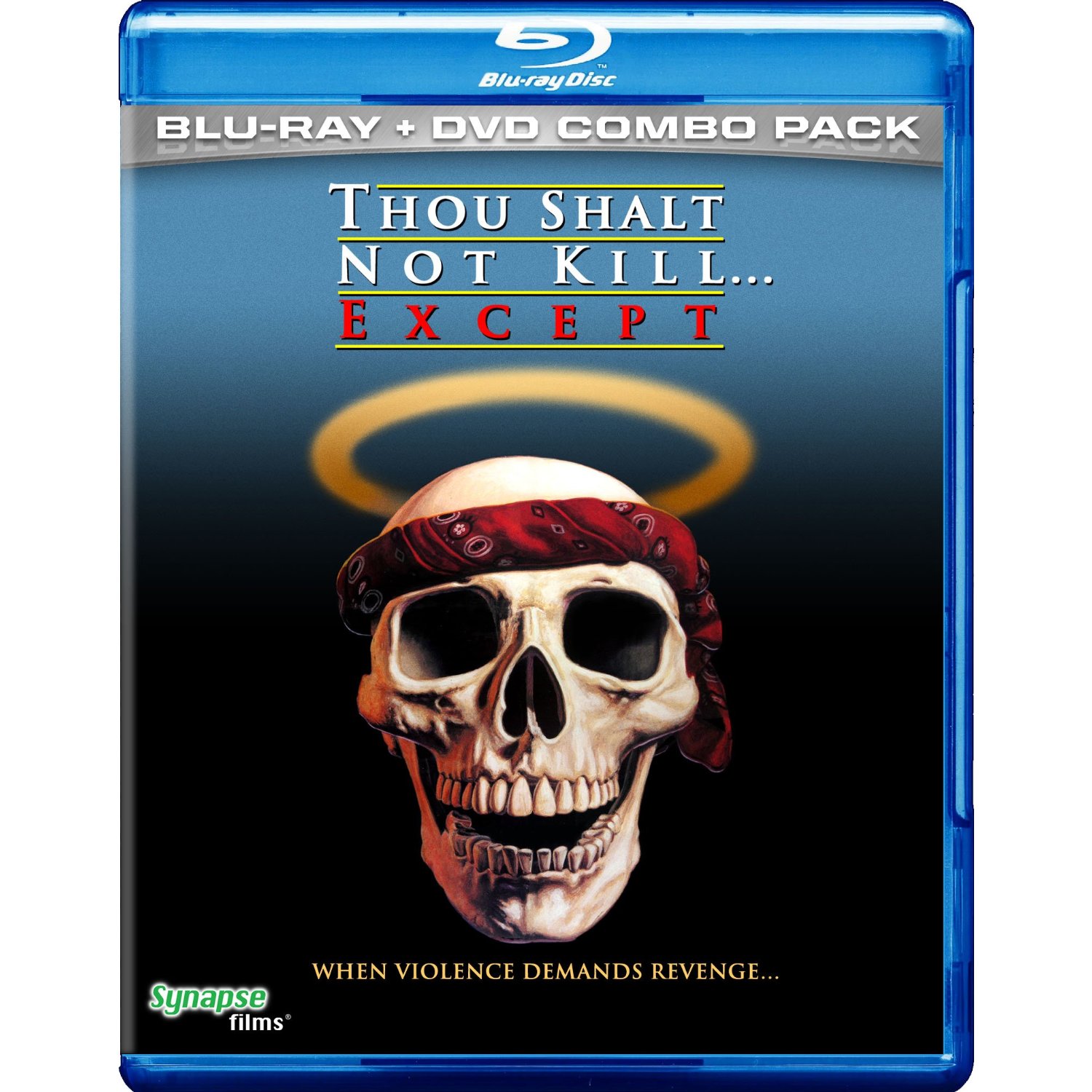
“Don't you ever touch the sacrificial fluids... okey dokey?”

“Okey dokey” indeed; in 1985, director Josh Becker gathered his friends, including Sam Raimi and Bruce Campbell, and they shot Thou Shalt Not Kill… Except in Detroit around Campbell’s childhood home. Working with a microscopic budget, they created a tribute to the savage exploitation films of the sixties and seventies, full of bad lighting, crappy sets, leaden acting, cheap makeup gags, horrible dialog, and a certain goofy infectious fun.


"It's going to be like old times..."

Well... not exactly. The Lion King began with The Circle Of Life and a newborn prince to the royalty of Pride Rock. That prince was Simba, and we all know by now how that ended up. The circle of life continues in The Lion King 2: Simba's Pride. Of course, it's not really the second Lion King film since the first sequel was cleverly called The Lion King 1 1/2 and pretty much covered the events of the first film from a different perspective. Now we get down to the real ongoing events, and once again a child to the Pride Rock royal couple is being presented to the kingdom. This time it's a princess, and her name is Kiara, voiced by Neve Campbell.

"We're going way back to before the beginning..."

In 1994 Disney's second golden age climaxed with, perhaps, their greatest animated film of all time. The Lion King broke every animation record, and those records still stand today. The film appealed to old and young alike and told a compelling story that included some rather memorable songs from Tim Rice and Elton John. It was never a question of if there would be a sequel, but merely a question of when and in what form that follow-up would take. There was simply too much money at stake for there to be any other outcome.

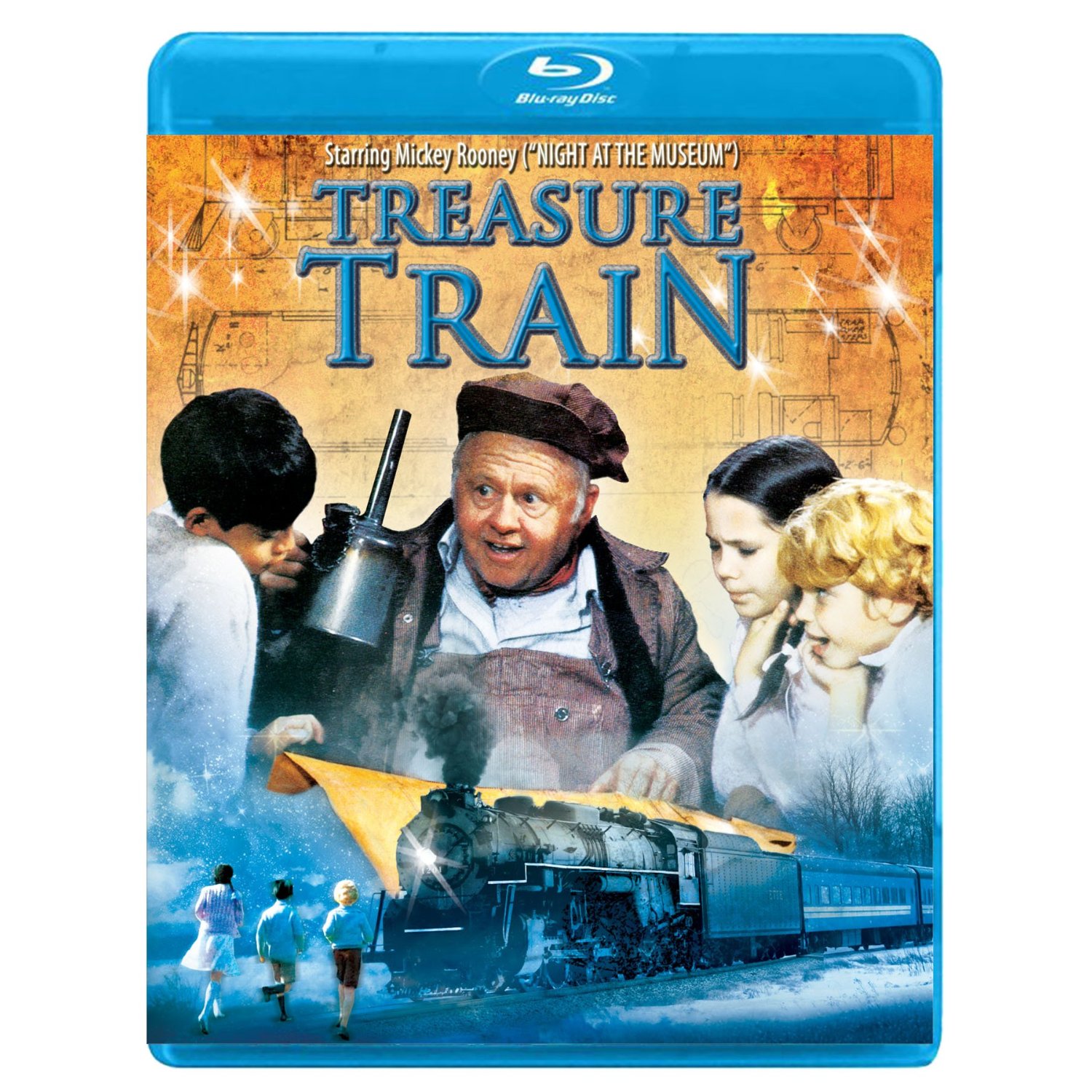
Released back in 1982, Treasure Train tries to capture the imagination of kids as Disney had for years but with a much smaller budget.  Helmed by surrealist artist and director Fernano Arrabal, he crafts a film heavy on the power of a child’s imagination and sense of adventure. To be fair I had to give this movie a second viewing not because I liked it but because it was so weird I had to make sure what I saw was real.

The film opens with a beautiful overhead shot of a train barreling down the tracks.  As the credits begin to roll the beautiful footage dissolves from the real train to a model train that is steaming ahead to collide with another train. As the toy falls to the ground a frustrated man scoops up the train only to yell at the children.  This scene though on the surface is simple but represents what the film is about.  Every child while growing up is excited about the prospect of being older and how great it all must be but the reality is never is as good as it was supposed to be.

In case you were not already aware, the makers of Cinema Paradiso wanted you to know just how acclaimed their film happens to be. So, before the film itself starts there's something akin to a credit roll with a long list of awards and acclaims the film has received since its release in 1988. To say that it is a film held in high regard would be a terribly unfair understatement. The movie is an undisputed classic and for good reason.

The film tells the story of one Salvatore "Toto" Di Vita, played by three different actors representing three stages of his life. Salvatore Cascio plays the young boy. Marco Leonardi plays the teenage years. And Jacques Perrin plays the elder version of Toto.

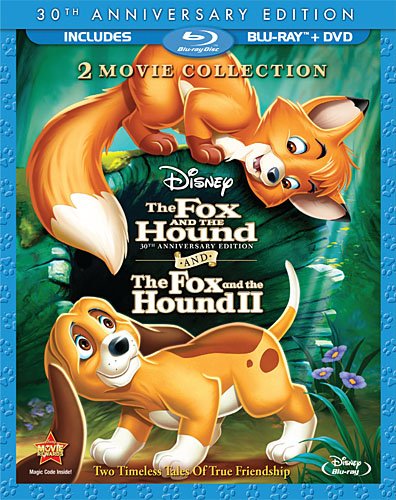
Baby here again. No, you're not seeing double unless you're seeing two of me. That would be very bad since you're reading this and I'm not really there at all. No, you're not seeing double. But, thanks to the guys at Disney and a little bit to the guys at UPS who somehow got this thing through my tight security net, we get not one but two classic Disney animated movies on one Blu-ray release. This thing has so much canine content that you're gonna need a doggie bag for all the leftovers. Speaking of leftovers, you can send any of that stuff to us here at Upcomingdiscs in care of Baby. Now, how many paws am I holding up?

Of course, the movie should have been called The Hound And The Fox, because we know who should get top billing here. But don't blame the guys at Disney for that one. That blame belongs to a guy named Daniel P. Mannix. You see, he wrote a children's book a while before, and this was another one of those Disney versions of a classic story. I guess that means I should tell you the story.

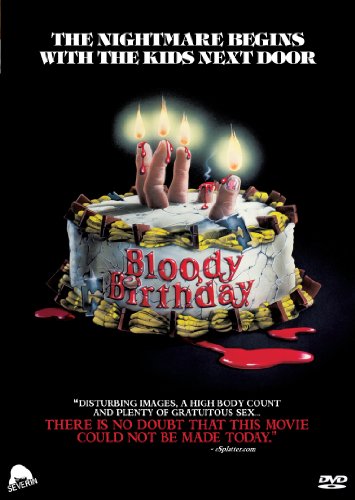
Three children are born at the moment of a total solar eclipse. On the even of their tenth birthday party, we discover that these kids, for astrological reasons, are complete sociopaths, and are having a merry time offing anyone in the community who even vaguely annoys them. The only ones who even gradually suspect that something is going on are high school senior Joyce (Lori Lethen) and her little brother Timmy (K. C. Martel). They soon become the target of the psycho kids’ wrath.

As slasher films flooded the screens in the early eighties, every conceivable minor variation was tried, while the rigid narrative formula was religiously observed. So if the variation wasn’t in the date (Halloween, Friday the 13th, New Year’s Evil, My Bloody Valentine, etc., etc., etc.), the change-up was in the the killer. And so here we have kids, though the elements remain otherwise familiar: prologue opening, young couples get naked and die, the Good Girl is the Final Girl, and so on. Though there is a bit of a nasty little punch in having the kids be murderous, this was hardly new in 1981 (The Bad Seed anyone?). The world of the film is a very difficult one to buy: the rash of murders has very little effect on the community, the junkyard features gassed-up and fully functional cars, astrology is apparently a for-credit subject at the high school, and everyone is very, very, very stupid. And while there is a certain demented pleasure in seeing tiny, WTF turns by the likes of Jose Ferrer (on-screen for maybe 30 seconds) and Susan Strasberg, this is a film that, in the final analysis, is nowhere as sick as it should be, unable to follow through on its own premise, as demonstrated by the singularly anti-climactic finale. Had this been an Italian or Spanish movie from the same era, I venture to think things would be a bit different.

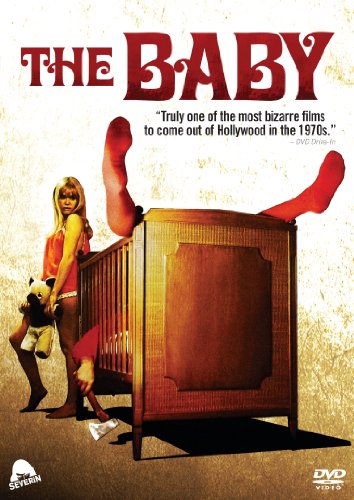
Ann Gentry (Anjanette Comer) is a social worker with a new case, one that she specifically sought. She has been assigned to the Wadsworth family. It consists of a terrifying matriarch (Ruth Roman), sexpot daughters Germaine (Marianna Hill) and Alba (Suzanne Zenor), and Baby (David Mooney, credited as David Manzy), a grown man with, apparently, the mental development of an infant. But Ann suspects Baby is capable of more, and that there is something fundamentally wrong going on at the Wadsworth residence. The Wadsworths, meanwhile, do not take kindly to Ann’s prying, and will stop at nothing to preserve their way of life.

Viewers lured by the promise of the film’s poster (Baby in crib, hatchet in hand) will no doubt be disappointed. This is not a body-count film, and there is very little that is overtly horrific for most of the movie. But make no mistake: this is a horror film. The horror is primarily conceptual, and the more we see of Baby’s life, the more we squirm. The performances are universally strong, and we buy into the characters, no matter how grotesque they are, and believe me, they are grotesque. The climax is exquisitely sick, as only the denouement of a movie made in 1972 can be, and is meticulously set up by everything that came before. This is a screwed-up movie, and I mean that as a term of extremely high praise. Absolutely not to be missed.