1.78:1 Widescreen

"You like that stuff, but it's kind of a tease."

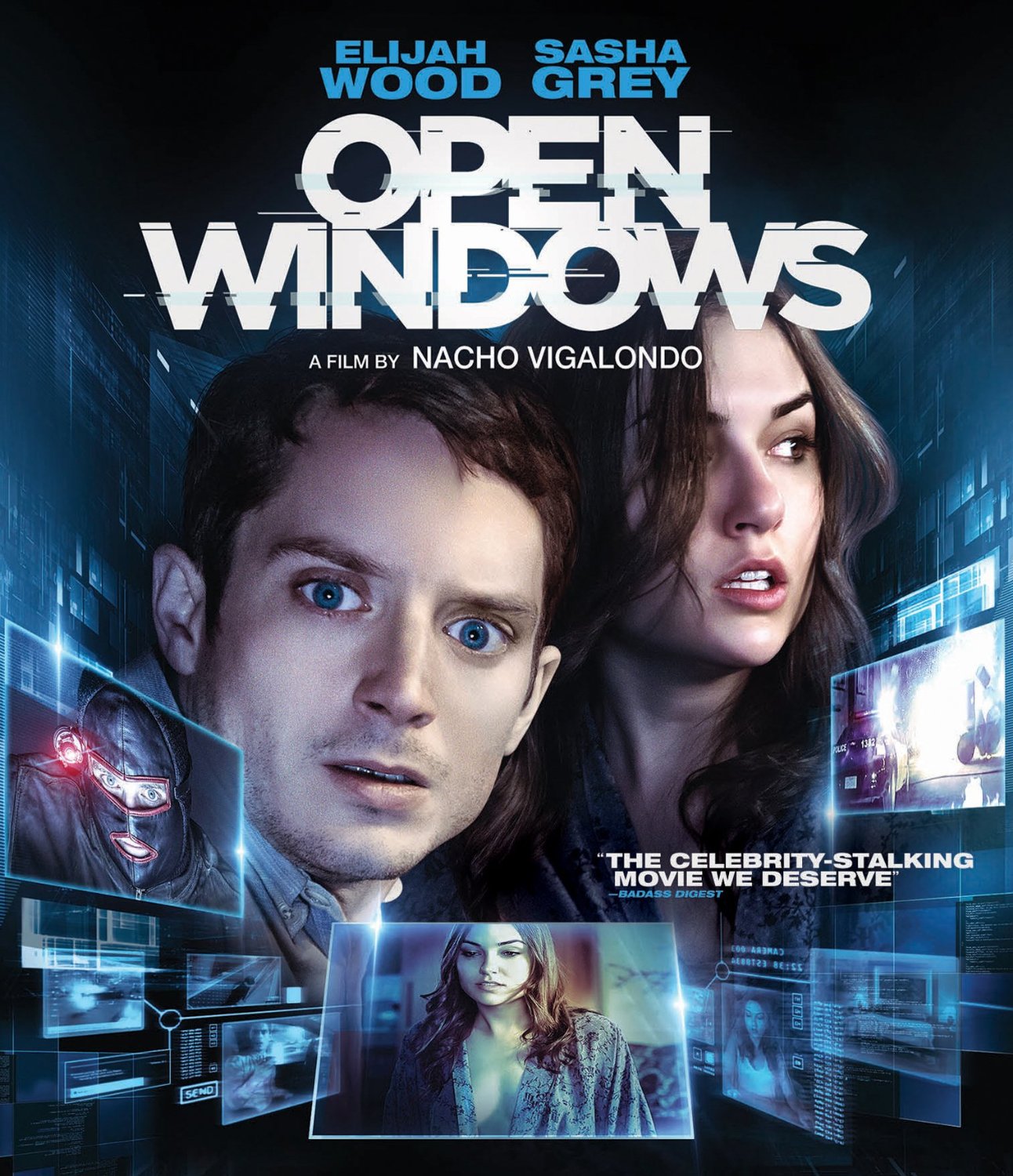
Give Elijah credit for taking some interesting chances with his acting choices since his long and successful run with the Lord Of The Rings trilogy and his subsequent cameos in the Hobbit films as well. No one can accuse the actor of resting on his laurels. His roles have been outside the mainstream. Most of his recent work involves the quirky series Wilfred, where he sees a man in a dog suit instead of his neighbors canine. Add to the list of offbeat roles that of Nick Chambers in Open Windows.

"If we're good today, we'll be better tomorrow."

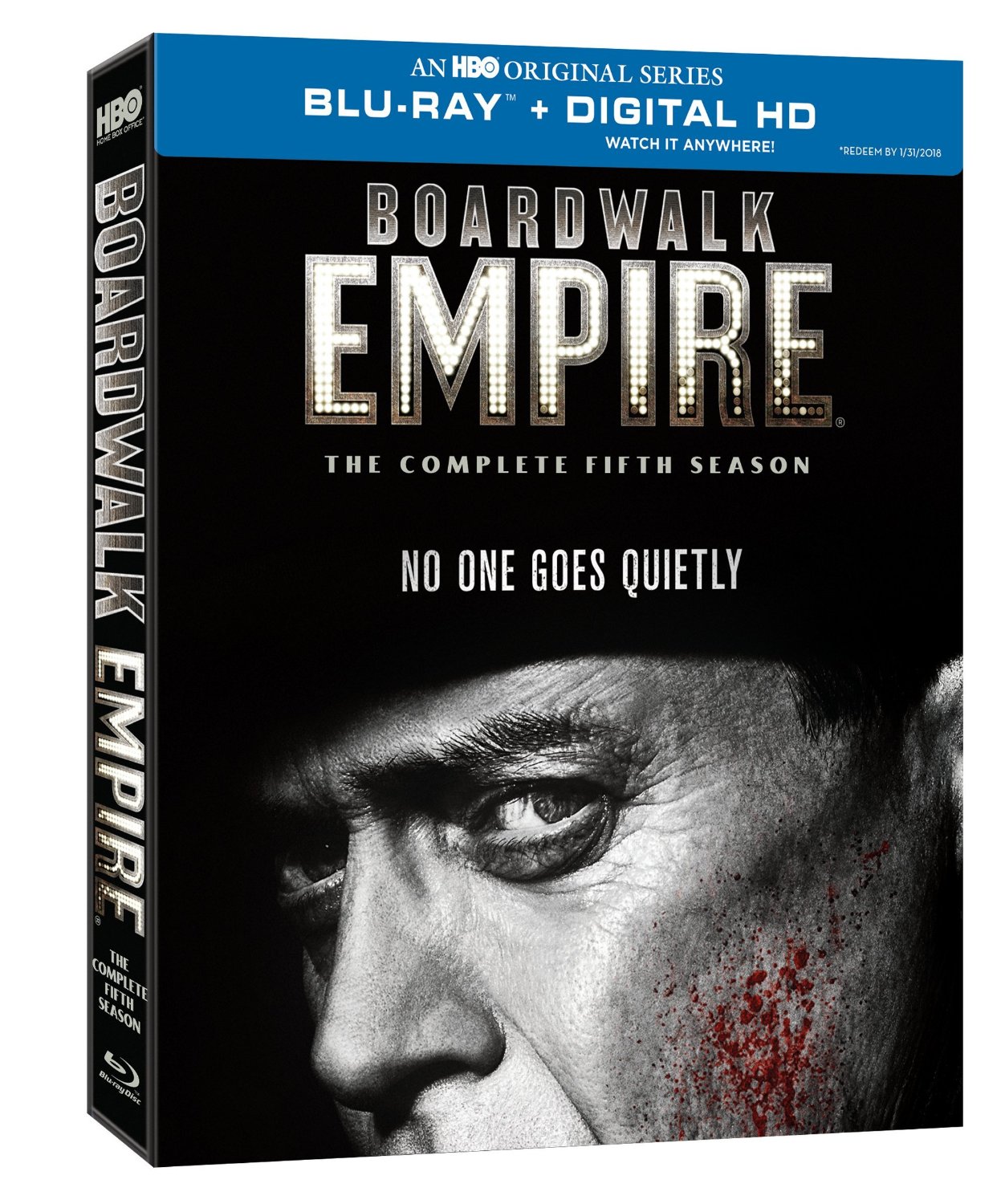
The final season of Boardwalk Empire breaks the mold of what the show has been for the first four years. The action jumps ahead several years to 1931. It's a necessary plot point if we're going to be ending the popular series in the fifth season. I understand the jump and why it works. I guess my only real question is: why are we jumping ahead to end what is one of the best shows on television? The answers likely lie within the powers that be at either HBO or the show's production staff. There's little point arguing the point. This is your last chance to get some Nucky... Nucky Thompson, that is.

Boyhood is all the rage right now. With all the hoopla surrounding the film, it should be noted that it is ordinary. It is just about people living their lives. One could even call it boring. One can say that because life is boring. It is not as exciting as it is in the movies. Life is about small moments that add up to memories and then it is over. Boyhood doesn't make grand statements about boyhood, or about motherhood or fatherhood for that matter. It is just about a few people and what happens to them. One could say it's about nothing, or one could say it's about everything. The film is nearly three hours long. It was filmed for a few weeks a year over twelve years. It is a very personal project for its writer/director, Richard Linklater.

I don't like Boyhood because it is messy and unfocused. I love Boyhood because it focuses on all the small moments and makes them seem all so important at the moment they happen. I love Boyhood because it makes us look back on our own lives. I don't like Boyhood because it makes it seem like all life is boring. I like Boyhood because it is unassuming in it's efforts to show us a mirror of ourselves. One could say, I'm conflicted about Boyhood. I can say I love many Richard Linklater films; in fact, I like every one of them. And they are not all the same, but they have one thing in common. None of them are pretentious, and that was after seeing his last film Before Midnight which delved precariously into highfaluting and high-minded bouts of conversation. In fact, Linklater has always been on his own path down in Texas. It was a slacker path, since that was the name of his first film. He was always an indie guy but had big successes over the years like School of Rock, Bad News Bears and Dazed and Confused. But the films that most closely tie to Boyhood are the trilogy of films Before Sunrise, Before Sunset, and Before Midnight. Those three films starred Ethan Hawke, detailing conversations with one woman (Julie Delpy) over the years. The trilogy was filmed in 1995, 2004 and 2013. Boyhood began filming in May 2002 and also starring Ethan Hawke, but the real star is Ellar Coltrane who ages from 6 to 18 in the film.

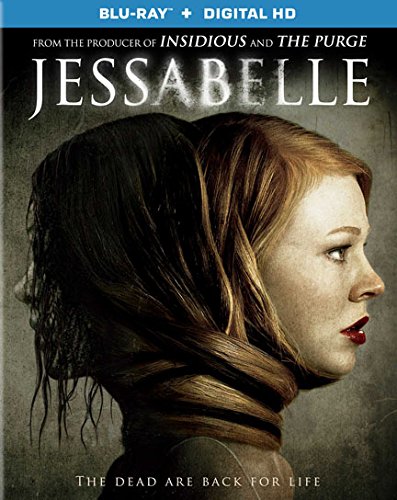
When I think about the swamps of the Louisiana bayou, with the exception of hungry gators lurking beneath the murky depths, I can’t help but think about the connection it has to the supernatural.  I blame seeing Lucio Fulci’s The Beyond for this.  It’s a film that haunted me when I was a kid, and the imagery has stuck with me over the years.  There have been numerous films over the years that have explored the supernatural of the bayou; most successfully we saw this in the Kate Hudson thriller The Skeleton Key.  The bayou just seems to be a location that equates to doom for all those naive enough to relocate to it.  Jessabelle follows suit in this southern gothic thriller that may look the part of a horror film but simply doesn’t deliver.

In the span of just a few minutes we meet Jessie (Sarah Snook) and her boyfriend, before we even have the chance to get to know or care about this couple, we watch as they are involved in a tragic car accident that not only kills the boyfriend but also Jessie’s unborn child.  The tragedy isn’t missed by the viewer, but what is missed is any opportunity to become attached to this couple.

"There will be casualties"

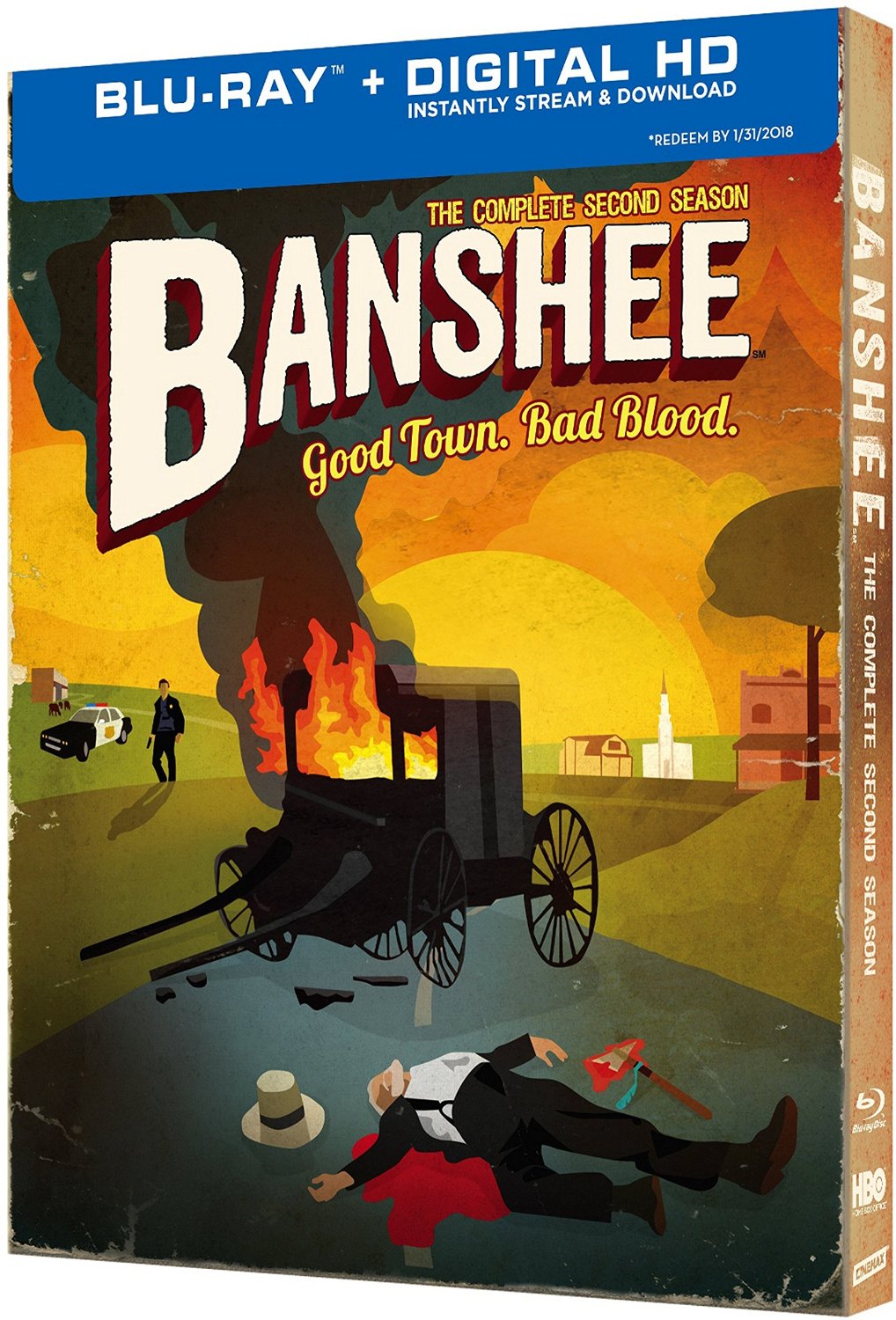
Alan Ball got my attention in 2001 with HBO's black comedy Six Feet Under. It was one of the most original shows I had ever seen, and to this day I find it hard to characterize the series when asked to do so. It was there that he also introduced me to Michael C. Hall, who continues to amaze me in the role of Dexter over at Showtime. When Six Feet Under left the airwaves, Ball didn't waste very much time in bringing his quirky style back, this time to the horror genre. True Blood would put a rather strange twist on the lovesick vampire craze, and while that show has not kept up the same kind of clever writing and wickedly brilliant stories, Ball has lent his name and talents to another cable show. This time it's on Cinemax, and the series is Banshee. And while Ball is a producer and not the day-to-day runner of the series, it is nonetheless another pretty strange show that defies any particular genre or characterization.

Writers are a ridiculous class of people who make everything about themselves.”

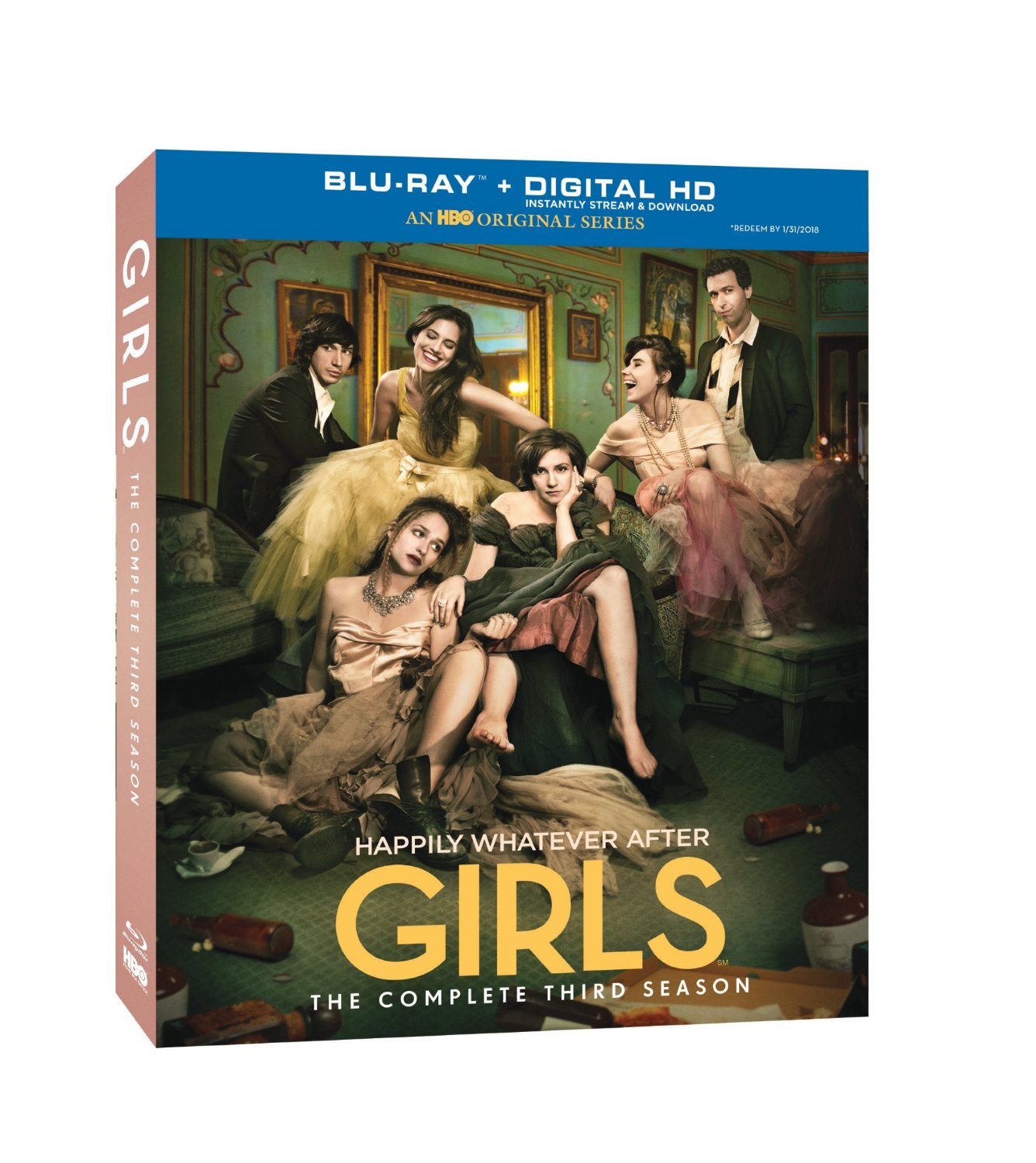
For many, the current face — and oft-naked body — of “writers who make everything about themselves” is Lena Dunham, the creator/star/writer/director of HBO's Girls. The equal-parts brilliant and maddening quarter-life crisis comedy became one of the most polarizing shows on TV over its first two seasons, as self-involved heroine Hannah Horvath sought love and a career as a writer in NYC. At the start of season 3, Hannah has both of those things...which is why I'm astounded — and, frankly, pretty impressed — that she remains as egotistical as ever.

The most remarkable thing about Looking might be how thoroughly unremarkable it is. This is a double-edged sword for HBO's dramedy, which follows the love lives of three gay friends living in modern-day San Francisco. The series sidesteps the headline-grabbing sensationalism that accompanies many other shows that prominently feature gay characters. (Looking at you, Ryan Murphy.) On the other hand, Looking is often low-key to the point that it bypasses being funny or particularly entertaining. What the series does have on its side is a naturalistic tone that makes the show more engrossing and immersive as the first season progresses.

Looking follows the lives of Patrick (Jonathan Groff), a lovelorn, 29-year-old video game level designer; Agustin (Frankie J. Alvarez), a 31-year-old artist's assistant — and a frustrated artist himself — in a committed relationship; and Dom (Murray Bartlett), a 39-year-old waiter with a preference for younger guys who is at a personal and professional crossroads in his life. The series opens with Patrick bumbling his way through an anonymous sexual encounter in a park before going on a disastrous first date with a different guy, Agustin deciding to move in with boyfriend Frank (O.T. Fagbenle), and Murray mulling over a career move away from the food industry and into real estate.

“How the hell did this happen? I mean, I’m on the other side of the planet, and people know who I am and they’re laughing at my jokes.”

Despite his status as one of the biggest draws in stand-up comedy, Jeff Dunham really does seem taken aback by his success. On one hand, you wouldn’t necessarily expect a ventriloquist to be one of the hottest names in comedy in 2014. Then again, the hard work and precision he has put into his act is evident every time he takes the stage. For his latest comedy special, Dunham packed up his puppets and took his show on the road like never before.


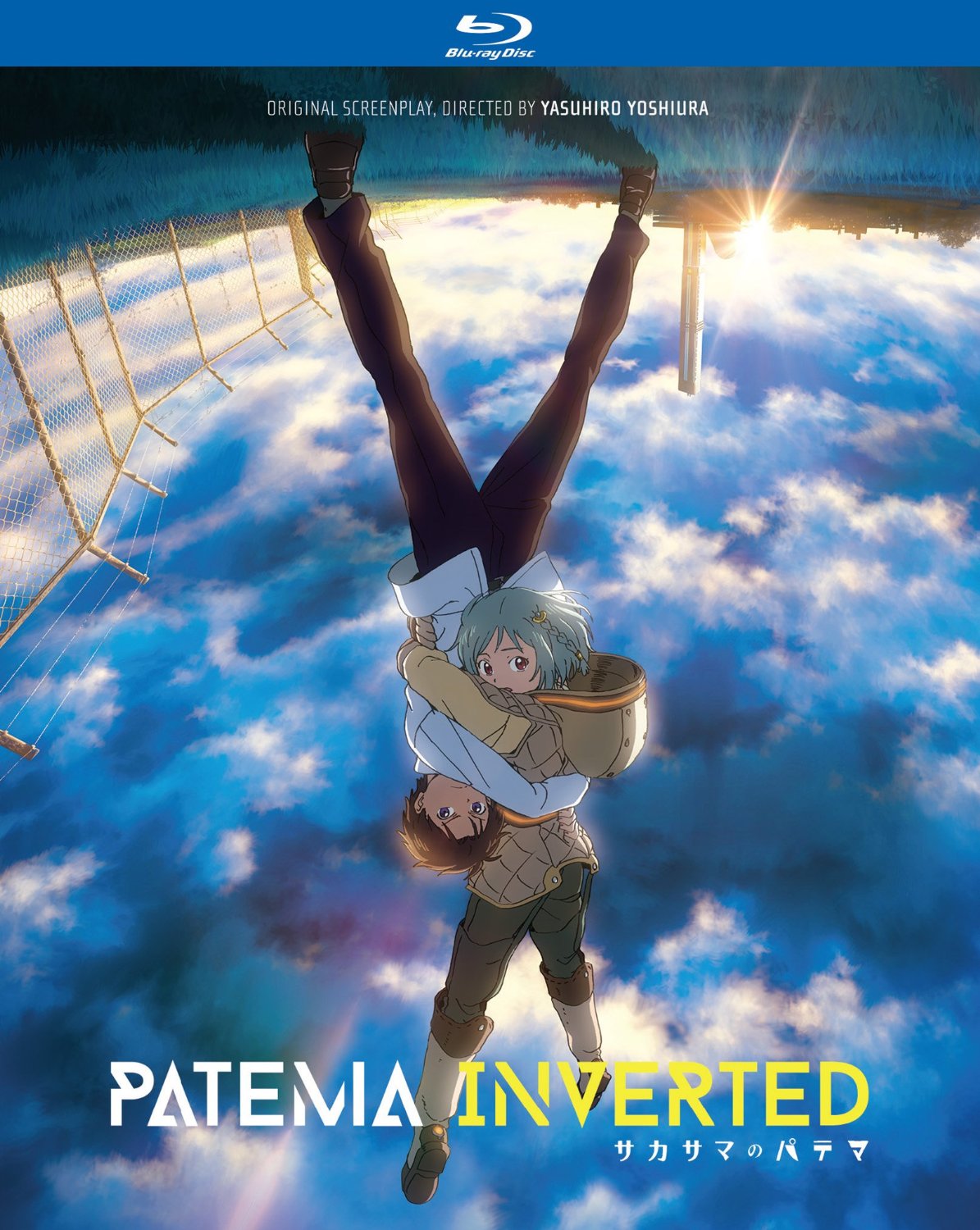
I’m not the biggest fan of Japanese animation. I don’t think it’s awful or anything, but animation is one of those things where I’m just picky about what I like.  Though I can say I am a big fan of Hayao Miyazaki (Spirited Away and Princess Mononoke) and most of his work.  I think this is worth mentioning, because though I may not be as well-versed in this genre, I’d like to feel I still go into it with an open mind, and I’m always excited to find a title that excites me that I never saw coming.  And that it precisely what Patema Inverted did.

Imagine if one day the laws of gravity were broken, and during this time friends and family all around seemed to be randomly sucked towards the sky, and you were helpless to do anything about it.  Those who would be lucky to survive and keep their feet planted firmly on ground would have to go on living in this world that had fundamentally changed overnight.  But what about those who have been floating up into the ether, what about these lost souls and their fate?  This is the fundamental springboard by which Patema Inverted takes us to a world where those who survive live in separate “realities” where some seek to live deep beneath the earth to survive, while others have created their own world in the sky that has evolved as well.

It's noble work. It is useful. You are angels of mercy...I just never thought that I would end up here.”

The geriatric care wing of a hospital — where the employees are undermanned and overworked, and many of the patients are in a near-catatonic state — is not the most obvious sitcom setting. As a result, HBO's comedy series Getting On isn't exactly what I'd call a gut buster. But even though much of the humor seems hyper-specific to this particular circle of workplace hell, anybody who has ever been underpaid to do a hard, crappy job should be able to relate.