1.85:1 Widescreen

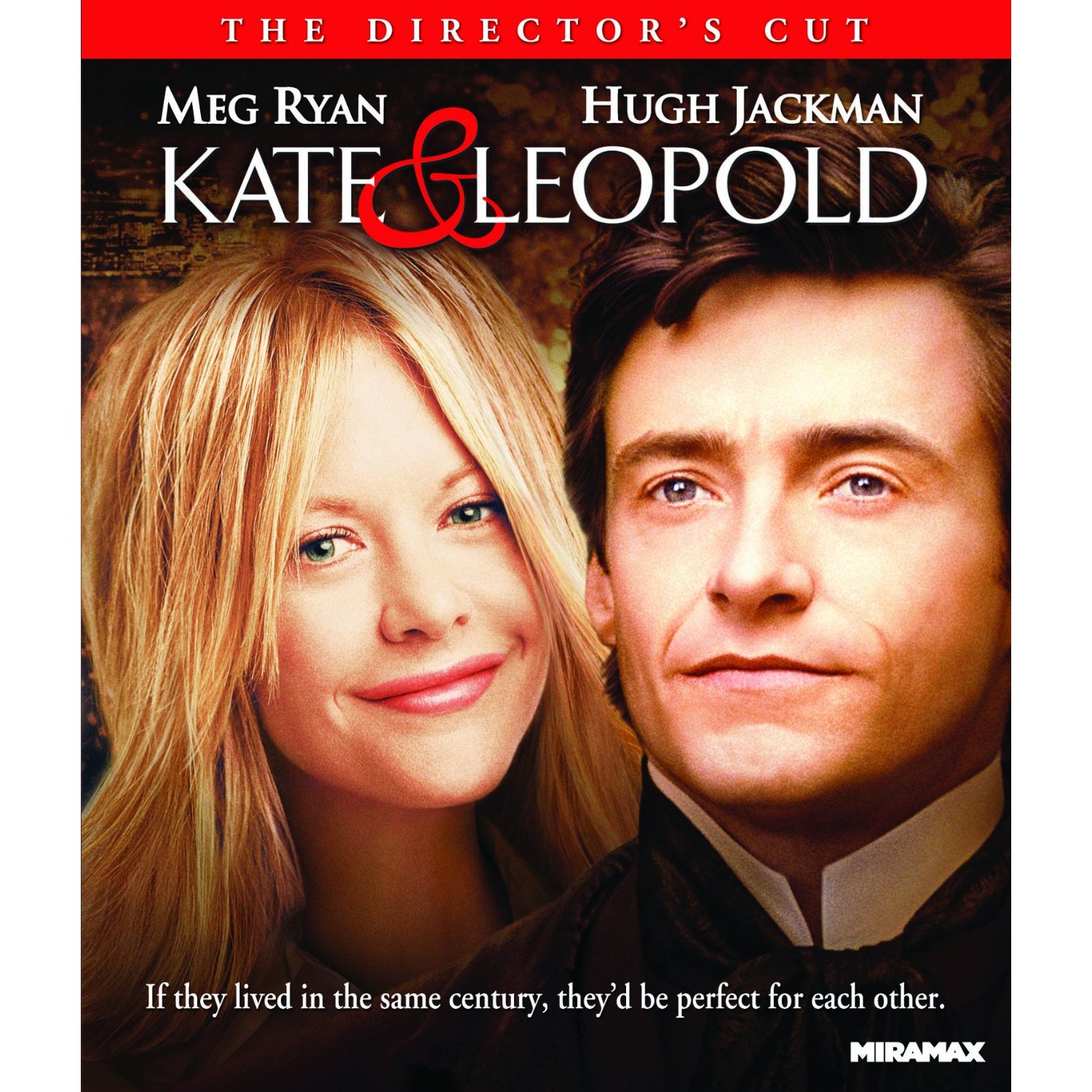
Holy chick flicks, Batman! Aye, the torture! Even all of the previews on this disc are chick flicks. There are very few that I can stand. Mostly, because they do not follow the usual chick flick script. Will this one be one I can get behind? I guess we will see. If anything I can get behind watching Hugh Jackman for a few hours. Though, looking at the cover, I prefer him as Wolverine. Oh yes. Enough drooling, on with the show.

We start with a man giving a speech about time in an earlier century. Leopold (Hugh Jackman) is in the crowd doing a sketch drawing of the monument behind the speaker. Stewart (Liev Schreiber) is laughing because the man speaking is talking wildly about the “erection” of this new monument. Heh heh, hey Beavis... He said... Erection! Leopold goes home and gets ready for a party. He is getting dressed and his uncle is talking about his need to take on a wife. He tells him what a failure he is and how he needs to marry someone with a lot of money in order to make himself useful to the family. This kind of sounds familiar... Anywho, he is told to announce his bride tonight. Or else! Dun dun dun!

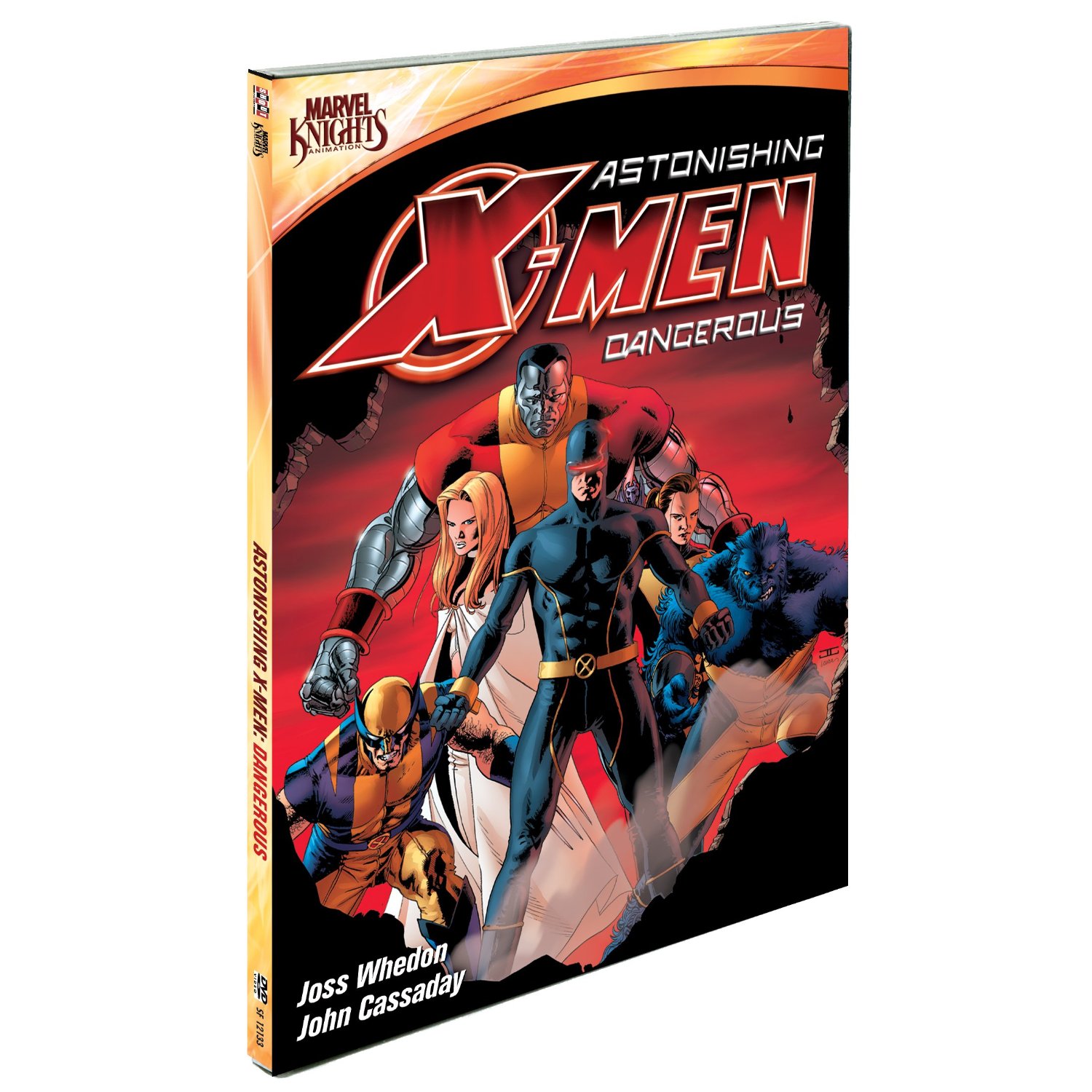
I have read more than my fair share of comic books. In recent years, I made the jump into graphic novels which are basically the same thing with a fancy cover. There is also another trend that I have seen from time to time in the last several years, digital comics on dvd (and occasionally blu-ray). The concept of taking a comic, adding voices, sound effects and a little motion and coming out with a product that can reach new and old audiences. Let us take a look at Astonishing X-Men: Dangerous.

A female voice lets us know that something is coming, they can feel it. The view shifts to a young man who goes by the codename, Wing. He is a soon to be former X-Men in training. At one point in his life, he had the ability to fly. However, due to events not explained he lost that ability and in the process, he lost his will to live. He stands over a cliff and hopes for the powers to come back.

In the 1930’s and 40’s MGM was trying to get in on the lucrative animation game. The field was dominated at the time by Warner Brothers with their Loony Tunes shorts, and of course, the iconic cast of animated characters coming out of the Walt Disney Studio. For years they had failed to find the right property to take advantage of the market. It wasn’t until the team of William Hanna and Joseph Barbera approached the studio with their first project that the times did change, at least a little, for the fledgling animation department at MGM. The project was far from an original one even for the time. It was a very basic cat and mouse adventure featuring a cat named Tom and a mouse named Jerry. There would be almost no dialog on the shorts. It certainly didn’t look like much of a hit to the studio brass, but with no better ideas on the way, they went ahead with the new shorts of Tom And Jerry. There’s a reason why the cat and mouse pair is such a classic. It’s because it works. If you can make your characters entertaining and endearing enough, you can have a hit. MGM finally entered the major leagues, and the team of Hanna and Barbera would become one of the most successful animation teams in history. They would go on to create such cherished characters as The Flintstones, Yogi Bear, The Jetsons, and, of course, Scooby Doo.

These were the days of the Golden Age in Hollywood. These shorts were not being produced for television, which hadn’t been invented when they began; rather, they were intended for theater-goers. In those days going to the movies was much more of an inclusive experience. You always got a cartoon short along with an adventure serial, the likes of Buck Rogers, Flash Gordon, and The Lone Ranger. These multi-chaptered serials were the forerunners to the modern television series. It kept you coming back to the movies to see what would happen next. Each chapter ended in a cliffhanger. These early serials were the inspiration for such film franchises as Star Wars and Indiana Jones. Finally you got one, sometimes two movies, all for the price of a single admission.

“Ohh. Oh, Fritz? Fritz, get up for God's sake! Get up! They've killed Fritz! They've killed Fritz! Those lousy stinking yellow fairies! Those horrible atrocity-filled vermin! Take that! Take that! They killed Fritz!!!”

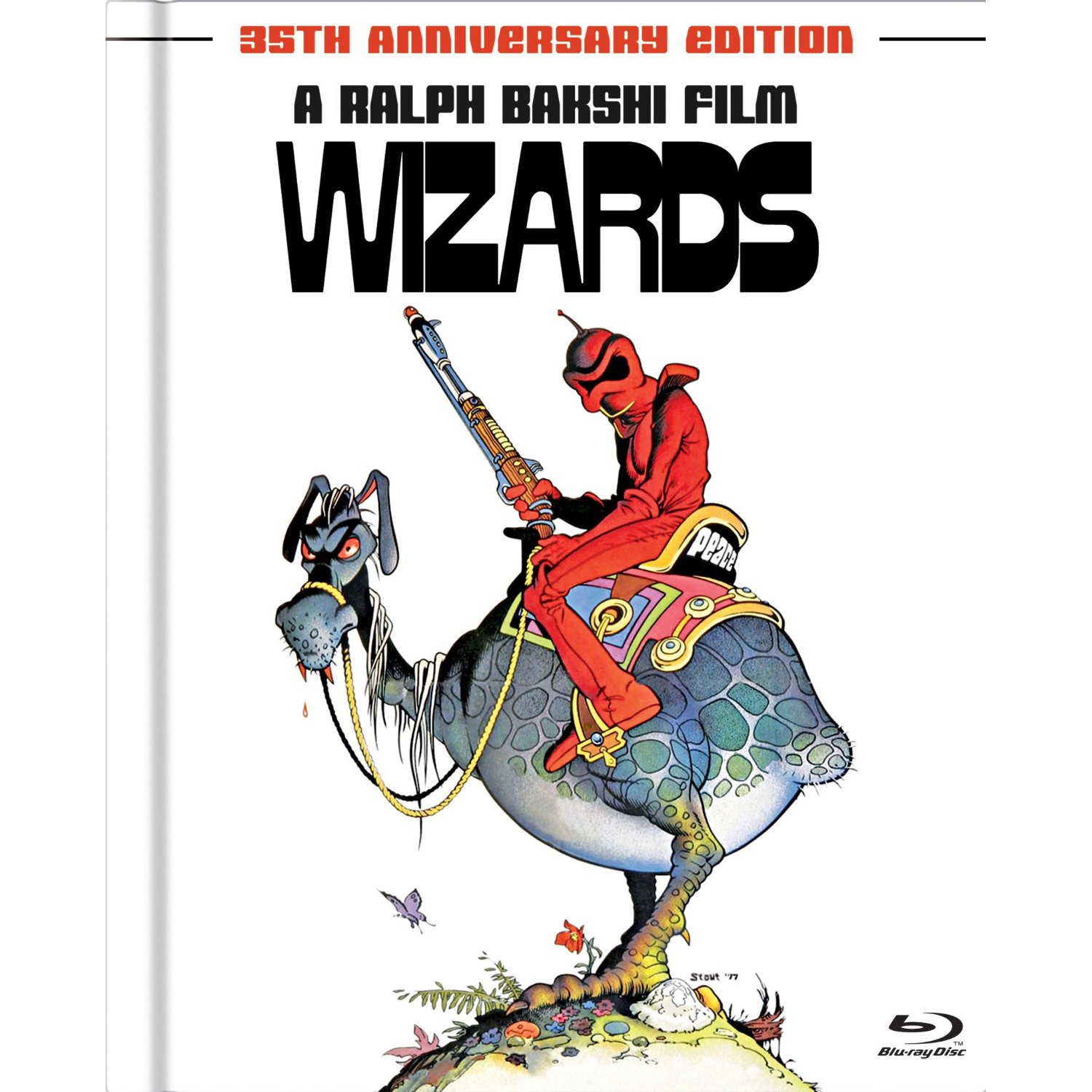
Ralph Bakshi is probably best known for his x-rated animated adaptation of R. Crumb’s Fritz the Cat, the first animated film to receive an x-rating from the Motion Picture Association of America and still turn into the most successful independent animated feature of all time. When his second and also x-rated animated feature, Heavy Traffic, a blacker than coal satirical comedy, became a hit (theaters were willing to take a chance on the x-rating due to the success of Fritz), Bakshi became the first person in the animation industry since Walt Disney to have two financially successful movies released consecutively.

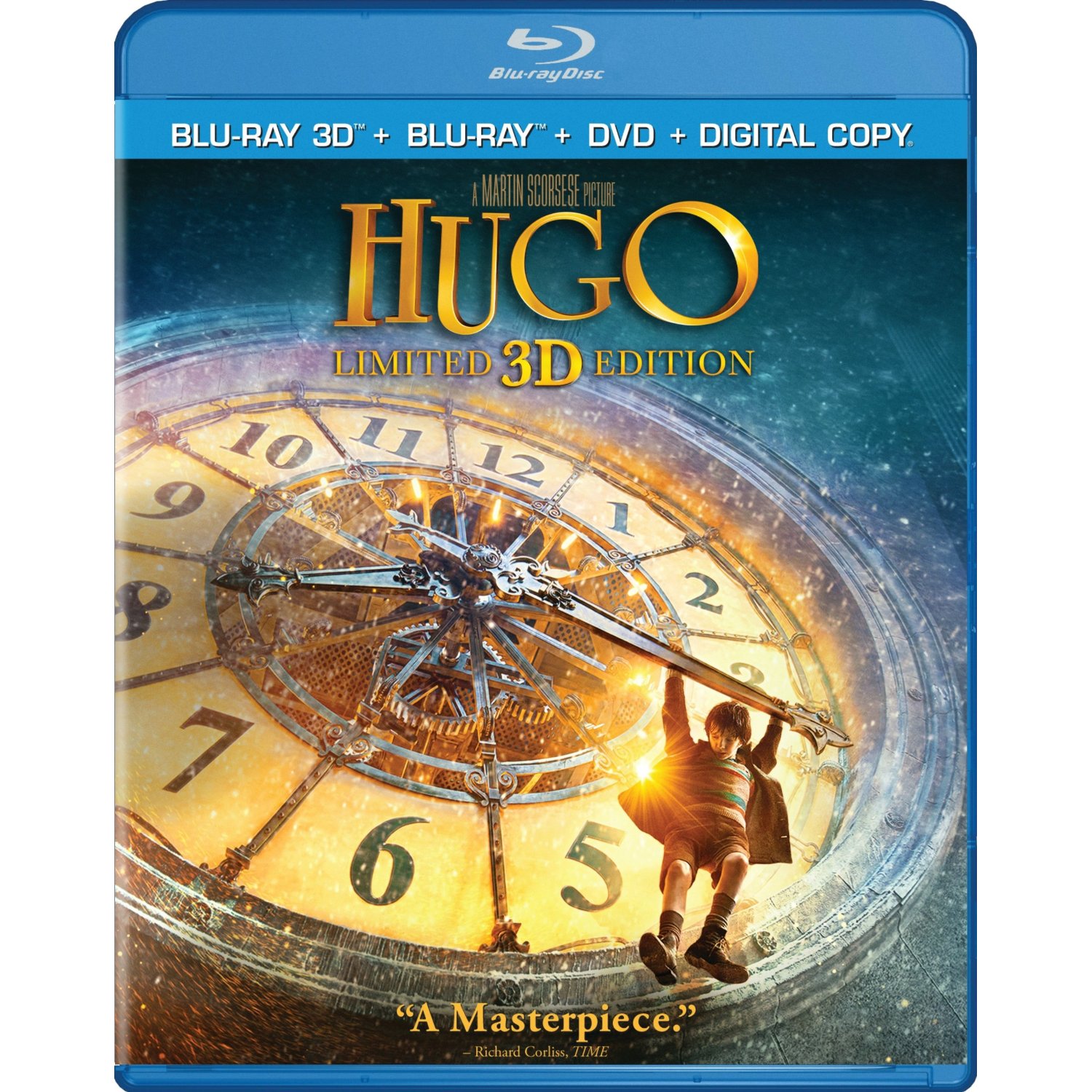
In the 1930’s, the orphaned Hugo Cabret (Asa Butterfield) lives in the access tunnels of the Gare Montparnasse in Paris, winding the clocks, making sure that no one knows his guardian uncle has long-since gone AWOL, and filching bits and pieces of mechanisms that will allow him, he hopes, to repair the automaton he keeps in his living quarters. This is his last connection to his deceased father, and his dream is that the repaired machine will grant him a message from the beyond.

But there are obstacles to his quest. Foremost is the tyrannical station inspector (Sacha Baron Cohen), who likes nothing better than rounding up street urchins and packing them off to the orphanage. Hugo also runs afoul of the bitter, disappointed old man (Ben Kingsley) whose toy store has been the source of much of his material. This encounter proves fateful for them both. The old man is none other than Georges Méliès, whose films are the ground zero of all fantasy in cinema, but who has since been forgotten by the industry he helped create. Hugo and Méliès’ granddaughter Isabelle (Chloe Moretz) become allies, determined to give Méliès back the sense of joy and wonder he once gave to so many.

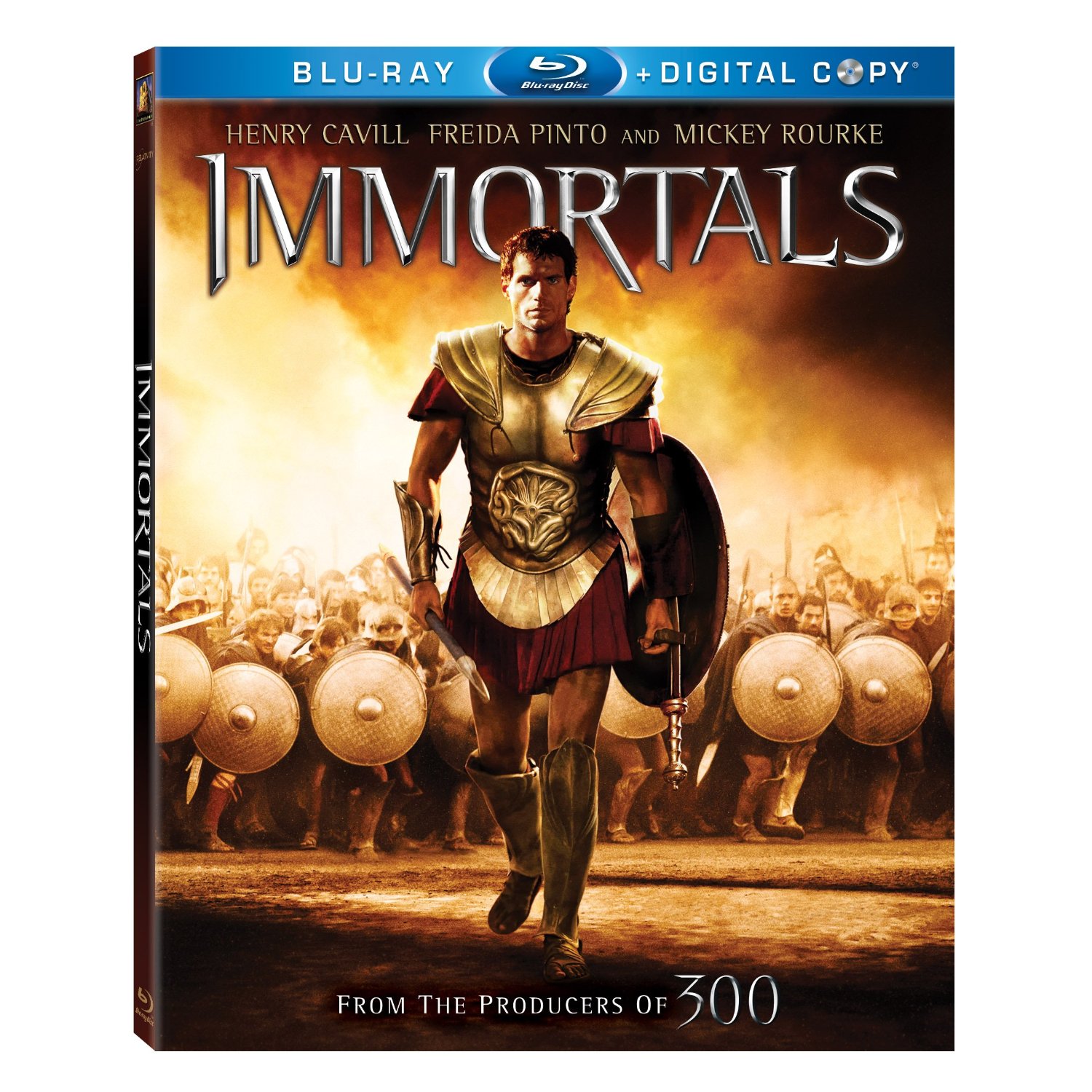
"When this world was still young, long before man or beast roamed these lands, there was a war in the heavens. Immortals, once thought incapable of death, discovered they had the power to kill one another. Lost in the war was a weapon of unimaginable power: The Epirus Bow."

I know there are a lot of you out there who can’t wait for the huge 300 sequel: 300 The Battle Of Artemisia. You might even have your calendar circled for the Clash Of The Titans remake sequel Wrath Of The Titans, also on the horizon. In case you find that you just can’t wait, director Tarsem Singh has created a weigh-station, of sorts, with his action-packed Immortals. The film takes elements from both franchises and melds them together into something very much like those films, yet unique enough to warrant some of your attention. The result is a film that is absolutely uneven in places, but entertaining enough to be worth a look.

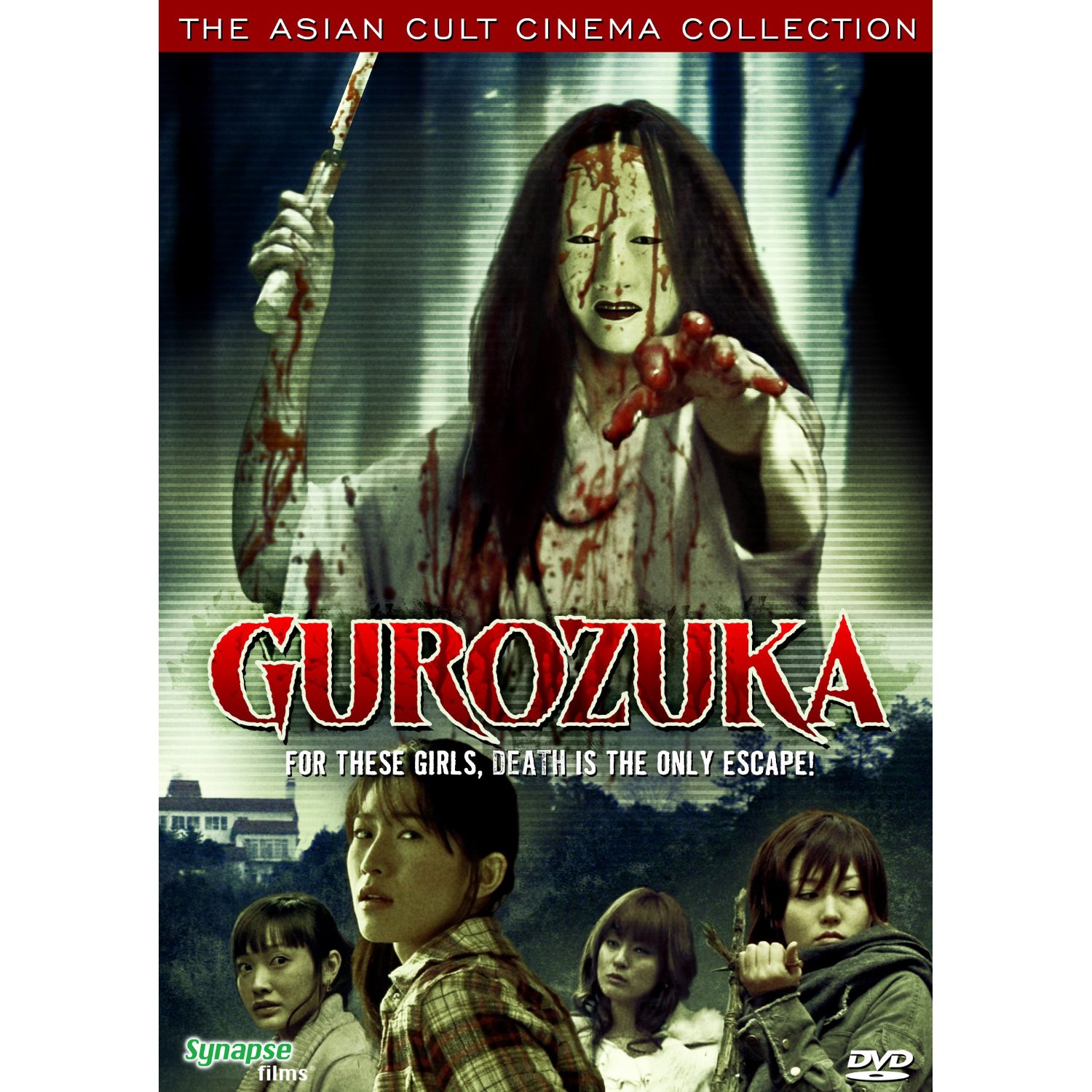
A group of high school girls heads off into the woods to make a movie for their film club. What only the two organizers know is that they are heading for the site of a previous film club’s massacre. Their shoot descended into madness, with a participant in a deigan mask killing all the others, and the whole thing was recorded on tape. It isn’t long after the girls arrive that things start to go wrong, and it seems that history might be repeating itself.

I do like the footage we see of the earlier film – it has a genuinely disturbing quality, and when it arrives, it raises one’s hopes that the perhaps the terminally pedestrian set-up is going to give way to something livelier. No such luck. Much in the way of squabbling, wandering around on one’s own, and off-screen murders transpires. The characters are caricatures when they can be distinguished at all, the cinematography is dishwater dull, and the plot, by the end, makes little sense, though it is very unlikely that most viewers will care one way or the other by then.

To Catch A Thief is not typical Alfred Hitchcock territory, but then again, it really is. It’s not a terribly suspenseful film coming from the acclaimed “Master of Suspense”, nor is it at all a frightening film even though it was directed by one of horror’s genius minds. What really is scary, however, is how close to a different film this almost was. Cary Grant had exiled himself into retirement. If you can believe his statements at the time, he was concerned that the moviegoing public was pretty much sick of seeing him and preferred the younger actors just then coming of age. He turned Hitchcock down for the role at least twice, before Hitch made a personal visit and appeal to the Hollywood legend. Grace Kelly was also reluctant to do the part. She did it because she loved working for Hitch. Unfortunately, Paramount had other plans. They were troubled that Grant was nearly twice Kelly’s age, and worried that either the public or the standards censors would not accept the situation. They were half right. While the film was one of Hitch’s toughest battles with the Standards folks, the public flocked to see Grant and Kelly on the screen together. Grant would continue his return to acting for over a decade longer. Not so Grace Kelly. The Philadelphia native would have her fateful meeting with Prince Rainier of Monaco and would spend nearly 30 years portraying the larger-than-life, but real nonetheless,  Princess Grace of Monaco, before a tragic automobile accident would end her life. All the same, To Catch A Thief would remain one of her last films. Hitch almost lured her out of retirement some years later, but she declined, saying that if she were to do a film, Hitchcock was about the only man she would have done it for.

John Robie (Grant) is a renowned jewel thief and cat burglar. While he’s been retired for fifteen years, he’s still the prime suspect when a rash of burglaries occurs on the French Riviera. The MO is the same as Robie’s, and before long the police are blaming him for the work of France’s newest celebrity thief, The Cat. Robie sees only one chance to get himself out from under the mess. He has to go to the area and catch the real thief. Once there he hooks up with insurance agent Hughson (Williams) who cooperates on the off chance his company can be spared these high payouts. Robie also meets young and attractive socialite Frances Stevens (Kelly), who sets her sights on catching this thief for her own. She constantly tries to seduce Robie, knowing who he is and suspecting him of being The Cat. When her own family jewels turn up missing, she begins to rethink the dangerous game she was playing. That only gives Robie even more incentive to catch the real crook. Will Robie catch The Cat? Will Frances catch Robie? Only Hitch knew for sure, and in 1955 audiences found out in the film classic, To Catch A Thief.

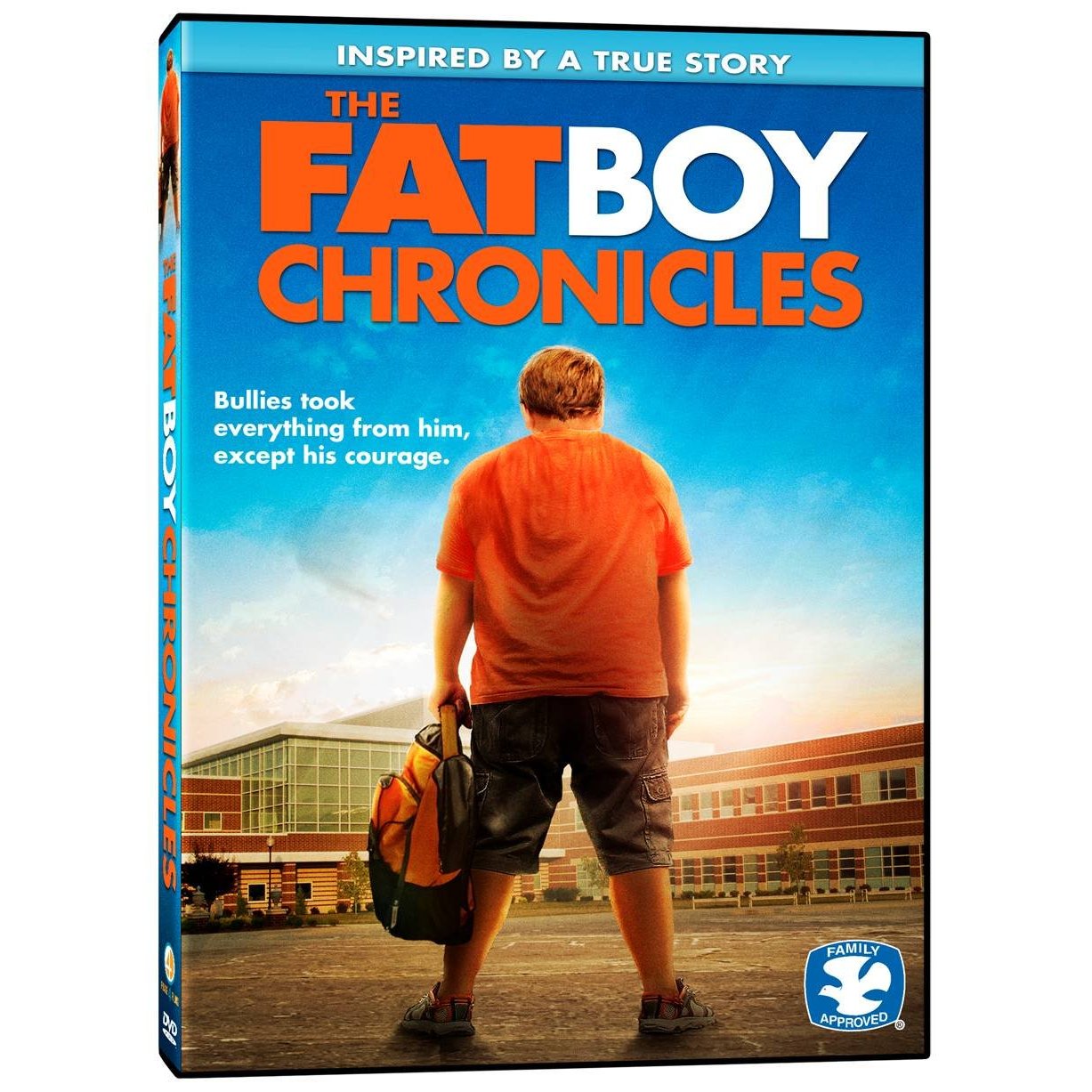
Jimmy is a clinically overweight teen who is starting high school. He is immediately the target for relentless bullying but tries ignoring his classmates' tormenting by focusing his attention on losing weight and trying to win over a girl he fancies in his classroom.

Based on a novel by Diane Lang and Michael Buchanan, this is a serviceable lesson about how children can attempt to keep a positive attitude despite facing all sorts of adversities. Said adversities Jimmy faces start as typical bullying, which is portrayed in this film in a realistic fashion, and escalates to extremely serious issues regarding his best friend, whom is facing even greater challenges living in a broken home with an alcoholic father.

This April will mark 35 years since Woody Allen emerged as a world-class comic filmmaker. Although Annie Hall was his seventh feature (if you include the voice-over spy-spoof What’s Up, Tiger Lily?, which you certainly should), and although Allen already had a sizable group of admirers (including this longtime fan), his 1977 mainstream smash gave him commercial clout and a little something called the Best Picture Academy Award.

What kind of movie wins major awards, earns big box-office, and puts its writer-director-star in position to make a feature a year for the next 35 years? Here’s the catch: You can’t cram this gem into one easy category. Sure, it’s essentially a romantic comedy, and you can call it that without getting huge arguments. But the story of neurotic, selfish comedian Alvy Singer (Allen, of course) and his up-and-down affair with equally neurotic, selfish Midwesterner Annie Hall (Diane Keaton in a bravura, signature performance), is much more than your basic boy-girl three-act love story.