2.35:1 Widescreen

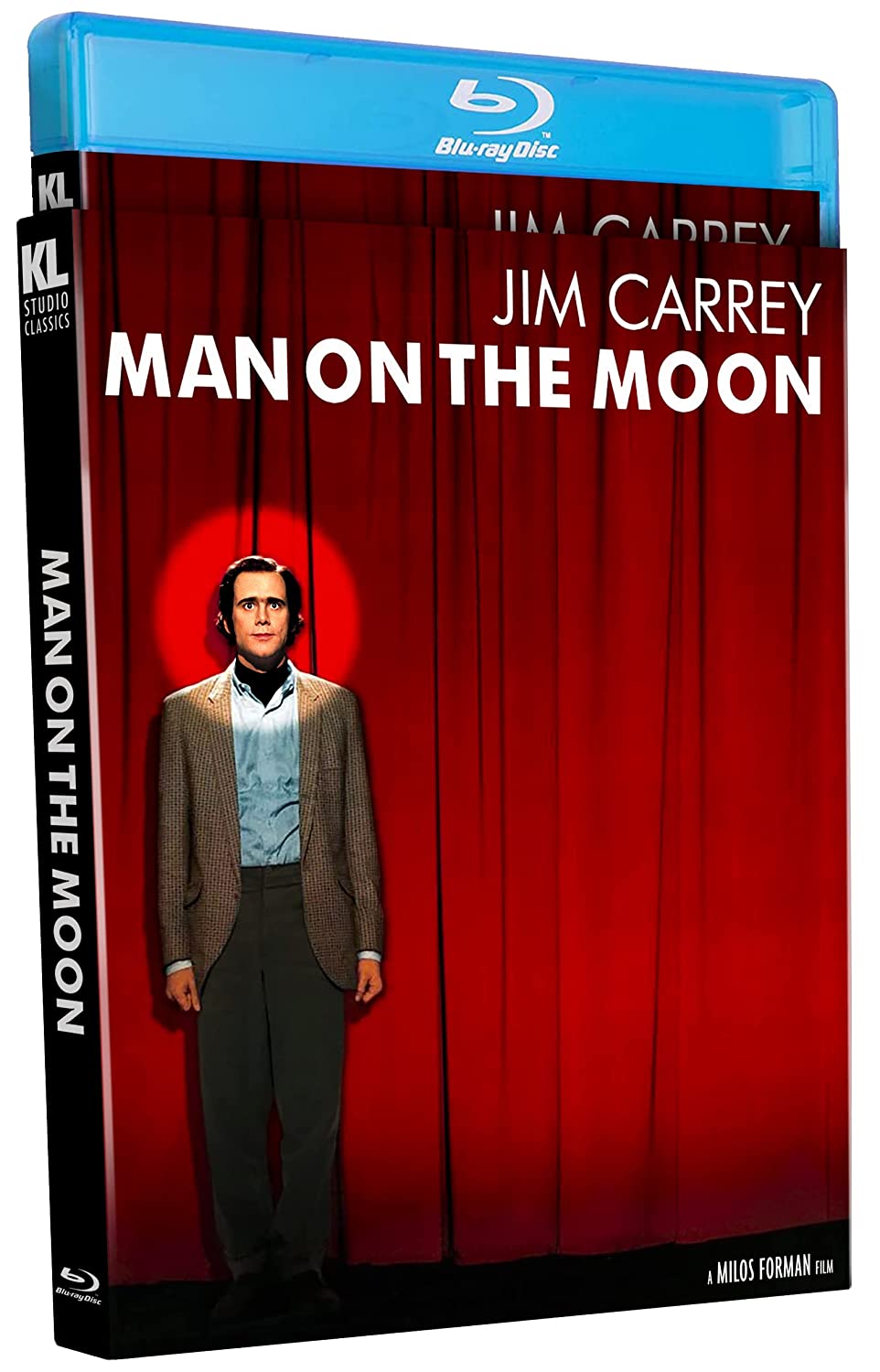
In 1999 when Man on the Moon was released, Jim Carrey was pretty much one of the biggest comedic stars in the industry, though at the time I don’t think audiences were prepared to see Carrey make such a departure despite it being a career best performance.  This was one of those box office failures that shouldn’t have been, but to be fair, 1999 is one of the most stacked years of great films, though how Carrey didn’t even get a nomination is baffling. So what are my thoughts after revisiting the Andy Kaufman bio-pic that was penned by Scott Alexander and Larry Karaszewski (Ed Wood and The People Vs. Larry Flynt) and directed by Milos Foreman (One Flew Over The Cuckoo’s Nest and Amadeus)? The opening scene pretty much sets the tone for the film you are about to see with Andy Kaufman (Jim Carrey) breaking the 4th wall to address the film the audience is about to see. He goes on to tell them that the movie is over, and the credits roll and eventually the screen goes to black. When I saw this in theaters, I was surprised by how many people in the audience actually walked out, but to be fair, if you’re not slightly amused by this gag, I don’t imagine you’ll enjoy the rest of the film. Andy Kaufman wasn’t simply a comedian but more of a performance artist who seemed to get pleasure out of entertaining himself first, and if other people enjoyed the gag, well, that was an added bonus. For Kauf was great, but if they got upset or walked out, even better.  When George Shapiro (Danny DeVito) catches one of Kaufman’s performances, he feels Andy is a unique talent and offers to be his manager.

The film lets us see the variety of characters that Kaufman developed, from his loveable foreign man that was made famous on Taxi when he was Latka to his obnoxious lounge singer alter-ego Tony Clifton. In some ways the character of Tony Clifton may be Kaufman’s greatest work that he created with his long time friend and comedy partner Bob Zmuda (Paul Giamatti). Seeing how Kaufman uses the character to pull one over on the studio and create drama on the set of Taxi is one of the more memorable yet cringe-worthy moments of the film.  What’s even more impressive is how the filmmakers were able to get so many people from Taxi to return and shoot segments for the film. But it’s not just the Taxi sequences where we see people pulled from real life to play themselves in the film. So many people from Kaufman’s real life are in the film, his real life manager, Zmuda, his Dad, and his granddaughter all are sprinkled in this film that attempts to capture the essence of Andy Kaufman.

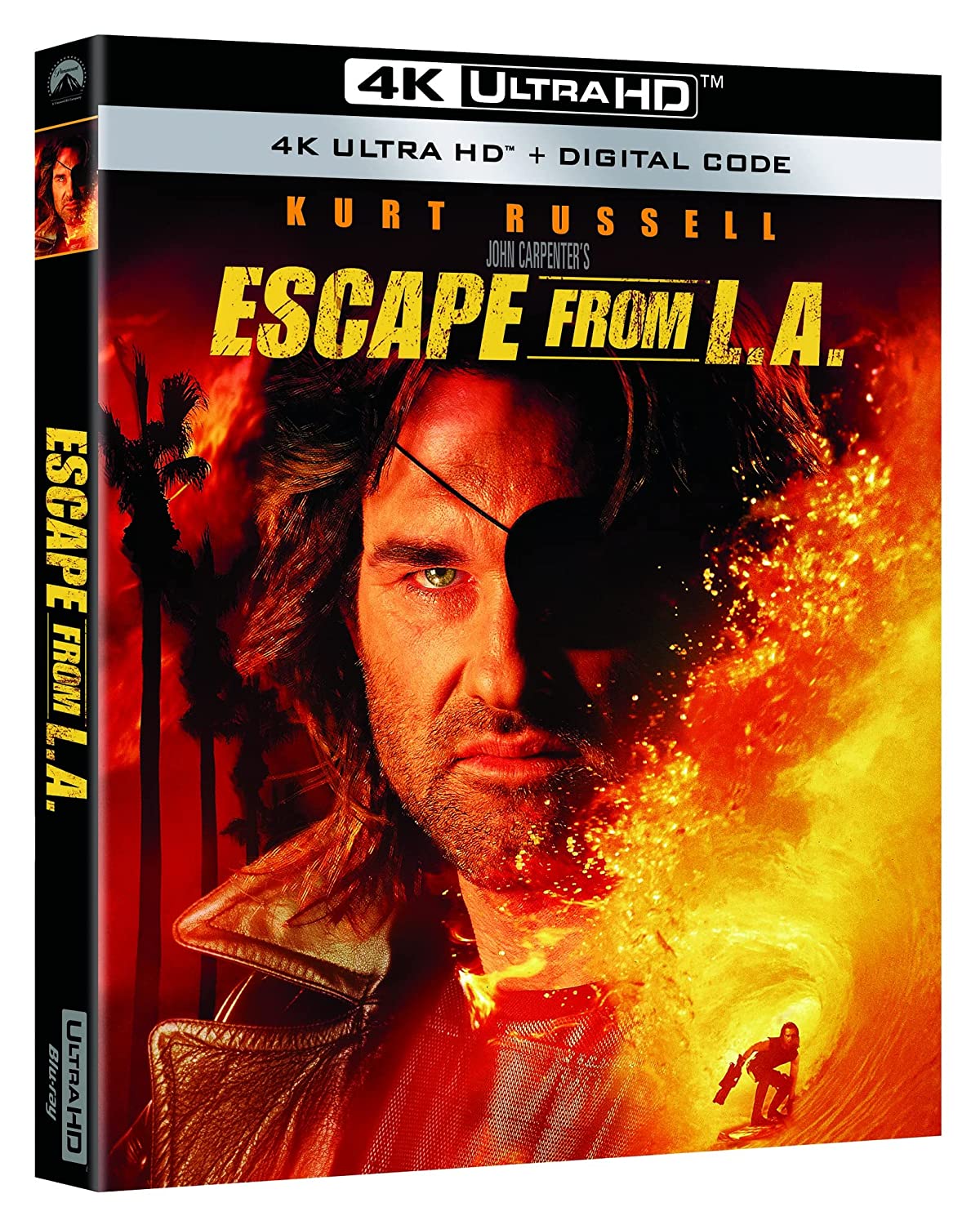
Despite my tender age, I didn’t see Escape from New York until I was in my early twenties. My parents never talked about it, my college friends didn’t seem to care, and the Internet wasn’t nearly as prevalent as it is now. But it has become my favorite movie of all time. What’s curious is that the sequel to the film, Escape from L.A., is what introduced me to Kurt Russell and the character of Snake Plissken (and became the foundation of everything I consider to be “cool”).  It holds a giant chunk of my movie heart, and I’m glad today to bring you this review of the UHD Blu-ray from Paramount. It is 1998, and hostile forces inside the United States are growing strong.  Los Angeles is ravaged by crime, and the US Police Force is formed to keep the peace. A political candidate (played by Cliff Robertson) emerges and predicts a millennium earthquake that will destroy Los Angeles in divine retribution. An earthquake measuring 9.6 on the Richter scale hits at 12:59pm on August 23rd in the year 2000.

The presidential candidate becomes President and shortly after becomes President for his life term. He relocates the capital from Washington DC to his hometown of Lynchburg, Virginia. Los Angeles is no longer part of the United States. As a part of Directive 17, all unfit people would be sent there indefinitely behind the Great Wall with no chance ever of retribution. Unfit people could be anybody the President decides, from criminals, murderers, to simply people based on their religion and red meat consumption. Yes, eating a steak in the 21st century could be grounds for exile.

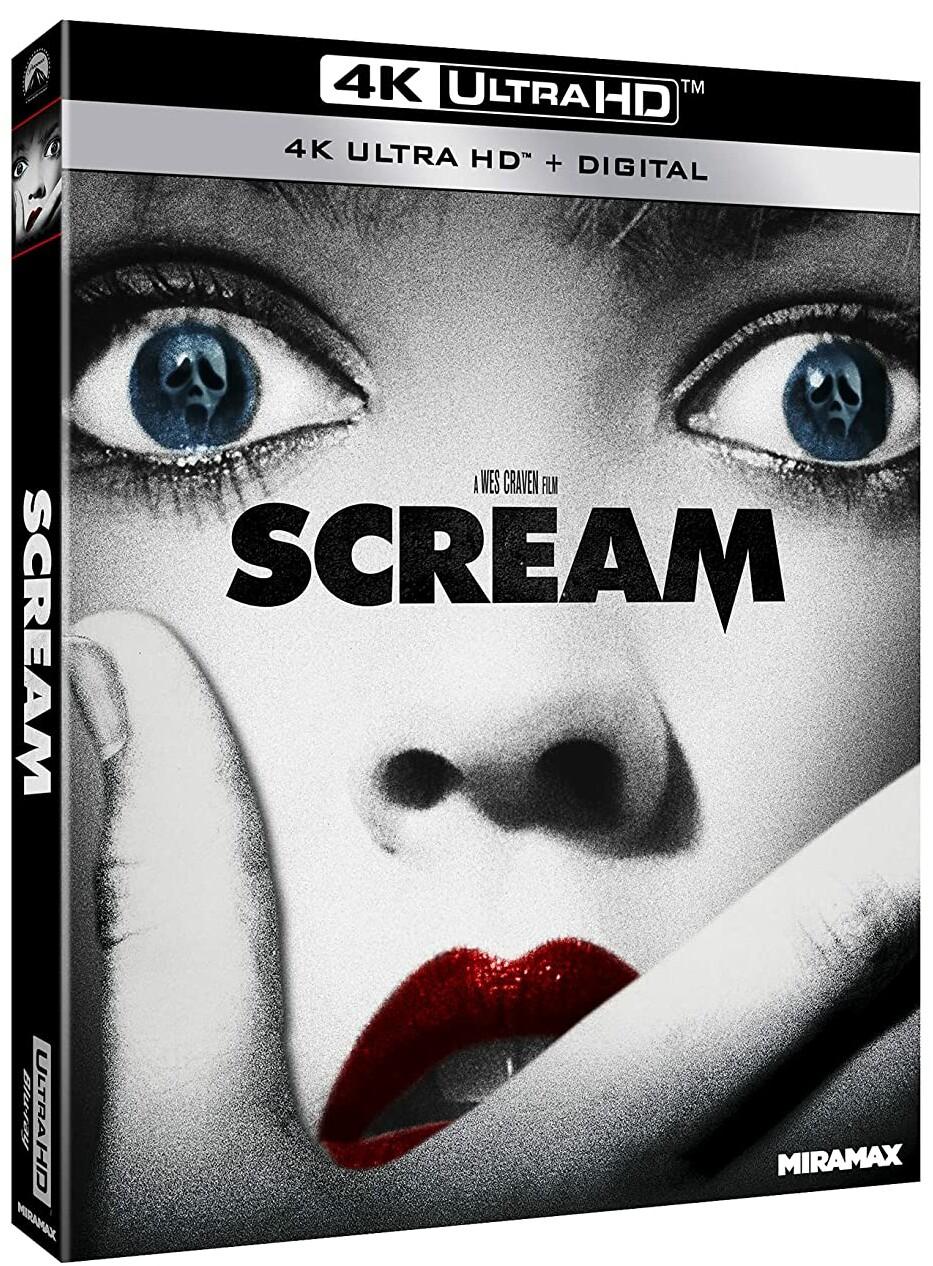
"There are certain rules that one must abide by in order to successfully survive a horror movie."

No one knew those rules better than Wes Craven. He helped to create them, after all. Starting in 1972 with the cult favorite The Last House On The Left, he followed that just two years later with The Hills Have Eyes, which led to a sequel. But it wasn't until a decade later that he would deliver his masterpiece and most successful franchise, Nightmare On Elm Street. Wes Craven introduced the world to Freddy Kruger, and our dreams have never been quite the same since. While others attempted to reproduce the same results with many sequels, it was Craven himself who put Freddy to bed with New Nightmare exactly 10 years after his birth. A remake never got much traction, and Wes Craven's place in horror history was assured. In 1996 he decided to take one more stab at the slasher genre and delivered one of the best films to look directly back at the audience and celebrate the genre. Scream was another hit and another franchise staple. He took a then relatively unknown cast and made them household names with future amazing careers and decided that it was time to also poke a little fun at himself and his colleagues. The result was four films and an upcoming kind of reboot/sequel after a three-year television series examined the material. More importantly, it led to an entire sub-genre of films that include the Scary Movie franchise and others. Now, just in time for the holidays and the new film, you can see Scream in 4K with this UHD Blu-ray release.

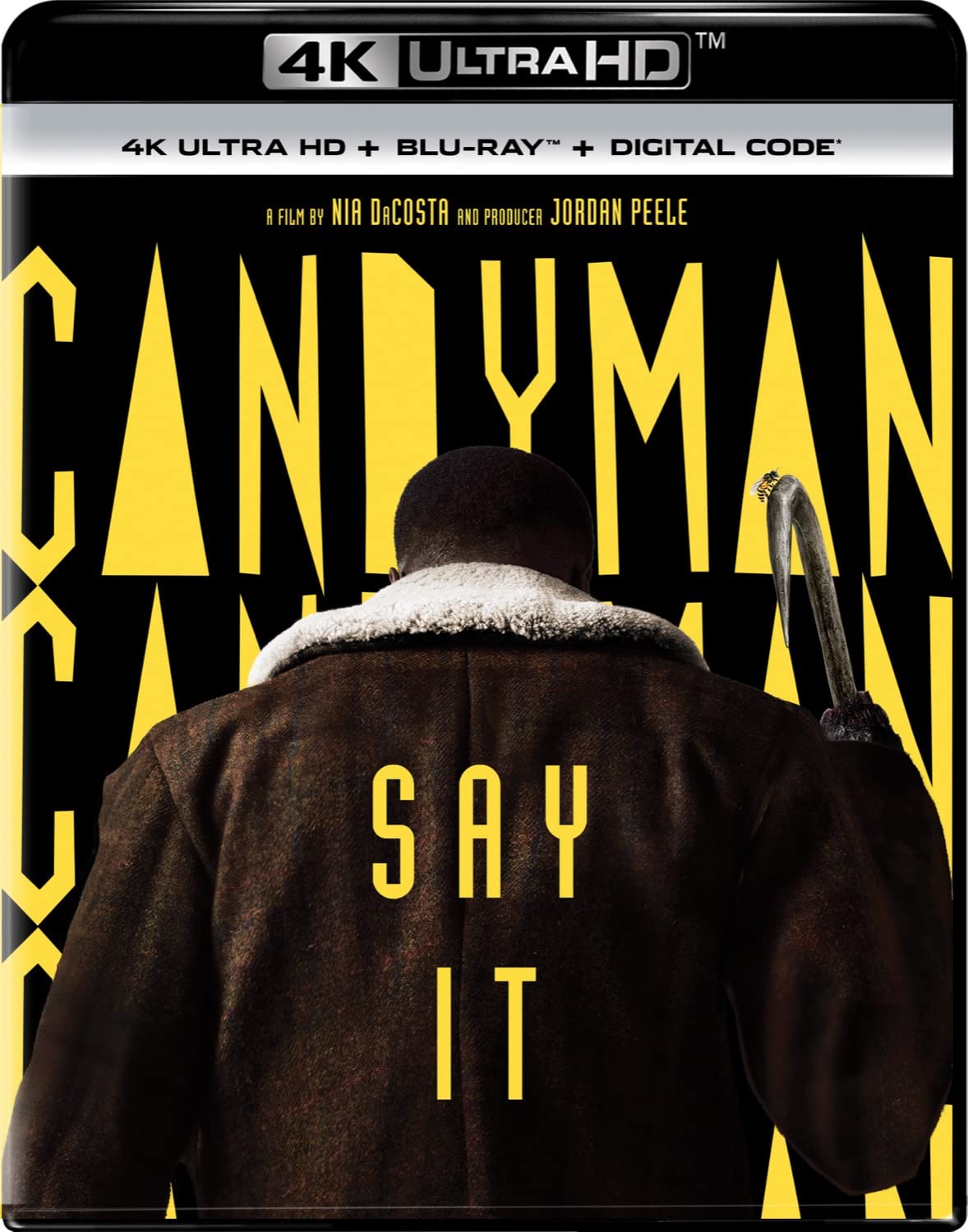
From Bride of Frankenstein to Night of the Living Dead and even Godzilla, horror has been a platform filmmakers have used for decades to handle larger societal issues. In 1992 when the first Candyman released, it was a film that tackled issues of class and race, but it did so in a manner that didn’t feel forced, and in doing so it added an extra level to what I’d consider one of the best horror films of the 90’s. I love the story of Candyman, and the performance Tony Todd gave this tragic character was an equal blend of horror, menace, and sympathy. The way the first film builds its impending doom for Helen Lyle has rarely  been matched in films since. Watching as her life crumbles around her up until the moment she finally surrenders herself to Candyman and accepts her awful fate is an impactful moment. The sequels just never lived up to the first film, and it’s a shame, because I simply loved the idea of this modern urban legend that haunted the projects of black America. Candyman and the tragedy of Daniel Robitaille deserves better. As much as I love Friday the 13th and several other franchises in the horror genre, Candyman has always been the character ripe with so much untapped potential that I’m surprised it’s taken this long to get the reboot/sequel it rightfully deserves. Though the moment I saw that Jordan Peele was involved, I started to worry.

I’m being upfront and saying I just don’t like Jordan Peele when it comes to horror. It’s like when Michael Bay started up his horror company and churned out The Texas Chainsaw Massacre. Horror just isn’t for everyone to dip their toes into, and I don’t care about what awards films may get or what box office it may gross; I’m not going to cave to the bandwagon. That being said, I’m more than willing to give a film a chance if the trailer can hook me or if I care about the property, so with Candyman this was one I was on the fence with. I was ecstatic about seeing this character back on the screen, but I was still cautious, because it was being helmed by Nia DaCosta, a director with no experience in the horror genre. As it would turn out, she’s a director who shows plenty of talent and promise, but can’t build a moment of tension even with all the tricks and tools of the industry at her disposal.

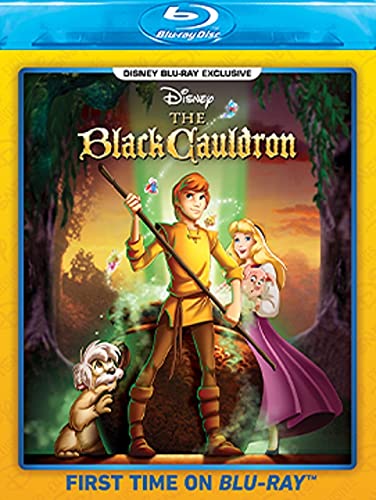
When I was in grade school, I remember reading High King, the fifth book in the Prydain Chronicles, as part of a reading assignment (since it was a Newbery Award winner).  I also at some point watched Black Cauldron in my youth, but I'm pretty sure it was on a crummy VHS tape.  Anyhow, many years later, with an old friend, I was gifted a treasured copy of Prydain Chronicles (all five books in a hardback format).  Being much older, I took the time to read the entire hardback collection, and ever since then I've been tracking down related items including the Black Cauldron movie from Disney to revisit.  It might not be the wonderful series of books, but it's still an excellent movie on its own accord.  Let's explore the recent release from the Disney Movie Club.

In the mystic land of Prydain, there was once a king so evil and cruel that even the gods feared him.  He was imprisoned in a crucible of molten iron since no prison could hold him.   His demonic spirit was harnessed in the form of a great black cauldron.  That Black Cauldron lay hidden while evil men tried to find it.  The one man who did would be able to harness a power to resurrect an evil army which would then rule the world.

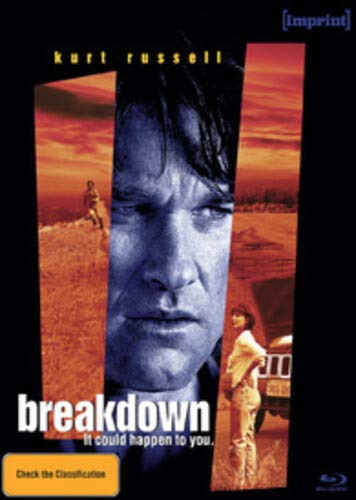
Road films are something of a passion when it comes to movies for me. It could be a movie on a ten-lane highway guaranteed to have multiple car crashes, a two-lane cross country expedition, or a one-lane dirt road going into darkness where the passengers might never return. Nothing gets me going more than films like The Hitcher, Road Games, Two-Lane Blacktop, or The Duel.  It is the idea of not knowing exactly where the next turn is going to take you or what lies beyond the next hill.  Characters, environments, situations all can change once you get to the next town or cross another state line.  Today's road film is the 1997 thriller, Breakdown, with Kurt Russell and J.T. Walsh, where we explore what a man must do in order to find his missing wife.  As one might guess, it is one of my favorites, as it delivers one nail-biting scene after another.  Let's take a look.

A hot Utah desert, a long winding road, and a moving (possibly speeding) red Jeep.  Jeff Taylor (played by Kurt Russell) and his wife, Amy (played by Kathleen Quinlan) are taking a trip from Boston to San Diego where Jeff has a new job waiting for him.  The road seems monotonous as the driver reaches behind him to grab something.  All of the sudden, an old dirty Ford F-150 truck pulls out in front of him and nearly causes an accident, but Jeff is able to swerve away from the accident just in time.

They say that timing is everything. When Dreamworks released The Croods back in 2013, it performed rather nicely both at the box office and on home video. The combined take brought the studio over a billion dollars and a bit of a comeback for their animated studio branch. It appeared to be the anchor for a new franchise that could hold its own against such juggernauts as Ice Age, Shrek, and pretty much anything Pixar puts out. I expected there to be a follow-up, but I didn't expect it to take over seven years. Kids have relatively short attention spans, and sequels really need to strike while the box-office iron is hot. That wasn't the case here. I'm not sure what the holdup might have been. The project was quickly greenlit by Dreamworks, and we should have seen something in a couple of years at the longest. Instead it took the better part of a decade, and the film faced a double whammy when it finally was ready for release. Of course, no one could have predicted the last year with its closed-down theatres and worldwide panic. The film just didn't have a chance to bring in anything close to what the original took. Now it's out on home video, which hasn't been hit quite so hard by the pandemic. It's a chance for the franchise to find some legs and allow for the chance that there will be more.

The film finds the Guy (Reynolds) pretty much becoming a part of the Croods’ family. It's a bit of an irritation to patriarch Grug (Cage), who doesn't appreciate that his daughter Eep (Stone) has become quite close to the newcomer, and fears the family will fall apart if the two youngsters decide to leave and venture off on their own. It's pretty much the same emotion most modern fathers get when the boys start to show interest in their daughters, and worse yet, when their daughters start showing an interest in the guys. That's the dynamic within the family when they come upon a huge obstacle in their path in the form of a gate, the likes of which they have not encountered before. A series of pratfalls finds the family inside what was believed to be an impregnable barrier where another family resides in a world that is paradise. There is plenty of food and water. There are no dangerous animals trying to eat them, and this land of milk and honey appears to extend out forever. And in control of this new world are the Bettermans. Phil (Dinklage) is the father and patriarch here. Hope (Mann) is the mother, and there's teen daughter Dawn (Tran). The Croods are mesmerized by their massive treehouse and abundant resources. Of course Grug feels threatened by it all. He sees his family tempted by this new life and sees the family traditions lost forever. Instead of sleeping in a giant pile, they have their own bedrooms. It appears the Bettermans have it all, but there's one Eden-like taboo. You can't eat any of the plentiful bananas. Just the kind of restriction that Grug is going to rebel against. So he eats ALL of the bananas and is told later that they appease a terrifying creature that leaves them in peace in exchange for the fruit. Yes, it's King Kong being told here, and with predictable results. The story leads to a moral of family, and for Grug, the ability to let go, at least a little bit.

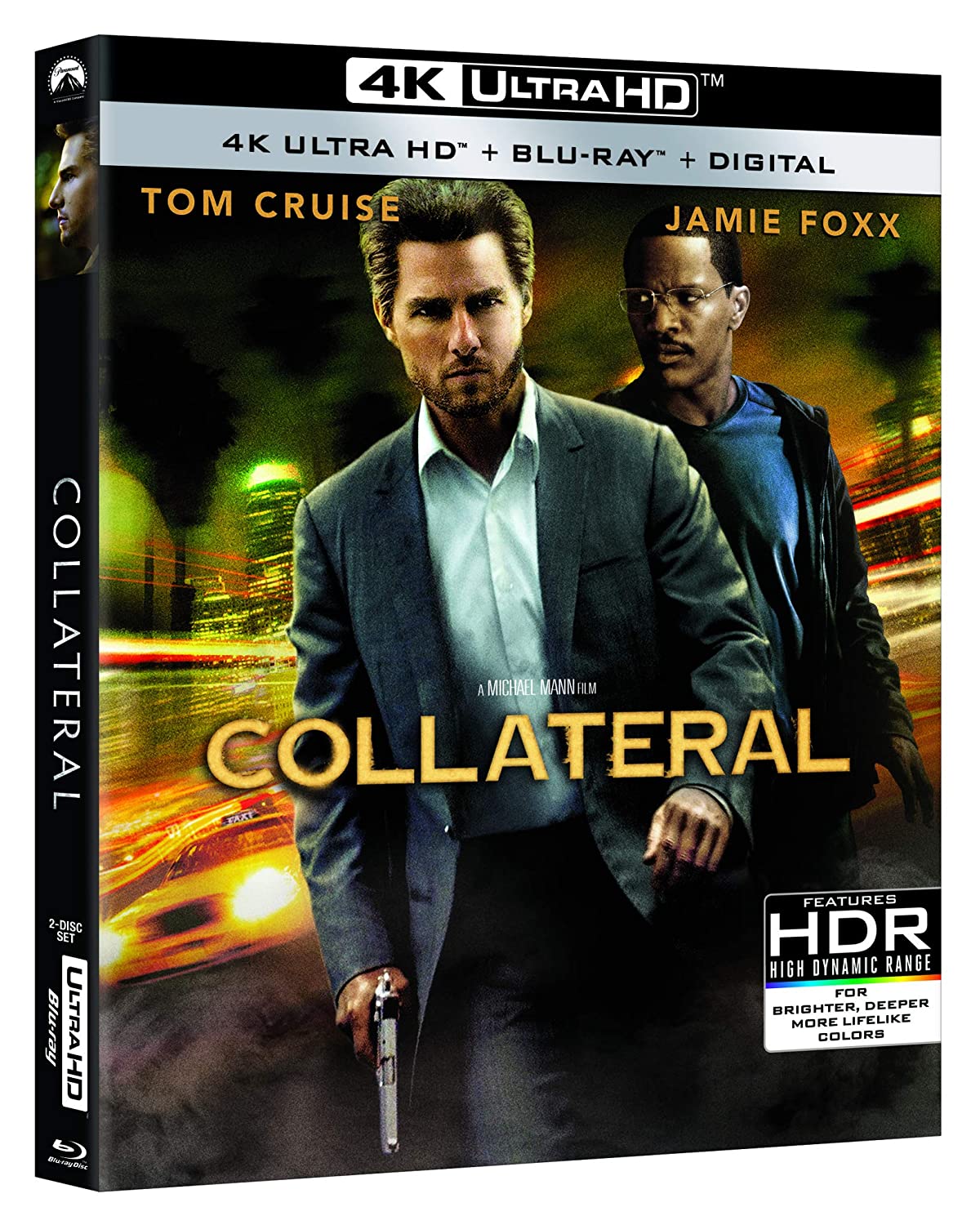
In 2004 when Collateral first came out, Michael Mann gave audiences something they’ve never seen before: Tom Cruise playing the bad guy. Sure, he played the vampire Lestat in Interview with the Vampire, but he just never seemed all that menacing. In Collateral we get to see him as a cold, professional killer with his salt-and-pepper hair and nondescript gray suit.  Also at this time, Jamie Foxx was still carving out a name for himself as a serious actor; this was just months before the release of Ray (the movie that pretty much catapulted him into stardom).  I was stoked for this movie when it first came out because it was Michael Mann getting back to what I felt he was great at, the down and dirty crime films like Thief and Heat.  I have to admit, I do have a slight bias when it comes to Michael Mann films, and I’ve seen Collateral numerous times before doing this review. Considering it’s been 16 years since its release, sure, the film still holds up, but what I feel will surprise new audiences or those who are revisiting the film is the amount of talent that is on the screen.

The film has a relatively simple setup. Vincent (Tom Cruise) comes into Los Angeles for one night to perform a series of hits while roping in a cab driver, Max (Jamie Foxx) to take him to each of his targets around the city.  The relationship between Vincent and Max is what carries this film, and despite a good portion of the film taking place inside the cab, the film crackles with tension and keeps us engaged from start to finish.  Part of this is due to the fact that despite being a hired assassin, Vincent is a pretty likeable character, that is up until we do see Vincent in action and we get a taste of just how dangerous he can be.  As for Max, he’s just a guy with a dream to have his own specialized limo service to cater to the stars. We see him possibly meet the woman of his dreams, Annie (Jada Pinkett Smith) as a fare he drops off just before Vincent steps into his cab.  The two men couldn’t be any more different, but as we see them interact it has me wondering what could have happened if these men had met under different circumstances, Max seems to be a guy with insight who is able to tap into what little humanity may be left in Vincent, whereas Vincent seems be a good motivator for Max to perhaps stop talking about his dreams and starting acting on them to make it happen.

"Things are about to get dangerous."

Keep your hands and feet inside the ride vehicle at all times. At some point in his life, Michael Crichton must have had a really bad experience at Disney World. Maybe he got stuck on a ride, or a ghost followed him home from the Haunted Mansion. Whatever his reasons, the man sure had it in for the amusement park industry. He's created two iconic franchises from the "way out" amusement park idea. His novel Jurassic Park incited all of our imaginations, not the least of which was Steven Spielberg's. That amusement park brought back living and breathing dinosaurs who would entertain park attendees, that is when they weren't eating said attendees. But long before that came his screenplay for the 1973 film starring Yul Brenner and James Brolin called Westworld. It was another future amusement park. This time androids were created to serve out an attendee's darkest fantasies. It was a kind of Fantasy Island meets The Stepford Wives. You could go to Westworld and live out your wild west fantasy. You can shoot it out with outlaws or become an outlaw yourself. You could kill at random and be perfectly safe from the carefully programmed androids that populated this version of the wild west. Of course, just like Jurassic Park, things go wrong. The androids begin to rebel, and the vacationers become the hunted. Three years later came a sequel with Yul Brenner returning along with Peter Fonda in Futureworld. It's been over 40 years, but Westworld has come back, and it's come back big. HBO has now completed three seasons of the series, and things keep getting better.

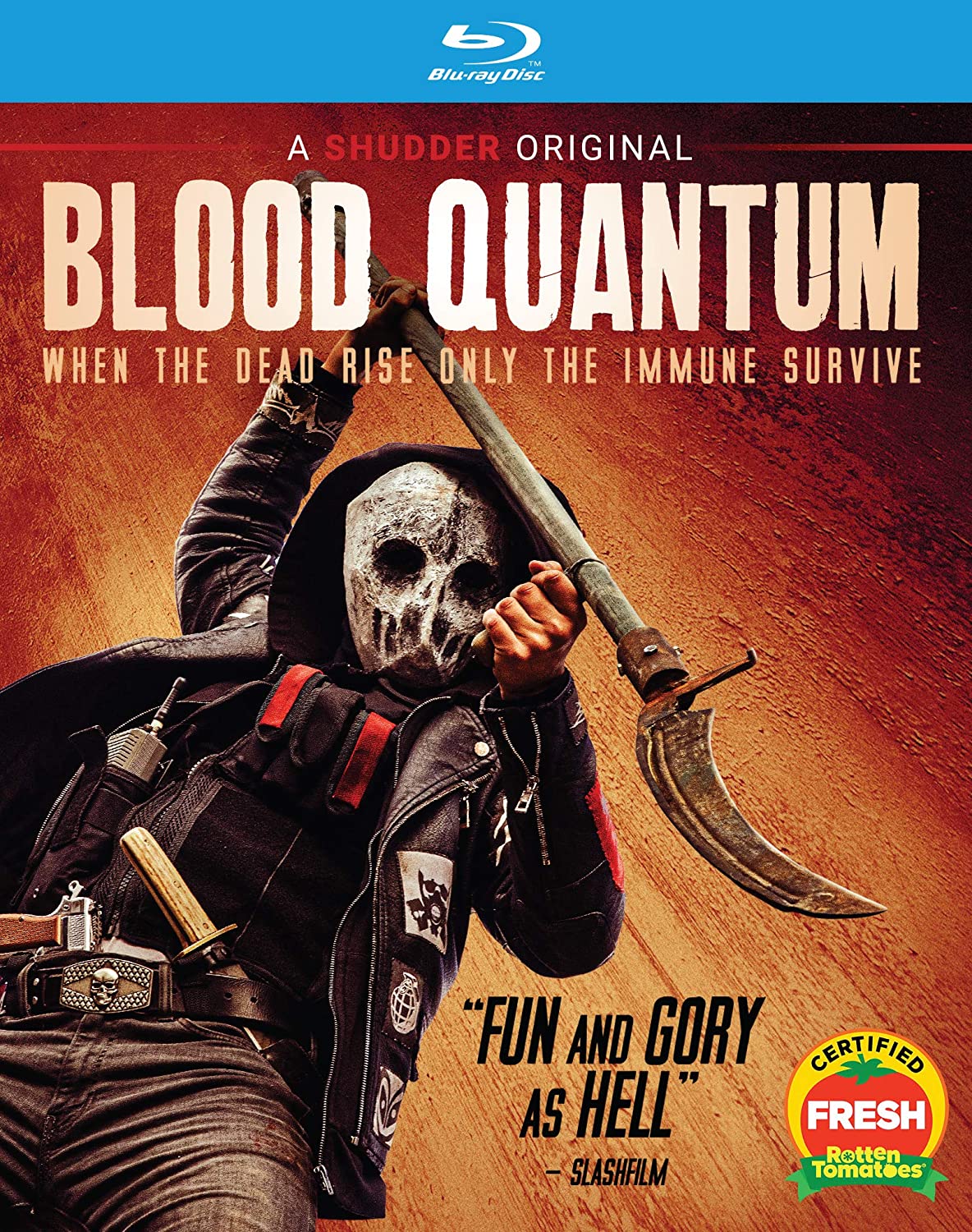
Ever since The Walking Dead first aired. it seems the zombie genre was not only revived but milked for all it was worth, and still studios continued to bleed the genre dry to the point even most diehard horror fans are sick of the sub-genre.  I’m a sucker for zombie films, and even I have tired of them, but I’ll always hold out hope for some writer or filmmaker to come along and inject some creativity into the genre.  It’s possible; I mean, look how long the vampire stories have been around, or even ghost stories, and yet there still are new takes on the subject matter that get us excited about them again.  That’s where Blood Quantum gave me some hope. Zombies on a Native American reservation. I was hopeful for some indigenous lore being injected into this, giving us a fresh perspective…but alas, we get a watered-down, unoriginal, snooze-fest with a little bit of gore  to keep viewers somewhat interested.

The film starts off promising enough as we see an old man gutting his freshly caught fish, and then suddenly they all seem to come back to life and flop around him.  We are then introduced to the main characters that reside on the Red Crow reservation; there is the Sheriff Traylor (Michael Greeneyes), his son Joseph (Forrest Goodluck) and his ex-wife Joss (Elle-Maija Tailfeathers).  To basically inject a little bit of drama, there is also Joseph’s troublemaking best friend Lysol (Kiowa Gordon) and Josephs pregnant girlfriend Charlie (Olivia Scriven). Honestly, without these two characters there wouldn’t be much in the way of character drama, but to be honest, even adding them to the dynamic, this still is a far cry from being a compelling story.  The first third of the film honestly works well as a self-contained story as we see the start of the zombie outbreak. It’s on a small and believable scale as we see dogs and eventually humans coming back from the dead, and the chaos of not knowing what is happening on the reservation is compelling enough, especially when we see certain people get bitten.  Then the film throws a curve ball and sends us six months later into the outbreak, and those who were bitten and should be goners are somehow still amongst the living.  It’s found out that for some reason that the indigenous people are immune to the bites, and this is where the film becomes really problematic for me.