2.40:1 Widescreen (16:9)

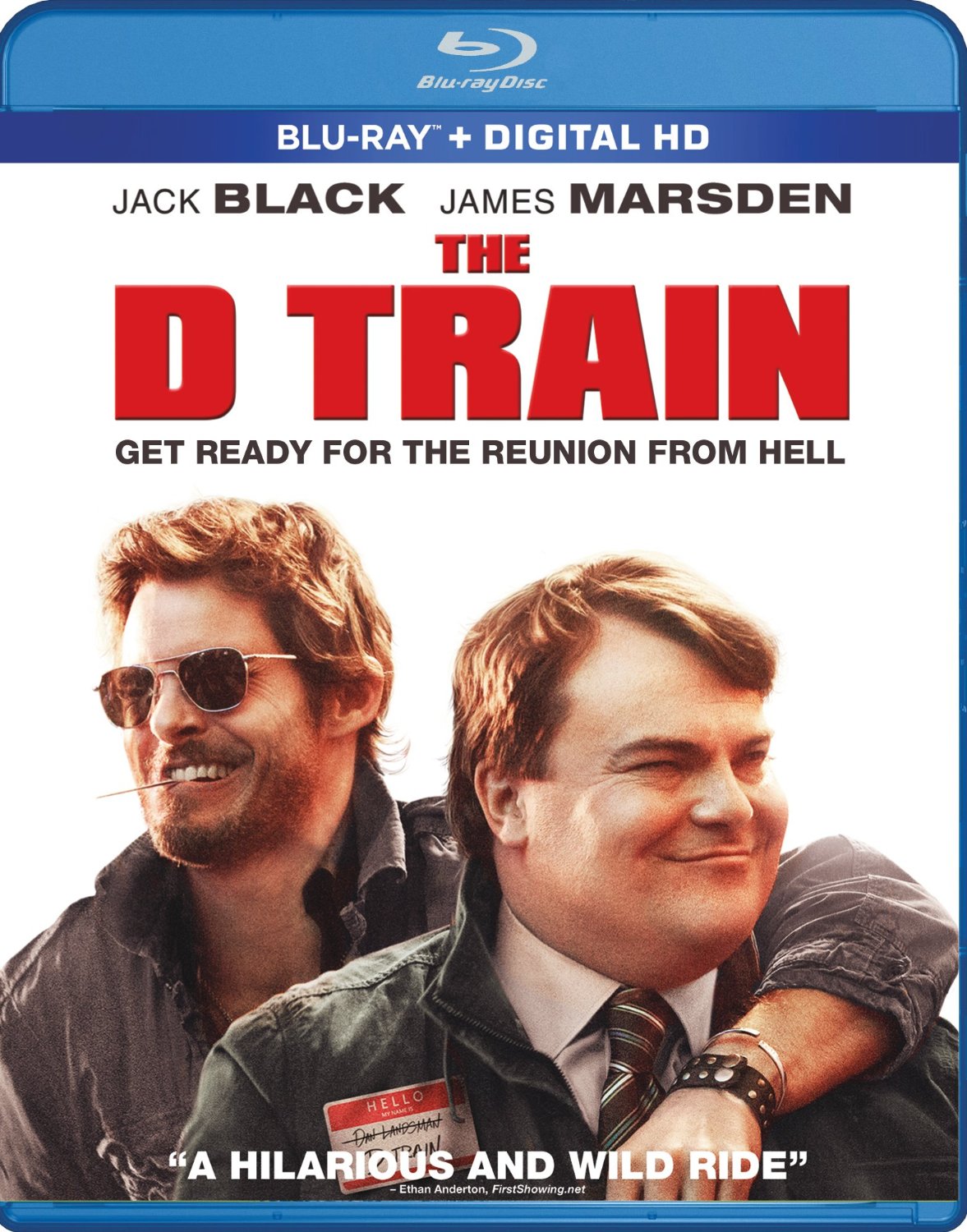
The D Train was not what I expected...and thank goodness for that. The film boasts that it's from the “comedic geniuses who brought you Nacho Libre and Wayne's World,” although the only thing those two movies have in common is that they're both comedies with, um, people in them. Meanwhile, the glossy poster makes it look like an inspirational drama, which doesn't exactly mesh with the phallic-sounding title. In other words, there's nothing about The D Train that hints at the intriguing dramedy lurking underneath.

Dan Landsman (Jack Black) is the unpopular self-appointed chairman of his high school's alumni association. The group is struggling to lure former students to their upcoming reunion when Dan spots former cool kid Oliver Lawless (James Marsden) on TV in a Banana Boat sunscreen ad. (Given the comically inflated significance of the commercial, I assume/hope The D Train producers were handsomely compensated by Banana Boat.) The commercial is a light bulb moment for Dan: if he can get a “hot-shot” actor like Oliver to attend the reunion, more people will follow and Dan will be a hero to the committee colleagues who mock and shun him.

It is one of the most anticipated movies of the summer and another subject in the category of “can Tom Hardy do no wrong?” Mad Max: Fury Road is the reimagining of the iconic film that helped launch Mel Gibson’s career decades earlier. This is not new territory in Hollywood by any stretch of the imagination; remakes have happened so often in recent years that they have practically become their own genre. However, I would like to point out something that will hopefully set this film apart in the eyes of the audience: how often do you see a remake that is overseen by the creator of the original film that you know and love?

OK, OK, perhaps this is not entirely new territory as well, except I am certain that Mad Max fans all over the world leaped for joy when news broke that the architect of the originals, George Miller, had decided to helm the remake as well. Heck, it wouldn’t surprise me to learn that is the underlying reason that many of you folks intend to see the movie. And it is in that spirit that I would like to impart a piece of advice upon the future audience: put the past out of your mind when you are watching this. It is not a continuation, it is an origin story. Yes, I know that it seems like a simple concept, and maybe I am rehashing thoughts you have already had, but for argument’s sake, just do what I ask, and I promise you will have a far better experience.

I guess I could use some of that magical happiness you always seem to have.”

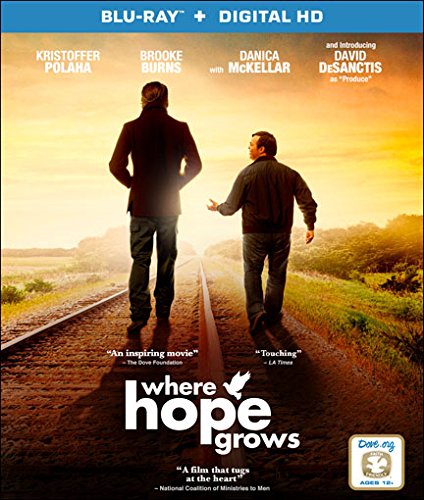
David DeSanctis, the novice performer with Down syndrome making his feature film debut here, is easily the best thing about Where Hope Grows. Both the actor and the character he plays radiate genuine warmth and irrepressible positivity. Those qualities help boost this well-meaning redemption drama, which suffers from one too many storylines and an unintentionally appalling ending.


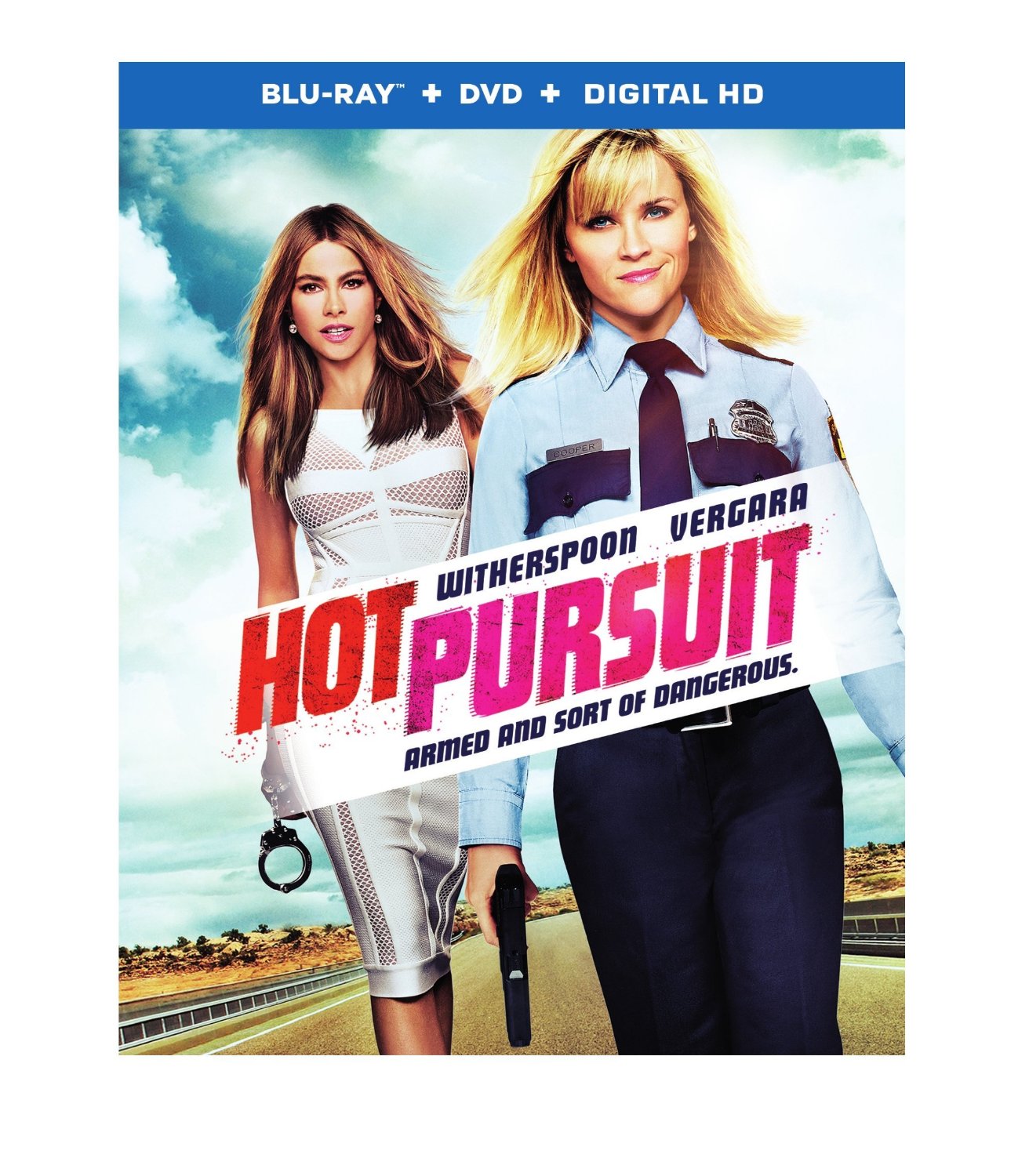
I realized Hot Pursuit was in big trouble during the sequence when intensely by-the-book Officer Cooper (Reese Witherspoon) accidentally ingests cocaine. The joke is supposed to be that the drug sends Cooper into a comically manic, frenzied state; the problem is the way Witherspoon behaves during this sequence isn't all that different from the way she's played Cooper up to that point. And that's the problem with Hot Pursuit: it's the movie equivalent of someone who types in ALL CAPS all the time. Even worse, it's an unholy (and unfunny) mash-up of Midnight Run and Thelma & Louise that shines a blazing spotlight on its leading ladies' worst qualities.

As I mentioned before, Witherspoon stars as Cooper, who idolized her legendary cop father and always dreamed of following in his footsteps. When we meet Cooper, however, she's comically disgraced her father's good name — we're meant to believe no one ever told her what “calling shotgun” meant — and is stuck working as a glorified secretary in the evidence room of her Texas police department. She gets a stab at redemption when her captain (John Carroll Lynch) assigns her to accompany a U.S. Marshal (Richard T. Jones) to escort and protect a drug cartel informant and his wife Daniella (Sofia Vergara).

"There can be no murder in paradise."

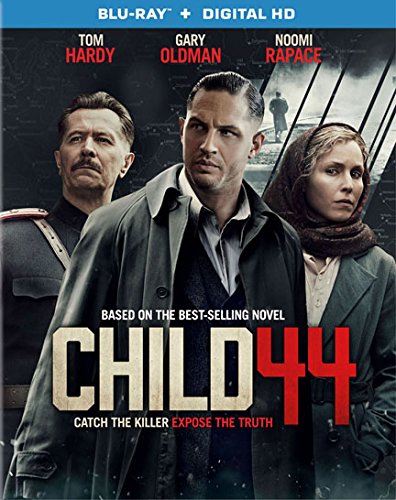
That was the stand of the Soviet Union's ruling party during the Cold War. They believed that murder was a capitalist crime. So what happens when a serial killer is killing young boys up and down the railway? That's the premise of Lionsgate's Child 44. It's based on the Tom Rob Smith novel which is part of a trilogy based on the character Leo Demidov. The story itself was based on an actual Soviet Union serial killer named Andrei Chikatilo, who is suspected of killing over 50 children in the 1970's. To set the story apart from other "true crime" entries, the facts were fictionalized and moved deeper into the Cold War era of the 1950's and a post-war Soviet Union at the peak of its power and world influence. It was their own "great experiment", and it was considered fatal to admit to the world that such base crimes and instincts existed in such a utopia.

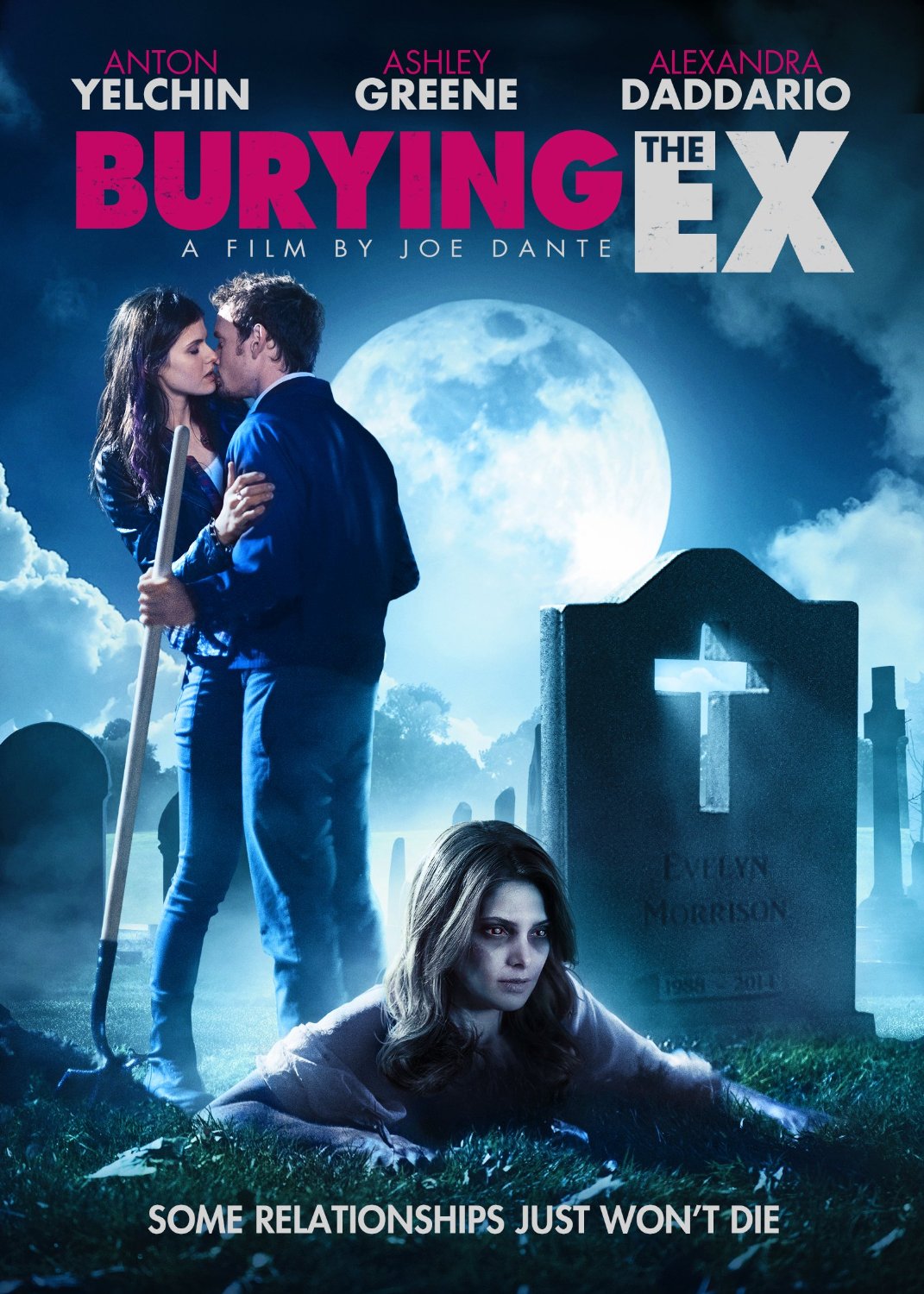
Feel like your girlfriend can be a little clingy? You've got nothing on Max, the slacker at the center of Burying the Ex. The movie operates in a genre — mixing broad comedy and horror — that has been largely (and sadly) missing from the big screen for the better part of two decades. That's why I was delighted to see that the man at the helm here is none other than Joe Dante (1978's Piranha, Gremlins 1 and 2), who has made some of the best horror comedies of all time. Burying the Ex isn't near that level, but it's still a fun and welcome diversion.

Max (Anton Yelchin) is a 20-something underachiever who works as a clerk in a horror-themed shop. His big goal in life is...to open up *his own* horror-themed shop! Max's live-in girlfriend is Evelyn (Ashley Greene), a hardcore environmentalist with a type-A personality. Everyone's in Max's life — especially his boorish half brother Travis (Oliver Cooper) — can see Evelyn isn't the girl for him. The only person who can't see this is Evelyn herself, who seizes on Max's promise that they'll be together forever. The good news for Max is that he doesn't have to go through the awkwardness of a breakup. The bad news is Max dodges that bullet because Evelyn is killed in a freak accident right before he can dump her. The worst news is his promise that they would be together forever was made shortly after a satanic genie arrived in the shop where Max works.

How do you follow up the biggest publishing phenomenon of the last 20 years? Well, if you're J.K. Rowling, you excise all talk of horcruxes and Hogwarts and supplant it with warring parish council members and the idyllic village of Pagford. That's the setting for The Casual Vacancy, Rowling's 2012 follow-up to the Harry Potter series. The book has been adapted by BBC and HBO into a three-part miniseries. With its small-town setting and 23(!) main characters, the series simultaneously feels quaint and sprawling. It also made me wish I was able to spend more than three hours with these people.

Everyone's got skeletons rattling in their cupboard.”

At this risk of going all 30 for 30 on you, what if I told you one of the most layered, soulful performances I've seen all year comes courtesy of a canine? White God is a hypnotic, Hungarian parable about a girl and her dog. Sounds simple enough, but director Kornel Mundruczo places an unprecedented amount of storytelling responsibility on non-CGI, four-legged performers. The results are occasionally uneven, but frequently spellbinding.

Nobody wants a stinking mutt. That's what shelters are for.”

"You wanna see something cool?"

If you're old enough to remember audio tape, you might be old enough to remember Memorex. If you remember Memorex, you should recall their popular slogan: "Is it live or is it Memorex?". Of course, the idea was that the tape quality was so good you couldn't distinguish it from the real thing. What if robotics and artificial intelligence reached that same plateau? The point where you could not tell the difference between an actual human being and an artificial one. The threshold is determined by something called a Turing test. And that's exactly what writer/director Alex Garland presents you the audience with in Ex Machina. The question is, did it pass?

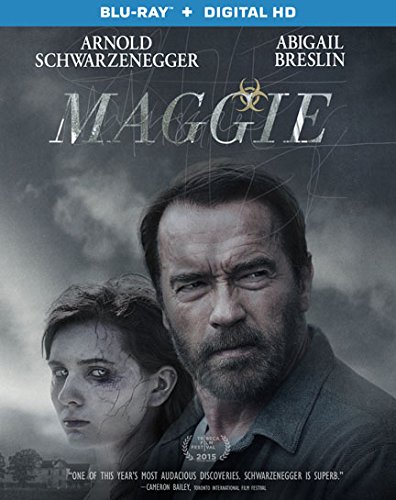
Maggie is a slow zombie movie. You might assume I'm describing where this film falls on the fast zombie vs. slow zombie spectrum. (For the record, the monsters in Maggie do move at a decidedly deliberate pace.) However, the deliberate pace also applies to the way first-time director Henry Hobson unfurls his story in this bleak zombie drama. Everybody in this film — including a playing-against-type Arnold Schwarzenegger — shuffles and lumbers their way through their lives, whether or not they've been infected with a lethal virus. In other words, this is pretty much the last thing you'd expect from a movie that has both Schwarzenegger and zombies...and that's a big reason of why I dig it.

The action picks up a few months after the worldwide outbreak of the Necroambulist virus. I find this to be a curious and interesting time to check in on a global catastrophe. (Think 28 Weeks Later.) Most films either dramatize this sort outbreak as it's happening and our heroes try to prevent it, or they are post-apocalyptic stories that don't begin until well after the world has been laid to waste. As a result, Maggie can probably be best described as “mid-apocalyptic.”