Video

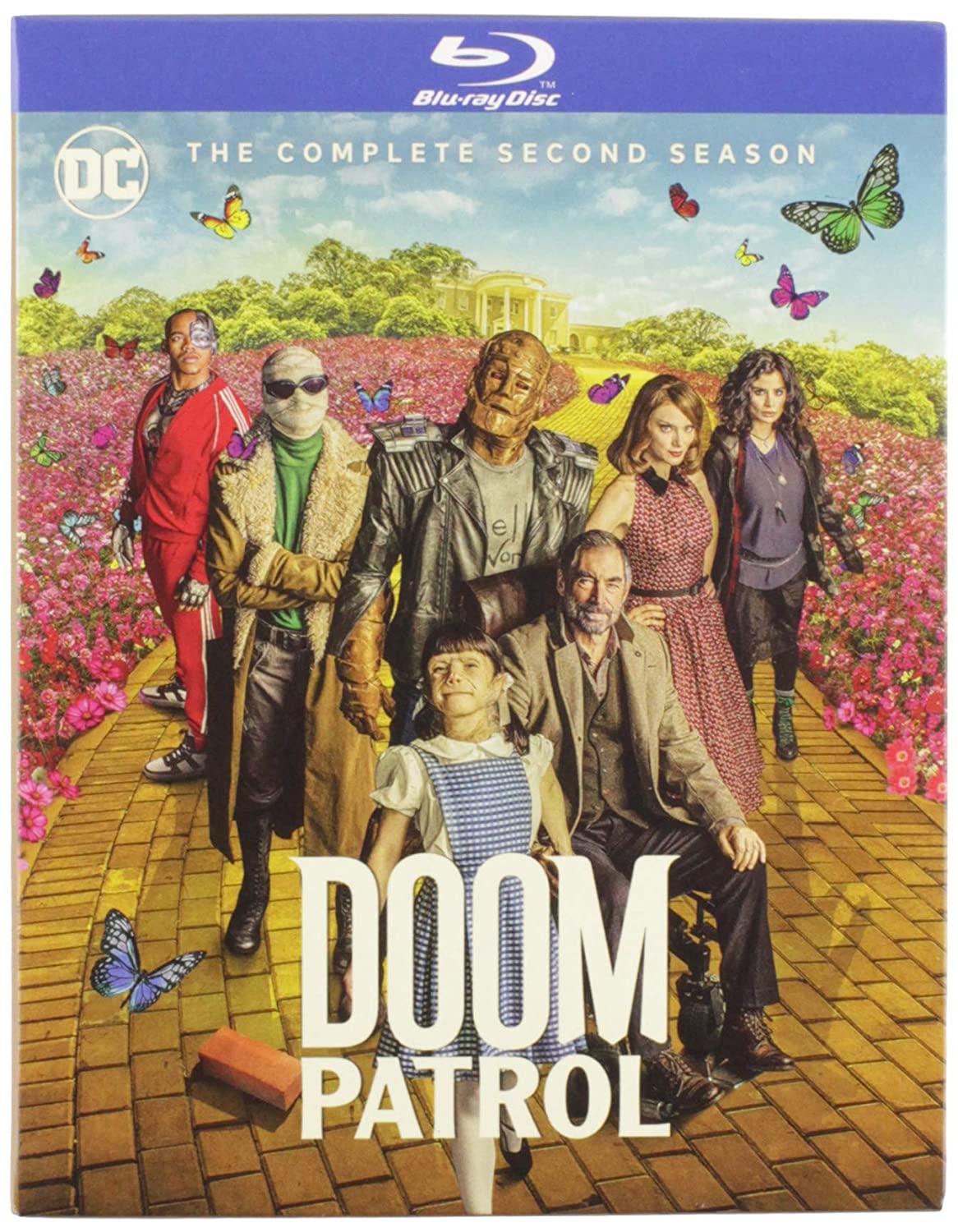
When it comes to the DC universe on television, I feel like Warner Bros. knows exactly what they are doing and truly understands the comics as well as their audience. Now that WB has merged with HBO, I was worried about whether some of the DC TV shows would continue on, since I’ve been impressed with the first two seasons of Titans and the first season of Doom Patrol.  I was even more curious about whether Doom Patrol could continue to deliver it’s WHAT THE F*** moments that were sprinkled throughout the first season. Now that I’ve come to the abrupt end that Season 2 delivered, I’m happy to say the show has managed to outdo itself.  One thing I want to get out of the way before I delve into this review: the season is only nine episodes long due to the pandemic, so the show does end with many story threads left wide open.

You think you’ve seen some weird and off-the-beaten-path shows? Well, Doom Patrol is without a doubt the most fun and unique show I’ve seen.  It makes Twin Peaks seem normal, and calling the show bonkers is putting it lightly.  Oh, and for those of you with young kids, you definitely may want to steer them clear of this show until you’ve seen what it offers. Where the first season delivered town-swallowing donkeys, asses with feet that can eat you, and talking streets, Season 2 steps up its oddball nature with sex ghosts and robots on ecstasy, and that is just a tiny glimpse at the oddball fun this show has in store for its audiences. I haven’t even gotten to some of the more absurd aspects of the show. But please don’t let this scare you off, because this motley crew of misfit superheroes are a hell of a good time to watch, and even more surprising is how lovable they all are.

"The door to destiny is always open, for those who are brave enough. Now shut the door before you let the heat out!"

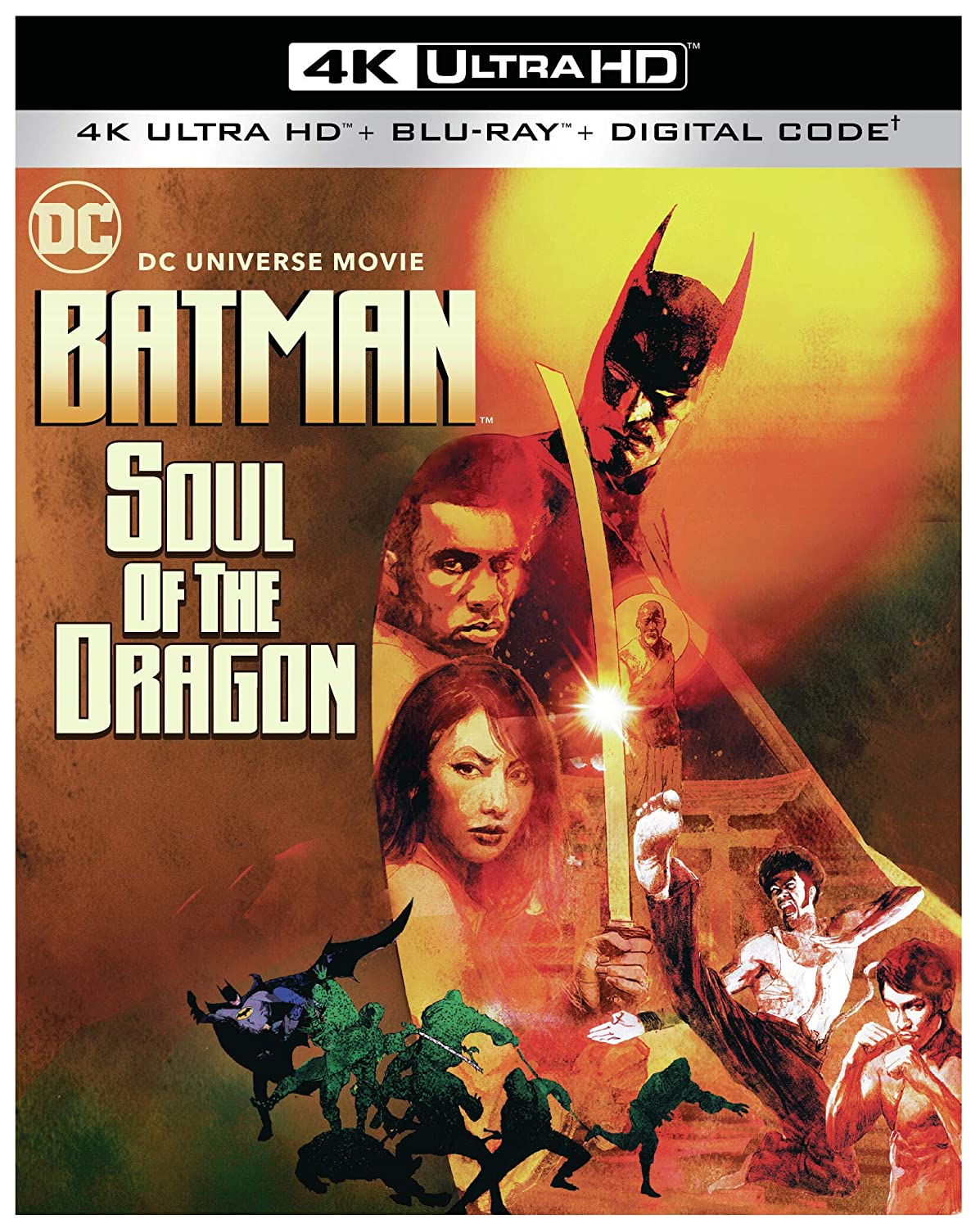
Cartoons are now called animated features, and just like the comic books that provide the source material for these DC Universe animated features, they haven't been for children since the 1970's. The latest and 40th entry into this animated series is Batman: Soul Of The Dragon. It's rated R, which means some pretty rough language and a few surprisingly chilling scenes. So while the film itself will bring you back to the 1970's in so many ways, this is strictly a modern-day animated film inspired by more modern-day comics. Most of these features are based on established comic story arcs, but this one is completely original, even if it borrows heavily from many sources including more recent Batman adventures. If you are old enough to remember many of the iconic elements of the 70's, this film is for you. And that means you ain't no stinkin' child.

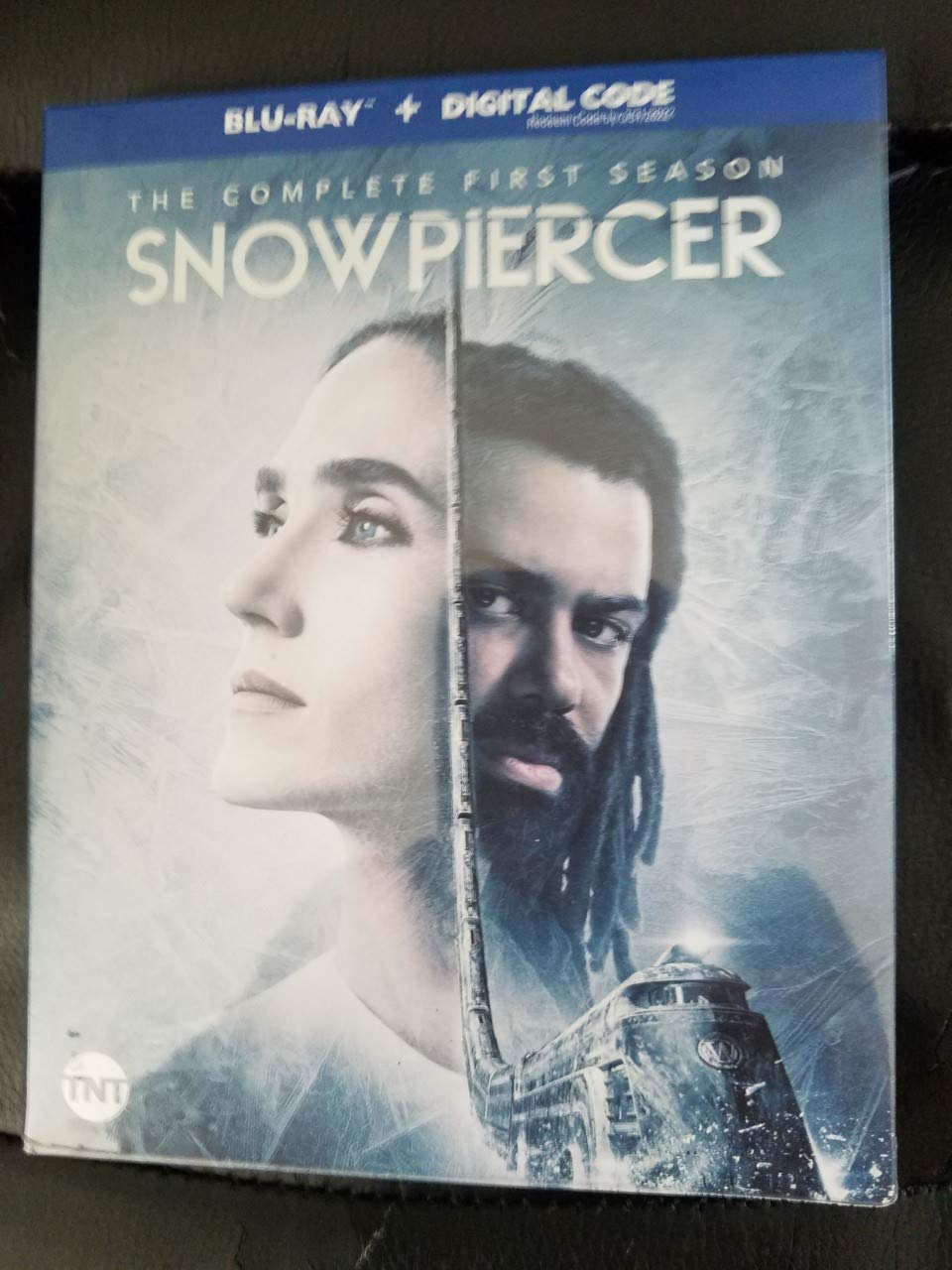
I’ll come out from the start and say how much I love the film Snowpiercer (2013). I was already a fan of Bong Joon Ho since I had seen The Host at a film festival, and I just thought his career would have exploded after the release of Snowpiercer. The tension created in that film as you see the tail section carefully move their way to the front of the train and the horrors they encounter along the way is engaging, and it speaks volumes.  The stories about cannibalism are heart-wrenching, and the violence is intense. You definitely feel the desperation and are rooting for the tail section from start to finish.  Sure, there was plenty of class warfare on display, but in the film it was very clear who was “good” and who was “bad”. Now we have a TV series inspired by both the graphic novels and the film, and this time those lines of good and bad are not so clear as it spins a new tale for us.  This isn’t simply a TV show version of the movie, which is something I’m thankful for, but instead this is another version of events that could have happened on this epic train that is essential to mankind’s survival.

The show kicks off with a brief introduction to the chaos as people attempted to board the train -- the savage cold that was taking the globe into its grasp, gunfire exploding at the station, and the immediacy to board as the doors were closing and the train was about to depart.  Because I’ve seen the movie and that took place 17 years after the train’s initial departure, I was looking forward to an origin story to see how sections were established and how the stowaways were handled.  Unfortunately we don’t get to see that here either, and I’m a bit disappointed by that.  This time around the show starts off seven years from departure, and the divide in classes has already been established. The first episode throws so much at the viewer that a scene where you witness a passenger take their own life just sort of loses its impact. What disappointed me most is that the show starts off as a bland murder mystery, where a body is found mutilated and the only one who can solve the crime is a former homicide detective who resides in the back of the train.

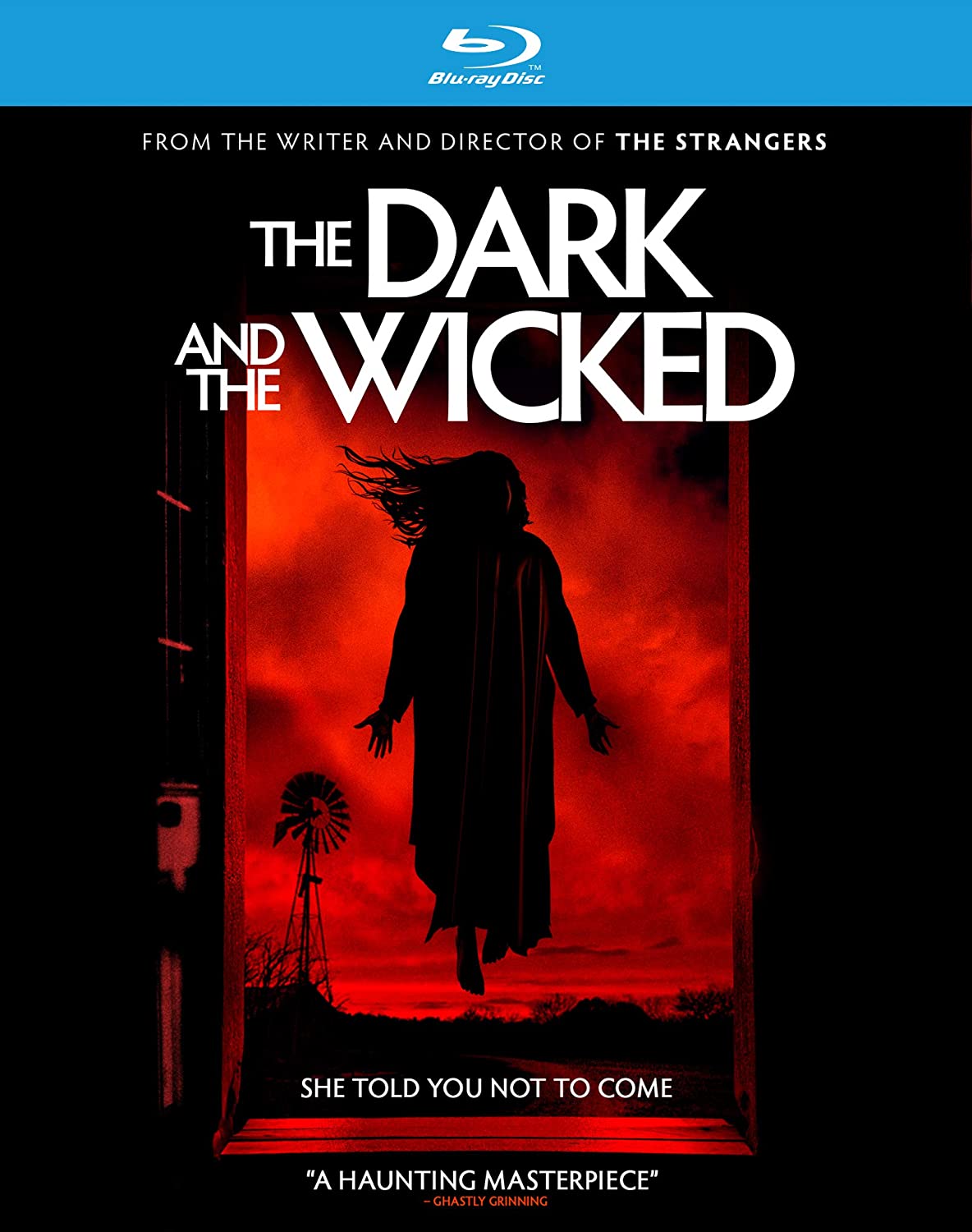
When I first saw The Strangers, I have to admit I was pleasantly surprised by how much that movie stuck with me.  Sure, there have been plenty of home invasion flicks over the years, but The Strangers is definitely right up there with the best like Funny Games and Inside.  Writer and director Bryan Bertino is one of modern horror’s underappreciated creators. He is so good at keeping things simple, utilizing small casts and single settings, and keeping the horror relatively grounded in reality.  With The Dark and The Wicked, he gives us his best work to date, and for me one of the best horror films in years. Personally, this is my favorite new horror release since 2016’s The Autopsy of Jane Doe.  I’m sure plenty of people will disagree with me, and for as much love as I have for Hereditary, what The Dark and The Wicked did that honestly very few horror films manage to do is genuinely get under my skin.  This movie actually creeped me out, and it didn’t use big gory FX or go for cheap jump scares. This literally is a master class in creating tension and delivering a story to audiences that starts off in familiar territory but takes us in new and fresh directions.

“You shouldn’t have come here.”

"Chances are if you are watching Season 3 you like it."

Kevin Costner plays John Dutton. The name itself recalls those years as a kid watching the myriad western shows that crossed our television screens throughout the 50's and 60's. He's the owner of Yellowstone Ranch, which takes up hundreds of square miles and borders on the national park of the same name, which we never do get to see. What we do see are the other borders of the Yellowstone. It borders a large and mostly impoverished Native American reservation. The ranch has apparently existed with an uneasy peace with the residents of the reservation. But there is a new chief in town. He's Thomas Rainwater, played by Gil Birmingham. Rainwater has some kind of a grudge that we never got to completely understand in the first season. He's a political beast who has turned Dutton and his ranch into a common enemy to fuel his own popularity and ambition.

When you check out the poster and Blu-ray cover art for this film, you could easily think that this was yet another cheesy teen romance, but the film is something else entirely.  There is a bit of teenage romance in the film, but mostly the focus is on the mental health of the film’s protagonist, Adam (Charlie Plummer) and his struggles with schizophrenia.  It’s a heavy topic, and somehow the film manages to tackle the topic in an honest way without being overly depressing.  This was challenging material, especially when your target audience is under the age of 18, and during the time of COVID, it’s a bold move for a studio to put out a film with this kind of heavy subject matter.  I didn’t expect to like this film, if I’m being honest, and I’ll happily admit that the film surprised me. That doesn’t mean that the film doesn’t come with its share of problems, but are they enough to discourage someone from checking out this film?

The story is told to us by its protagonist Adam in a way where it seems as though he’s talking to his therapist, but we never see this person, so it may have been better if he were just speaking to the audience, since the perspective has him talking to the camera in a medium shot during these sequences.  He introduces us to his condition, and we see the situation unfold that had him removed from his school, basically an accident during class that resulted in his friend getting a bad burn.  This should have been a tragic and traumatic scene, but it comes off a bit silly when we see one of the personalities he sees, the bodyguard, go and fight a bad CGI black whirlwind that creates the chaos in the classroom.  It’s early on with this scene and every scene involving this “dark cloud” where I feel director Thor Freudenthal was the wrong choice for this project. Sure, he may have experience and success with doing family films like Diary of a Wimpy Kid, but this film needed to be a tad darker in tone and, well, the ending of this film is just absurd and basically craps over all the realness most of the film presents.

"Our true enemy has yet to reveal himself." 

If anything, the third part of the Godfather series of films is symbolic of when too many sequels are greenlighted, and consequently, the film is doomed to fail. More often than not, the reason why these films crash and burn is because of major studios acting like Adelphia executives and wanting more money, and in using the previous films’ successes as leverage, they lose sight of things like quality. It’s happened to other trilogies. And if you put together previous films with the reputation that the first two Godfather films have, the only question left to answer is whether or not the third film would be a minor or major letdown. Most of the essential players returned, with the exception of Robert Duvall. (Duvall said Francis Ford Coppola never really negotiated with him, while Coppola says that Duvall asked for more money, so who knows?) Mario Puzo helped out with another part of the story, so why did this film not live up to the hype?

In 2004 when Collateral first came out, Michael Mann gave audiences something they’ve never seen before: Tom Cruise playing the bad guy. Sure, he played the vampire Lestat in Interview with the Vampire, but he just never seemed all that menacing. In Collateral we get to see him as a cold, professional killer with his salt-and-pepper hair and nondescript gray suit.  Also at this time, Jamie Foxx was still carving out a name for himself as a serious actor; this was just months before the release of Ray (the movie that pretty much catapulted him into stardom).  I was stoked for this movie when it first came out because it was Michael Mann getting back to what I felt he was great at, the down and dirty crime films like Thief and Heat.  I have to admit, I do have a slight bias when it comes to Michael Mann films, and I’ve seen Collateral numerous times before doing this review. Considering it’s been 16 years since its release, sure, the film still holds up, but what I feel will surprise new audiences or those who are revisiting the film is the amount of talent that is on the screen.

The film has a relatively simple setup. Vincent (Tom Cruise) comes into Los Angeles for one night to perform a series of hits while roping in a cab driver, Max (Jamie Foxx) to take him to each of his targets around the city.  The relationship between Vincent and Max is what carries this film, and despite a good portion of the film taking place inside the cab, the film crackles with tension and keeps us engaged from start to finish.  Part of this is due to the fact that despite being a hired assassin, Vincent is a pretty likeable character, that is up until we do see Vincent in action and we get a taste of just how dangerous he can be.  As for Max, he’s just a guy with a dream to have his own specialized limo service to cater to the stars. We see him possibly meet the woman of his dreams, Annie (Jada Pinkett Smith) as a fare he drops off just before Vincent steps into his cab.  The two men couldn’t be any more different, but as we see them interact it has me wondering what could have happened if these men had met under different circumstances, Max seems to be a guy with insight who is able to tap into what little humanity may be left in Vincent, whereas Vincent seems be a good motivator for Max to perhaps stop talking about his dreams and starting acting on them to make it happen.

"On March 3, 1969 the United States Navy established an elite school for the top one percent of its pilots. Its purpose was to teach the lost art of aerial combat and to insure that the handful of men who graduated were the best fighter pilots in the world. They succeeded. Today, the Navy calls it Fighter Weapons School. The flyers call it: TOP GUN." 

Back around the time I was born, when Tom Cruise had an ounce of sanity, a little movie called Top Gun swept across the globe, raking in over $350,000,000 worldwide, as well as sparking an interest in the US Navy and everything Tomcat, Skyhawk, and MiG related. Ever since its original release, Top Gun has kept a hold on its audience, being played almost weekly, and now it makes its way into the world of ultra high definition with its release on UHD Blu-ray. The timing couldn't be any more obvious. The long-anticipated sequel has been in production, and while delayed by the global circumstances, the film will be arriving soon (at least in release terms). This is a pretty good way to get you up to speed, pun intended. The film isn't alone in cashing in on the Tom Cruise upcoming slate of both the Top Gun sequel and two Mission Impossible films being shot at the same time. This is one of three Cruise films getting the 4K release treatment along with Days Of Thunder and the Spielberg remake of the War Of The Worlds George Pal film. Once the box office returns, you're going to be getting a lot of Tommy, so these films are intended to put you in the mood and get the party started a little early.

It was over twenty years ago when The Haunting came out.  I remember actually looking forward to this movie, mostly because of its director Jan De Bont, who was responsible for the 90’s summer blockbusters Speed (1994) and Twister (1996).  For the record, I choose to pretend that Speed 2: Cruise Control never happened, because let’s face it, that was simply one of the worst films I’ve ever seen.  To De Bont’s credit, he’s also the cinematographer of some pretty great films as well; Die Hard, Flatliners (the good one), and Basic Instinct, to name a few.  Now another thing that had me excited was where CGI was at the time. The Frighteners had come out in 1996, The special effects in that film were great and they hold up to this day, so really, with a bigger budget, a solid director and cast, this film should have just been amazing.  The result ended up being a film that shows what happens when you rely too heavily on CGI for scares rather than crafting good old-fashioned suspense with atmosphere and story.

The 1999 film is based off the book by Shirley Jackson. Sadly it would take nearly two decades more for the superior Netflix adaption of The Haunting of Hill House to release. While the 1999 version may be closer to the book, what is ironic is that it’s about a paranormal study on fear, yet there is nothing terrifying or scary about this film.  The film follows so many typical haunted house tropes that even Ray Charles would see these “scares” coming.