Posts by J C

Earlier this year, Warm Bodies become a solid box office hit by giving its zombie hero a heart. The Amazing Adventures of the Living Corpse seeks to carve its own uniquely bloody path by saddling its undead protagonist with a soul. It’s a clever way to go considering there’s not much new territory to cover in zombie fiction 45 years after George A. Romero’s Night of the Living Dead shambled into pop culture immortality. I just wish this provocative promise had yielded a better movie.

Based on the Dynamite Publishing comic series “The Living Corpse: Exhumed”, the film introduces us to John Romero, who rises from his grave and promptly snacks on his own wife and daughter. As a horde of the undead prepares to eat his son Taylor, John realizes what he’s done and saves his only surviving family member. Confused as to why he’s the only zombie with a conscience, he ventures to the underworld, where he is counseled by Asteroth Guide of the Wretched and Worthless Merk (the movie’s source of "comic relief"). Meanwhile, a traumatized Taylor is taken to a sinister boarding school filled with other misfit orphans and inconveniently located next to a cemetery.

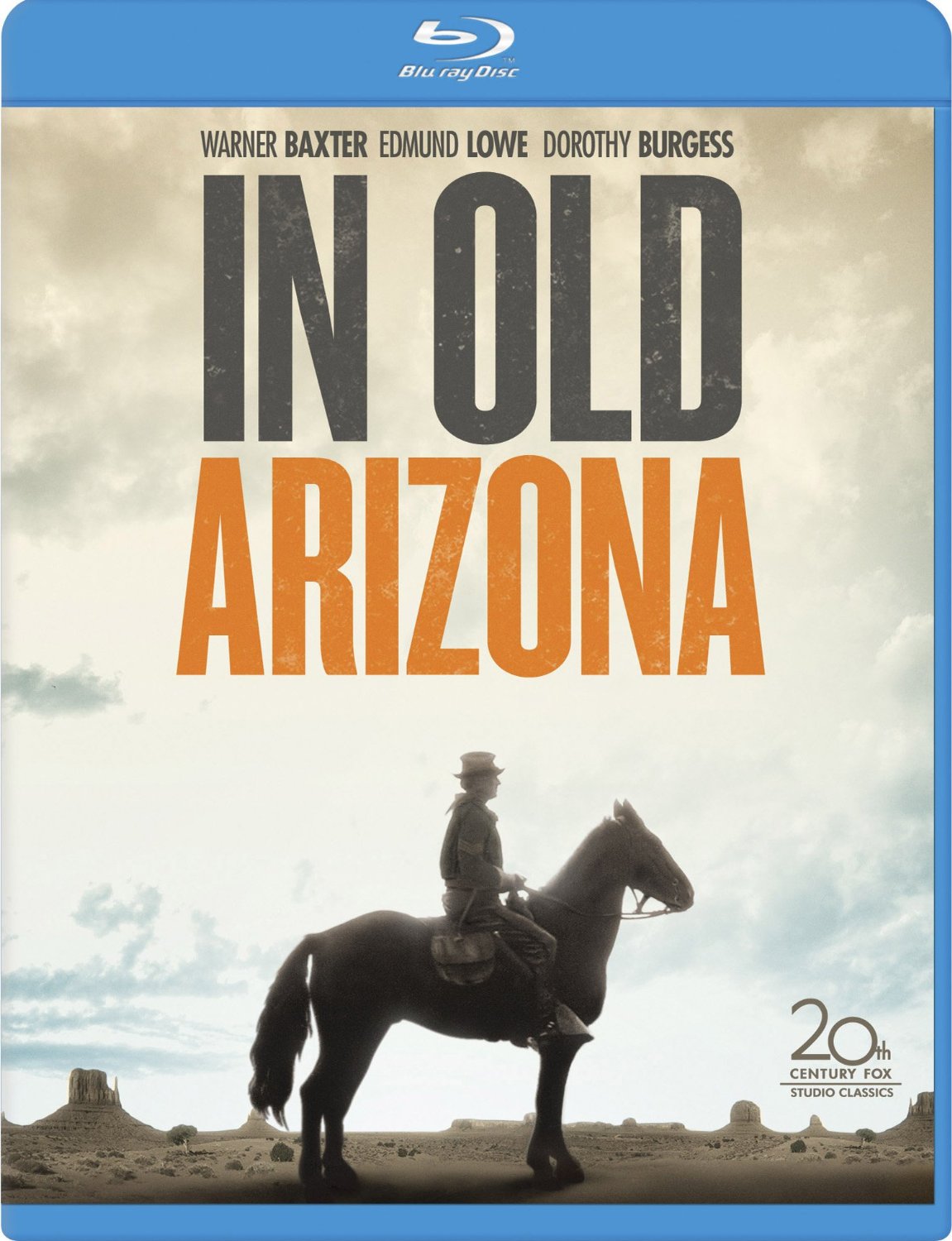
For a significant part of the last century, the Western was the dominant form of entertainment, ruling the Hollywood roost on both the big and small screen. Some of moviedom’s most iconic sounds — galloping horses, trusty six shooters, Ennio Morricone’s best work, “In this world, there’s two kinds of people: those with loaded guns and those who dig” — have come from the genre. And it all started In Old Arizona.

The 1929 Fox film was one of the most groundbreaking and innovative motion pictures of its time. In Old Arizona was the first major Western to use the new sound technology, as well as the first “talkie” to be filmed outside the confines of a cozy studio lot. (Filming took place in Utah, California, but, ironically, not Arizona.) Star Warner Baxter won an Oscar for his portrayal of the charismatic Cisco Kid, a performance that served as an early prototype for the singing cowboy on film.

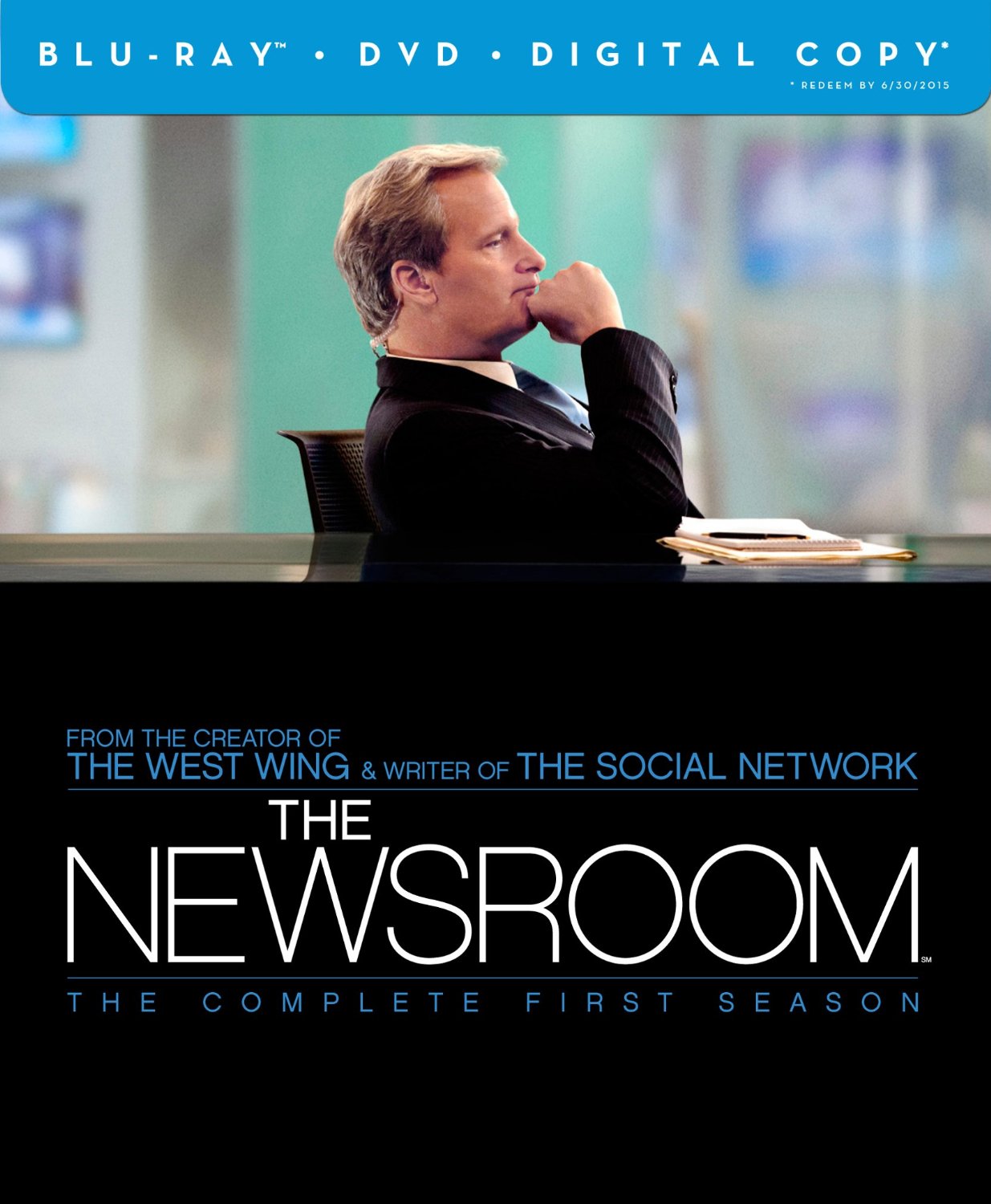
“In the old days, we did the news well. You know how? We just decided to.”

Sounds simple enough, so what’s keeping everyone from doing the news well? Well, other than a country that feels more politically polarized than ever and a population that mostly seems interested in cherry picking the “facts” they’d rather hear, I can’t think of a single thing. In fact, HBO’s The Newsroom pointedly compares the idea of putting on a quality news broadcast that educates the electorate and earns great ratings to Don Quixote embarking on one of his foolish quests.


I don’t like remakes for probably the same reasons you don’t like them — they’re lazy and creatively bankrupt — but I’m also not completely against the idea of revisiting an older film. When the older film isn’t a beloved classic that shouldn’t be touched or when a story can be more effectively presented using technology that simply didn’t exist when the original movie was made, remakes aren’t such a bad idea. By those standards, 1984’s The Philadelphia Experiment is actually an excellent choice to receive the remake treatment. And that’s why I’m so disappointed to see it go so wrong.

Both incarnations of The Philadelphia Experiment get their names from a hush-hush World War II military experiment — also known as “Project Rainbow” — carried out by the U.S. Navy at the Philadelphia Naval Shipyard in 1943 that is almost definitely a hoax. (Unless it’s not.) The experiment involved using a cloaking device to render the Navy destroyer USS Eldridge invisible. In the 1984 film starring Michael Paré and Nancy Allen, two WWII-era sailors were transported 40 years into the future through a vortex created by the ship’s generator.

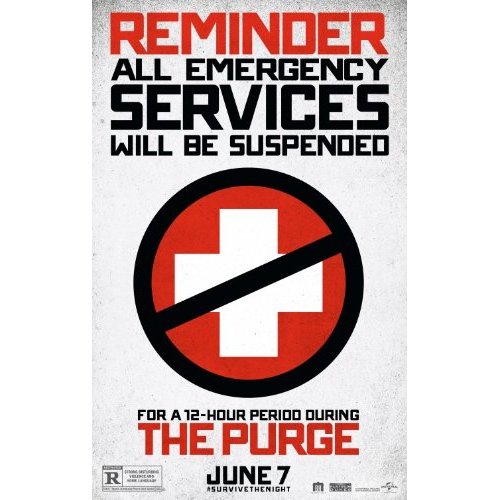
“Commencing at the siren, any and all crime — up to and including murder — will be legal for 12 continuous hours. Blessed be our new Founding Fathers and America, a nation reborn.”

You know writer-director James DeMonaco has a killer concept on his hands because the plot for this movie is simultaneously outlandish and thought-provoking. Unfortunately, The Purge ends up being a prime example of when bad movies happen to great ideas.

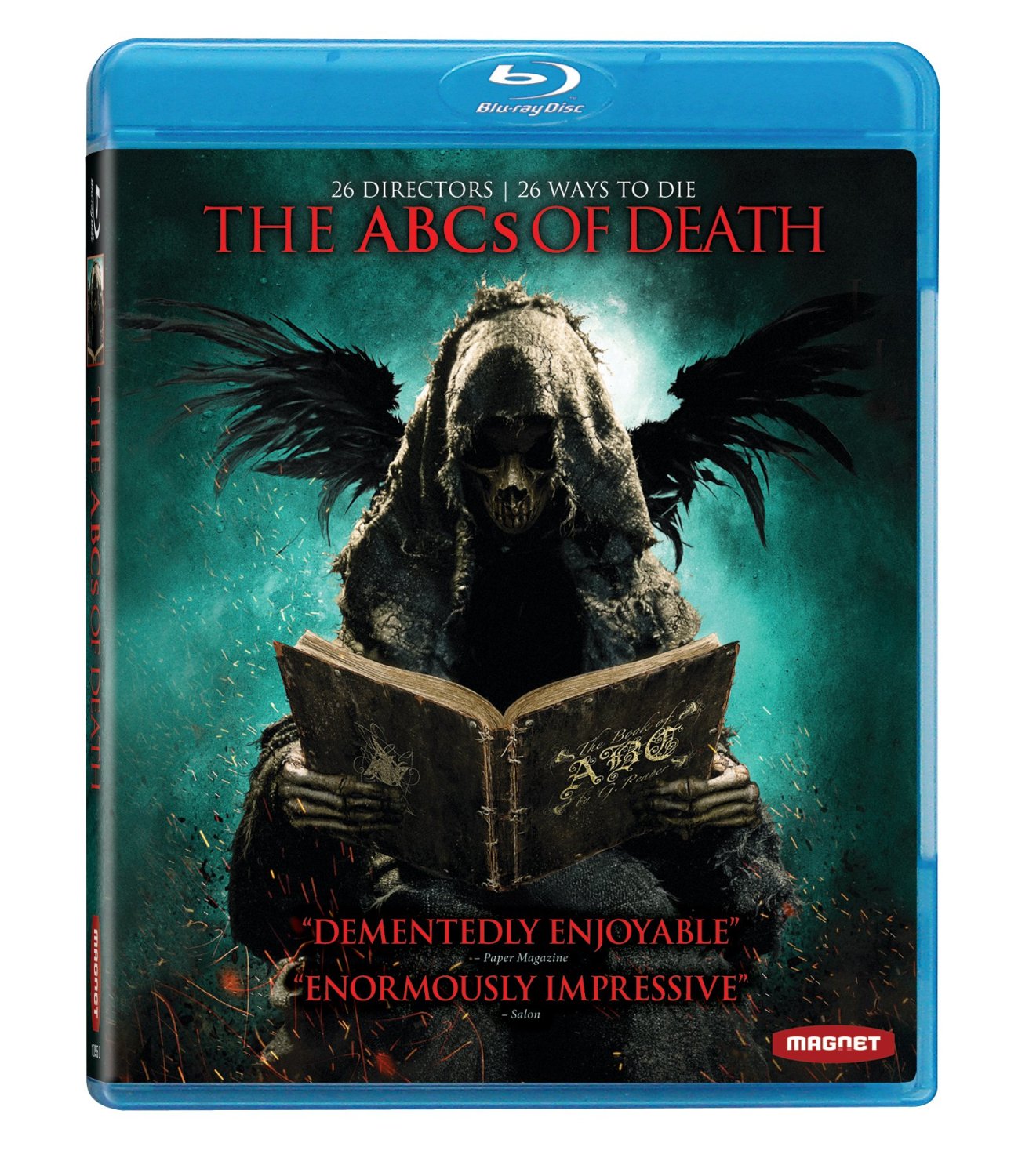
“Each director was given a letter of the alphabet and asked to choose a word. They then created a short tale of death that related to their chosen word. They had complete artistic freedom regarding the content of their segments.”

It’s easy to see why 26 talented filmmakers from across the world leapt at the chance to show audiences 26 different ways to die. Obviously, you can’t exactly be squeamish when you sit down to watch an anthology called The ABCs of Death. But I still wish fewer directors had interpreted “complete artistic freedom” as “make the most ridiculous and disgusting movie you possibly can.” 

The tight-knit cast and crew of Attorney at Low weren’t about to let a little rain — ok, it was a lot of rain — dampen their spirits during the movie’s June 1 world premiere. So nobody objected when the red carpet was transported from the sidewalk to the inside of the historic Zephyrhills Home Theatre, as everyone involved with making the indie comedy got the star treatment.

“Tonight is really more for everybody else,” said Richard Siggins, the film’s writer/director/producer. “My work has been done for months.”

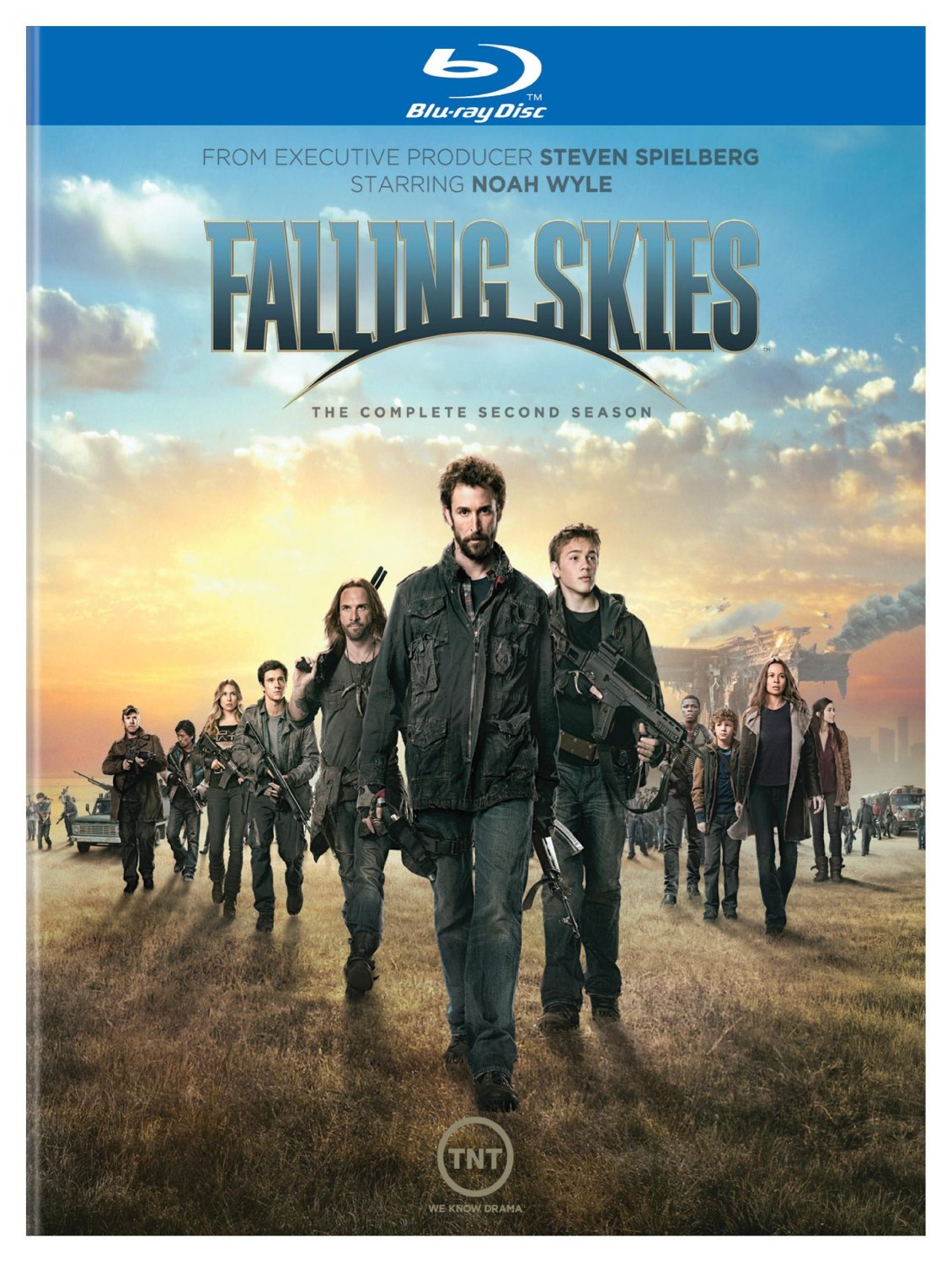
Bringing big-screen action and spectacle to the small screen is almost always a losing proposition. (A moment of silence for Terra Nova.) It’s just too hard to maintain on a week-to-week basis over the course of multiple seasons. Falling Skies — which, like Terra Nova, counts Steven Spielberg as one of its executive producers — may not be terribly original, but it’s one of the more successful attempts at consistently bringing large-scale thrills to television.

In case you missed the first season of TNT’s hit sci-fi series, here’s a quick catch-up. Less than a year after a devastating, worldwide alien invasion that wiped out most of Earth’s population, we meet the members of the Second Massachusetts Militia Regiment. (Better known as the 2nd Mass.) Tom Mason (Noah Wyle) is the history professor-turned-second in command of the 2nd Mass who frequently clashes with the more militant Captain Dan Weaver (Will Patton) and flirts with pediatrician-turned-combat surgeon Anne Glass (Moon Bloodgood). Tom has three sons: jockish oldest son Hal (Drew Roy), eager youngest son Matt (Maxim Knight) and middle son Ben (Connor Jessup), who was kidnapped by the aliens and outfitted with what humans call a "harness", which affixes itself to children’s spines and allows the invaders to control their minds. A lot of the first season centered around Tom’s efforts to save Ben and culminated with the 2nd Mass’s attempt to bring the fight to the aliens in Boston. The final scene had Tom voluntarily entering a spaceship in an effort to keep Ben safe.

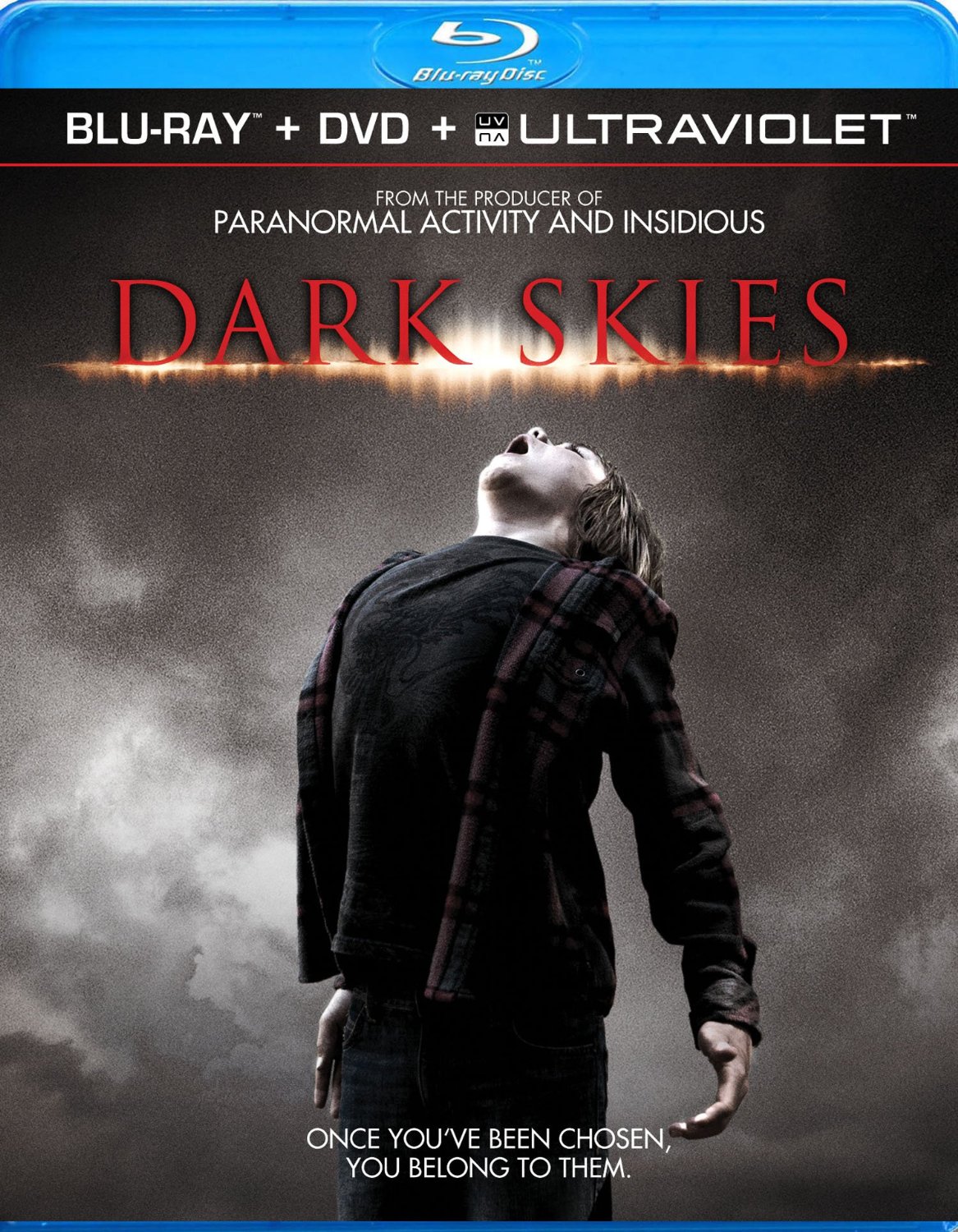
“Two possibilities exist: either we are alone in the universe or we are not. Both are equally terrifying.”

Just in case the film’s title wasn’t a big enough clue, this opening quote from famed science fiction writer Arthur C. Clarke makes it abundantly clear the domestic disturbance in Dark Skies won’t be caused by grumpy ghosts or a dastardly demon. This effective little sci-fi/horror movie follows the low-budget template established by recent hits like Insidious, Sinister and the Paranormal Activity franchise, but looks to the not-so-friendly skies for its source of terror.

“Any of this feeling familiar to you?”

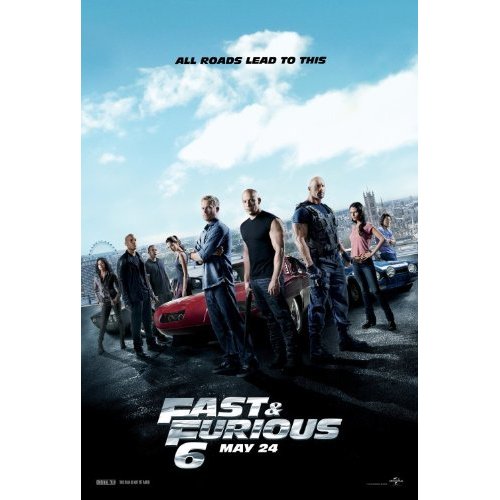
Remember how everybody was really excited to see some of their favorite superheroes — plus Hawkeye (I kid, I kid) — in the same movie last summer? Well, I feel compelled to point out a different group of muscle-bound misfits actually beat The Avengers to the finish line by more than a year. Fast Five, released in April 2011, featured characters from each of the previous four Fast & Furious entries and, not coincidentally, easily became the biggest hit in the action franchise. So getting the gang back together for another round of motor-based mayhem was — much like these movies — a no-brainer.