Posts by J C

“The key to immortality is first living a life worth remembering.”

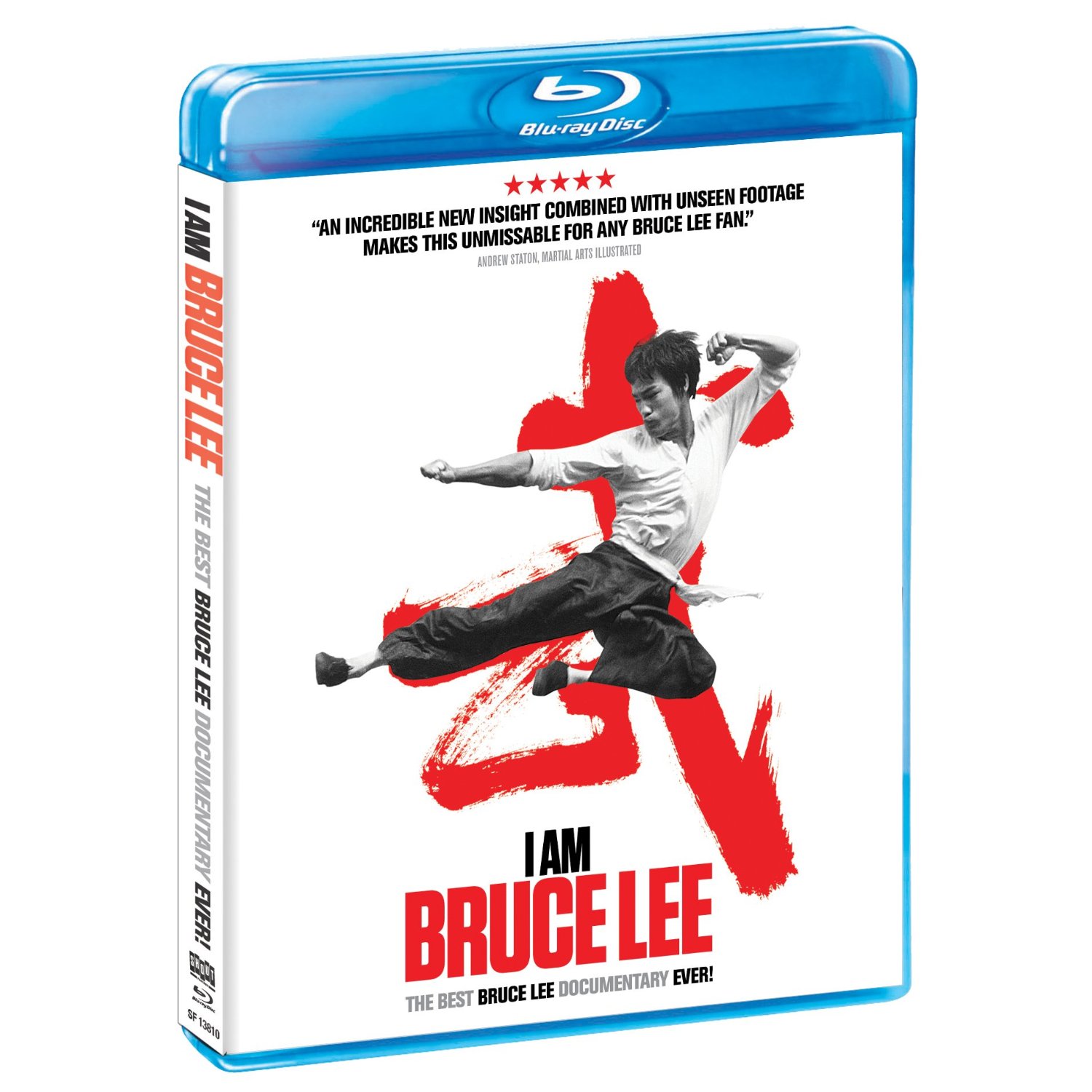
We’re now 40 years removed from Bruce Lee’s shocking death, and the martial arts superstar has unequivocally achieved pop culture immortality. I Am Bruce Lee examines the icon’s cultural and cinematic impact, as well as the many ways he has influenced current sports and music stars. The film already bills itself as “the best Bruce Lee documentary ever,” so I’m not really sure what you need me (or any other critic) for. I decided to go ahead and watch it anyway.

“I want to talk to you about the war for the soul of Los Angeles.”

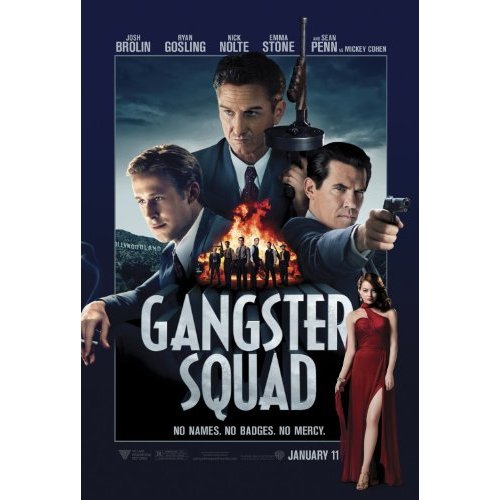
This could easily describe the current rivalry between the surging L.A. Clippers and the geriatric Los Angeles Lakers, but Gangster Squad has slightly weightier matters on its mind. The stylish 1940s and 50s cops and crooks saga wants to tell a story about corruption and violent men unable — or unwilling — to turn off their capacity for hurting others. Instead, the film winds up being a somewhat shallow 21st century gloss on The Untouchables. And there’s absolutely nothing wrong with that.

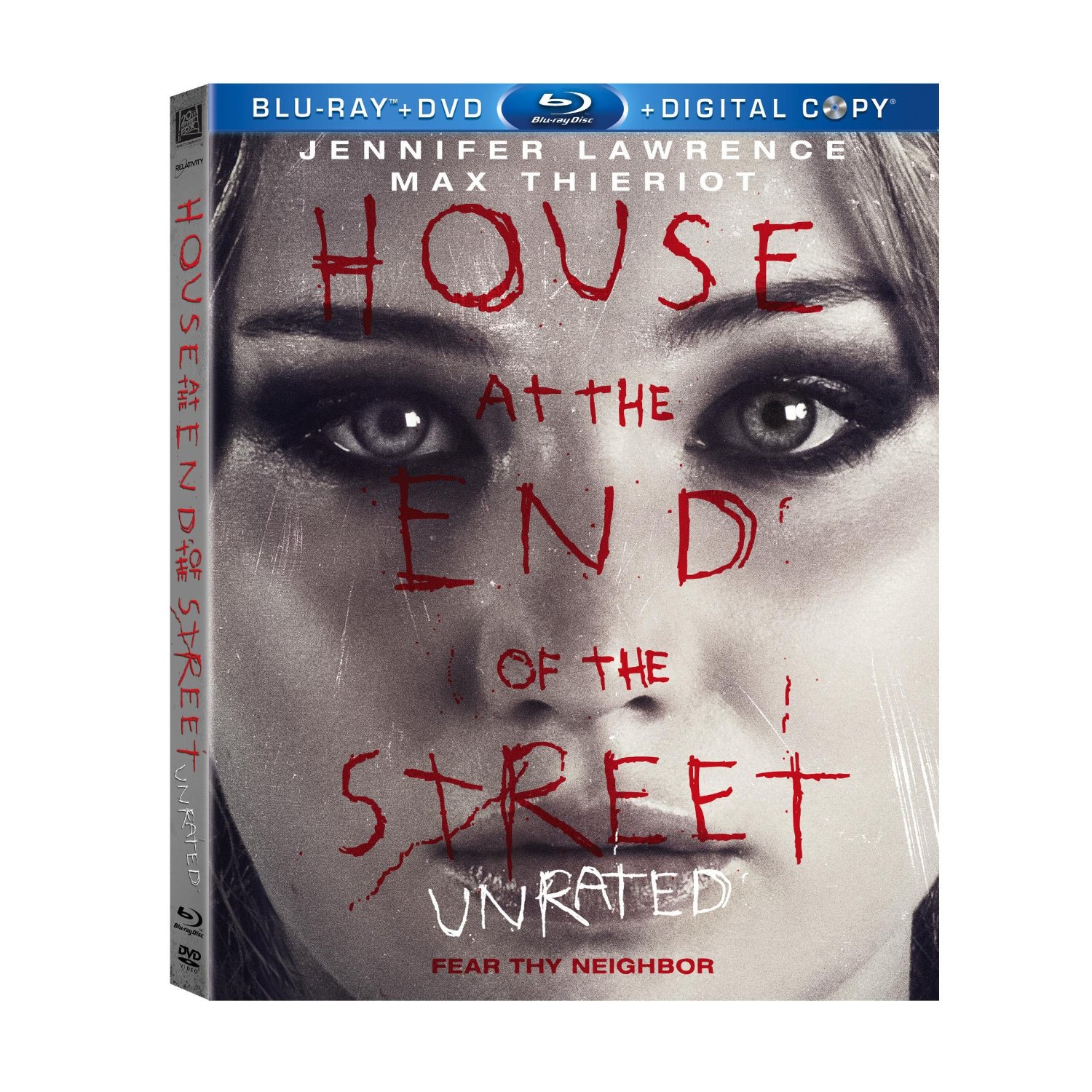
If it were possible to buy stock in any under-25 actress today, I’d pick Jennifer Lawrence first, Emma Stone would be a close second, and Kristen Stewart would be last. Lawrence has a pair of blockbuster movie franchises in her back pocket (The Hunger Games, X-Men) and is already a two-time Oscar nominee, thanks to her recent nod for Silver Linings Playbook. So if a studio were to have a Jennifer Lawrence film on its bench, September 2012 would probably look like some prime real estate.

Prime real estate and a murder-related discount are what attract Elissa (Lawrence) and her mom (Elisabeth Shue) to their new home in House at the End of the Street. Elissa becomes drawn to reclusive next door neighbor Ryan (Max Thieriot). Four years earlier, Ryan’s parents were murdered by his sister, who promptly disappeared. (That explains how Elissa and her mom got such a good price on their rental.) Ryan now lives in the house by himself, but a series of strange occurrences make it clear Ryan’s house hasn’t seen its last dead body.

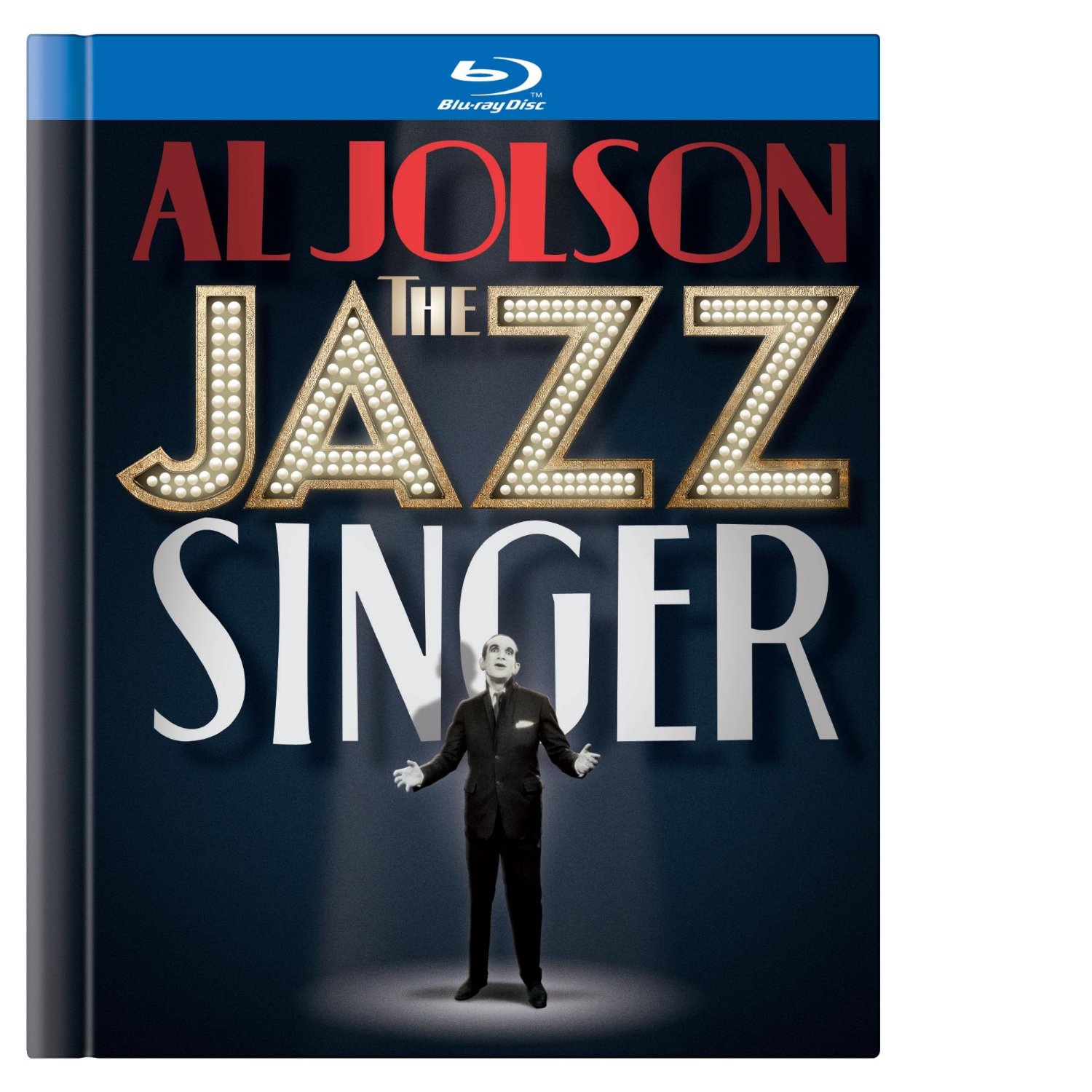
If you’re any sort of discerning cinephile — and if you’ve taken the time to visit our fine site, I’m going to assume you are — you’ve probably heard of The Jazz Singer. Of course, for the movie-going public in the late 1920s, The Jazz Singer was unlike anything they’d ever heard: the first feature-length motion picture with synchronized dialogue. Or, put more simply, the first “talkie.” Though you probably know it revolutionized the film industry, I’m betting it’s a lot less likely you’ve actually seen The Jazz Singer.

I liken it to Jackie Robinson’s place in sports history. Most of us know Robinson was the first African-American Major League baseball player in the modern era, but I suspect a much smaller number of us have seen footage of Robinson in action. Similarly, The Jazz Singer’s place in film history has been secure for decades, but even movie nerds with more than 700 titles in their collections (hi there) haven’t gotten around to watching it. Fortunately, Warner Bros. has released a spiffy new Blu-ray of the groundbreaking 1927 film to help remedy this situation.

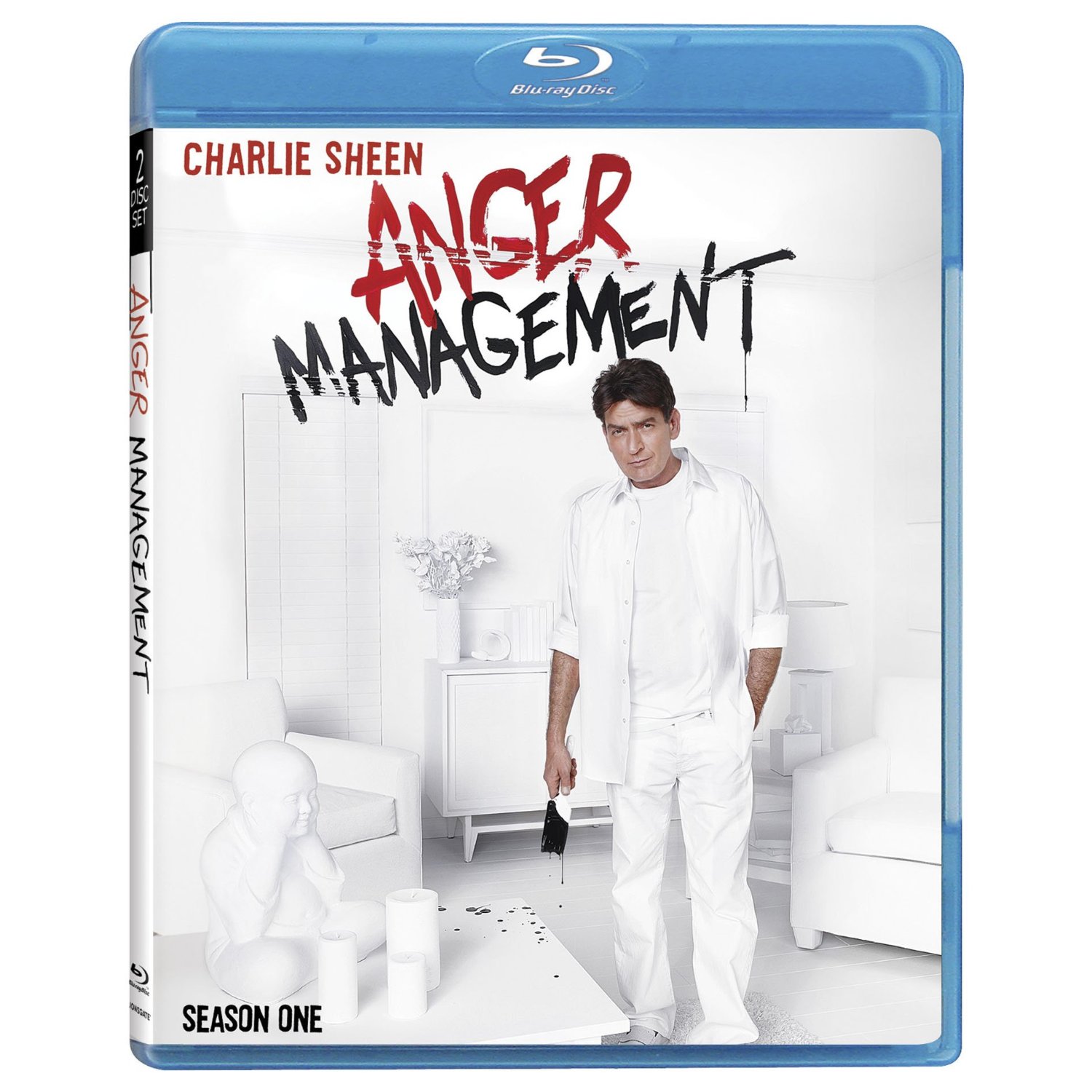
The following sentence is taken directly from the back of the Blu-ray case for Charlie Sheen’s latest small-screen vehicle: “Charlie thrives on the chaos in his life while still battling his own anger issues.” So it’s fair to say FX’s Anger Management isn’t afraid to blur the line between reality and fiction. It’s actually a good move because the latest TV show tailored specifically to Sheen’s talents doesn’t have much else going for it.

Anger Management, created by Bruce Helford (The Drew Carey Show), is loosely based on the 2003 Jack Nicholson/Adam Sandler film of the same name. (And I really can’t emphasize the word “loosely” enough; the only things the two have in common is that one of the characters is an anger management therapist and, um, it features humans.) Sheen stars as Charlie Goodson, activating a little-known clause in his contract that stipulates he can only play people named “Charlie.” In this case, his Charlie is a disgraced former baseball player turned therapist who counsels a motley crew of patients with anger management issues out of his home.

“For every dark, a light. For every foe, a friend. For every question, an answer. For every key, a lock.”

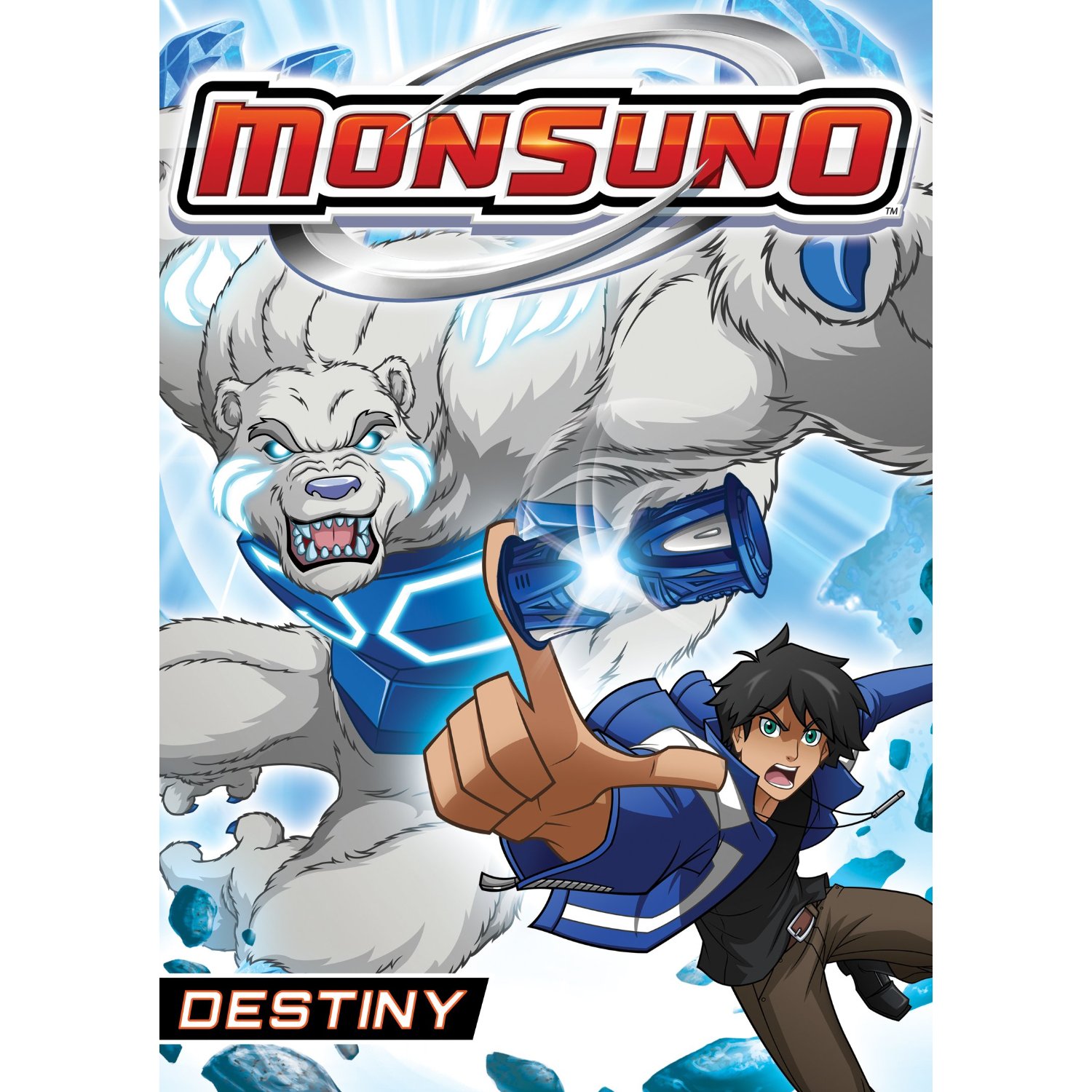
And for every kid-centric animated program, a lucrative line of tie-in toys. Monsuno borrows liberally — the nicest way I know of saying “rips off” — from previous phenomena like Beyblade, Pokemon and Yu-Gi-Oh! Though it primarily exists to help sell derivative trading cards and action figures, the show establishes a surprisingly intriguing world in its first handful of episodes.


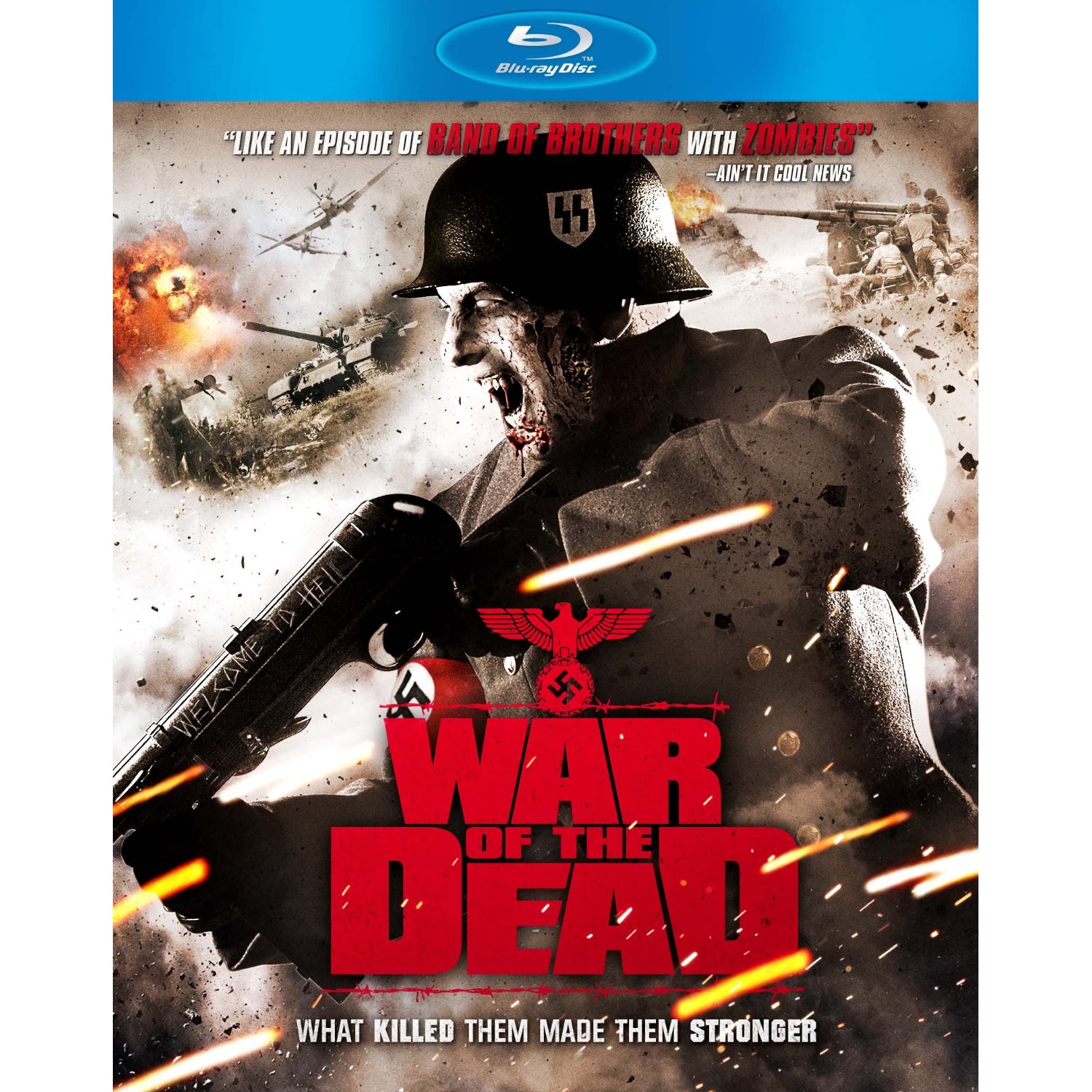
As The Walking Dead continues to smash ratings records (while compulsively changing showrunners, no less) and Summit Entertainment — the studio behind The Twilight Saga — prepares to throw its considerable marketing muscle behind February’s zombie rom-com Warm Bodies, it’s fair to say the shambling undead are having a major pop culture moment. Yes, zombies are hot right now, but a curious subgenre has already endured for many decades: I’m talking about the zombie Nazi movie.

From Shock Waves and Zombie Lake in the 1970s and 80s to recent examples like Dead Snow and this year's Outpost: Black Sun, filmmakers have delighted in mashing up one of history’s most infamous real-life group of monsters with one of cinema’s most popular terrors for decades. Though they’ve been enjoyable to varying degrees, the subgenre is yet to produce a classic film in the vein of George A. Romero’s work or even something that made a notable pop culture impact like Zombieland or Shaun of the Dead. I’m sorry to say War of the Dead won’t be the first.

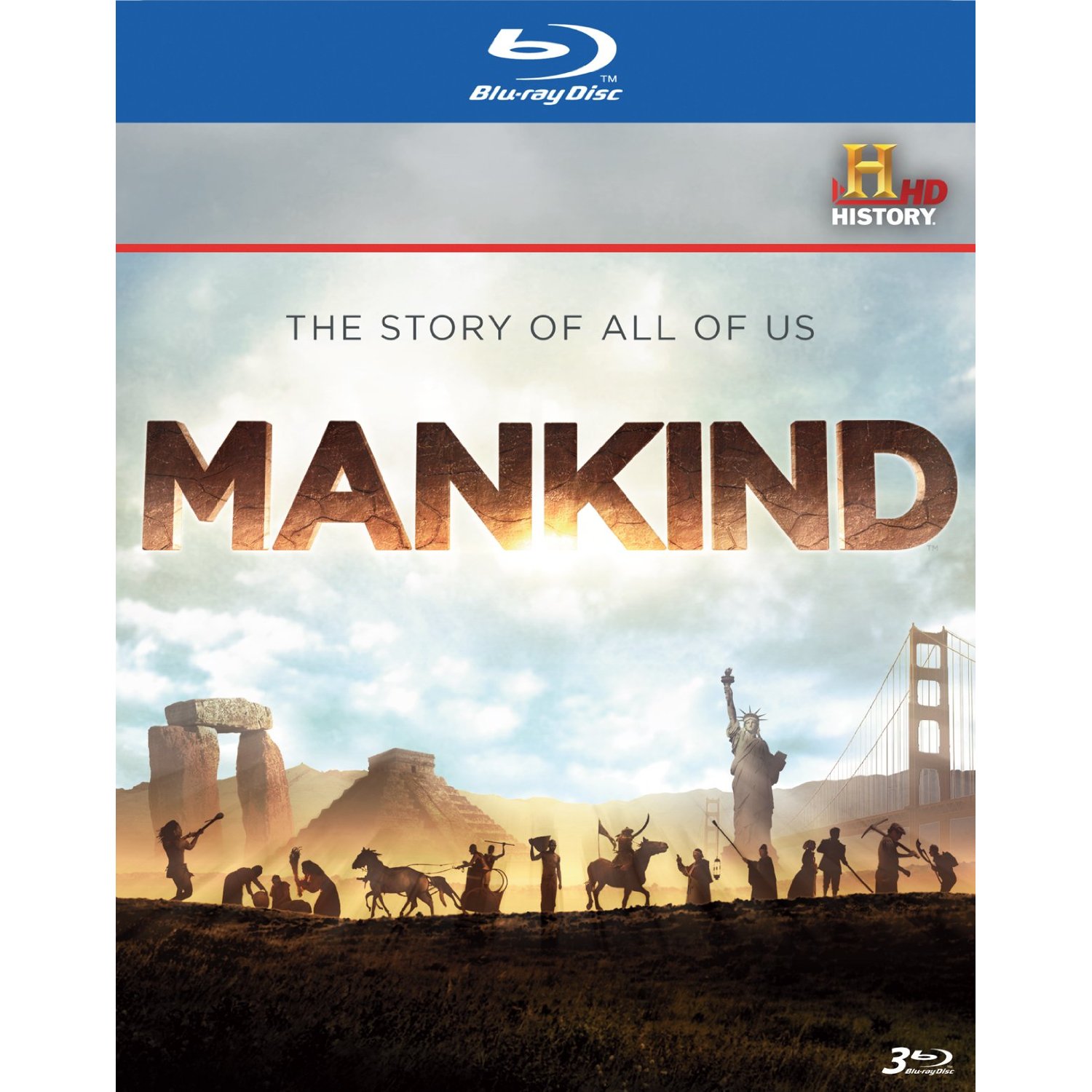
“Amidst the chaos of an unforgiving planet, most species will fail. But for one, all the pieces will fall into place and a set of keys will unlock a path for mankind to triumph. This is our story.”

The only thing missing from that bit of grandiose narration — which opens each episode of this 12-part series — is a Law & Order-style *chung, chung.* Mankind: The Story of All of Us starts with a bang (as in the “Big” one) and proceeds to give us a lively, surprisingly cinematic history lesson.

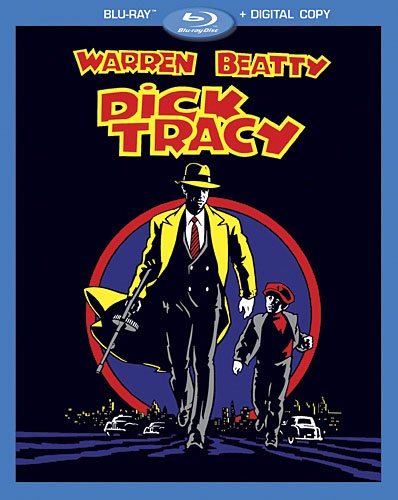
At the turn of the millennium, we seemed to collectively decide that we wanted our heroes to be dark and gritty. The X-Men traded in their yellow spandex for black leather in their first big-screen adventure. Batman went from exchanging quips and painful puns with Mr. Freeze to brooding magnificently for director Christopher Nolan. And Hollywood almost completely stopped making candy-colored spectacles like Dick Tracy.

It’s not difficult to understand why this happened. Though I have a soft spot for pulpy ‘90s period pieces like The Rocketeer, The Shadow and even The Phantom, they didn’t exactly set the box office on fire. The star-studded Dick Tracy was actually the most successful film from this group, grossing over $100 million, earning seven(!) Oscar nominations and winning three of those trophies. However, the fact that Dick Tracy’s closest doppelganger is probably the ultra-violent Sin City — another tale with tough-talking cops and crooks that looks like it was ripped directly from the pages of its source material for the big screen — tells you where moviemaking has gone from then to now.

Even if you managed to catch the little-seen Budz House when it was released on DVD earlier this year, chances are you weren’t exactly begging for more. (At least not if you’re one of my esteemed colleagues.) The cast of the wannabe cult stoner comedy featured a handful of comedians, some of whom have reunited for this hybrid talk show/stand-up special. Although too many of the jokes rely on tired clichés, these live performers seemed infinitely more comfortable in their natural habitat.

The 67-minute special is hosted by actor/comedian Faizon Love, who played a character named (wait for it) Big Shitty in Budz House. We first see Love hanging out in a green room with some of his fellow Budz House actors talking about what they want to do next with their lives. Two female cast members say they want to be Avatars — one blue and one red — while another actor wants actress Danielle E. Hawkins to fart in his face. I realize the previous sentence sounds like something I made up just to see if you’re still paying attention, but I promise you this actually happened. After resisting the strong urge to turn this off after less than two minutes, Love reveals that he’s always wanted to host a talk show. And we’re off!