1080p

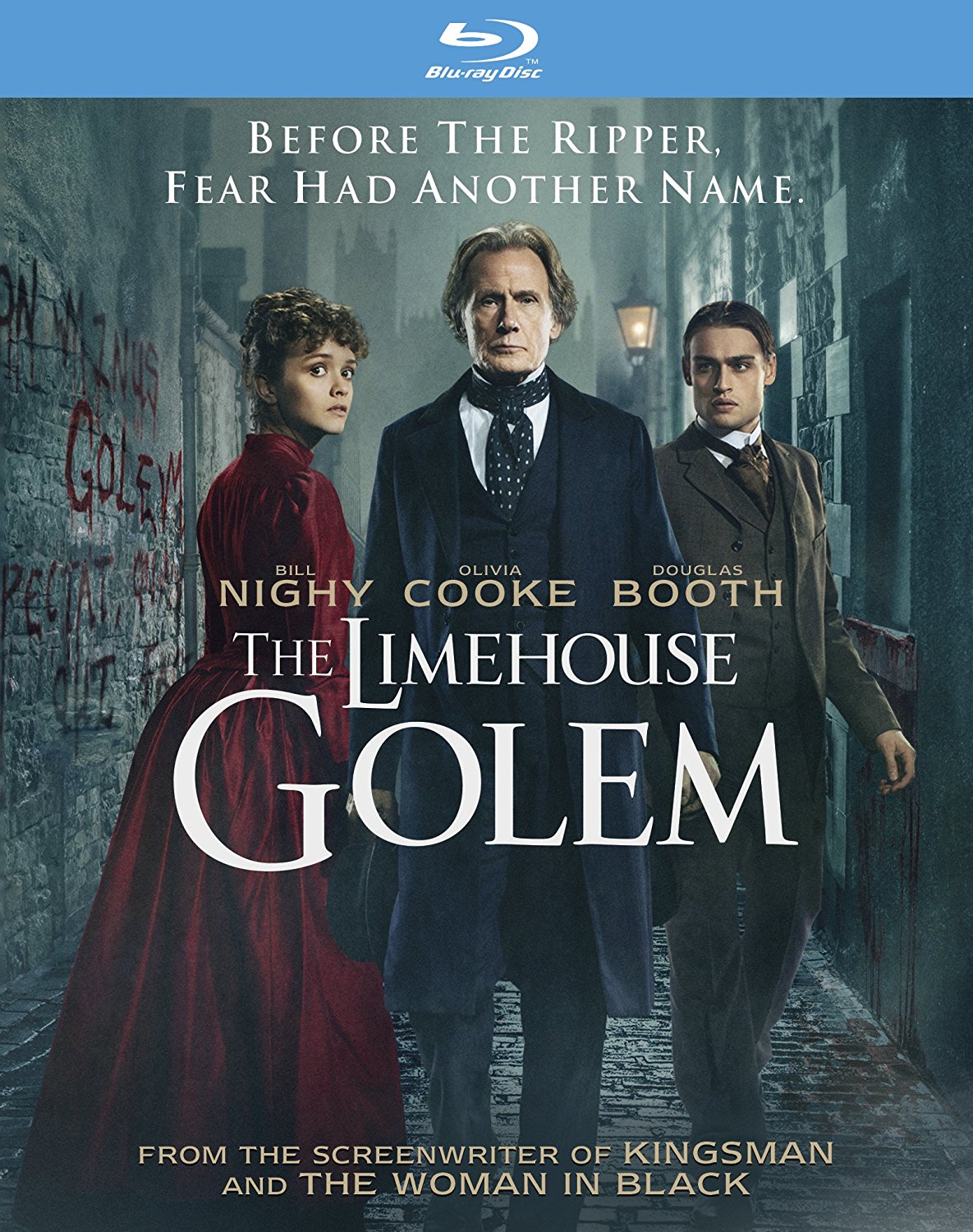
When it comes to Victorian era serial killers, Jack the Ripper is pretty much a household name. Whether you know much about the terror he caused in White Chapel, all these years later you still know the name and what he did. With The Limehouse Golem, the filmmakers create a more sinister serial killer and deliver a Hammer-esque murder mystery.  I’m all for a dark murder mystery, and when a film is channeling other successful films like Seven and From Hell, you’d imagine that you’d be witnessing a terrifying gory spectacle. The result, however, left me frustrated, as the film seems to pull from other films but never quite presents an engaging story to go along with the quirky mix of characters.

When we meet Lizzie (Olivia Cooke), she is being accused of murdering her husband. As the film progresses, we get to see how her story unfolds and her aspirations to be a theatrical star.  Her tale intertwines with the rise of a brutal serial killer who has been terrifying the city of London who has been dubbed The Golem. To attempt to squash rising fears and solve the murders, Inspector Kildare (Bill Nighy) is assigned the case. Kildare is paired with a young detective George Flood (Daniel Mays), who attempts to update Kildare with all the evidence of the case. It seems Flood and his fellow officers were inept in gathering evidence, as Kildare seems to uncover some fairly obvious clues of his own. What ties Lizzie to Kildare is the possibility that she is being charged with murdering Kildare’s prime suspect. All the evidence seems to point to Lizzie’s dead husband, so he goes to her to hear her story. Of course things are more complicated than they originally seem.

Have you ever questioned the nature of your reality.”

As things in our world become exponentially more chaotic and inexplicable by the day, the theory that we're all living in a computer simulation becomes a little harder to completely dismiss. The idea that our reality is an illusion dates back to the 17th century but most recently gained traction thanks to a 2003 paper published by Oxford philosopher Nick Bostrom. It's also been a popular theme in classic sci-fi works like Blade Runner, Total Recall, and The Matrix. To that list, we can now add HBO's Westworld, a slick and star-studded sci-fi/Western mash-up that features the requisite shoot-em-ups and pay cable sexcapades, but is actually most interested in exploring the nature of humanity.

This is quite a step up for the History Channel folks. They've certainly produced a great number of historical dramatizations and documentaries, but nothing they've ever done before compares with this series. We used to review a ton of their stuff here for years, so you know I've liked a lot of the things they've done. But Vikings puts them in a totally new stratosphere. This is historical drama that you've only seen before in the likes of Rome or The Tudors. Of course, there's a very good reason for that. Michael Hirst created the series and is the creative force behind it. He served the same positions on The Tudors. That puts expectations here very high, and the show has met or exceeded them all.
The final moments of the first half of Season 4 takes a many-years jump forward in time. Ragnor (Fimmel) has abdicated his power and has been missing since the failed siege of Paris. Bjorn (Ludwig) has pretty much taken over as leader of the group. His younger sons have now grown into men and of course are now played by different actors. The most significant of these new castings is Alex Hogh as the grown Iver. The actor bears a rather striking resemblance to Travis Fimmel, and Hogh also does a remarkable job of pulling many of Fimmel's nuances into his character. He may not be able to walk, but it's clear that it is Iver who has inhiereted his father's strengths and personality. This is brought out even more when Ragnor suddenly returns. He has plans to return to England and avenge the slaughtered settlement he left there years ago. Bjorn wishes to follow his own path and explore the fabled Mediterranean Sea. Iver is the lone son who wishes to join his absent father. It becomes the end of Ragnor's story and really the beginning of Iver's to some extent.

The series does a pretty good job of bringing the culture and lifestyle of the Viking people to life for us. There is a great effort toward authenticity. That isn't to say that the show claims to be historically accurate. The Vikings were not a literate people. They did not keep a written record of their lives. What is known has been pieced together through artifacts and stories that were handed down orally from generation to generation. It's not even possible to depict the culture with any precision or accuracy. When you watch a film or a series like this, you need to be mindful of the difference between authenticity and accuracy. They are not the same things and shouldn't be confused here. Authenticity means that there's an attempt to portray the world in a faithful way. We're talking costumes, weapons, beliefs, lifestyles and environment. That's not to say that the film is attempting to tell a "true" story. Only one that feels true. Accuracy is intended to educate. This kind of a show is intended to entertain, and the authentic presentation is there to immerse us realistically in the world in order for us to care about the characters and events. The Vikings does this with a sweeping eye toward detail. The world comes alive for us, and we can be swept up in the events.

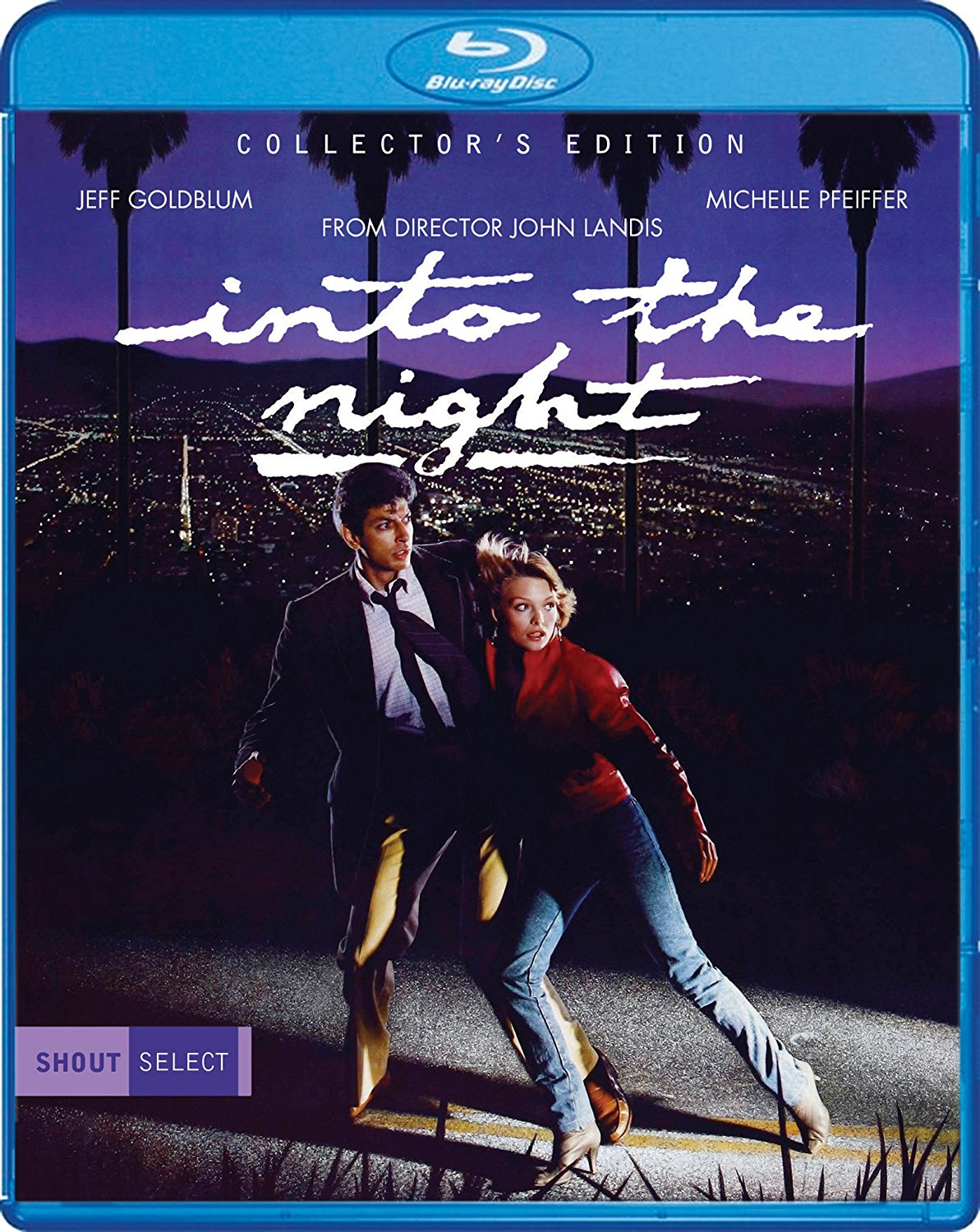
One thing that you can probably surmise about me fairly quickly is that I am a product of the 80's. I still wear Converse shoes when I'm not working. I watch a regular dose of Transformers (first generation, 1984) and my favorite movie is Escape from New York (1981). My wife was even born in the eighties. Probably not the same thing, huh? Anyway, I usually jump at the chance to review an 80's movie and today is no different. The movie is called Into the Night with Jeff Goldblum and Michelle Pfeiffer from 1985. Never heard of it? Surprisingly, me neither. Let's take a look.

A plane touches down on a dark night at LAX, the Los Angeles Airport. A little bluesy up-tempo number by B.B. King fills the speakers. We take a look at a Shell gas station and the local doughnut shop. It's just another night, cars are being towed and Ed Okin (played by Jeff Goldblum) is wide awake laying in bed.

“Here’s how it is: the Earth got used up, so we moved out and terraformed a whole new galaxy of Earths, some rich and flush with the new technologies…some not so much. The Central Planets, thems formed the Alliance…waged war to bring everyone under their rule. A few idiots tried to fight it, among them myself.”

Sound familiar? A crew of scrappy underdogs skirting the edge of the galaxy to avoid an oppressive interplanetary alliance. Exactly 40 years ago, Star Wars used that formula to capture moviegoers’ imaginations, and it is currently being replicated by the uber-popular Guardians of the Galaxy series. But in between those two behemoths there was a little show called Firefly.


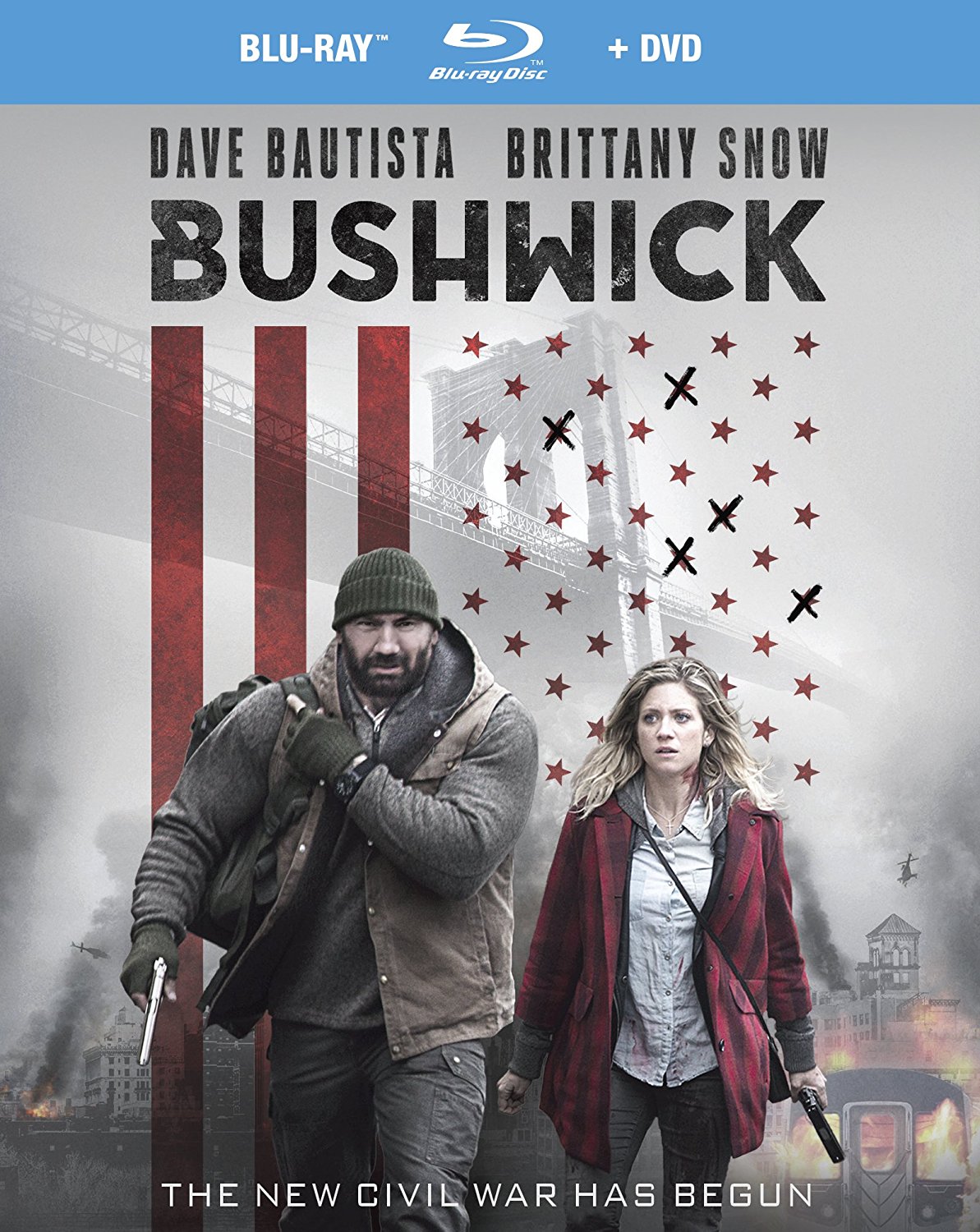
Ever since Birdman was released, it seems many filmmakers have been attempting to pull off the continuous take and outdo all the others.  It was impressive when we all saw it the first time, but since then everything just seems like a bad knockoff.  The newest film to follow this trend is Bushwick.  While the camera work in the film does allow for an immersive experience, honestly it felt like I was in a first-person shooter video game, which was cool, but it seemed like the camera work was a distraction from the story.  This is a frustrating film. On the technical side there is a lot to appreciate, but the moment you start looking at the story, the film seems to simply fall apart.

The film opens up with Lucy (Brittany Snow) coming home from college to visit her family.  What she comes home to is a city at war.  Immediately my question is this: in a time of people being so connected through their cell phones and various social media outlets, how is it Lucy seems to be unaware of what is going on?  We’re supposed to believe this battle just broke out, but so many of the people battling on the streets seem to be all too organized for this to have just occurred.  Why are the streets not packed with cars full of people trying to leave the city? For a while all we see are people shooting at anyone and everyone as Lucy does her best to avoid gunfire and try to reach her grandmother’s house.

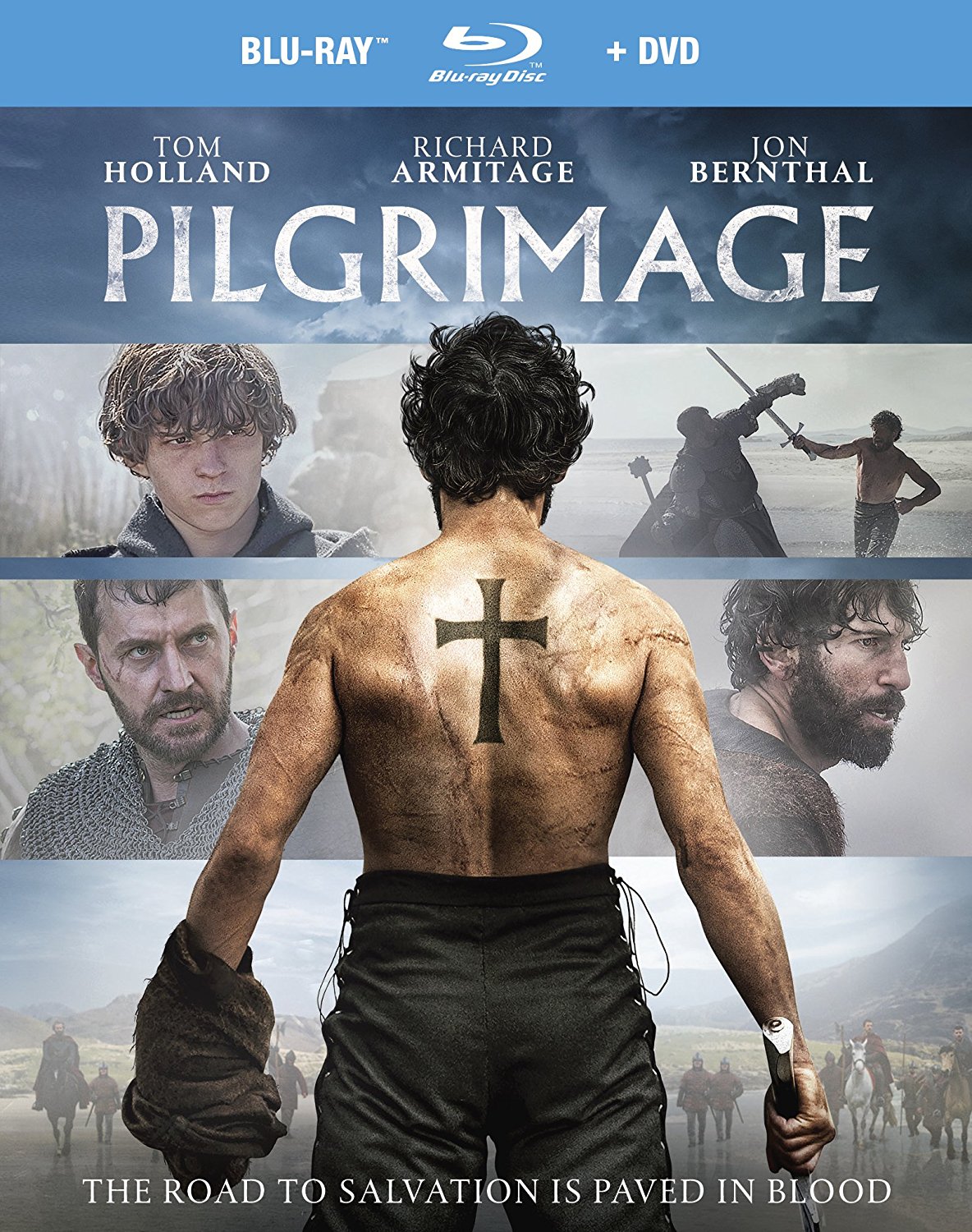
For a gritty historical epic to get the green light these days, it has to have some sort of easy-to-understand hook. (“Hey, it's sexy King Arthur!”) And it seems like enough people complained about the prevalence of PG-13 action movies that it led to the current boom of R-rated sensations — like Deadpool and the John Wick flicks — that gleefully go to extremes. There is absolutely nothing gleeful about Pilgrimage, and the movie doesn't seem all that interested in hooking the masses (significant portions of the film are in French, Irish, and Latin). In other words, the most striking and impressive thing about Pilgrimage is also what can make it feel like somewhat of a slog: this movie is dead serious.

Pilgrimage opens with a brief, violent prologue in Cappadocia, 55 A.D., where an unnamed man is brutally stoned to death. It's a startling, disorienting cold open...and not just because I have no idea where Cappadocia is without the help of Dr. Google. The movie doesn't bother to explain either, but we eventually learn how this opening sequence crucially ties into the main story, which takes place in 1209 A.D. in Ireland. The nation has been torn apart by centuries of tribal warfare and currently faces the growing influence of Norman invaders.

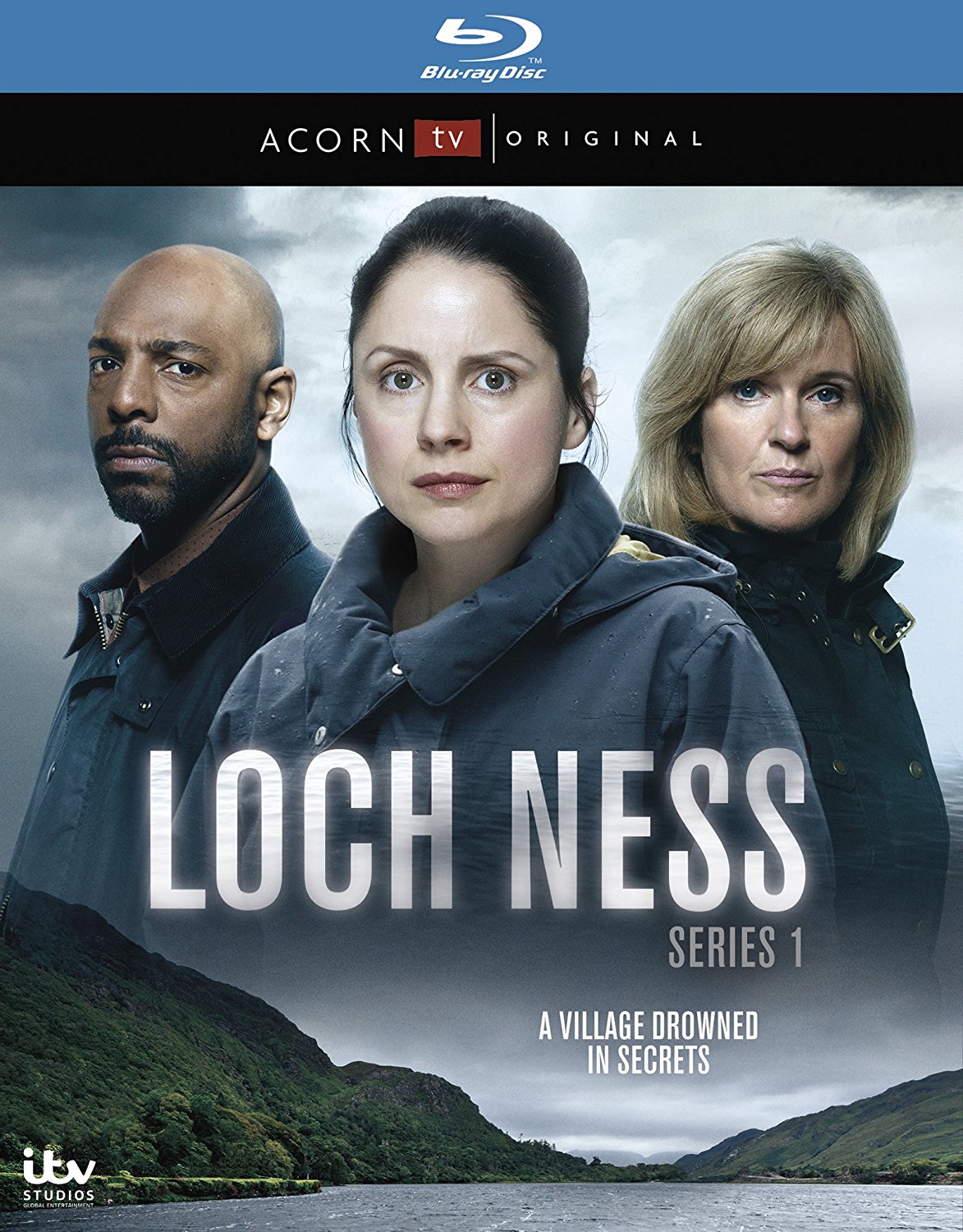
When it comes to hearing the name Loch Ness, just about everyone will think about the giant lake where “Nessie” the mythical monster inhabits. Whether you are a believer or not thousands converge to the Scottish Highlands location in hopes to be one of the lucky ones to catch a peak of the elusive beast. But the Loch Ness I am talking about is a beast of a whole other ilk. Thought the TV series does take place in a small tourist town that thrives on the legend that haunts the cold water, the series instead is about a serial killer that has been unleashed upon the town and given its residents something more to fear other than a giant monster that roams the lake.

A group of friends decide that they want to play a hoax by creating a fake plesiosaur carcass and placing it along the lake shore.  While using fake innards that salvaged from the local slaughter house it is later discovered a human heart managed to somehow get mixed up in the remains.  With a human heart found and no body, this of course sends an uneasy shock-wave through the town. Detective Annie Redford (Laura Fraser) is tasked with leading her first murder investigation in a town that rarely has experienced its share of violence and it doesn’t take long before a body is found (not one that belongs to the missing heart) and it is understood that they have a serial killer on their hands. Investigator Lauren Quigley (Siobhan Finneran) is called in to take lead of the investigation where she also brings criminal psychologist Blake Albrighton (Don Gilet) to assist.

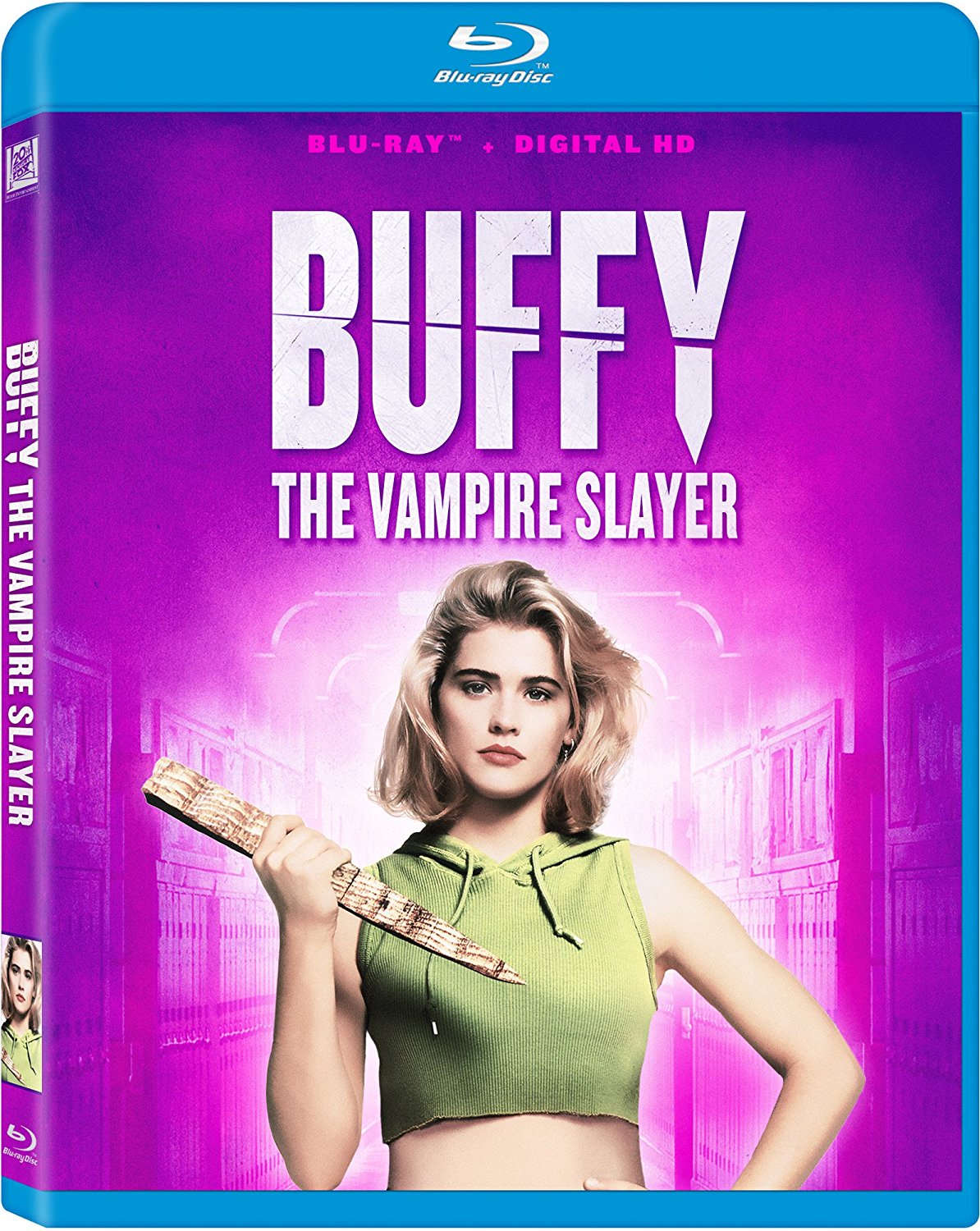
It’s hard to believe it was way back in 1992 when Buffy the Vampire Slayer was first introduced to audiences. It was a title I had missed in the theaters, but I remember picking it up at our local mom-and-pop video store.  With the title being what it was, to go in expecting more than a cheesy horror comedy filled with stakes, fangs, and witty dialog would be on the viewer.  I wasn’t a huge fan of the film when I first saw it. I sort of felt like it was a film that was trying to be Fright Night, but let’s face it, there are very few vampire films that are as cool.  It’s been over two decades since I last visited the film; how does it hold up?  Well, to be honest, it’s grown on me quite a bit.

Kristy Swanson plays Buffy, the vampire slayer that attempts to juggle a social life as a cheerleader while discovering that she is also a vampire slayer.  She’s one of the girls who would fit in perfectly with the girls from Clueless and is the typical 90’s pretty girl, but this film works well at developing an arc that turns her into a badass by the time the closing credits roll.  While she’s more concerned with impressing her friends and trying to stay fashion-forward, we see that vampires are killing off fellow classmates and many others around town.

- “You know what they say...the house always wins.”

- “What if we were the house?”