1080p

It all started back in the early 1960's when Chuck and the late John Panozzo got together with another kid on their Chicago block named Dennis DeYoung and started to play a little music. By 1970 guitarist James "JY" Young joined the band, and they recorded a few minor albums. In 1975 their first hit Lady would put the band on the map, and when Tommy Shaw joined as a singer/writer/guitarist for the Crystal Ball album, the top of the pop charts would be the band's new neighborhood for the better part of a decade. There's little doubt that the band peaked in the late 1970's with The Grand Illusion and Pieces Of Eight. It's amazing how many hit singles came from just two LP's: Come Sail Away, The Grand Illusion, Fooling Yourself (Angry Young Man), Blue Collar Man, Sing For The Day, and Renegade. Recently the band cashed in on those glory years by performing a world tour of those classic albums live and in their entirety.

The band's changed since the albums were released. Dennis DeYoung and Tommy Shaw have both had stints of running the band without the other. Now Dennis is gone, apparently for good, and has been replaced by Laurence Gowan, a Canadian musician who came to my attention over 20 years ago. I have several of his hard-to-find CD's and have loved his music for years. John Panozzo passed away, and his brother Chuck isn't really doing so well these days. Chuck's been replaced by Ricky Phillips on bass. Chuck does make an occasional appearance for a song, but it's sad to say and see that he looks rather worn out. While it was great for the guys to welcome him along, I was bummed by his look and lack of energy. He was an important part of the band, and I would absolutely have loved seeing him back in form. The drums are handled by Todd Sucherman, who replaced John when he became ill.

“High Rise,” the novel written by the late English author J.G. Ballard, was published in 1975. The story follows a diverse group of characters who live in a luxurious skyscraper that features every amenity imaginable. Things are so convenient, in fact, that the tenants gradually become less interested in the outside world. The idea of people becoming increasingly uninterested in the outside world is obviously still relevant more than 40 years later, since many of us prefer to order everything online and only venture outdoors if there's a rare Pokemon to be caught. But while this movie adaptation has its moments of inspired lunacy, it's ultimately too slight and scattershot to leave a lasting impact.

“Living in a high-rise requires a special type of behavior.”

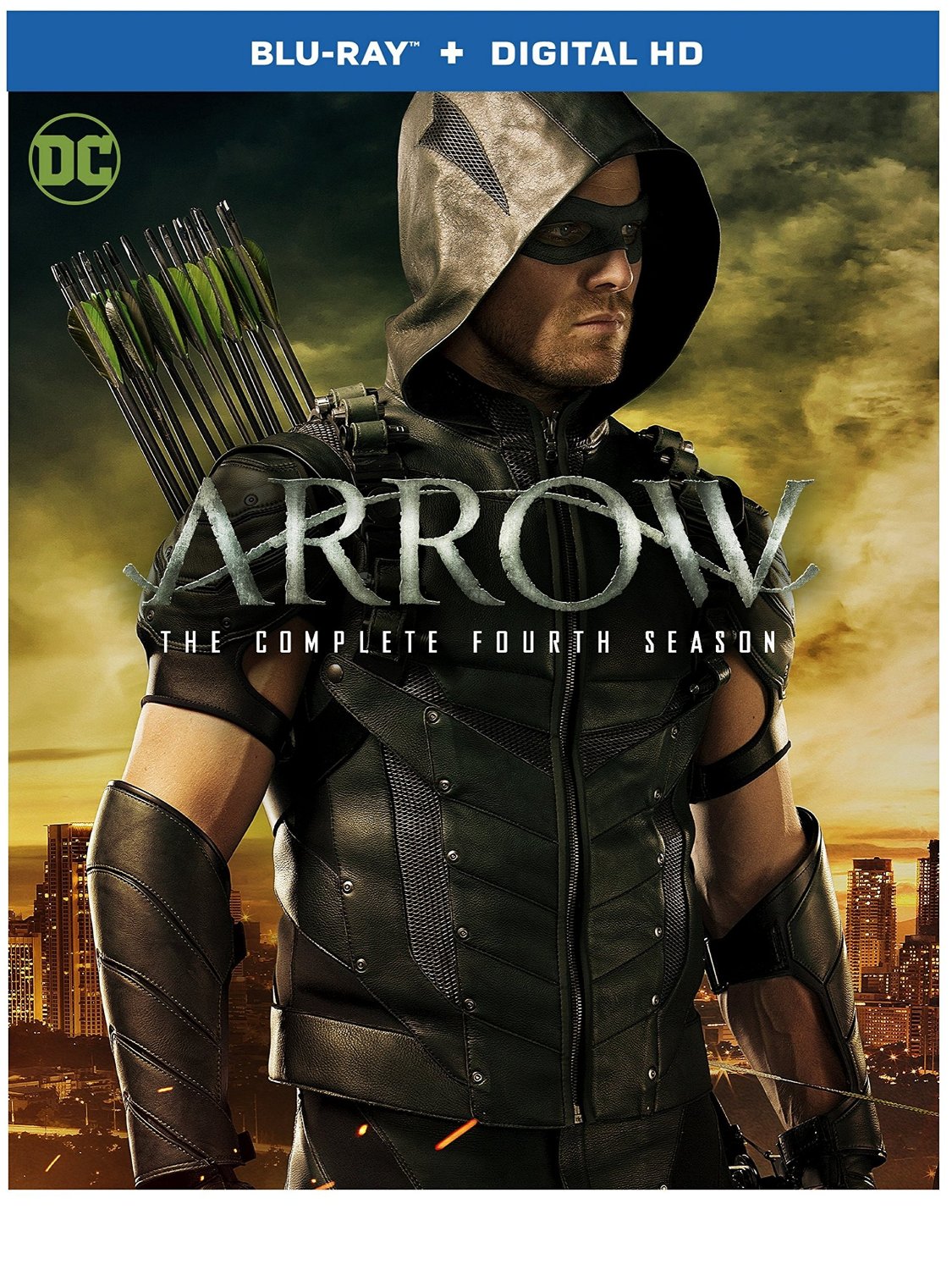
"Six months ago The Arrow died. But what he stood for didn't. It lived on in the heroes who took up his mantle. People who believe that this city should never descend into hopelessness. Who believe although life is full of darkness, that darkness can be defeated by light. And tonight I am declaring my intention to fight with them for this city. To be a symbol of hope that The Arrow never was. I am the Green Arrow."

The first three seasons of Arrow have to almost be considered one large origin story. Oliver Queen finally takes the name that he's used in the comics for decades... The Green Arrow. Not to be confused with the same-colored Hornet or Lantern. Who the heck is this Green Arrow of whom you speak? If that's your first question, you need to go back a couple of grades and catch up with the rest of us. The comics are good place to begin, but the television universe is its own place and not tied so tightly to the DC comic book universe. Your best place to go to catch up would be the first three seasons. It'll be worth the effort, and I can get you started with those reviews found Here.

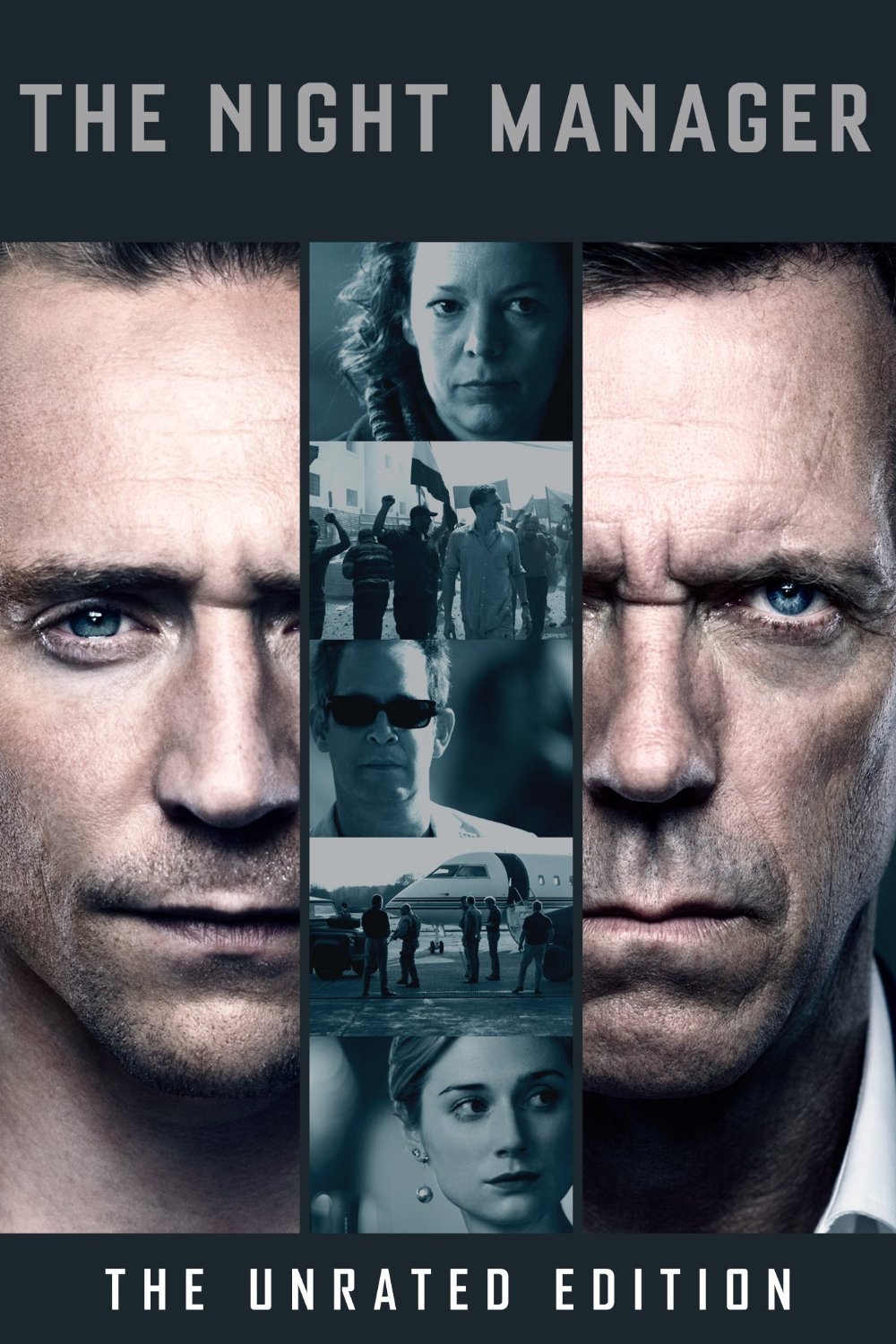
“Anyone can betray anyone.”

The word “spy” tends to conjure images of international intrigue and attractive people getting into exotic adventures. But don't blame John le Carre. Despite being one of the most successful and prolific spy novelists of the past century, le Carre's stories tend to be aggressively un-sexy, morally murky tales that focus on the psychological toll of intelligence work. That's why it's interesting to find that The Night Manager — a British miniseries that also aired on AMC — manages to straddle both sides of the spy fiction fence.

I wouldn’t go so far as to say that I have a fear of clowns, but more of the people beneath the paint. I’m not sure if anyone has recently seen in the news, but there are reports of people dressing up as clowns behind an apartment complex in South Carolina attempting to lure children into the woods.  First off I immediately think this is a prank, but also there is the side of me that is curious as to there being something more sinister at play; after all, it seems like a good start to a horror film. Going back through my childhood, I can’t think of any one moment that caused me to despise clowns, but I do remember a trip to Circus World that left me convinced all the clowns there were bad.  Yes, I know this fear/hatred is unwarranted if not an overdramatic response from my imagination; after all, I do have an extreme phobia of the Amish that I have trouble coming to terms with.  So when Clown was up for grabs to review, I figured this could be a fun experience to sort of face my fear. Well, let me just say (gulp) it didn’t work out so well.

Kent (Andy Powers) is a dad who just wants to see his son have a happy birthday, so when the clown scheduled to appear at the party fails to show up, Kent decides to improvise.  After finding an old clown suit that was hidden inside his new home, he does what any dad would do to save the day.  He suits up and puts on a show for the kids.  Just one tiny problem; after the show when he attempts to take off the suit, it won’t budge.  At first family and friends just believe this is no more than a silly joke, that is until Kent asks his wife, Meg (Laura Allen) to help with removing the suit.  Already Kent has accumulated a series of injuries while using several sharp instruments to remove the suit, but when Meg ends up ripping off the tip of his nose when attempting to remove the red ball at the end, well, things only grow more intense from here on.

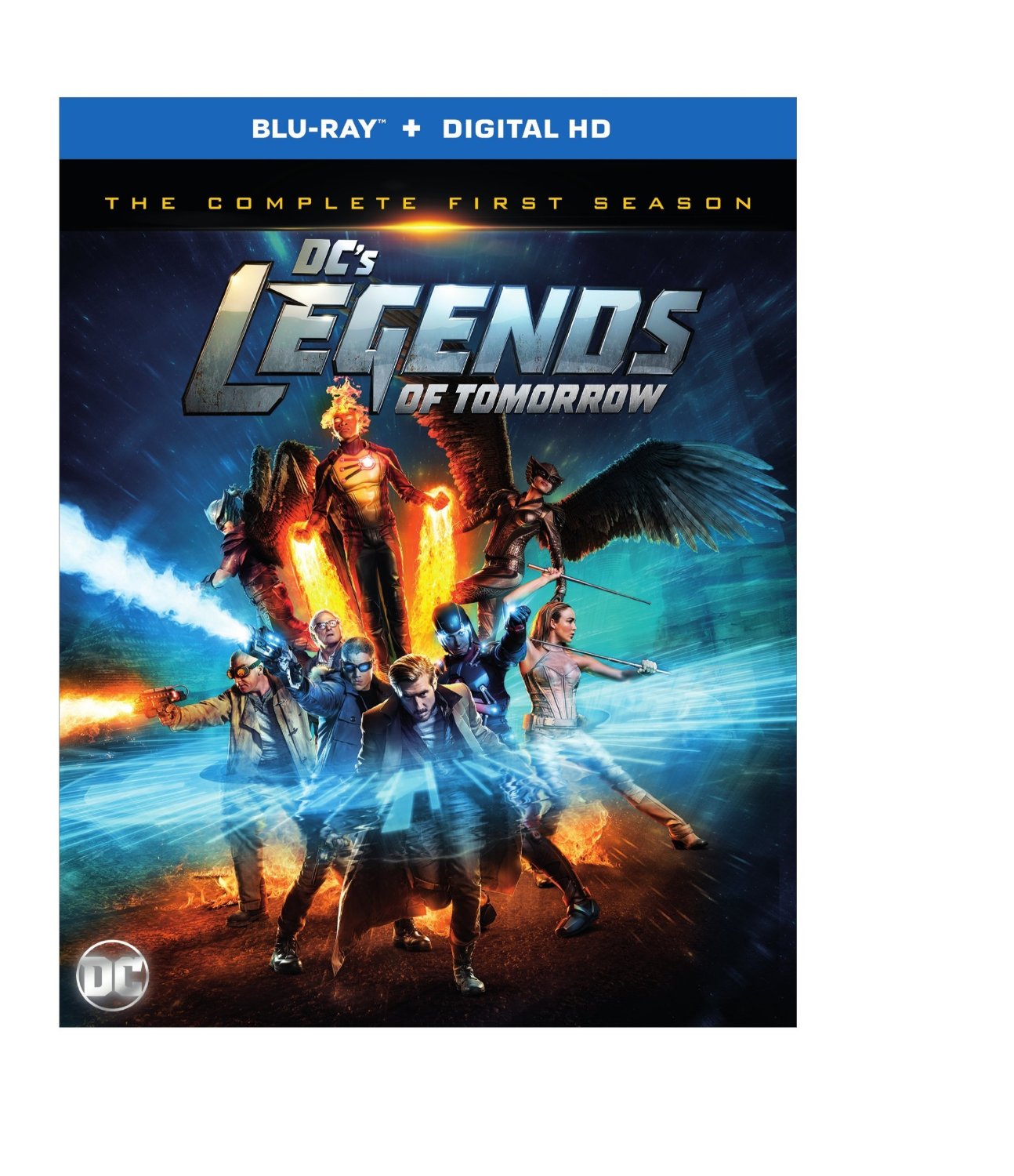
"In 2166 an immortal tyrant named Vandal Savage conquered the world and murdered my wife and child. I've assembled an elite team to hunt him throughout time and stop his rise to power. Unfortunately, my plan was opposed by the body I had sworn my allegiance to: The Time Masters. In the future my friends might not be heroes, but if we succeed, they will be remembered as legends." 

Marvel may have beaten DC to the superhero team-up film. But while Marvel continues to blow away the DC filmatic universe, DC has had its best and most brilliant successes here on television. DC Legends of Tomorrow is pretty much the first television comic book team-up, and it's a direct spinoff from both Arrow and The Flash shows. In fact, Warner should have delayed this release until after those shows showed up at your video store. It's in the early episodes of The Flash, and particularly Arrow, that this show has its setup. That works out even more crucially as the end of this 16-episode season leads directly into the season finale for Arrow, creating a bit of a spoiler alert if you haven't watched those shows.

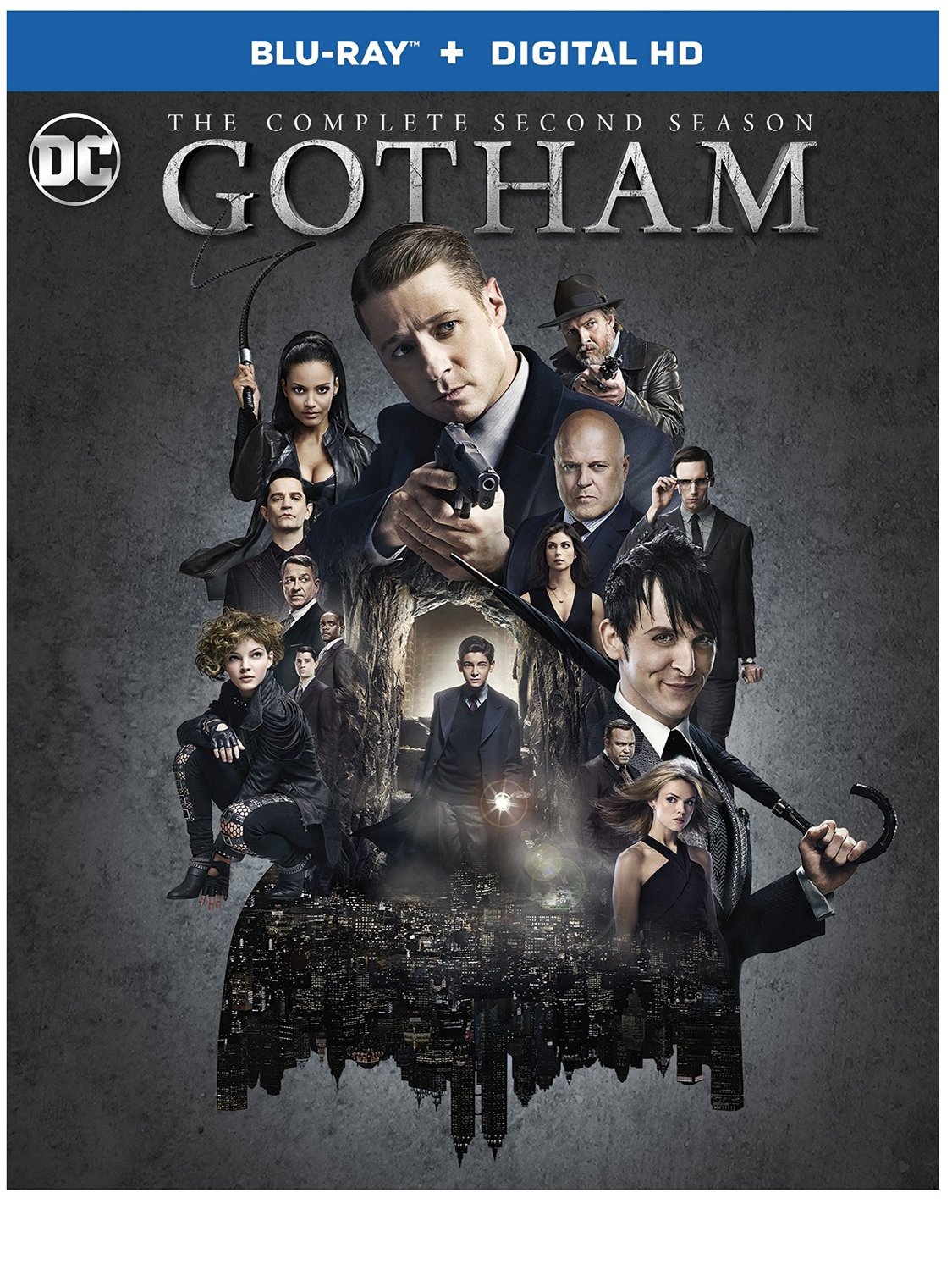
"The bad guys in this town are changing. They're not playing by the old rules, or any rules. We need every measure at our disposal, and I'm not just talking more guns..."

The first season of Gotham was pretty much a straight criminal story told in a film noir environment where just a hint of the future comic book heroics is uncovered. The bad guys were pretty much standard mob guys. Were they eccentric? Yes. There were really no meta-humans or gadgets to speak of. This season we get a flood of the more familiar kinds of villains you know so well from this universe.

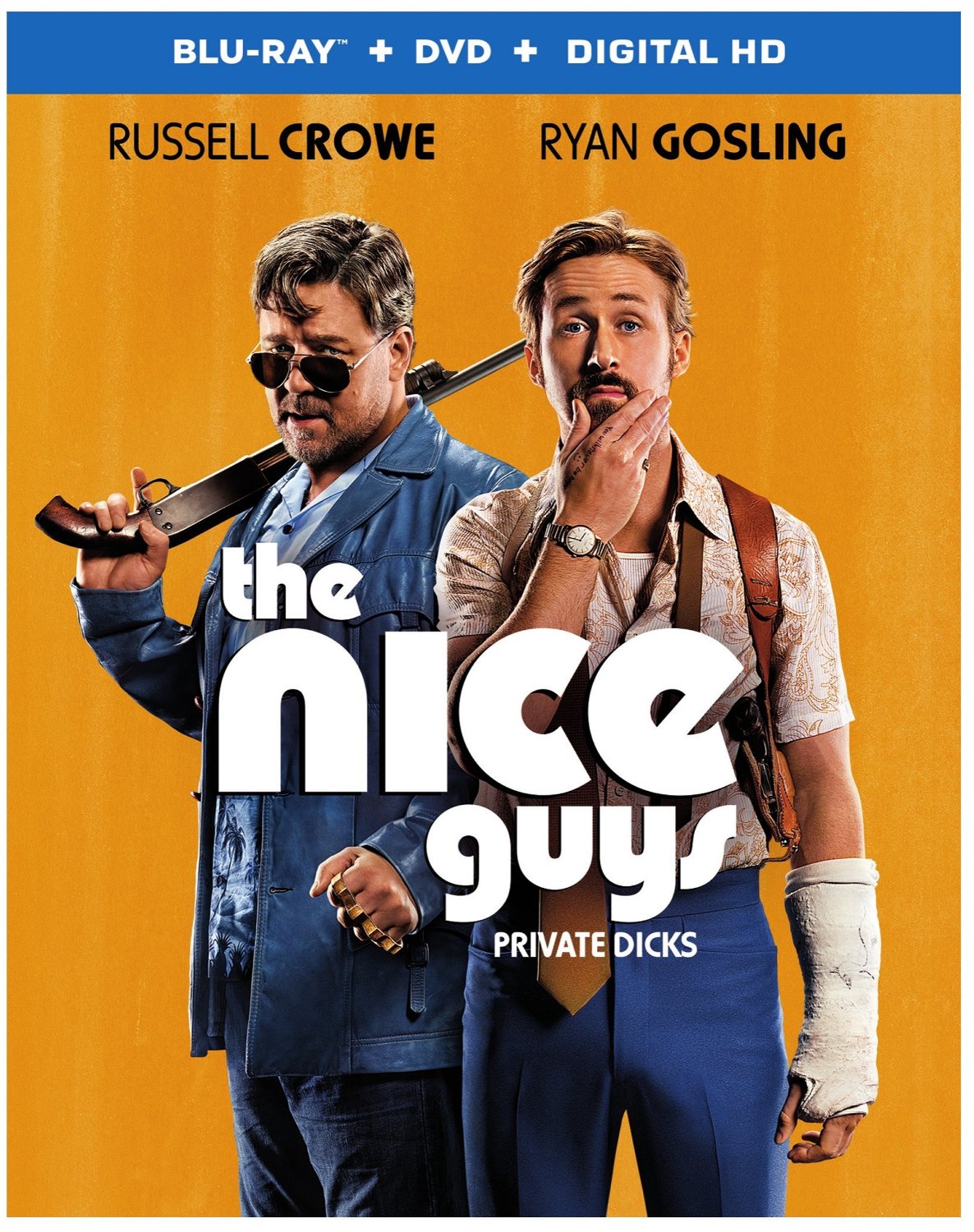
Writer/Director Shane Black (Lethal Weapon, Iron Man 3) has a way of writing flawed characters who manage to leave more lasting impressions than the films they populate. But where he shines is when he can thrust these flawed individuals into the confines of a detective story.  Most people grew their fondness for Black and his quick-witted dialog when he first penned Lethal Weapon, but for me it goes back to The Monster Squad and The Last Boy Scout, where I found myself becoming a fan even in my early years of film watching.  So is the fanboy in me excited to see what Black brings to the table this time around?  You betcha. In a summer popcorn season filled with comic book movies, sequels, and other films targeting the teenage demographic, it’s nice to have an action film that harkens back to the good old days (the 80’s and early 90’s) for a fun comedy/action romp that has a foul-mouthed edge.

It’s 1977 Los Angeles, where the headlines at the time were filled with the dangers of all the smog in the air.  This is the backdrop to the story that kicks off with the mysterious death of a famous porn star, Misty Mountains (Murielle Telio). Despite all the headlines, her mother refuses to believe she’s dead, so she’s hired Holland March (Ryan Gosling) to find out what really happened to her precious little girl.  Working on a case of his own, Jackson Healy (Russel Crowe) is a muscle for hire who is put on a job to help a young girl, Amelia (Margaret Qualley) get rid of some men who are after her.  It doesn’t take long before both March and Healy find themselves working together, as their cases seem to be connected.

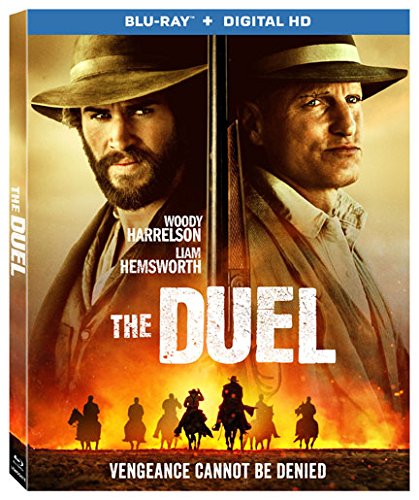
You're about to witness a Helena duel...a most noble affair of character and honor.”

A “Helena duel” is also a brutal, bloody ritual where two combatants are joined at the wrist before engaging in a knife fight to the death. That combination of genteelness and barbarity is at the heart of The Duel, a Texas-set Western that reaches for grandiosity and doesn't quite get there, but is nevertheless thoroughly entertaining.

"This is the law of the jungle..."

Disney appears to have a law that all of its classic cartoon features must now be made into live-action films. As I've mentioned in my review of the original classic The Jungle Book, the animated feature was the end of an important era at Walt Disney Studios. It was released about a year after Walt's death and was the last film he supervised from beginning to end. In the wake of Walt's death the studio experienced a sharp turnover and complete retooling of the animation department. With only the nine old men to carry the traditions of Walt into the future, The Jungle Book would forever mark a distinct milestone in the history of animated feature films.