Disc Type

To live is to consume.”

Sometimes it feels like we’ve already consumed every conceivable type of Hollywood blockbuster. Besides movies adapted from comic books or, um, older movies, we’ve gotten mega-budget films based on board games and theme park rides. And that’s why I was so excited and intrigued by Jupiter Ascending, especially when The Wachowskis’ nutso space opera was slated to hit theaters during what seemed like a particularly sequel-heavy summer of 2014. The movie, in theory, represented a wholly original vision. Instead, the messy, unnecessarily dense Jupiter Ascending is Star Wars. It’s also The Matrix, The Princess Diaries, Flash Gordon, and even a little Soylent Green.

“Bad boys, bad boys whatcha gonna do? Whatcha gonna do when they come for you?
Bad boys, bad boys whatcha gonna do? Whatcha gonna do when they come for you?”

There are some television series that just have a catchy theme song; COPS is one of those shows. I don’t know what it is, but every time I hear mention of the show, I automatically hear the theme song in my head. I know I can’t be alone in that category; come on, show of hands, how many people hear the theme song in their head or feel compelled to sing it out loud at the mere mention of the show? Yes, yes, I am aware I can’t see any of you; just a bit of fun. So my latest title, COPS Wildest Chases by definition is supposed to deliver the wildest, craziest, most insane chases of one the longest running reality television series in history. On that score, I must admit my disappointment, as the chases that I witnessed in no way lived up to that hype.

So going in I was anticipating a bunch of wild car chases on freeways and interstates culminating in carnage from vehicle wipeouts; what I got was mainly foot chases that in truth didn’t last long. I am aware of the dangerous precedent set by assuming; however, when something is titled Wildest Chases, it should be safe to assume that you can expect at the very least a couple of death-defying stunts, right? I suppose on the one hand this can allow certain people to sleep well at night, because these chases illustrate how good law enforcement is at catching their perpetrators, or how unskillful your usual  perpetrators are at getting away (either should provide some level of comfort).

“Man, you are everything I’d hoped for…right down to the hat.”

For six stellar seasons, Justified went about its business in a manner similar to that of its slyly laconic, incorruptible hero Raylan Givens. The key word in that last sentence is “hero.” Justified premiered in the midst of the supposed new Golden Age of Television, which was largely defined by antiheroes like Tony Soprano, Dexter Morgan, and Walter White. Another one of those antiheroes — Mad Men’s Don Draper — recently signed off with a lot more fanfare than Justified got for its excellent last hurrah.

Three-time widower Ben Cartwright  (Greene) runs his famous Ponderosa Ranch with the aid of his three grown sons from three different mothers. There’s Little Joe (Landon), Adam (Roberts) and Hoss (Blocker). Set some time in the mid 1800’s, this long-running series followed the family’s many exploits. In the late 1950’s, westerns accounted for six of the top ten programs on TV. Only Gunsmoke had a longer run than Bonanza. From 1959 to 1973, Ben Cartwright and his boys rode across the small screen. Years later in syndication the series re-emerged as Ponderosa, and a handful of TV movies continued the tale into the 90’s.We never have grown tired of the genre that gave us such heroes as John Wayne and Clint Eastwood.

Unlike many of the 1960's Western television shows, Bonanza was all about the characters. You rarely saw a gunfight. There was often a bit of fisticuffs, but usually it ended with a lesson that violence never pays. The show prided itself on using the Western genre to deliver a family kind of show, and it's no surprise that series star Michael Landon would use many of the same kinds of stories and lessons on his own Little House On The Prairie. The Cartwrights are always helping widows, the wrongly accused, and the local Indian population. That help often lands them in hot water.

Until recently DirecTV's Audience Network was a home for critically-acclaimed shows that somehow lost their feet on another network. It started with Friday Night Lights and more recently Damages. So DirecTV was no stranger to original series production. Now for the very first time the satellite carrier and network have developed their own television series. Rogue would be the first show on the network not to have played somewhere else first. The effort is a collaboration with eOne and Greenhouse Entertainment. From the first ten episodes of the first season, you can bet it's a pretty wild ride and a relatively strong start.

Grace Travis (Newton) is taking a break from undercover work. If you saw season one, you can understand why. If you haven't, you can certainly watch this season. It's stand-alone enough to have everything you need. You will get a lot more out of the story by starting with the first season. Now Grace is part of an FBI task force. The head of the task force is Elliott (Evans). Of course, he's not revealing the true nature of the operation. It appears to be a prostitution sting, but there's a lot more going on with the powers that be. His second in command is Marlene (Roth). She has had a shaky past and is on her last strike with the FBI. The two have also had a romantic past that could get in the way. Grace is the handler for an undercover agent, Sarah (Palladino). In the season's first episode she is sent into a dangerous situation and ends up missing after a frantic cell message for help and a bloody crime scene left behind with the investigation subject dead.

by Dustin P. Anderson

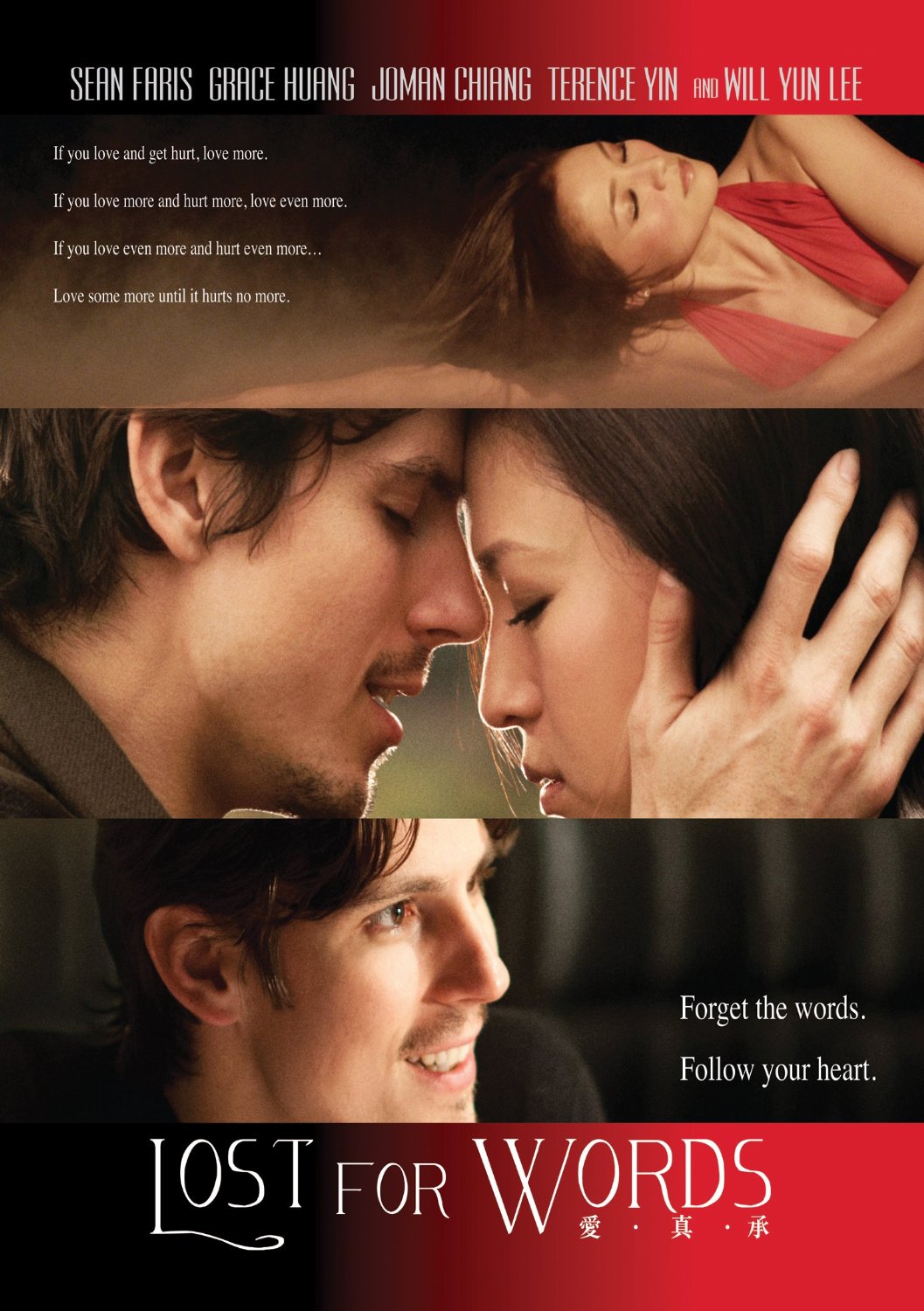
Our story follows Sara, a woman who was blinded due to an encounter with a suicide bomber during a tour with the army as a photo journalist. We meet her after she has been blind for three years, and she has met a rich man who has seemingly gained his wealth through investments. After going out for champagne, she comes home to find her boyfriend killed and a man waiting for her with a knife. When the man’s partner comes, it is revealed that her boyfriend made his wealth as a thief and has stolen something precious from the two men who are holding Sara hostage: diamonds. The men must try to get the information they need from Sara, and she must do what she can to stay alive during their encounter.

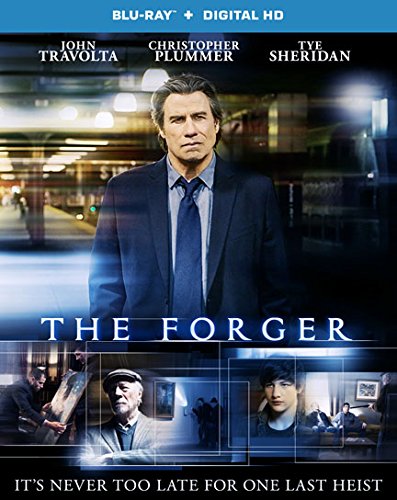
“That’s what you get when you hire a con man.”

As much fun as it is to watch clever, cagey characters try to outsmart one another on screen, the real appeal of movies about con artists is watching filmmakers try to pull the wool over the audience’s eye. It’s an especially tricky proposition when you consider that — thanks to the Internet — moviegoers might be more sophisticated than ever in terms of knowing how movies are supposed to work. (Or at least *thinking* they know how movies are supposed to work.)

The town of McFarland, California is North of Los Angeles and South of San Jose. More specifically, it is near Bakersfield and not too far south of Fresno. San Diego is practically spitting distance from Tijuana. I say this because much of California is alien to me. The movie McFarland, USA is about delving into the realities of California. Forget that this is a feel-good sports movie for a minute. This is a movie about the Latino experience from a true story about a coach from 1987, but the film updates some of the changes that have taken place since then. Today Latinos make up 39% of the population of California, making them the largest segment of California society. It is no secret that the trends toward America becoming predominantly Latino are still a ways off, but very real. The point is that America is changing, so get used to it. We are all Americans.

This film is very positive and inspiring, but often in ways that are unexpected. It is about how we can find value in the most unexpected places, and the new America is just as proud and strong. It is about hard-working people who are among the poorest in the country who can been seen as a reserve of unexpected strength.

One thing one can be sure of is that there wasn't before him an Orson, and there'll never be a second.”

This year (May 6, to be exact) marks what would've been Orson Welles' 100th birthday. To celebrate, filmmaker Chuck Workman has made a charming documentary with a title as grandiose as its subject. Magician: The Astonishing Life & Work of Orson Welles is a thoroughly entertaining — if somewhat superficial — survey of one of the 20th century's greatest showmen.

by Dustin P. Anderson

I have never been more confused as to what constitutes a spoiler in a movie. I am going to attempt to give the best synopsis I can here, but just know, I was extremely confused throughout this entire movie. We follow two movie studio workers as they watch one of the movies their studio is set to release. The two add dialog (a la Mystery Science Theater 3000) to the film, and we follow their story as well. I was supremely disappointed when I started watching this movie. There was nothing that led me to believe that this movie was going to be a comedy; I would assume that this “surprise” was the intention of the makers, but it ultimately left me confused throughout the entire movie. I had to keep going back and forth, from the menu screen of the DVD to the movie itself to make sure I was watching the correct movie, and not an extra. After I triple-checked that I was watching the right movie, I started to try to pay attention to what was going on in it. What I figured out is that this movie failed on almost every conceivable level. Some actual funny lines of dialog save it from being the worst movie I have ever seen, but it really tried to get to that top spot in my mind. For starters, the characters are written in like they were thought of last-minute. You can’t follow any sense of storyline, in either the “horror movie” or the comedy part. Everything seems like it was rushed to production, or that they were trying to save an already sinking ship.