Drama

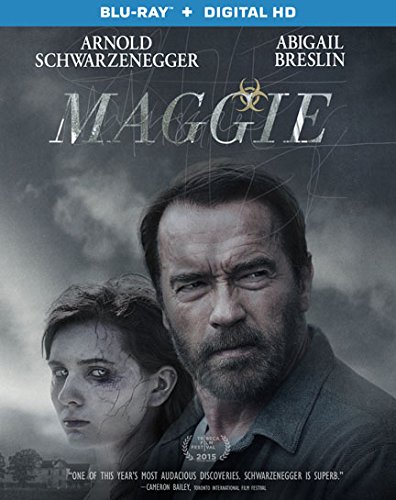
Maggie is a slow zombie movie. You might assume I'm describing where this film falls on the fast zombie vs. slow zombie spectrum. (For the record, the monsters in Maggie do move at a decidedly deliberate pace.) However, the deliberate pace also applies to the way first-time director Henry Hobson unfurls his story in this bleak zombie drama. Everybody in this film — including a playing-against-type Arnold Schwarzenegger — shuffles and lumbers their way through their lives, whether or not they've been infected with a lethal virus. In other words, this is pretty much the last thing you'd expect from a movie that has both Schwarzenegger and zombies...and that's a big reason of why I dig it.

The action picks up a few months after the worldwide outbreak of the Necroambulist virus. I find this to be a curious and interesting time to check in on a global catastrophe. (Think 28 Weeks Later.) Most films either dramatize this sort outbreak as it's happening and our heroes try to prevent it, or they are post-apocalyptic stories that don't begin until well after the world has been laid to waste. As a result, Maggie can probably be best described as “mid-apocalyptic.”

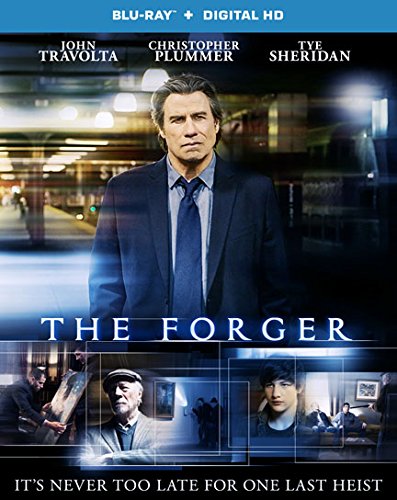
It honestly took me a while to get over the opening shot of The Forger. The shot itself is rather unremarkable: it's a simple close-up of star John Travolta sitting in a small room by himself and staring straight ahead. But between his ridiculously obvious wig and the waxy texture of his face — the actor now looks like he's wearing a Michael Myers-style “John Travolta” mask — I knew it was going to be pretty difficult to take him seriously, no matter who or what was playing. It's a shame because there's actually a pretty decent family drama to be found within The Forger.

Turns out Travolta is playing Ray Cutter, a Boston-based, world-class art forger who has 10 months remaining on a five-year prison sentence. With the light at the end of the tunnel in sight, Ray suddenly decides 10 months is too long to wait, so he makes a deal with local crime boss Keegan (Anson Mount) to pay off a judge and get out of prison early. In exchange, Keegan forces Ray to forge Claude Monet's “Woman with a Parasol”, steal the real thing from a local museum, and replace it with the forgery. So why would Ray indebt himself to a volatile mobster instead of merely serving out the rest of his sentence?

“Jihadists are people too!” That’s probably the big, blinking takeaway from Timbuktu, director Abderrahmane Sissako’s Oscar-nominated drama about the occupation of the titular city by extreme Islamists. But it’s also the most reductive possible interpretation of a film that doesn’t shy away from portraying some of the beauty in thoroughly ugly circumstances. More importantly, Timbuktu tells a volatile story with tremendous grace.

“Here, in Timbuktu, he who dedicates himself to religion uses his head and not his weapons.”

“We’re not in the middle of the third act. We just got to the end of the first.”

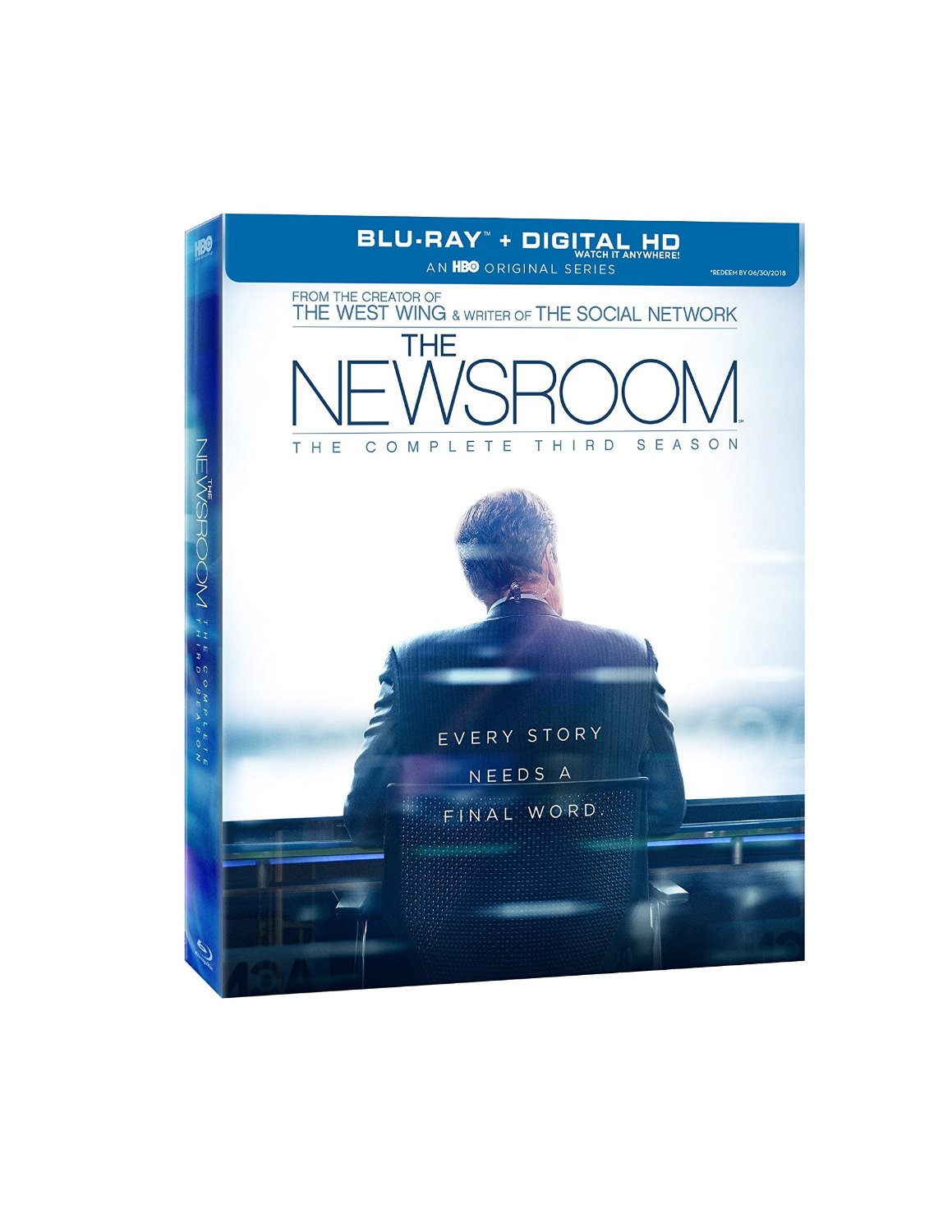
Aaron Sorkin almost definitely knew The Newsroom had been simultaneously renewed for a third season and canceled when he wrote those words, which come at the end of the season 3 premiere. It’s a winking and bittersweet bit of writing for a show that seemingly infuriated as many more people than it delighted over the course of 25 episodes. (Which apparently amounts to a single season of Pretty Little Liars.) So how else would you expect The Newsroom to go out than with moments of singular brilliance mixed in with a few controversial bangs?

“Tell everyone to get ready.  Jimmy is coming.” 

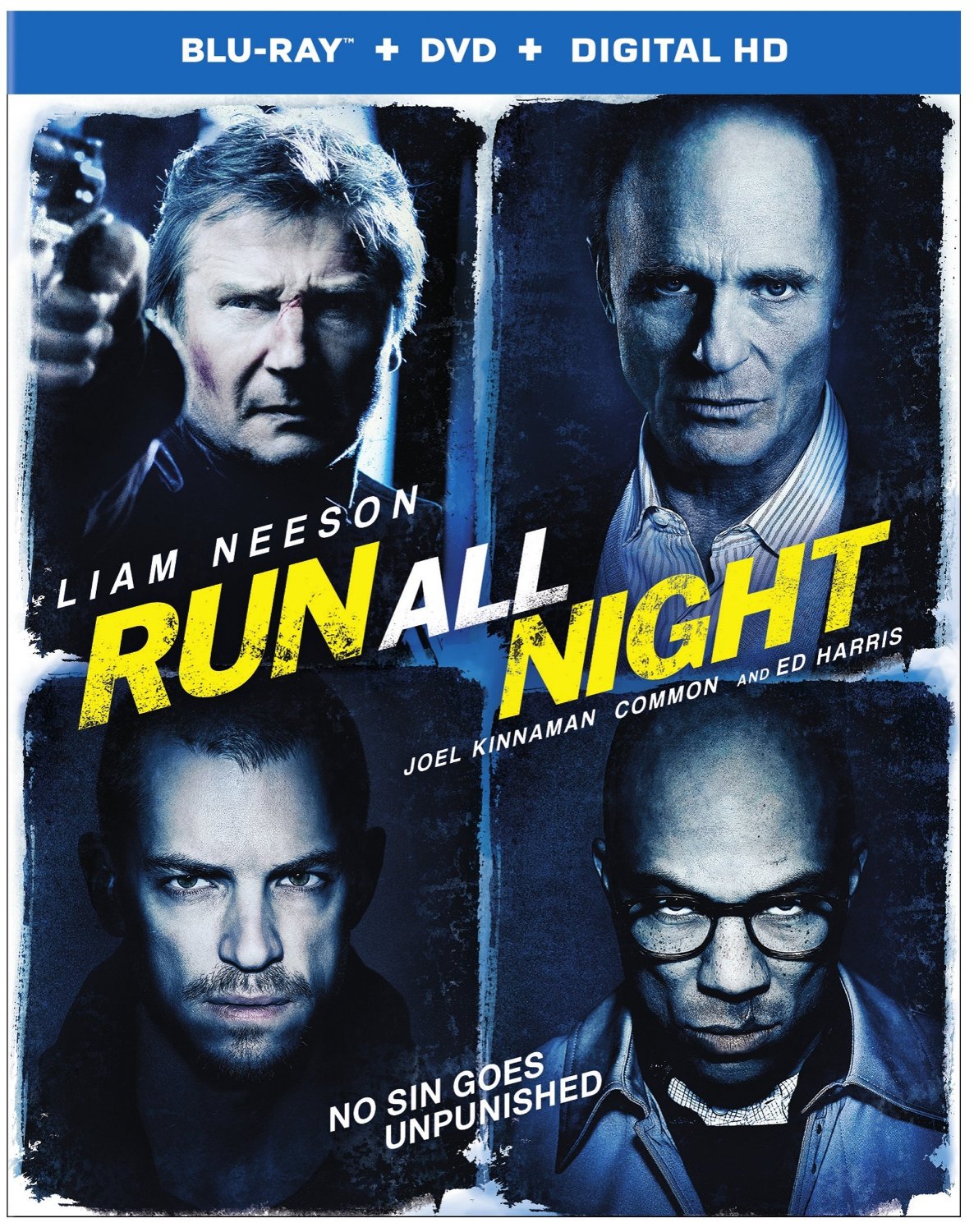
If someone were to tell me while walking out of Schindler’s List that 20 years later Liam Neeson would be an action star, I would have thought they were out of their mind.  Between the trio of Taken films and numerous films that seem to be cut from the same ilk, Liam Neeson seems to be walking in the same footsteps as Charles Bronson and Clint Eastwood as being the go-to everyman who just so happens to be a badass with or without a gun.  It’s that odd bit of typecasting that in many ways hurts Run All Night; after all, the trailers give us the vibe that this is nothing more than am action film where yet again his family is in peril, when really it has so much more going for it.

"Some things stay the same. I mean the gamer is the game."

Stop me if you've heard this one before. A newspaper reporter and a cop go into a bar... It sounds like a setup for a pretty lame joke. It's actually the story of how one of the greatest television shows to ever air got started. It was the brainchild of two real-world players who hadn't yet seen their worlds portrayed accurately in television of film. They set out on a mission to change all of that. And, changing all of that is exactly what they did.

“You look at life like it’s a burden. Life is a gift.”

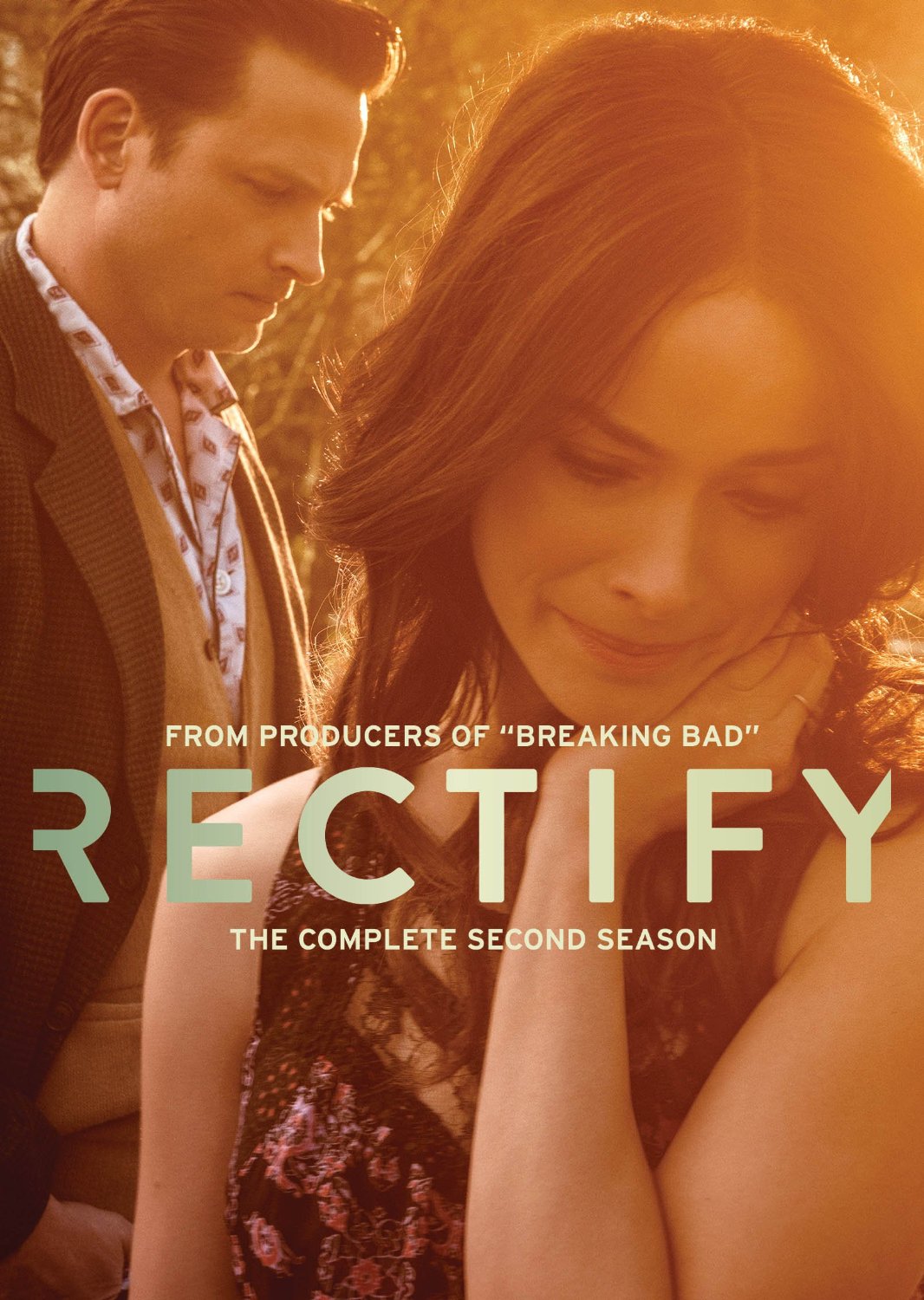
The best thing about Rectify — SundanceTV’s excellent, thoughtful slow-burn of a Southern drama — is that it gives equal weight to each of those viewpoints. Daniel Holden has spent more time as death row inmate than he has as a free man. As an 18 year old, he was convicted of the rape and murder of a teenage girl and spent the next 19 years in prison awaiting his execution. Daniel was suddenly freed after DNA evidence vacated his sentence, and season 1 showed him struggling mightily to adapt to life on the outside. (It also showed the outside world struggling mightily to adapt to him.)

“Man, you are everything I’d hoped for…right down to the hat.”

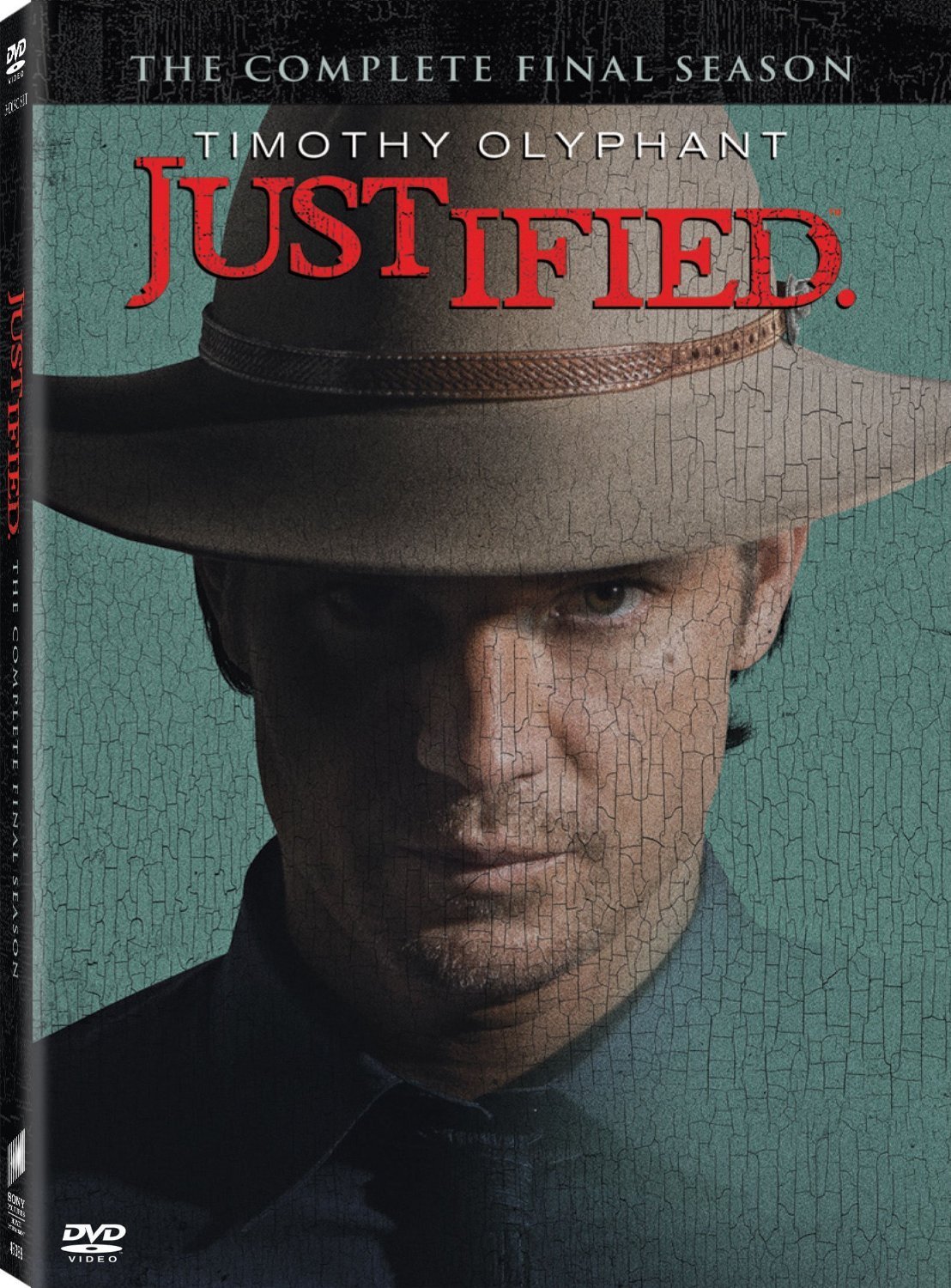
For six stellar seasons, Justified went about its business in a manner similar to that of its slyly laconic, incorruptible hero Raylan Givens. The key word in that last sentence is “hero.” Justified premiered in the midst of the supposed new Golden Age of Television, which was largely defined by antiheroes like Tony Soprano, Dexter Morgan, and Walter White. Another one of those antiheroes — Mad Men’s Don Draper — recently signed off with a lot more fanfare than Justified got for its excellent last hurrah.

“That’s what you get when you hire a con man.”

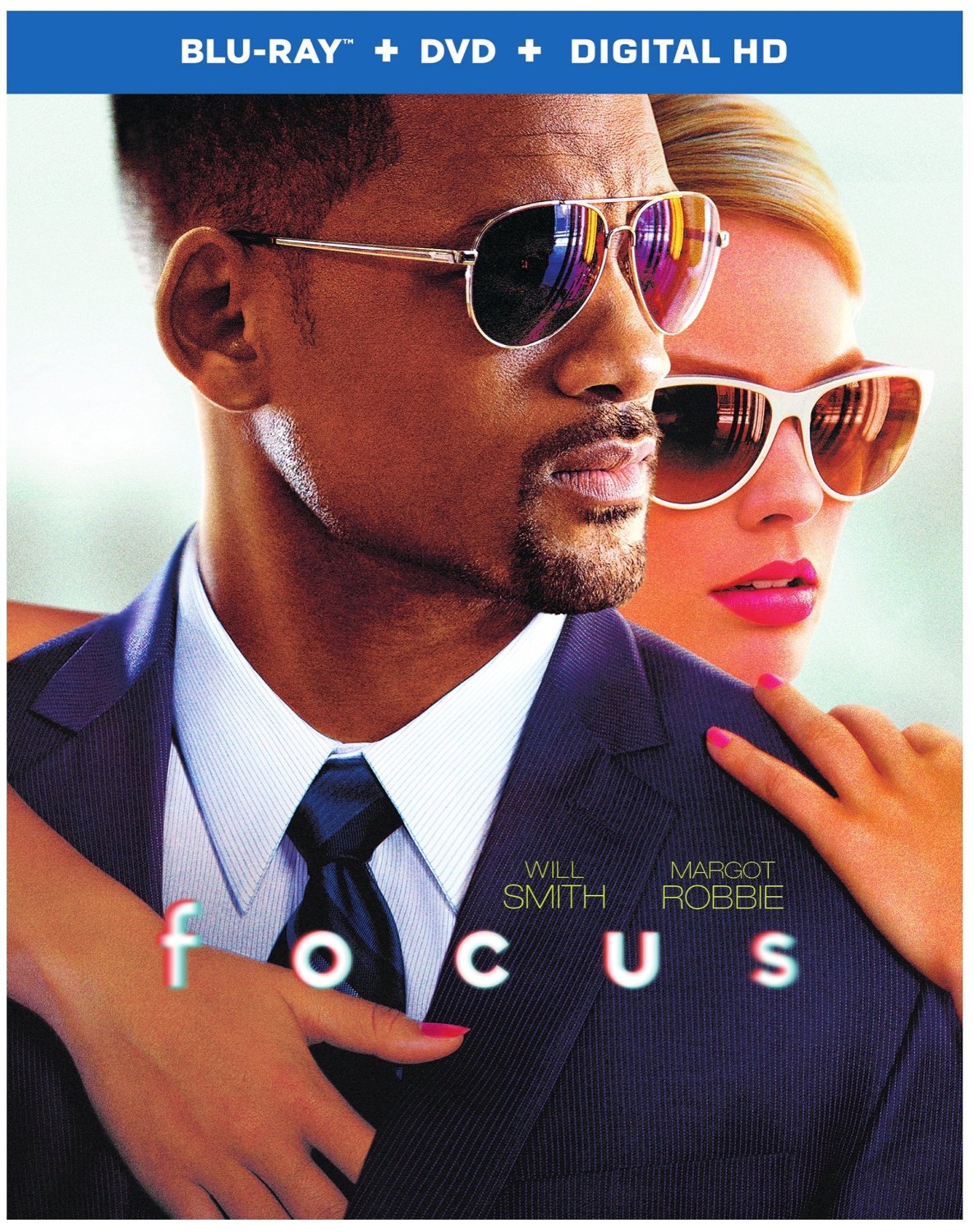
As much fun as it is to watch clever, cagey characters try to outsmart one another on screen, the real appeal of movies about con artists is watching filmmakers try to pull the wool over the audience’s eye. It’s an especially tricky proposition when you consider that — thanks to the Internet — moviegoers might be more sophisticated than ever in terms of knowing how movies are supposed to work. (Or at least *thinking* they know how movies are supposed to work.)


The town of McFarland, California is North of Los Angeles and South of San Jose. More specifically, it is near Bakersfield and not too far south of Fresno. San Diego is practically spitting distance from Tijuana. I say this because much of California is alien to me. The movie McFarland, USA is about delving into the realities of California. Forget that this is a feel-good sports movie for a minute. This is a movie about the Latino experience from a true story about a coach from 1987, but the film updates some of the changes that have taken place since then. Today Latinos make up 39% of the population of California, making them the largest segment of California society. It is no secret that the trends toward America becoming predominantly Latino are still a ways off, but very real. The point is that America is changing, so get used to it. We are all Americans.

This film is very positive and inspiring, but often in ways that are unexpected. It is about how we can find value in the most unexpected places, and the new America is just as proud and strong. It is about hard-working people who are among the poorest in the country who can been seen as a reserve of unexpected strength.