Drama

Season 2 of The Red Road, SundanceTV’s tense drama about warring communities, opens with a foreboding shot of blood being spilled on the ground. It’s a conspicuously symbolic image when you consider that the show follows the lives of the (seemingly all-white) residents of fictional Walpole, N.J. and their strained relationship with the Lenape tribe that resides in the neighboring Ramapo Mountains. (You don’t even have to squint to see several centuries’ worth of wounded feelings in this scenario.) It’s also no major spoiler to say that opening shot isn’t the last instance of bloodshed in this batch of episodes.

“You need to promise…something goes wrong, you need to drop a bomb on this whole mess.”

The biggest literal bang on Homeland came courtesy of the explosion that wiped out CIA headquarters in the season 2 finale. However, many fans and critics would argue the subsequent third season was an even bigger bomb. (I thought season 3 at least finished strong following that dismal start.) Nevertheless, season 4 of Showtime’s cracked, crackerjack spy drama represents a soft reboot for the show. It’s also a return to its Emmy-winning season 1 form.

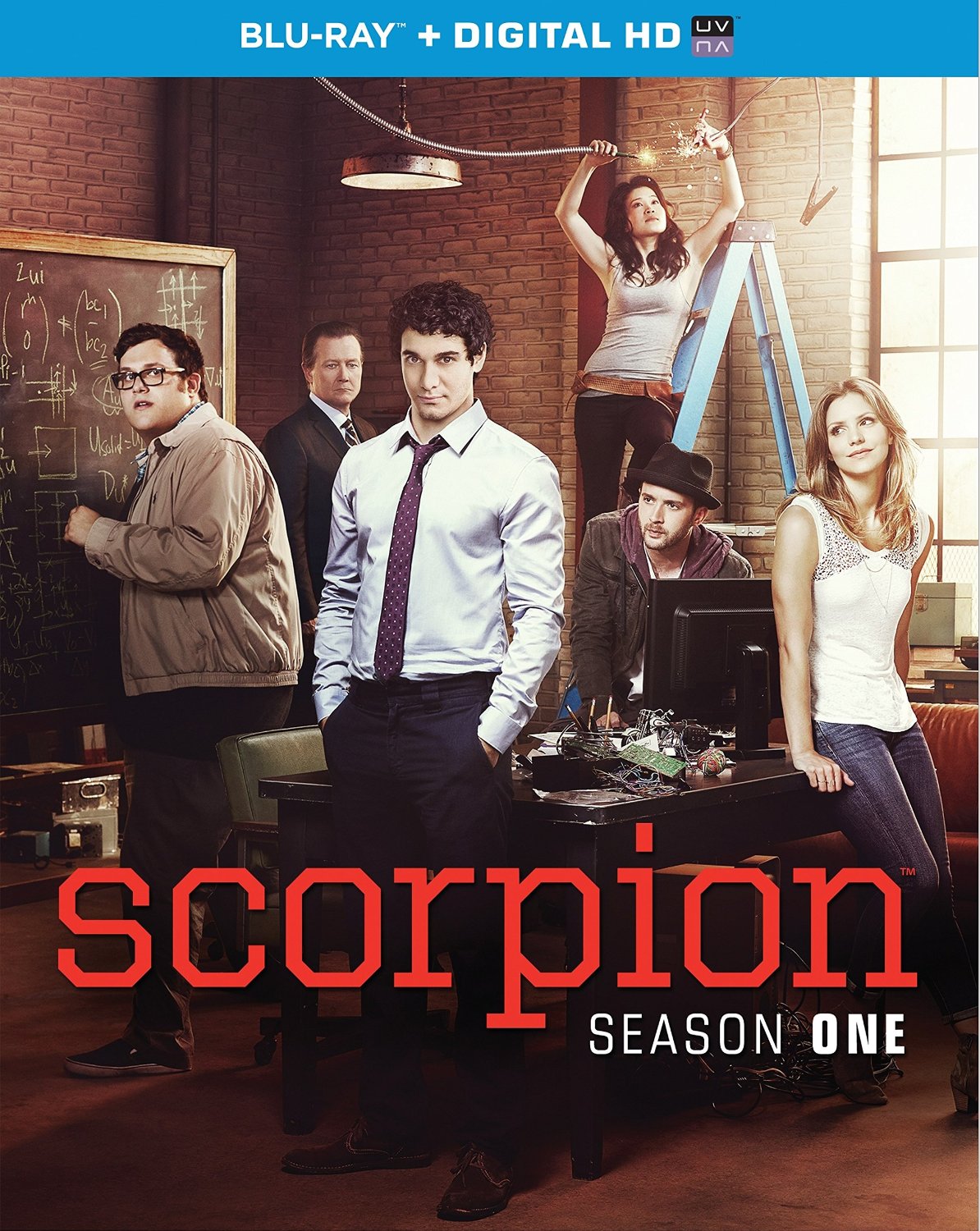
"My name is Walter O'Brien. I have the fourth highest IQ ever recorded: 197. Einstein's was 160. When I was 11 the FBI arrested me for hacking into NASA to get their blueprints for my bedroom wall. Now I run a team of geniuses, tackling worldwide threats only we can solve..."

By now you are used to the geeky technical expert that is a requisite part of many television crime-solving teams. It's become such a stereotype that it's more formula than character by this point. So what if you had an entire team of these super-intellects, and there was only one normal person in the line-up.

"He is a confused and tortured young man...”

The “he” in this case is Peter Snowden, a chatty, charismatic, and deeply troubled war veteran. “He” also happens to be the only character who appears on screen in Nightingale, a potentially-fascinating HBO Films experiment that doesn’t quite reach its potential. At least, “he” is played by Selma star David Oyelowo in what is a thoroughly mesmerizing performance.

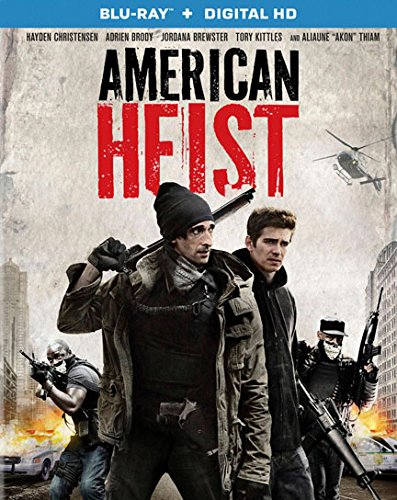
American Heist is an independent action flick that eventually nods to Michael Mann's Heat and Sidney Lumet's Dog Day Afternoon. (Along with Ben Affleck's The Town, if you're interested in a 21st century doppelganger.) However, the movie's action-packed finale can't completely disguise the fact that this is actually a dour family tragedy masquerading as a heist film. But if imitation is the sincerest form of flattery, at least the makers of American Heist know who to rip off flatter.

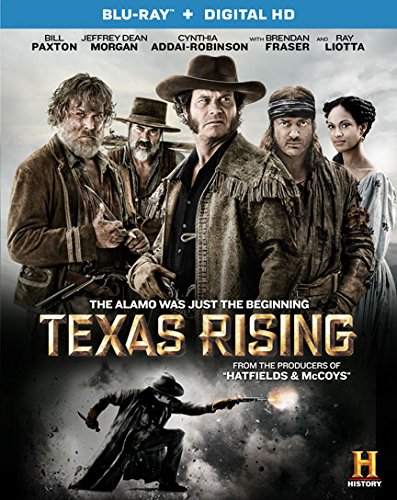
"1836, Republic of Texas. The Mexican territory is home to thousands of US settlers. Tensions rise as Comanche and Kawakawa fight to keep their lands. Outlaws roam free, and slaves are caught in the crossfire. Mexican General Santa Anna battles to reclaim the land. US President Andrew Jackson is hesitant to intervene, and Texas has no choice but to declare itself an independent nation... The Alamo in ashes, pioneers, Tejanos, Indians and soldiers have no choice: fight or die."

Houston, we have a problem.

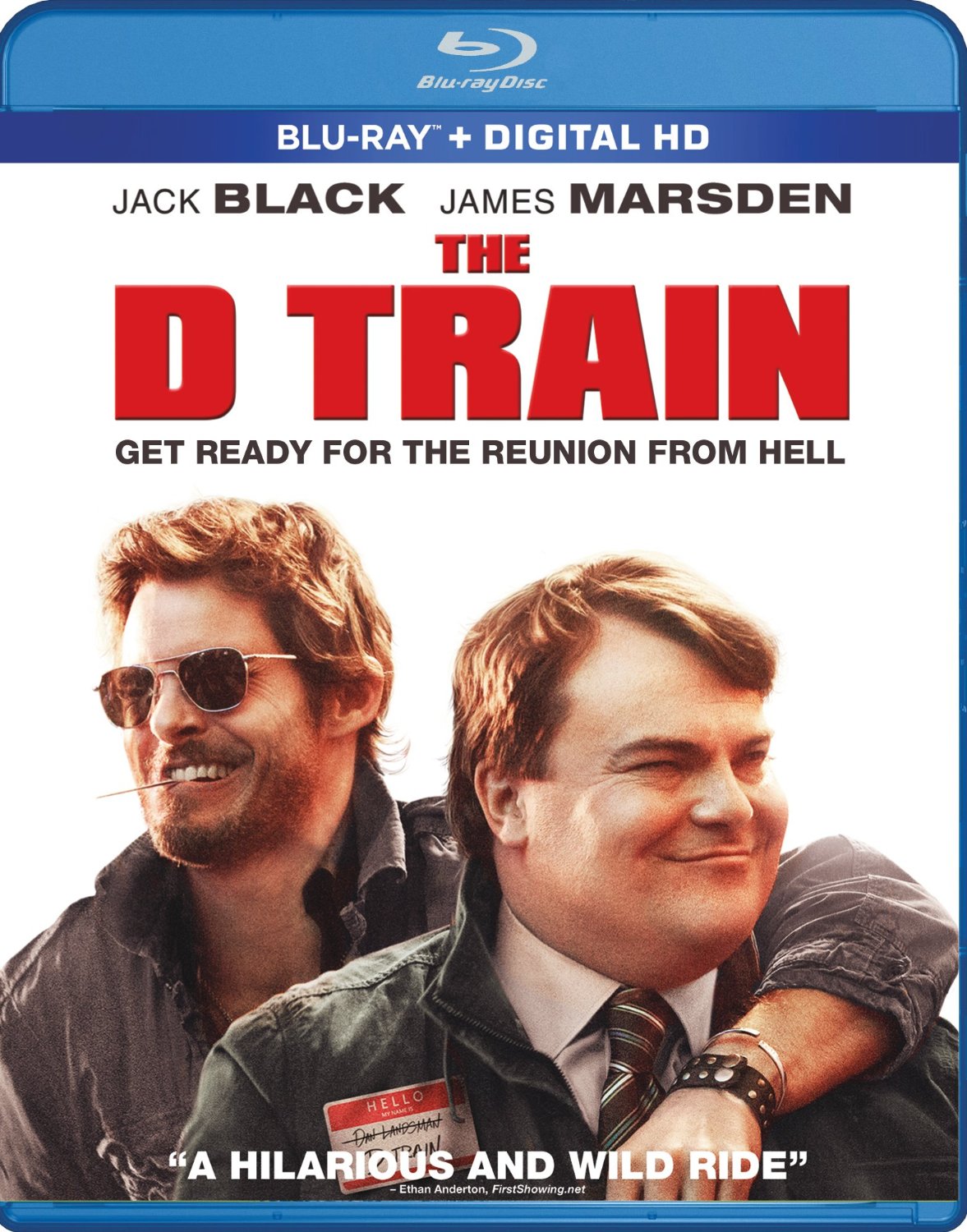
The D Train was not what I expected...and thank goodness for that. The film boasts that it's from the “comedic geniuses who brought you Nacho Libre and Wayne's World,” although the only thing those two movies have in common is that they're both comedies with, um, people in them. Meanwhile, the glossy poster makes it look like an inspirational drama, which doesn't exactly mesh with the phallic-sounding title. In other words, there's nothing about The D Train that hints at the intriguing dramedy lurking underneath.

You got the St. Louis blues, the Chicago blues, the gin house blues, the “my man done left me” blues...they all the same song, ain't they?”

By now, anyone who's seen a musical biopic realizes these films also whistle a pretty similar-sounding tune. The bad news here is that Bessie is no exception, rushing from one familiar Troubled Artist Beat (hardscrabble childhood, rise to stardom, substance abuse, troubled marriage, etc.) to the next. The really good news is that this HBO biopic of “Empress of Blues” Bessie Smith is elevated by some truly powerhouse performances.


“This film was inspired by a court case, the public stages of which have been filmed, broadcast, reported and commented on throughout the media worldwide. Nonetheless, the characters portrayed in the film and all sequences depicting their private lives remain entirely fictional.”

The disclaimer that appears at the top of Welcome to New York is only the first indication that this flawed, unflinching drama — based on the Dominique Strauss-Kahn affair — seeks to blur the line between fact and fiction.

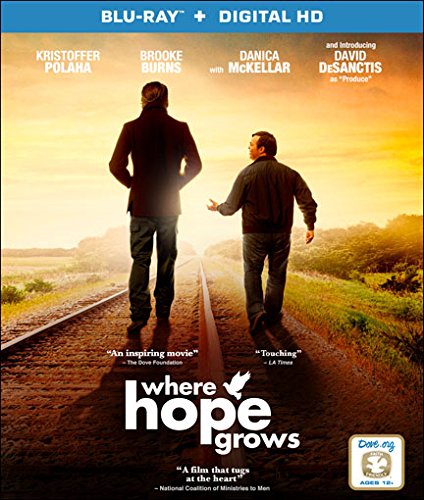
I guess I could use some of that magical happiness you always seem to have.”

David DeSanctis, the novice performer with Down syndrome making his feature film debut here, is easily the best thing about Where Hope Grows. Both the actor and the character he plays radiate genuine warmth and irrepressible positivity. Those qualities help boost this well-meaning redemption drama, which suffers from one too many storylines and an unintentionally appalling ending.