Drama

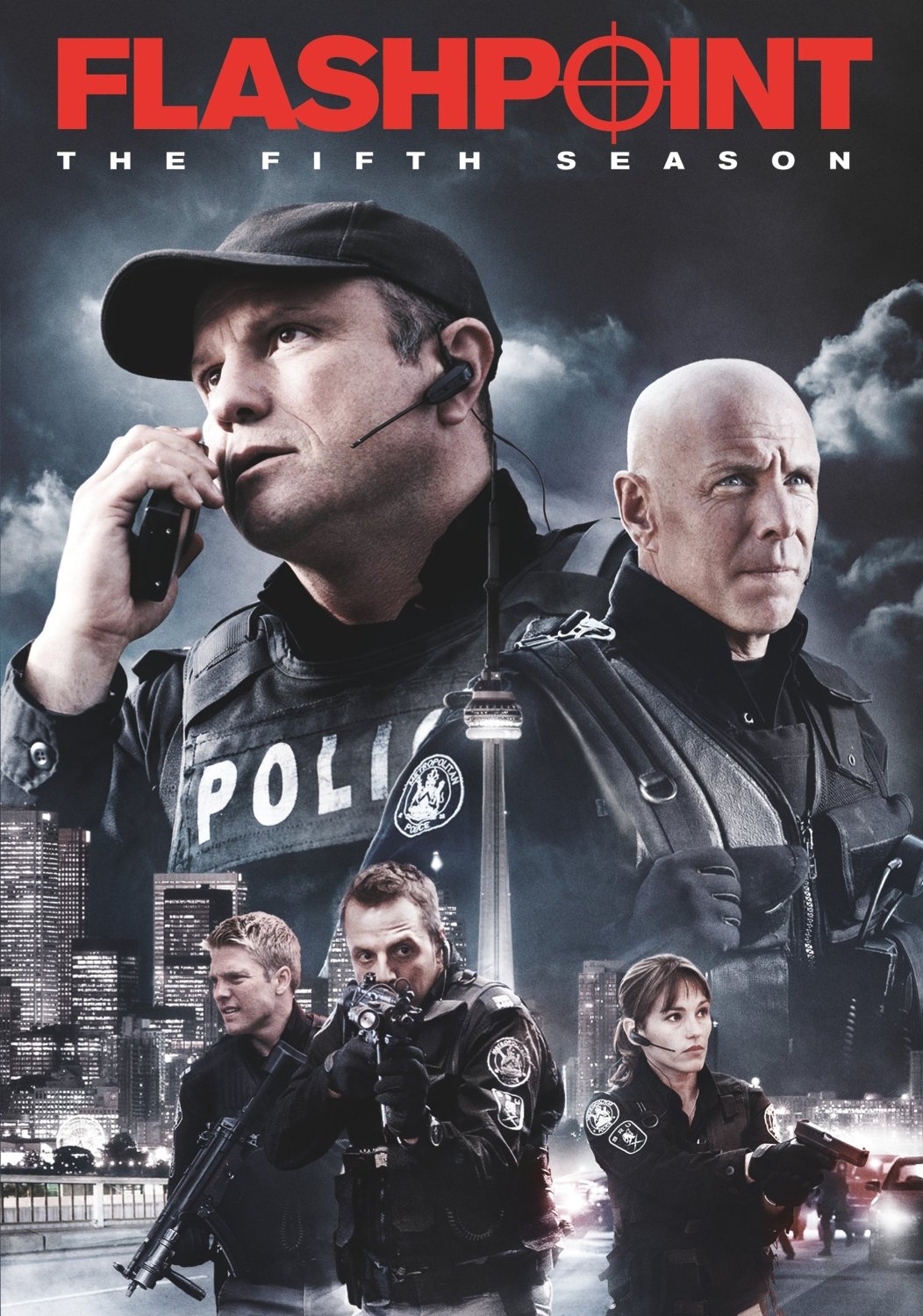
After a four-month hiatus, I have been called to assignment, a very special assignment indeed. Thankfully, the message did not self-destruct after five seconds. However, the message did have demands and required negotiation tactics. That is when I called in the SRU Unit from the show Flashpoint and they burst onto the scene. While they are handling a memo that has a notebook at gunpoint, they left me with a copy of Season Five of Flashpoint to review. Let’s take a look.

“I want to talk to you about the war for the soul of Los Angeles.”

This could easily describe the current rivalry between the surging L.A. Clippers and the geriatric Los Angeles Lakers, but Gangster Squad has slightly weightier matters on its mind. The stylish 1940s and 50s cops-and-crooks saga wants to tell a story about corruption and violent men unable — or unwilling — to turn off their capacity for hurting others. Instead, the film winds up being a somewhat shallow 21st century gloss on The Untouchables. And there’s absolutely nothing wrong with that.

“Whose move is it?”

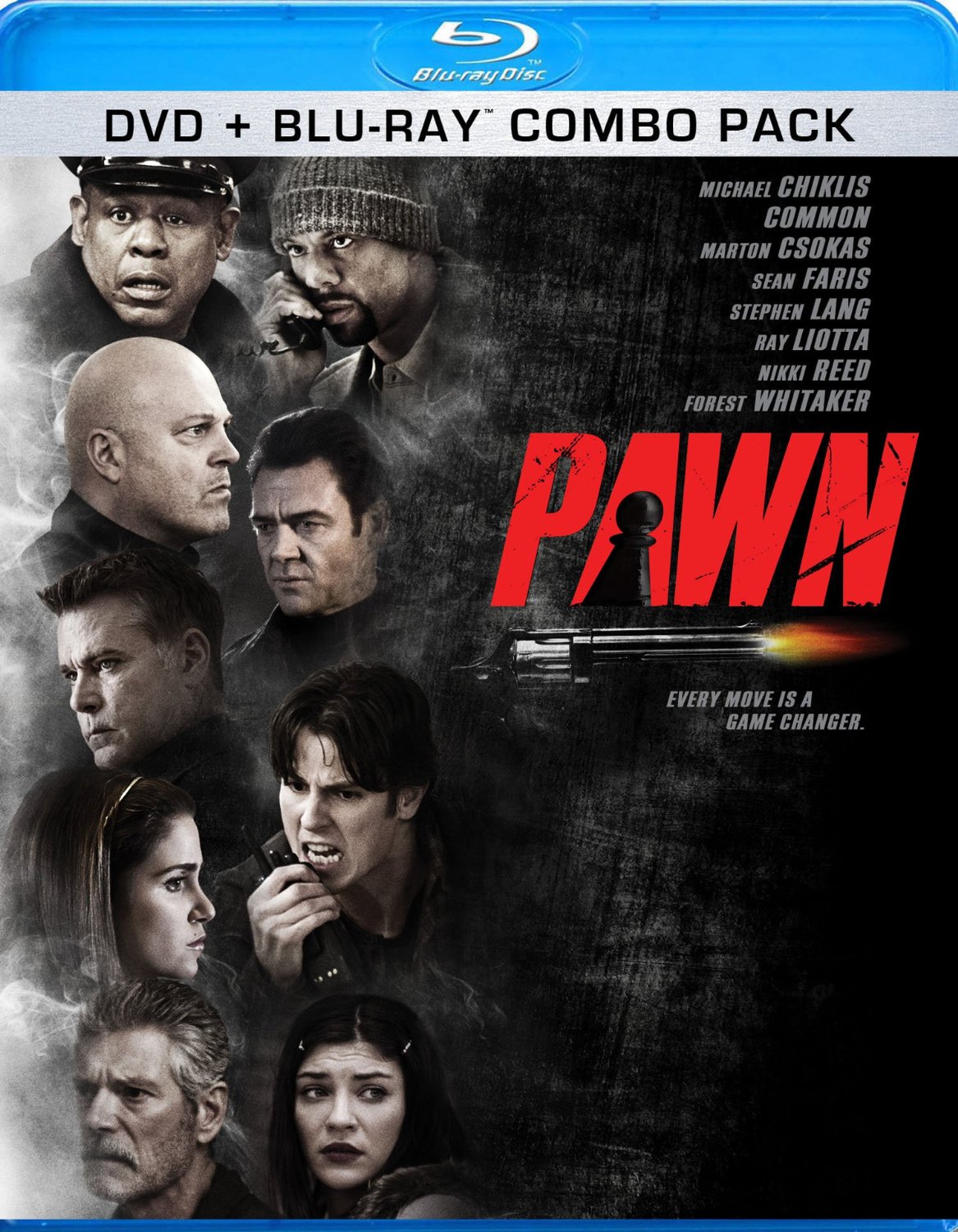
To be honest, I’m not much of a chess player. I know how all the pieces move and I enjoy the mental challenge, but I never really committed to becoming proficient at the game. (Now, if we’re talking Connect Four, you don’t want to run into me in a dark alley.) Pawn establishes its intriguing chess motif early on, before almost completely abandoning it in favor of becoming more of a generically twisty thriller.

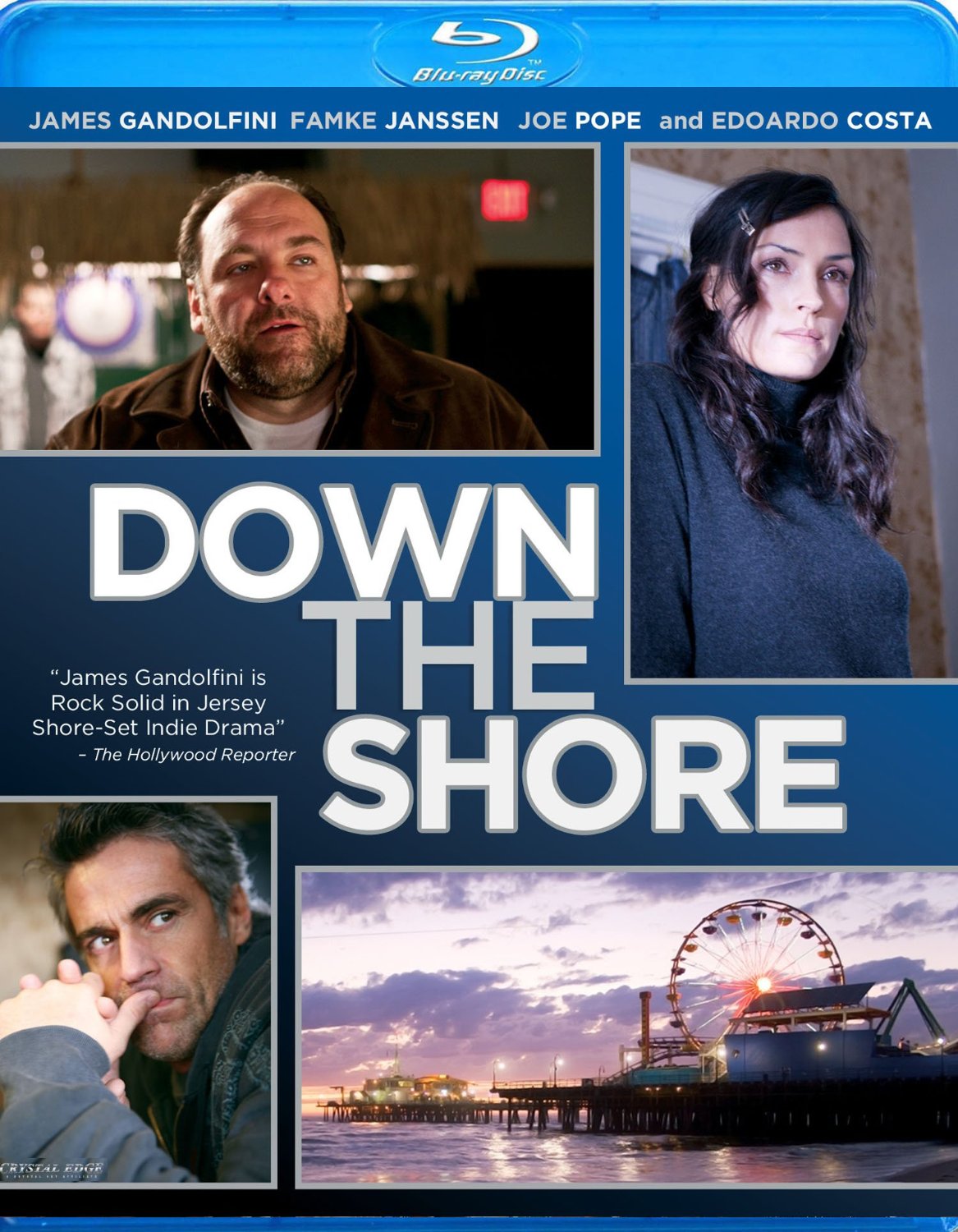
For better or worse — okay, it’s worse — it’s now impossible to hear the words “Jersey” and “Shore” without thinking of a certain group of knuckleheads on MTV. Down the Shore is a dreary, observant drama set in the region and starring James Gandolfini. If anyone is ever going to restore the area’s good(?) name, you figure the Sopranos star is a better bet than most, having previously dominated the Garden State from a pop culture standpoint by starring in the landmark television drama.

This is a review that I’ve been dreading.  It’s been a while since a movie has gotten me so worked up over its thoughtless execution that I struggle to find something redeeming out of it.  For those unfamiliar with non-linear storytelling, a simple definition would be a story told out of order, for instance Memento or Pulp Fiction.  Those two examples are of films that execute non-linear storytelling and use the structural device as a means to further their story.  As for the filmmakers involved with The Devil’s in the Details, they took a decent story and then tore it up into shreds, tossed it in the air, and pieced it together however they saw fit.

“The important thing for a writer is to tell a good story.”

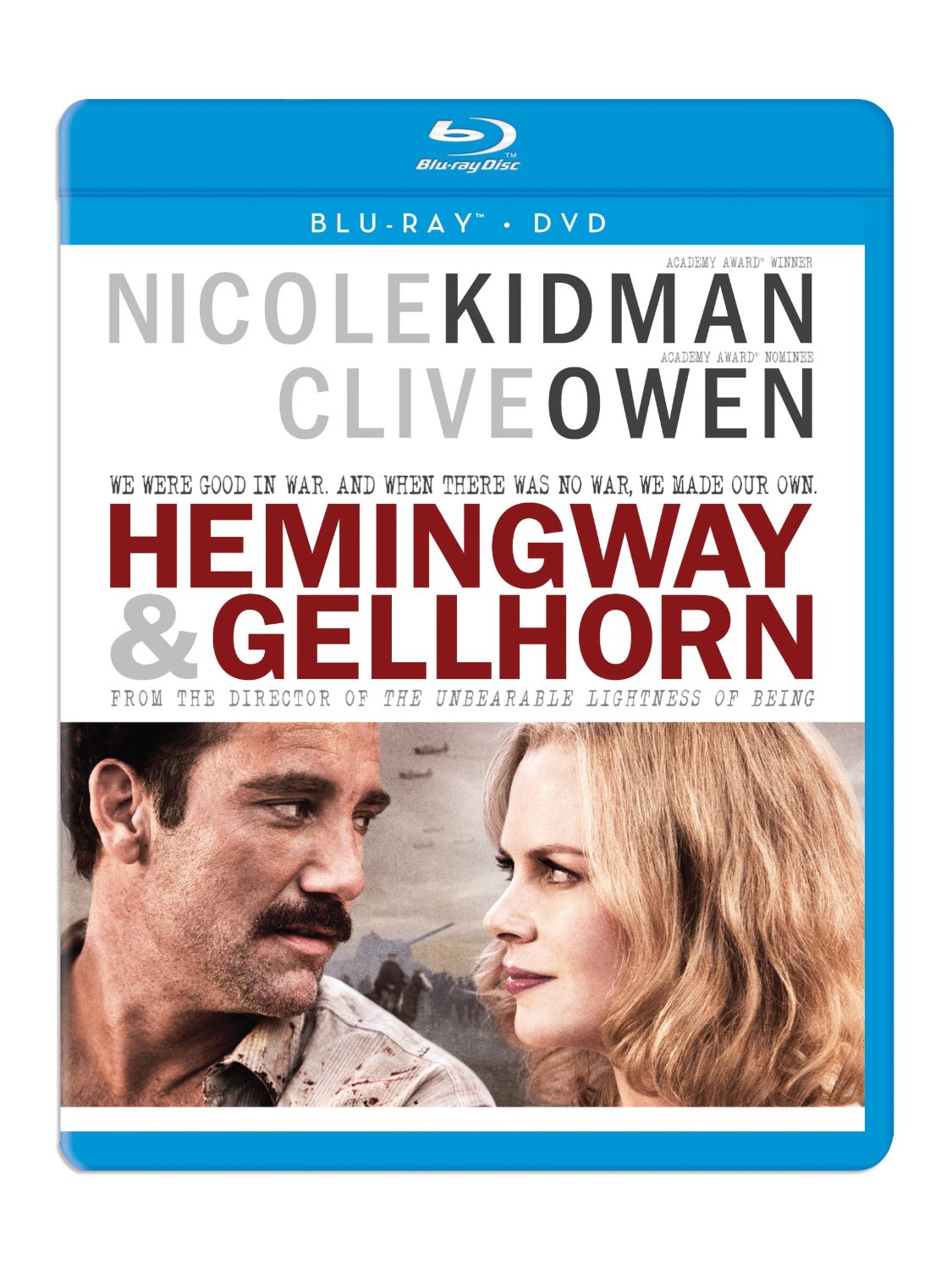
Martha Gellhorn, considered by some to be the greatest war correspondent of the 20th century, was extremely adamant about not wanting to be a footnote in someone else’s life. So I’m thinking the writer — who died in 1998 — may have had mixed feelings about Hemingway & Gellhorn. On one hand, her life story gets the prestigious (and mostly sympathetic) HBO Films treatment, and Gellhorn is played by Oscar winner Nicole Kidman in a sensational, searing turn. On the other hand

"Four score and seven years ago our fathers brought forth on this continent a new nation, conceived in liberty, and dedicated to the proposition that all men are created equal. Now we are engaged in a great civil war, testing whether that nation, or any nation, so conceived and so dedicated, can long endure."

These were strong words, and the man who spoke them was certainly a dominant figure in American history.


I tend to shy away from films that have come out before I was born. It’s not a rule, just a habit. The reason for that being because not being from the generation that movie was produced in, I fear that there will be a lot of cultural reference that I will be unfamiliar with and I will have to Wikipedia them all. I also feel that because I am from a different era I am not qualified to render a sound opinion of an older film, because I may judge it too harshly due to my growing up within a time of special effect advancement.

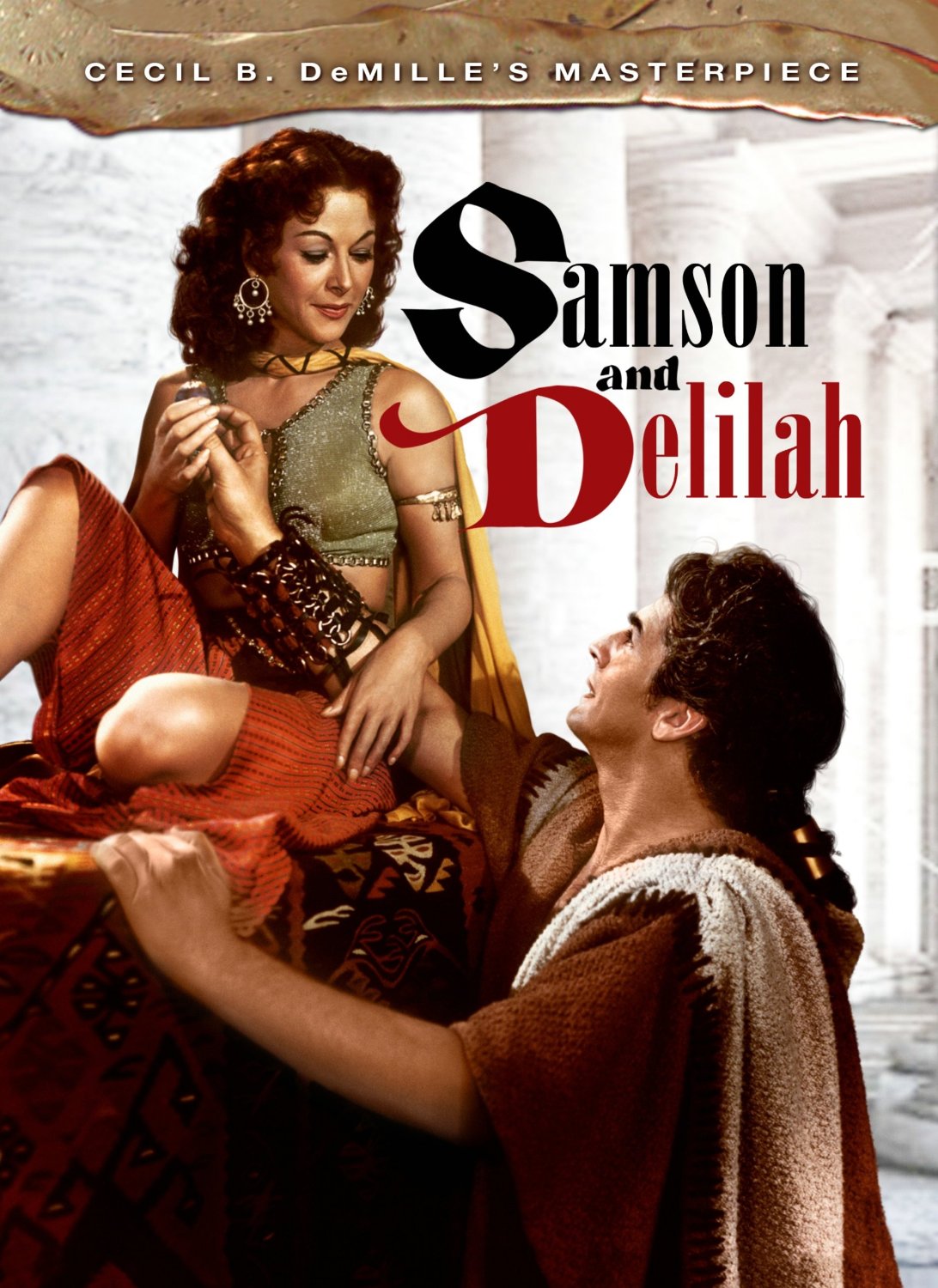
Biblical strongman Samson accomplishes many amazing feats and makes many a powerful enemy along the way. None are able to defeat this champion until his action catch the eye of Delilah, and he becomes the target of her affections. Unbenounced to Samson, Delilah has been tasked to discover the source of his supernatural strength. God granted Samson amazing physical strength, but his heart and mind are weak to the machinations of this sly, deceitful woman and it is only a matter of time before she learns his greatest secret.

Day of the Falcon is a photogenic, lavish reminder that violence and strife in the Middle East existed well before it could be broadcast on CNN. The film — set in the early part of the 20th century — also works as a throwback to the sort of rollicking, epic-scale adventure films David Lean was making at the height of his powers and that no one seems terribly interested in making anymore. Don’t get me wrong: Day of the Falcon is no Lawrence of Arabia or Bridge on the River Kwai, but it’s an accetable 21st century substitute.