Drama

"My name is Charles Carmichael, and I have one final question for you. Have you ever had to subdue a Basque terrorist on a Swiss train? Or fight your way through the jungles of Southeast Asia? Or, take out an arms dealer with a penchant for murder and ice cream? Well... we have."

And, if you've been a fan of Chuck for the last five years, you know exactly what we're talking about here. And, for now, the ride has come to a close.


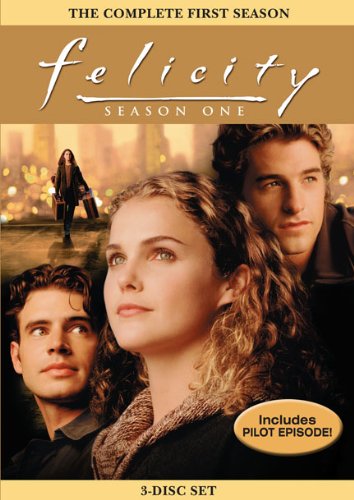
When people think of super-producer J.J. Abrams and his television projects, images from Alias, Fringe and a little show called Lost probably spring to mind. On the other hand, a significantly smaller portion of weirdos the TV-watching population may think of the relationship dramedies Abrams has produced, such as What About Brian, Six Degrees and Felicity, by far the best of this latter group. (Then again, Felicity — co-created by Abrams and Matt Reeves — resorted to time travel towards the end of its run, so it probably has more in common with the producer's genre shows than you think.)

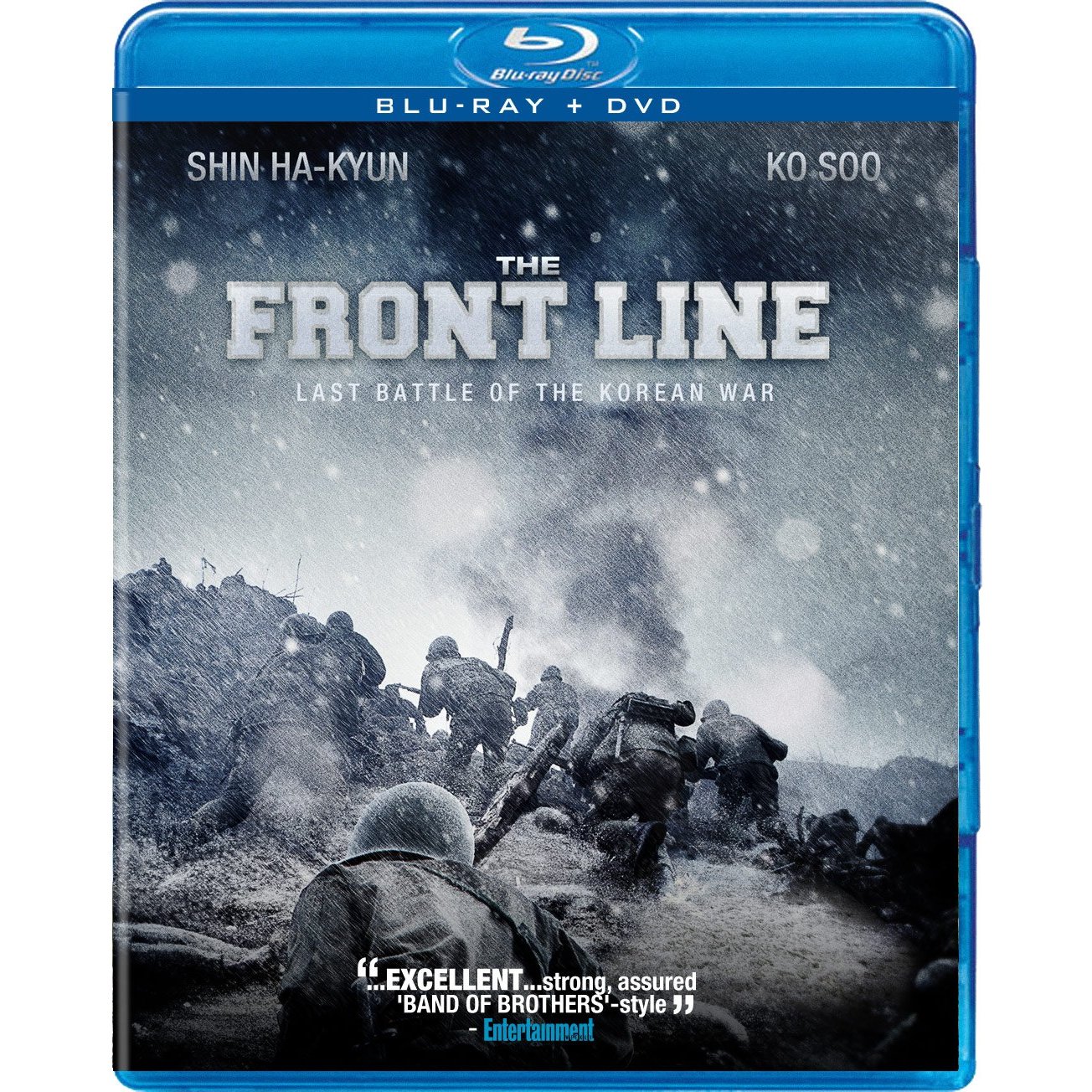
In terms of major conflicts involving the United States, the Korean War has sort of gotten the short end of the cinematic stick with American audiences. Most people can easily rattle off their favorite movies dealing with World War II, the Vietnam War or the U.S. Civil War, but when it comes to the Korean War the options are comparatively more limited. Off the top of my head, there's M*A*S*H, the original Manchurian Candidate, and Don Draper suffering one of the most famous cases of identity theft. (I realize Mad Men is a TV show, so forgive me for reaching.)

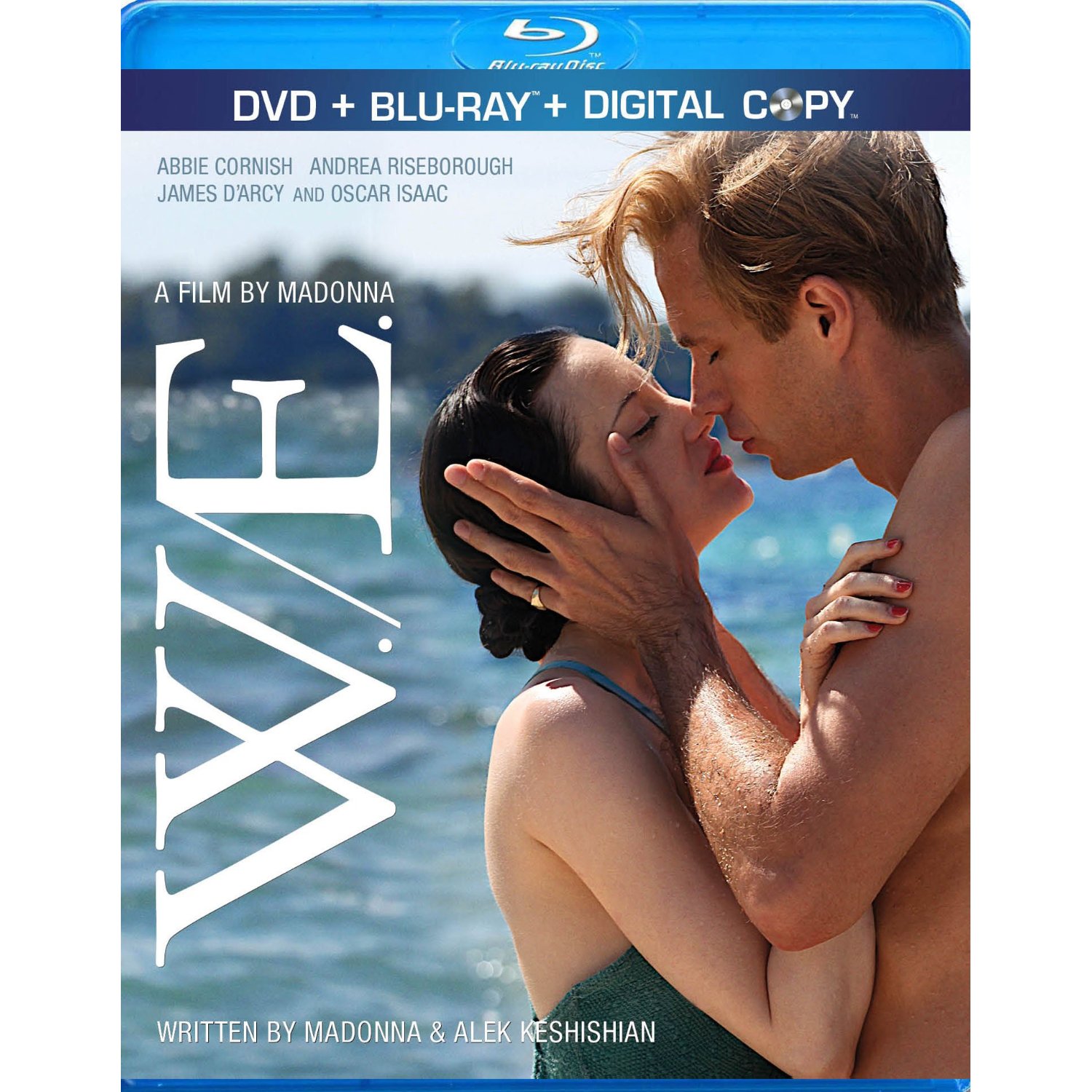
As of late, I have found myself picking up some classic albums by Madonna. Her early stuff mostly, but I have even picked up Truth or Dare on Blu-Ray within the last week or so. Why? I honestly can not explain. Maybe I miss her voice, her sex appeal and the music that has made her a legend. What I did not expect was that I was going to be reviewing a movie directed by her. So let us sit back and see how the movie W./E. plays out.

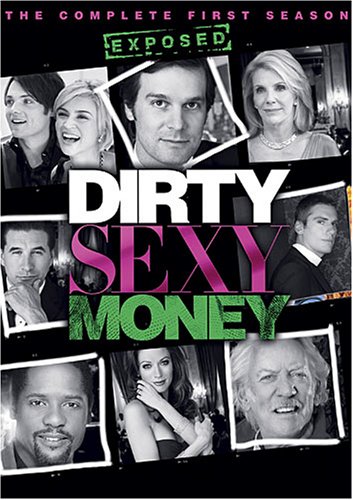
Meet the Darling family. While the name might imply an endearing group of wonderful folks, nothing could be further from the truth. They are a wealthy and powerful family. The patriarch Tripp (Sutherland) is a ruthless and conniving man very used to getting his way. His wife Letitia (Clayburgh) appears to want to be a nicer person but gets drawn into the incredible scandal and corruption of her family, while Tripp tries to shelter her from it. They have 5 kids. Brian (Fitzgerald) is a priest, but his actions are anything but priestly. He’s even hiding an illegitimate child.

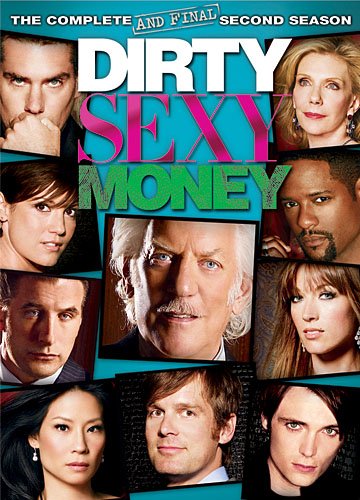
Say goodbye to the Darling family. While the name might imply an endearing group of wonderful folks, nothing could be further from the truth. They are a wealthy and powerful family. The patriarch Tripp (Sutherland) is a ruthless and conniving man very used to getting his way. His wife Letitia (Clayburgh) appears to want to be a nicer person but gets drawn into the incredible scandal and corruption of her family, while Tripp tries to shelter her from it. They have 5 kids. Brian (Fitzgerald) is a priest, but his actions are anything but priestly .

"One must never let the public behind the scenes for they are easily disillusioned, and then they're angry with you for it is the illusion they love."

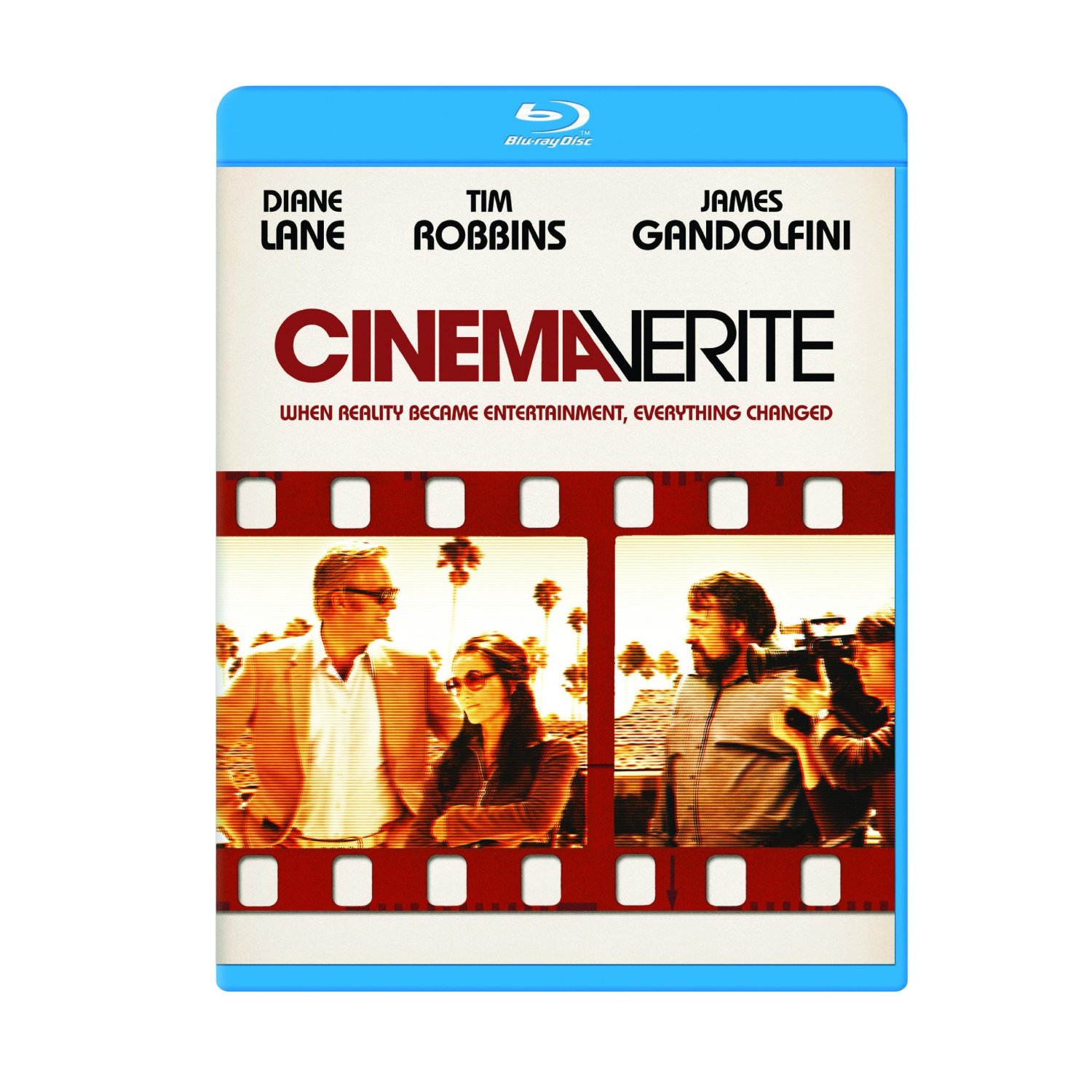
Sure, this quote is spoken by a very minor character and awkwardly shoehorned into the story, but it still makes its point. I realize it's almost impossible to imagine now, but there was a time we didn't have to capitalize the words "Real Housewives" and people were actually ashamed if they came off badly in front of a camera. HBO's Cinema Verite tells the behind-the-scenes story of the creation of An American Family, the PBS documentary widely considered to be the first reality television show.

At the very least, London River deserves credit for exposing audiences to a different side of English life beyond "upstairs, downstairs" period drama (Gosford Park, Downton Abbey), twee stories in a small-town setting (Waking Ned Devine, Calendar Girls) or the rich white people problems of Woody Allen's contemporary London (Match Point, Scoop).

“Won't bow, don't know how.”

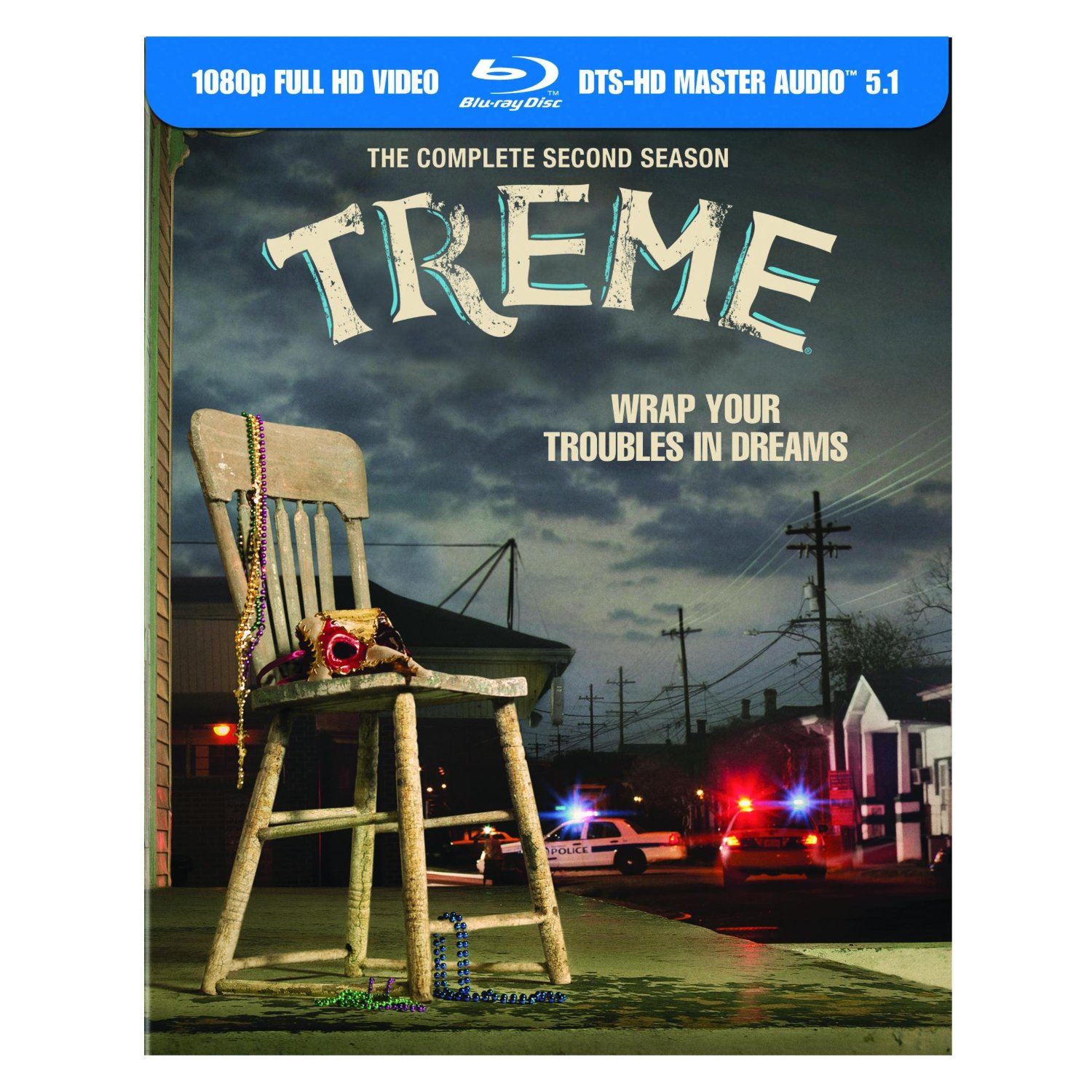
More than any other show, Treme captures the very soul of the city it is set in. Where The Wire may have presented the city of Baltimore as one of the supporting players in the series, Treme is New Orleans. The haunting percussion and brass of the musicians, the lyrical shorthand of its citizens, the quiet desperation of pride after destruction, rampant political corruption and unchecked crime mix together to form an eclectic jazz tempo that makes up the heartbeat of the Crescent City.

I was flipping through the latest issue of Sad Trombone magazine the other day, and it contained an article revealing — through entirely unscientific research — that the general consensus appears to be, "People suck." As a result, I was already in the proper mindset when I sat down to watch The Divide, probably the most pessimistic movie of the past year.