Posted in: Disc Reviews by M. W. Phillips on March 5th, 2012
“Exactly, you're a kid. So go and be a kid... go and, I don't know, go ahead and steal me something.”
The Tribe is a New Zealand/British post-apocalyptic, young adult soap opera, beloved around the world. So I had to put on my young adult glasses and watch it through those. In the near future, an unknown virus wiped out all the adults on Earth. Left to raise themselves, the kids form tribes in a Lord of the Flies type society. Now, being that the average viewer is probably between 12 – 17 years old, it is a very mild Lord of the Flies society.

Posted in: Disc Reviews by Gino Sassani on March 2nd, 2012
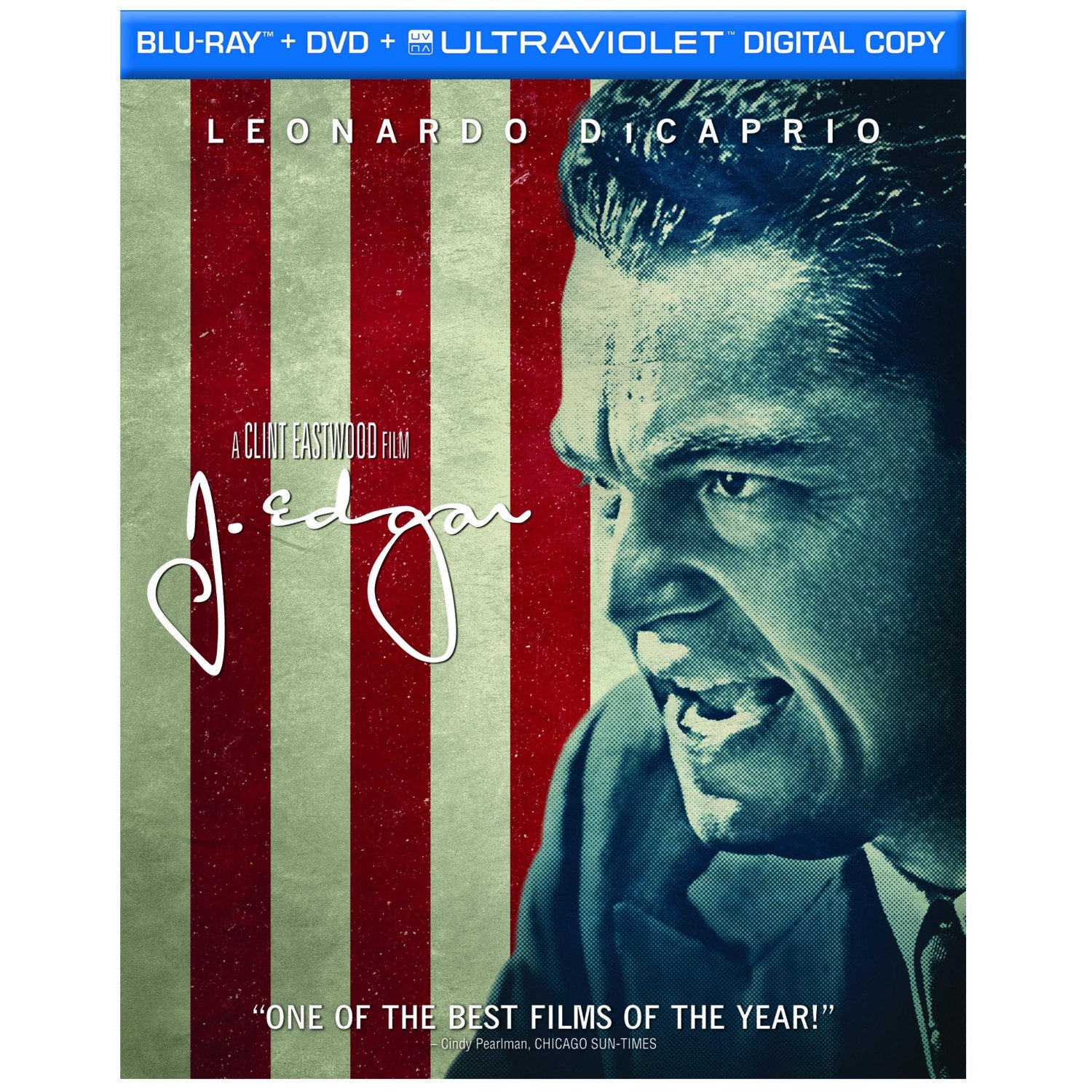
"Even today there are organizations that have America as their prime target. They would destroy the safety and happiness of every individual and thrust us into a condition of lawlessness and immorality that passes the imagination."
The phrase could very easily describe the world we face today. The above quote could very well have come from a post-9/11 narration, but it didn't. It was spoken nearly a century ago by the long-time director of the FBI, J. Edgar Hoover.
Posted in: Disc Reviews by Gino Sassani on March 2nd, 2012
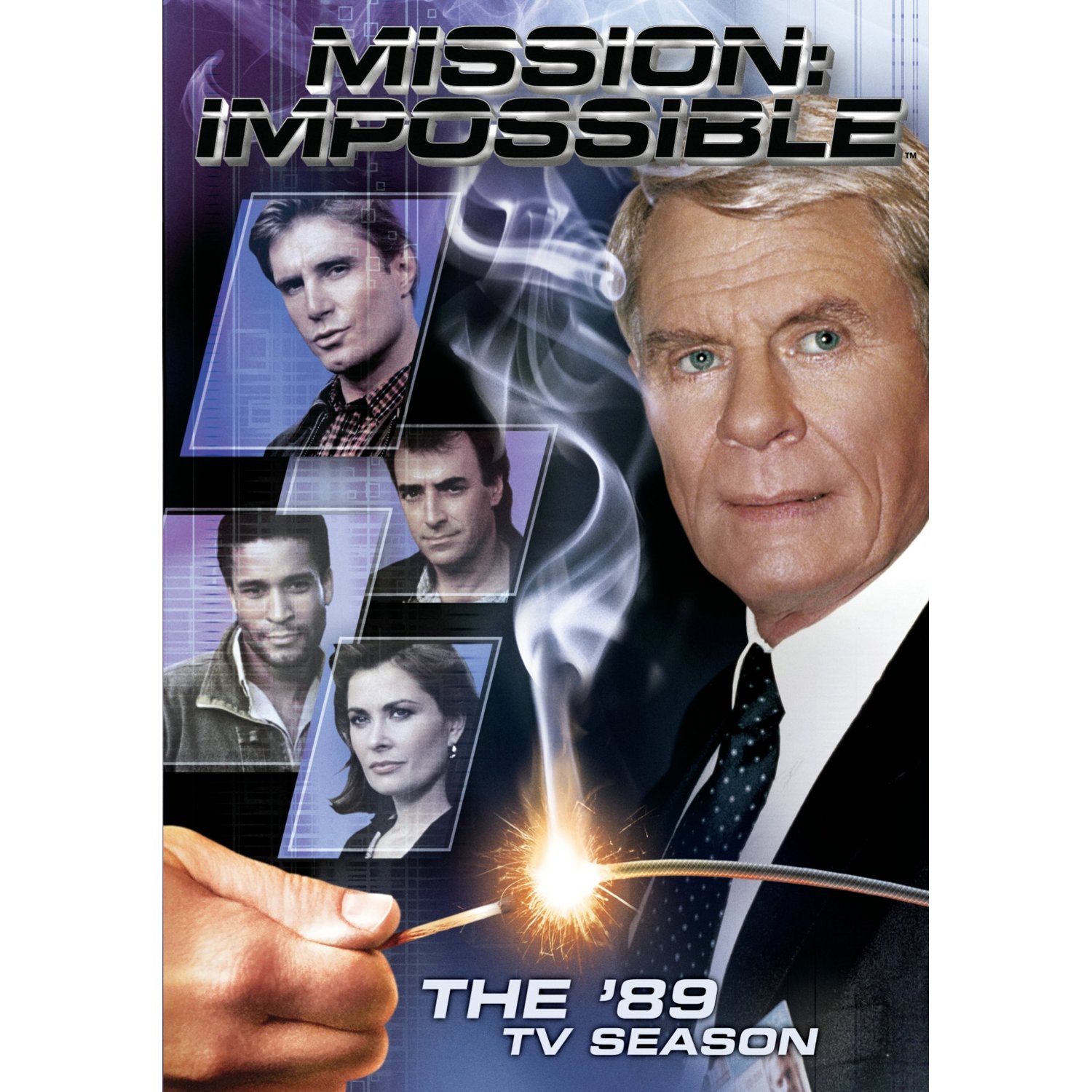
"Your mission, should you decide to accept it..."
Those words have certainly been a part of the American pop culture for almost 50 years. It all started with the Desilu television series that hit the airwaves in 1966. That first year is probably unfamiliar to most of us. It was in black & white and starred Steven Hill as the leader of the Impossible Mission Force. A year later the show jumped to color and Peter Graves took over the team as the indomitable Jim Phelps. The show lasted a good seven seasons. The Impossible Mission Force was a black-ops team that worked under the "secretary" who would disavow their mission should any of the team be caught or killed. The show had a pretty good run before ending in 1973. Gone, but never forgotten.
Posted in: Disc Reviews by J C on March 2nd, 2012
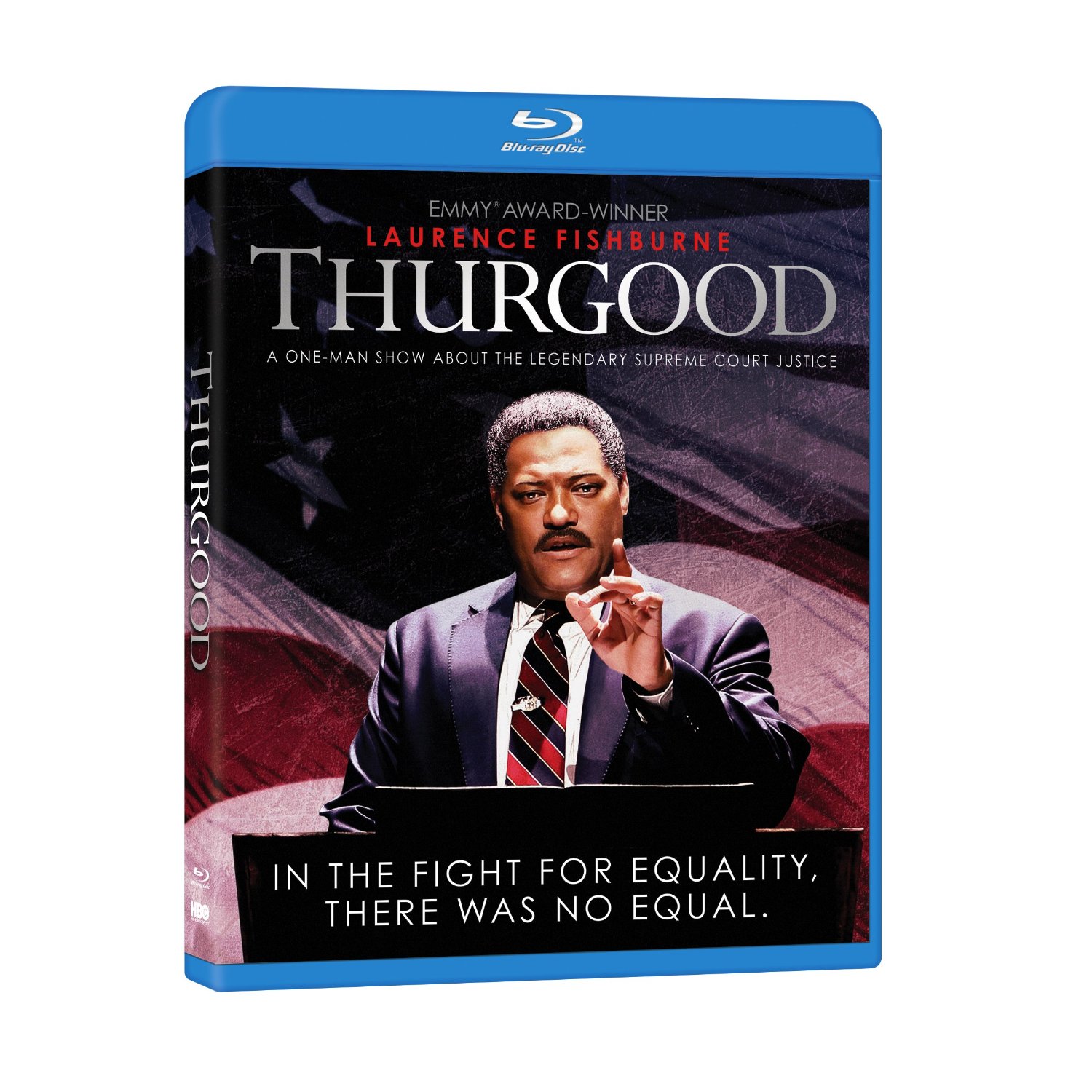
"As a boy, I came to understand that two things marked my family: distinctive names and extreme stubbornness."
In fact, it was Thurgood Marshall's "extreme stubbornness" in the face of racial inequality that led to his name becoming synonymous with the civil rights movement and to his 1967 appointment as the United States Supreme Court's first African-American justice. Marshall's remarkable life story is told in Thurgood, a sensational one-man show starring Laurence Fishburne that previously aired on HBO and was filmed before a live audience at the Kennedy Center's Eisenhower Theater in Washington, D.C.
Posted in: Disc Reviews by William O'Donnell on February 28th, 2012
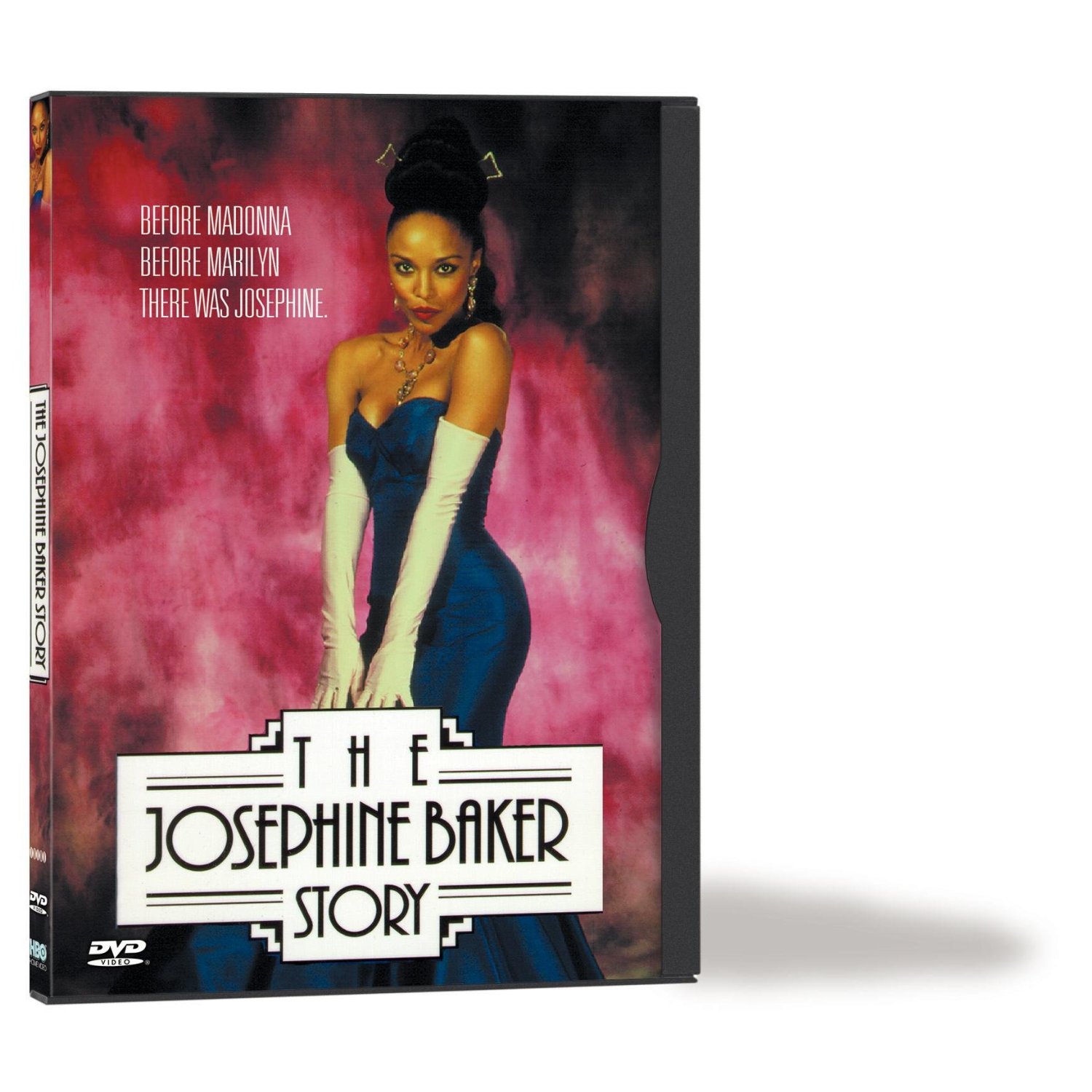
Josephine Baker was an international sensation who faced adversity all her career because of the colour of her skin. Terrified and sickened by the treatment of black people in the US, Baker fled to France where she found joy, fame and fair treatment as an entertainer. As her career exploded into super-stardom, she was more than just an exotic singer/dancer, she became a war hero and civil rights defender.
After being teased during the opening credits with visions of Baker performing an intimidatingly sexualized dance, we are shown her traumatic childhood experience of witnessing race riots in St. Louis; riots that cost the lives of many black people and helped to enforce Baker's decision to flee the US as soon as she could. Before her exodus, she made a name for herself as a vaudeville comedienne, often performing in black-face. Stifled by the racist laws of the early American 1900s, Baker did not hesitate to tour Paris with a band of performers. Said tour would turn into her permanent residence in France.
Posted in: Disc Reviews by J C on February 24th, 2012
After watching The Son of No One, I'm afraid I have some good news and (significantly more) bad news. The good news is that I get to say the following sentence for the first time in at least ten years: Al Pacino was probably the best thing in this movie. The bad news is Pacino has only a relatively tiny role in this dramatically stagnant crime drama that ends up squandering a talented cast, a vividly-realized setting and some interesting ideas.
Channing Tatum stars as Jonathan White, a young cop who has been transferred to the 118th Precinct in Queens where his late father was a cop and located in the same district where White grew up. The precinct's captain (Ray Liotta) is troubled by some anonymous letters published in a small local newspaper by a persistent reporter (a miscast Juliette Binoche). The letters claim the police covered up two murders 16 years ago in the same neglected housing project where White grew up.
Posted in: Disc Reviews by Gino Sassani on February 24th, 2012
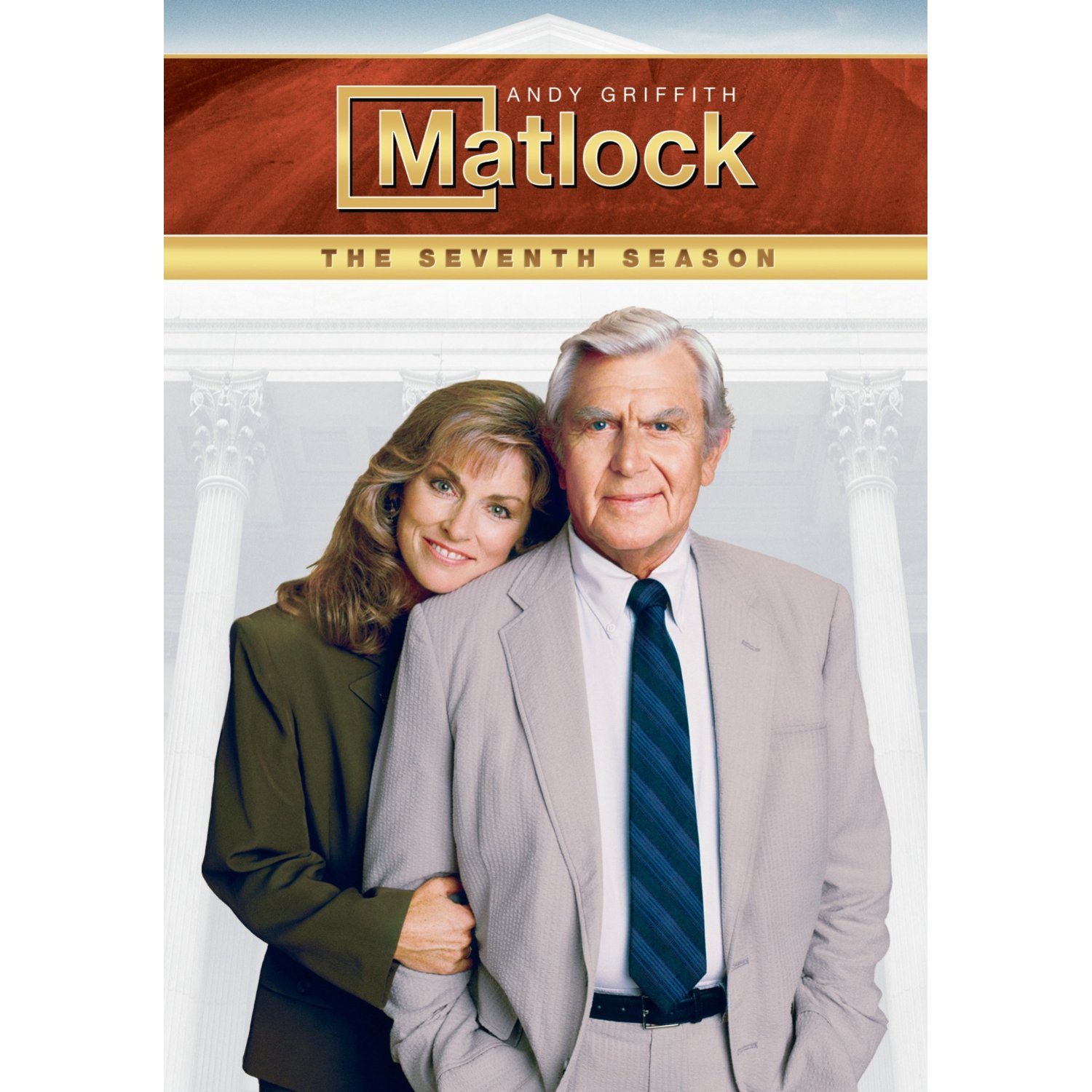
The seventh season of Matlock brought more of the same. If you’re a fan, that’s very good news indeed. What is that, you ask? Imagine Sheriff Andy Taylor older and now an attorney, and you pretty much have the setup for Matlock. Forget for a second that both characters were played by Andy Griffith. That’s not all they have in common. Matlock is every bit the “southern gentleman” that Taylor was. He might be a little smarter, but he walks and talks like Andy Taylor. The series did, however, jump networks with this season. After spending six seasons on NBC, the show moved to ABC with a couple of changes. Michelle, played by Nancy Stafford left the show as the 6th season was originally considered the series finale. As the 7th opens Matlock's older daughter Leanne enters the partnership, played by Brynn Thayer. Law graduate Cliff Lewis, played by Daniel Roebuck, also joins the firm as a new lawyer.
Matlock began life as a television movie from Dean Hargrove, who brought us Columbo. Hargrove would later work the same magic with Dick Van Dyke in Diagnosis Murder. In fact, the two shows could easily have been companion pieces. Both featured sit-com stars from the 1950’s and 60’s who had become somewhat iconic characters. Both would don the role of professionals. Both shows would subscribe to the “formula” mode of storytelling. Diary Of A Perfect Murder would set up the Matlock formula. It’s simple, really. Matlock was a lawyer in Atlanta. Some wronged defendant, usually charged with murder, would show up asking for Matlock’s help. Matlock and his team would investigate the crime with an eye toward, as OJ Simpson is fond of saying, finding the real killer. His team consisted of his daughter Charlene, herself a competent lawyer, and Tyler Hudson (Holliday), his private investigator. In the pilot the Matlock character was less Andy Taylor and a little more slick at first. I’m sure that while it was intended to show Matlock’s prowess as a high-priced attorney, somewhere along the line it became obvious that the show’s finest asset was Griffith himself and that southern charm he was already famous for. Whatever the reason, you can see the character soften significantly during the early episodes of the season. And that decision was a smart one, as Matlock would continue for nearly a decade.
Posted in: Disc Reviews by Gino Sassani on February 22nd, 2012
"The darker picture is always the correct one. When you read the history of the world you are reading a saga of bloodshed and greed and folly the import of which is impossible to ignore. And yet we imagine that the future will somehow be different."
One thing that is absolutely different is HBO's The Sunset Limited. I can assure you that this film is unlike any movie you've ever seen before, or are likely to see again. There are a lot of reasons for this, of course. The most glaring difference is that the film is staged and performed very much like a live stage performance. You will get the feeling almost immediately that you are watching a play rather than a movie. It's a natural enough sensation when you consider the film has been written by Cormac McCarthy from his own stage play. The entire film takes place in a rather depressing and claustrophobic tenement apartment. The furniture is sparse and worn. The smell of poverty prevails in every inch of the small space. All of this brings us into more intimate contact with the players and enhances that feeling of watching a play.
Posted in: Disc Reviews by J C on February 16th, 2012
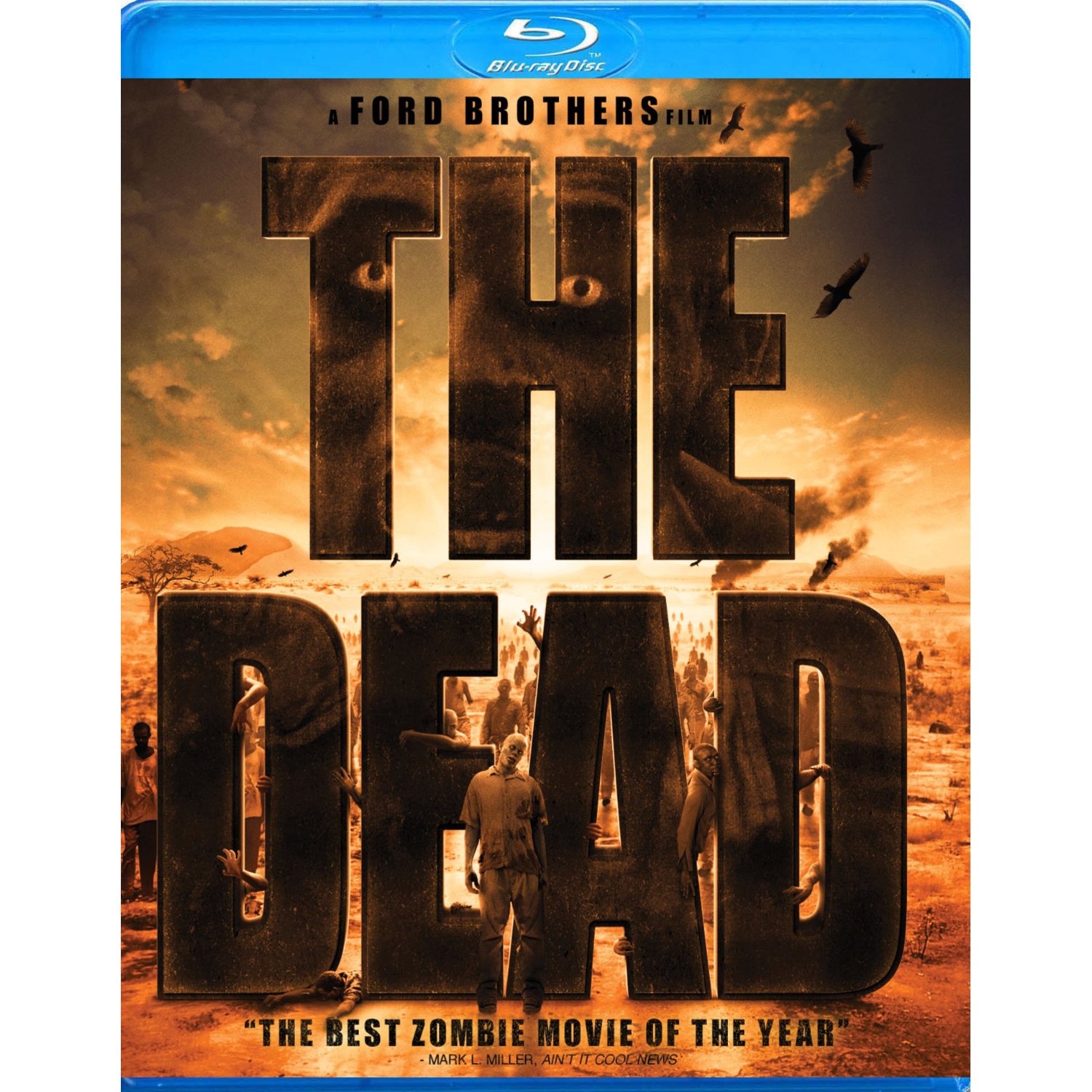
Despite their pop culture ubiquity these days, zombies are getting somewhat of a raw deal. To be clear, I'm talking about the old-school, George Romero-style creatures that slowly lumbered toward their victims and whose only ambition in life was to snack on human flesh. Nowadays, a lot of filmmakers seem to be more interested in making zombie movies that don't technically have "zombies" in them ("infected" is a popular alternative term) and who are almost fast enough to earn a spot on their country's track and field squad for this summer's Olympic games. Even The Walking Dead — fresh off setting a new ratings record for basic cable viewership earlier this week — has conspicuously avoided having any of its characters refer to the living dead as "zombies" over its two seasons. (Instead, they're "walkers" or, most recently, "lame-brains.")
The Dead strives to be a return to Romero-esque horror. Billing itself as “the first zombie road movie set against the spectacular scenery of Africa,” the film follows American Air Force Engineer Brian Murphy (Rob Freeman), who survives a plane crash in war-torn, zombie-infested West Africa only to find himself in a brutal, unforgiving landscape that is completely barren...except for the undead shuffling in his direction. Murphy eventually crosses path with Sgt. Daniel Dembele (Prince David Osei, a poor man's Djimon Hounsou), whose village has been ravaged by the reanimated dead and who is determined to find his missing son.
Posted in: Disc Reviews by Michael Durr on February 16th, 2012
Somehow, I should have known that when my wife started to read the Twilight Series, I would eventually get dragged into watching the movies. The first one, I probably saw three times, the second one, only once. The interesting thing was that my wife was turned off by the movies and I am not sure I remember how the third one ended up. But low and behold, the fourth chapter of the series did not escape my grasp. Not because of my wife, but because of my webmaster knowing I am a glutton for punishment. Enter Breaking Dawn.
Remember kids, this is part one. The new thing in this day and age is if you are adapting a book to film and really want to place emphasis on that last book, you release it in parts. This is two fold, one there is usually a lot of information that needs to get onto screen (since books are more detailed than movies) and two, everybody involved wants to milk the cash cow at least one more time than they would normally be allowed. This only works by the way if the movie is ultra successful. See Harry Potter, and now of course Twilight.