Drama

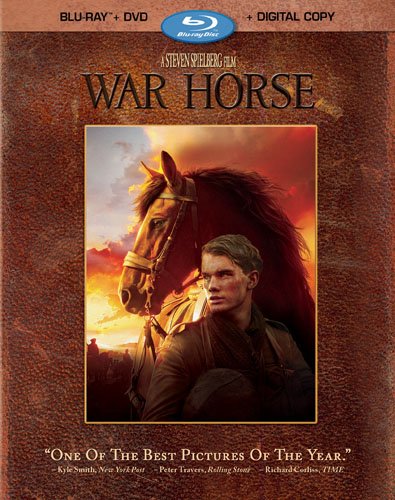
War Horse began life as a novel by Michael Morpurgo and went on to become a relatively successful Broadway play. I haven't read the book, and it's hard for me to imagine the material on the stage. But in the hands of Steven Spielberg there is little left to the imagination. This is definitely one of his most inspired films and contains some of the more beautiful and compelling images. That's saying a lot when you think about the many iconic images Spielberg has brought us from ET to the dinosaurs in Jurassic Park and the great white shark in Jaws. Yes, the images rank right up there. Unfortunately, the film itself doesn't come close.

The story begins with the birth of Joey, a thoroughbred horse. But this is not really the beginning of the story, is it? Joey is sent to auction where drunkard farmer Ted Narracott (Mullan) falls in love with the impractical animal. Helped by the taunts of his landlord Lyons (Thewlis) he bids too much for the animal and wins him. The problem is that he needed a working horse to plow his fields, and Joey isn't going to make wife Rose (Watson) very happy at all. But his son Albert (Irvine) instantly sees what his father saw and falls in love with Joey. He promises to train him. If he can't the family will lose their farm. But even this isn't really where the story begins.

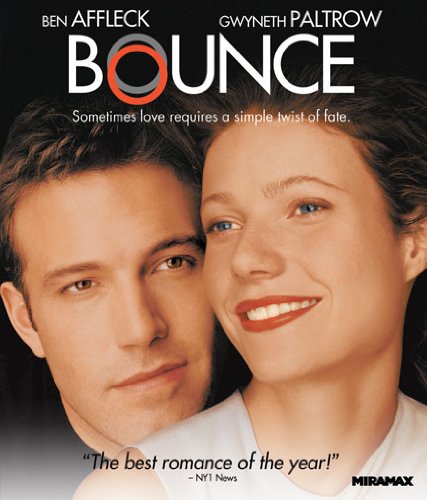
Ben Affleck's dating life wreaked plenty of havoc on the moviegoing public during the early part of the 2000s. We all know about the infamous Gigli and Jersey Girl debacles with Jennifer Lopez. (It didn't even matter that J. Lo was barely in Jersey Girl — which actually has a few cute moments — or that the indefensible Gigli was just a deeply weird flick which happened to star two of the world's most famous, romantically-involved movie stars.) The film usually left off this dubious category is Bounce, a soggy romantic drama starring Affleck and former squeeze Gwyneth Paltrow. Although the pair — who, to be fair, also appeared together in the Oscar-winning Shakespeare in Love — keep this movie watchable, there's a reason Affleck mostly focuses on directing these days and hasn't made a movie with Jennifer Garner since they got married.

Affleck stars as hot-shot ad man Buddy Amaral. (We know he's a hot-shot because he speaks quickly, brashly and constantly has a drink in his hand...Mad Men taught me that.) After scoring a major account with an airline in Chicago, Buddy is stranded at the airport with a hottie (Natasha Henstridge) and friendly family man Greg (Tony Goldwyn). Greg allows himself to get bumped from the flight so he can use the airline compensation to take his family on vacation at a later date. Once the flight starts boarding, Buddy gives Greg his ticket so Greg can go home to his family sooner, but mostly so Buddy can hook up with the hottie at the airport hotel. The plane crashes, killing everyone on board.

The Killing began life as a Danish television series. We are used to seeing British shows reinvented for American audiences, but it's rare to find something from Danish television that someone found so compelling they decided to work it for the competitive American television landscape. It's no surprise that such an effort would find its way on cable rather than network television, where boundaries can really be pushed and explored.

AMC is a pretty good choice to land such a show. They've committed to some pretty groundbreaking shows in the few years they have produced original programming. Anyone who has caught an episode of The Living Dead certainly knows what I'm talking about here. The once movie-exclusive network has already proven a willingness to push the boundaries of television. So with all of this boundary pushing you might expect a cutting-edge series that plays out unlike anything in the genre. You would think so, but you'd be pretty disappointed.

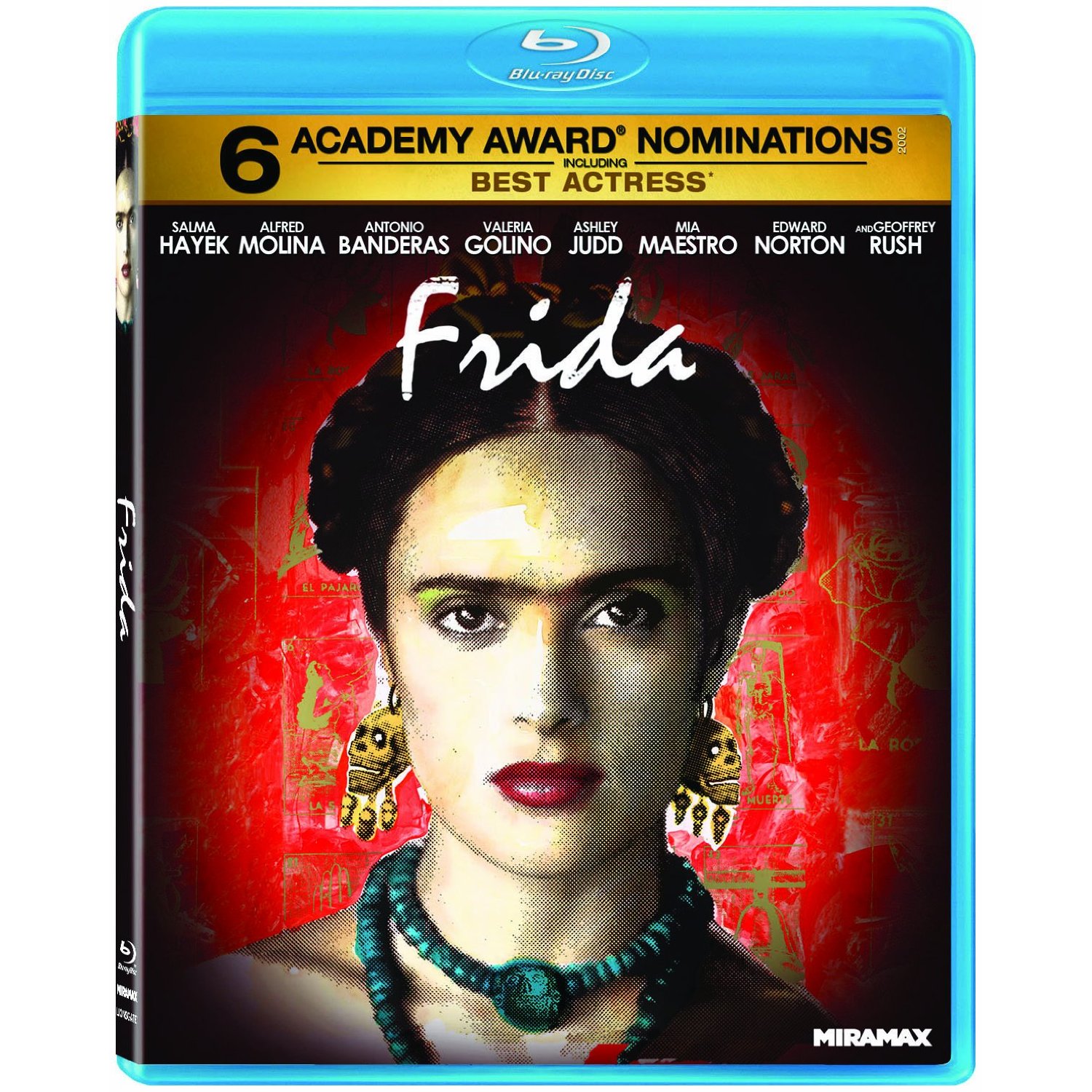
Frida Kahlo's life was tragic, romantic, epic, and inspiring. This film takes on the immense challenge of telling the story of such a complex life in the time frame of a stand-alone feature film. Frida is about art just as much as it is about an artist. Often stylized, but never unapproachable, Frida is a rare success by the way it managed to capture and display a part of Frida Kahlo's artistic soul.

Director Julie Taymor is widely known for her stylized approach to any production, be it on film (Titus, Across the Universe) or on stage (Lion King, Spiderman: Turn off the Dark). It is no small wonder that Taymor expresses her own artistic flair through her direction without comprising the work of her subject. Taymor uses dreams as her platform to inject the strangest visuals that are not the direct work of Frida. There is even one scene that is not the composition of Taymor or Frida, but the a dream sequence inspired by Mexico's day of the dead, created by the enigmatic animation duo, the Brothers Quay. As I suggested, the injection of other artist's unique style and creations into a film about an artist is not as disruptive as one may imagine. Both Taymor and the Brothers Quay honour Frida's life and work with their own contributions. Neither attempt to mimic Frida, save for one painting at the very end, but rather, they include something about Frida's life that she herself may not have expressed in her work. That is to say, not explicitly in any particular piece.

"It seems to me the measure of the true perversity of the human race, that one of its very few reliably pleasurable activities should be the subject of so much hysteria and repression."

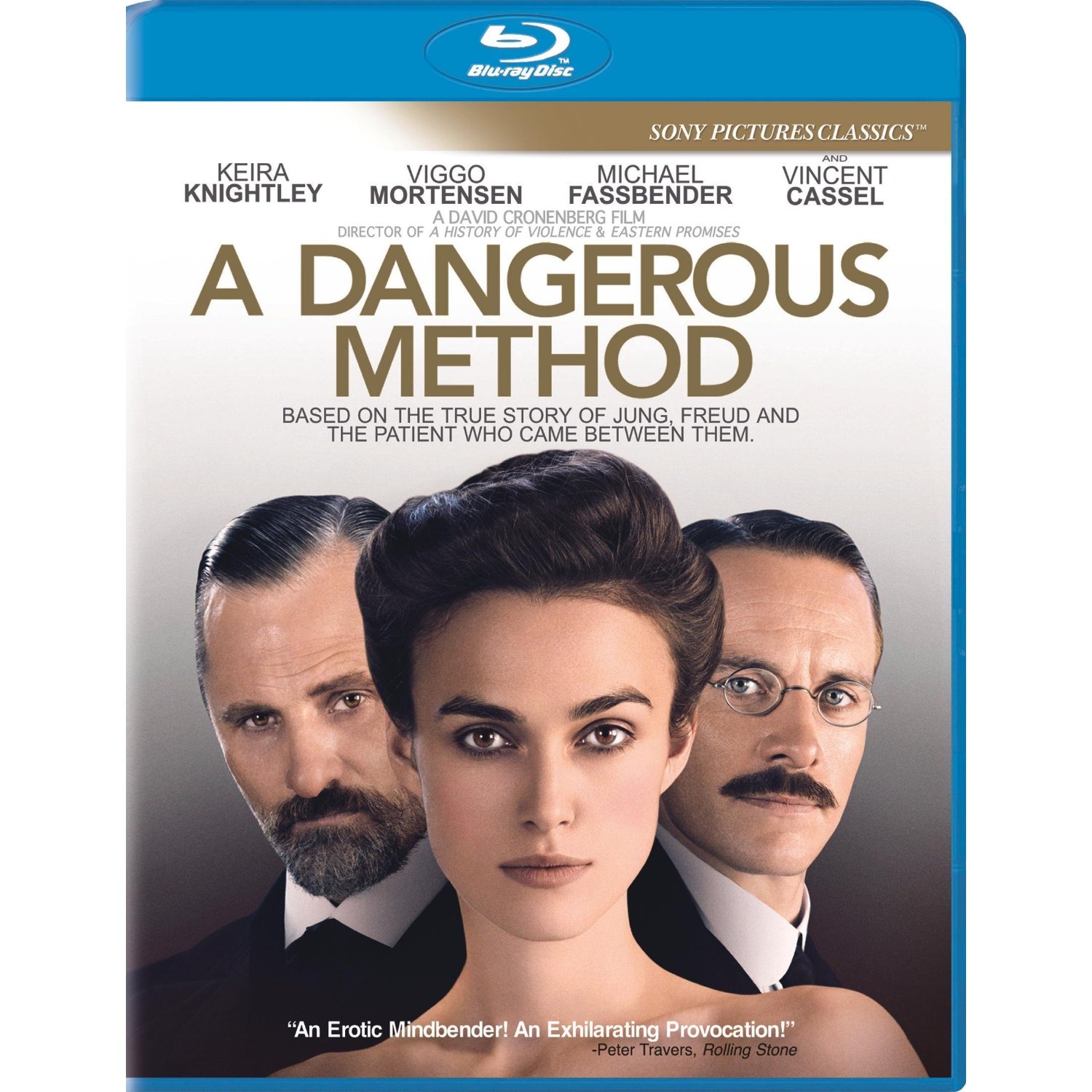
I believe a movie that extensively examines the complex relationship between Carl Jung and Sigmund Freud, pioneers in the field of psychoanalysis and two of the world's greatest minds during their time, has the potential to be a dynamic cinematic experience. At the very least, it would be intellectually stimulating and serve as a wonderful showcase for a pair of capable actors. Unfortunately, A Dangerous Method is not really that movie.

Even though I'm guilty of doing it myself, I always laugh a little when I hear someone complain that certain actors "just play themselves": as if you or I actually know these celebrities personally and have the authority to say what they're like in real life. Of course, what we really mean is most movie stars have found a screen persona that has connected with audiences and — in the spirit of giving people what they want (or laziness) — tend to stick pretty close to that image, adding only a tweak when we catch on to their game. (I mean, do we really want to see Sylvester Stallone tackle Hamlet? Wait, that would be amazing!) This isn't a new development: it's been happening since the days of John Wayne, and it continues to happen today with the likes of Tom Cruise, Will Smith, Jennifer Aniston, Seth Rogen and others. (Ok, so Seth Rogen probably is just playing himself.)

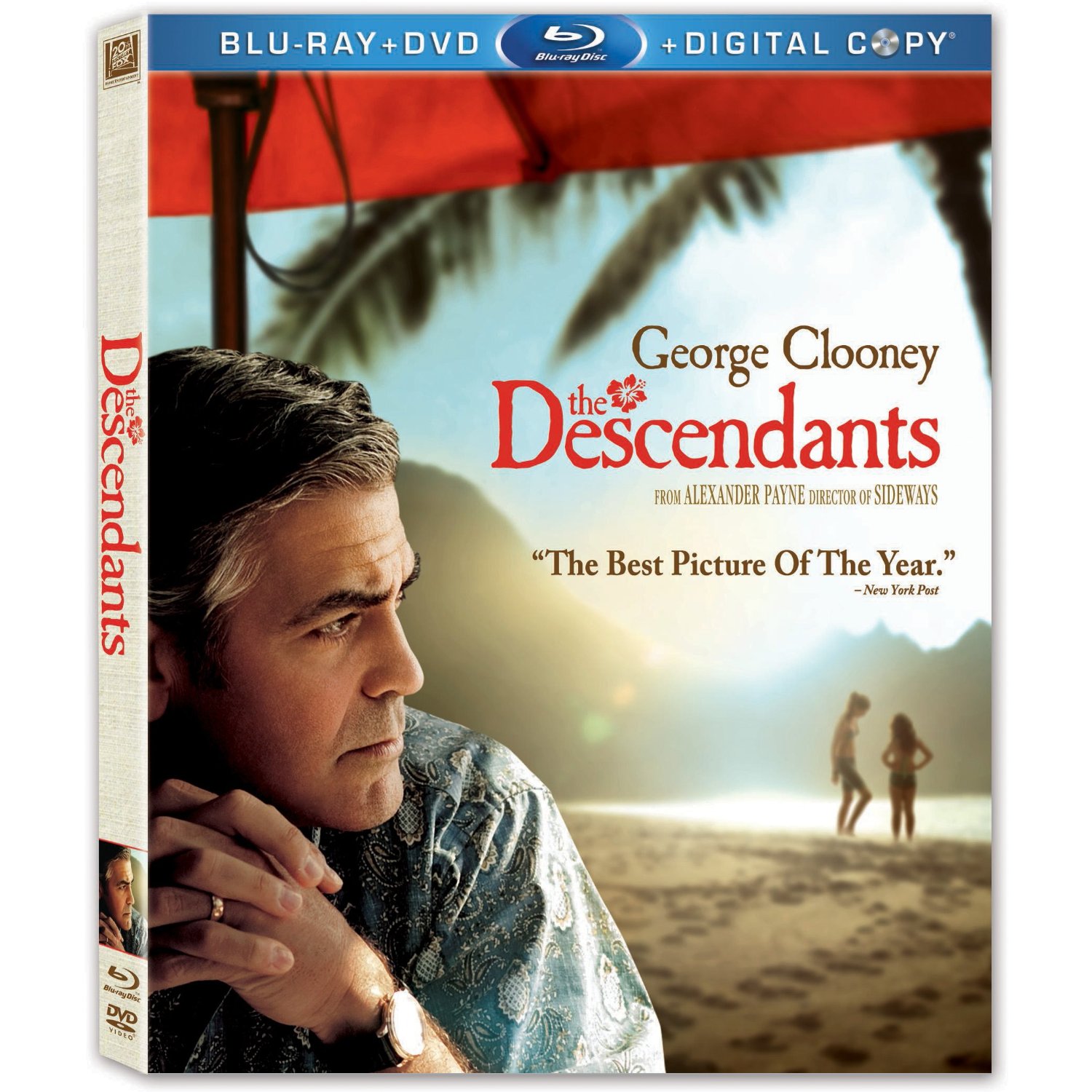
Few actors are "playing themselves" to as much critical and commercial success today as George Clooney, a handsome, articulate, serious-minded charmer who looks great in a suit. So when he plays handsome, articulate, serious-minded charmers who look great in suits, I can understand why some people may shrug their shoulders, no matter how excellent the performance is. You think it's an accident he won an Oscar for gaining some weight and covering his face with a scraggly beard in Syriana, but was shut out for superior work in Michael Clayton and Up in the Air?

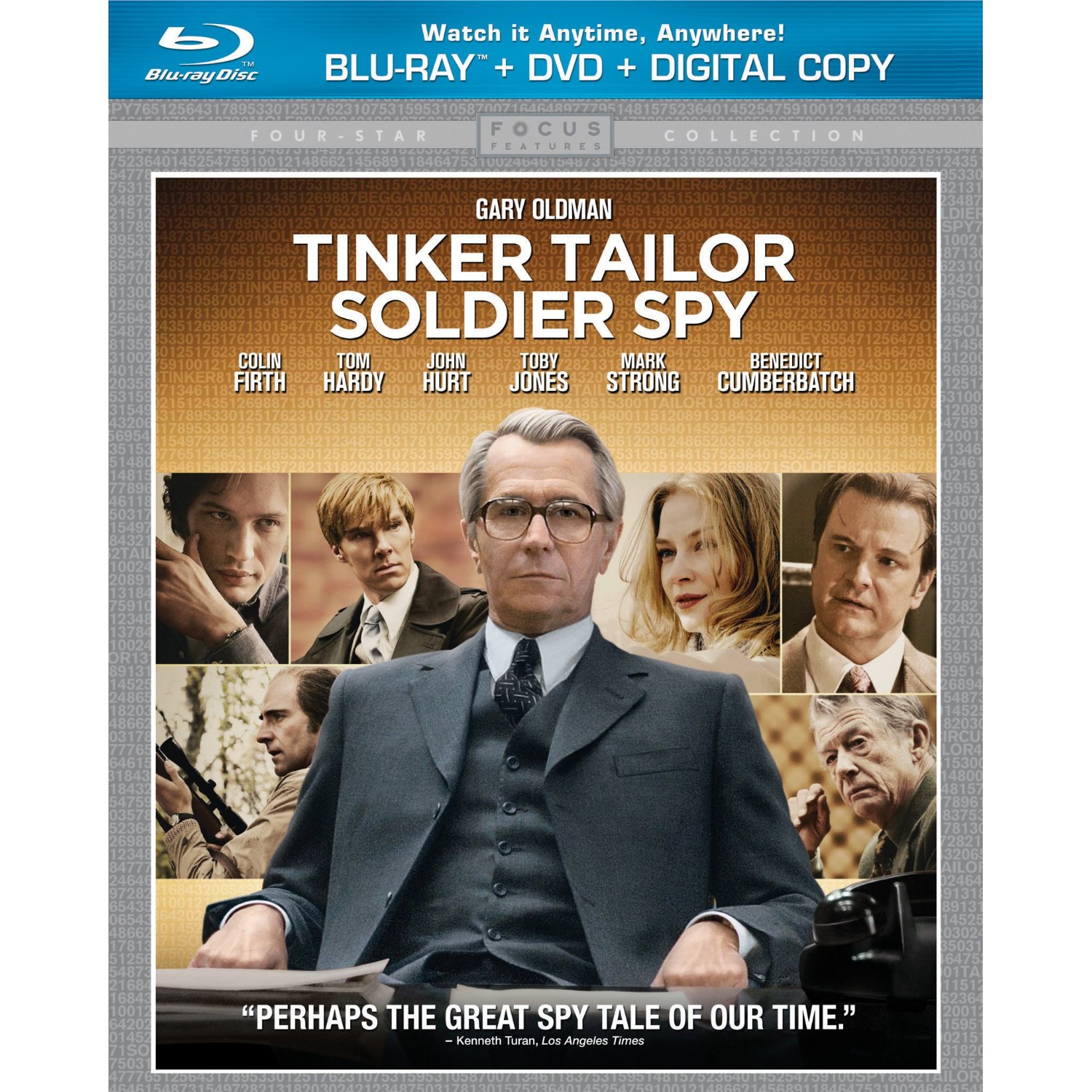
After watching Tinker Tailor Soldier Spy, my mind wandered over to Inception of all places. Remember how Ellen Page's character pretty much only existed so other people could explain to her — and, by extension, us in the audience — the rules of the movie's universe and what the hell was happening? Well, watching Tinker Tailor Soldier Spy for the first time felt a lot like what I imagine Inception would look like if Page's novice architect hadn't been in the script: words and items have dual meanings, characters have double (and triple) motivations, and good luck figuring out everything that's going on in this complex world!

The plot, however, is deceptively simple: veteran spy George Smiley (Gary Oldman) is called out of retirement to uncover a Soviet agent in the highest ranks of MI-6, the British intelligence service. (I'll refrain from further discussing the plot so that I don't give anything away, but also because there's a decent chance I haven't comprehended everything that happened. That being said, my second viewing of this movie went considerably smoother than the first.)

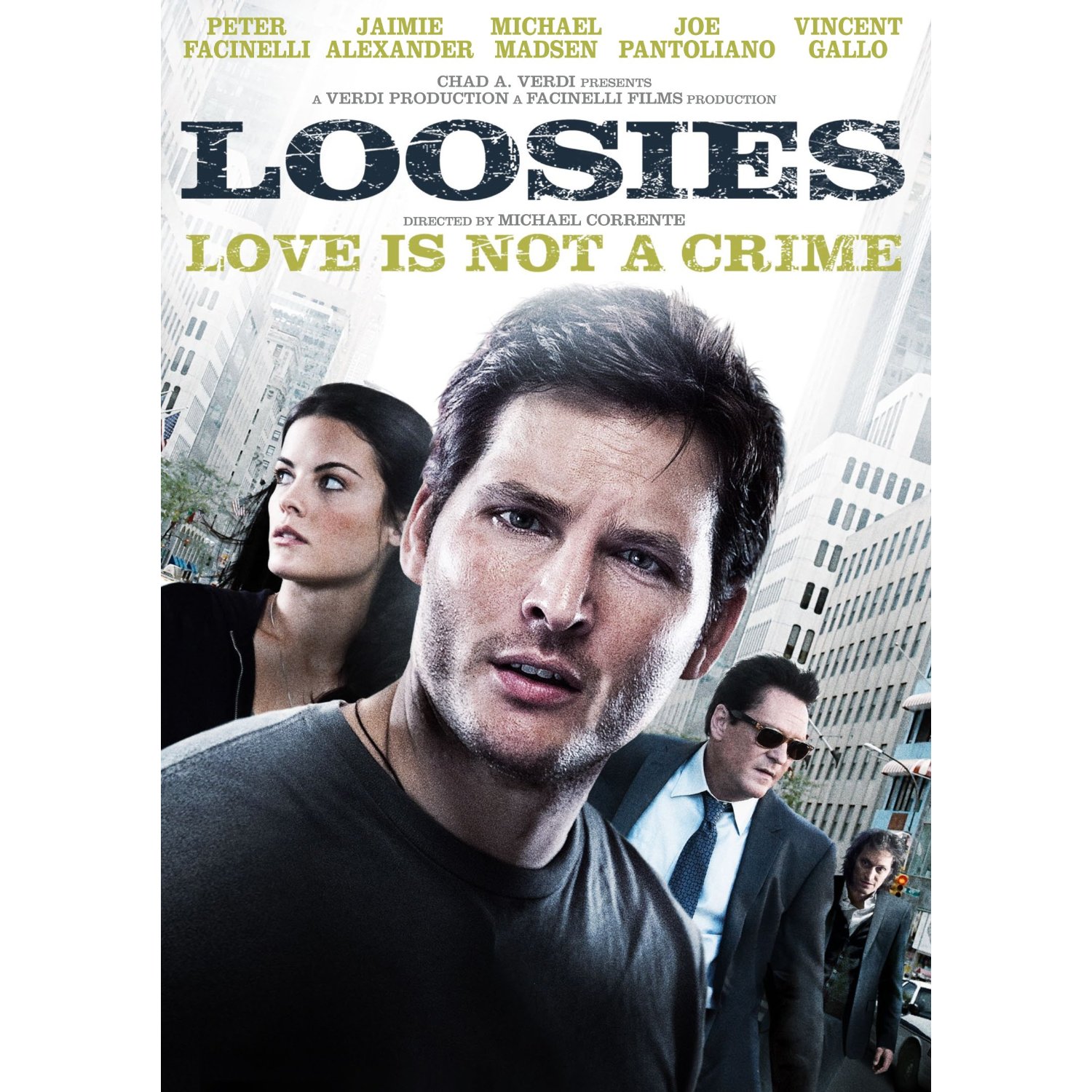
Oh, Peter Facinelli, how I hope that this movie that just landed in my lap does NOT feature you with glitter thrown all over your body. This movie is called Loosies, and no not as in loose like Kristen Stewart. I am hoping that the tag line, “Love is not a crime”, does not mean complete suckage, but from the description on the back... I am not hoping for much. I loathe chick flicks, and this reeks of one. But on we go with an open mind and an open beer (Okay, okay, so it's a root beer! Geez!)!


Holy wow! The music that rolls during the menu screen is absolutely awful. This can not be a good sign. Woosa! This is ok with me, Bobby (Peter Facinelli) and Lucy (Jamie Alexander) are in bed. She is passed out after a romp in the hay. Next, we see him walking around a red room. He gets dressed, writes his number on a bunch of pieces of paper and walks out. He's walking around town pick pocketing people. Oh that is a lovely job. Jax (Vincent Gallo) is doing some whacked form of martial arts?

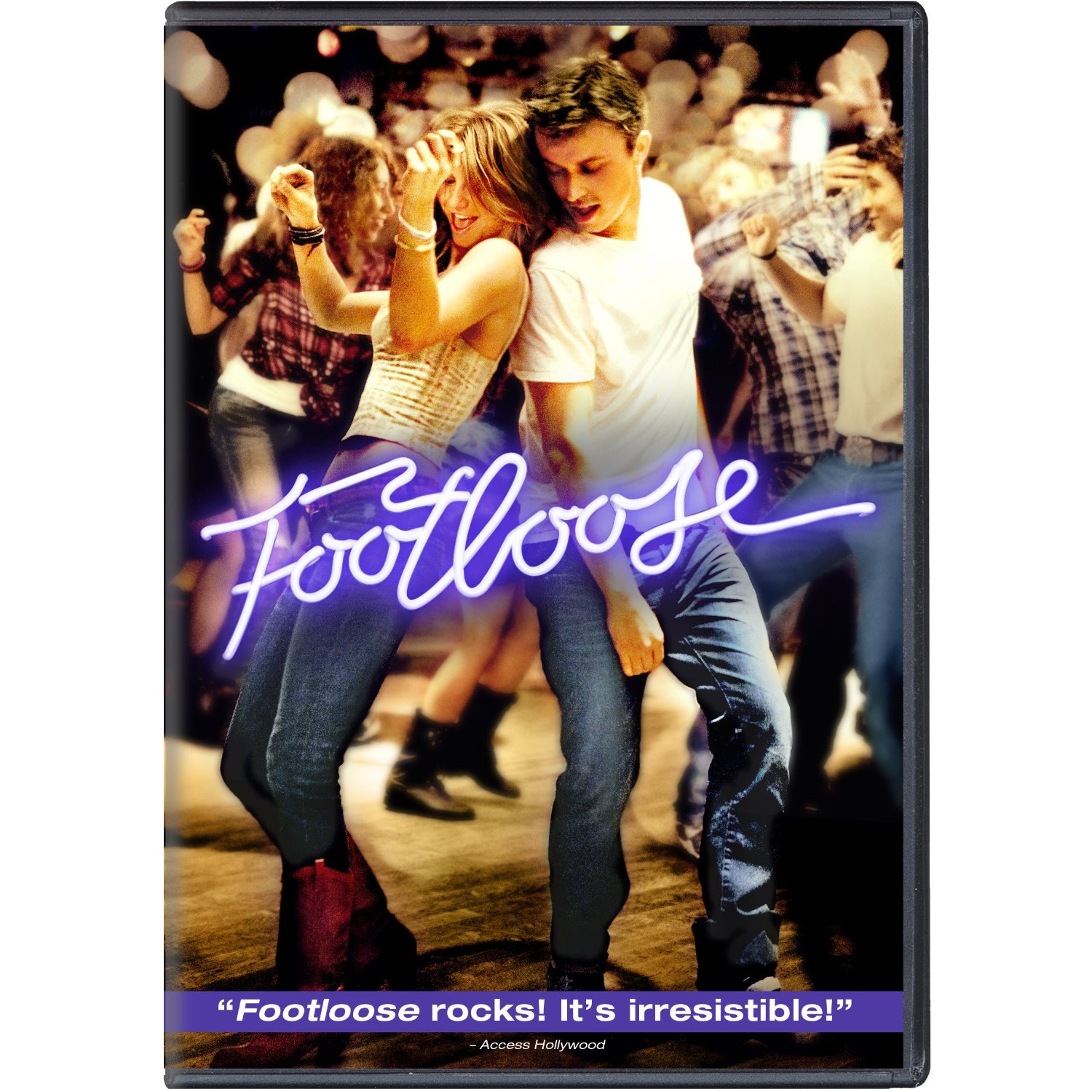
A tragic accident after an uncannily choreographed dance party in the country leaves a carload of teens dead, and their hometown vows to ban all public displays of dancing and loud music. Big City hunk Ren MacCormack arrives in town to challenge this outlawing of music and dance by...mostly dancing to music.

This is a modern update of the 1984 hit film of the same name that starred Kevin Bacon in the role of Ren. Young actor Kenny Wormald steps into these dancing shoes and does a decent job being a youth who charms us through his rebellion. His look is much more James Dean-ish than Bacon's version, but still an acceptable doppelganger of the original Ren.

"What must it be like to be the most famous woman on Earth?"

In My Week with Marilyn, one character relays this very question — apparently asked recently by Queen Elizabeth II — to Marilyn Monroe herself. The main problem with this movie is that it is less interested in exploring that query with a great amount of depth, and more interested in answering the considerably less provocative question, "What is it like to hang out with someone super famous?" (That's what Entourage was for.)