Horror

Laughing out loud and getting startled out of your wits are two of the most visceral reactions you can have as a moviegoer. For a director to elicit either reaction is challenging enough, which is why I was so delighted to be feeling both during the thrilling, funny finale of Housebound. It’s an even more impressive feat when you consider it was accomplished by a first-time filmmaker working on a shoestring budget.

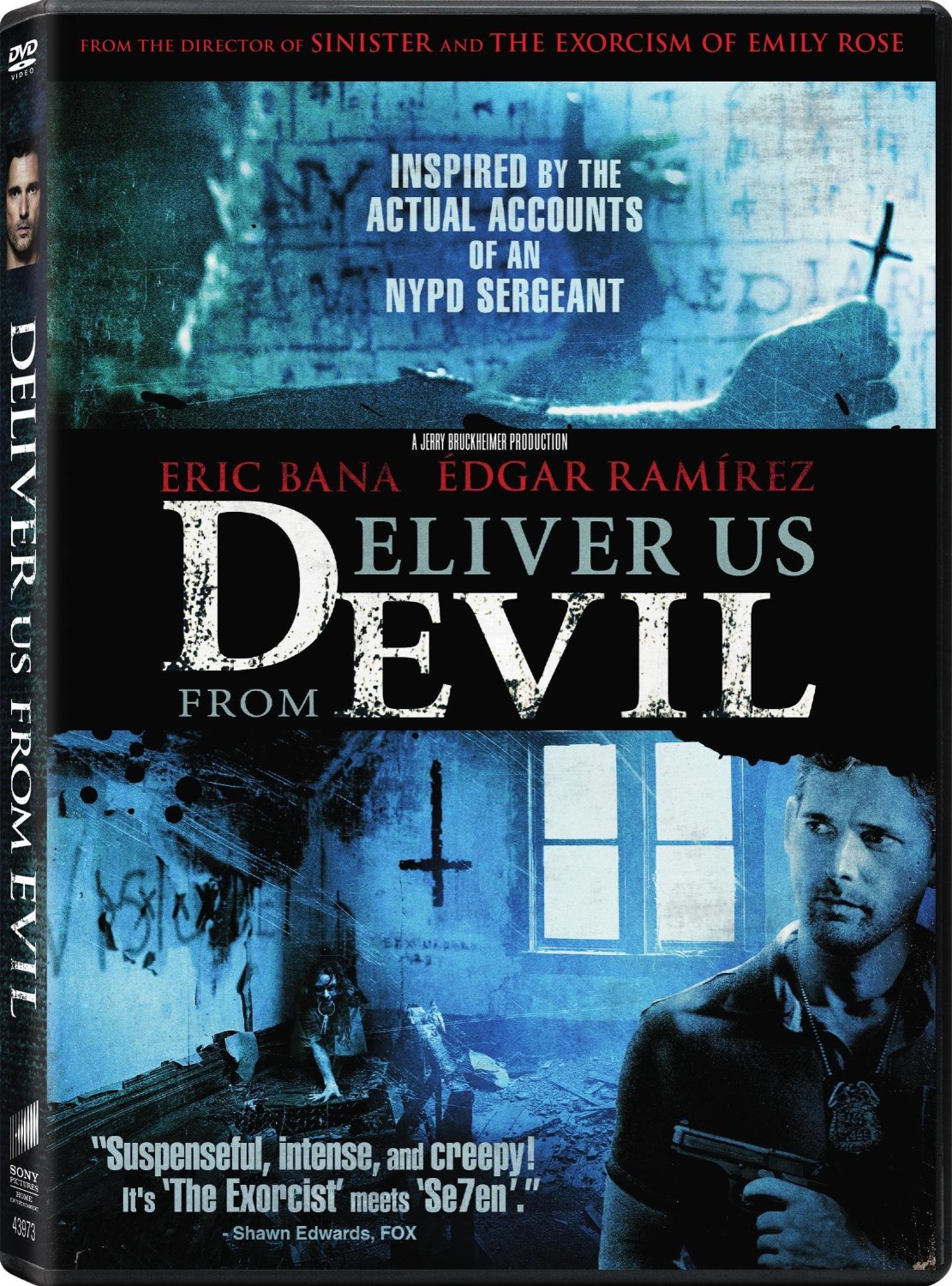
Inspired by the actual accounts of an NYPD sergeant.”

Deliver Us From Evil comes attached with what may be the most flowery variation yet of the “Based on a True Story” tag I'm always wary of. The deliberately-worded phrase is designed to lend an air of verisimilitude to the inherently supernatural demonic possession genre. (Not unlike what The Conjuring did with its real-life paranormal investigators on its way to becoming a smash.) While Deliver Us From Evil has a few decent jolts, it doesn't come close to capitalizing on the promise of its unique source material.

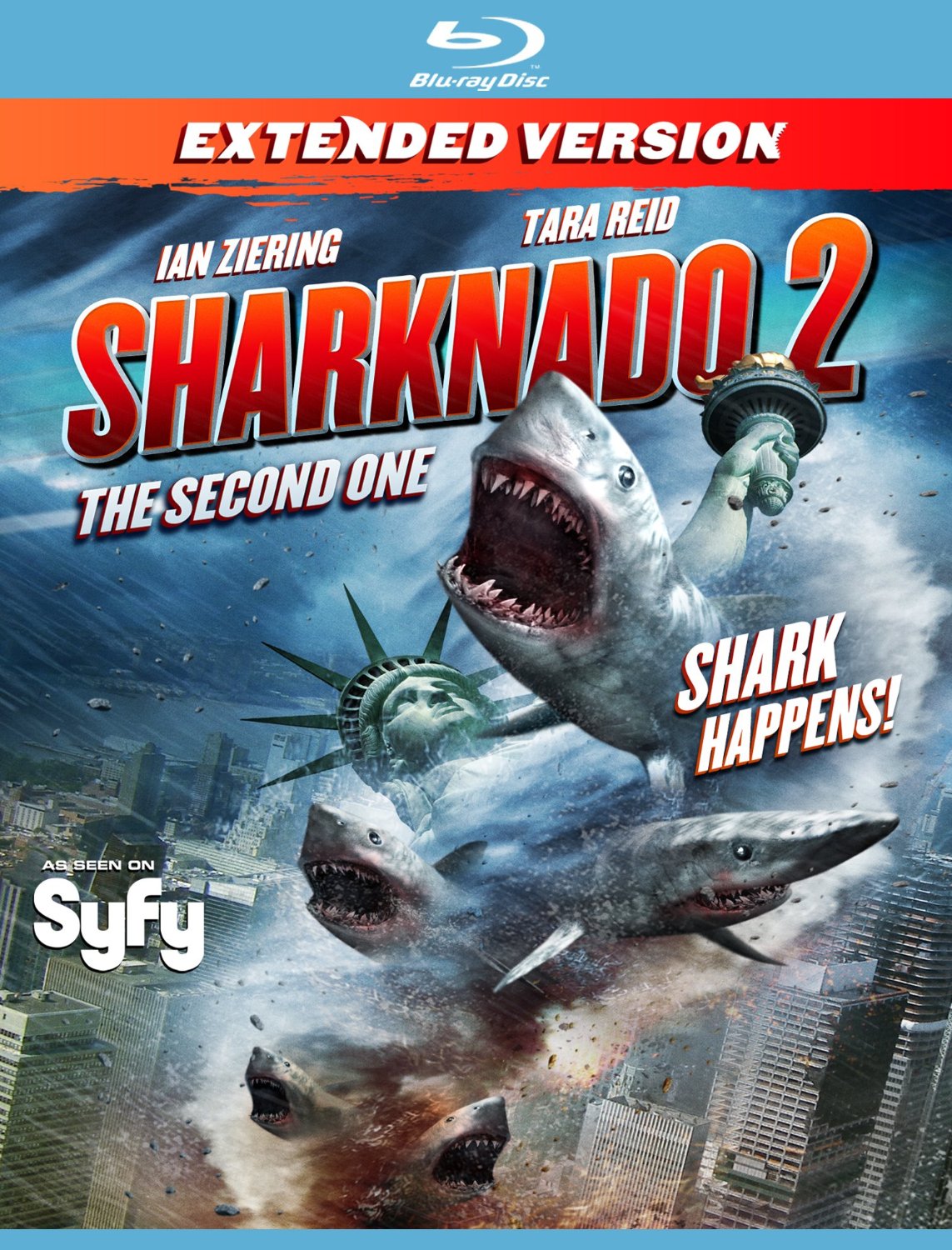
“You know what you just did, don’t you? You jumped the shark.”

People have been mocking SyFy original films since the days when the network spelled its own name properly. But staying home on a Saturday night to “MST3K” your way through flicks with D-list actors and Z-grade visual effects has been replaced by Twitter, which practically blew up when the impossibly campy Sharknado premiered last year. SyFy recognized that social media has made it possible for anyone with Internet access to trade yuks and one-liners on a global scale; more importantly, it has allowed the network to be in on the joke in an unprecedented way.

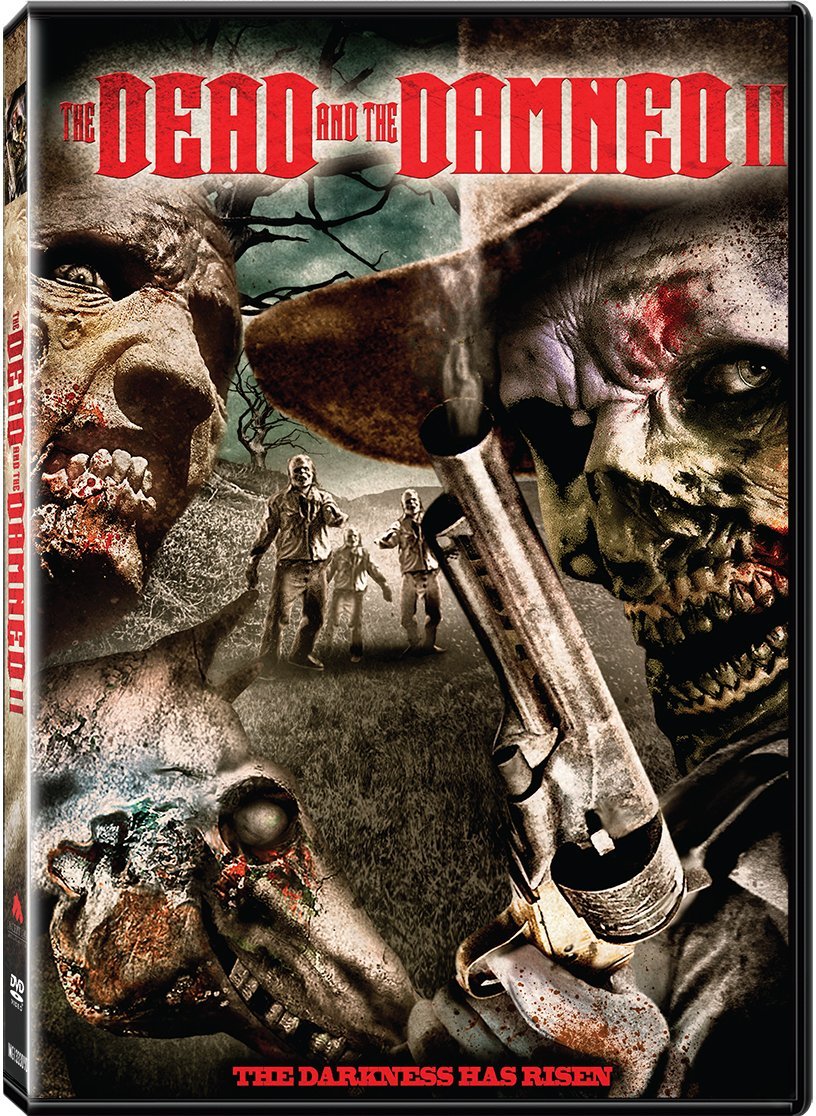
So you want to make a zombie flick, but you realize everyone and their (undead) brother seems to have beat you to the bite punch. The question becomes, “how am I going to make my monster movie standout?” Even if you mess around with time, place, and genre, it’s hard to stake out new territory. The micro-budgeted/straight-to-DVD Dead and the Damned — also released as Cowboys & Zombies in 2011 — tried to play with all three. This new sequel takes a more typical approach to zombie horror; in fact, the biggest departures are a curiously-armored hero, a disabled heroine, and an amusing undercurrent of horniness.

In 1996 it was a brave new world for  Quentin Tarantino and Robert Rodriguez. Tarantino was still riding the wave of Pulp Fiction’s fame, while Rodriguez was going strong with his follow up to El Mariachi, Desperado (which went on to be a bigger hit).  The two had crossed paths at various film festivals, and through the course of their meetings they discussed various projects they could possibly do together.  The project that brought these two together would be horror/ crime genre mixer, From Dusk Till Dawn.

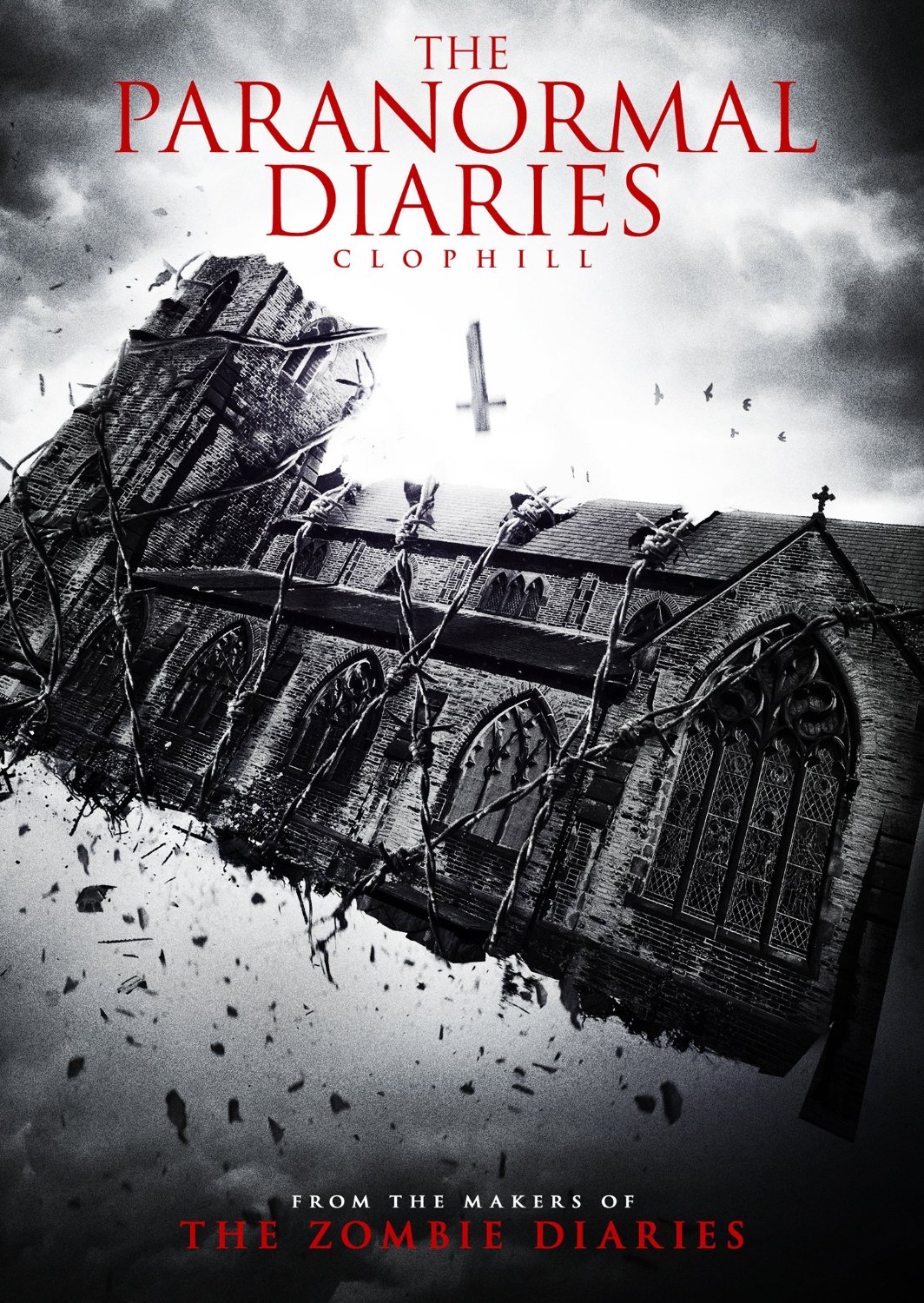
Despite its found-footage conceit and similar-sounding title, The Paranormal Diaries: Clophill is somewhat of a different demon animal than a certain recent horror franchise. Given that found-footage fatigue seems to be setting in among critics and audiences, any sort of deviation from the norm should be welcome. The problem is this film ultimately doesn’t deviate far enough and hedges its bets with a climax that seems transplanted in from a handful of other movies. More importantly, viewers will probably be too bored to even care by the time movie gets around to being scary.

"And I heard, as it were, the noise of thunder, one of the four beasts saying, "Come and see." Then, behold, a pale horse, and his name that sat on him was Death, and Hell followed with him."

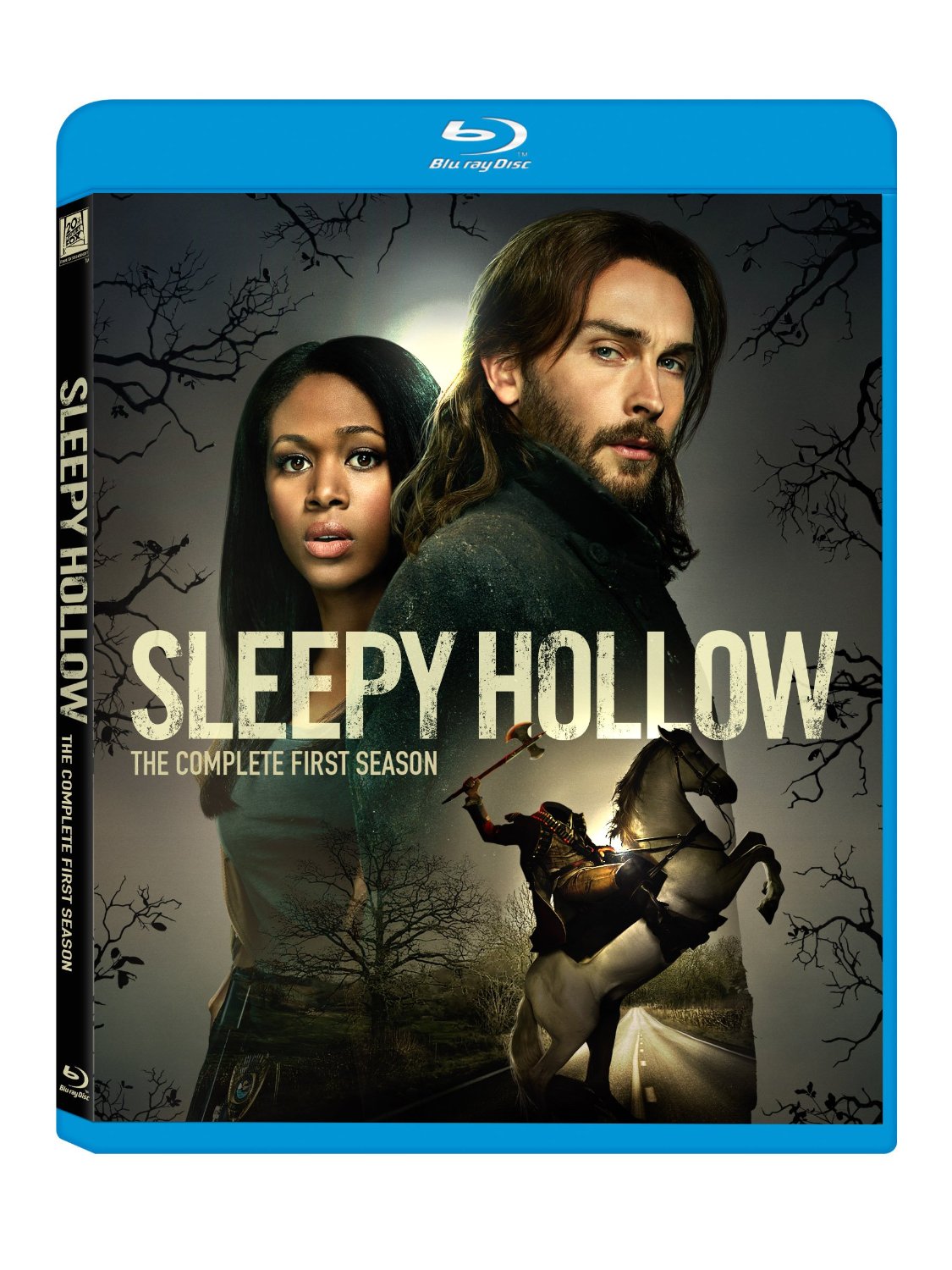
No, this is not a Johnny Cash song or a bible study post. Believe it or not, we're talking Ichabod Crane from Washington Irving's famous story The Legend Of Sleepy Hollow. Fans of the tale will recall that Ichabod came to encounter the headless horseman in one of the first American horror tales ever written.


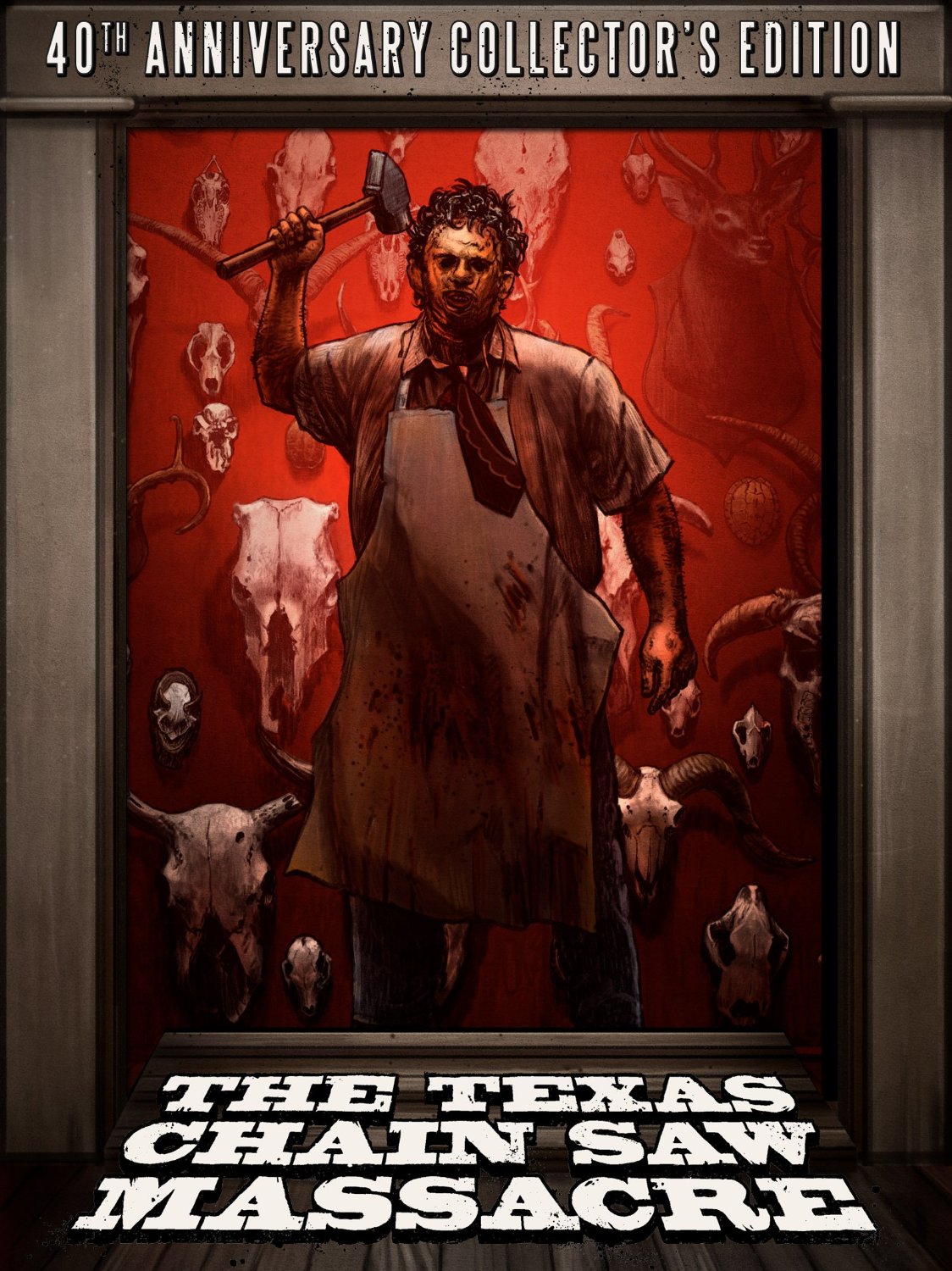
"The film which you are about to see is an account of the tragedy which befell a group of five youths, in particular Sally Hardesty and her invalid brother, Franklin. It is all the more tragic in that they were young. But, had they lived very, very long lives, they could not have expected nor would they have wished to see as much of the mad and macabre as they were to see that day. For them an idyllic summer afternoon drive became a nightmare. The events of that day were to lead to the discovery of one of the most bizarre crimes in the annals of American history, The Texas Chain Saw Massacre."

Marilyn Burns, Paul Partain, Allen Danziger, Teri McMinn, William Vail and Gunnar Hansen individually may not be that well known.

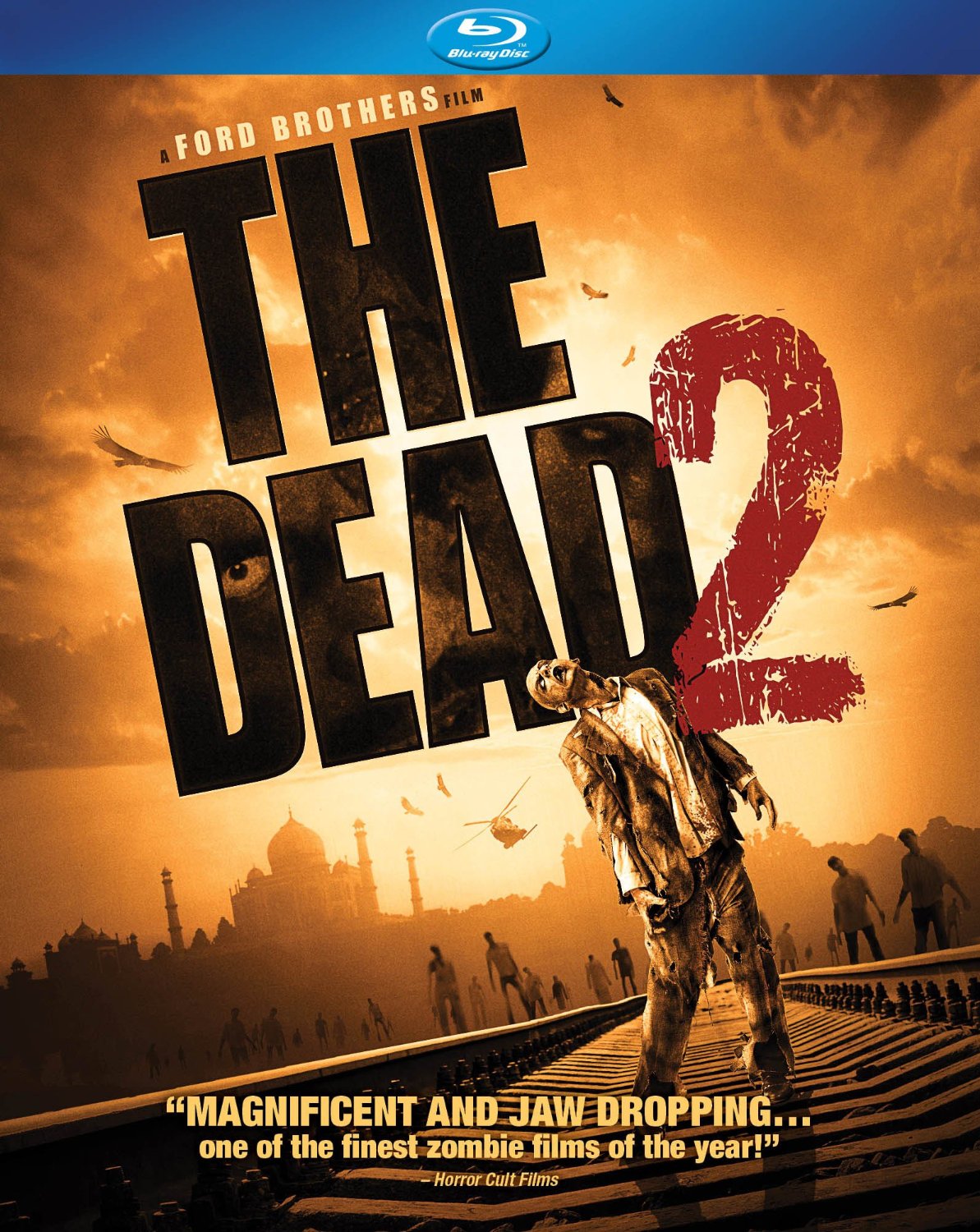
Sibling filmmakers Howard J. and Jonathan Ford seem to be huge believers in the “Location, location, location” real estate adage. The duo — collectively known as The Ford Brothers — previously made The Dead, which was billed as “the first zombie road movie set against the spectacular scenery of Africa.” I actually wasn't a fan of that flick, but saw enough technical skill and enough potential in the concept to make me curious about a follow-up. With The Dead 2: India, the Ford Brothers have once again transplanted old-fashioned zombie thrills to an exotic, under-explored location. Only this time, they brought a story and more engaging performers along for the trip.

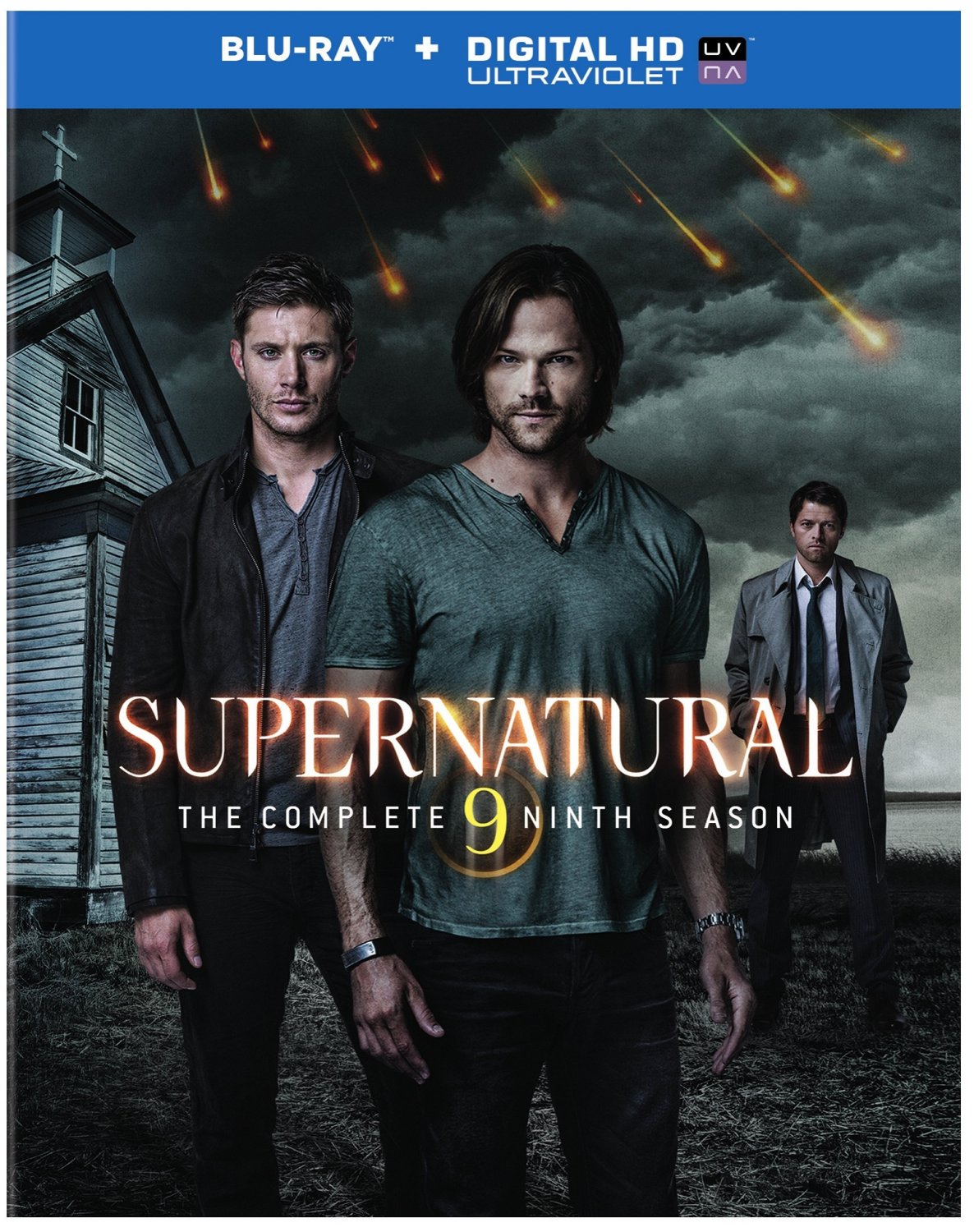
"There's virtually nothing the Winchesters can't do if they work together."

But that's the rub, isn't it? The tradition has been that each of the last several seasons end up beginning with the brothers separated for one reason or another. Often one of them is trying to escape Hell, purgatory or some fantasy mental land. There are at least two times a year they split up over an argument.