Disc Reviews

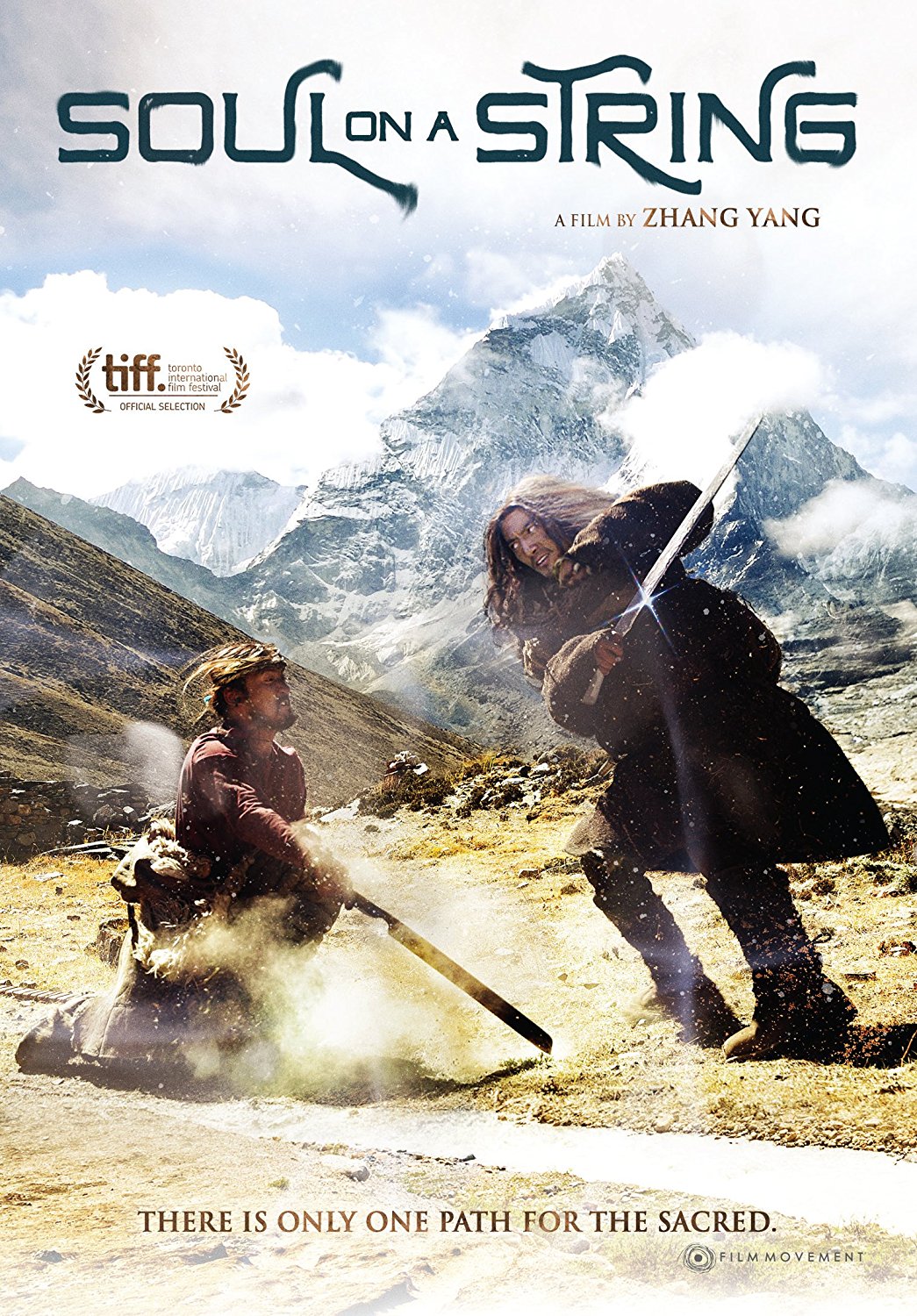
Soul on a String is the latest from director Yang Zhang, a very methodical filmmaker from Beijing, China. Now, I say methodical for two reasons: he’s been making films since the late 90’s and has only released a total of nine, and the ones I have seen are very slow-paced, but absolutely deliberate when paying attention to narrative, editing, and cinematography. To be fair, I have only seen two of his films. My first exposure to his work was in graduate school, as one of my colleagues who came from China invited me to watch Zhang’s 2005 film, Sunflower. Where I had some solace in recognizing the lead actress, Joan Chen (from Twin Peaks, of course), I was very surprised at how much I enjoyed the intense and complex emotions that the narrative drew out of me.


“Here’s how it is: the Earth got used up, so we moved out and terraformed a whole new galaxy of Earths, some rich and flush with the new technologies…some not so much. The Central Planets, thems formed the Alliance…waged war to bring everyone under their rule. A few idiots tried to fight it, among them myself.”

Sound familiar? A crew of scrappy underdogs skirting the edge of the galaxy to avoid an oppressive interplanetary alliance. Exactly 40 years ago, Star Wars used that formula to capture moviegoers’ imaginations, and it is currently being replicated by the uber-popular Guardians of the Galaxy series. But in between those two behemoths there was a little show called Firefly.

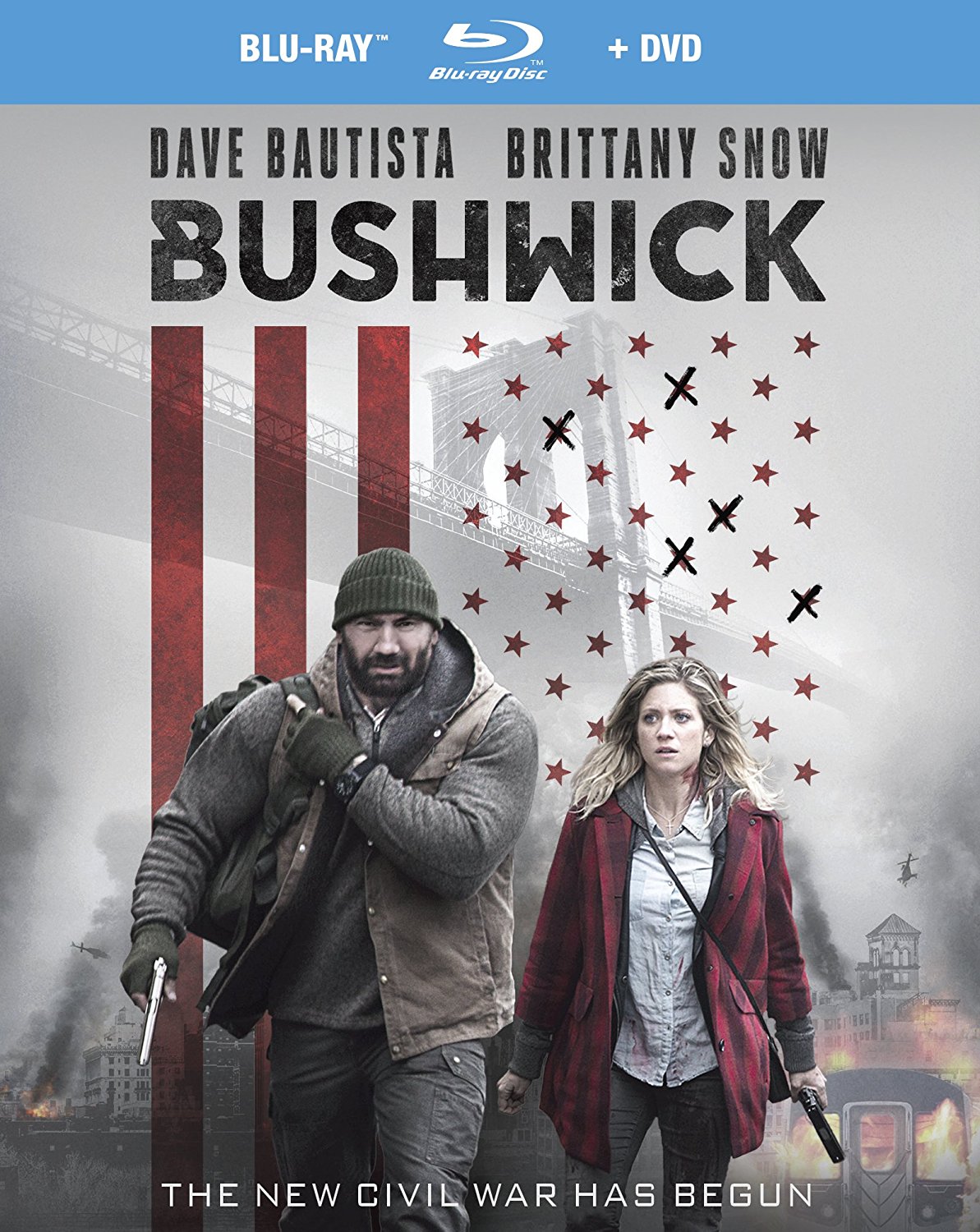
Ever since Birdman was released, it seems many filmmakers have been attempting to pull off the continuous take and outdo all the others.  It was impressive when we all saw it the first time, but since then everything just seems like a bad knockoff.  The newest film to follow this trend is Bushwick.  While the camera work in the film does allow for an immersive experience, honestly it felt like I was in a first-person shooter video game, which was cool, but it seemed like the camera work was a distraction from the story.  This is a frustrating film. On the technical side there is a lot to appreciate, but the moment you start looking at the story, the film seems to simply fall apart.

"All of human history has led to this moment. The irony is we created you. And nature has been punishing us ever since. This is our last stand. And if we lose... it will be a Planet of Apes."

I was always a fan of the original Planet Of The Apes series of films. While they often flirted with a camp style, I was impressed with John Chambers' makeup effects and the performances of Roddy McDowall as both Cornelius and Caesar. Then came the television show, and I was just as enchanted, and that was helped along by McDowall's appearance as a third ape, Galen. The show didn't last a season, and before long the Apes franchise was left in some kind of limbo.

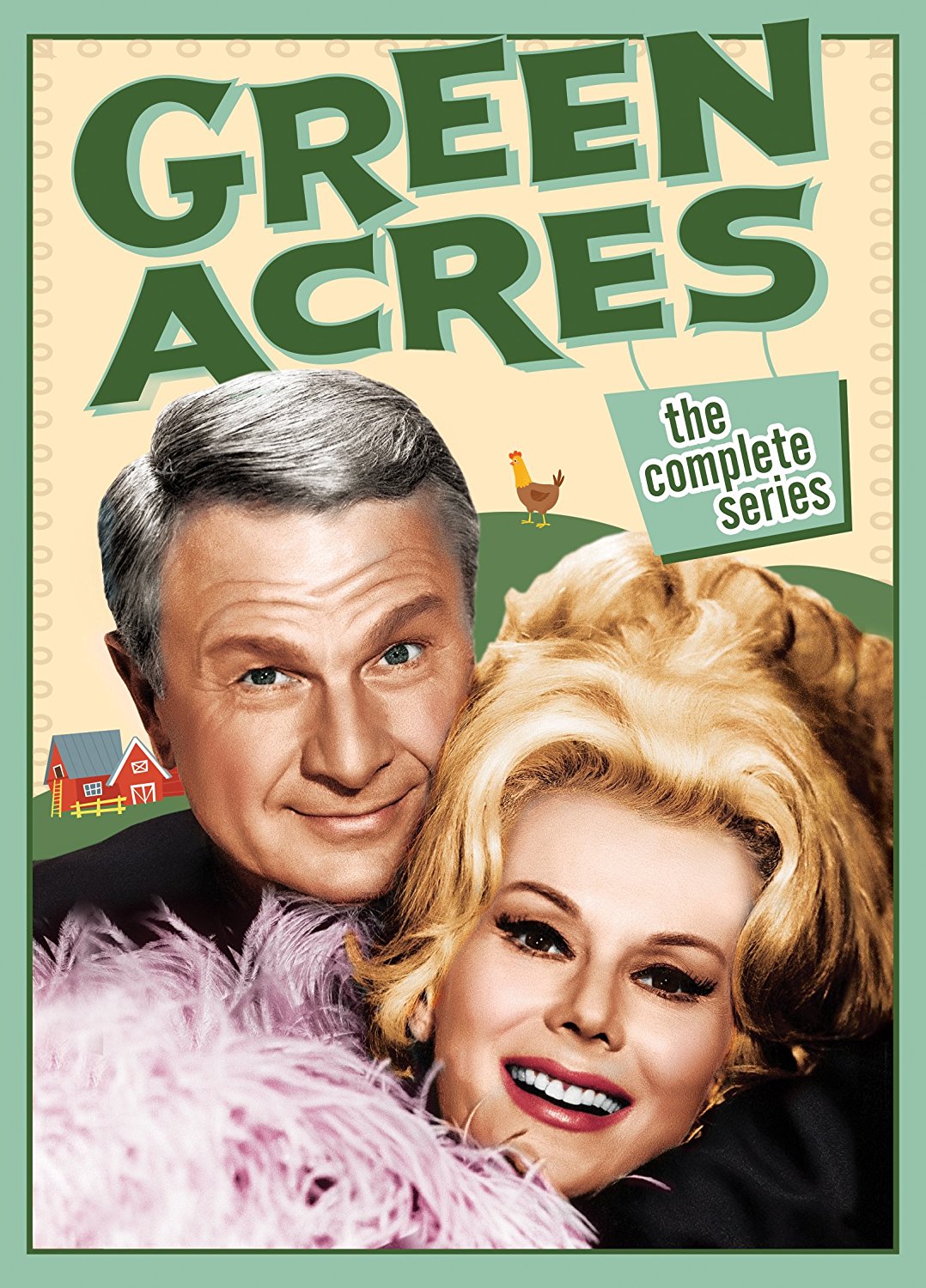
"Green Acres is the place to be..."

It was 1965, and CBS was enjoying the fruits of the era's fascination with rural sit-coms. Paul Henning was on a roll as a series creator. It started with The Beverly Hillbillies in 1962, where we were all invited to sit a spell with the Clampetts, a rural family who discovered oil on their property and ended up finding out that California was the place they oughta be, more specifically Beverly Hills, complete with "cement ponds" and movie stars. The show was such a success that Henning spun it off into Petticoat Junction a year later. The show covered the happenings at the Shady Rest Hotel which happened to be located at a water stop on the C. & F.W. Railroad in the hick town of Hooterville. Again Henning hit comedy gold. Two years later, Hooterville would be the location for Green Acres, a kind of reverse Beverly Hillbillies. This time a couple from a penthouse apartment in New York City would come to Hooterville and replay the fish-out-of-water routine just as The Beverly Hillbillies had done three years earlier. Green Acres would last until 1971, when all three shows would become victims of the CBS Rural Purge. Under pressure from sponsors who were afraid of losing their urbanite customers, all of these shows were axed. One news reporter at the time reported that "CBS cancelled everything with a tree, including Lassie."

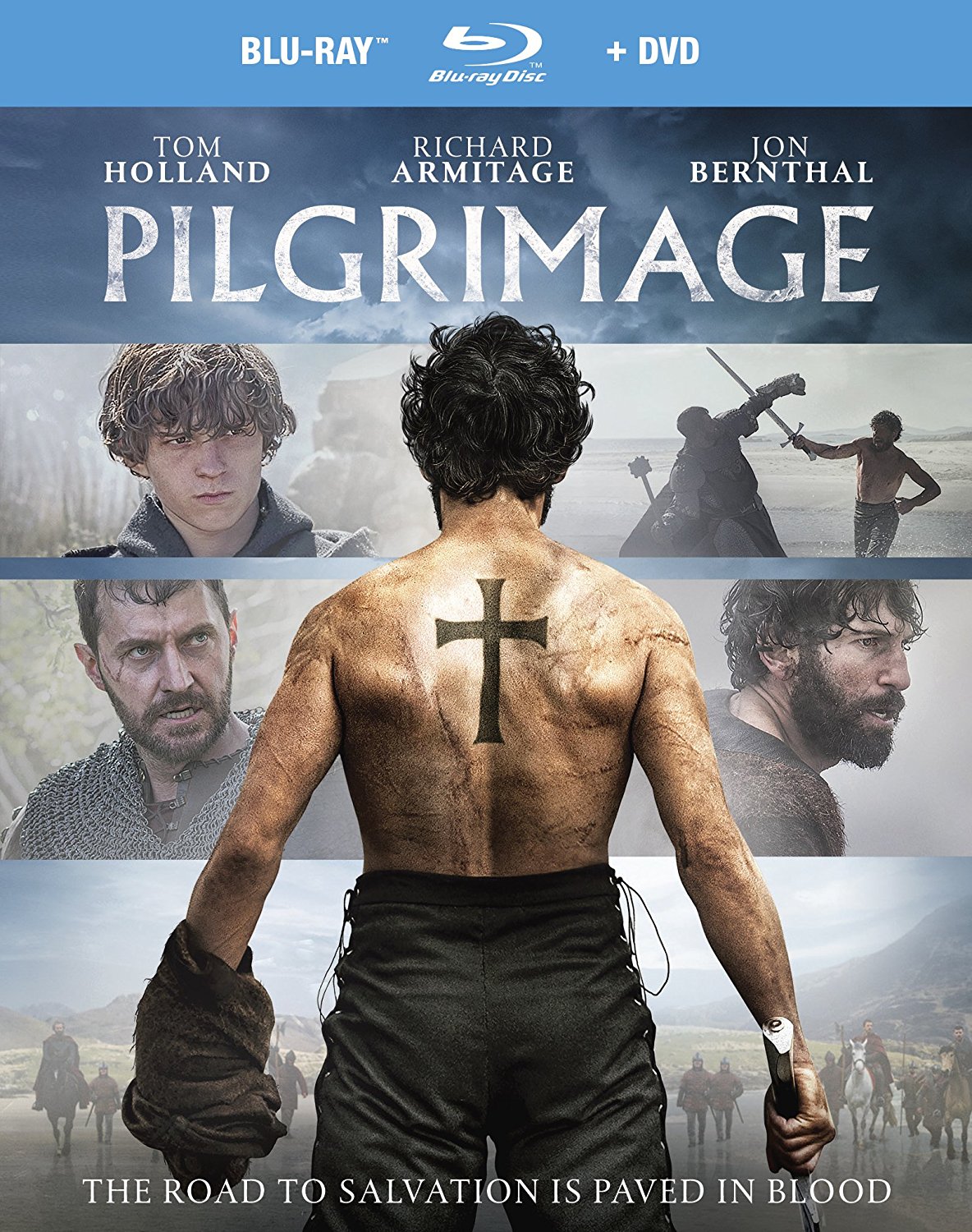
For a gritty historical epic to get the green light these days, it has to have some sort of easy-to-understand hook. (“Hey, it's sexy King Arthur!”) And it seems like enough people complained about the prevalence of PG-13 action movies that it led to the current boom of R-rated sensations — like Deadpool and the John Wick flicks — that gleefully go to extremes. There is absolutely nothing gleeful about Pilgrimage, and the movie doesn't seem all that interested in hooking the masses (significant portions of the film are in French, Irish, and Latin). In other words, the most striking and impressive thing about Pilgrimage is also what can make it feel like somewhat of a slog: this movie is dead serious.

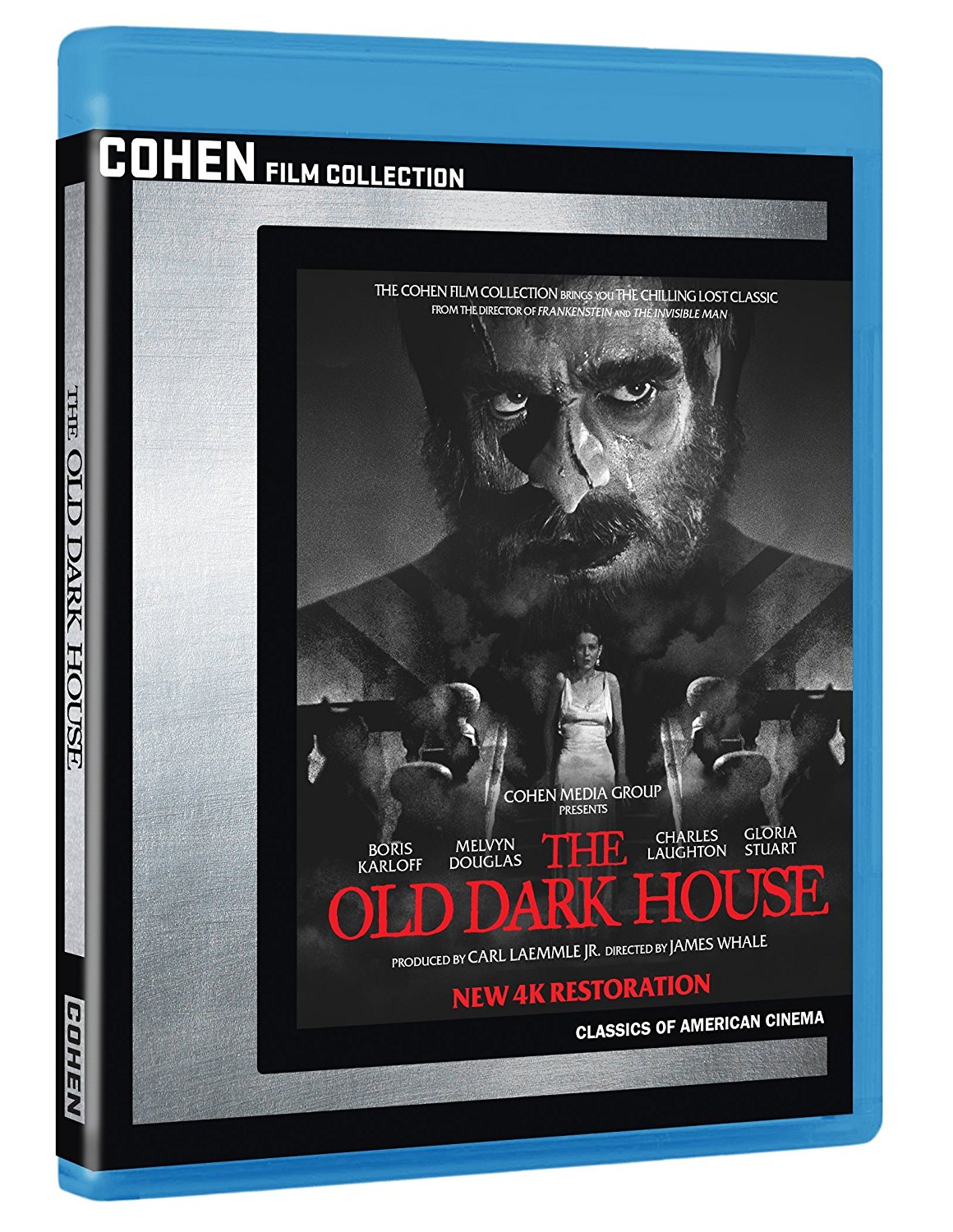
Director James Whale and horror icon Boris Karloff teamed up for one of the most memorable horror films ever made when they filmed Universal's atmospheric classic Frankenstein in 1931. Just four years later they reunited for one of Hollywood's best sequels in Bride Of Frankenstein. Lost in these legendary tag-team efforts, and nestled nicely between the two films, one finds 1932's The Old Dark House. That film launched a horror sub-genre that continues to this very day: the Haunted House movie. The film also stared future Titanic survivor Gloria Stuart. It was one of the first films the actress ever made when her career started that very same year.

“Welcome! Everything is fine.”

One of my favorite bits from the dearly departed Inside the Actors Studio involved host James Lipton administering a questionnaire that concluded with "If heaven exists, what would you like to hear God say when you arrive at the pearly gates?" It's a momentous question that often drew a humorous response. The Good Place opens with its main character waking up in the afterlife and being greeted with bright green lettering that says "Welcome! Everything is fine." It's a reassuring sentiment to be sure, but let's be clear: there is nothing just "fine" about The Good Place. This sharp, hilarious, and goodhearted fantasy/comedy is spectacular!

When it comes to hearing the name Loch Ness, just about everyone will think about the giant lake where “Nessie” the mythical monster inhabits. Whether you are a believer or not thousands converge to the Scottish Highlands location in hopes to be one of the lucky ones to catch a peak of the elusive beast. But the Loch Ness I am talking about is a beast of a whole other ilk. Thought the TV series does take place in a small tourist town that thrives on the legend that haunts the cold water, the series instead is about a serial killer that has been unleashed upon the town and given its residents something more to fear other than a giant monster that roams the lake.

The subgenre of horror film that entails a group of friends, coworkers, or even strangers, being trapped in an area that they must escape from might be a tired cliché, but it is a tremendous guilty pleasure of mine. Especially the films where the characters willingly or forcefully band together to discover why they have been placed there in the first place, or how they can use their combined strengths to find the exit. Whether their strengths or their histories are coincidental (as is the case with Cube, 1997) or if they are gathered for a very specific mission of revenge (9 Dead, 2010), these films play with narrative connections in such a way that is irresistible to me.