HBO

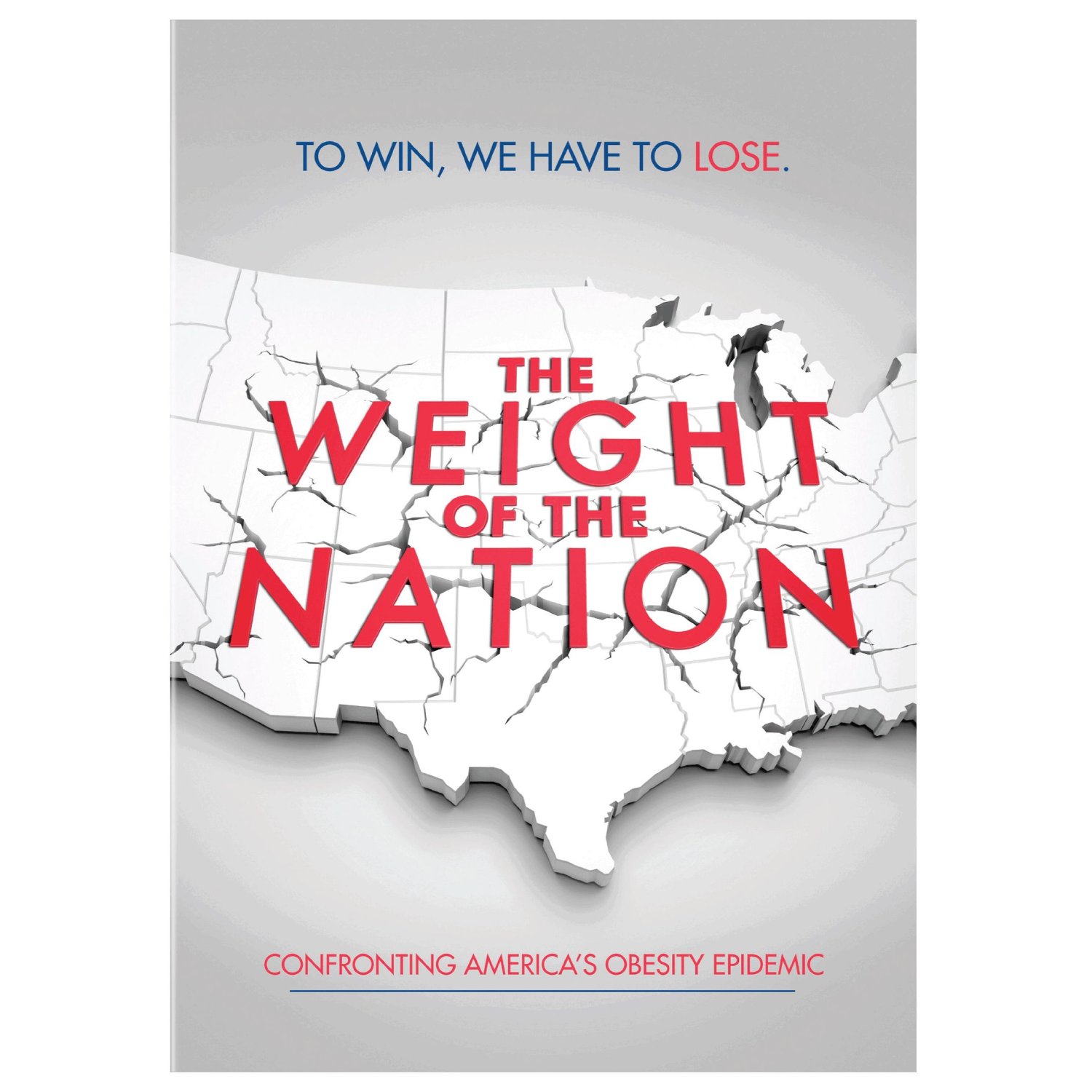
"More than two out of three U.S. adults are overweight or obese. During the past 30 years, adult obesity rates have doubled."

After watching this documentary — developed with the Institute of Medicine, in association with the Centers for Disease Control and Prevention as well as the National Institutes of Health, and in partnership with Kaiser Permanente and the Michael & Susan Dell Foundation —  I feel like I should be typing this review while walking on a treadmill instead of planted on my couch like a lazy lump.

“You're the good kind of addict. You're the I-got-messed-up-with-the-wrong-girl-and-ended-up-on-a-blow-bender addict. But Ertz is the Skeevy-old-man-who-got-caught with-a-crack-pipe-and-the-17-year-old-from-Speed-Racer addict.”

Where season seven of Entourage was all about the hard life and times of Vinnie Chase (Adrian Grenier) and company stumbling through the shallow traps of an impossibly expensive Hollywood lifestyle: i.e. growing addictions, porn star girlfriends, and desperate career moves, Entourage: The Complete Eighth Season is all about redemption through hard choices. It picks up as a newly clean and sober Vincent is released after a 90 day stint in rehab, and his cohorts scramble to provide a safe environment for him.

-"And what do I say when they ask me why it wasn't regulated?"
-"No one wanted to. We were making too much money."

At first glance, sitting down to watch a film about the financial meltdown of 2008 seems only slightly more fun than going through the actual meltdown again. Fortunately, director Curtis Hanson (L.A. Confidential) and a towering ensemble cast — I felt like I'd died and gone to Character Actor Heaven — mostly keep Too Big to Fail away from CNBC territory and deliver a brisk, entertaining film.

"I'm yelling for society, for everybody! It's not just me!"

That's Larry David chastising a dog walker who didn't bring along a bag to clean up after her pooch, but that statement also tidily summarizes the premise of Curb Your Enthusiasm. After 11 years, seven seasons and 70 episodes of over-analyzing and kvetching — and after pulling off an incredibly well-received Seinfeld reunion in season 7 — a small part of me wondered if David had anything left to complain about heading into season 8. I should've known better.

Often in columns, writers are basically forced to do enough research on their own to qualify as experts. But that is not always enough. Sometimes, we are a lot better off if we just consult an expert from the get-go and ask them all of the pertinent questions we need answered. My wife happened to be that expert I needed for the latest season of True Blood, Season Four. Without her, Sookie Stackhouse might just be another girl from the Jersey Shore. Wait, which show am I reviewing again?

What do we need to remember from Season 3, well only two things really. One, Sookie Stackhouse is in Fairyland and two, Bill Compton is the King of Louisiana. Outside of that, we should be able to explain the rest. Let us rejoin the cast of True Blood, shall we?

"One must never let the public behind the scenes for they are easily disillusioned, and then they're angry with you for it is the illusion they love."

Sure, this quote is spoken by a very minor character and awkwardly shoehorned into the story, but it still makes its point. I realize it's almost impossible to imagine now, but there was a time we didn't have to capitalize the words "Real Housewives" and people were actually ashamed if they came off badly in front of a camera. HBO's Cinema Verite tells the behind-the-scenes story of the creation of An American Family, the PBS documentary widely considered to be the first reality television show.


“Won't bow, don't know how.”

More than any other show, Treme captures the very soul of the city it is set in. Where The Wire may have presented the city of Baltimore as one of the supporting players in the series, Treme is New Orleans. The haunting percussion and brass of the musicians, the lyrical shorthand of its citizens, the quiet desperation of pride after destruction, rampant political corruption and unchecked crime mix together to form an eclectic jazz tempo that makes up the heartbeat of the Crescent City.

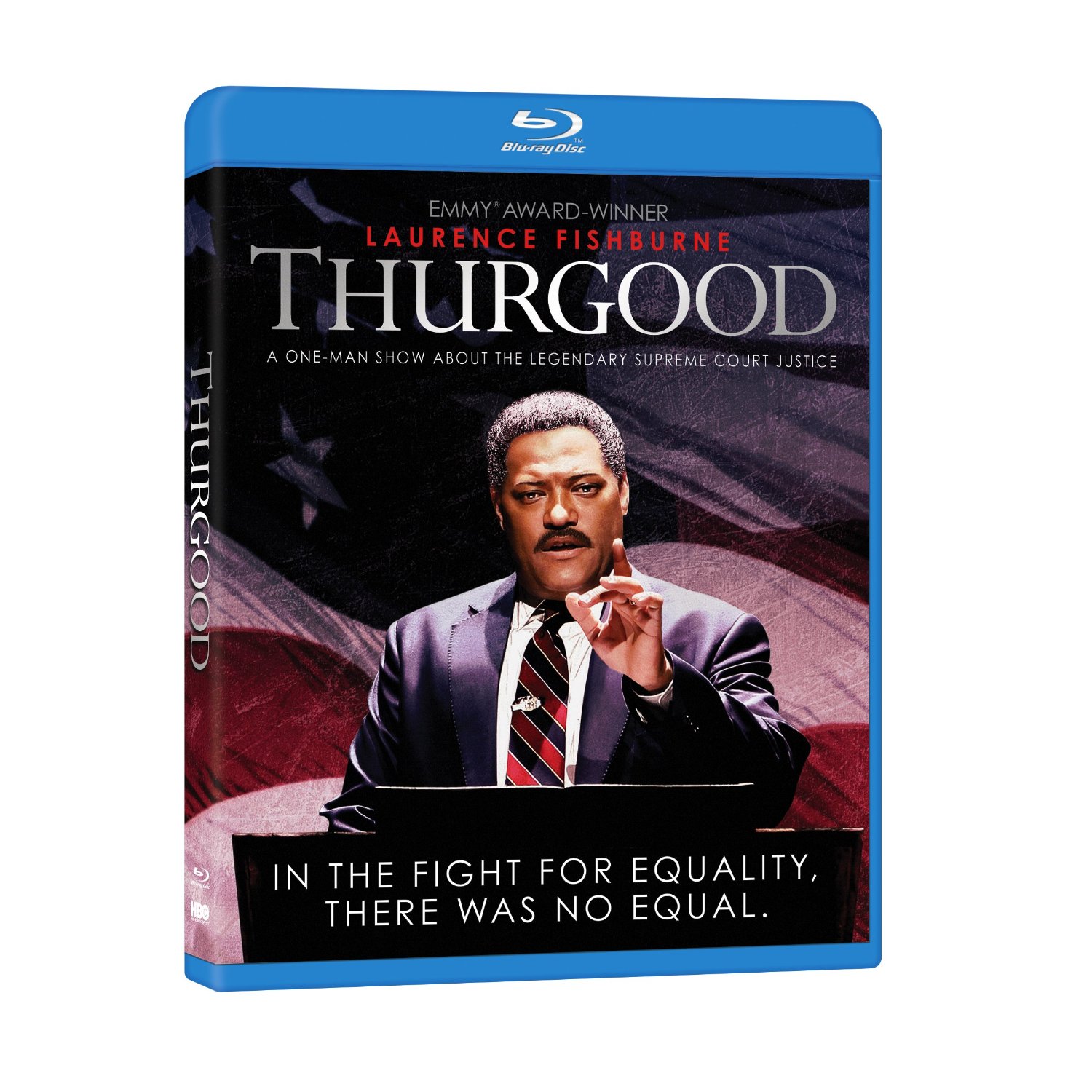
"As a boy, I came to understand that two things marked my family: distinctive names and extreme stubbornness."

In fact, it was Thurgood Marshall's "extreme stubbornness" in the face of racial inequality that led to his name becoming synonymous with the civil rights movement and to his 1967 appointment as the United States Supreme Court's first African-American justice. Marshall's remarkable life story is told in Thurgood, a sensational one-man show starring Laurence Fishburne that previously aired on HBO and was filmed before a live audience at the Kennedy Center's Eisenhower Theater in Washington, D.C.

“Remember... Winter is coming.”

Very rarely, the stars align and a media magic event happens, creating a flawless television series. Such an event happened last year with the premiere of HBO’s Game of Thrones based on the novels from George R.R. Martin’s best selling and ongoing series A Song of Ice and Fire. HBO was so pleased with the series, it green-lit the second season only hours after the pilot premiered. Co-President Richard Plepler said, “We told George (R.R. Martin) we’d go as long as he kept writing.” The network projects topping $1 billion in international revenue and at $2.5 million an episode; it’s already double what they made on The Sopranos.

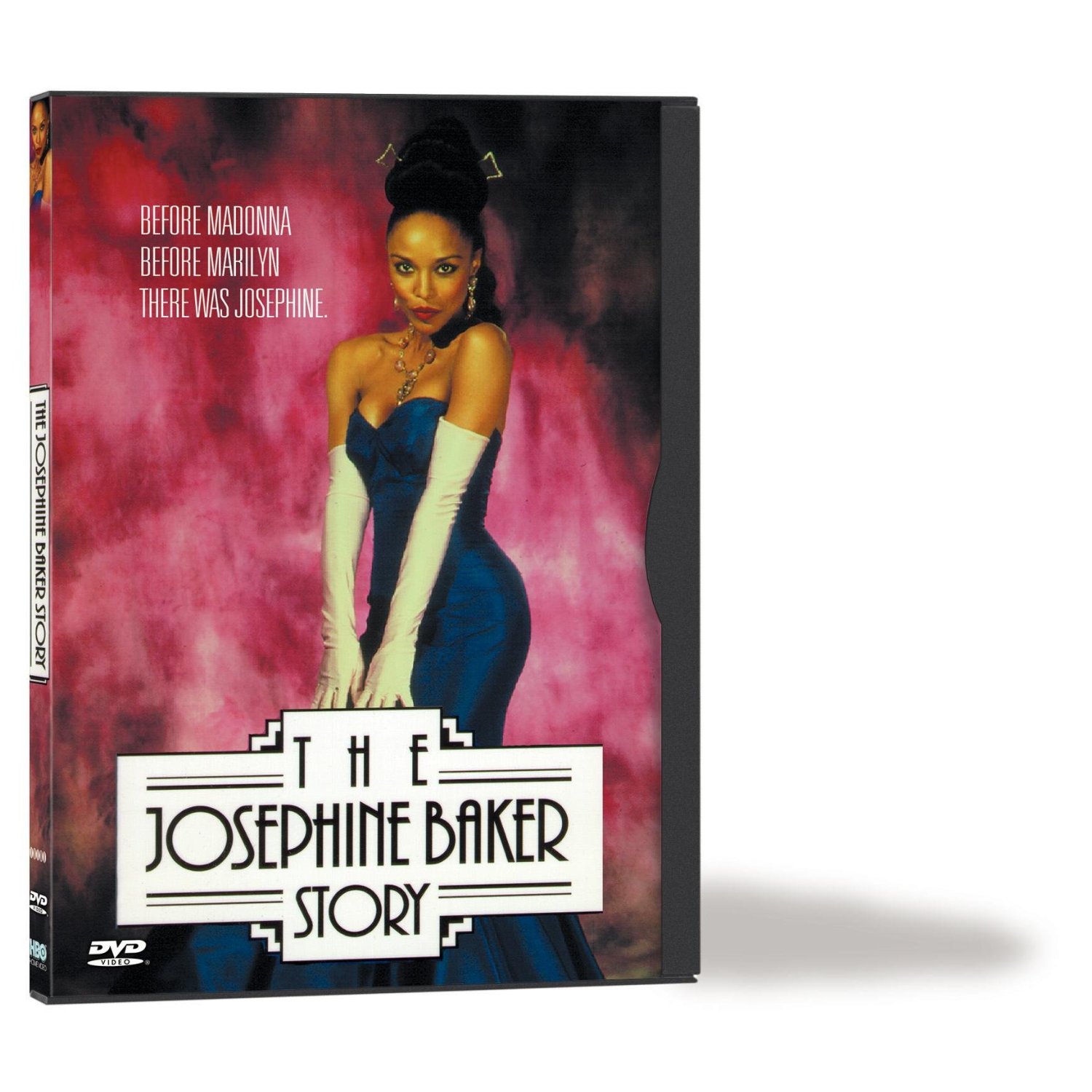
Josephine Baker was an international sensation who faced adversity all her career because of the colour of her skin. Terrified and sickened by the treatment of black people in the US, Baker fled to France where she found joy, fame and fair treatment as an entertainer. As her career exploded into super-stardom, she was more than just an exotic singer/dancer, she became a war hero and civil rights defender.

After being teased during the opening credits with visions of Baker performing an intimidatingly sexualized dance, we are shown her traumatic childhood experience of witnessing race riots in St. Louis; riots that cost the lives of many black people and helped to enforce Baker's decision to flee the US as soon as she could. Before her exodus, she made a name for herself as a vaudeville comedienne, often performing in black-face. Stifled by the racist laws of the early American 1900s, Baker did not hesitate to tour Paris with a band of performers. Said tour would turn into her permanent residence in France.