Lionsgate / Maple Pictures

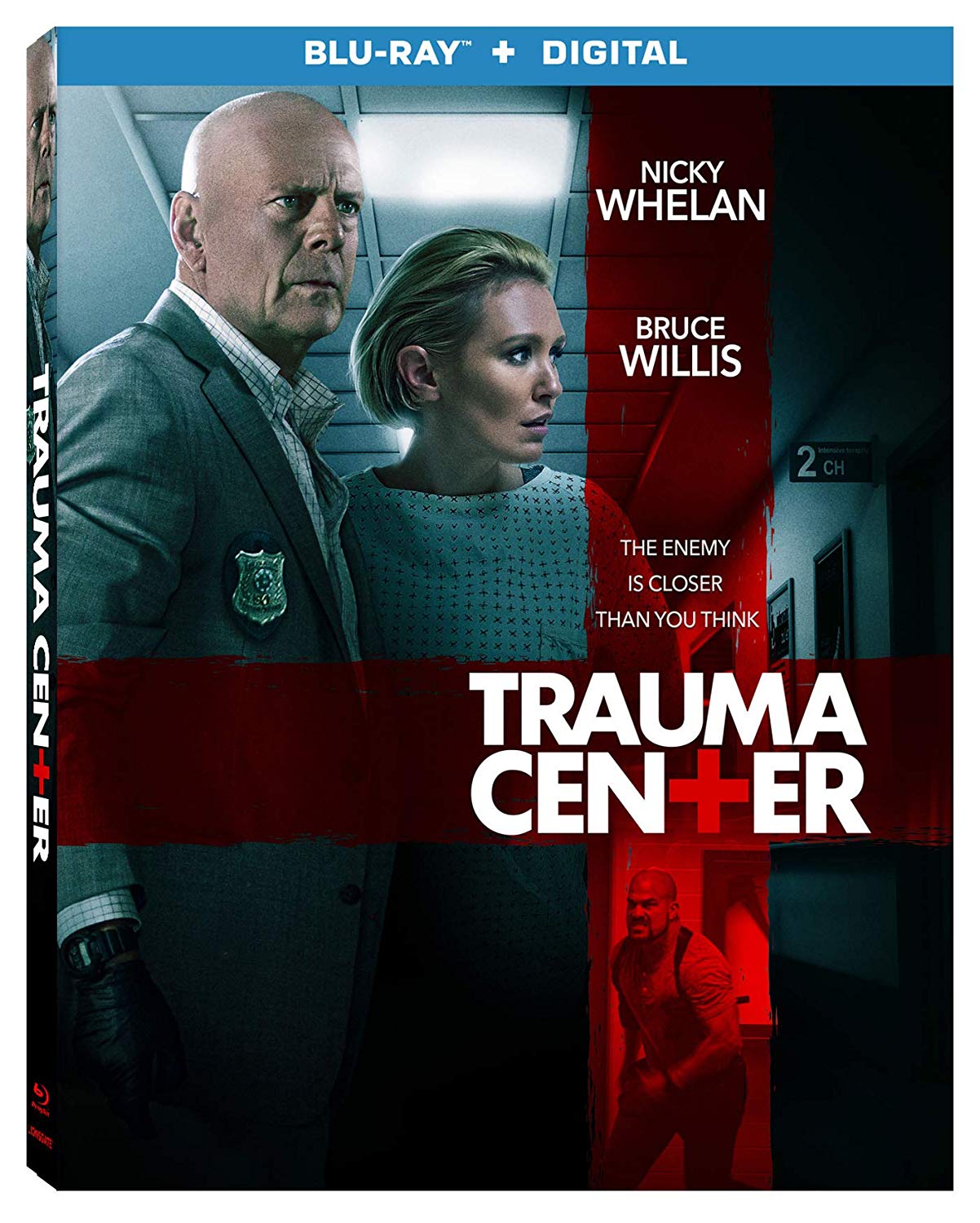
I’ve gotten used to the cinematic disasters Bruce Willis has attached himself to over the past few years.  I’ll admit, I was surprised to see him in Motherless Brooklyn, and after his impressive performance in Glass, I had hoped he was going to attempt to get himself in to some higher caliber films.  Willis has stayed in shape, especially for an action icon who is getting up there in his years, and he still manages to have a presence when he appears on screen.  Sure, I get that we can’t expect him to keep throwing himself out of exploding buildings and having elaborate fight scenes. In a perfect world, I’d love to see him be able to revisit the role of Joe Hallenbeck in a The Last Boy Scout sequel. Heck, while staying on the nostalgia train, I’d be on board with a Hudson Hawk sequel over some of these direct-to-video films he’s been doing.  Getting back to Trauma Center, we have a new direct-to-video action film that features Willis attempting to save a young girl’s life who happened to be at the wrong place at the wrong time. Is the film worth checking out, or is it one you should simply pull the plug on and avoid?

Madison (Nicky Whelan) and her little sister, Emily (Catherine Davis) have relocated to Puerto Rico after their family has been struck with tragedy.  Madison is struggling to do what she can to take care of her sister, but it’s been a bumpy road for the two of them.  Emily also has asthma, which means in cinema terms, at any moment she can die if she’s overly excited.  As it turns out, it’s an asthma attack that lands Emily in the hospital where she needs to stay the night so she can be monitored.  While this family drama is going on, there are a pair of corrupt vice cops who are trying to locate a snitch who has evidence on him that could put the two away.  This introduces Lt. Wakes (Willis), who is asked to check in on the informant and ends up discovering the dead body of the informant.

Back in the 80’s and 90’s it was a glorious time for crazy, over-the-top action films. The names that most notably come to mind when I think of this time in action cinema are Don Simpson and Jerry Bruckheimer.  They were the guys who knew how to make a popcorn action film: Beverly Hills Cop, Days of Thunder, Bad Boys, and many more. While Line of Duty isn’t quite in the same league of these films, it definitely has its roots in these films, and for a VOD action film, well, this film is all kinds of absurd fun.   Director Steven C. Miller has had some duds over the span of his career, though I did enjoy his take on Silent Night, but Line of Duty shows that the man is capable of helming a white-knuckle action film if given a proper budget and script to work with. When it comes to Aaron Eckhart, I’m kind of surprised we don’t see him as the lead in more tent pole action films.  Sure, many of us know him for his turn as Harvey Dent in The Dark Knight, but he’s a guy with so much untapped talent. It was nice to see it on display in this film. Frank Penny (Eckhart) is a disgraced cop who is responsible for getting a kid killed and is now stuck working as a beat cop.  It doesn’t take long for the film to ramp up as Frank is caught up in a foot chase with a suspect involved with the kidnapping of the chief of police’s daughter.  There is a lot of running in this opening act, and things go bad to worse for Penny when he’s put in a situation where he kills the only lead to finding the kidnapped daughter.

Miller does a good job at sucking us into Penny’s world and sympathizing with him, but the film unfortunately takes a miserable turn with the introduction of millennial, social media reporter Ava (Courtney Eaton).  Maybe I’m showing my age, but geez, was I annoyed by the introduction of this character. Even worse is the character Clover who runs the site Ava reports for.  I know it’s only January, but I’m quite certain the character Clover will be the worst character of the year, from her actions and dialog in the film, she’s basically the millennial character everyone rolls their eyes in annoyance over.

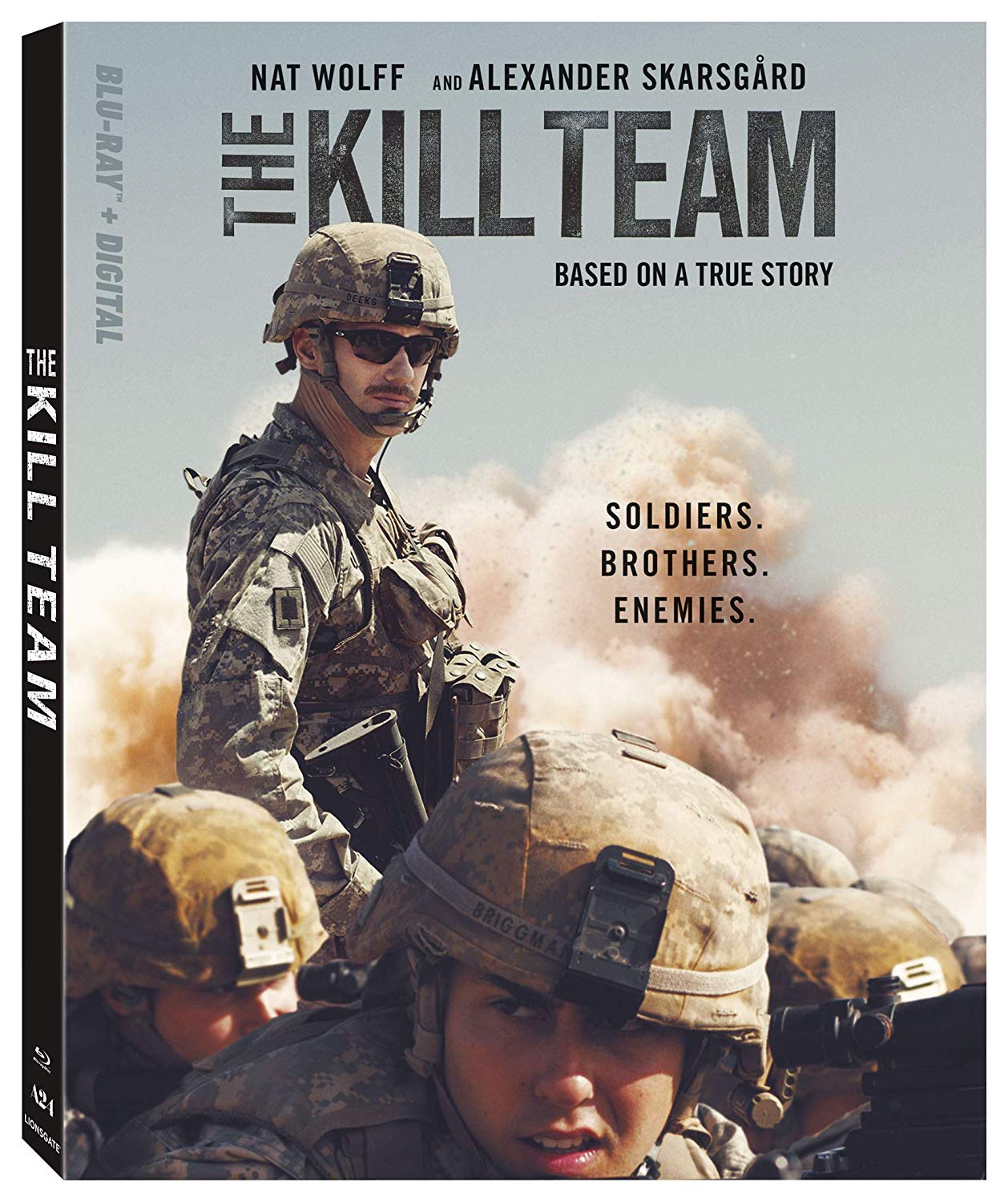
This is yet another war film that is “based on true events”.  Considering how long troops have been over in Afghanistan, it’s no surprise how many films seem to be coming out about the subject.  I’ll admit going into this film I didn’t exactly have high hopes, but I’m pleased to say not only did the film not disappoint; I found myself actually enjoying it. Granted this is no 1917, but it’s definitely better than the dumpster fire film that I reviewed about a month ago called D-Day.  The Kill Team follows new recruit Andrew Briggman (Nat Wolff), who is wide-eyed and ready to see combat, but once he is confronted with the very human side of the war that the troops are facing, well, his conscience begins to weigh him down, and things only get more complicated for him as his time in Afghanistan stretches on.  From the start, the film seems to have a very idealistic view on how the soldiers can and should act, and it’s this “moral compass” that gets in the way of telling the story.  When it comes to war films that delve into the cruelty that occurs, you can’t let morals dictate the story. It’s the equivalent of doing a western where the bad guy wears the black hat and the good guy wears white.  Sure, you’re spelling it out for your audience, but when depicting real life, it’s never quite that easy to tell wrong from right.

The film wastes no time in getting us into the story, as we see Briggman on his last day being a civilian to him being in Afghanistan.  He seems disappointed that instead of seeing combat he’s stuck with his team travelling to villages attempting to build relationships with them, but things quickly go sideways after an explosive takes out his Staff Sergeant.  It doesn’t take long before a replacement comes in, and it’s Staff Sergeant Deeks (Alexander Skarsgard) who comes in to make some changes to the unit. He’s not about being friendly with villagers; instead, he’s ready to hunt down some bad guys responsible for making bombs that have killed numerous soldiers over the year.  Here’s the thing: I was onboard for this being about a military unit simply out for blood killing potential terrorists. If you’re going to do a film about morally corrupt soldiers, I figure you just go all in and make them a ragtag team of anti-heroes.  Well, writer and director Dan Krauss had other plans, and instead focuses on the inner termoil Briggman is going through about his unit murdering “innocent” people.  Because Krauss previously directed a documentary about soldiers that were involved with the same situation, he uses his insight to deliver a very grounded take on the subject matter.

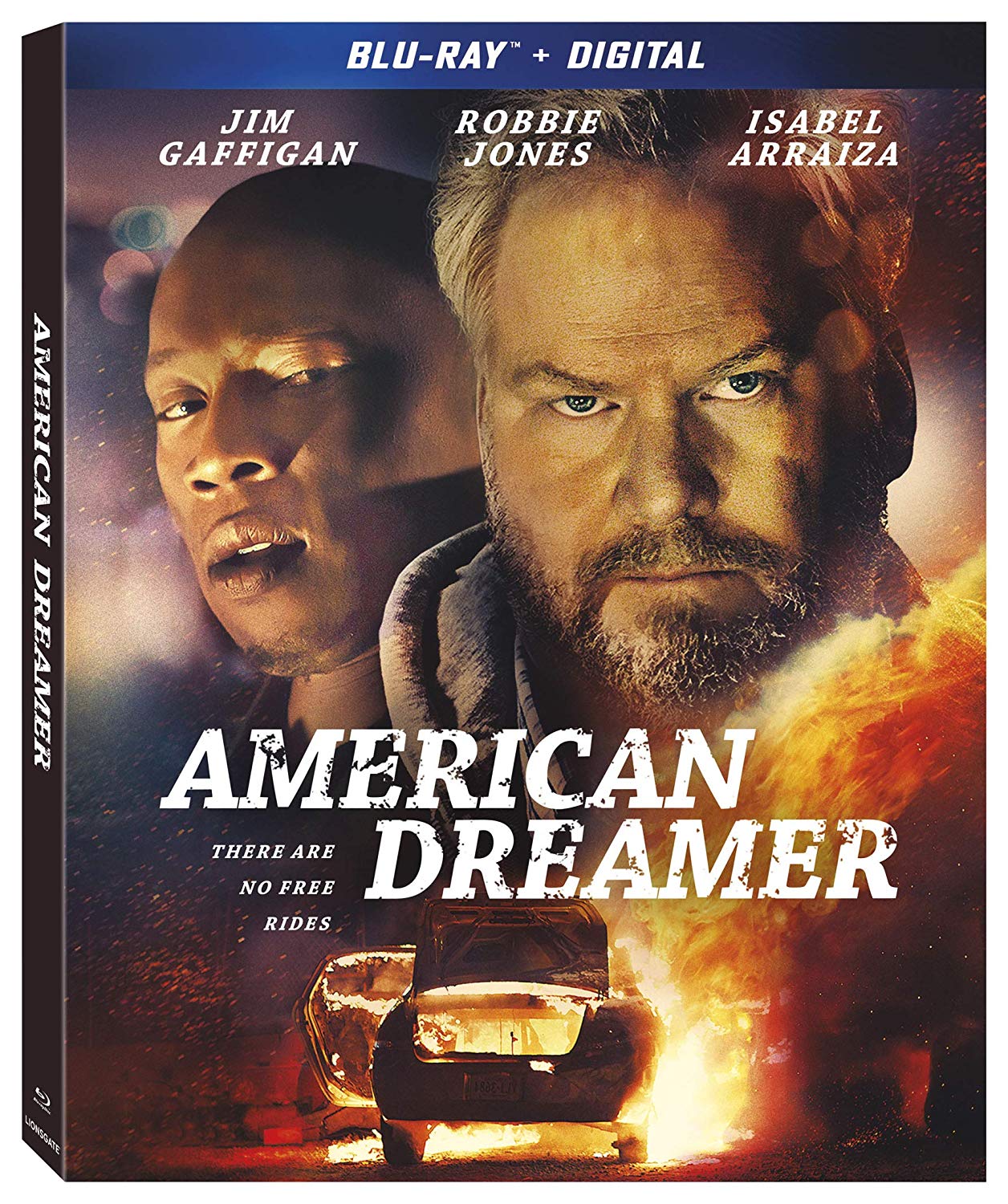
I have to be honest; when I got this title and saw that Jim Gaffigan was starring, I didn’t know what to expect, but I went into this film with some low expectations.  I’m a fan of Gaffigan, and I own a few of his stand-up albums, but seeing him headlining a thriller, well, it was a tough leap for me.  Now that I’ve seen the film, I got to say I’m impressed by what he pulled off with this film.  That being said, as I was watching this film, I couldn’t help but see a similarity between Gaffigan and the late Philip Seymour Hoffman.  I doubt this was intentional, and perhaps it’s just my subconscious attempting to make these connections, but Gaffigan’s performance in this film  is on par with many of the performances we saw from Hoffman in his later years. As for the film, American Dreamer follows Cam (Gaffigan), a down-on-his-luck schlub who at one point was living the American dream: a good job, a nice home, and a wife and child.  Then he lost his job, and everything else seemed to disappear around him. Now he’s a driver for a ride share company, where he struggles with paying child support and has had a bit of a mental breakdown.  Early in the film we get to see him in a parking lot near an airport, watching as planes are coming and going, and its obvious Cam is dreaming of an escape from his life.  He ends up getting a fare that has him driving a small-time drug dealer, Mazz (Robbie Jones) around town. The setup here seems simple, as it establishes who both of these men are, but over the course of one night we’ll see these men make some difficult decisions, and by the time the film ends, you will definitely feel differently about these characters.

After reading the blurb on the back of the Blu-ray and starting this film, I was a little worried that this would be something akin to Collateral meets Falling Down. When we see Cam come to his breaking point and he decides to kidnap Mazz’s son, sure, it’s a drastic leap for someone to make, but the way the writers and director handle this situation, it still remains in the realm of possibility.  That pretty much is how the rest of the film plays out; there are a lot of worst-case scenarios that happen to both Cam and Mazz, and it’s what keeps the viewer on the hook.  What I was most impressed by is how co-writer and director Derrick Borte wasn’t afraid to go dark with this film, because there are a few decisions made in this film that are pretty risky, and most filmmakers would avoid entering this territory, but personally I think it’s the risk that makes this film work. (It would be a huge spoiler if I were to say what this risk was.) But by taking that risk, the viewer knows anything can happen in this film. and it’s what literally kept me guessing at how this would all end for Cam and Mazz.

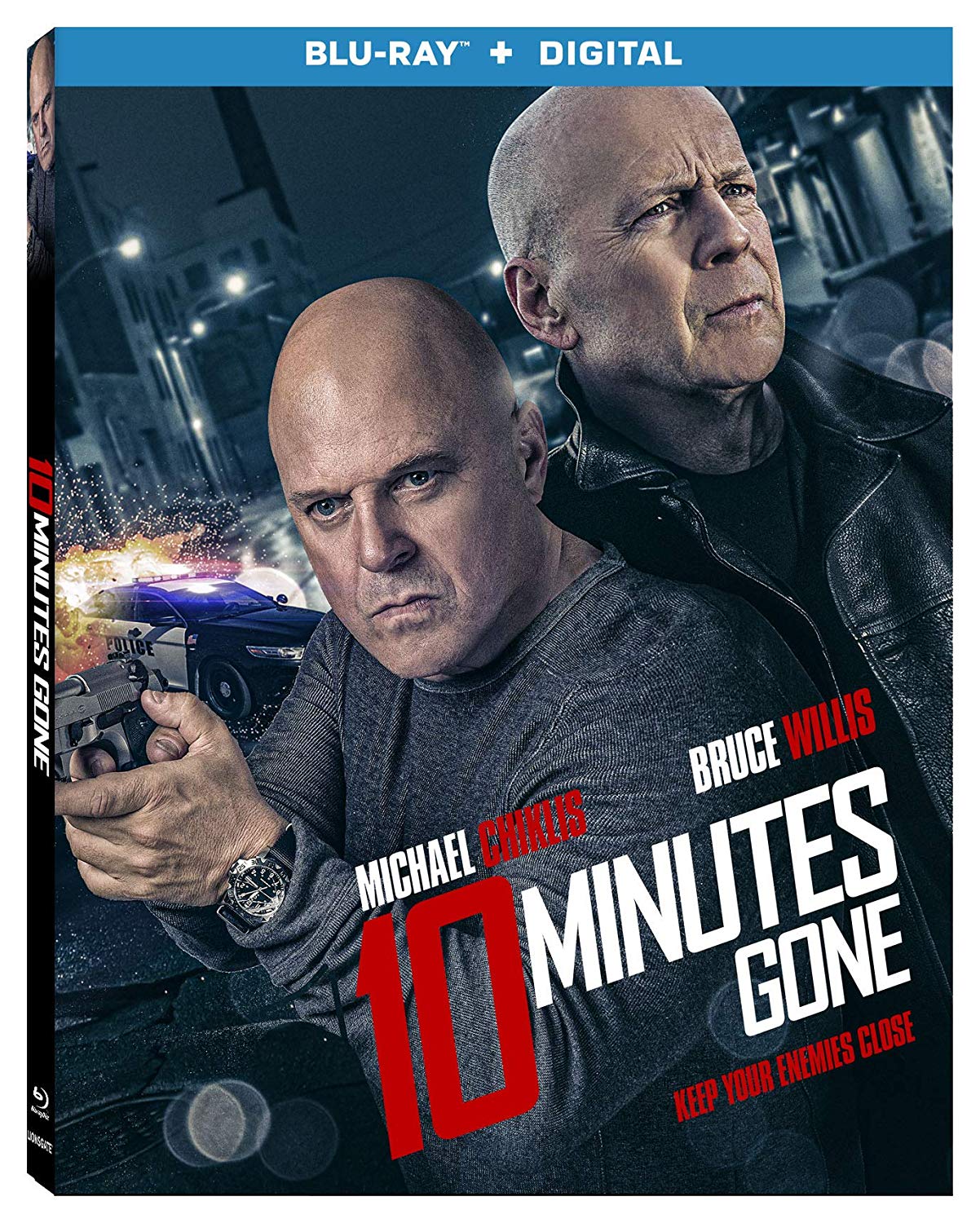
It’s frustrating seeing a film starring Michael Chiklis and Bruce Willis and knowing before you’ve even watched five minutes of the film that it’s not going to be good.  I mean, come on; you have the star of The Shield and then an action movie icon, but neither can save this film.  10 Minutes Gone is one of those films where on paper it seems like a surefire hit, but somehow instead of a white-knuckle action thriller, the result is a snooze-fest that will keep you guessing as to why these actors signed on for this film. Frank (Chiklis) has been hired by Rex (Willis) to pull off what seems to be an easy heist.  Frank and his team seemed to have thought of everything and have even put together some backup plans, but as expected, the heist ends up going bad, and in the process Frank is knocked out cold and loses 10 minutes. In this time he’s lost possession of the jewels, and he needs to figure out what happened to them before Rex has him killed.  It’s not a bad idea for a movie, but it’s the execution of this film that is a mess.  Willis and Chiklis do their best to make the dialog work, and at times the can make the scenes flow, but once the film shifts to any other character you start to wonder if this film was written by a 12-yea- old boy who just binged a bunch of older action/ detective films while chugging Red Bull and snorting lines of sugar.

The big mystery of the film is who set up Frank and his crew; the film does a good job at setting up a variety of suspects, though it doesn’t take much to figure things out.  One thing, though, that is rather frustrating is when Frank goes to question one of his guys and the guy is “hiding out” at some underground gambling room.  I have my issues with this character’s decisions already, but what is more distracting is how the scene is shot. The amount of lens flares in this sequence is nauseating.  This might be one of the worst shot scenes I’ve seen in a film. Sure, Spielberg uses lens flares, and the world knows how JJ Abrams gets carried away with them, but this sequence is a technical marvel at how just about everything has a lens flare, and someone actually thought that this looked good and it wasn’t a distraction.

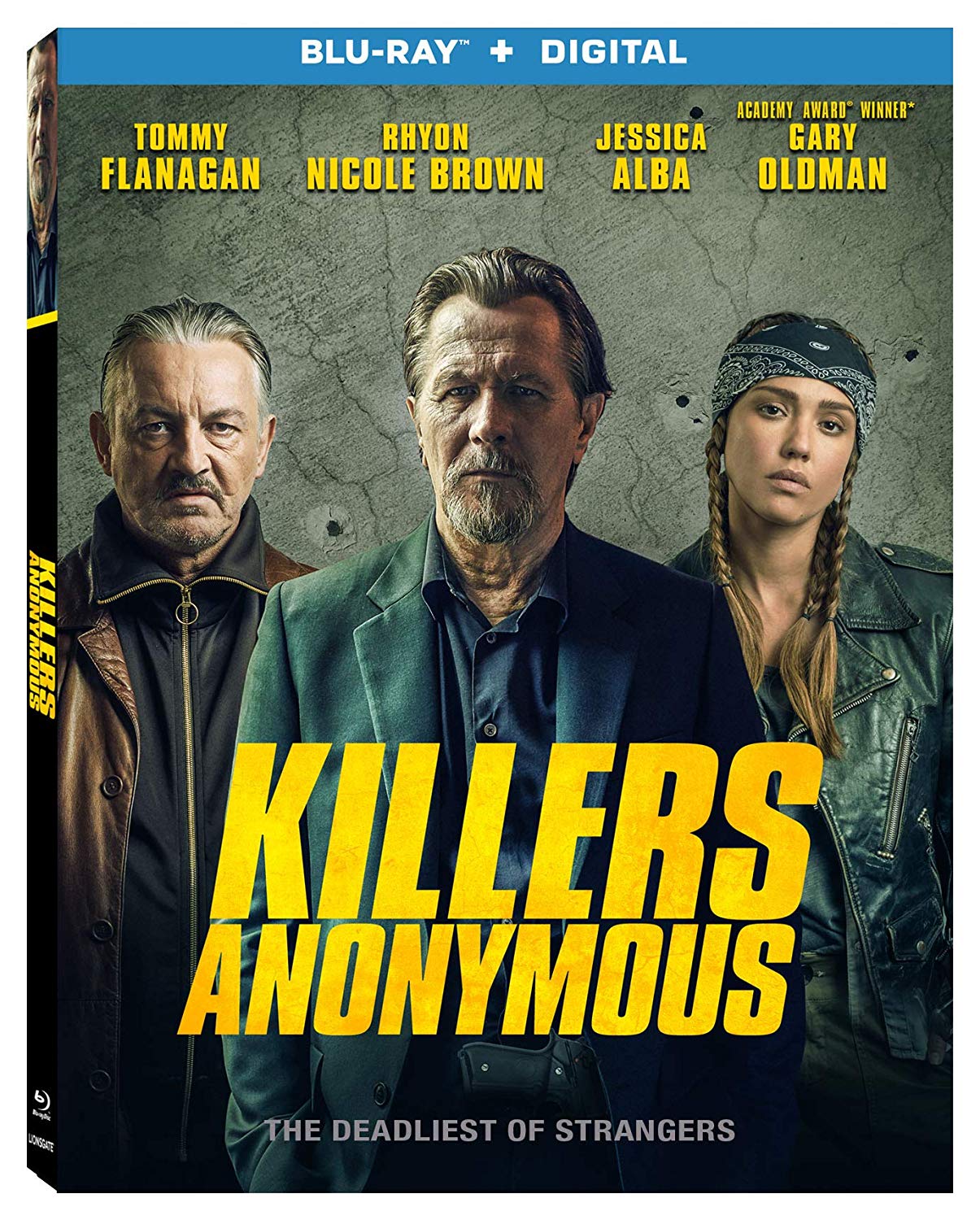
When you have a movie that features Gary Oldman, you’d expect it to be pretty good.  I feel Gary Oldman is one of the best actors who is working in the business, and I’ve been a fan since the Romeo is Bleeding and Leon days.  So when a movie comes along about killers and government assassins and Oldman is playing a character in the middle of all the drama, you’d think this is going to be something great. After all, the man finally got an Academy Award, which was long overdue.  The best way I can describe my experience with this is film is to imagine you’re going to a restaurant, one that is a two star rating in the Michelin Guide. While it may not be the best, it should still be good; yet when you get there, rather than getting a great meal you instead are given a plate of lukewarm Spaghetti-O’s fresh out of the can.  From poorly framed shots to insipid plot twists, I can’t help but wonder, what did Gary Oldman do so wrong to be stuck in this film?

For those curious about what Jessica Alba is doing in the film, well, she’s Jade, an assassin we meet in the opening of the film, and one of her scenes is with Gary Oldman, whose character is cleverly named The Man.  The way the conversation is shot is jarring, going from an oddly framed wide shot with too much negative space to these close-ups where the characters are talking into the camera.  Not even Gary Oldman can save these shots, and when it shifts perspectives it becomes all the more painful.  If this was a more personal scene, or simply a long shot with just one character speaking, maybe this could have worked better.  The scene then jumps to a strip club where Alba’s character is with a blonde character we got a glimpse of from the previous scene.  Apparently no one else is at this strip club where the only dancer is a hologram we can see in the background, but this odd little hook-up scene then turns into the girls fighting for their lives; apparently the blonde was hired to kill Jade. This fight is sloppy and cut with the opening credits that are animated depicting portions of the fight.

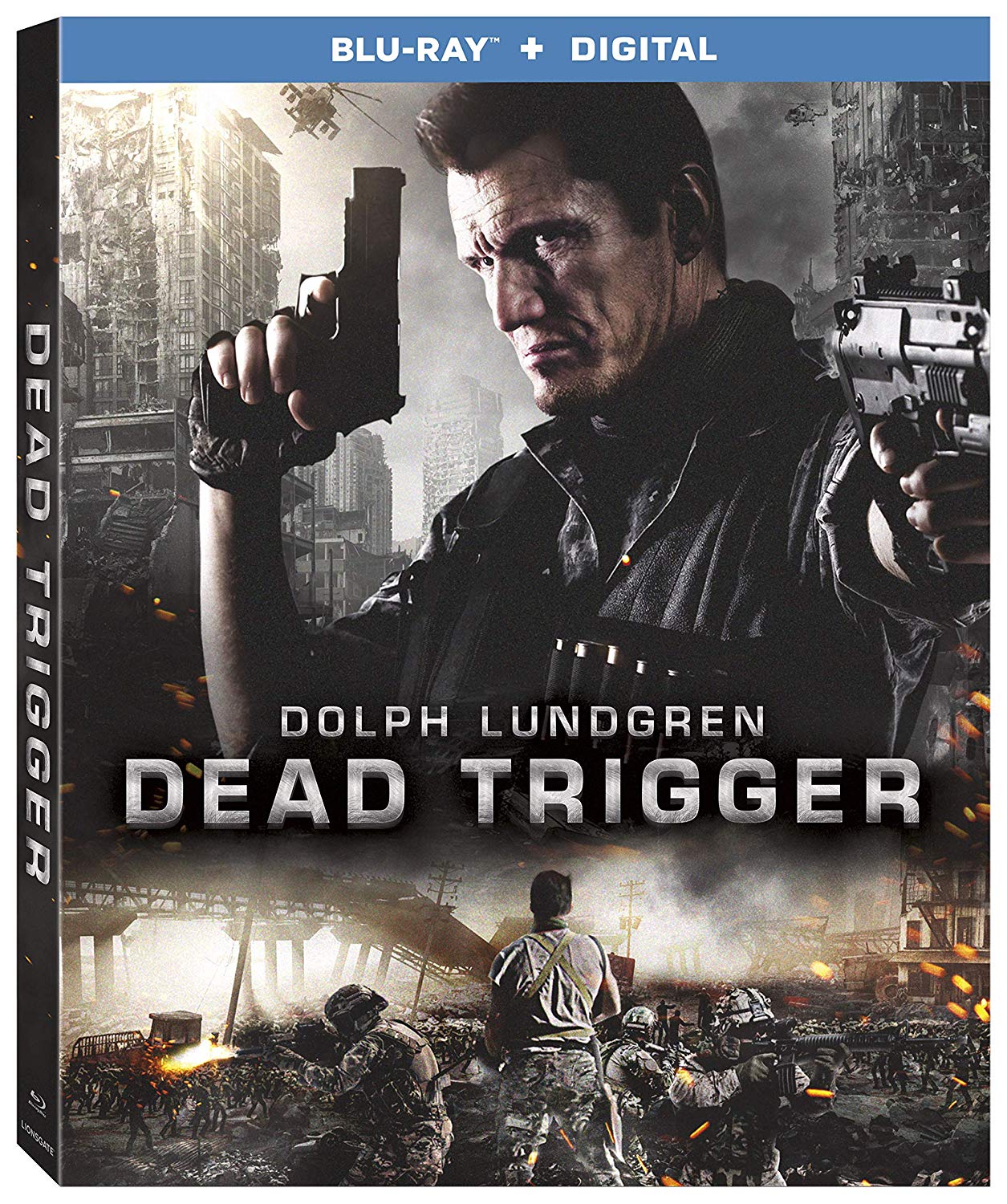
Dolph Lundgren is one of those guys that I enjoy watching and can make a bad action movie worth watching.  Even when he starred in Masters of the Universe, it wasn’t the He-Man I was used to, and it was a B-movie mess, but he pulled off playing the character.  Many love the guy from his performance in Rocky IV, and for me I’m a fan of Universal Soldier, but he never quite reached the superstardom I feel he deserved. Thankfully, decades after his heyday on the big screen, he is still starring in films, though unfortunately a good portion of them are B-caliber action flicks that are simply not taking full advantage of the man’s awesomeness. Dead Trigger is the latest and the newest forgettable film to add to the actor’s catalog.  From its opening moments where it seems to be riffing on Starship Troopers but with zombies, I was certainly hopeful that this could be a fun cinematic romp.  While Lundgren does his best to deliver the goods, it’s everything that surrounds him in front of and behind the camera that seems to be working against him.

We’re quickly introduced to these new recruits who are joining a special government team that has developed a special video game to help find recruits.  The game simulates a zombie infestation that decimates the world, and it just so happens a zombie outbreak is now occurring in the real world.  Well, these recruits are taken into a boot camp. It’s here we get an explanation on what a “Dead Trigger” is; basically it’s a soldier with a low life expectancy. Lundrgren is Capt. Walker, who is tasked with making them battle-ready.  Their training is cut short when a lab attempting to make a cure for the zombie virus is attacked and the general orders them to rescue his daughter (one of the doctors) and anything they can that has to do with the cure.

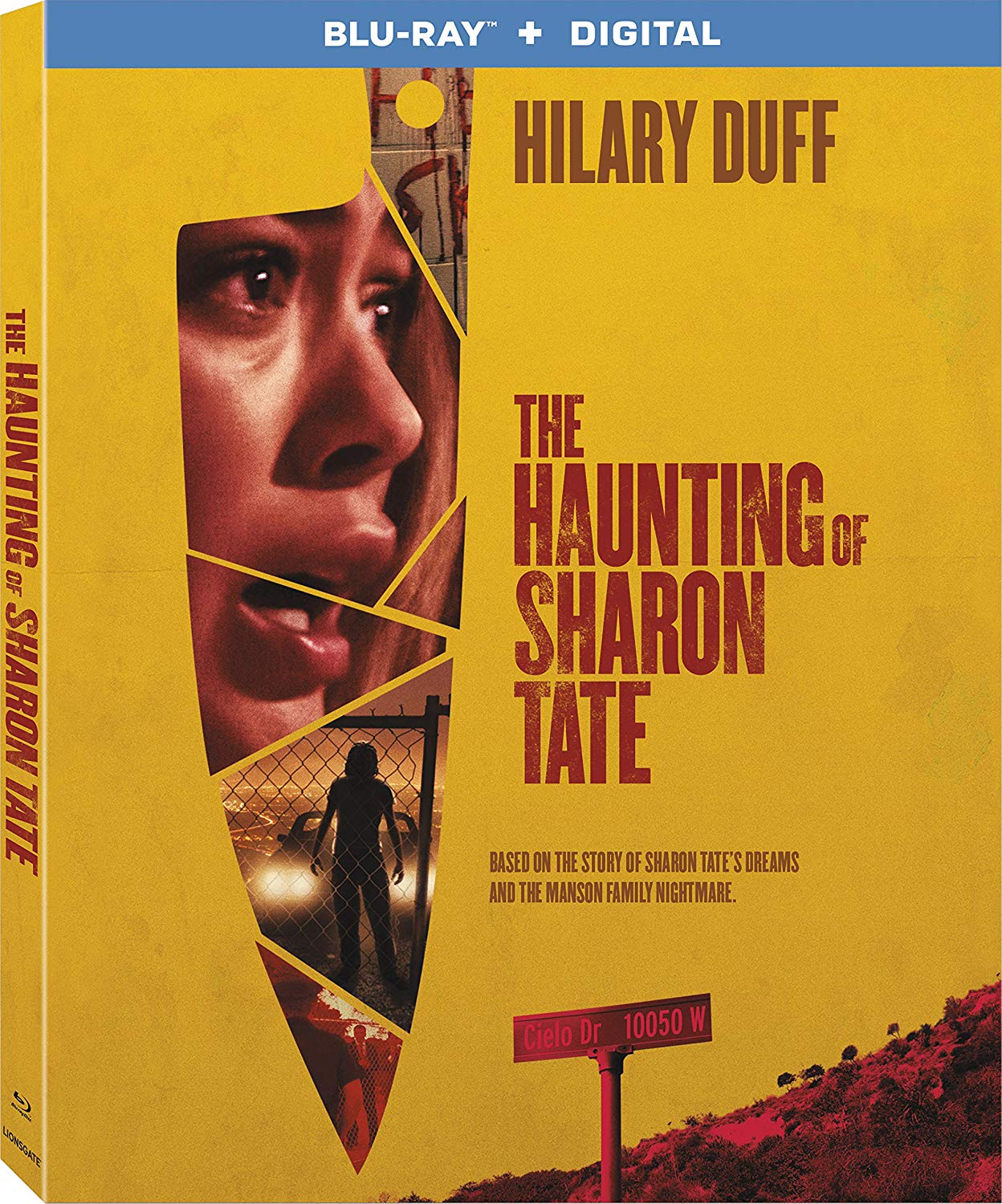
With the 50th anniversary of the murders committed by Charles Manson’s followers coming up in August, it’s no big surprise that we’re seeing films that focus on those events popping up on the big screen.  Hollywood has always had a fascination with the crimes. After all, it involved a rising starlet, Sharon Tate, and director Roman Polanski was making a name for himself in the states after the success of Rosemary’s Baby.  We all know what happened with Manson and his followers and the unfortunate fall Polanski took, despite managing to maintain a directing career long after the child rape accusations first percolated.  It’s a tragic story all around, and it’s no surprise why it continues to fascinate people.  Already there has been the film Charlie Says from Mary Harron (American Psycho), and next month we’ll be getting the long anticipated Once Upon a Time in Hollywood from Quentin Tarantino, whose film takes place around the time of the murders.  But right now, the focus is on The Haunting of Sharon Tate, a film that takes the approach that Tate had predicted her murder because of dreams she had of the massacre long before they took place.  It’s a film that poses the “what if?” question that if she had known what was going to happen, could she have changed the outcome.  It’s not a bad idea, and it opens plenty of possibilities, but how does it turn out?

First let me say I’m all for films that attempt the alternate reality direction, playing with the notion of how things could have gone.  I went into this film with an open mind and really just was hoping for something unique, something that could balance between horrific and entertaining.  Considering this IS a true story, to go for a fun, campy slasher would just be in poor taste.  Well, unfortunately, that’s sort of what this aimed to be, and it just fails miserably.

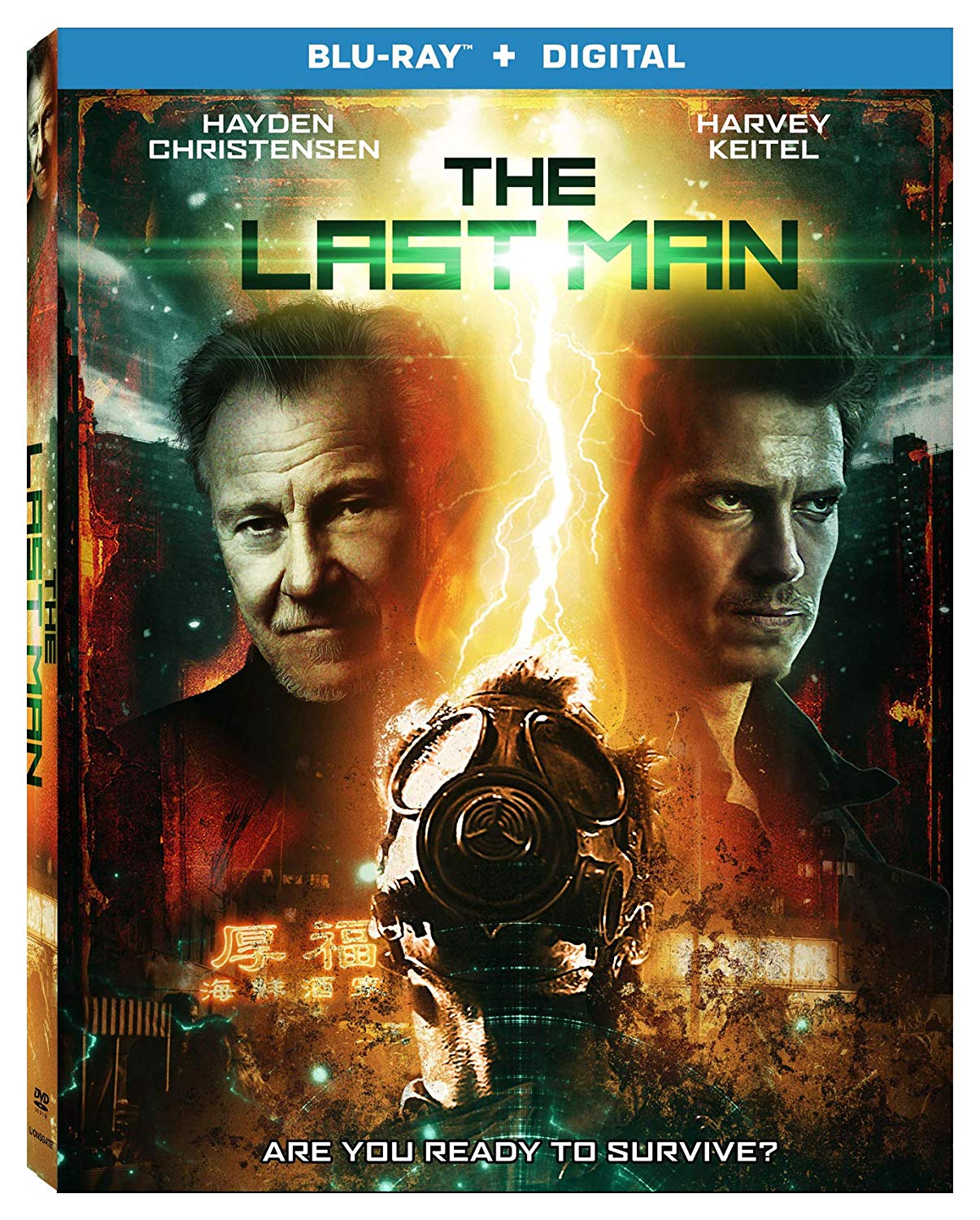
This is one of those films where the cast had me equally excited and concerned with how the film would turn out.  On one hand it has Harvey Keitel; the guy is a living legend between his roles in Reservoir Dogs, Bad Lieutenant, Taxi Driver, Mean Streets, and countless others.  Keitel is one of those actors who elevates just about any film he’s in, and he’s in several films I’d even call classics.  Then on the other end of the spectrum there is Hayden Christensen, one of the most lifeless performers to ever grace the screen in my opinion. I still have bouts of anger when I see him as Anakin Skywalker.  But I’m always ready to have an actor surprise me, and I always go into a film with an open mind once I sit down and start watching it.  Unfortunately The Last Man is a dud and was a film I struggled with so many of you won’t have to.

The film opens up with a dream sequence that looks more like a first person shooter scene in a video game.  Apparently this is a dream that Kurt (Christensen) has been having quite often. This is told to us through the film’s narration, and I’d just like to come out and say I really hated the voice-over work on this film.  I get that they were trying to go for a neo-noir style, but the narration is delivered with such a monotone delivery it felt more like a voice track someone would listen to while trying to sleep.  Another issue with this narration is that it is so on-the-nose with the information that it is telling us things we can obviously see and figure out for ourselves.  It was fine when giving us a little back story, telling us how the western civilization collapsed, but as you continue watching, everything you hear just begins to seem redundant.

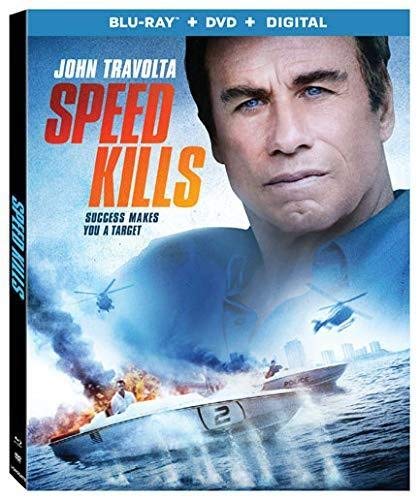
John Travolta is one of those guys I like, but it seems like it has been ages since he’s done a great film.  Sure, he was great in The People vs. OJ Simpson where he played attorney Robert Shapiro, but apart from that role, it’s been a while since we’ve seen Travolta really make a splash at the box office. Personally I love seeing the guy on screen. Blow Out, Get Shorty and Pulp Fiction are just a few of my favorite films that he has been in, and I keep hoping his career will bounce back, but unfortunately it doesn’t look like it’ll be happening any time soon. Speed Kills is a film that has a story that is oozing with so much potential that if it were put in the hands of Brian De Palma or Michael Mann you could almost guarantee this film would be destined for greatness.  Unfortunately the result is a frustrating mess that manages to make boat racing and drug smuggling in the age of the “cocaine cowboys” seem boring.

One of the film’s biggest faults is to open where the story ends, where we see Ben Aronoff (Travolta) being the target of a hit.  The film then wants to take us back in time, where we have Aronoff narrating his story of how he had his rise and fall in Miami that reeks of a bad imitation of Henry Hill from Goodfellas.  Seriously, in less than 10 minutes this film manages to sabotage itself, and it doesn’t get much better from here.  This isn’t Casino where by some miracle our narrator manages to escape an exploding car. Having this given away so early on in the film is simply a giant mistake. If you eliminate this opening sequence, instantly you have a better film, but apparently even with over 40 named producers connected to the film, no one seemed to have realized this.