Posted in: Disc Reviews by J C on September 4th, 2015
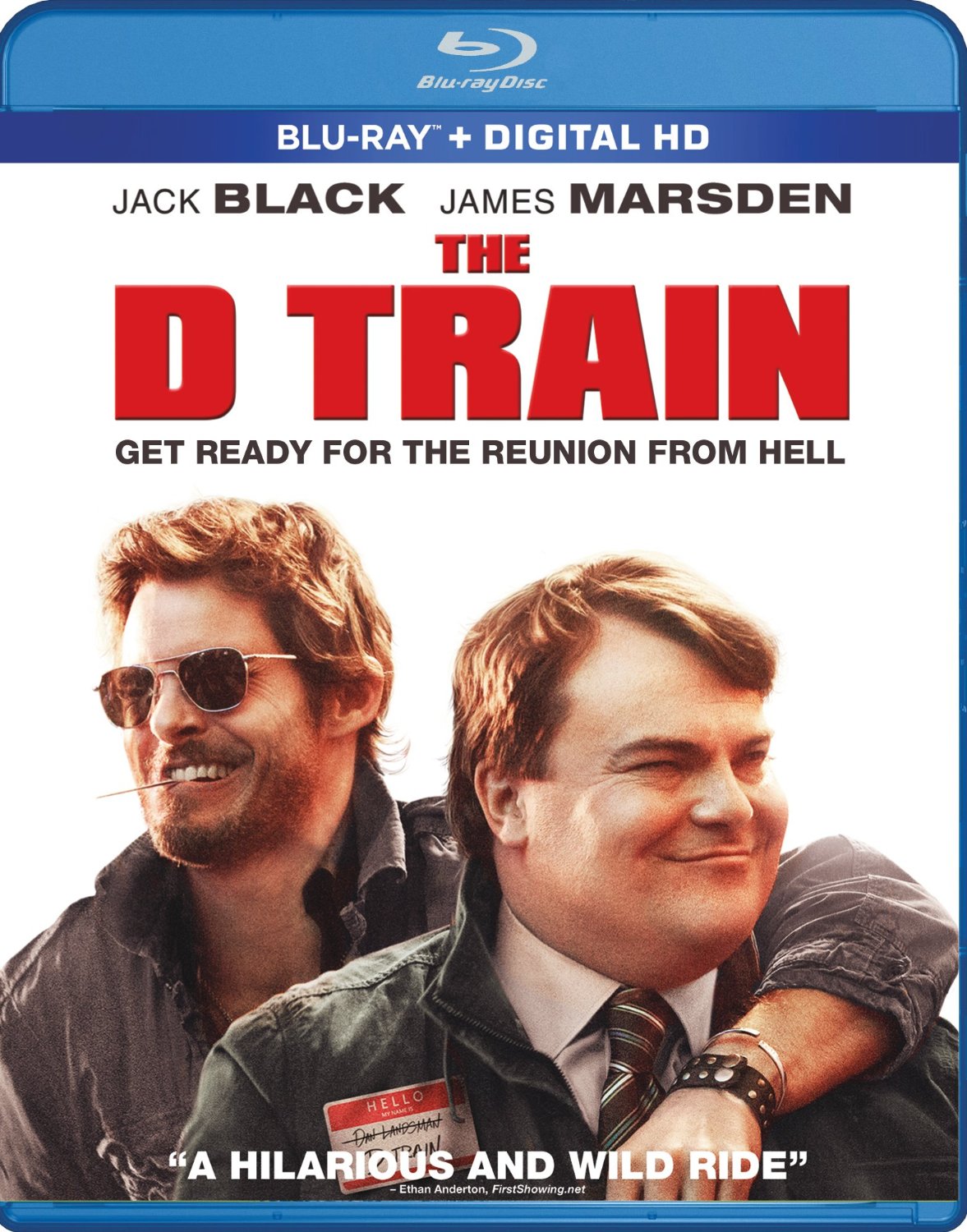
The D Train was not what I expected...and thank goodness for that. The film boasts that it's from the “comedic geniuses who brought you Nacho Libre and Wayne's World,” although the only thing those two movies have in common is that they're both comedies with, um, people in them. Meanwhile, the glossy poster makes it look like an inspirational drama, which doesn't exactly mesh with the phallic-sounding title. In other words, there's nothing about The D Train that hints at the intriguing dramedy lurking underneath.
Dan Landsman (Jack Black) is the unpopular self-appointed chairman of his high school's alumni association. The group is struggling to lure former students to their upcoming reunion when Dan spots former cool kid Oliver Lawless (James Marsden) on TV in a Banana Boat sunscreen ad. (Given the comically inflated significance of the commercial, I assume/hope The D Train producers were handsomely compensated by Banana Boat.) The commercial is a light bulb moment for Dan: if he can get a “hot-shot” actor like Oliver to attend the reunion, more people will follow and Dan will be a hero to the committee colleagues who mock and shun him.
Posted in: Disc Reviews by J C on August 14th, 2015
“You will remain my prisoners until you've told me what really happened in Masada.”
Those words are spoken by Flavius Josephus, the real-life historian for the Romans who chronicled the Siege of Masada. In The Dovekeepers, Josephus is talking to two iron-willed female prisoners who also happen to be among the few people who survived the attack. Their story is told in flashback, and this two-part miniseries brushes up against some interesting points about who gets to write humanity's history. But in telling the story from a female perspective — an admirable, out-of-the-box idea — this miniseries reduces a complex, fascinating historical event into a stiff, protracted soap opera.
Posted in: No Huddle Reviews by J C on August 5th, 2015
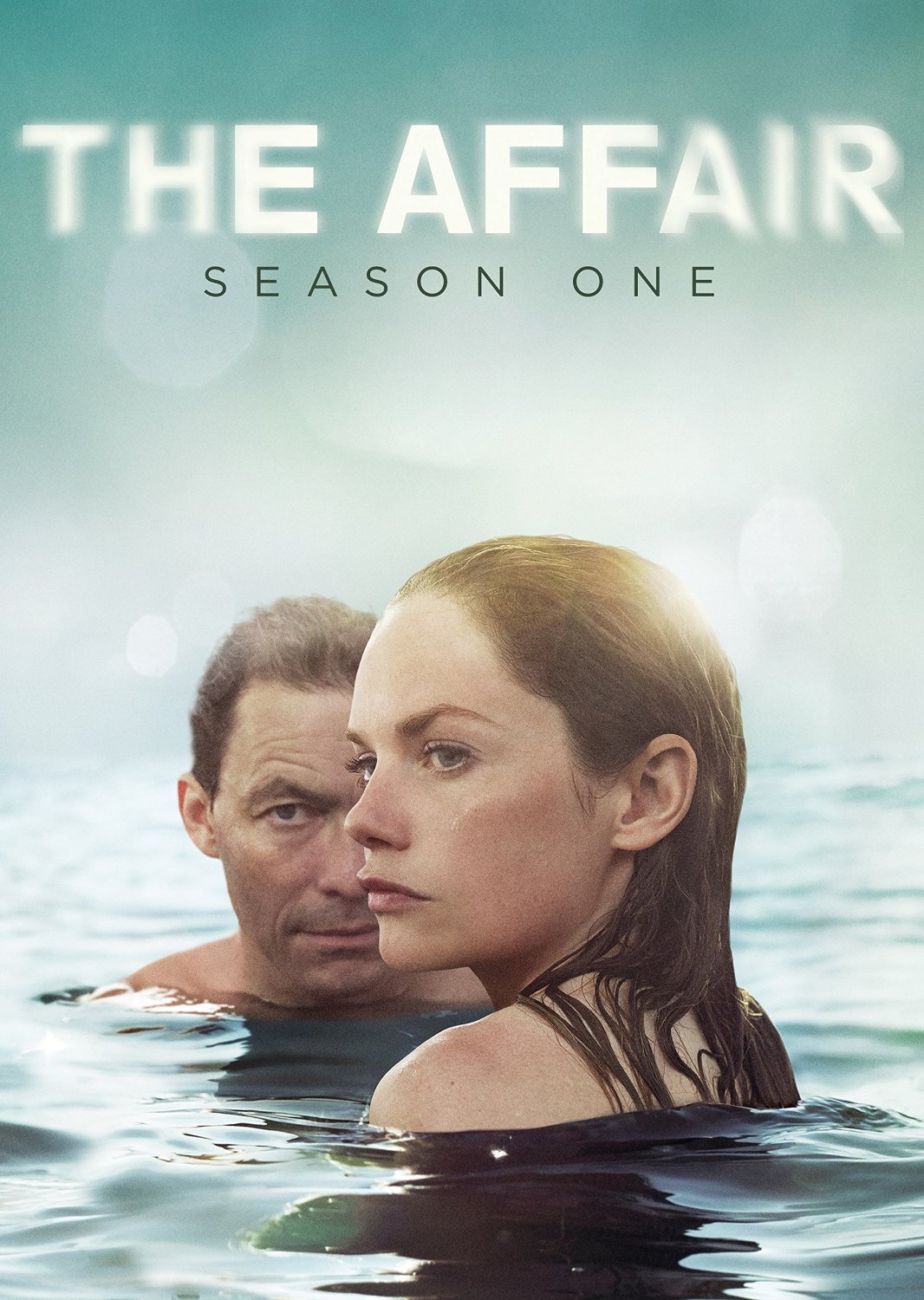
The notion that there are two sides to every story is at the center of The Affair. Almost every episode depicts the same events related to the titular adulterous relationship from two different perspectives. It’s an ingenious and inclusive storytelling tool because TV viewers are encouraged to spot the differences in each character’s account of events. (Along with inconsistencies in hairstyles, wardrobe, wallpaper, etc.) That’s why I was somewhat disheartened by the latter portion of the season veering away from what made the show great.
- “Marriage means different things to different people.”
Posted in: Disc Reviews by Gino Sassani on August 4th, 2015
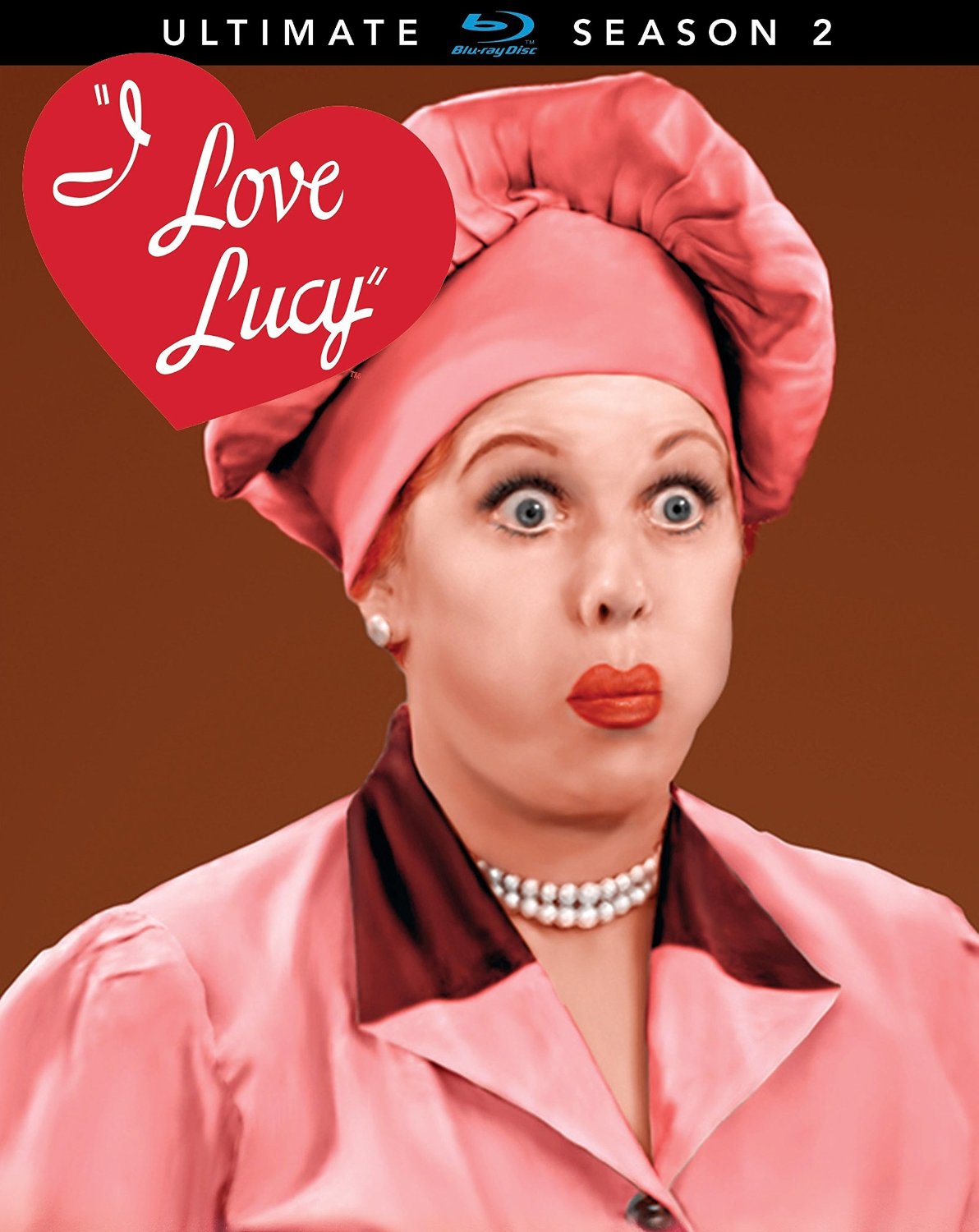
I Love Lucy changed the fledgling television industry in the 1950’s. This was a time when network television was less than a decade old. Most folks had never heard of television just 15 years earlier. I Love Lucy defined the concept of a sitcom. The show was driven by the very strong personalities of the cast. Desi Arnaz was considered a charismatic Latin lover by American women. Lucy played the perfect foil and found a mountain of gold to mine in strong physical comedy. So many modern shows owe their roots to this classic that it would be impossible to mention them all here. Now CBS and Paramount are bringing the show back in brand-new high-definition restored image that will delight even the pickiest fans of the show. We've now reached the second season of these efforts, and it is absolutely worth a look.
Even if you are not a particular fan of the show, it would be a mistake to dismiss the impact the series had both on the situation comedy and the television industry itself. The show's pioneering use of the three-camera format and shooting on film allows the material to be in a position to be restored at all. That setup has remained a staple of the television comedy since that time. Desi was also a marketing genius who was the first to take advantage of the promotional value of putting the show's name on everything from lunch boxes to sleepwear. It's an innovation that is exaggerated in a Red Skelton skit provided in the extras here. Desi changed the way television crew did their jobs and created the modern production methods still used today.
Posted in: Disc Reviews by J C on July 23rd, 2015
“When you get four vampires in a flat, obviously there’s going to be a lot of tension.”
The set-up for What We Do in the Shadows makes it sound less like your typical vampire movie and more like some kind of twisted season of The Real World. (Well…slightly more twisted than usual.) But besides finding a funny way to skewer bratty roommates and the mundaneness of everyday life, the movie works as a cheeky celebration of the classical cinematic bloodsucker.
Posted in: Disc Reviews by Brent Lorentson on April 30th, 2015
“I need to know what you are worth when I leave you nothing.”
These are the parting words that Jim Bennett (Mark Wahlberg) is left with from his dying grandfather. At first these words may seem a bit harsh, but the more time we spend with Bennett we start to understand the grandfather’s intentions. The Gambler, a remake of the 1974 film with same title, follows Bennett along his downward spiral as his gambling addiction drags him down to the point where death is imminent, yet death seems to be the escape Bennett so desperately craves. In other words, this is not exactly the film you watch to get into the holly jolly spirit of the holidays.
Posted in: Disc Reviews by Archive Authors on March 31st, 2015
Most movies are just not very good. Lots of money goes into turning out boring, repetitive garbage. You watch it and then dispose of it and make room for the next thing. There are some who do more, but the more you do, the greater the risk. Most filmmakers are not given the freedom to take really big risks, but someone who has been given the opportunity to take the big risk is Christopher Nolan. Interstellar is $165,000,000 gamble shooting for the moon. Actually Nolan is shooting for something way past the moon. He wants to take us to another galaxy. There is so much speculative science in this film that it is mind-boggling. The cutting edge of real science is, frankly, getting crazier and crazier. The average person really has no idea how crazy, but Interstellar is going to try to show us just how crazy. The true nature of some of the elements of the theory of relativity and other related theories is that they defy all logic.
One of the most important things in Interstellar is its attempts to deal with some of the properties of time. The laws of physics tell us time acts differently in different situations. In this movie time rules everything in people's lives, but the main character is given the power to do something with time that most of us don't even imagine. It's important to know some of these situations are described in actual scientific theory. In fact, real science is getting closer and closer to God all the time. Most people who don't believe in God don't expect science to contradict that way of thinking. Interstellar doesn't talk about God, but it comes close to doing something similar. It is science's contention to state statistically there are millions of planets with intelligent life out there. Some of those intelligence forces will seem like God to us. This is simple science, but people have such a wide range of beliefs that no one will ever agree on what is the truth. The reason we don't agree is because mankind is just not smart enough to have real answers.
Posted in: Disc Reviews by Archive Authors on January 20th, 2015
Boyhood is all the rage right now. With all the hoopla surrounding the film, it should be noted that it is ordinary. It is just about people living their lives. One could even call it boring. One can say that because life is boring. It is not as exciting as it is in the movies. Life is about small moments that add up to memories and then it is over. Boyhood doesn't make grand statements about boyhood, or about motherhood or fatherhood for that matter. It is just about a few people and what happens to them. One could say it's about nothing, or one could say it's about everything. The film is nearly three hours long. It was filmed for a few weeks a year over twelve years. It is a very personal project for its writer/director, Richard Linklater.
I don't like Boyhood because it is messy and unfocused. I love Boyhood because it focuses on all the small moments and makes them seem all so important at the moment they happen. I love Boyhood because it makes us look back on our own lives. I don't like Boyhood because it makes it seem like all life is boring. I like Boyhood because it is unassuming in it's efforts to show us a mirror of ourselves. One could say, I'm conflicted about Boyhood. I can say I love many Richard Linklater films; in fact, I like every one of them. And they are not all the same, but they have one thing in common. None of them are pretentious, and that was after seeing his last film Before Midnight which delved precariously into highfaluting and high-minded bouts of conversation. In fact, Linklater has always been on his own path down in Texas. It was a slacker path, since that was the name of his first film. He was always an indie guy but had big successes over the years like School of Rock, Bad News Bears and Dazed and Confused. But the films that most closely tie to Boyhood are the trilogy of films Before Sunrise, Before Sunset, and Before Midnight. Those three films starred Ethan Hawke, detailing conversations with one woman (Julie Delpy) over the years. The trilogy was filmed in 1995, 2004 and 2013. Boyhood began filming in May 2002 and also starring Ethan Hawke, but the real star is Ellar Coltrane who ages from 6 to 18 in the film.
Posted in: Disc Reviews by Archive Authors on January 13th, 2015
The internet is destroying everything. It seems crazy, but it's true, and most people know it. I mean that so many businesses have been destroyed by the tremendous growth of the internet and its insidious and unchecked influence. The newspaper business, music business, broadcast business and probably the movie business have been fundamentally and permanently altered. Men, Women and Children addresses how it affects each and every one of us on a daily basis. We're all aware of this. It's our lives now, and it wasn't 10 years ago. Texting on iPhones is so addictive with some people that they are oblivious to how obnoxious it is. Most of us are aware, on some level, how much computers and phones are sucking away what used to be our lives. We know it, but the die is cast. That's the problem with Men, Women and Children. We know everything already, and this movie shoves it down our throat. The subject is definitely timely, but too much of what happens in this movie is like a parade of clichés.
Jason Reitman (Juno, Up In The Air, Thank You For Smoking) is a good director, but he has been losing his touch, citing films like Labor Day and Young Adult. This film is packed with good actors, but they all seem wasted, even Adam Sandler. Sandler is the big star here, making another stretch into dramatic territory. Sandler has done very good work in other people's movies before like Punch Drunk Love, Reign On Me and Spanglish, but not here. Here he is a limp, washed-out nothing, which is what the character demands but still is not a good thing to see. Most of the other good actors like Rosemarie DeWitt, Jennifer Garner, Judy Greer, J.K. Simmons, Dean Norris, Ansel Elgort, Dennis Haysbert and Emma Thompson here seem wasted with predicable and dreary functions in aid of a boring puzzle.
Posted in: Disc Reviews by Archive Authors on January 13th, 2015
The internet is destroying everything. It seems crazy, but it's true, and most people know it. I mean that so many businesses have been destroyed by the tremendous growth of the internet and its insidious and unchecked influence. The newspaper business, music business, broadcast business and probably the movie business have been fundamentally and permanently altered. Men, Women and Children addresses how it affects each and every one of us on a daily basis. We're all aware of this. It's our lives now, and it wasn't 10 years ago. Texting on iPhones is so addictive with some people that they are oblivious to how obnoxious it is. Most of us are aware, on some level, how much computers and phones are sucking away what used to be our lives. We know it, but the die is cast. That's the problem with Men, Women and Children. We know everything already, and this movie shoves it down our throat. The subject is definitely timely, but too much of what happens in this movie is like a parade of clichés.
Jason Reitman (Juno, Up In The Air, Thank You For Smoking) is a good director, but he has been losing his touch, citing films like Labor Day and Young Adult. This film is packed with good actors, but they all seem wasted, even Adam Sandler. Sandler is the big star here, making another stretch into dramatic territory. Sandler has done very good work in other people's movies before like Punch Drunk Love, Reign On Me and Spanglish, but not here. Here he is a limp, washed-out nothing, which is what the character demands but still is not a good thing to see. Most of the other good actors like Rosemarie DeWitt, Jennifer Garner, Judy Greer, J.K. Simmons, Dean Norris, Ansel Elgort, Dennis Haysbert and Emma Thompson here seem wasted with predicable and dreary functions in aid of a boring puzzle.