Paramount

by Eric Mitchell

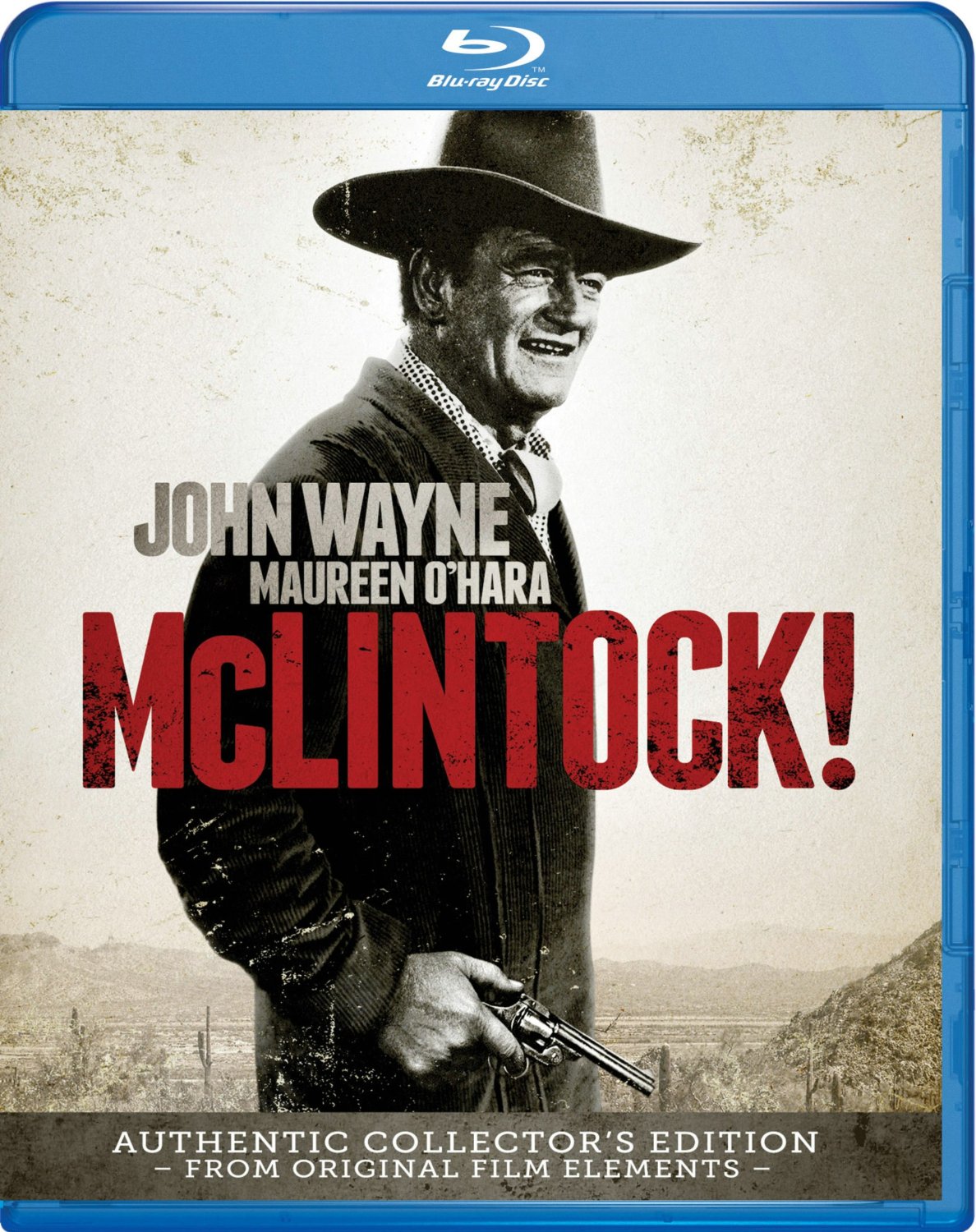
G.W. McLintock (John Wayne, True Grit, Rooster Cogburn) made most of his money by being a cattle baron. He made so much money, in fact, that the film’s fictional town was named after him. How cool is that? But all is not milk and honey in McLintock’s life. He has an estranged wife who does not live with him (Quiet Man co star Maureen O’Hara), and now wants a divorce.

“Whoever tells the best story wins.”

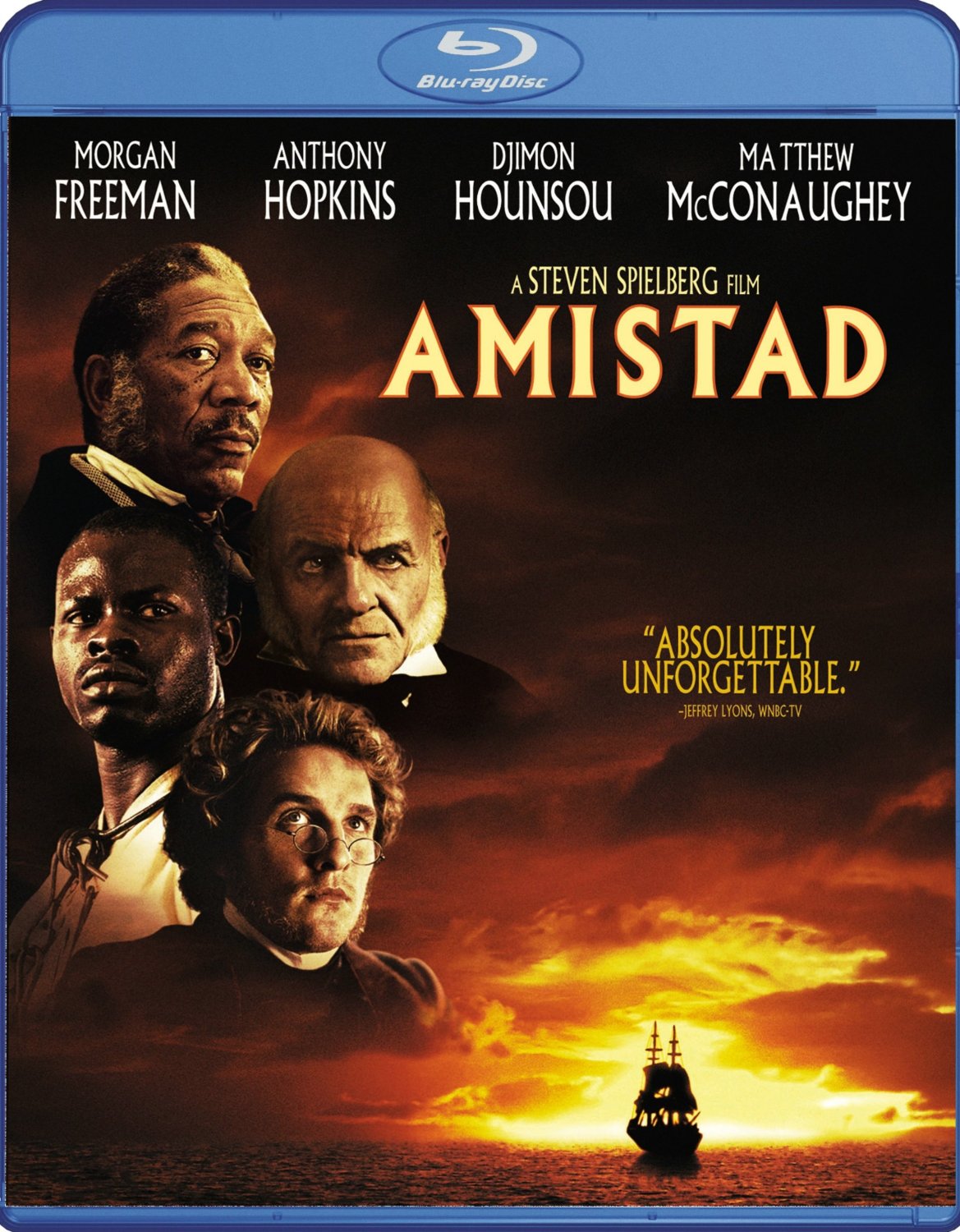
This bit of lawyerly wisdom is given by John Quincy Adams in Amistad, Steven Spielberg’s account of a real-life 19th century slave revolt. President Adams is offering advice on how to mount the most effective case on the slaves’ behalf, but his words ring true well beyond the courtroom. Spielberg has been telling some of the best stories since the 1970s. Amistad may not be top-tier Spielberg, but the film — making its Blu-ray debut — is an absorbing historical drama in its own right.

You are not to leave this building. America is closed.”

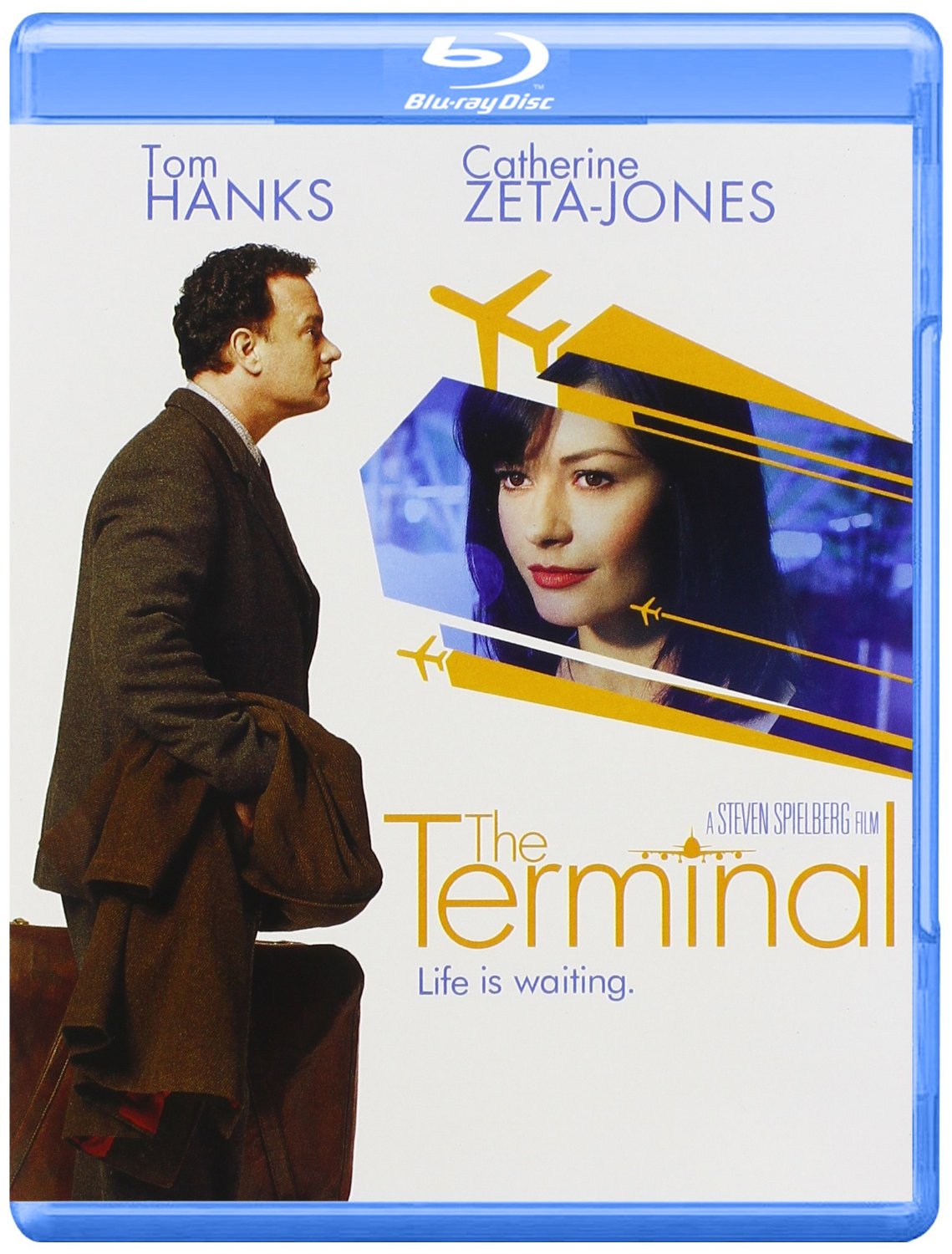
That's certainly a far cry from “give me your tired, your poor...your huddled masses yearning to breathe free.” It's also the predicament faced by Viktor Navorski, an accidental refugee who falls through a proverbial crack in the system and winds up trapped at JFK International Airport. The harsh, sobering command comes early on in The Terminal, a large-scale, feel-good parable. Even 10 years ago, a tonally-tricky studio movie like this one could only find its way to multiplexes if someone with the clout of a Steven Spielberg or Tom Hanks decided to make it.

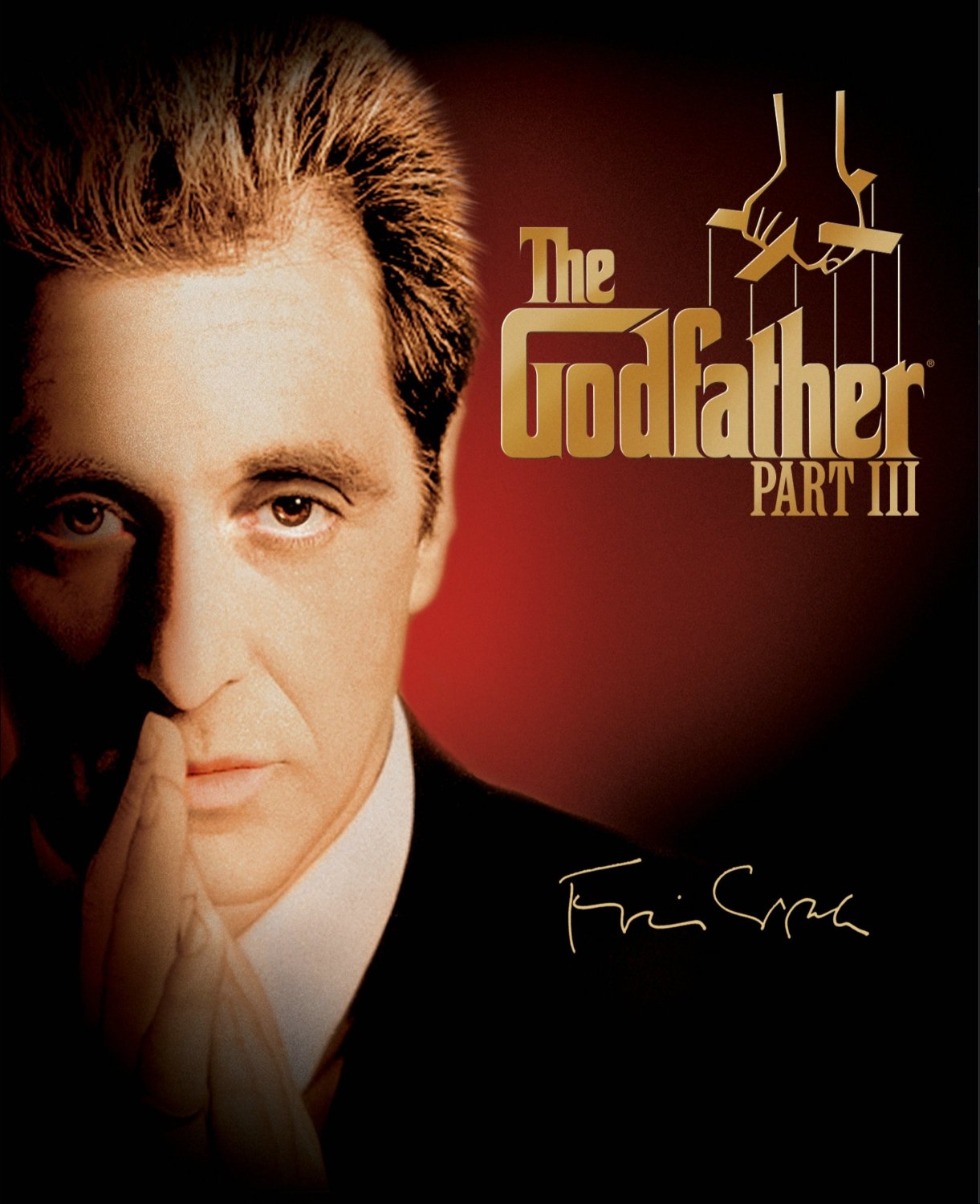
If anything, the third part of the Godfather series of films is symbolic of when too many sequels are greenlighted, and consequently, the film is doomed to fail. More often than not, the reason why these films crash and burn is because of major studios acting like Adelphia executives and wanting more money, and in using the previous films’ successes as leverage, they lose sight of things like quality. It’s happened to other trilogies. And if you put together previous films with the reputation that the first two Godfather films have, the only question left to answer is whether or not the third film would be a minor or major letdown. Most of the essential players returned, with the exception of Robert Duvall. (Duvall said Francis Ford Coppola never really negotiated with him, while Coppola says that Duvall asked for more money, so who knows?) Mario Puzo helped out with another part of the story, so why did this film not live up to the hype?

Well, this is by no means a slap to Coppola and Puzo, but the story was too nostalgic. A good portion of the film was told with clips from the other movies. While understandable, it didn’t address some of the performances from the cast. Pacino’s performance was pretty good and more subtle than I first remembered, and Andy Garcia’s role as Vincent (Sonny’s bastard child) still stands up after these years too. But Talia Shire as Connie clearly is the evil mastermind behind a lot of the Corleones’ present activities in an underappreciated performance. And in considering the evolution of her character from Part 1 to Part 3, her transformation was a little more gradual, but on par with Michael’s. Shire definitely deserves more praise than she got in this series. On to the bigger question: did Sofia Coppola as Michael’s daughter Mary REALLY stink up the joint in this film? Well, I think that she’s gotten some unfair slams through the years, considering she had little experience on a movie set aside from watching her Dad direct. I mean, imagine how good you would be when you’re sharing scenes with Al Pacino. Exactly! For her to be a scapegoat as to why Part III wasn’t a good film is a little unfair.

There have been complaints that there are not enough films that have decent lead roles for women. There are those that say that Hollywood does not make enough movies for women. Then when they do, critics tend to dismiss them as “Lifetime” movies (a term that is dismissive because of the cable channel that churns out generic movies for women). It seems far easier to accept excessive violence or male-oriented films with sexual content. If a movie tries to legitimately capture real situations from a woman's point of view, it can be patronizingly categorized as pap and schmaltz.

I see an awful lot of movies, and what disappoints me most about many of them is the insincerity of the experience. We get to see a lot of violent movies and a lot of funny movies, and if they seem halfhearted, I shrug it off as the norm. If I see romantic comedies that seem like weak rip-offs of movies made years ago, I assume they just don't know how to make them anymore, but an even rarer commodity is a serious romantic movie that works. Today that usually means it has to be laced with cynicism and anger.

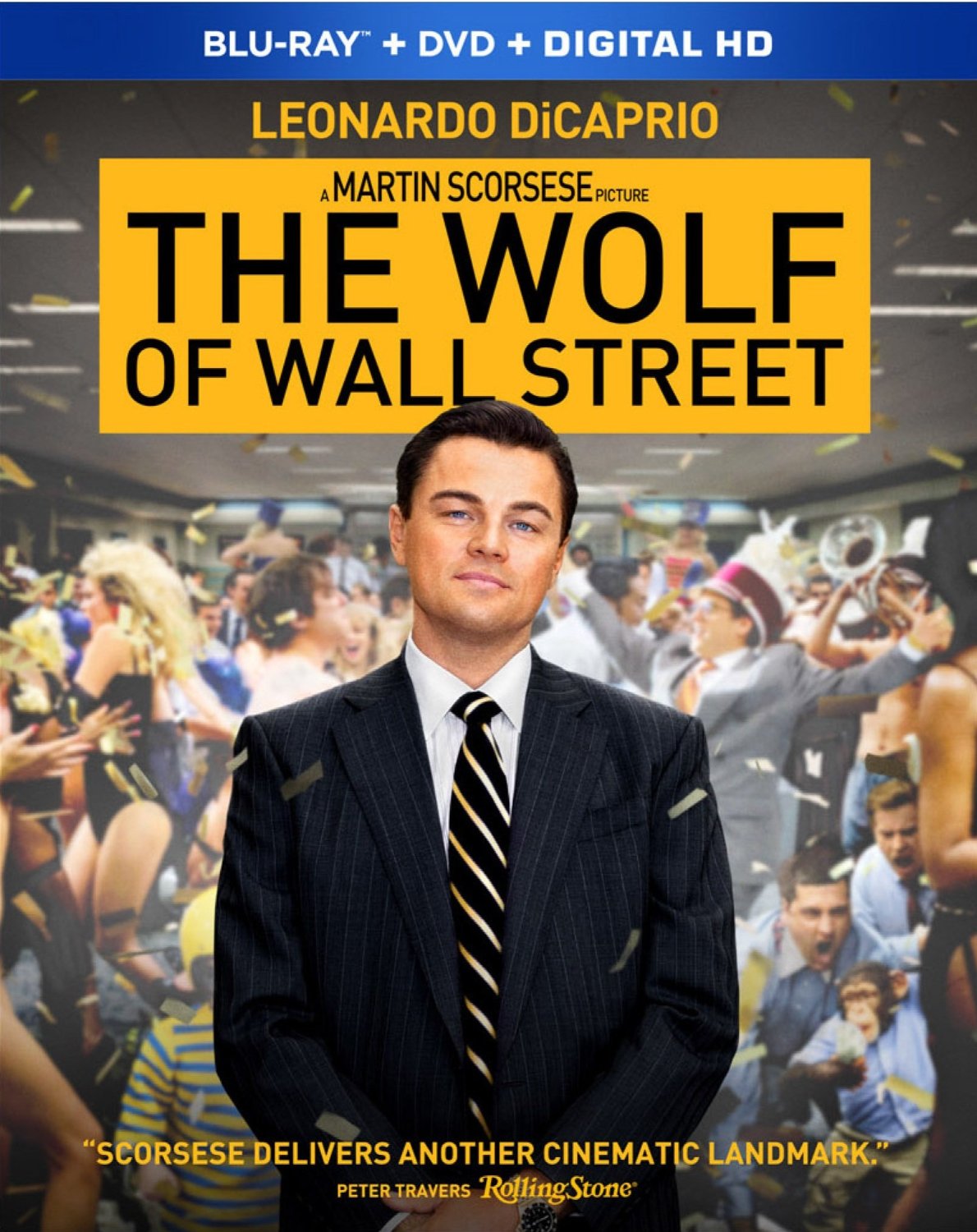
Besides the fact that it stars Leonardo DiCaprio and that it’s essentially a white collar gloss on Goodfellas, you’d be forgiven for thinking somebody other than Martin Scorsese directed The Wolf of Wall Street. I don’t mean to suggest Scorsese has lost his masterful touch or his passion for filmmaking, both of which were on display as recently as two years ago in the wonderful Hugo. It’s more that after spending the better part of the 21st century making strong, serious dramas, I didn’t necessarily expect Scorsese to make his funniest, loosest and most audacious picture in decades.

“I want you to deal with your problems by becoming rich.”

Jeff Dunham has always had a talent for making people laugh. His style of ventriloquism has found its way into millions of homes and probably a billion YouTube views. Of course these standup specials have translated into tons of merchandising potential such as lunchboxes, t-shirts, and even the puppets turned into cute and sometimes furry stuffed dolls. Well, with one of the most beloved characters, Achmed, they decided to do an animated special. Let us see how well it turned out.

Jeff Dunham and Achmed the Dead Terrorist (also voiced by Jeff) join us for a little introduction. Jeff asks Achmed who his favorite animated character is. Achmed sheepishly replies Tigger and also Eeyore. But certainly not Piglet, don't be ridiculous. Then Jeff tells Achmed that he can be an animated character too and to make a wish. Out pops Tinker Bubba (yes, that's Jeff too) who can make Achmed intoxicated, I mean animated. Achmed turns animated and that is how the show starts.

It is true what they say, every time you think you are done, you get pulled back in. I had been working on cleaning up my house and trying by any means necessary to get it on the market (42 gallon trash bags are your friend). But the big boss of Upcomingdiscs.com asked if I would like to review the final season of Flashpoint. I looked at my movie spinner and saw nestled between the Flash (the short lived TV series) and Freakazoid Season 1(okay, I'm odd, I get it), the first 5 volumes of Flashpoint. At that point, it was pretty much a done deal.

At the end of the fifth season (or fifth volume if we are being technical), we had arrived at the episode Slow Burn. In this episode, the main story was that an arsonist was at large. The arsonist proceeds to take a fire chief hostage and eventually the criminal gets caught. However, that was certainly not the end of the story as the arsonist actually had a partner working at the fire station. This doesn't go very well as the fire chief takes the partner hostage and the SRU Unit has to negotiate a peaceful settlement.

Bruce Dern is the one generating the greatest praise. June Squibb (About Schmidt) who plays Dern's wife has also gotten multiple nominations. Woody Grant (Dern) is seen at the start of the film walking the winter roads of Billings, Montana. It is his intention to walk to Lincoln, Nebraska. The local police pick him up, and we are introduced to his son, David (Will Forte). The heart and soul of the movie is watching Dern and Forte interact. Forte is best known for acting silly as a cast member on Saturday Night Live, but his performance in this film is perfect. He is dour and forlorn and takes it on himself to be the only family member who tries to care about his father's feelings. He takes his father on a road trip because he believes he is slowly sinking into dementia. His dad believes he has won a million dollars because he received a magazine subscription sweepstakes letter. Everybody but Woody knows that it's a scam, but David wants the chance to spend some time with his dad. Woody's wife Kate (Squibb) thinks they are both insane and doesn't ever mince words for one minute. The film turns into a reunion with many people from the past and an unexpected journey to forgotten places. David doesn't know much about his dad, and he will start to learn a lot. They take an extended stop in Woody's home town of Hawthorne, Nebraska where much of his family still lives. For a time, many people in Hawthorne believe Woody really is rich including his former business partner, Ed Pegram (Stacy Keach). Many members of the family members and friends start to come up with stories about how they lent Woody money over the years.

Through it all David is by his father's side, tenderly finding ways to support him and make him feel good about himself in what is clearly near the end of his life. The whole film is handled with such finesse and subtle wit, filmed in pristine black and white that beautifully makes nearly every image like a classic photograph. Bob Odenkirk (Breaking Bad) as the other brother, Ross, adds ably to a continuous stream of humorous vignettes.