Weinstein Company

The name Quentin Tarantino carries the weight of legacy as such directors as Alfred Hitchcock, Steven Spielberg, and more recently Christopher Nolan.  I’m not saying one is better than the other, but simply by name recognition alone Tarantino is in the company of directors that when you hear that his name is attached there will be a loyal fan base flocking to the theaters to see what they have to dazzle us with.  This time around Tarantino returns to the cinema in his biggest release to date; in glorious 70mm we have The Hateful Eight. Tarantino returns to the Western genre, only this time he heads out west to Wyoming to thrust us into his most claustrophobic setting since Reservoir Dogs. Let me just come out of the gate and say that if you’re looking for the over-the-top fun you found in Django Unchained, you’re going to have to readjust those expectations; this time around we are given something much more intimate and all the more rich with dark humor.

John “The Hangman” Ruth (Kurt Russell) is a bounty hunter on his way to turn in his prisoner, Daisy Domergue (Jennifer Jason Leigh) to hang.  It’s along their stagecoach ride they come across another bounty hunter, Major Warren (Samuel L Jackson) who is looking to collect on a bounty of his own, only his prisoners are already dead. As we’ve seen in previous Tarantino films, he chooses to tell his story in chapter form, and for the first chapter of the film we spend it getting to know this trio of unsavory characters.  If you were hoping chapter two would pick things up in the action department, I’m sorry to say instead it is spent with a new passenger hopping aboard to avoid the oncoming blizzard.  The new passenger is Chris Mannix (Walton Goggins); he’s the newly appointed Sheriff in the town Ruth plans on taking his prisoner to hang in, and it’s with this new addition the dialog only continues to flow.

It’s tradition. The night before a wedding, the groomsmen throw a party for the groom and the bridesmaids do the same for the bride. Usually, the bachelorette parties are tamer than their male counterparts. Unless, of course, the bride has the absolute worst bridesmaids in the history of weddings; like the ones Becky (Rebel Wilson, Pitch Perfect, Bridesmaids) chooses for her bridal party in Bachelorette.

When Becky asks Regan (Kirsten Dunst, the Spider-man trilogy) to be her maid of honor, Regan immediately calls her other two friends from high school: airhead Katie (Isla Fisher, Wedding Crashers, Rise of the Guardians) and sarcastic Gena (Lizzy Caplan, Cloverfield, TV’s The Class). Completely enraged that “Pig-Face” — Regan’s cruel high school nickname for Becky — is getting married before her, Regan flips out. Fast-forward to the day before the wedding. Katie and Gena have flown in for the rehearsal dinner determined to liven up the “boring” bachelorette party, with Katie hiring a male stripper and Gena toting a purse full of cocaine. When the drugs and the stripper ruin the party, Becky storms off. Left alone in the bridal suite with champagne and cocaine, the three friends decide to get drunk, high, and generally feel sorry for themselves.

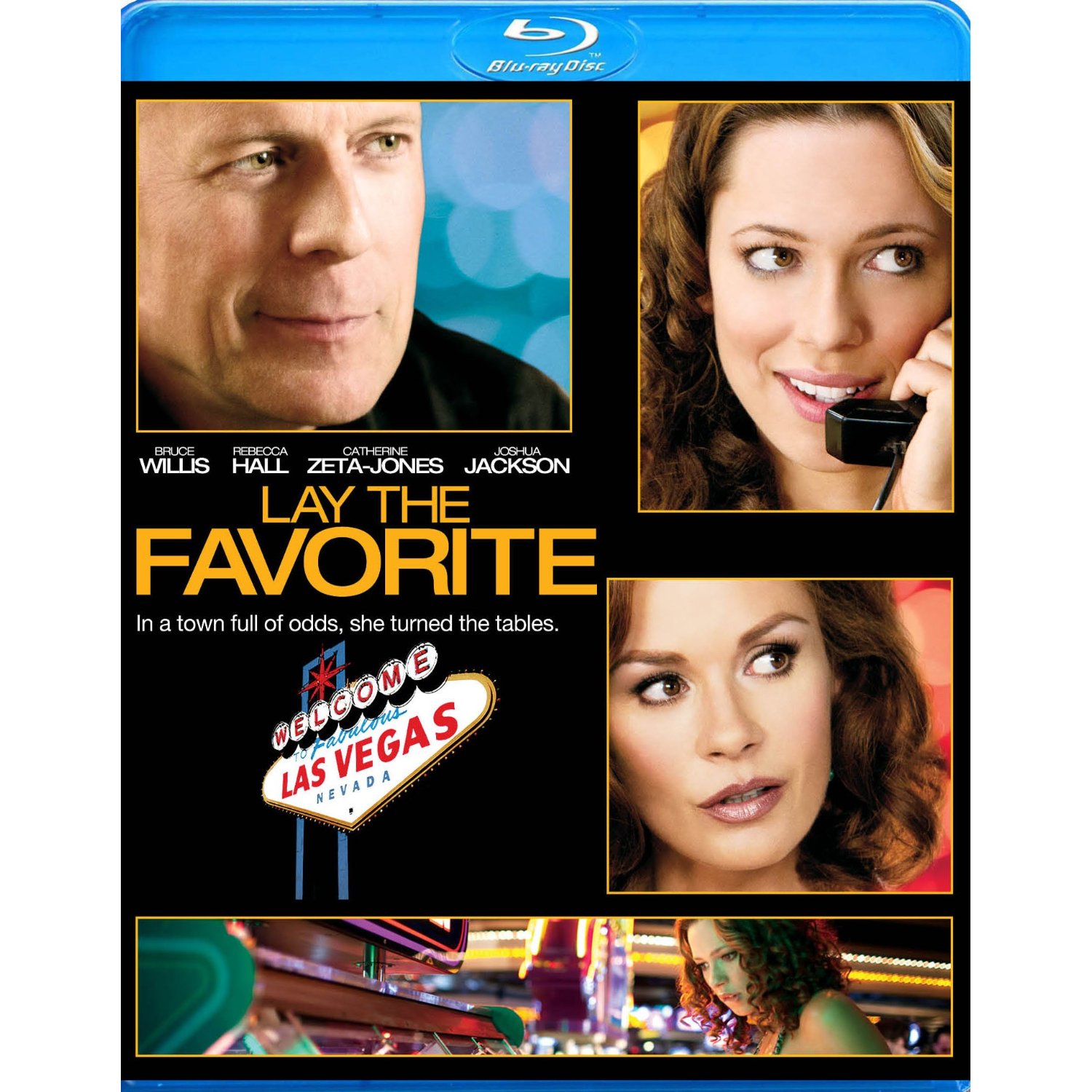
If a movie starring Bruce Willis, Catherine Zeta-Jones, Vince Vaughn and a few other notable names only grosses slightly more than $20,000 — BoxOfficeMojo.com assures us that’s not a typo — does it make a sound? The natural assumption is any film boasting that kind of star power must be pretty bad to be completely ignored by distributors and the movie-going public. Lay the Favorite is a disappointing, low-energy effort, but it certainly deserved to make more money than what A Good Day to Die Hard will probably earn in the time it takes you to finish reading this sentence.

The film follows sweet dim bulb Beth (Rebecca Hall), a stripper who feels unfulfilled in her life and dreams of moving to Las Vegas to become a cocktail waitress. (This movie’s title should’ve been Aim Higher.) Instead, Beth gets a job working for eccentric sports bettor Dink (Bruce Willis) and proves to be something of a gambling prodigy, much to the chagrin of Dink’s scary wife, Tulip (Catherine Zeta-Jones). As Beth and Dink’s relationship becomes more complicated, she gets romantically involved with nice guy journalist Jeremy (Joshua Jackson) and professionally involved with Rosie (Vince Vaughn), a volatile rival of Dink’s.

If the average civilian had been through the same stresses that you have been through, undoubtedly they too would have developed the same nervous conditions.”

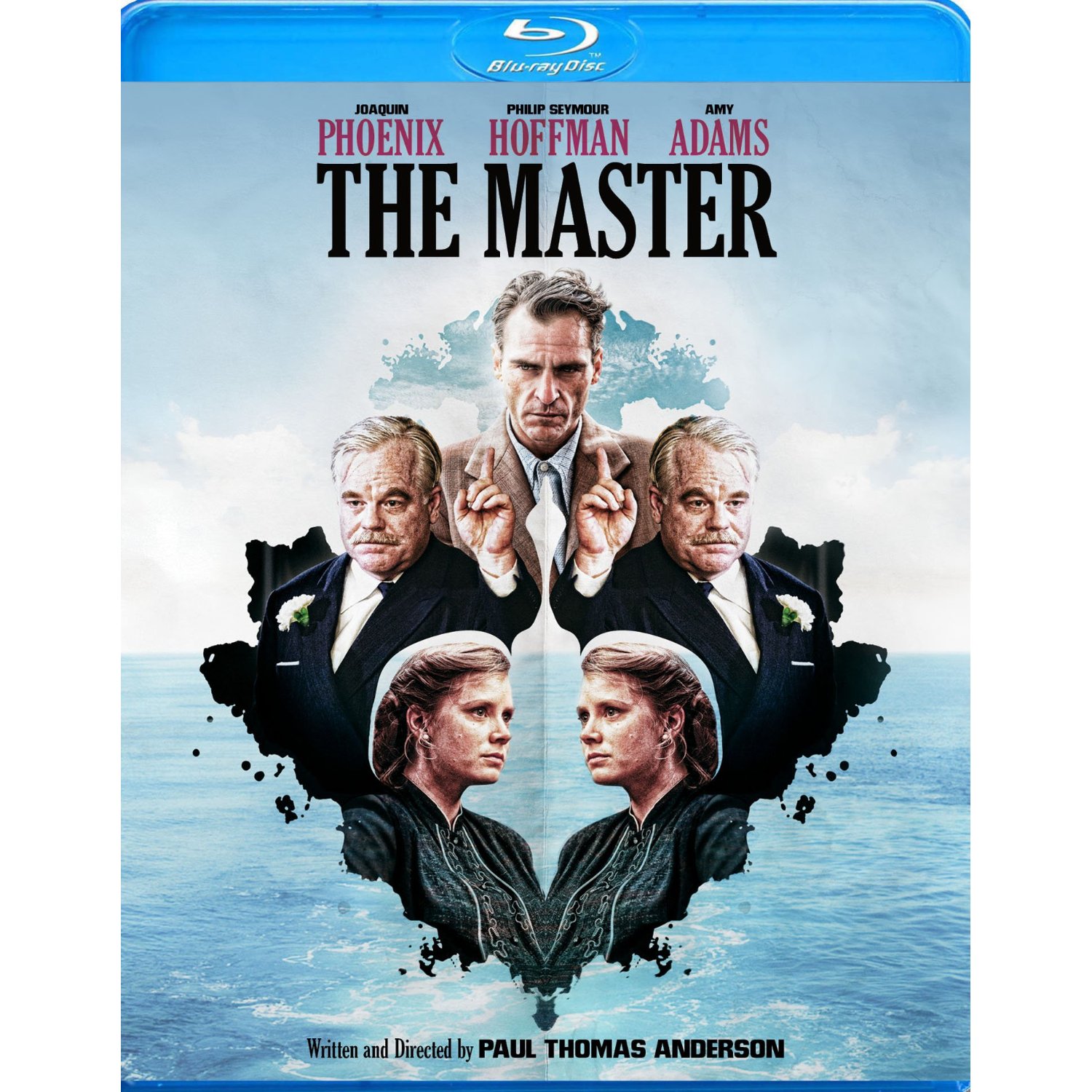
The first time I saw The Master, I really didn’t like it. It was a terrible feeling. I’m a huge Paul Thomas Anderson fan, and Boogie Nights is one of my 10 favorite films of all time. So I walked into that theater excited to see what was being called a landmark achievement: the “Scientology movie” that wasn’t really about Scientology (but actually kinda was) helmed by one of the most talented directors working today.

“You think football builds character? It does not; football reveals character.”

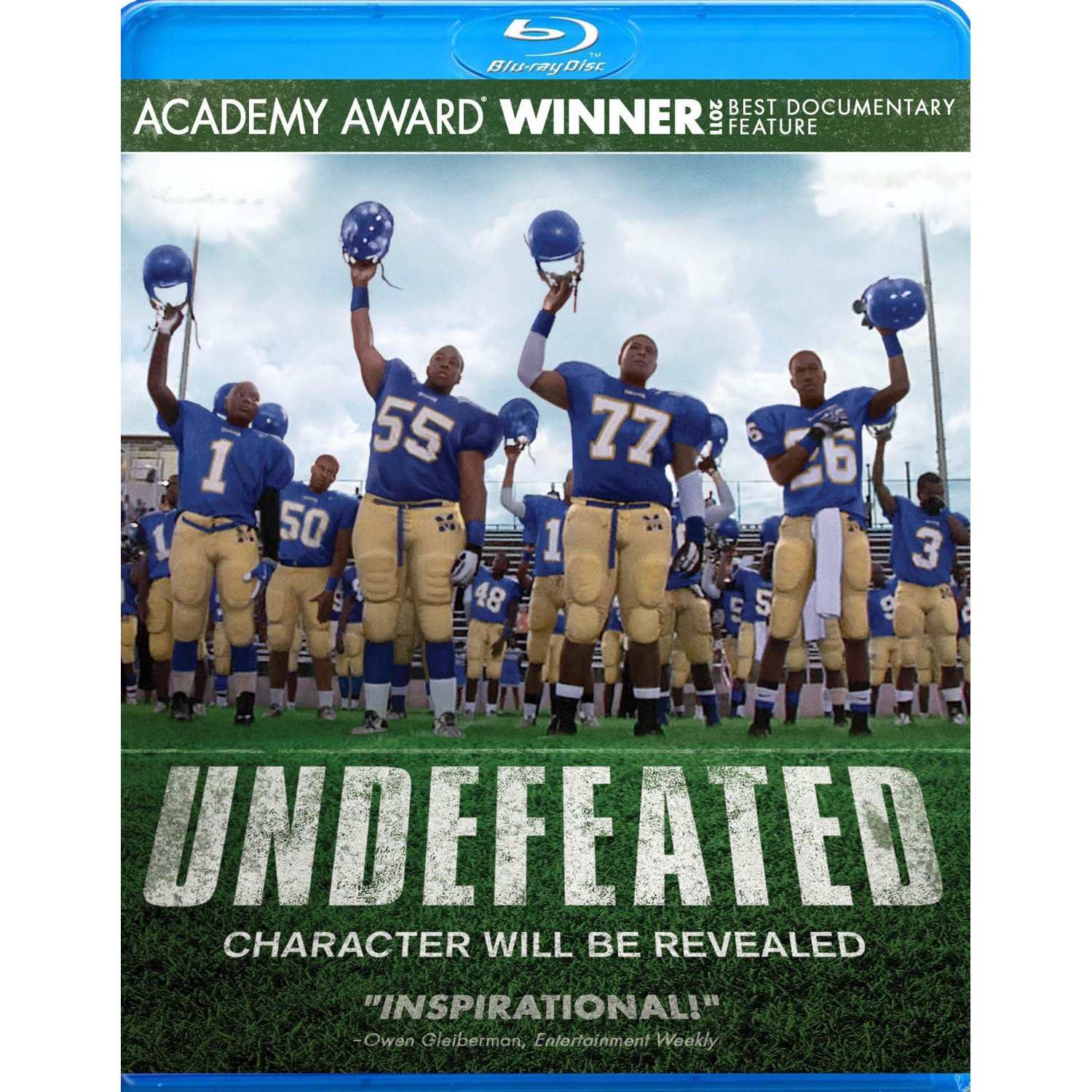
The open secret about sports movies is that they’re not really about sports. Most of the great ones use the games people play as a dynamic arena to tell universal stories about struggle, underdogs overcoming impossible odds, greatness and redemption. You don’t have to know a nose guard from a mouth guard to enjoy a football movie. By that same token, Undefeated may chronicle a grueling real-life high school football season, but I wasn’t surprised to see it play out like a lot of fictional sports flicks.

The image of what a bully looks and sounds like has changed drastically in recent years. When you and I were growing up, a “bully” was probably someone who looked like this and demanded your lunch money. Mean Girls came out less than 10 years ago; but if Tina Fey were trying to get the exact same movie made today, she’d probably have to deal with notes from a nervous studio exec worried that the Burn Book would drive one of the characters to suicide.

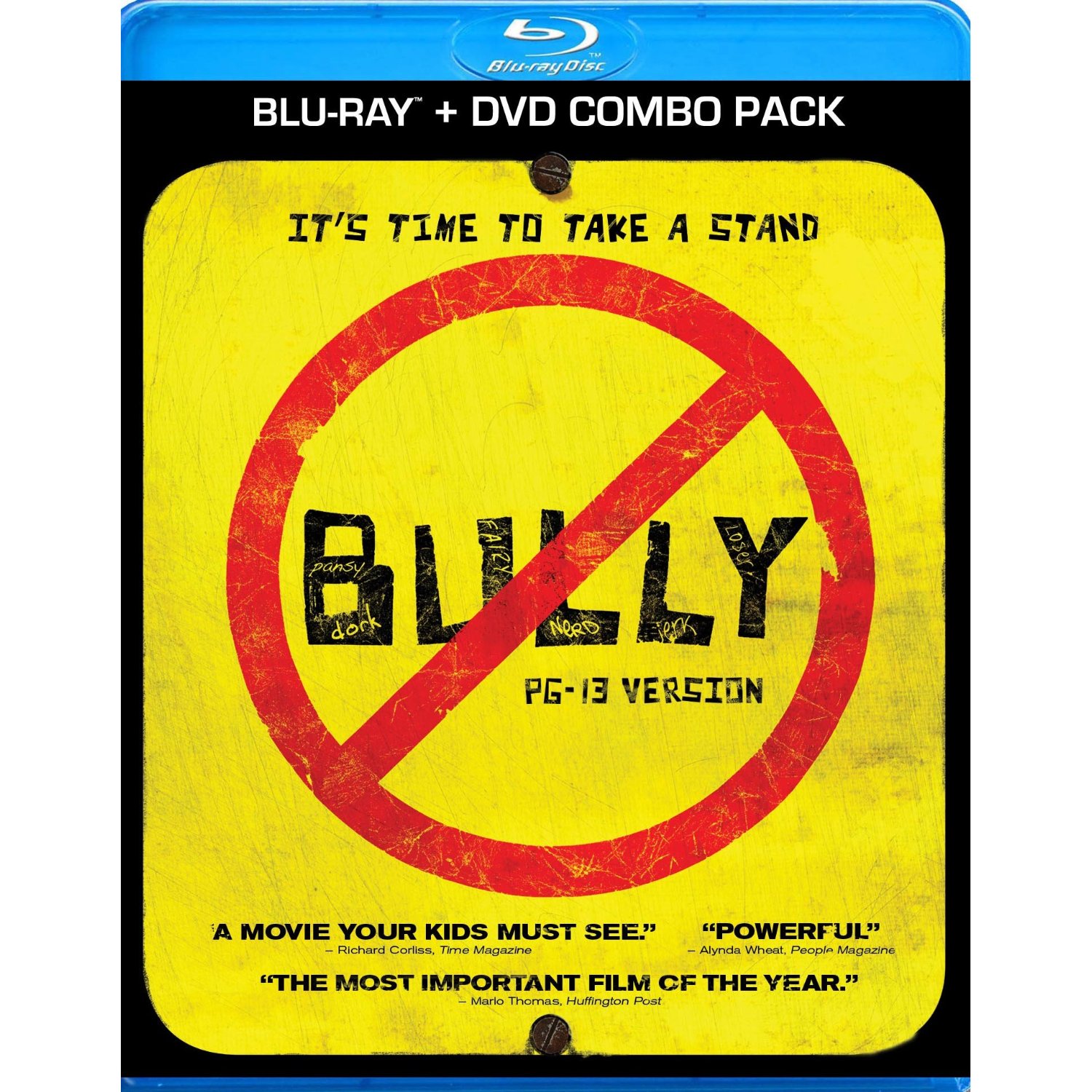
Bully — director Lee Hirsch’s heartbreaking and intensely-personal project — has lofty aspirations. In presenting five affecting stories of abuse that don’t necessarily involve black eyes or bloody noses, the documentary seeks to eradicate bullying by inspiring and educating the current generation of elementary, middle and high school students.

What’s the latest home video gimmick? 3D, of course. And what’s the leading genre for cheap thrills on a low budget? The goofball horror movie, right? So it makes sense – sort of – for an enterprising filmmaker to throw together a low-comedy fright flick with cheesy gross-outs and bouncing breasts. See, in 3D, those babies can bounce big-time. And if that’s not enough boost for the boys in the audience, you also get severed heads, detached limbs, barf jokes and the dopiest plot this side of Lake Placid the Final Chapter. OK, you caught me. I never saw that one, it just sounds ridiculous.

But I did sit through Piranha 3DD, which was not difficult because (a) I still enjoy the novelty of 3D home video, (b) it’s only 82 minutes long, and (c) the film earns its R rating (for “sequences of strong bloody horror violence and gore, graphic nudity, sexual content, language and some drug use”) while refusing to take itself seriously for even a moment.

"This Martius is grown from man to dragon. He has wings. He's more than a creeping thing. There is no more mercy in him than there is milk in a male tiger."

There's a certain hierarchy when it comes to the amount of cinematic interpretations of William Shakespeare's plays. At the top tier, we have the endlessly adapted Romeo and Juliet, Hamlet, Othello and Macbeth the Scottish Play. A step below that, you've probably got your King Lear, As You Like It, A Midsummer Night's Dream and a few more. And about a dozen tiers below that, we finally come across Coriolanus.


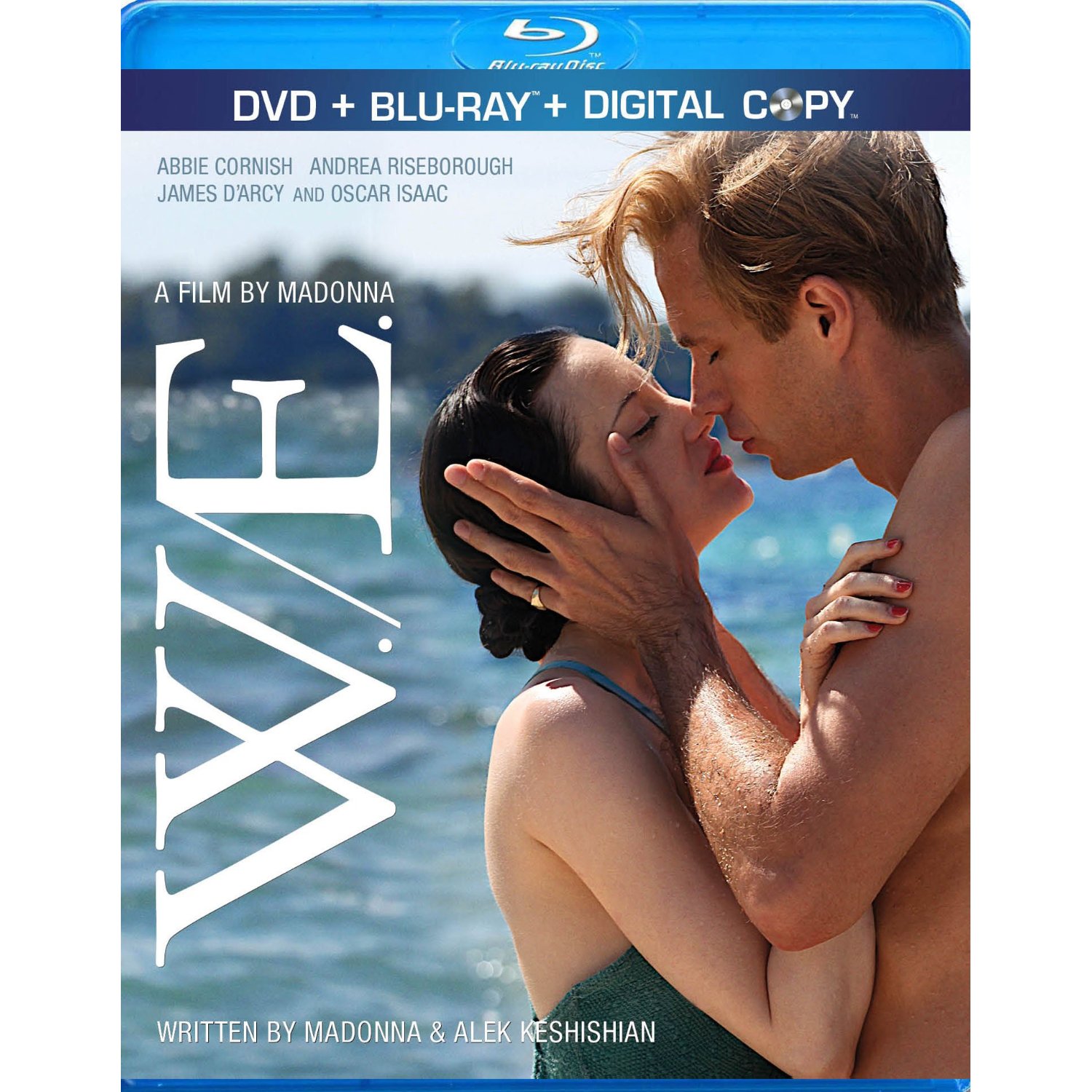
As of late, I have found myself picking up some classic albums by Madonna. Her early stuff mostly, but I have even picked up Truth or Dare on Blu-Ray within the last week or so. Why? I honestly can not explain. Maybe I miss her voice, her sex appeal and the music that has made her a legend. What I did not expect was that I was going to be reviewing a movie directed by her. So let us sit back and see how the movie W./E. plays out.

A faint radio plays out. It talks about the greatest love story of the 20th century or the king who gave up his throne for the woman he loved. Wallis Simpson was her name and she started a constitutional crisis when the King of England, Edward VIII decided to leave the throne to marry this woman. They became the Duke and Duchess of Windsor. The legend lives on today. An answering machine clicks after Walli is told that she is loved but will be alone that night.

"What must it be like to be the most famous woman on Earth?"

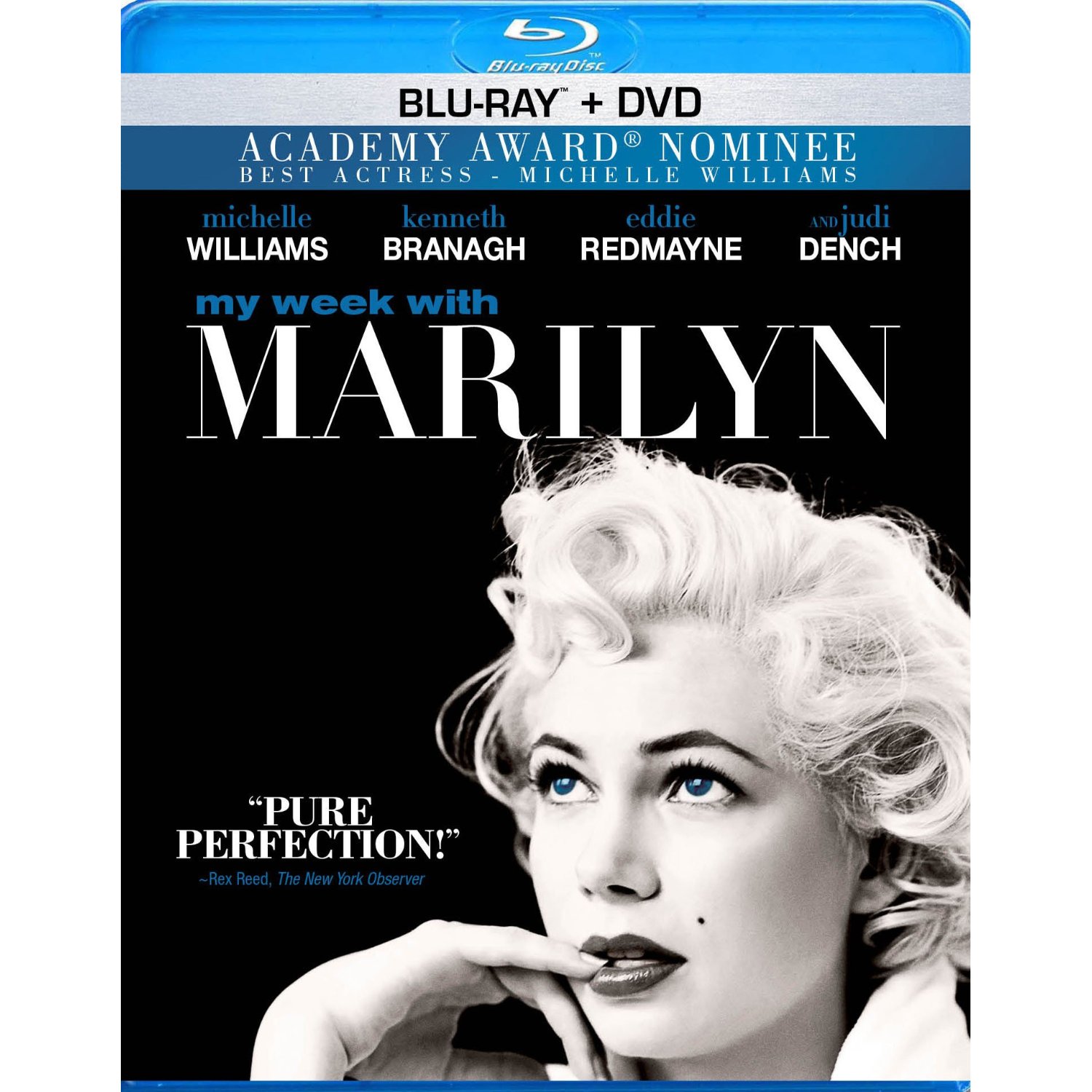
In My Week with Marilyn, one character relays this very question — apparently asked recently by Queen Elizabeth II — to Marilyn Monroe herself. The main problem with this movie is that it is less interested in exploring that query with a great amount of depth, and more interested in answering the considerably less provocative question, "What is it like to hang out with someone super famous?" (That's what Entourage was for.)