AVC MPEG4

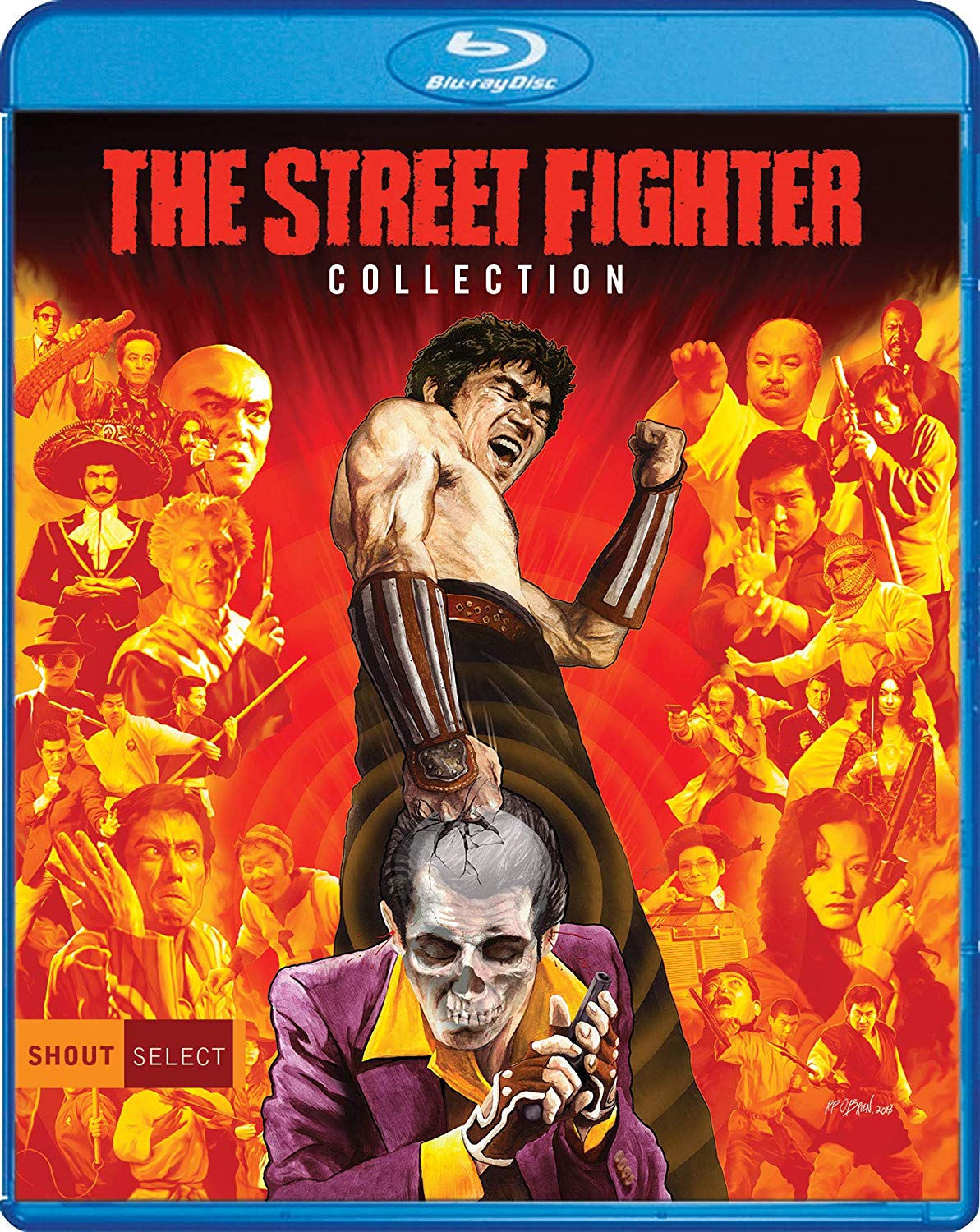
As one might guess from my film reviewing resume, I watch a lot of Asian movies.  Unfortunately, judging by the same resume, it would appear that most of that is anime and drama.  But in my spare time, I do watch a lot of popular Asian cinema, especially with the likes of Donnie Yen or Jing Wu. In addition to contemporary favorites, I certainly have not forgotten the roots of martial art cinema in the likes of Bruce Lee and others.  Well, today I received a box set featuring one of the legends of Asian cinema: Shin'ichi Chiba, better known to most American audiences as the one and only Sonny Chiba.  That set of films would be of course, The Street Fighter Collection.  Let us take a look.

The Street Fighter begins with Tateki Shikenbaru (played by Masashi Ishibashi) in a jail cell, a murderer about to be executed for his crimes.  He is visited by a Buddhist monk who is presumably there to give him his last rites.  That's no monk, but he might be there to give him his last rites.  His name is Takuma Tsurugi (played by Sonny Chiba), karate man for hire, and he takes out Shikenbaru with a special punch that throws him into a coma.  As the convict is rushed to the hospital, Tsurugi and his faithful sidekick Rakuda (played by Goichi Yamada) free him and send him off to Hong Kong.

“Everything is possible…even the impossible.”

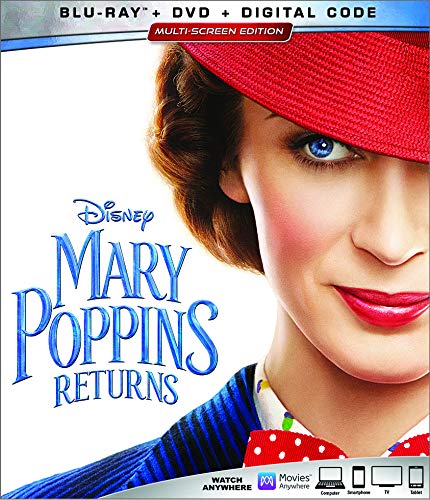
To be clear, the fact that Disney has delivered a big-budget, star-studded follow-up to one of the most beloved family films in its staggering catalog is *exceedingly* possible. This is, after all, the age of reboots and live-action remakes of movies we already love. What seems impossible is that Mary Poppins Returns and its sensational leading lady both live up to and (re)capture the spirit of the Walt Disney-produced Julie Andrews classic from more than 50 years ago!

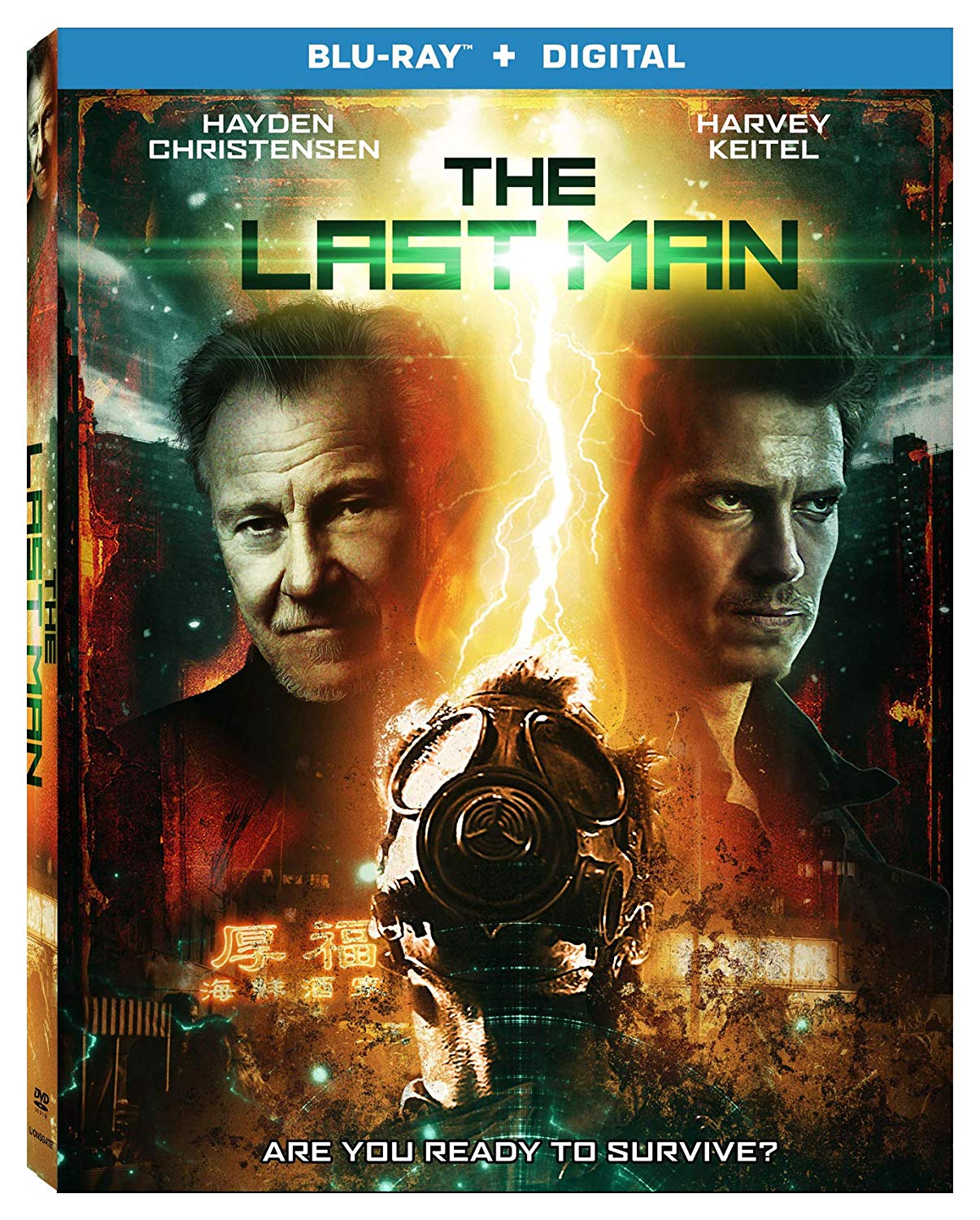
This is one of those films where the cast had me equally excited and concerned with how the film would turn out.  On one hand it has Harvey Keitel; the guy is a living legend between his roles in Reservoir Dogs, Bad Lieutenant, Taxi Driver, Mean Streets, and countless others.  Keitel is one of those actors who elevates just about any film he’s in, and he’s in several films I’d even call classics.  Then on the other end of the spectrum there is Hayden Christensen, one of the most lifeless performers to ever grace the screen in my opinion. I still have bouts of anger when I see him as Anakin Skywalker.  But I’m always ready to have an actor surprise me, and I always go into a film with an open mind once I sit down and start watching it.  Unfortunately The Last Man is a dud and was a film I struggled with so many of you won’t have to.

The film opens up with a dream sequence that looks more like a first person shooter scene in a video game.  Apparently this is a dream that Kurt (Christensen) has been having quite often. This is told to us through the film’s narration, and I’d just like to come out and say I really hated the voice-over work on this film.  I get that they were trying to go for a neo-noir style, but the narration is delivered with such a monotone delivery it felt more like a voice track someone would listen to while trying to sleep.  Another issue with this narration is that it is so on-the-nose with the information that it is telling us things we can obviously see and figure out for ourselves.  It was fine when giving us a little back story, telling us how the western civilization collapsed, but as you continue watching, everything you hear just begins to seem redundant.

"I love a comedy. Is there cake?"

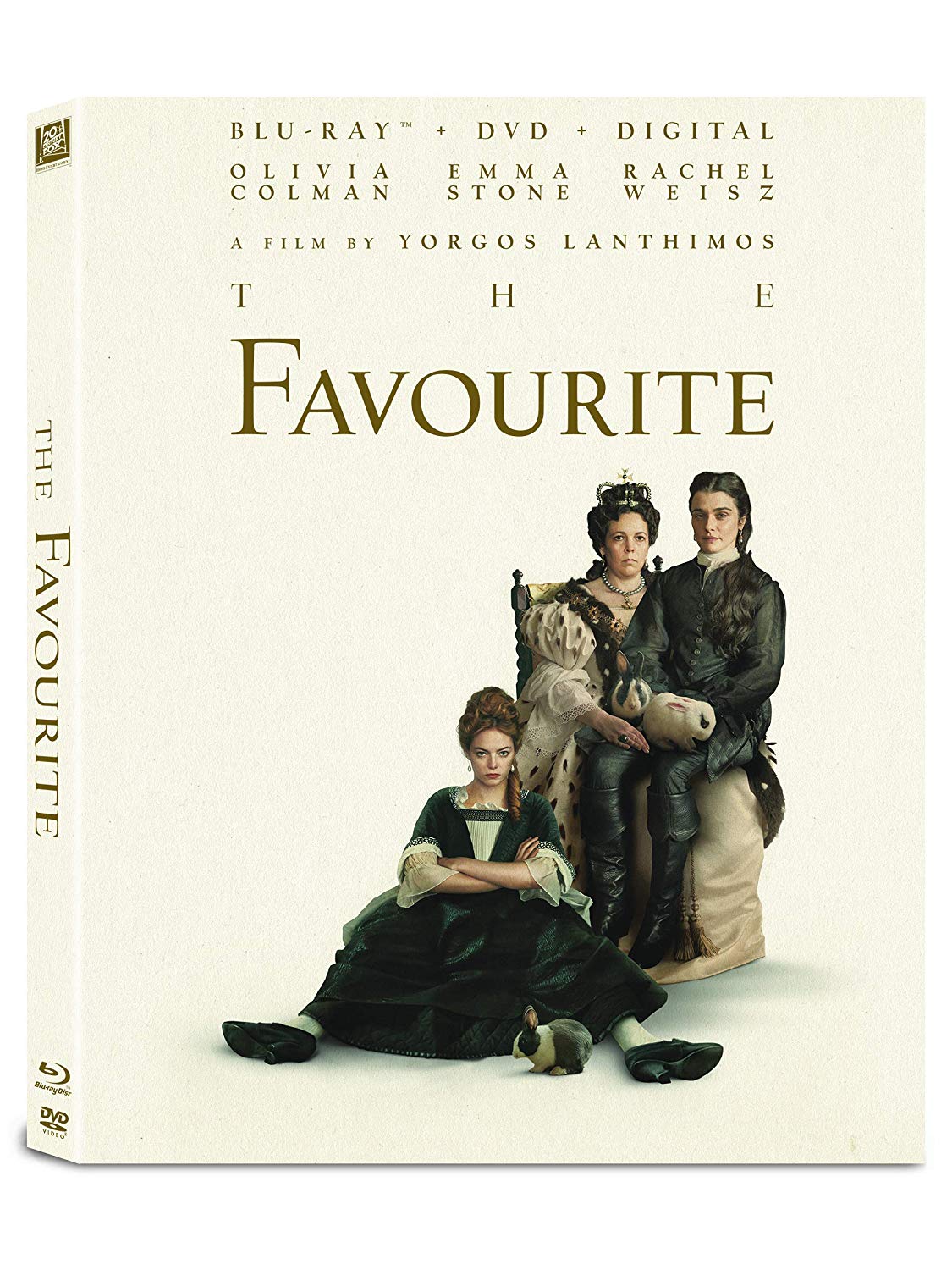
The Favourite is a somewhat awkward film. Director Yorgos Lanthimos took on a rather brave but dangerous task when he decided to create a farce. Most audience members don't understand the term. They use it rather synonymously with comedy or spoof, but it is truly something very different. A comedy is meant to deliver as many laughs as possible. You get pratfalls, one-liners, slapstick, and other over-the-top methods to bring about those laughs. Spoofs take a specific subject or genre and expose some of the more innate aspects of the material, all in good fun. Leslie Nielsen was a master of the spoof with his Airplane and Naked Gun films. All of these are popular and understood forms of entertainment. The farce is a totally different thing altogether. While there might be laughs to be had, the primary directive of a farce isn't to actually be funny. The farce is a world of the absurd. It's a ridiculous portrayal in which everyone involved plays it completely straight. The actors/characters don't know they are in a farce, so there aren't any clever one-liners or overt attempts at humor. The film is presented as a serious attempt, and there is no one winking at the audience. It's a difficult thing to pull off, and The Favourite pulls it off wonderfully, but the unfortunate result is that most people merely shook their heads, not knowing what to make of the entire thing. So the film is misunderstood, and that in itself is a bit of a tragedy. It's somewhat appropriate, I suppose, because Shakespeare was a master of both farce and tragedy. Go figure.

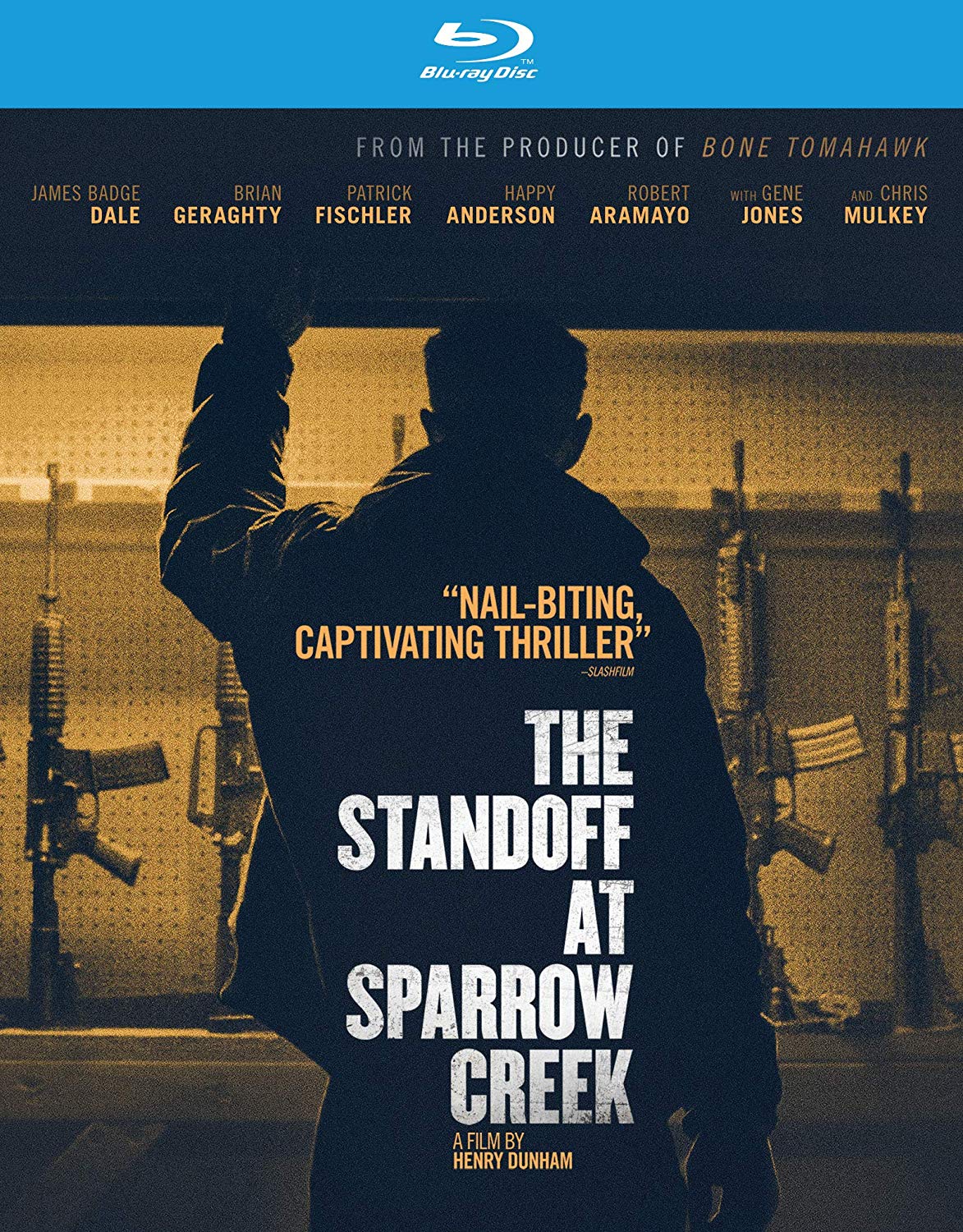
It may only be March, but I’m willing to bet The Standoff At Sparrow Creek will make the list of my top films of 2019.  I’m going to go out on a limb and say that this is the next breakout film people will be talking about, because it’s just that damn good.  Think about what Reservoir Dogs mashed up with Glengarry Glen Ross would be like if they were mashed together and the characters were all members of a militia; then you’ll somewhat have an idea of what The Standoff at Sparrow Creek has in store for you. We’ve all heard rumblings about militia groups, the kind that have their hidden bunkers that have stockpiles of weapons and ammunition that are ready to go into battle at a moment’s notice. At the same time we live in a world where it’s heavily frowned upon to want to own an automatic assault rifle, and those involved with these groups are often depicted as country bumpkins who are military washouts or just “gun nuts”. Well, writer/director Henry Dunham has decided to offer up a new look into this group and even dares to get into their heads and what motivates them.  But Dunham isn’t trying to make any political statements, but instead he’s crafted a well drawn out thriller that explores each of these characters and gives them each motivation for their actions, keeping them human despite their actions at times.

What kicks off the film is a shooting at a police funeral, In a panic to find out who may be responsible, Gannon (James Badge Dale) has all the members of his group meet up at a lumber mill to sort things out.  It’s at the mill where Gannon discovers that a gun and other materials are missing and that the person responsible for the shooting is one of the members of his group.  Knowing the police are going to be out for blood, Gannon decides to interrogate the members of his group in hopes of finding the rogue killer and offering them up in order to preserve the safety of the militia.

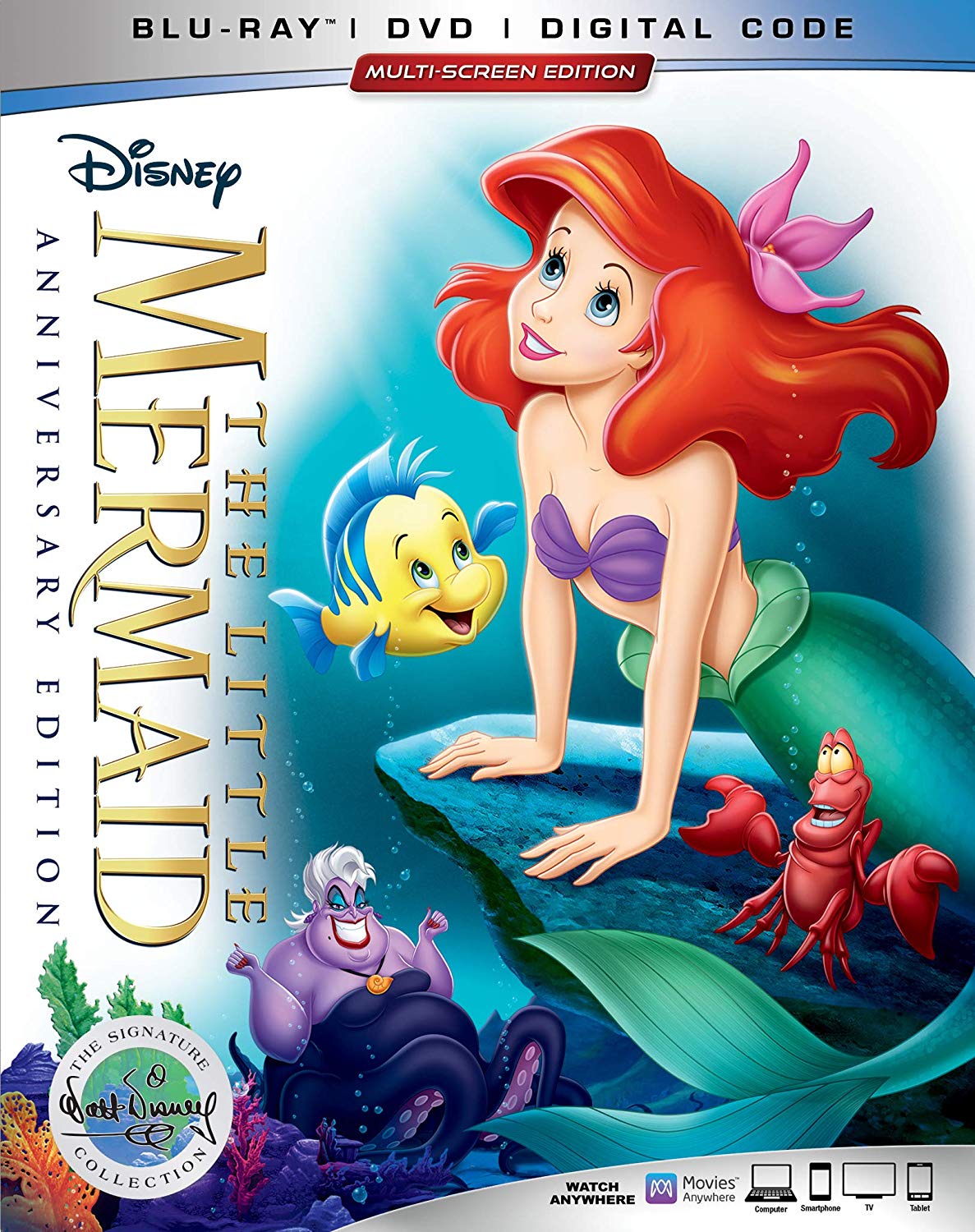
All good things must come to an end, and so it was at Walt Disney Studios. The Golden Age of feature film animation had started with Snow White and the Seven Dwarfs in 1937. By the end of the 1970's, it was all but gone. As the studio entered the 1980's the things had gone from bad to worse. Walt was gone, and so it seemed was the magic. Most of The Nine Old Men had either retired or passed away. The studio leadership was considering closing the animated studio and moving on to live-action films only. It was a dark time for the artists and creative folks at the Mouse House. A shadow had fallen. Sounds pretty much like the beginning of a Tolkien tale, doesn't it?

Enter a new regime. Michael Eisner became the new head of the company, and Jeffrey Katzenberg teamed up with Walt's brother Roy Disney to head the new studio. The first thing they did was banish the animation studios from the Disney lot and set them up in warehouse-like trailers in the middle of industry nowhere. It looked like the axe had finally fallen. But the exile turned out to be the best thing that ever happened to this new generation of Disney talent. Under the new leadership the creative forces banded together and began to do something they hadn't in a long time. They began to dream once again.

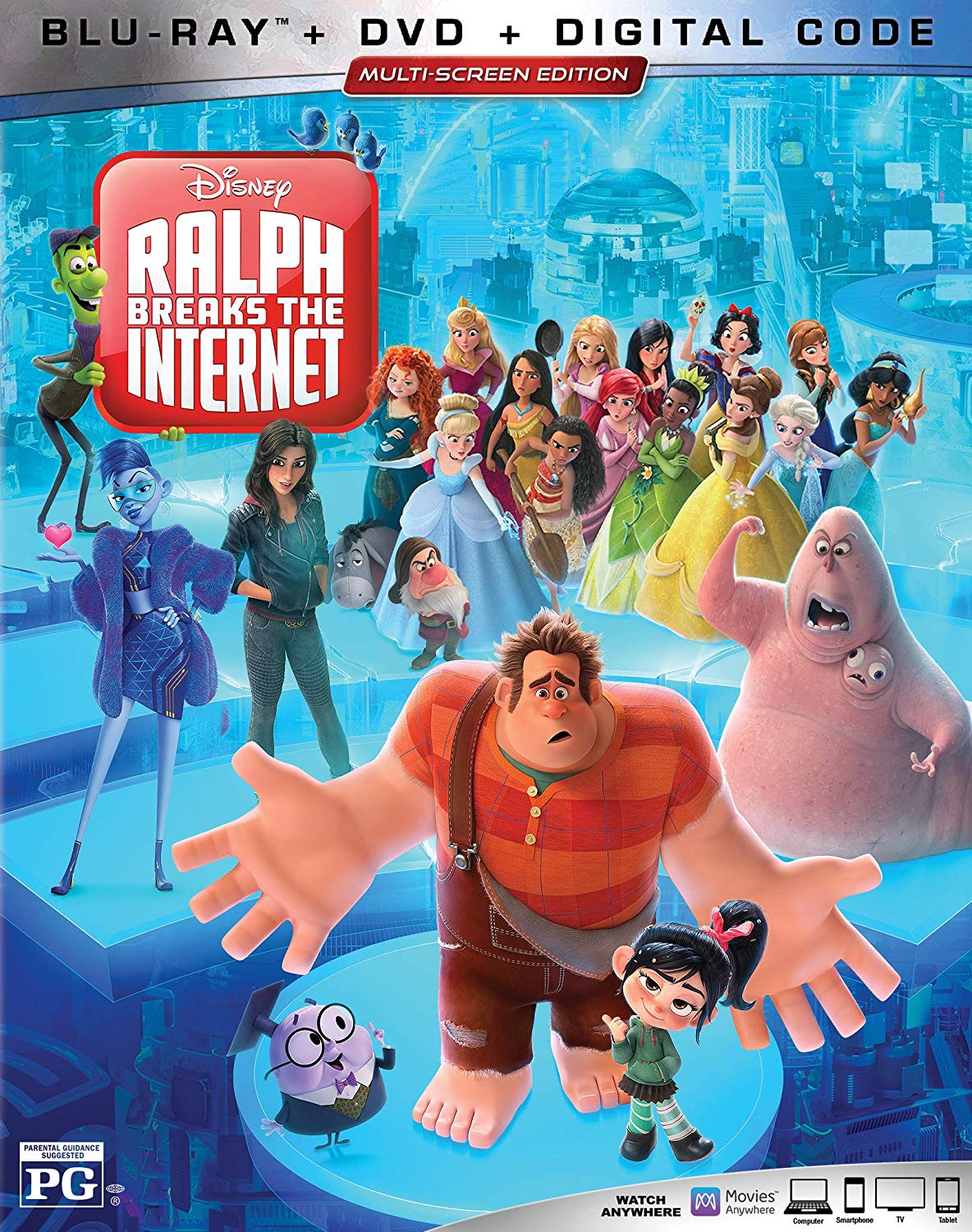
Ralph Breaks the Internet is a sequel to the hit Disney animated film Wreck it Ralph. In Ralph Breaks the Internet, we follow our heroes from the last movie, Ralph and Vanellope, as they travel the internet in search of a broken part for Vanellope’s arcade game. They find the missing steering controller on eBay, and it’s the last one in existence. Up for auction, they give the winning bid for $27,000. They now must find a way to earn the money to pay for the controller with a deadline in five hours, or they will lose Vanellope’s game forever. Ralph Breaks the Internet is a painfully average film, and compared to its predecessor, a huge disappointment. This sequel wasn’t bad, however, but it wasn’t too great either. There’s one big problem I had with this movie, and it’s Ralph. Ralph in the first movie had already gone through his character arc and was a very well developed character by the end of the film. In this movie it feels like they purposely broke the character just for a story line. Ralph in Ralph Breaks the Internet is now a needy, clingy, and annoying character. Throughout the movie Ralph is constantly holding Vanellope back from doing the things she wants to do to save herself. People who relate to her should start to feel how annoying Ralph can be.

Ralph was not the only problem I had with this movie. There is also a major plot hole that’s impossible to overlook. It doesn’t make sense that Ralph was able to leave his game for over 24 hours without it being infected by a bug. After all, he’s literally the bad guy in the game Fix-It-Felix, Jr., so how come nobody noticed he was missing? It wouldn’t be that bad of a plot hole except for the fact that Ralph being away from his game was the whole conflict in the first movie. You would think the writers and filmmaker would have noticed this, but I guess not.


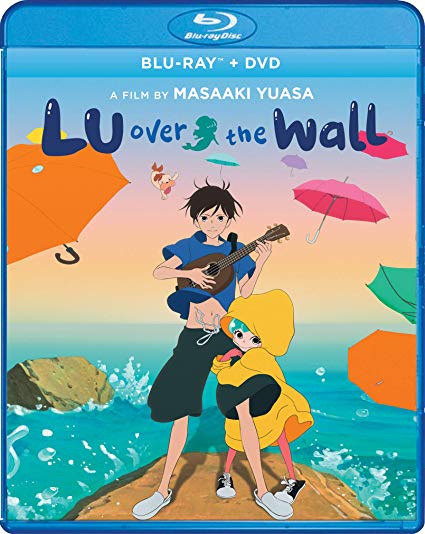
It is interesting to see two or more of a director's works in a short period of time.  One sees similarities, differences, and how the filmmaker hones his craft as they improve with every production.  Masaaki Yuasa is certainly one of those directors, and if you enjoyed my review on Night is Short, Walk on Girl,  then you will want to go ahead and read my review today on Lu Over the Wall.  While there are similarities, I can safely say that is quite the departure from the previous film.  Let us take a look in the animated world of merfolk and the people who live around them.

A boy taps his fingers next to a microphone for an Internet streaming session as we read the comments below his video.  There seems to be a lot of interest below his post including the potential for some band-mates should he ever want to expand his horizons.  We soon meet the boy named Kai as he shuffles downstairs to have breakfast with his grandpa and father.

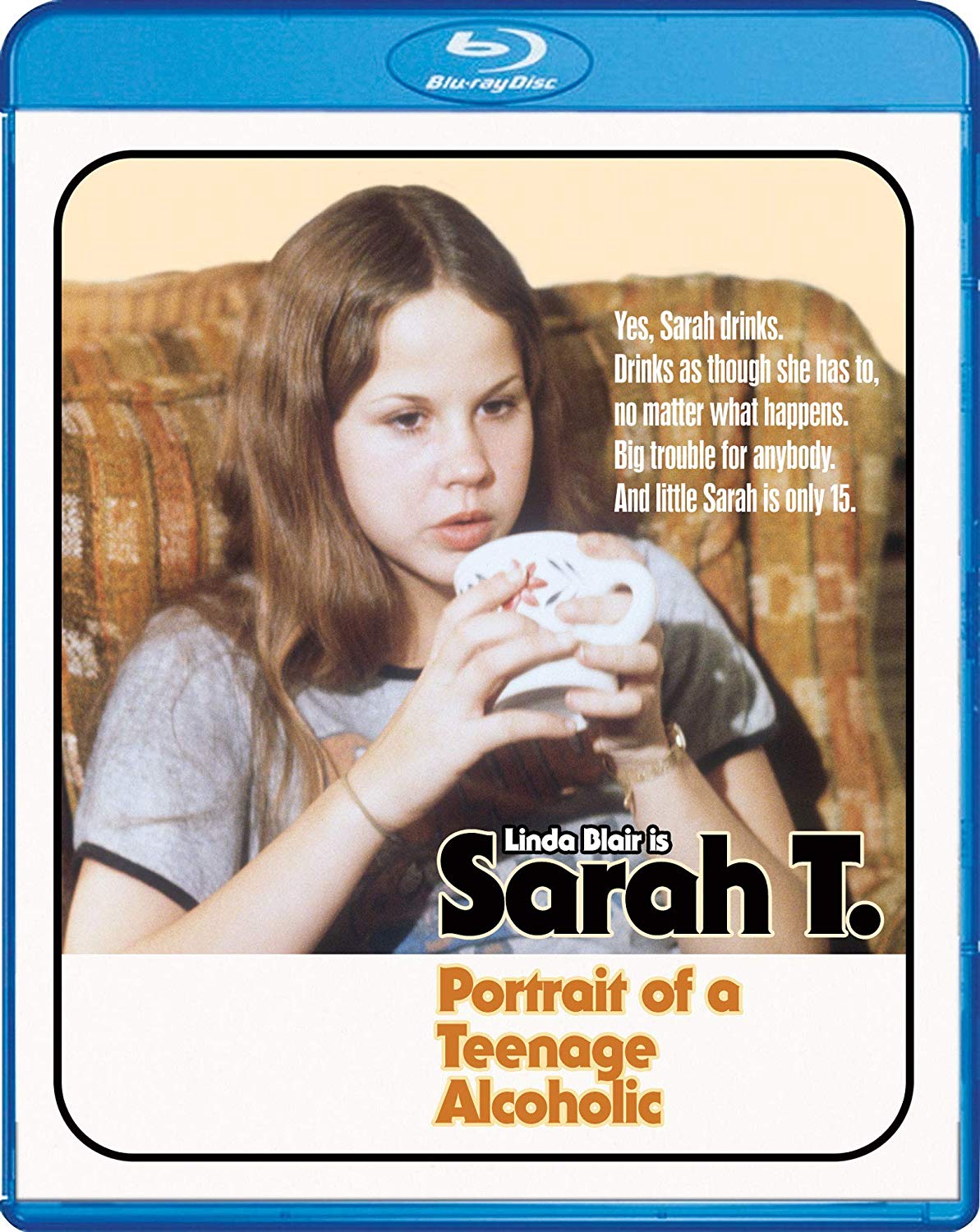
As with probably most people in this business, I am indeed addicted to the concept of collecting movies.  It should probably come as no surprise that I have well over 1,000 movies in all disc-based formats.  Anybody with a rational mind should question why I have to own all the movies in a given series.  Yes, I own Darkman 3, Hollow Man 2, and Bloodsport 4, among other strange and utterly awful movies.  But somehow despite that completion-ist mindset, my addictions and OCDs pale in comparison to a deadly drug such as alcohol, a drug that can overtake your life and kill you in an instant.  Our review today takes us to a TV movie from the 70's named Sarah T: Portrait of a Teenage Alcoholic.

We start with an upbeat commercial showing a bunch of teenagers having fun with a Courey's Beer.  Then we get some cold hard facts from the time period.  There are 500,000 pre-teen and teenage alcoholics.  Three in four teenagers have had a drink, 1 in 20 have a serious problem with alcohol, 1 in 10 of those people will become an alcoholic.  But it certainly makes you popular and easygoing with your friends, or at least that's what they say, anyway.

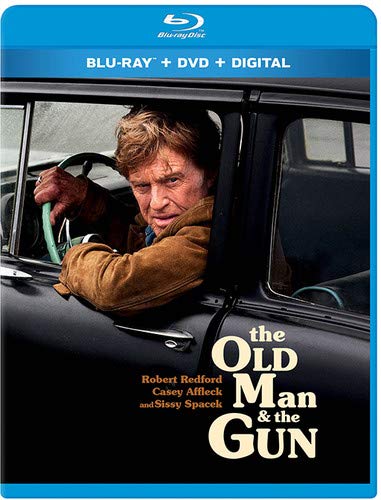
When Robert Redford first announced that The Old Man and the Gun was going to be the last film he was going to be acting in, it became a film that shot to the top of my must-see list.  Since that announcement he’s backed off on his comment, but if this were his last film, this would be one heck of a way to close out an amazing career. What writer and director David Lowery has delivered here is sort of a love letter to all of Redford’s greatest hits, and by the time the credits end, well, you simply know you’ve watched something special.  It’s a film from another era, when special FX didn’t come out of a camera and cinema just was different.  Most of all this film reminded me why Redford will always remain a cinematic icon, but what was missing here is the void Paul Newman left behind.  This would have been a perfect film for them to both be in and ride off into the sunset together, and it’s a reminder of how many greats we have lost and those other greats who may not have passed, but it seems Hollywood just doesn’t seem to have a place for anymore.

The film is mostly a true story based on the criminal Forrest Tucker (Redford), who has spent his life in and out of prison. He’s been incarcerated 18 times, and each of those times he’s managed to find a way to escape.  But the film isn’t about his entire life, but instead about when his criminal life may be coming to an end.  When he meets Jewel (Sissy Spacek), he’s actually on the run after a bank heist, and he pulls over on the highway to help her when he sees her car is broken down.  Of course it seems this is just a tactic to throw the cops off his tail, but the more he talks with Jewe,l you can’t be sure if that twinkle in his eye is part of the con or if he is sweet on the woman.