AVC MPEG4

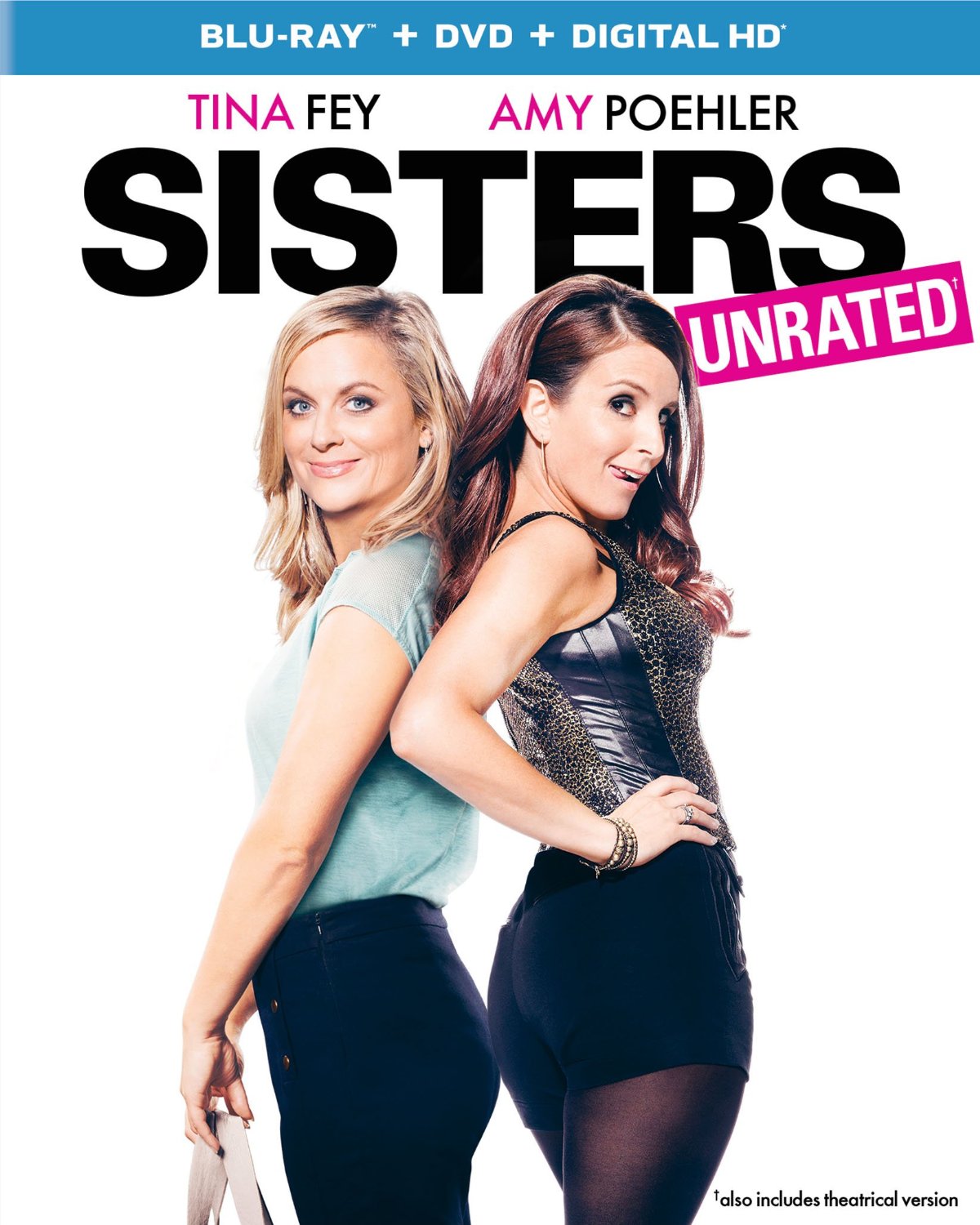
Between their stints on Saturday Night Live and their subsequent sitcom hits, Tina Fey and Amy Poehler are two of the most successful comedic voices of the new millennium. (I happen to think Fey’s 30 Rock and Poehler’s Parks and Recreation are both among the five best comedies to debut in the last 10 years.) The longtime friends — dating back to their Chicago improv days in the early ‘90s — have also proven to be funny together, most notably during their well-received gigs hosting the Golden Globes. I'm telling you all of that to tell you this...I can’t believe how bad their new movie is.

Poehler is Maura Ellis, the goody two-shoes daughter of Bucky and Deana (James Brolin, Dianne Wiest). Fey is Kate Ellis, Maura’s older sister and the family’s bawdy black sheep who has just been kicked out of her apartment. Bucky and Deana have sold the girls’ beloved family home — dubbed “Ellis Island” — and they need their daughters to come down to Orlando to pack up their rooms. (They force Maura to tell Kate the news, since the latter doesn’t take bad news well.) Before having turn the house over to the snobbish new owners, the Ellis sisters decide to have one final mega-bash in their childhood home.

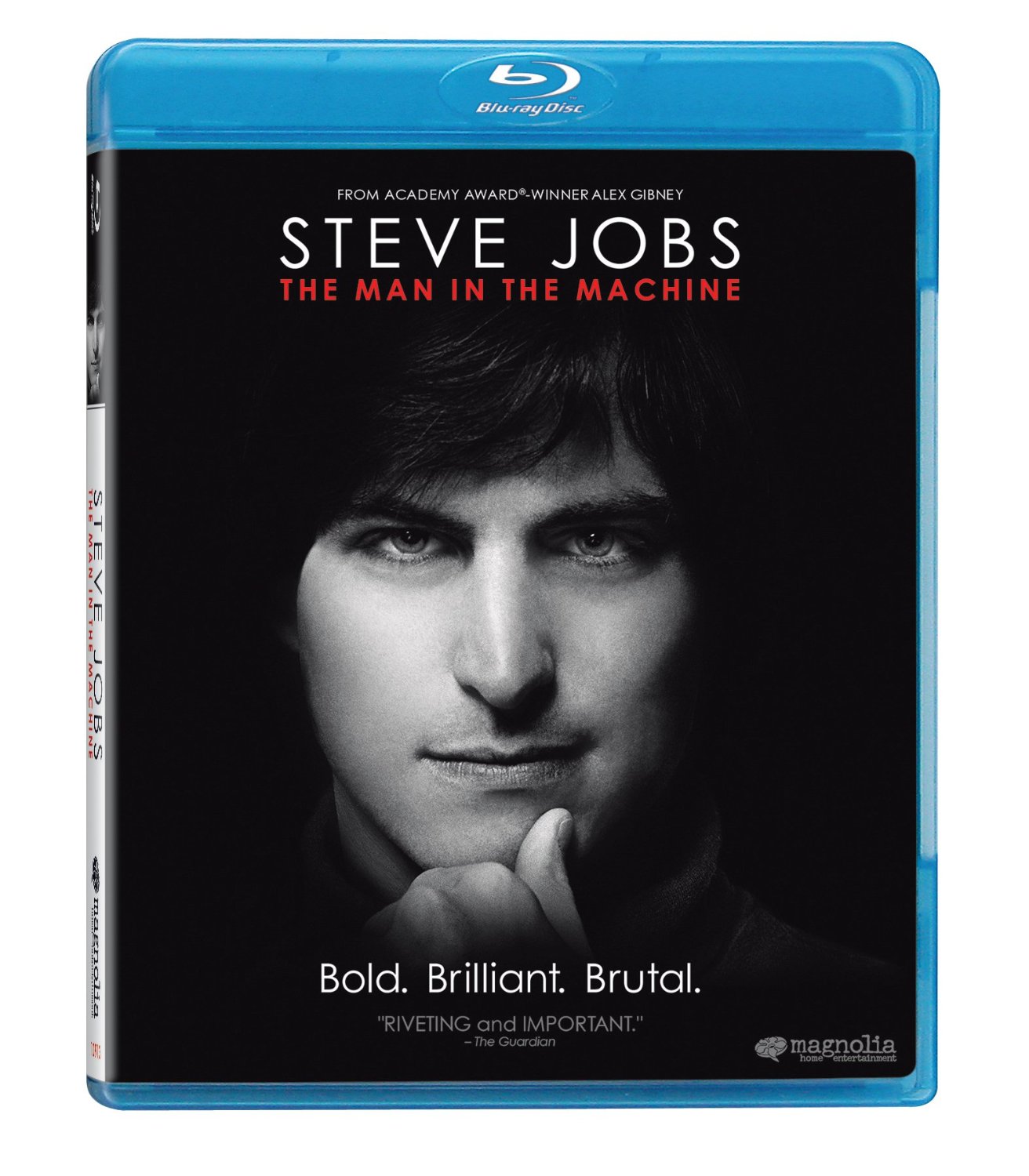
“How much of an a--hole do you have to be to be successful?”

Over the last couple of years, a grand total of three movies — 2013’s Jobs, along with 2015’s Steve Jobs and now Steve Jobs: The Man in the Machine — have applied that very question to Apple’s late co-founder. Each film has approached the issue from different angles, but this Alex Gibney documentary is easily the most comprehensive, even if it’s not the exactly the most entertaining or satisfying.

“When I was small, I only knew small things. But now I'm five, I know everything!”

Room opens on the day that Jack, the movie's relentlessly curious young protagonist, turns five. Jack is our entry point and guide through this story, but there's at least one important thing he doesn't know. In Room, we see how a mother and her son cope with one of the most harrowing circumstances imaginable. It should make for a grim experience, but this wonderfully-crafted film winds up being a moving story about resilience and how parents and their children can draw strength from one another.

“Perhaps we've grown so used to horror, we assume there's no other way.”

Given the quantity and quality of death and destruction we’ve witnessed over the previous four years, the most shocking thing Game of Thrones could do in its fifth season was offer a tiny glimmer of hope. After all, optimism in Westeros and Essos is an even rarer commodity than dragons. Yet this batch of episodes probably gives us the clearest glimpse at the endgame of George R.R. Martin’s “A Song of Ice and Fire” saga. (Even as the author’s deliberate pace continues to drive book readers mad.) That being said, don’t think for a second the show has gone soft in its old middle age: Thrones still has the unmatched ability to dazzle and devastate in equal measure.

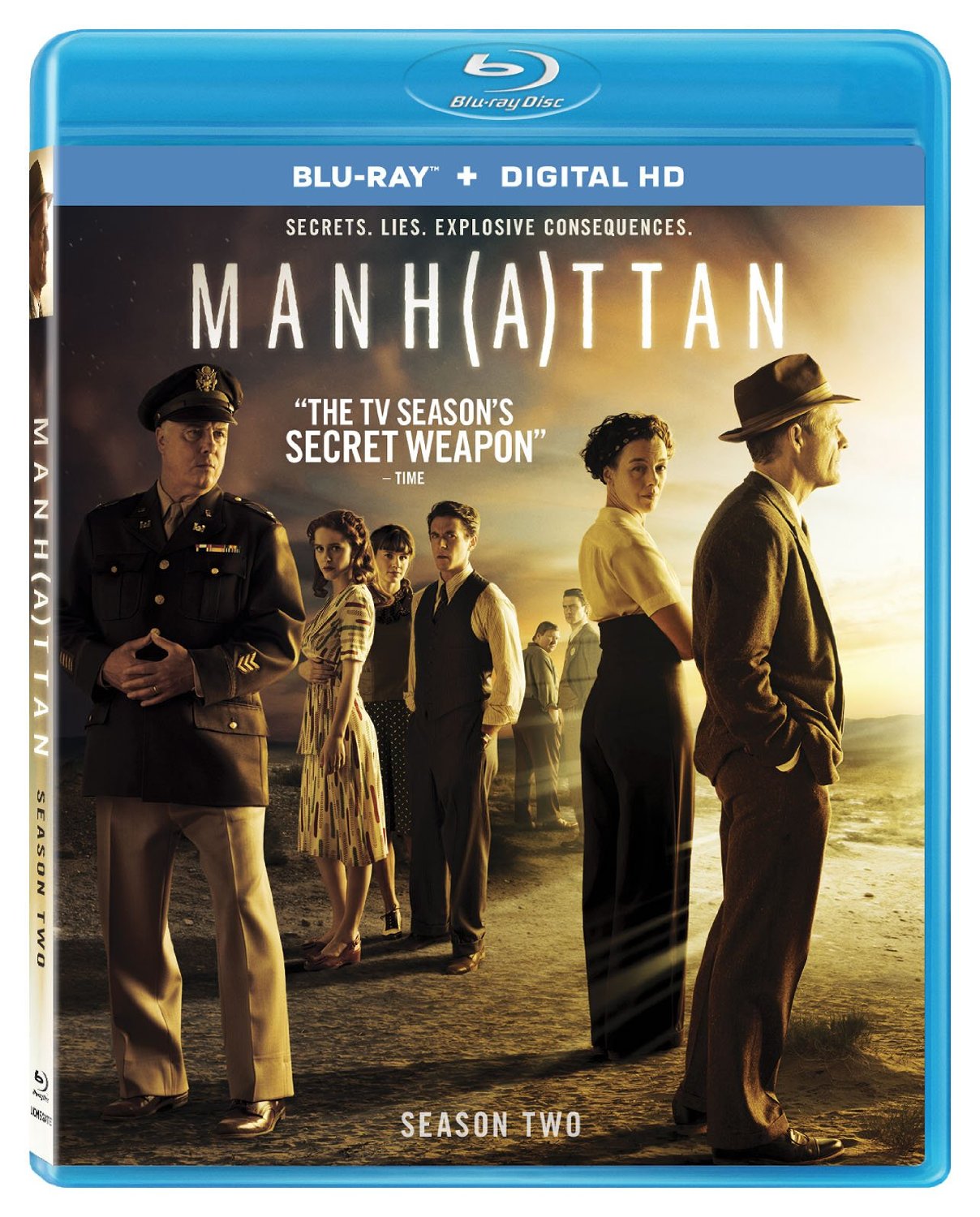
"There’s always some variable you didn’t account for."

Manhattan is one of those variables. It's one of those dramatic stories where mankind is altered forever. If it weren't absolutely true, someone would have had to make it up. Every child in schools around the world knows about the atomic bombs that ended World War II. We've all seen the terrible destruction that exceeded even the expectations of the scientists and engineers who designed and built these bombs. We all live in the aftermath of these events. Yet little is known about the people who devoted their lives to making it a reality, not only those directly involved, but their families and the support network necessary to bring them all together. Enter WGN America, and the tale is finally told.  Manhattan enters its second season on Blu-ray.

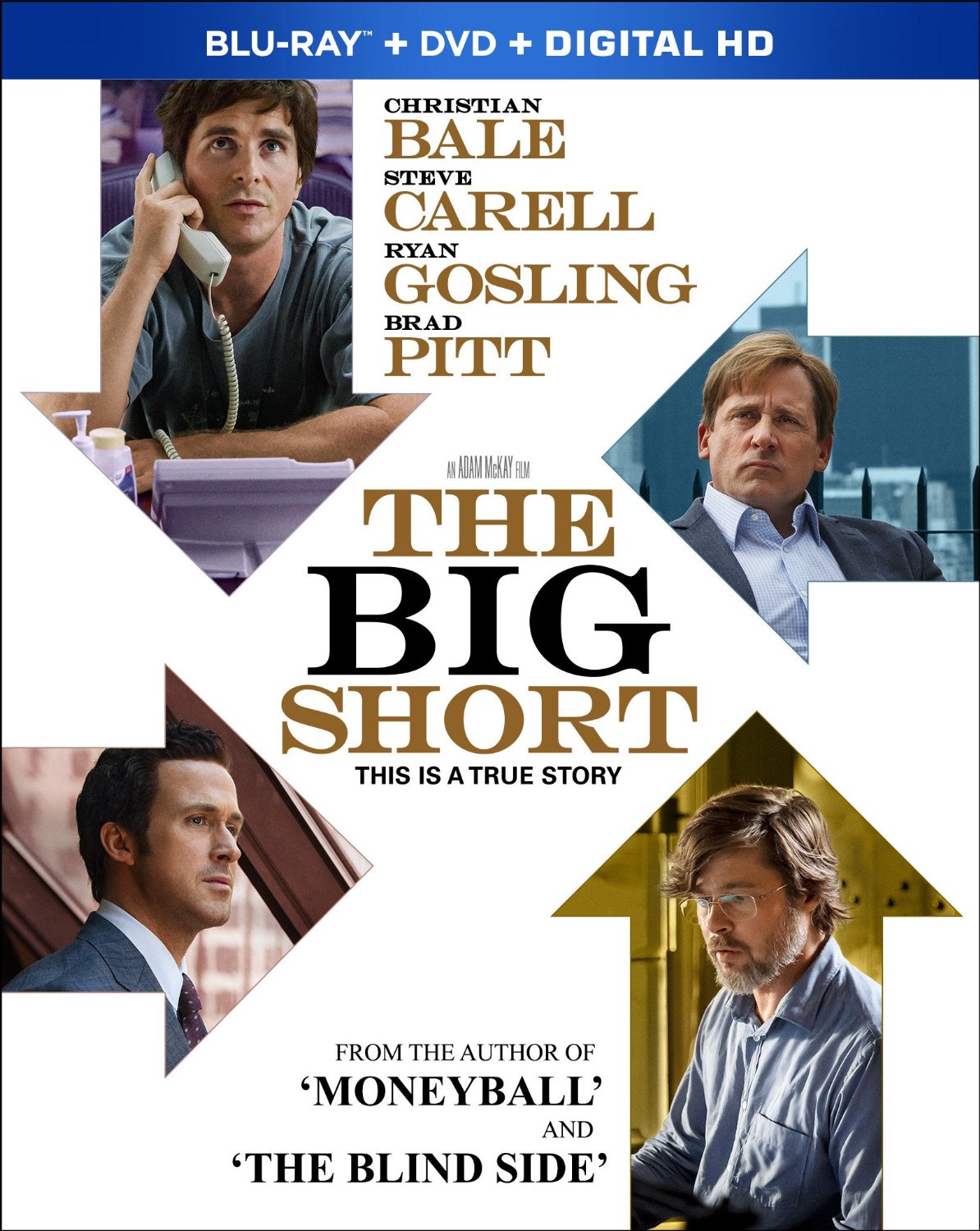
I'm guessing most of you still don't really know what happened.”

There is absolutely nothing funny about the financial crisis of 2008. Besides the fact that the bursting of the U.S. housing bubble led to the failure of countless businesses and a disastrous decline in consumer wealth, the crisis involved key phrases like “credit default swap” and “collateralized debt obligation.” Those terms are much more likely to make your eyes glaze over in boredom or confusion than they are to inspire laughs. The Big Short cannily recognizes this challenge and crafts a farcical, incisive narrative about a small group of outcasts who saw the whole thing coming.

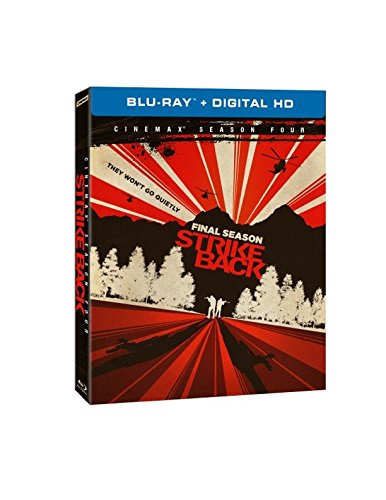
"One last mission." 

That’s exactly what we’re talking about here. It’s the last mission for our brave Section 20 team. Strike Back follows the exploits that elite and secret British military team called Section 20. On paper they do not exist, but they've got all the best new high-tech toys, and they're going to need every one of them. But after this season they will no longer exist. This is the fourth and final season of Strike Back. It’s time to say goodbye, but there’s a farewell party planned, and this release is it. Let me assure you that Strike Back is going out with a bang… literally.

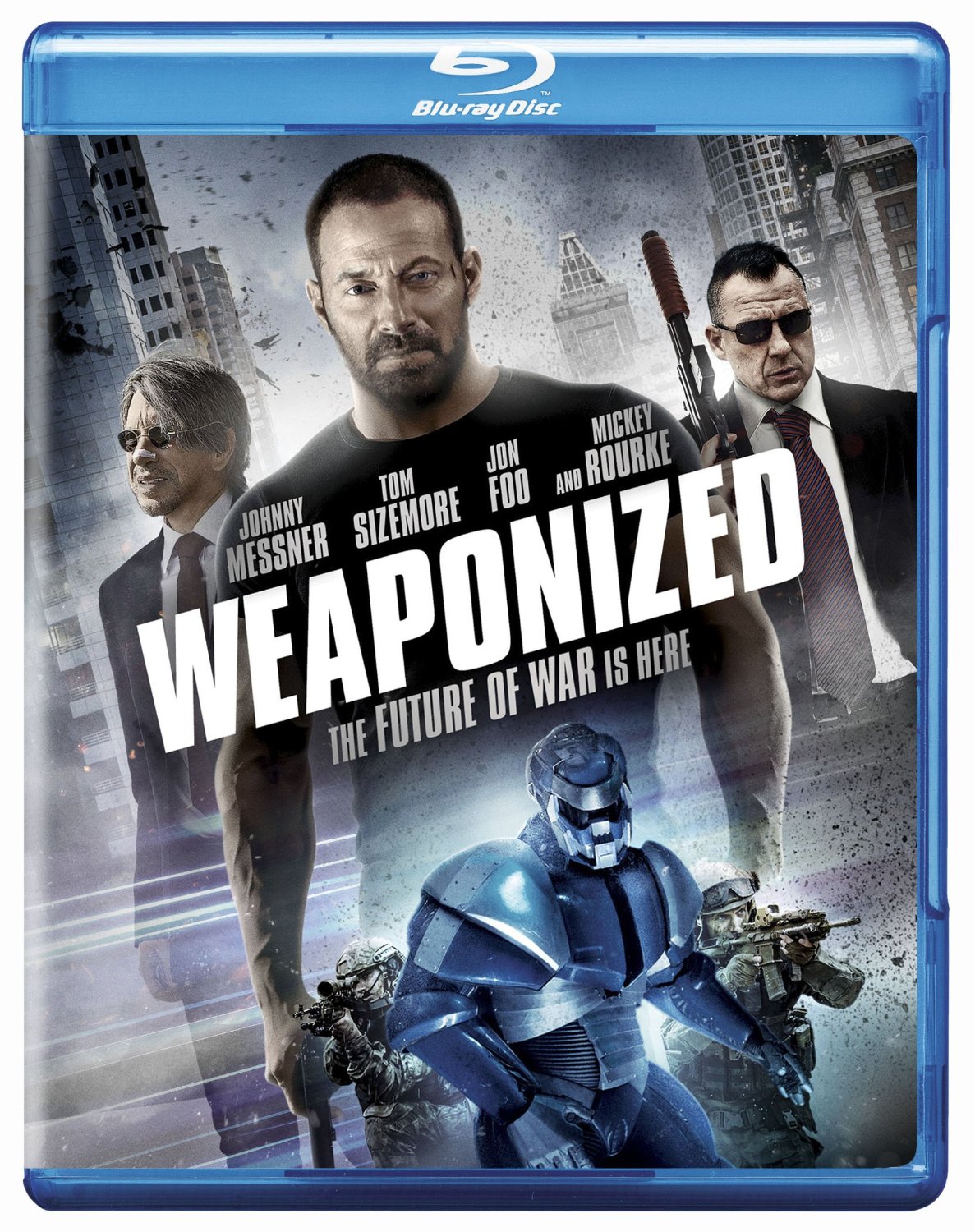
Weaponized can't seem to make up its mind about what kind of action flick it wants to be. It appears to be the story of a grief-stricken military contractor who obsessively pursues a dangerous experimental program, but instead the film focuses on a brawny, brooding homicide detective. On top of that, the Blu-ray's cover art prominently features an imposing robot that doesn't even factor into the plot until about 10 minutes before the credits roll. Most importantly, the movie totally ignores the schlockiness of its botched, cliche-ridden plot and plays everything distressingly straight, which makes Weaponized a pretty joyless trip to the near future.

The film opens on July 4, 2017 with proud papa private military contractor Kyle Norris (Tom Sizemore) on the phone with his son. The connection at the other end of the phone is abruptly cut off after Norris's son is killed during a terrorist attack on the Pentagon. Norris vows to eliminate the terrorist cell that wiped out his son, and the action jumps forward to 2018. Detective Mitch Walker (Johnny Messner) is called in to investigate when a young war veteran Jack Simon (Timothy Woodward Jr., also the film's director) shoots up a hotel for no apparent reason, killing multiple people. One moment, Simon has no recollection of doing the shootings, the next he's robotically confessing to Det. Walker before gruesomely killing himself.


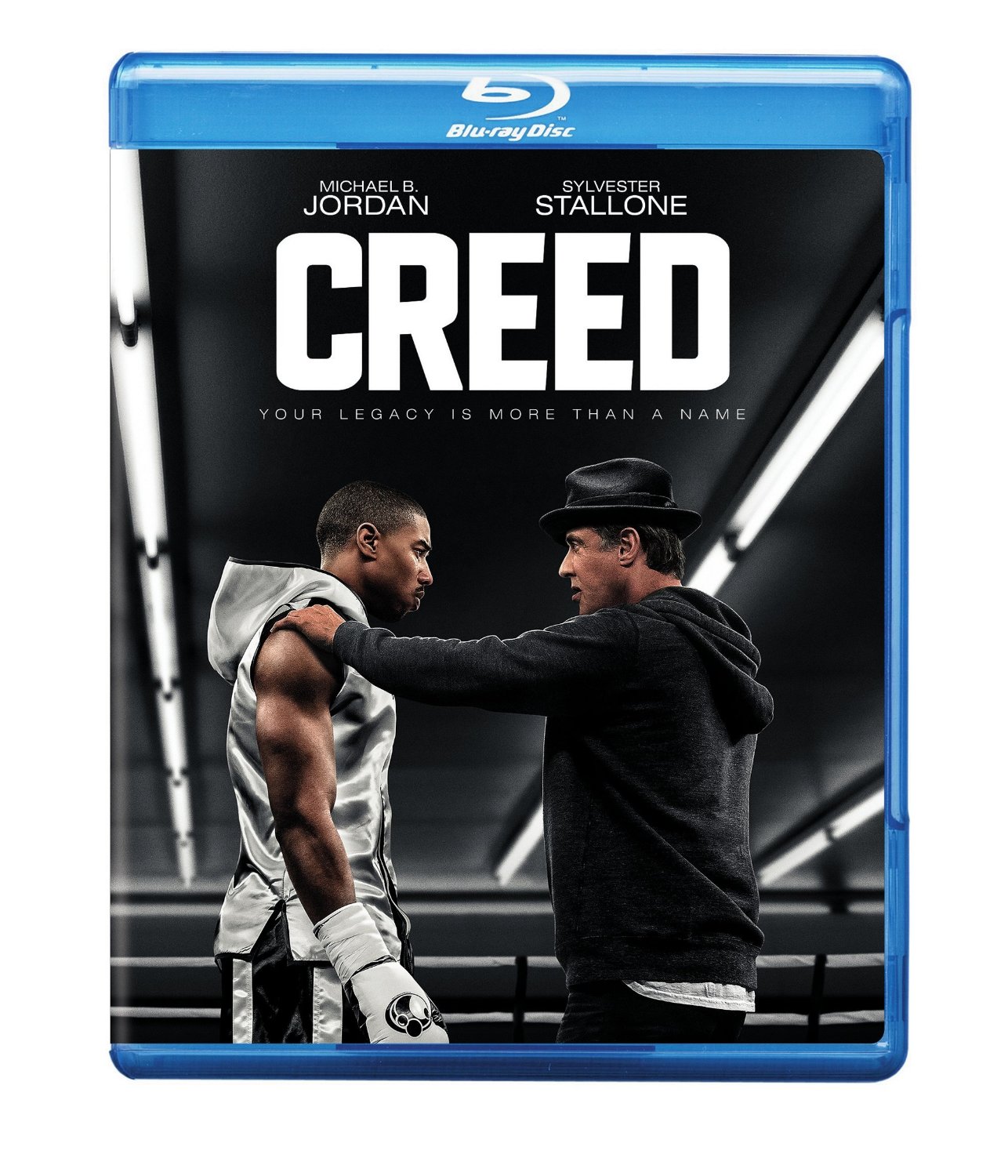
The last time we checked in on Rocky Balboa was 2006. It was a bittersweet coda to a franchise that provided 30 years and six films of the life and times of Rocky Balboa. Some were truly great films. I'd count the first and last as in that category. Some were near misses like the third and fourth films, while the fifth was pretty much a total disaster. In those years and films we watched Rocky go from a hungry Philadelphia wannabe boxer to the champion several times over. Like the franchise, the character had his own highs and lows. There's no question that the Rocky franchise has gone the distance. And while it might have been a split decision, the Rocky films still stand as the champion of the film genre. It's no surprise that Hollywood would want to pump a little more cash out of this reliable franchise. With Sylvester Stallone not exactly in his peak shape, we enter the often disastrous territory of the reboot/reimagine/remake. Just like an athlete who doesn't know when it's time to hang it up, Hollywood is known for propping up a franchise long after its staying power has faded. In both cases somebody is going to get hurt. But don't call Rocky down for the count just yet. Writer/director Ryan Coogler just might have found a way to breathe new life into the old franchise. Rocky just might have been saved by the bell with the arrival of Creed. All of a sudden it's a whole new fight game.

Adonis Johnson (Jordan) has grown up a troubled youth. His mother is dead, and he doesn't even know who his father is. He ends up in and out of juvenile detention centers until he's rescued by a woman with a story of her own. Her name is Mary Anne Creed (Rashad), and she was married to the late fighter Apollo Creed. The fighter had an affair years ago with Adonis's mother, and now Mary wants to take the boy in and raise him as her own. Adonis finds himself with a new identity that explains a lot about why he is the way he is. It also explains why he'll eventually give up a high-paying career to fight. Up to now he's been completely self-taught and ripping up the Mexican underground fight circuits. Now he wants to go legit and understands that requires the training he never had. There's only one man who can give him that. He makes the exodus from L.A. to Philadelphia, where he approaches his father's best friend and fiercest rival ... Rocky Balboa (Stallone).

When certain stories become public domain, you just have to expect that there will be a lot of people creating their own “unique” versions of the same tale all in the name of making a few bucks.  When it comes to adaptations of Mary Shelly’s Frankenstein, I think we can all agree every attempt to tell the story has not been in the name of preserving the art.  What I do find surprising: despite all the attempts to bring the story to the screen, there still isn’t a version that I can say is a perfect retelling of the tale, though each may have its pros, for the most part it just never seems to translate well.

In 2004 there was a TV mini-series that attempted to bring the classic horror story to life, and the one aspect that seemed to work best is that finally we get a relatively accurate adaption from the original source material.  For those who have read the material, you know that there is much more to the story than its fantastical elements of the macabre.  Staying true to the source material is one thing, but what really got to me about this take on the story is that it played out more as a Gothic love story and seemed to completely lose its horror element.  This is kind of a problem considering Frankenstein is considered one of the most beloved horror stories of all time.