1.78:1 Widescreen

The first thing you should know about The Walking Dead is that it's unlike any television series you have ever seen before. The images here are intense, and the crew has been given a blank check to create this vision without the burden of censors looking over their shoulders. There are plenty of blood-and-gore effects that rival any of the Hollywood zombie films you've seen in the last few years. The makeup effects are handled by the very capable hands of KNB and supervised personally by Greg Nicotero (the N from KNB). KNB isn't treating this like a television production, and while I personally get tired of the cliché about making a movie each week, this one lives up to the hype. They aren't doing anything different here than they would do for a big-budget film. The zombies look incredible, and the effects are completely first-rate.

If you need to know more before considering the fourth season, you need to go back to the beginning. It will be well worth the time and money to do so. You can check out our reviews of the previous seasons by banging it here: Walking Dead Reviews. These will quickly get you hungry for the first three seasons and get you caught up with the rest of us and into the breach with Season 4.

“You were always such a clever troublemaker.”

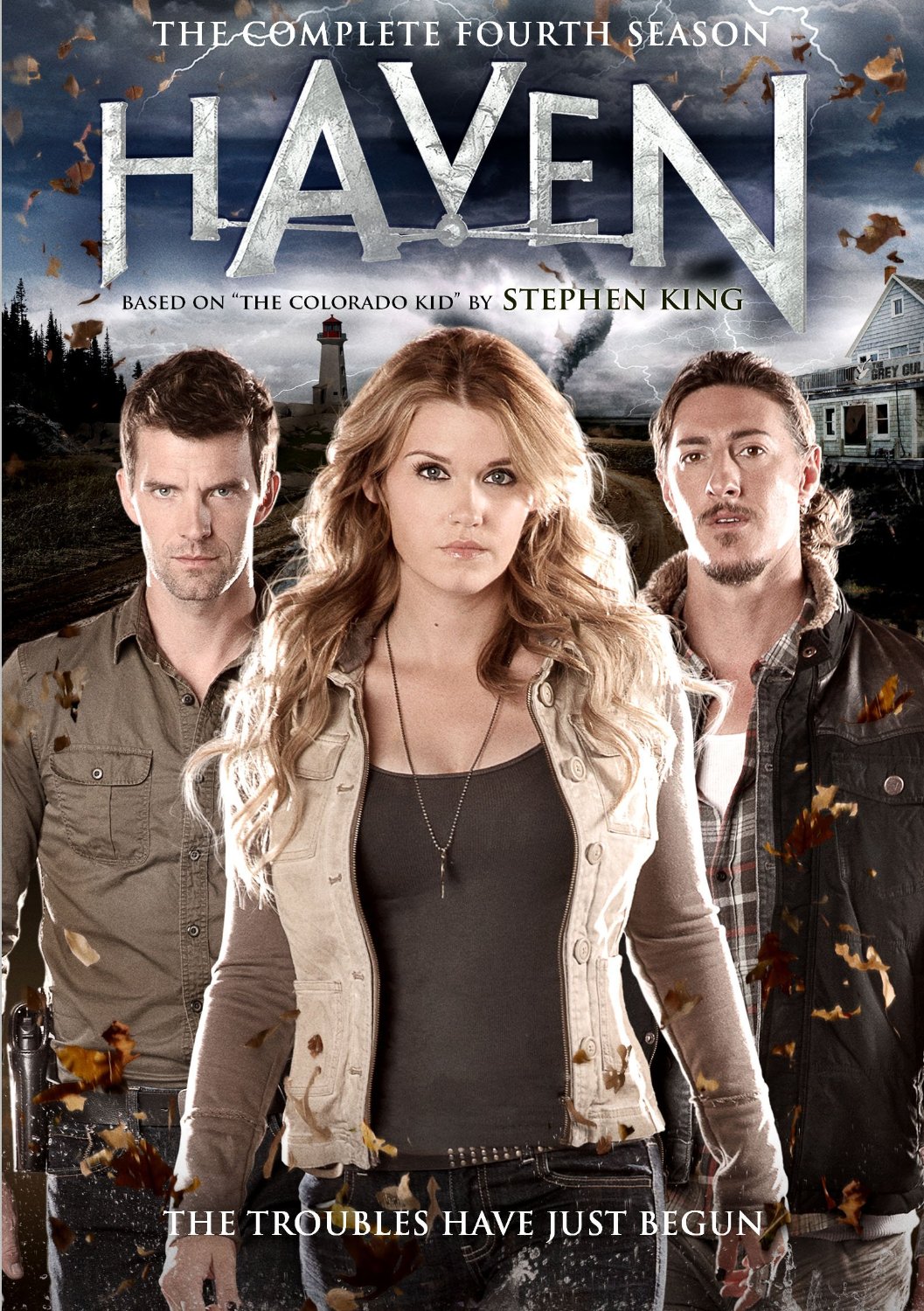
When Audrey Parker (Emily Rose) entered the barn in the conclusion of season 3 of Haven, all “the Troubles” were supposed to come to an end for the small seaside town of Haven, Maine.  Sure everything seemed to go as planned, that is until Duke (Eric Balfour) took the plunge into the barn before it disappeared, leaving Sheriff Nathan Wuornos (Lucas Bryant) behind.  As cliffhangers go, this ranked right up there with the season 1 finale when we discovered that there were two Audrey Parkers.  I loved season 3 of Haven; the pursuit of the “Bolt Gun Killer” as well as the show’s exploration into Audrey Parker’s past was excellent storytelling that continues to remind me of the David Lynch classic series Twin Peaks.

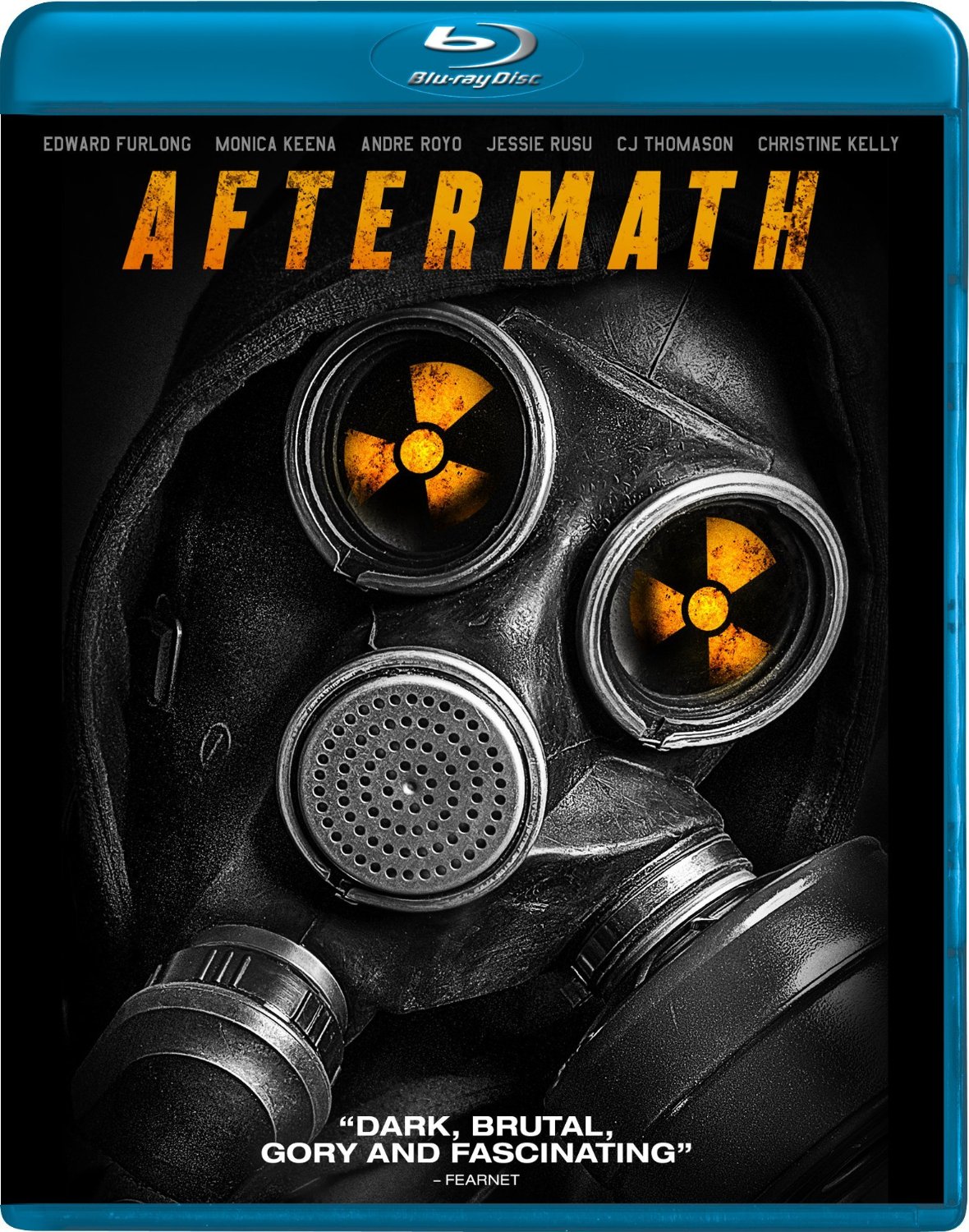
Considering the state the world is in, I’m a little surprised there isn’t more talk about a possible World War 3 scenario being played out.  This isn’t something I want, but watching the news, it is certainly something that resonates in the back of my mind and gives a moment of reflection.  Aftermath is the film that preys upon that fear of what a possible World War 3 could be. The results are far from promising, and it succeeds in telling the inevitable fate of the world, despite how bleak the outcome may be.

The film opens with Hunter (C.J. Thomason) hiking in the wastelands of Texas.  Along the highway he comes across a mother and her son; together they witness what appears to be the beginning of a nuclear war.  Hunter is quick to react, using his medical training to do what he can for the young boy who looked directly into the impact light and has now gone blind.  The three set off together to find food and shelter, knowing they do not have long before the radiation spreads and begins to have its effects.

Here is a film that delves into a subject not many people care to openly discuss but poses a question that everyone who’s lost someone they love can relate to.  When prayer and faith don’t seem to deliver the answers you want for those that need closure that therapy can’t seem to provide, where does one turn?  It’s this hopeless feeling of loss that seems to be what attracts Michael King (Shane Johnson) to investigate the possibility of the supernatural.

The approach to this film is actually something that I’d like to see done in a real documentary form.  Here we get to watch Michael, a self-admitted atheist, document himself as he meets with everyone from priests and demonologists to necromancers and psychics.  His hope is to either document evidence or prove without a doubt that there truly is nothing that awaits us beyond the grave.

"It's like Prohibition never happened but for one thing. Prices will increase twenty-fold. We got a product a fellah's gotta have. Even better is that, we got a product he ain't allowed to have."

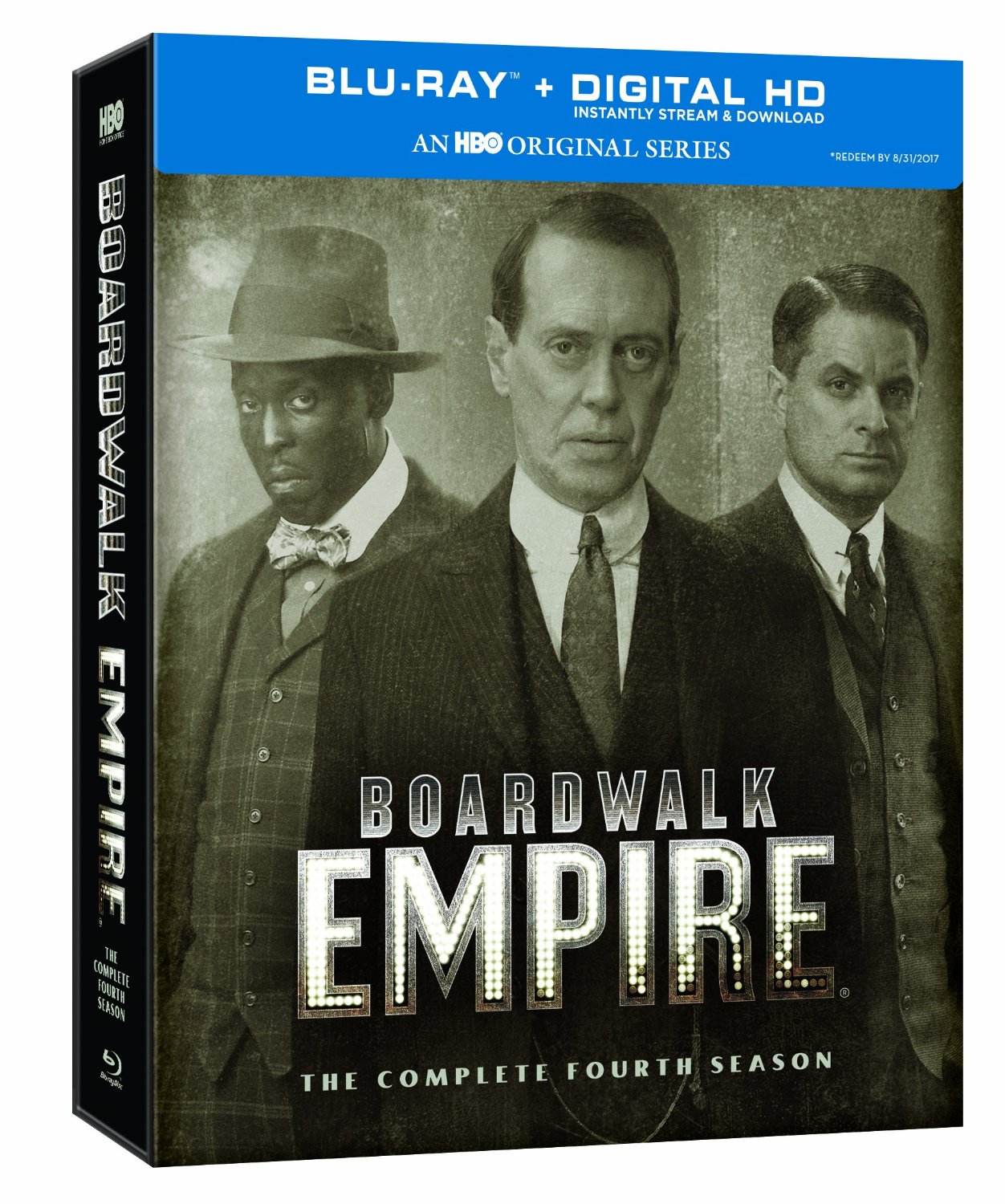
The fourth season of Boardwalk Empire began pretty much the only way it could have after the bloodbath that ended the previous season. It was an explosive season that delivered the best gangland war in television history. Now there has to be some kind of peace or at least status quo after the end of the violence. Nucky is making his peace with Arnold Rothstein and his people. He also owes Chalky White for saving his behind when war broke out. It's all going to cost him: money to Rothstein and the rebuilt club on the boardwalk for Chalky. The new Onyx club is now run by a man who is not allowed to sit in the front section of his own club.

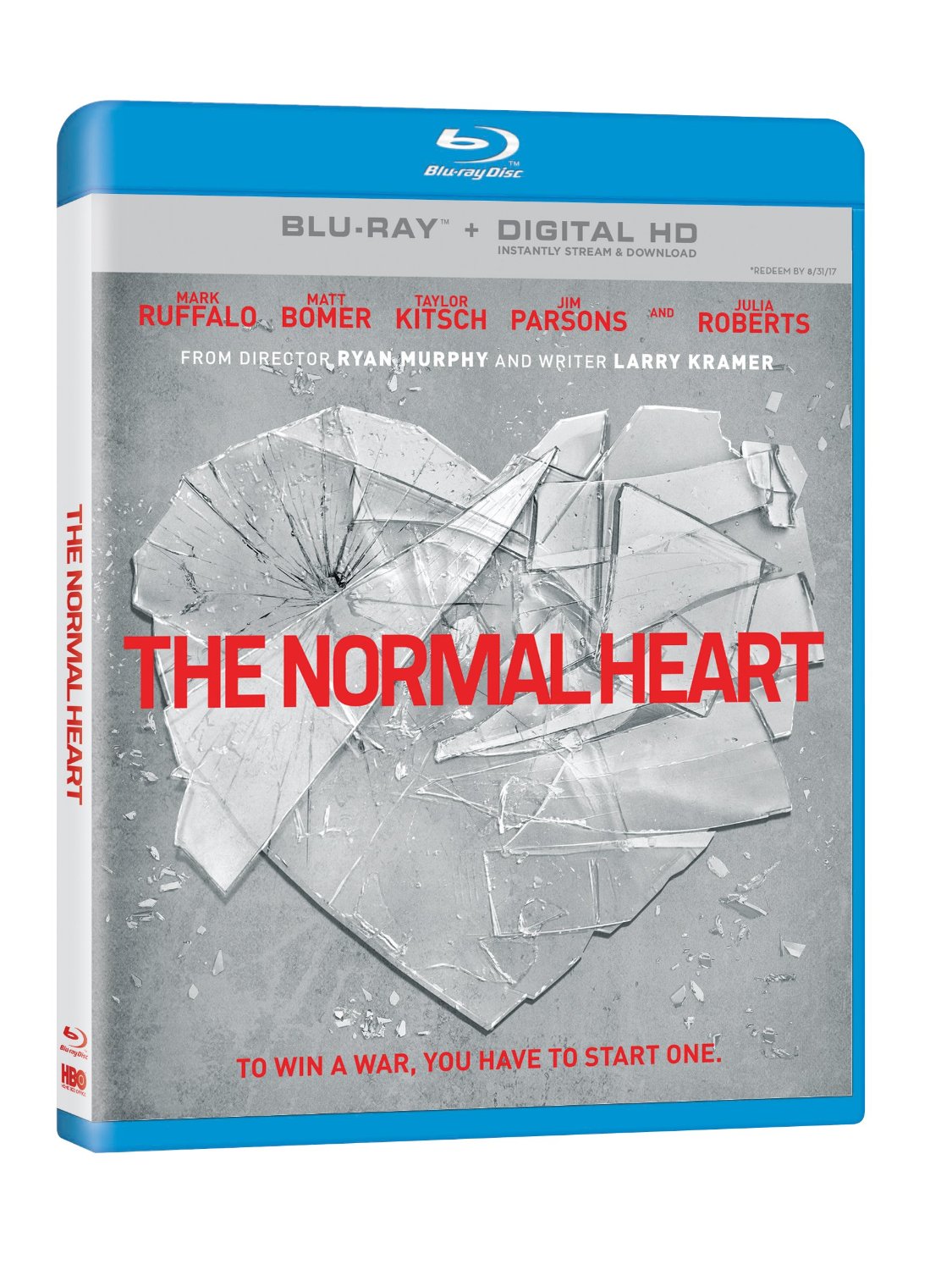
“Could you please reduce your level of hysteria?”

There is a lot of yelling and a lot of outrage in The Normal Heart. The film chronicles the confusing, terrifying onset of the HIV-AIDS crisis in the early 1980s and how a group of gay men (and one intrepid doctor) in New York fought to draw attention to the deadly disease. Their efforts are alternately frustrating and futile, which leads to a higher decibel level for much of the movie’s second half. Thankfully, The Normal Heart is shrewd enough to note that there’s more than one way to make a point. More importantly, the film does a strong job of illustrating the different ways the yelling and outrage were justified.

One of the miracles of modern technology is its ability to shrink the world down so you can practically (well, proverbially) hold it in the palm of your hand. The cheerily square Smithsonian Channel series Aerial America goes the other way. In fact, the best thing about the show is how it uses technology to fill every inch of your screen with some of the most famous — along with some of the more underappreciated — U.S. landmarks, employing a larger-than-life/bird’s-eye point of view most of us wouldn’t otherwise be able to enjoy. Now, Smithsonian Channel and Inception Media Group have released another batch of episodes on Blu-ray.


A quick primer if you’ve never seen the show (as I hadn’t prior to reviewing the Southwest Collection): the series debuted in 2010, and each hour-long episode is devoted to a different U.S. state or region. Every one of those episodes is solely comprised of stunning, leisurely aerial shots of that respective state’s natural and man-made landmarks, along with a brisk history lesson courtesy of narrator Jim Conrad.

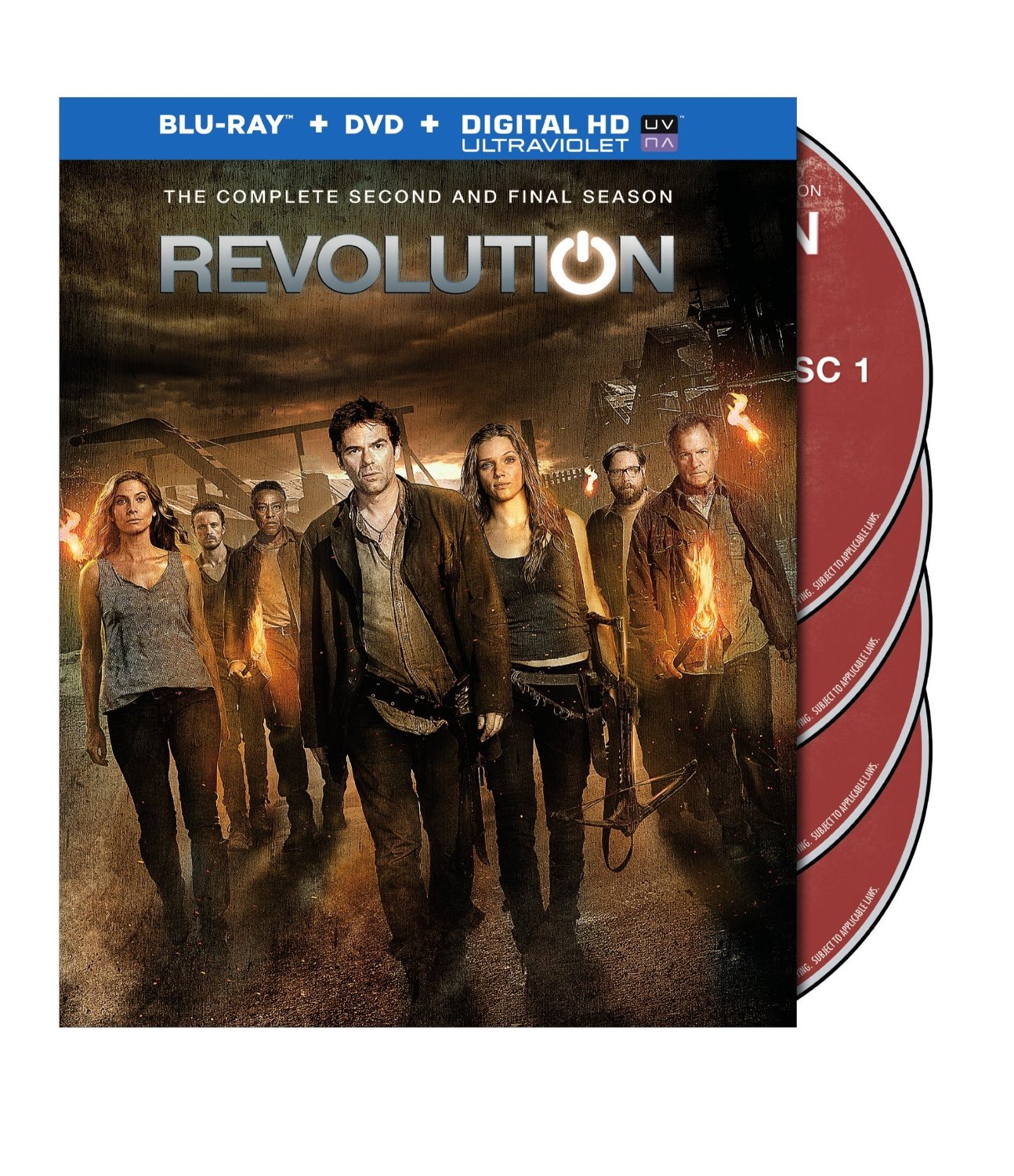
"Welcome to the SyFy Channel."

OK, not really. Revolution aired on sister network NBC, both part of the Universal family. Usually the sibling resemblances are not very visible. Revolution, however has all the elements of a typical SyFy Channel series. These shows almost always start with strong source material or a crazy but clever idea. Most of the time the idea gets lost in bad acting, cheap computer-generated images and very low production values. None of those are a problem for Revolution. The acting is pretty solid. The effects are innovative and impressive (except for the really bad guys-on-fire images). The production values could stand against any series on the air. The creative team is overrun by talented people with proven track records. So how did Revolution go so far off the rails and end up in a pretty much deserved cancellation after just two years? Let me count the ways.

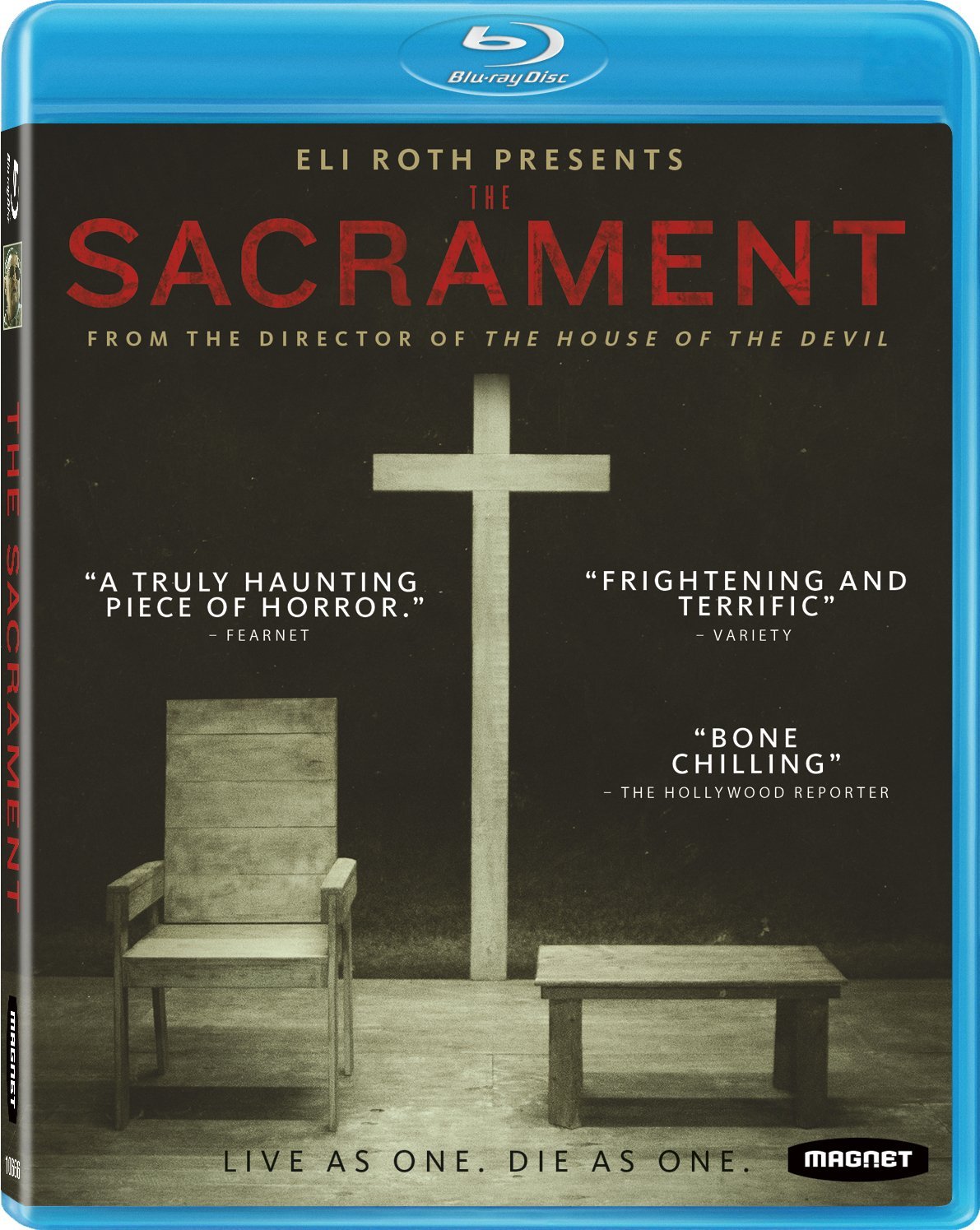
Horror doesn’t necessarily need to be about the supernatural or have an axe-wielding maniac to be terrifying.  Jump scares and gore effects are also some nice devices directors rely on to scare their audiences.  But for me, what really gets beneath my skin is the possibility of what I see projected up on the screen can become a reality in my day to day life.  The Sacrament attempts to show how quickly faith and love can quickly be turned and used as a weapon that can lead to the demise of the fragile and the faithful.

Eden Parrish stands in as the substitute to commune that many remember as Jonestown in 1978.  This may not be a direct remake of the events that took place in Guyana, but it’s impossible to ignore the many similarities.  Just as there was a documentary crew that investigated Jonestown, a documentary crew comes to Eden Parish, only the crew is hoping to find Caroline (Amy Seimetz), the sister to photographer Patrick (Kentucker Audley).  When Patrick arrives with the Vice magazine team led by Sam (AJ Bowen) and cameraman Jake (Joe Swanberg), the commune turns out to be nothing like they expected.

Under the revamped Hammer production company, The Quiet Ones is the new release from the legendary UK company that was known throughout the 50-70’s for its Gothic horror.  In this new resurgence of Hammer, no longer do we have Peter Cushing or Christopher Lee to look forward to gracing the screen, but what we do seem to be getting is a respect for what horror can be.  Horror seems to have bottomed out as of late.  Where horror seems to be delving into cheaper budgets and going the direction of found footage, which isn’t so much a bad thing, but as we all know the market is just saturated with this style of filmmaking.  We can blame The Blair Witch Project and the Paranormal Activity films for the glut of copycats trying to cash in, but thankfully there are still filmmakers who have the ability to bring something new to the table.  And that is just what The Quiet Ones does.

When we meet Professor Joseph Coupland (Jared Harris), he is lecturing a class at the University of Oxford about the supernatural.  His theory that he presents to the class is that the notion of ghosts is mistaken for something that exists in our own subconscious.  It’s this belief that Coupland has that prompts him to conduct an experiment where he plans to document that supernatural activity is nothing more than something that can be created with our minds and explained away by science.  It’s Brian (Sam Claflin) who is hired on to document the experiment and is unfortunately dragged into something that is far worse than he could have imagined.