2.40:1 Widescreen (16:9)

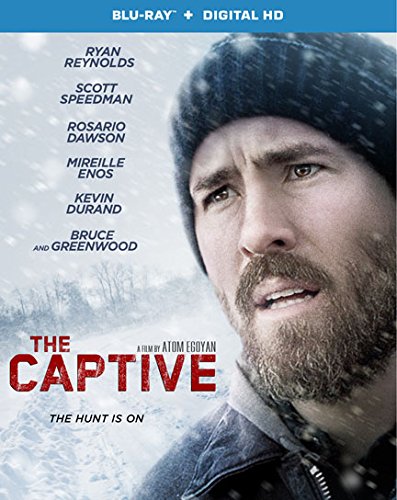
I’m starting to wonder if it is time we officially made a sub-genre for kidnapping films.  It’s a storyline that has been played out for decades but continues to offer up some engaging and oftentimes heart-wrenching tales that for the most part have happy endings but that seems to be a far stretch from reality, though I doubt audiences are looking for these bleak realistic endings and mostly prefer the Hollywood ending where everyone is rescued in just the nick of time.  When Prisoners came out, I had hopes that it would be a film that wouldn’t shy away from the harsh realities, and for the most part it succeeded, but I still felt it held back.

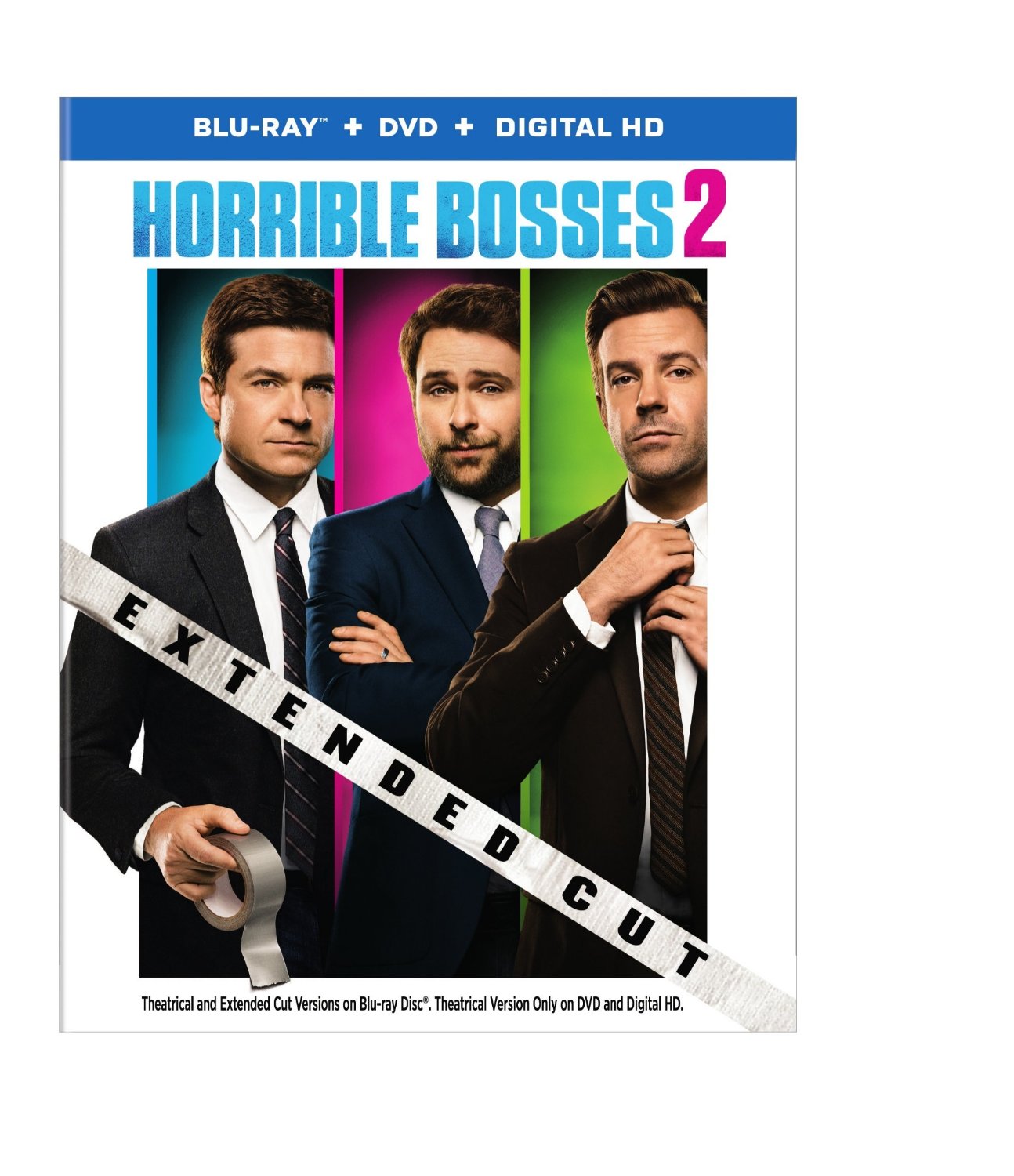
Despite being a fan of just about everyone involved with Horrible Bosses, I was more than a little disappointed by the first film.  It wasn’t awful or unwatchable by any stretch of the imagination, but I felt with a cast like Jason Bateman, Charlie Day, and Jason Sudeikis, it just should have been better.  But the movie gods have spoken and decided that the first film performed well enough that it deserved a sequel.  What worked for the first film was the idea behind finally having enough of your bosses and being pushed to the point where murder seems like a viable option.

"There's been some trouble with the women hereabouts...it's bad." 

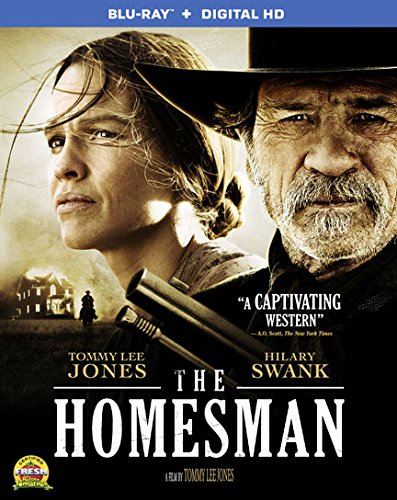
What exactly is a Western? That's the question that the cast and crew of The Homesman struggle with here. They appear to be divided on the subject, and the same sentiment will likely make this one a little harder to pigeonhole. That's not necessarily important except when it comes to marketing a film. An audience wants some kind of an idea what they're getting when they see it on the shelf of their local video store. Tommy Lee Jones wrote, directed and stared in this period piece, and he'd rather you not call it a Western. Others connected with the film are on board with the genre label.

“You want me to fall back in love with you? How do I do that if I never stopped?”

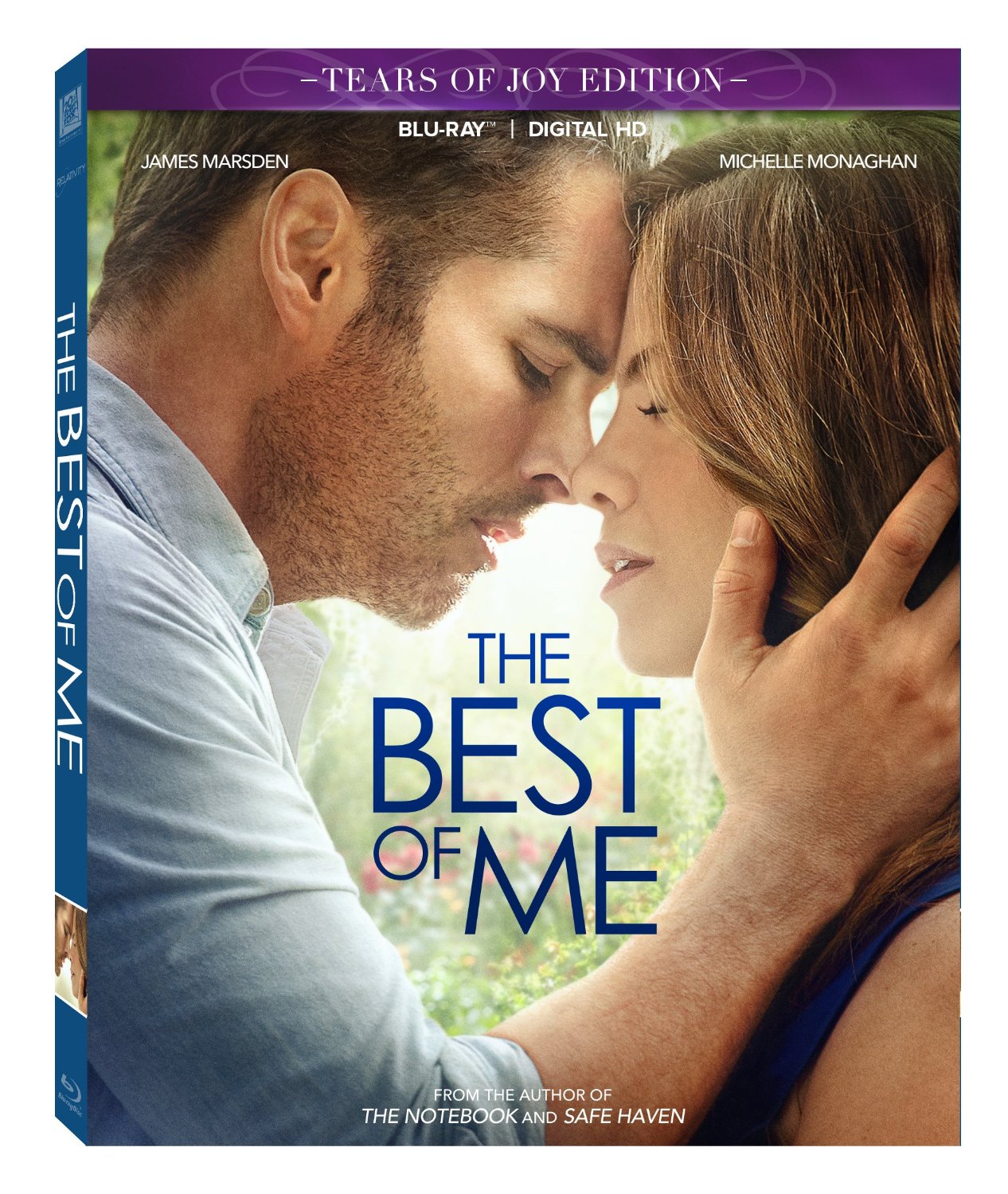
Or, in my case, how do I do that if I never started? Nicholas Sparks’ fans love the author as passionately and unabashedly as the lead characters in his best-selling books fawn over each other. But even though I think The Notebook is the ideal sappy romantic drama, I’ve never been part of that club. In fact, his stories — and the movie adaptations they spawn — seem to be getting worse. And yet I was somewhat intrigued by The Best of Me…at least until the movie’s monumentally dopey conclusion, which likely inspired the release of this “Tears of Joy” mea culpa Edition.

Love is an endless act of forgiveness.”

May Brennan is the best-selling author of a successful book centered around Arabic proverbs. She is played by Cherien Dabis, who is also the writer/director/producer of May in the Summer. Both Dabis and her fictional counterpart use short, pithy phrases like the one above as the basis for exploring familial and romantic relationships. But while May encounters rousing success with her (fictitious, unseen) book, Dabis' picturesque, breezy, ultimately disposable film is a little bit more of a mixed bag.


"Did that just happen?" 

I have to confess that I entered The Judge expecting a different kind of film than I actually saw. After seeing the trailer, I was reminded of some of the classic courtroom dramas I'd seen over the years, from 12 Angry Men through ...And Justice For All. On the ride to the screening I found my mind was swimming with the "closing arguments" Al Pacino delivered in ...And Justice For All and was trying to image how Robert Downey, Jr. was going to try to top that.

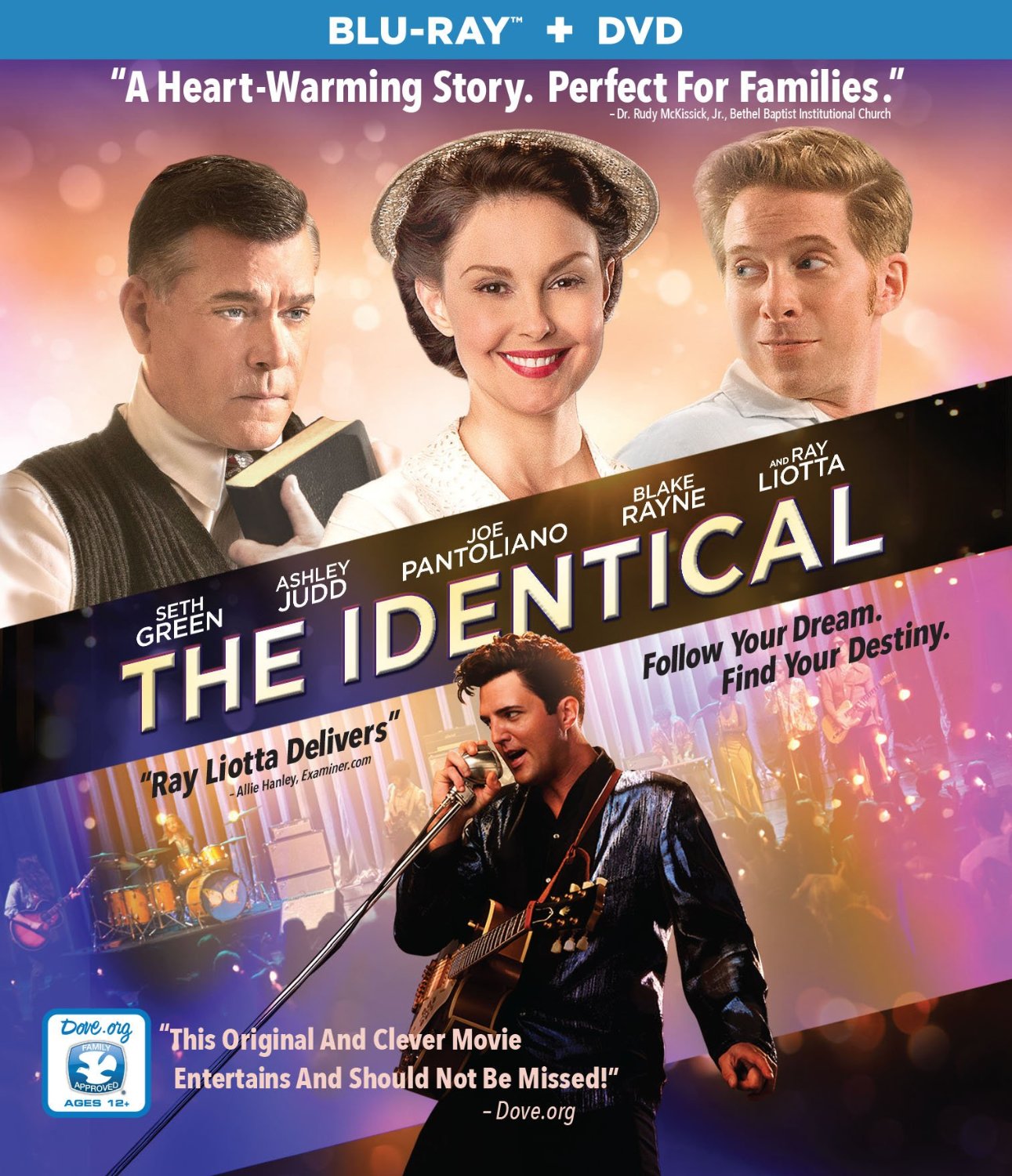
What if Elvis Presley had an identical twin brother no one ever knew about? (It would certainly help explain all those Elvis sightings years after the King's death.) That's the kooky conceit at the center of The Identical. Unfortunately, rather than embracing the absurdity of its premise, the movie is an amateurish, uninspiring combination of “by-the-numbers musical biopic” and “painfully-earnest family drama.”

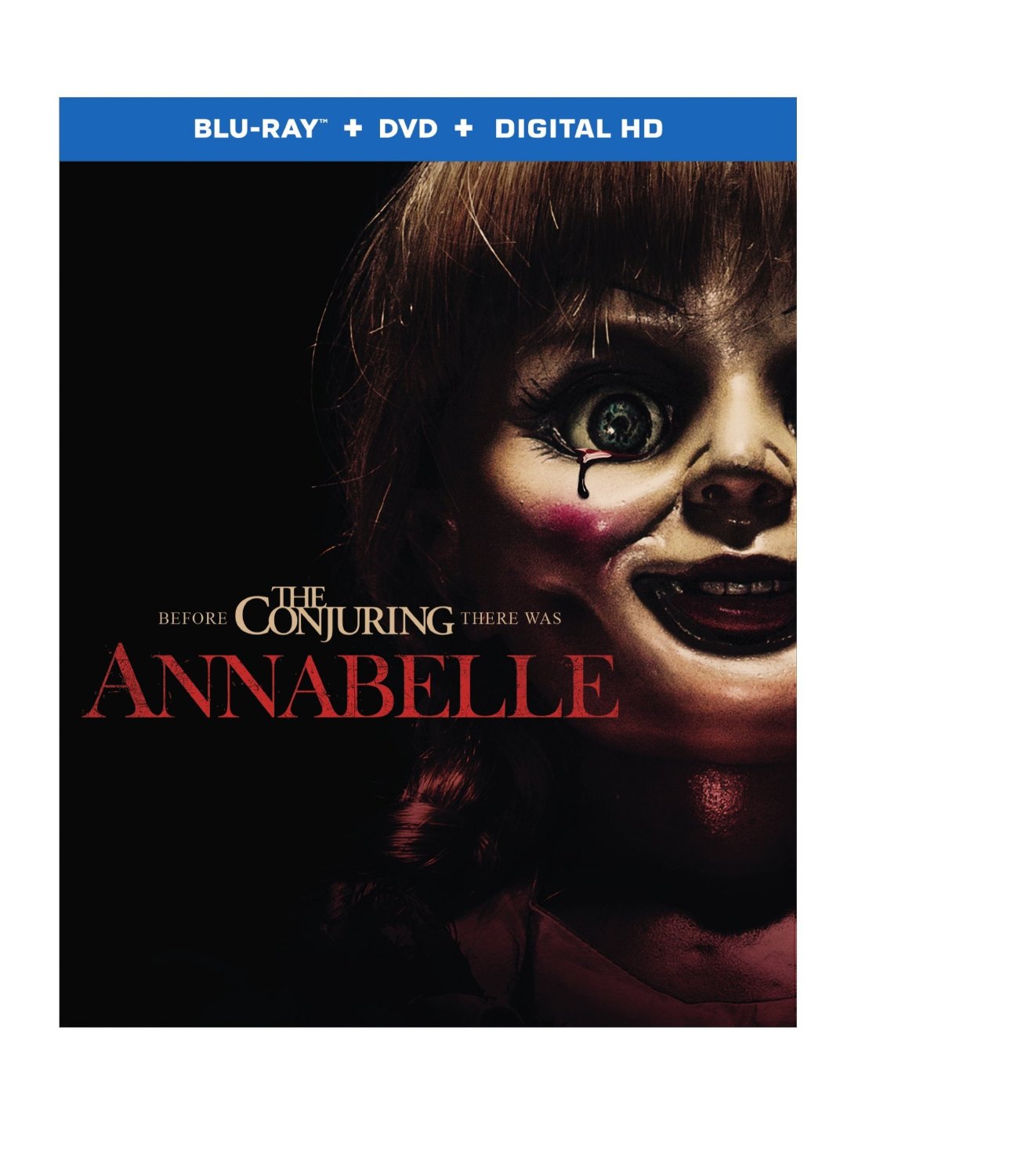
"Since the beginning of civilization, dolls have been beloved by children, cherished by collectors and used in religious rites as conduits for good and evil."

The Conjuring was one of the best horror movies to come along in years. Why? Because it was a good scare with a story that didn't totally insult our intelligence or leave us scratching our heads too many times. The movie also dealt with its own red herring of sorts in a possessed doll kept under wraps by that film's hero couple.

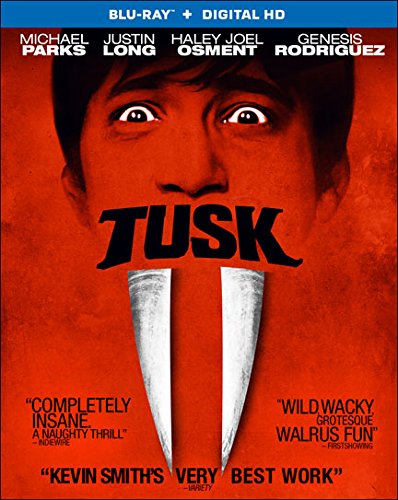
What if two radio guys sat around and made up a movie on the air? In this case it actually wasn't radio guys, because they weren't broadcasters, but podcasters. I guess the fine distinction between broad and pod is that pod goes out to the world through the internet. It's kind of like Indie radio. Kevin Smith is a very indie guy and even calls his podcast a smodcast. Smith and his buddy, producer Scott Mosier, were doing their smodcast and talking about a post on GumTree.uk about roommate advertisements. It evolved into crazy talk about what might happen.

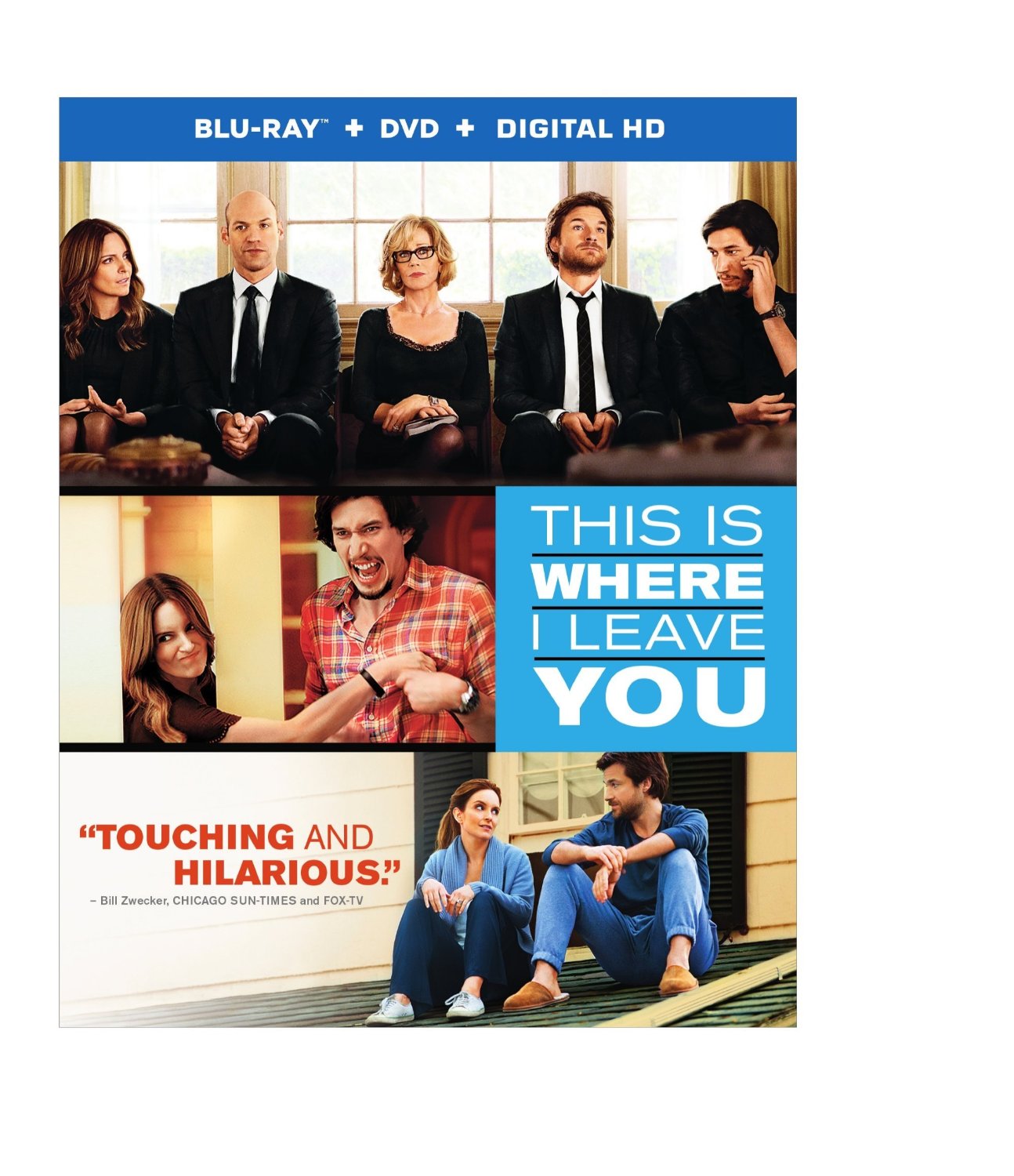
Everybody's sad or angry or lying or cheating.”

That seems to be the state of the four adult Altman children even before they are thrust back together following the death of the family patriarch. This Is Where I Leave You has all the makings of a great dysfunctional dramedy. It has a terrific cast and is based on the very popular book by Jonathan Tropper, who wrote the screenplay. Yet the movie comes up well short of delivering on its promise. Despite some strong acting, a handful of funny beats, and a passing similarity to another ensemble movie where characters who were formerly close are brought back together by a funeral, this movie is less Big Chill and more “Big Shrill.”