AVC MPEG4

If you haven't heard of South Park by now there is certainly something wrong with you. You're just not paying attention. More important, you've got a lot of catching up to do. The show is entering its 16th season on Comedy Central, and Paramount is now giving us the 15th season on high definition Blu-ray. And, if you are just hearing about South Park for the first time, what a wonderful journey you have ahead of you. You might need an airline sickness bag on occasion, but you are in for a solid treat.

After 15 years you would think any show might have to start losing steam. It's true that South Park did appear to suffer some during the middle years, and I was one of those critics asking how much longer the show could go on. But the series experienced something of a renaissance in the last couple of years and is better than it has ever been.

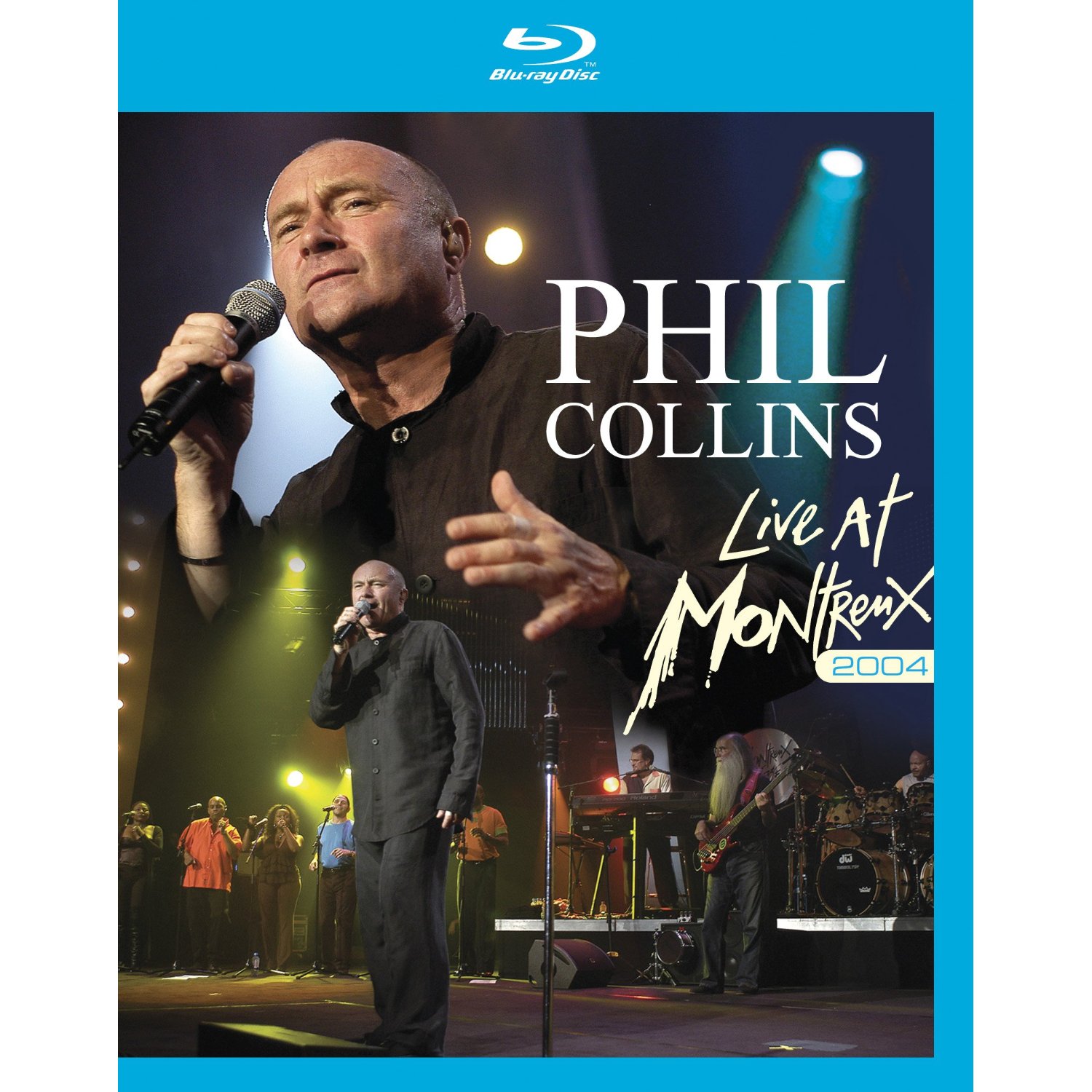
When Peter Gabriel left the band Genesis to pursue his own solo career, it was the break of a lifetime for the band's drummer, Phil Collins. He took over the front-man duties with style, and before long Genesis was enjoying the most commercial success of their lives. Collins provided the smooth, easy-to-listen-to voice that Gabriel really never had. The tunes were instantly more recognizable and stuck with you for a long time. Of course, that meant that Collins would go out and work on that solo career as well. He didn't quite abandon Genesis and managed to keep both careers on the charts for quite a long time. If anything, the two entities became more and more the same. It's hard to distinguish the band's Invisible Touch from anything Collins released under his own name. No problem, as long as the records were selling. And sell they did.

We haven't heard a ton from Collins in recent years. He's always been there. He's toured under both names a few times in recent years. But the releases became less and less successful. Much of this can be traced to Collins' wish to become a one-man band. The last few CD's were produced in his own home studio with Phil filling in for most of the instruments. The lyrics lost much of their creativity, and it seemed that the British rocker had waded deep into stagnant waters.

They came back to tie the game five different times. They were down by two runs in the bottom of the ninth and facing a closer who had been a perfect 6 for 6 in save situations during that postseason. They were down to the last strike of their entire season two different times. I guess what I'm trying to say is, at a certain point, it became obvious — painfully obvious, if you happen to be a fan of the Texas Rangers — that there was no effing way the St. Louis Cardinals were losing Game 6 of the 2011 World Series.

Personally, I didn't have a horse in the race when I originally watched this game live on October 27, 2011. (I'm a Yankees fan. Before you boo me, you should know I was born in 1982, which is the exact year they stopped making the playoffs for 13 straight seasons, the longest drought since the franchise became the Yankees. So they've been lousy for a really good chunk of my life, including during some of my most formative years as a sports fan. You may commence booing me.) The fact that I couldn't have cared less who won, but I also didn't dare go to sleep until it was over — and I suspect I was far from the only one — tells you how objectively thrilling this game was.

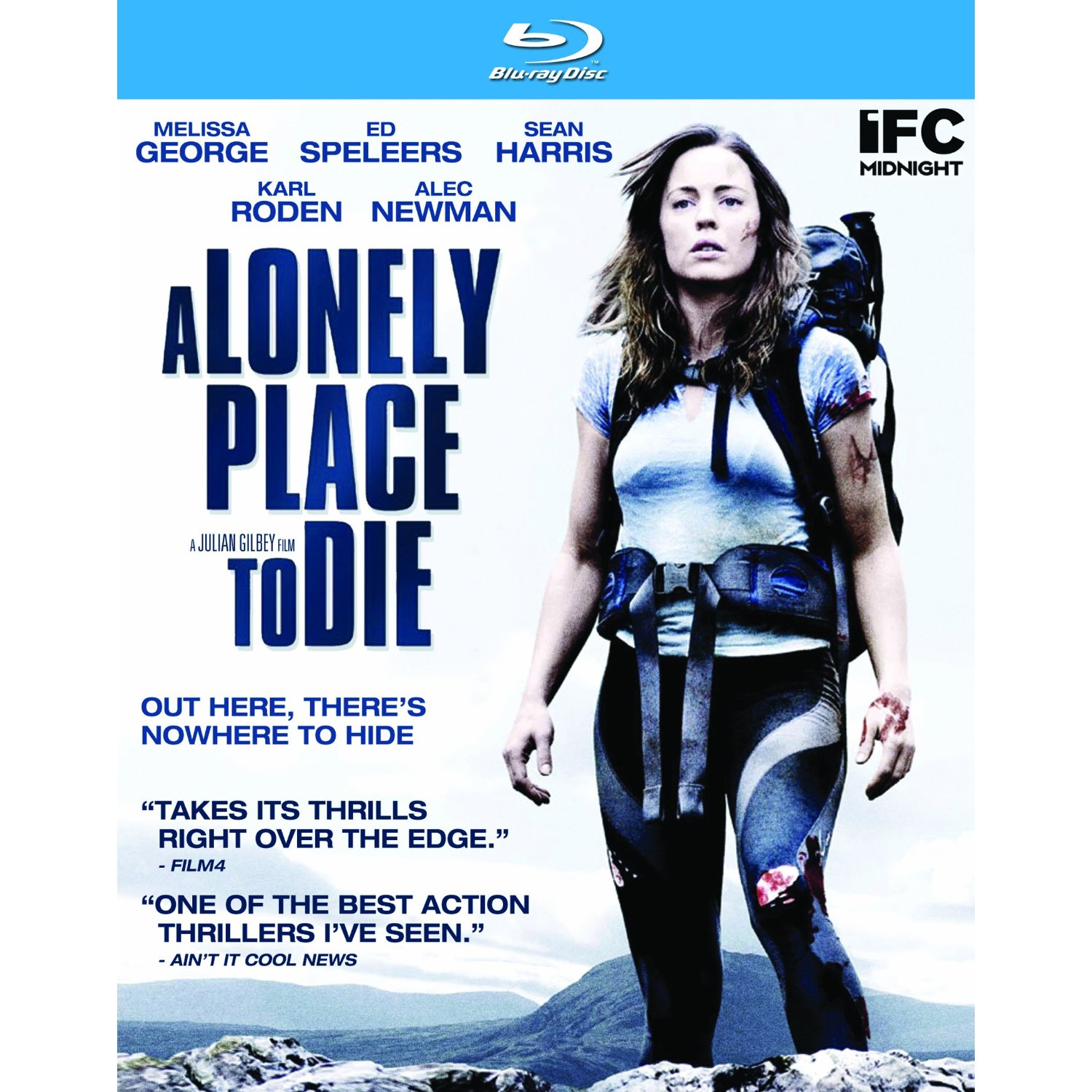
I think most of us can agree that being buried alive would be a horrible way to go. Several movies — Kill Bill: Vol. 2, The Vanishing (not the soft American remake) and, of course, Buried — have exploited that terror to varying degrees of success. Though the action in A Lonely Place to Die centers around a girl found buried in the Scottish Highlands, the camera frequently pulls way back to show us the desolate beauty (and danger) of the mountainous setting. I really wish director Julian Gilbey had kept the action on those mountains.

A group of climbers, led by Melissa George (The Amityville Horror, TV's Alias), discover an Eastern European girl named Anna buried in an underground chamber. Anna is unable to explain what happened because she can't speak English, but the group correctly surmises that the girl was kidnapped and being kept alive by the breathing pipe sticking out of the ground. Eventually, the group has to deal with the vicious pair of kidnappers, as well as the mercenaries hired by the girl's war criminal father to get her back.

"It's going to be like old times..."

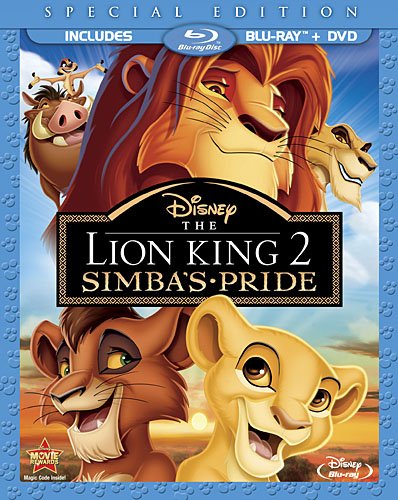
Well... not exactly. The Lion King began with The Circle Of Life and a newborn prince to the royalty of Pride Rock. That prince was Simba, and we all know by now how that ended up. The circle of life continues in The Lion King 2: Simba's Pride. Of course, it's not really the second Lion King film since the first sequel was cleverly called The Lion King 1 1/2 and pretty much covered the events of the first film from a different perspective. Now we get down to the real ongoing events, and once again a child to the Pride Rock royal couple is being presented to the kingdom. This time it's a princess, and her name is Kiara, voiced by Neve Campbell.

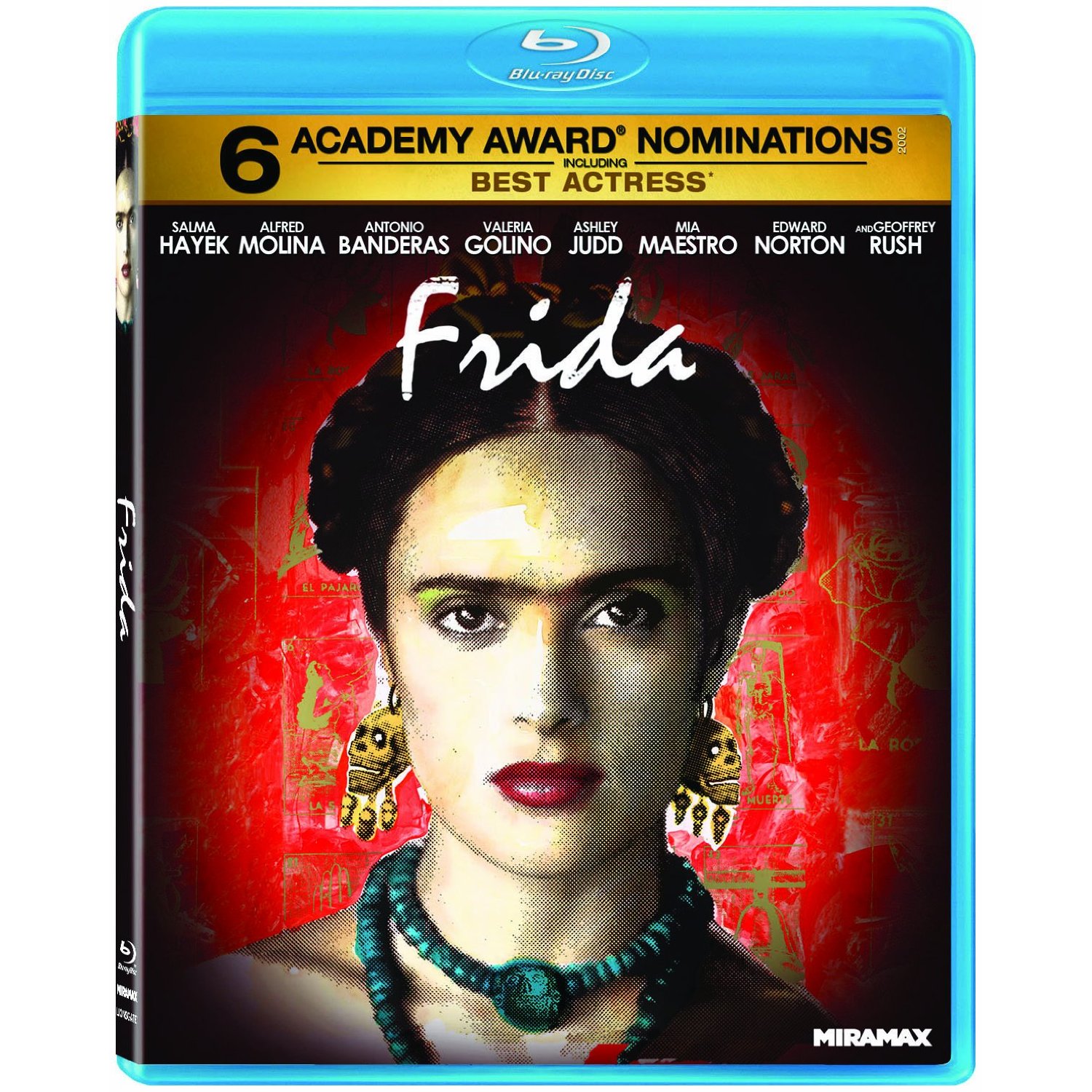
Frida Kahlo's life was tragic, romantic, epic, and inspiring. This film takes on the immense challenge of telling the story of such a complex life in the time frame of a stand-alone feature film. Frida is about art just as much as it is about an artist. Often stylized, but never unapproachable, Frida is a rare success by the way it managed to capture and display a part of Frida Kahlo's artistic soul.

Director Julie Taymor is widely known for her stylized approach to any production, be it on film (Titus, Across the Universe) or on stage (Lion King, Spiderman: Turn off the Dark). It is no small wonder that Taymor expresses her own artistic flair through her direction without comprising the work of her subject. Taymor uses dreams as her platform to inject the strangest visuals that are not the direct work of Frida. There is even one scene that is not the composition of Taymor or Frida, but the a dream sequence inspired by Mexico's day of the dead, created by the enigmatic animation duo, the Brothers Quay. As I suggested, the injection of other artist's unique style and creations into a film about an artist is not as disruptive as one may imagine. Both Taymor and the Brothers Quay honour Frida's life and work with their own contributions. Neither attempt to mimic Frida, save for one painting at the very end, but rather, they include something about Frida's life that she herself may not have expressed in her work. That is to say, not explicitly in any particular piece.

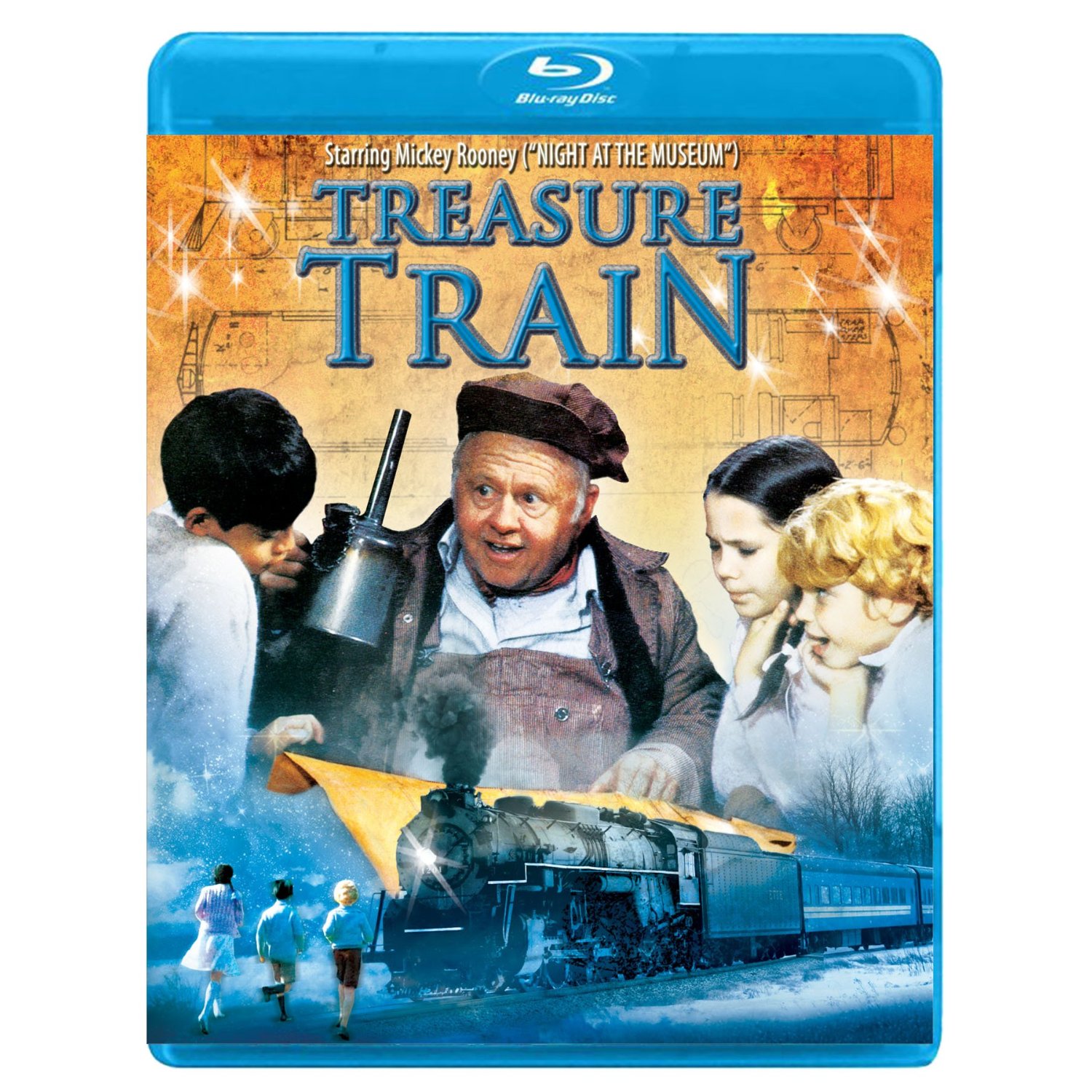
Released back in 1982, Treasure Train tries to capture the imagination of kids as Disney had for years but with a much smaller budget.  Helmed by surrealist artist and director Fernano Arrabal, he crafts a film heavy on the power of a child’s imagination and sense of adventure. To be fair I had to give this movie a second viewing not because I liked it but because it was so weird I had to make sure what I saw was real.

The film opens with a beautiful overhead shot of a train barreling down the tracks.  As the credits begin to roll the beautiful footage dissolves from the real train to a model train that is steaming ahead to collide with another train. As the toy falls to the ground a frustrated man scoops up the train only to yell at the children.  This scene though on the surface is simple but represents what the film is about.  Every child while growing up is excited about the prospect of being older and how great it all must be but the reality is never is as good as it was supposed to be.

“Ohh. Oh, Fritz? Fritz, get up for God's sake! Get up! They've killed Fritz! They've killed Fritz! Those lousy stinking yellow fairies! Those horrible atrocity-filled vermin! Take that! Take that! They killed Fritz!!!”

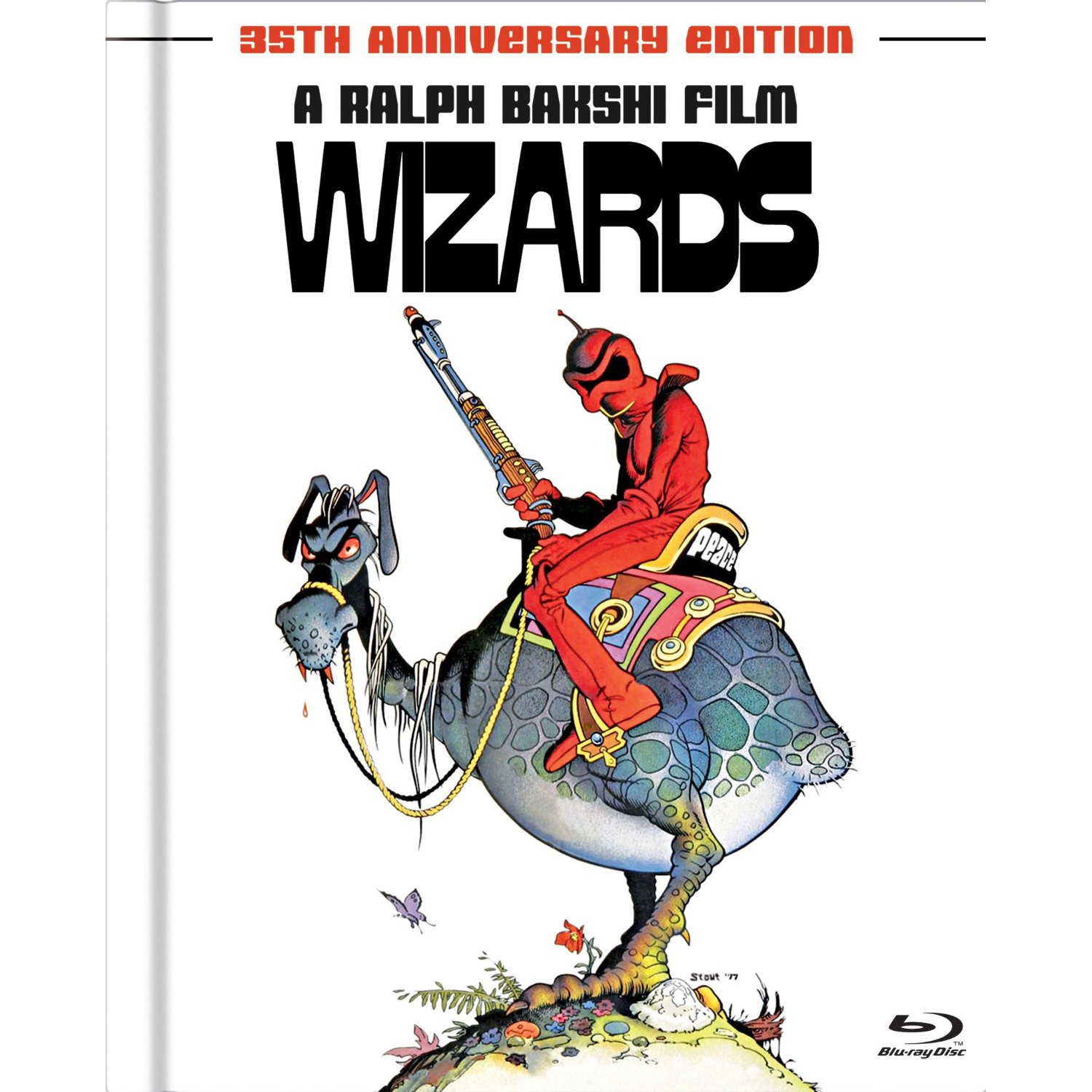
Ralph Bakshi is probably best known for his x-rated animated adaptation of R. Crumb’s Fritz the Cat, the first animated film to receive an x-rating from the Motion Picture Association of America and still turn into the most successful independent animated feature of all time. When his second and also x-rated animated feature, Heavy Traffic, a blacker than coal satirical comedy, became a hit (theaters were willing to take a chance on the x-rating due to the success of Fritz), Bakshi became the first person in the animation industry since Walt Disney to have two financially successful movies released consecutively.

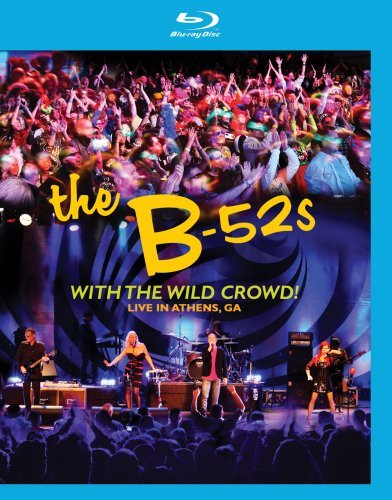
The strangely compelling pop-rockers first played publicly in February 1977. Almost exactly 34 years later, the B-52s soared again into their hometown, delivering an exuberant, hit-filled set at the Classic Center in Athens, Ga. Fortunately for concert-party aficionados, the show was captured in high-def, widescreen glory for the Blu-ray winner, The B-52s With the Wild Crowd! Live in Athens, GA. If you’re already a fan of “the world’s greatest party band” (it says so right on the dust jacket), this 96-minute celebration is an obvious must-have. The old new-wavers haven’t lost a step as they crossed one at a time into AARP territory. But even first-time flyers will feel the power generated by the B-52s time-tested crew. This high-energy set kicks off with a driving kickoff of “Pump” and the ever-catchy hook of “Private Idaho.” The pace doesn’t seriously slacken for another 90 minutes of bouncy dance-rock, lively melodies and irresistible harmonies.

While lead singer Fred Schneider takes on key front-man duties, this expertly edited program shows that he’s the captain of a totally talented team. Schneider’s wit as a vocalist and emcee are charmingly apparent here, but we also get time to appreciate Kate Pierson’s far-ranging warble, Cindy Wilson’s rich vocal counterpoints, and Keith Strickland’s stinging guitar riffs. (Strickland was the band’s original drummer, who switched to guitar after the death of founding member Ricky Wilson, Cindy’s brother.)

Even though I'm guilty of doing it myself, I always laugh a little when I hear someone complain that certain actors "just play themselves": as if you or I actually know these celebrities personally and have the authority to say what they're like in real life. Of course, what we really mean is most movie stars have found a screen persona that has connected with audiences and — in the spirit of giving people what they want (or laziness) — tend to stick pretty close to that image, adding only a tweak when we catch on to their game. (I mean, do we really want to see Sylvester Stallone tackle Hamlet? Wait, that would be amazing!) This isn't a new development: it's been happening since the days of John Wayne, and it continues to happen today with the likes of Tom Cruise, Will Smith, Jennifer Aniston, Seth Rogen and others. (Ok, so Seth Rogen probably is just playing himself.)

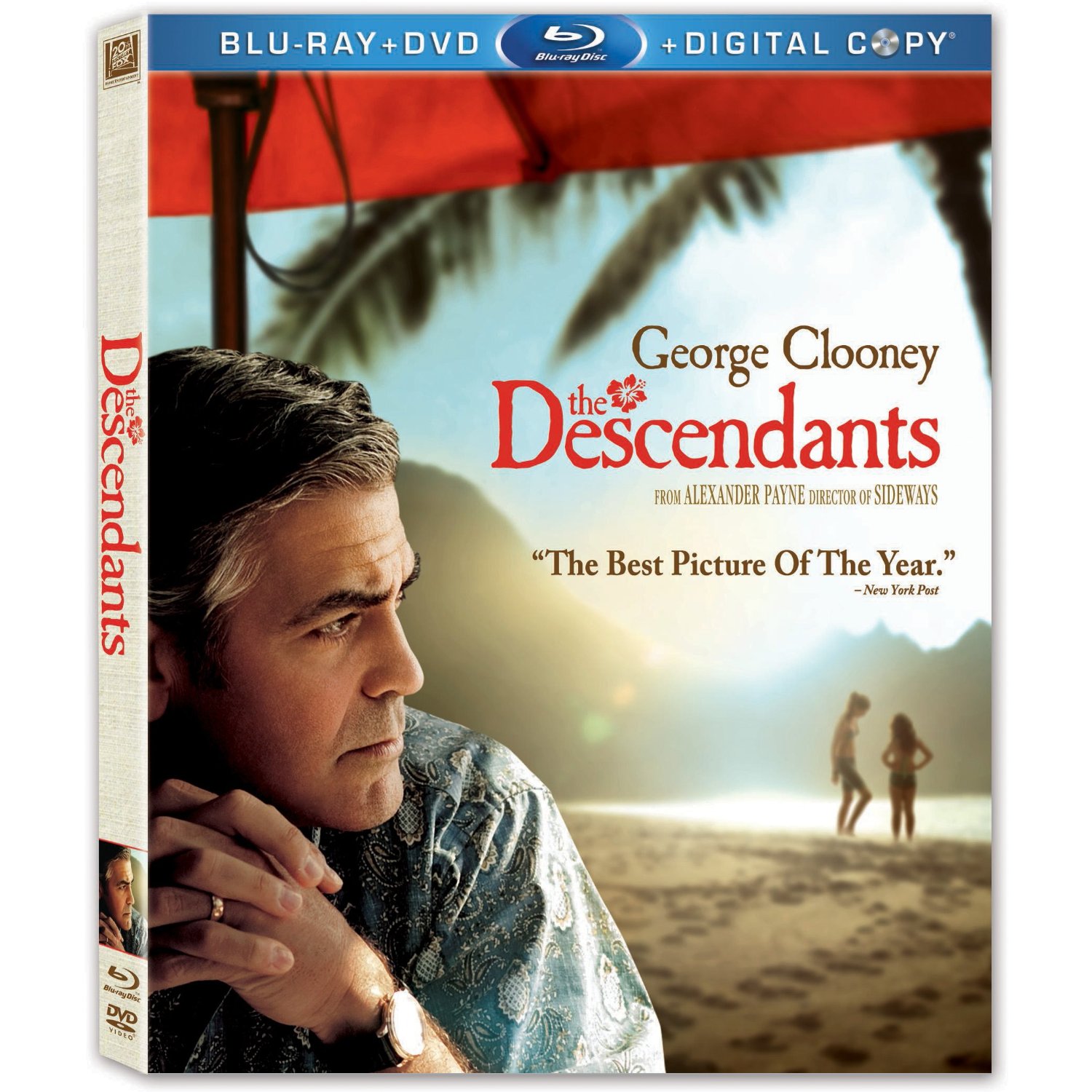
Few actors are "playing themselves" to as much critical and commercial success today as George Clooney, a handsome, articulate, serious-minded charmer who looks great in a suit. So when he plays handsome, articulate, serious-minded charmers who look great in suits, I can understand why some people may shrug their shoulders, no matter how excellent the performance is. You think it's an accident he won an Oscar for gaining some weight and covering his face with a scraggly beard in Syriana, but was shut out for superior work in Michael Clayton and Up in the Air?