1080p

"In our findings on Gamera, we've ascertained that: Firstly, it is attracted to and consumes fire. Secondly, it also seems to possess an internal power plant, of sorts. This emits a signal frequency that can jam radio communications. In order to store up energy reserves, Gamera consumes inorganic resources. Not only does it consume petroleum as well as other mineral and fossil fuels, but Gamera may also seek out atomic bombs."

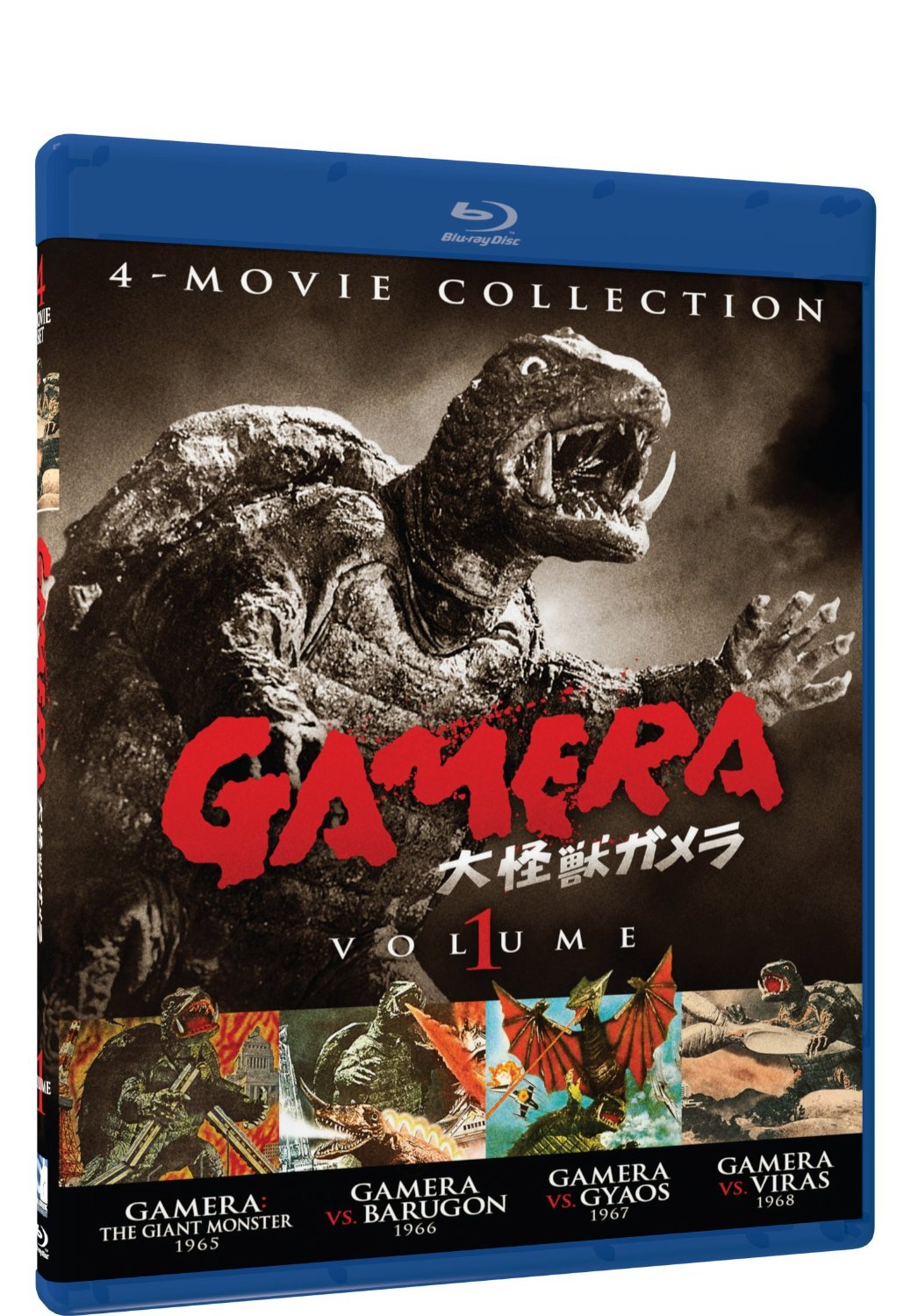
Ask anyone about Japanese monster movies and Gamera usually won't be the first name that comes into their minds. Godzilla would likely dominate the conversation, and for most of the last 60 years the folks at Toho have been synonymous with large monsters. But they didn't exactly hold a monopoly on the big beasts. Kadokawa Pictures had their own little monster franchise going on. It all started in 1954 with Gamera: The Giant Monster. From 1965 through the 1970's the studio would produce eight Gamera films in all. Now Mill Creek has gathered all eight films into two four-movie Blu-ray collections.

It was 2007 when Veronica Mars concluded its three-season run on the CW.  The door was left open for more seasons, and the season three set came with a bonus that showed us the direction things could have gone.  But after one of the most successful Kickstarter campaigns and seven years later, fans of the show will finally get to see their favorite little marshmallow, Veronica Mars, on one last investigation.  I’m going to come out and say it; I was a big fan of the show. The high school noir series was more than just your standard teen melodrama.  Veronica Mars seemed to always evoke the hard-boiled spirit of Raymond Chandler detective yarns, only it boasted a good-looking cast that spit witty dialog and pop culture references.

The film introduces us to a  more mature and refined Veronica (Kristen Bell) who has moved on from being the teenage private eye and is now applying to law firms.  She’s come a long way, (literally across country) and has tried to make a life for herself in New York with her boyfriend Piz (Chris Lowell).  Everything was going as planned until Veronica sees on the news that her old flame, Logan Echolls (Jason Dohring) is under investigation for murdering his girlfriend.  The heart strings are tugged for Veronica, and she hops a plane to travel back home to Neptune and help him out.

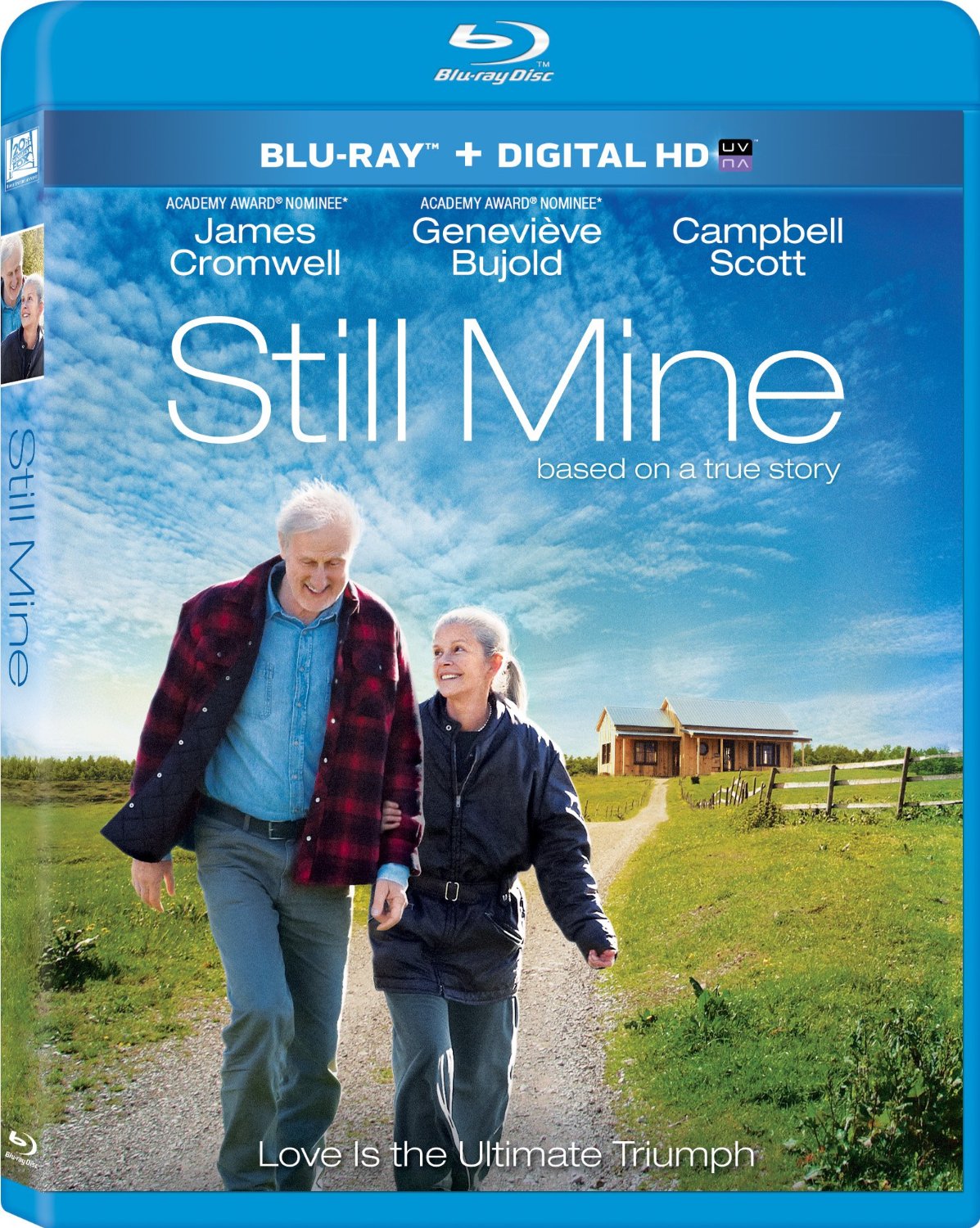
Craig Morrison was in his late 80’s the first time he got in trouble with the law. Still Mine tells the real-life story of the Canadian octogenarian who found himself in court facing the prospect of jail time. In case you’re wondering, Morrison didn’t rob a bank or cheat on his taxes. He merely wanted to build a modest house on his own property that could better accommodate his ailing wife. And he insisted on doing it himself.

The film opens with a tired-looking Craig (James Cromwell) preparing himself to make a statement in court. The action flashes back two years, and we see Craig on the expansive 2,000-acre New Brunswick property he shares with his wife Irene (Genevieve Bujold). We eventually learn the couple has been married for 61 years, but the playful, tender rapport between Cromwell and Bujold conveys that connection within minutes. Just as surely as we get glimpses into their loving relationship, we also get hints at some of the problems beneath the surface. Craig’s cattle and strawberry businesses begin to falter, while Irene absentmindedly leaves an oven mitt laying across a hot stove and forgets that some misplaced actually belongs to her.

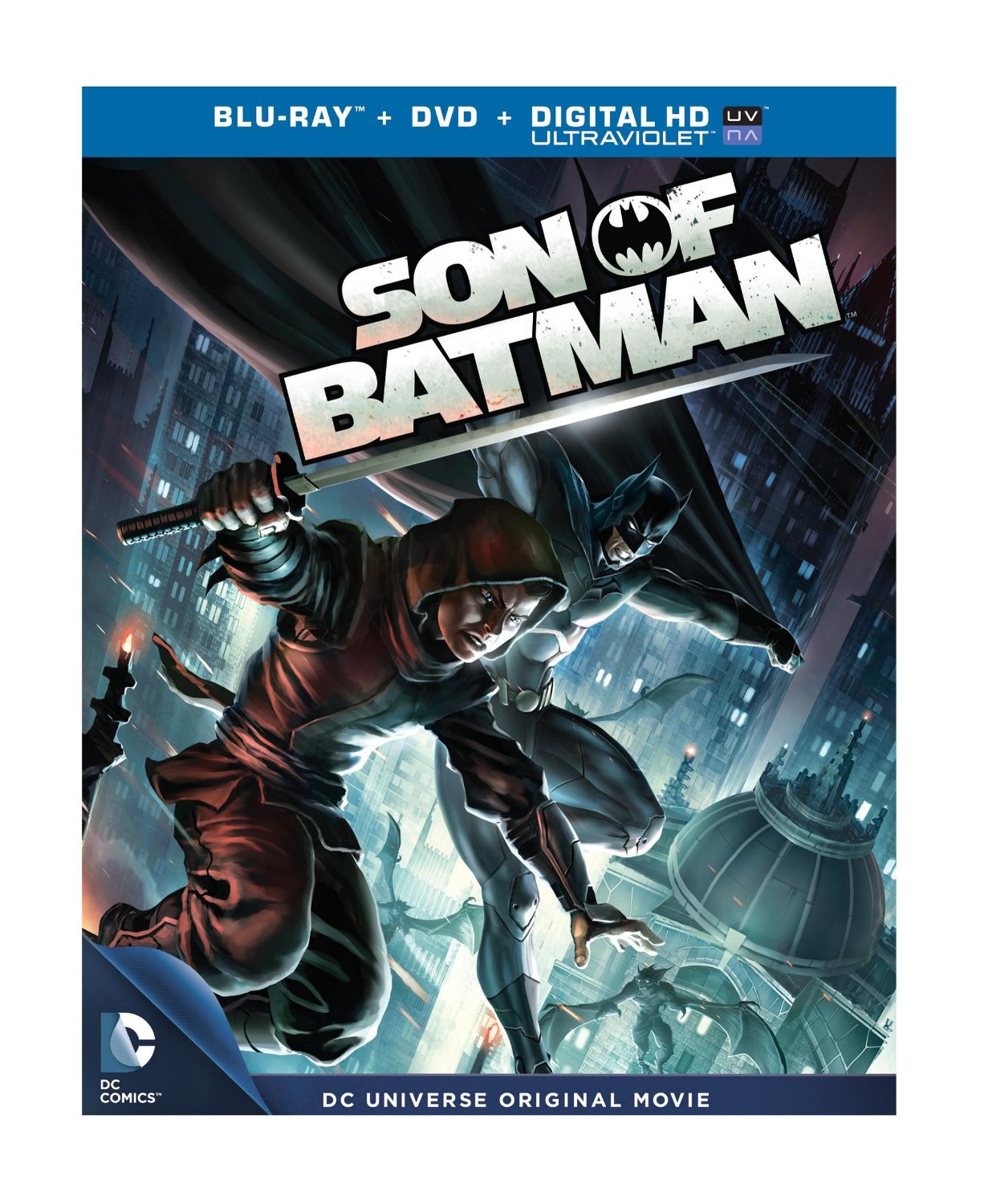
When it comes to the feud between Marvel and DC film adaptions, I think we can all agree Marvel at this point may be winning the battles on the big screen, but when it comes to the animated films DC has been delivering hit after hit. Perhaps it’s because the landscape in animation is virtually unlimited and comes with a significantly smaller price tag to deliver.  With the new animated release from Warner Brothers we get a new Batman film that goes where we haven’t seen the caped crusader go, and that is into the shoes of fatherhood.  Before you get to thrown by the idea, this isn’t a costume hero version of Three Men and a Baby, but instead something much darker and well deserving of its PG-13 rating.

The League of Assassins are in the middle of training when we first meet Damien (voiced by Stuart Allen); he’s the grandchild of the leader of the league as well as a long standing foe to Batman Ra’s al Ghul.  Damien hasn’t simply lived the life of luxury, but instead has lived a life training to be a deadly assassin.  I’d love to see this kid in public school dealing with school yard bullies, but this isn’t that story.  His mother, Talia al Ghul (voiced by Morena Baccarin) is firm but loving, and her true nature comes through as the temple is attacked by an army of armed ninjas.  The battle is intense, and despite all the training by the League of Assassins, they are simply no match for the firepower that is unleashed.  Damien isn’t one to run and hide; he doesn’t hesitate to pick up a weapon and fight.  Leading this hostile takeover is Deathstroke (voiced by Thomas Gibson); he’s filled with rage and wants to rule the league and kills Ra’s al Ghul in the process.

I do wish I could be content, but...”

You cannot.”

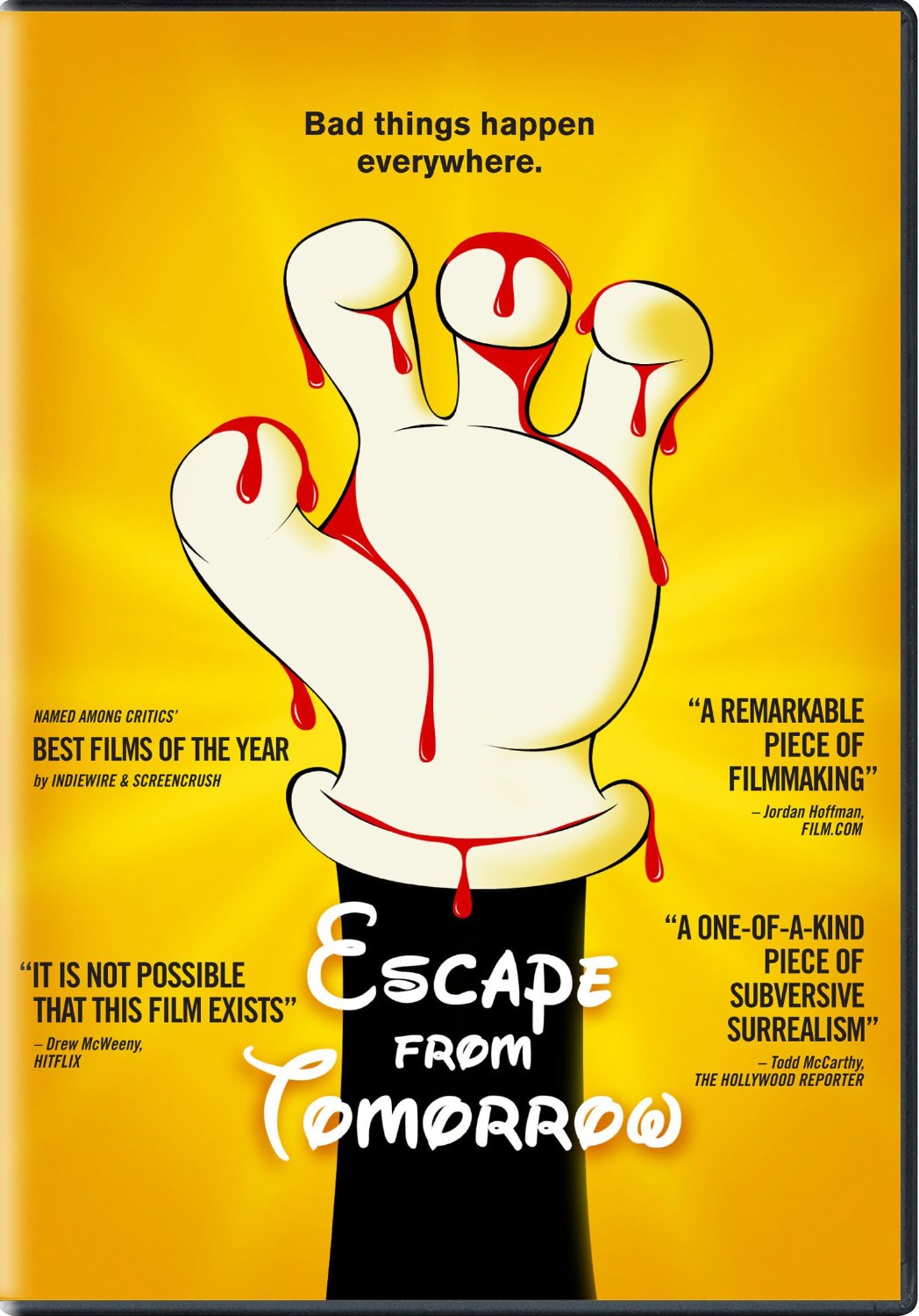
It’s been a while since a movie has been released that broke the rules on how we expected a film to be made.  Avatar was the last game changer, I would say, considering it gave audiences a new way to see films in 3D.  Sure, hundreds of millions of dollars were invested in that film, and the reward for bringing audiences something different is it being the highest box office grosser ever.  Escape From Tomorrow goes in the opposite direction, and to be matter of fact about it, the film shouldn’t even exist.  But writer/director Randy Moore pulled off something that is an achievement that deserves praise for filming his sci-fi satire on location at Disney, without their permission.

I’ll be the first to admit, the gimmick of filming a movie without permission on the grounds of any amusement park intrigues me.  It’s the film student in me that curses Moore for pulling this off, but I have so much respect for this guerilla filmmaking spectacle.  And that is what this film is about, the spectacle of Disney and the pedestal we put it on in our society.  As kids we all had these hopes and dreams of just what it would be like to experience the Magic Kingdom, and as many people get older we wish to share this experience with our own kids and hope to recapture that experience when we were younger.  But age has a funny way on changing our perspectives, and though certain things may never change, our understanding of things seems to evolve.

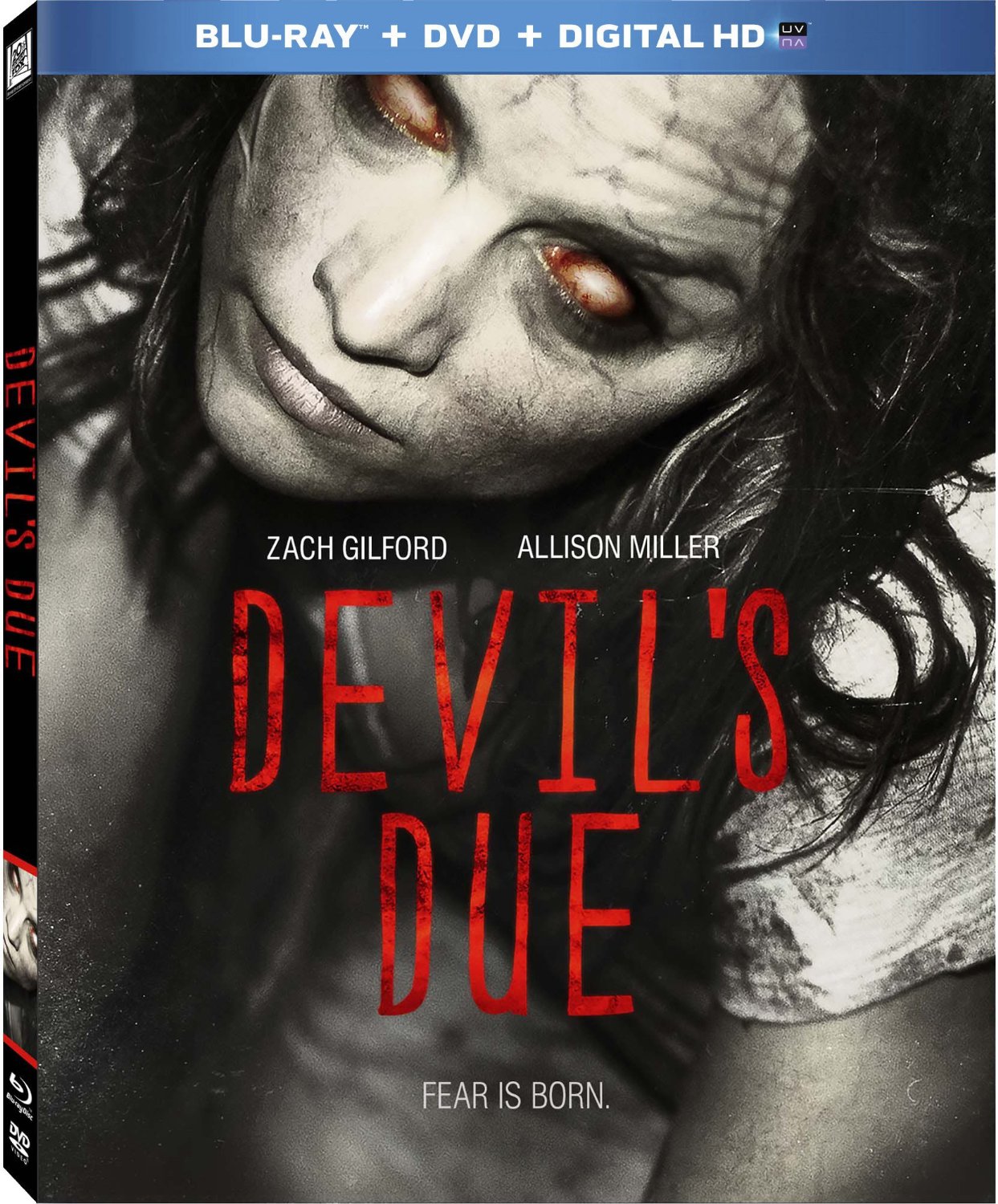
It’s easy to envision the elevator pitch for Devil’s Due. You only need five words: “Rosemary’s Baby meets Paranormal Activity.” The upside is obvious. The idea of a demonic pregnancy has terrified and unsettled expectant mothers since Ira Levin published Rosemary’s Baby in 1967 and Roman Polanski adapted it for the big screen the following year. Meanwhile, the Paranormal Activity films made low-budget/found-footage domestic horror hugely profitable. The downside? You’re probably not topping Rosemary’s Baby, and horror audiences seem to be suffering from an acute case of found-footage fatigue.

“Children, it is the last hour. And as you have heard that the antichrist is coming, so now many antichrists will come. Therefore we know is the last hour.”

There have been complaints that there are not enough films that have decent lead roles for women. There are those that say that Hollywood does not make enough movies for women. Then when they do, critics tend to dismiss them as “Lifetime” movies (a term that is dismissive because of the cable channel that churns out generic movies for women). It seems far easier to accept excessive violence or male-oriented films with sexual content. If a movie tries to legitimately capture real situations from a woman's point of view, it can be patronizingly categorized as pap and schmaltz.

I see an awful lot of movies, and what disappoints me most about many of them is the insincerity of the experience. We get to see a lot of violent movies and a lot of funny movies, and if they seem halfhearted, I shrug it off as the norm. If I see romantic comedies that seem like weak rip-offs of movies made years ago, I assume they just don't know how to make them anymore, but an even rarer commodity is a serious romantic movie that works. Today that usually means it has to be laced with cynicism and anger.

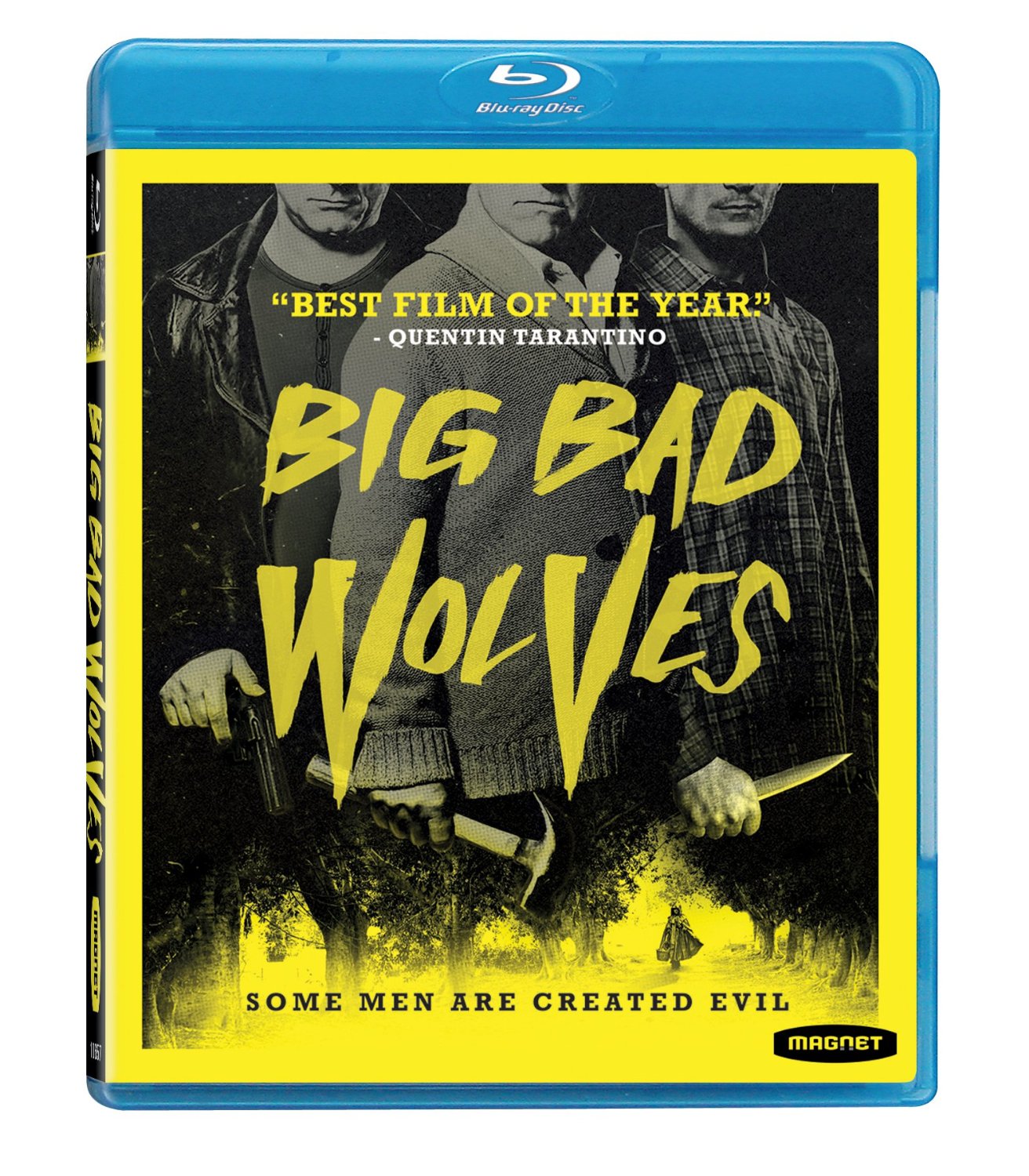
It’s movies like Big Bad Wolves that keep me excited about cinema.  After all, who would guess that Israel would produce this savagely dark fairy tale revenge film that is also one of the darkest comedies I’ve seen in some time with a visual aesthetic you’d expect from a Coen brothers film, but the violence and humor you’d expect from a film by Tarantino.  My first time viewing this film was via On Demand a few months ago; more and more I feel the cable companies are onto something by acquiring these little films and releasing them pay-per-view so that those not in New York and Los Angeles can experience these films before having to wait months longer for their DVD or Blu-ray release.  Now I get the chance to revisit a film that upon my first viewing was a punch to the gut; does it hold its own on its second viewing?  You bet it does.

The film starts up with a group of kids playing a game in the middle of the woods.  While the kids search the property for one of their friends, all they discover is one lone shoe.  Jumping ahead, we meet Micki (Lior Ashkenazi) with a group of fellow vigilantes dragging Dror (Rotem Keinan) into an abandoned building to beat a confession out of him.  Little does anyone know, someone is in the building with them and is filming the brutal interrogation.  Is Dror responsible for the missing girl?  At this point who knows, and anyone could be a suspect.  But when the video hits the internet, opinions are formed, and Dror becomes the focus of scrutiny by his students as well as their families.  After all, this is the time of social media, and we all know it spreads faster than the time it takes for an investigation to be completed.

“I used to be thin when I was 6.”

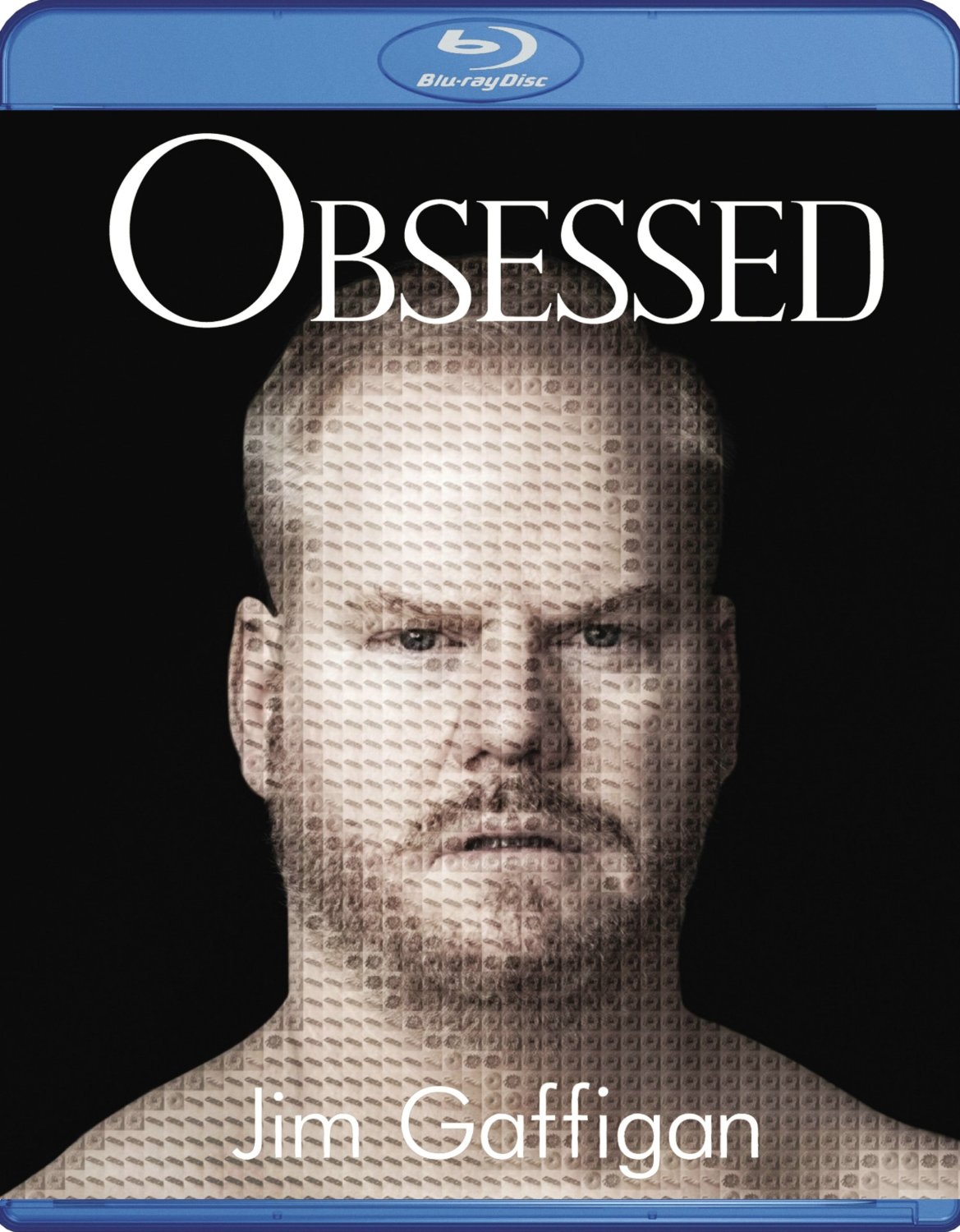
Jim Gaffigan has long been fixated on food. Need proof? The comedian’s 2013 memoir is called “Dad Is Fat”, and his most famous routine is about Hot Pockets. So it wasn’t exactly a shocker to find that Gaffigan spends most of Obsessed — his fourth Comedy Central stand-up special — talking about his dietary likes and dislikes. (Hint: kale is not on his list of favorites.) This is astoundingly straightforward and inoffensive material that nonetheless had me consistently laughing out loud.