Digital Copy

Her is someone you could fall in love with. Her is full of wonderful qualities. Her is elusive and unattainable as well as enticing and satisfying. Her is the awkward title of the new Spike Jonze film starring Joaquin Phoenix, Scarlett Johansson (though not all of her), Amy Adams, Rooney Mara, Olivia Wilde and Chris Pratt. It does not star Samantha Morton, Carey Mulligan or Chris Cooper. It might have, but the project evolved so much that they dropped by the wayside. It grew out of the third collaboration between Jonze and Charlie Kaufman (Being John Malkovich, Adaptation) but Charlie Kaufman also dropped out, and this became a written-by-Spike Jonze project. Her takes place in a non-specific but soon-to-be future in a gorgeous and ethereal L.A. The production design and cinematography couldn’t be more tantalizing and beautiful. The performances by all are soulful and full of nuance in every nook and cranny of their being. Joaquin Phoenix is a whole new bunch of wonderful as our main character. It also applies to her (even though her being is much more elusive).

Her is an Operating System, but an advanced one. It ponders the day that is soon coming where artificial intelligences will start to proliferate. That day is practically here, but it hasn’t quite happened yet. But that day is here in movies. We all remember Hal in 2001: A Space Odyssey. That led Kubrick much later to develop Artificial Intelligence, which show us a little boy who was created to love.

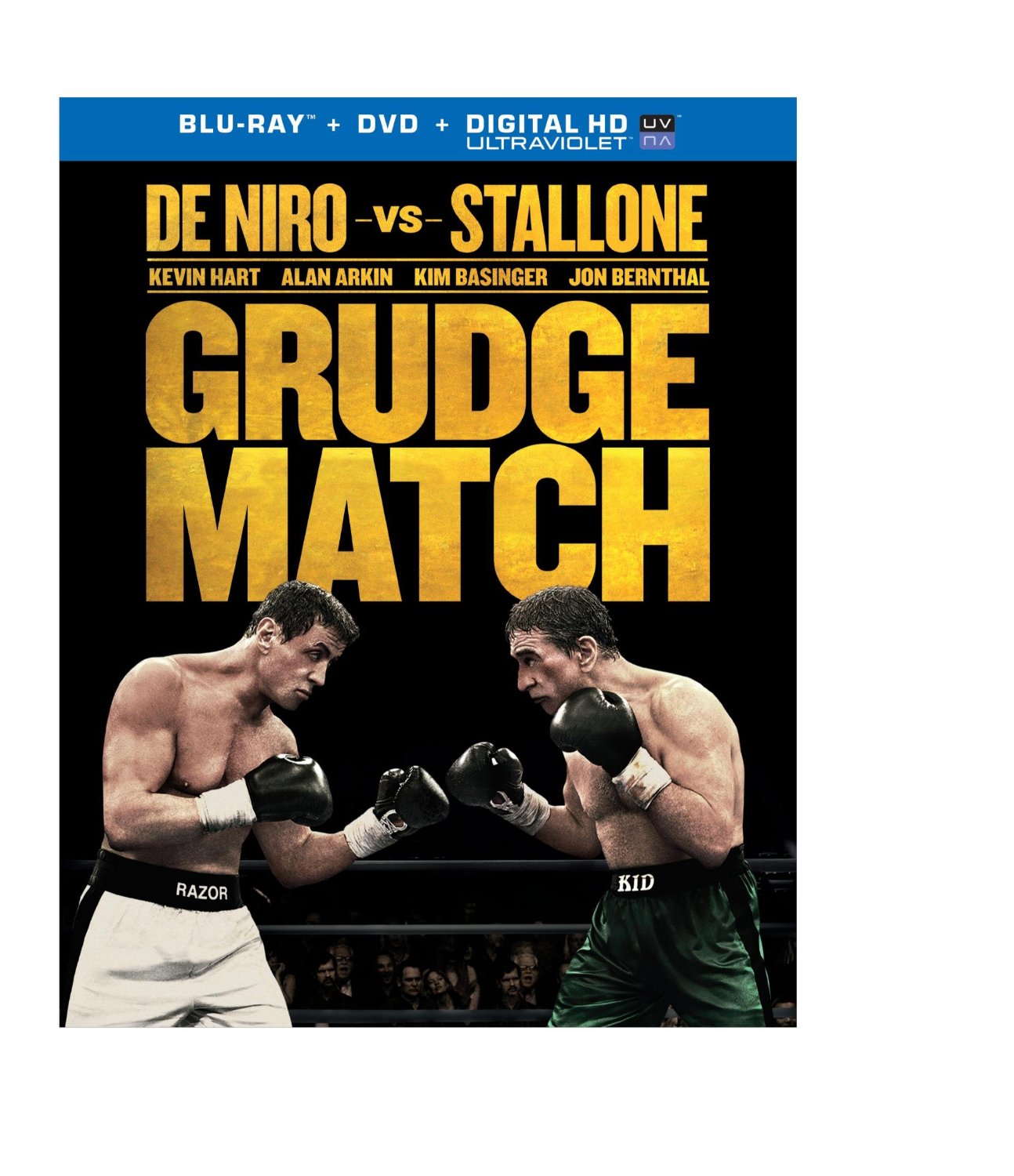
You know exactly what's going on here. It's Rocky Balboa vs. Jake La Motta, and they're not exactly in their prime. For reasons of property rights, of course, this really isn't Rocky or La Motta, but you and I know it is. The film takes great pains to remind us of each of these iconic characters. Sly's character tries to take a shot at some hanging meat after drinking a glass of raw eggs. De Niro's character is found telling boxing jokes in his own club, just as the real-life La Motta did after his fighting days were over. Both of these actors played iconic fighters in their day. It's safe to say that both the characters and the actors themselves are beyond their physical prime. Sly is just three years shy of 70, while De Niro reached that milestone back in August. And that's what makes Grudge Match a better film as a comedy.

It's been 30 years since Pittsburg's greatest fighters Henry "Razor" Sharp (Stallone) and Billy "The Kid" McDonnen (De Niro) left the fight game. They faced each other twice in their careers, splitting the victories. For each, the other was their only loss. A rubber match was going to happen, but Rocky Razor decided to retire before the fight. Since then, La Motta The Kid has not been able to let it go. He wanted to show the world he was best. It doesn't help that they had an issue out of the ring.

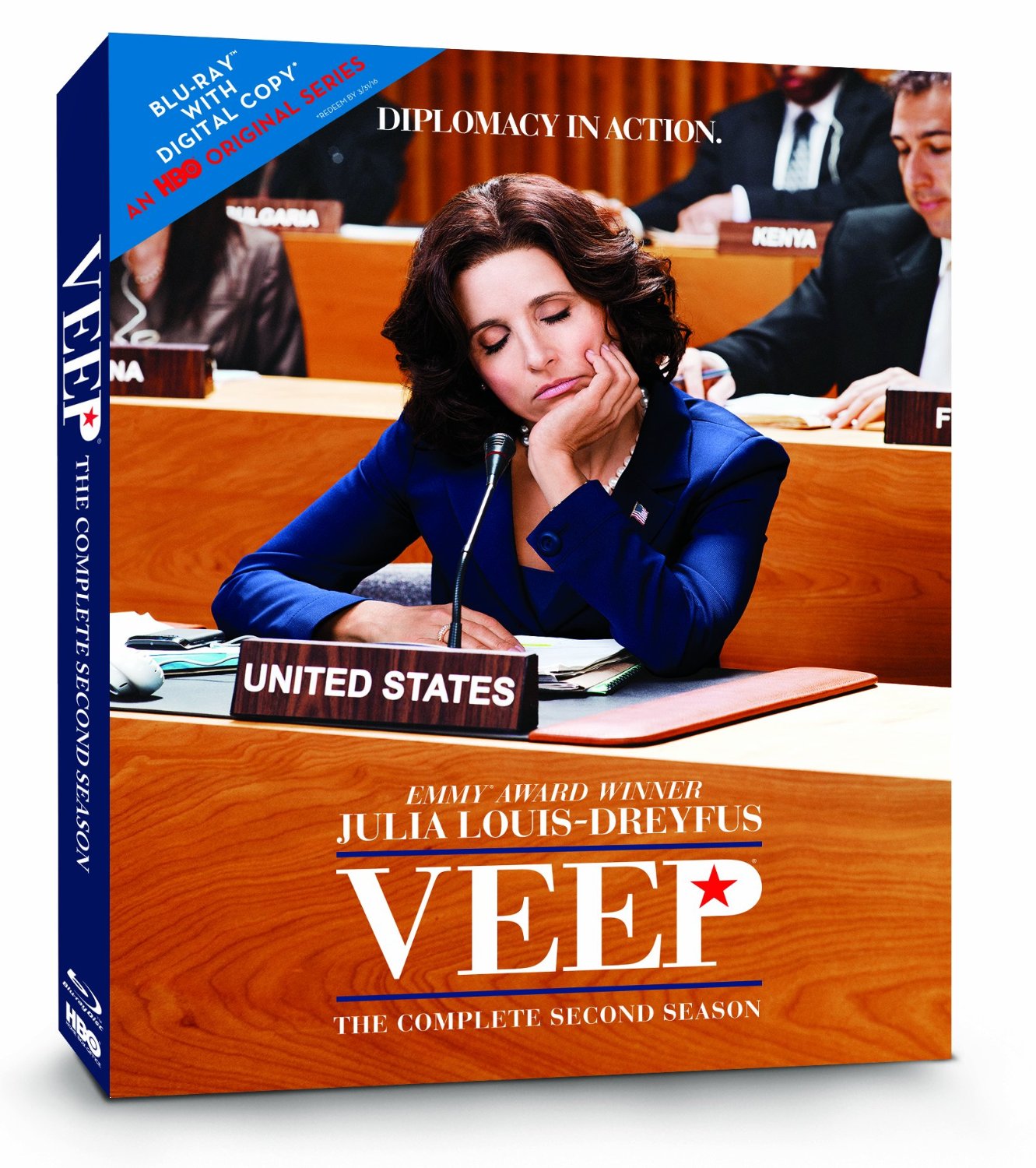
“…I’m the f---ing Vice President of the United States, and I have something to say.”

If you’ve seen Veep, you know it’s almost impossible to quote the show without including an f-bomb or any of the show’s crassly creative put-downs. The sitcom’s central joke remains that the vice presidency might be the most high-profile unimportant job in the world. As a result, the second season of HBO’s caustic comedy sees VP Selina Meyer making moves to improve her political standing. Of course, she and her harried staff can’t avoid the humiliations and indignities that come with the job.

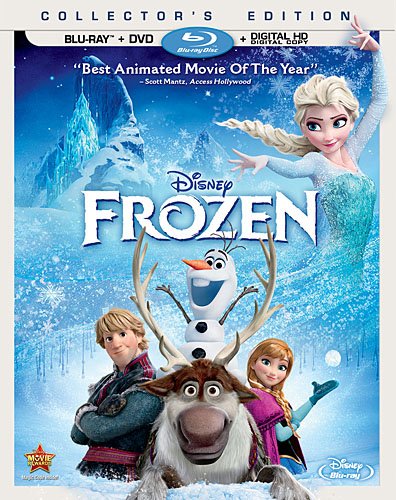
"Beautiful. Powerful. Dangerous. Cold. Ice has a magic that can't be controlled."

Like the very best that Disney has offered over the decades, Frozen has its roots in a very old classic fairy tale. Walt himself was interested in doing the Hans Christian Andersen story The Ice Queen immediately following Snow White And The Seven Dwarves. The film was given a production number along with some brief notes. Nothing else remains of the idea, and no one knows exactly what Walt intended or why the story was put on hold. The same thing had happened to another Andersen classic, The Little Mermaid, which took 40 years to finally go from Walt's original investigations to the Disney classic film it is today.

"Let me tell you a story."

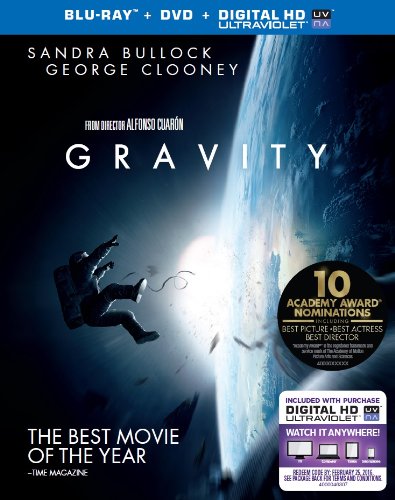
Remember the tagline in Alien? "In space no one can hear you scream." Gravity begins, appropriately enough, with complete silence. We're treated to a rather spectacular view of the Earth from orbit. Eventually chatter begins to intrude upon our revelry. We soon meet the crew of a space shuttle mission to do repair work on the Hubble telescope. We quickly learn that this is the final mission for retiring astronaut Matt Kowalski, played by George Clooney, although I certainly consider it a bad sign when he's told to enjoy his last walk. He's acting as a mentor of sorts to younger astronaut Ryan Stone, played by Sandra Bullock. There are others on the mission, but we're treated to very little time with them. In a short time, they won't really matter.

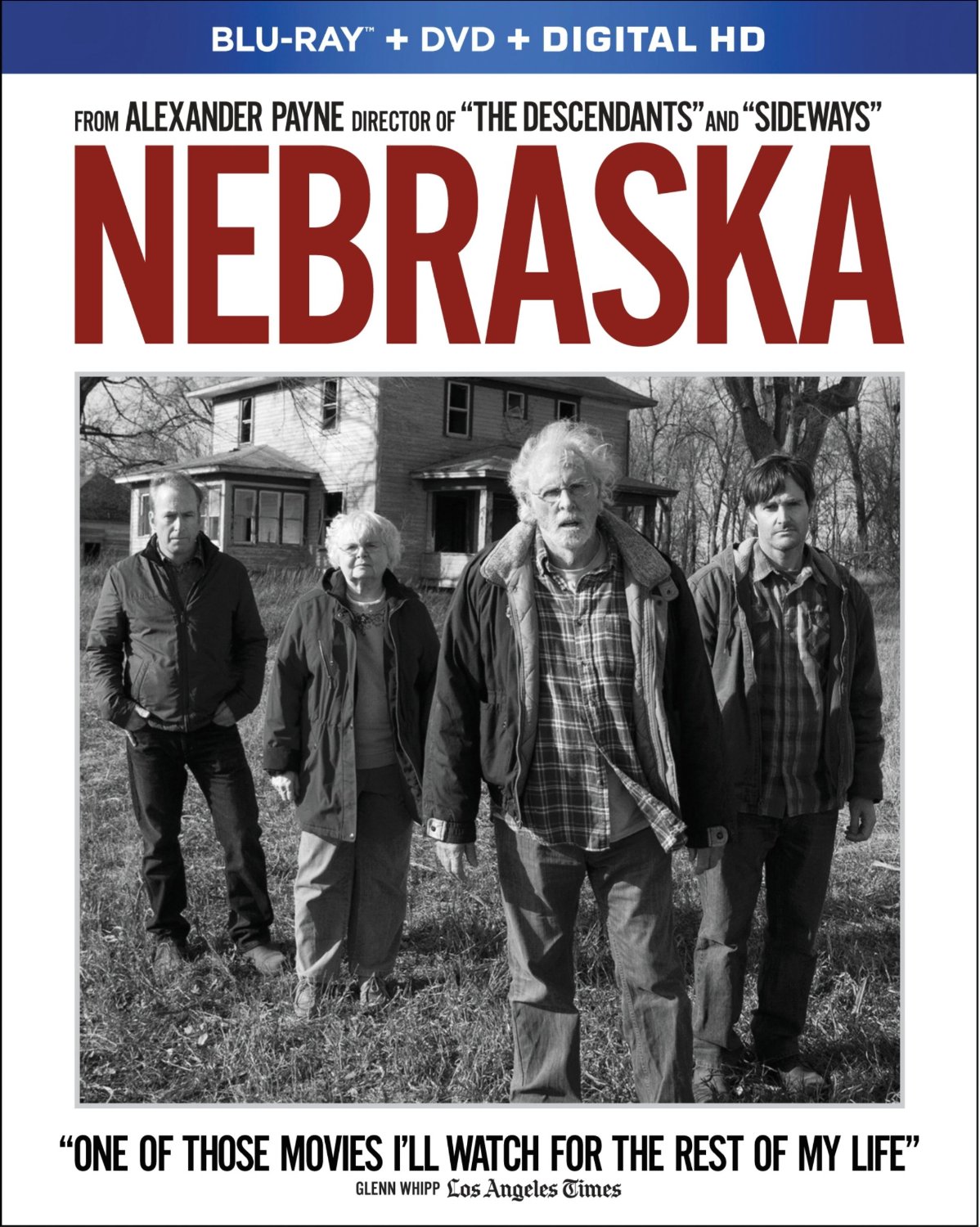
Bruce Dern is the one generating the greatest praise. June Squibb (About Schmidt) who plays Dern's wife has also gotten multiple nominations. Woody Grant (Dern) is seen at the start of the film walking the winter roads of Billings, Montana. It is his intention to walk to Lincoln, Nebraska. The local police pick him up, and we are introduced to his son, David (Will Forte). The heart and soul of the movie is watching Dern and Forte interact. Forte is best known for acting silly as a cast member on Saturday Night Live, but his performance in this film is perfect. He is dour and forlorn and takes it on himself to be the only family member who tries to care about his father's feelings. He takes his father on a road trip because he believes he is slowly sinking into dementia. His dad believes he has won a million dollars because he received a magazine subscription sweepstakes letter. Everybody but Woody knows that it's a scam, but David wants the chance to spend some time with his dad. Woody's wife Kate (Squibb) thinks they are both insane and doesn't ever mince words for one minute. The film turns into a reunion with many people from the past and an unexpected journey to forgotten places. David doesn't know much about his dad, and he will start to learn a lot. They take an extended stop in Woody's home town of Hawthorne, Nebraska where much of his family still lives. For a time, many people in Hawthorne believe Woody really is rich including his former business partner, Ed Pegram (Stacy Keach). Many members of the family members and friends start to come up with stories about how they lent Woody money over the years.

Through it all David is by his father's side, tenderly finding ways to support him and make him feel good about himself in what is clearly near the end of his life. The whole film is handled with such finesse and subtle wit, filmed in pristine black and white that beautifully makes nearly every image like a classic photograph. Bob Odenkirk (Breaking Bad) as the other brother, Ross, adds ably to a continuous stream of humorous vignettes.

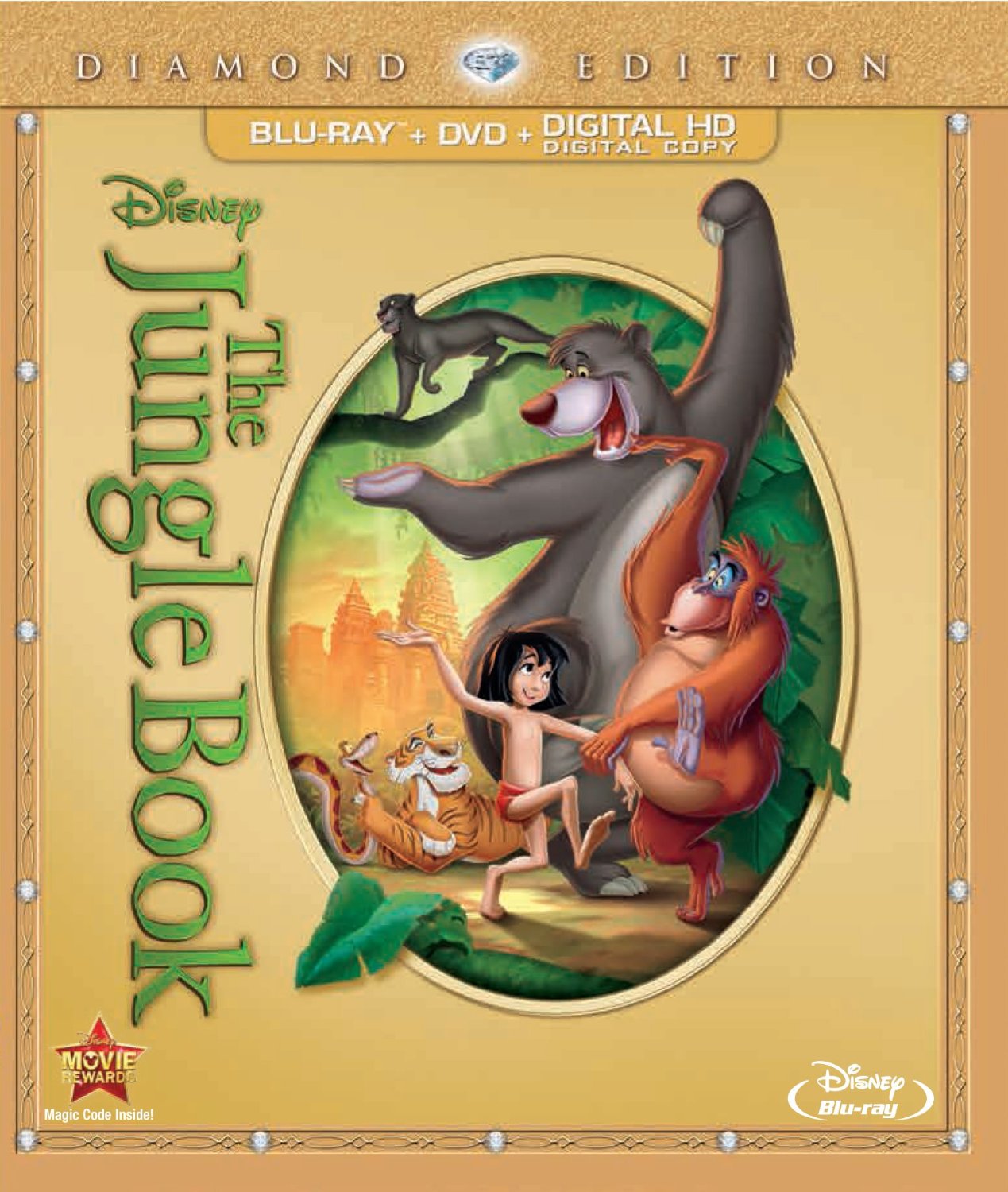
There are two very distinctive schools of thought about Walt Disney’s The Jungle Book. There are the Kipling fanatics who have never forgiven Disney for taking a story considered sacred in literary circles and creating something that honestly bears (pardon the pun) little resemblance to the original work. These folks rightfully point out that the story contains almost nothing recognizable about the story and characters from Kipling’s beloved classic. I have often condemned projects that take names like The Night Stalker and Battlestar Galactica and create a vision incompatible with the traditions I associate with them. Therefore this review might seem a bit hypocritical when I tell you I side with the other camp that considers this film to be a milestone, not only in Disney animation, but in animation history itself. The characters might be distantly removed remote ancestors to Kipling’s creatures, but they are truly classic creations in their own right. What better definition of a classic can there be than the influence that The Jungle Book still has 40 years later, not only on our pop culture but on the careers and lives of today’s artists. I venture to say that more people are familiar with Disney’s renderings of these characters than Kipling’s; I agree the caparison isn’t exactly fair, but it is accurate.

So why do I think this isn’t the same as the “reimaginings” I’ve condemned in these very pages?  I begin by pointing out that we’re talking about a film that has stood the test of time, perhaps enduring beyond its own roots. The second is the fact that this version is not the same medium as its original. When ABC aired The Night Stalker, it was reinventing its original in the same medium, that of a television series. Disney’s The Jungle Book is an animated film whose audience is nothing like that intended for the stories. This distinction was not lost on Walt Disney himself, who lost a close friend and colleague over his decision to create this vision of The Jungle Book. Long-time “go to” man Bill Peet had originally developed the Kipling story for Disney. He kept quite close to the source material and submitted storyboards that told a decidedly darker story with far more dire consequences and darker characters. The impasse led to his leaving Disney Studios forever. As Peter Jackson discovered, film is a far different presentation than the written word, and what works for one does not often translate verbatim to the other. Ask anyone who’s ever tried to develop a Stephen King novel. Walt Disney was attempting to deliver a children’s film that the whole family could enjoy. He rightly deduced that the compelling tale Kipling intended simply wouldn’t translate into the kind of adventure Disney fans were already expecting by 1966. Instead, Disney ordered his staff to avoid reading Kipling and concentrate on delivering characters that the entire family could enjoy. The result is, simply put, unforgettable.

Journalism today is in disarray. I say that not because there aren’t many, many passionate journalists who want to do the best job possible. I say it because there are just many, many, many more bloggers who don’t know how live up to those standards or why it’s even important. The internet changes everything in the music industry, the movie industry, and the media industry. That doesn’t necessarily mean it’s a bad thing. It just means that it’s chaotic, and it often seems like no one is in control. The head of Amazon just bought one of the most venerable papers in the world, The Washington Post. The head of eBay is supposedly organizing a new media venture that will adhere to the strictest journalistic standards. Again, journalism today is in disarray.

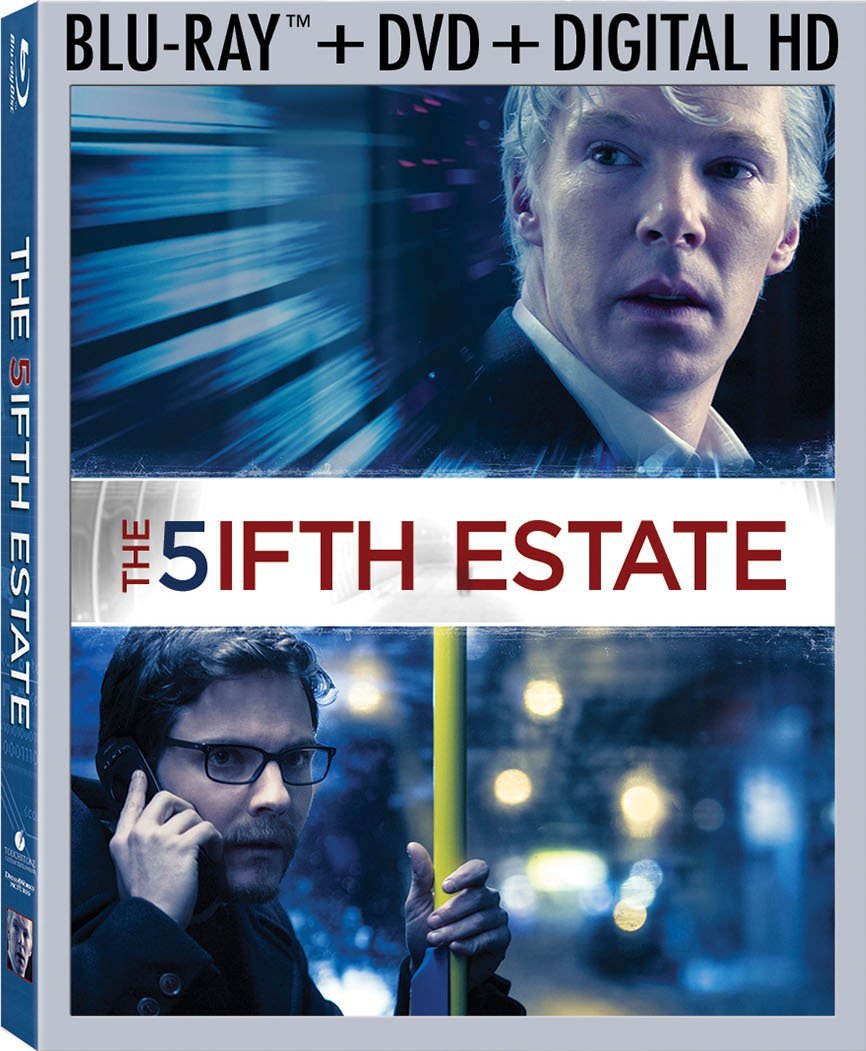
The Fifth Estate is a movie about the frenzy surrounding Wikileaks and Julian Assange. The title suggests there is a successor to the fourth estate, which is the news media (don’t ask about the first three estates since they are church, state and nobility, which may be irrelevant now). I don’t know if anybody knows what a fifth estate is yet, but Wikileaks is a big deal. It is also justifiably considered to be extremely controversial. Wikileaks is an international online organization that claims to protect the identity of any whistleblower trying to reveal classified and secret information with the hope of undermining worldwide corruption. I’ve seen the documentary We Steal Secrets: The Story of Wikileaks and was able to compare that to The Fifth Estate. They are quite different, but in small ways that can add up to a lot.

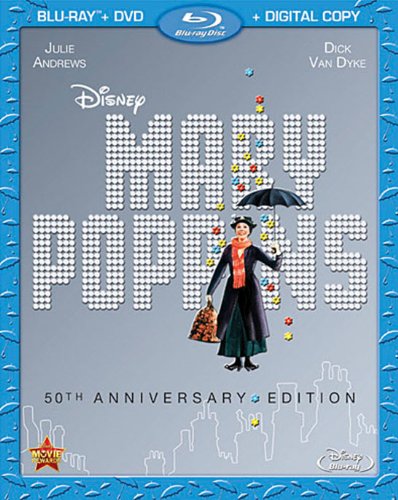
"Wanted: a nanny for two adorable children. If you want this choice position, have a cheery disposition, Rosy cheeks, no warts. Play games, all sorts. You must be kind, you must be witty, very sweet, and fairly pretty. Take us on outings, give us treats, sing songs, bring sweets. Never be cross or cruel. Never give us castor oil or gruel. Love us as a son and daughter, and never smell of barley water. If you won't scold and dominate us, we will never give you cause to hate us. We won't hide your spectacles so you can't see, put toads in your bed, or pepper in your tea. Hurry, nanny! Many thanks!"

And so the call goes out for Mary Poppins. It was 1964 and Walt Disney had a terrible time convincing writer P.L. Travers that Walt Disney Studios should be the ones to bring her flying nanny to life in a feature film. Those trials and tribulations are the subject of a new film out by Disney called Saving Mr. Banks. And so the Blu-ray release of Mary Poppins has been timed to the box office release of Mr. Banks.
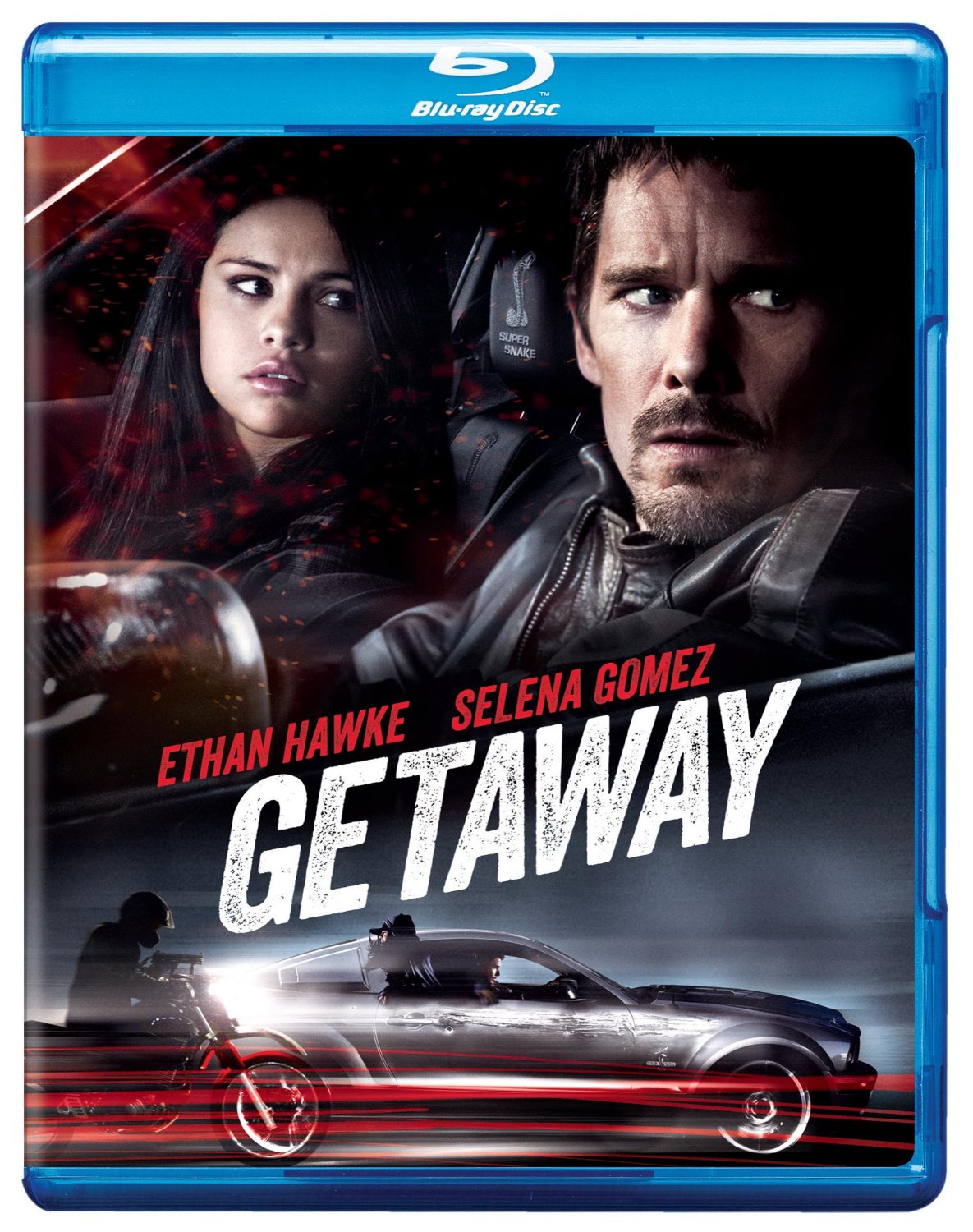
What makes a bad movie? What makes a good movie? The standards are getting lost in murky waters, because many of the critics have no interest in film history and the clear record of what is great and what is garbage. That goes for many filmmakers too. Their standards are what works in the last 12 months and how to try out the latest technology. Unfortunately they often forget the tried and true basics like good writing and good acting. Ethan Hawke gets a lot of these small movies. Sometimes it's a fantastic independent film like Before Midnight (part of a series of films for director Richard Linklater including Before Sunrise and Before Sunset) and sometimes it a genre picture that costs nothing that makes a fortune like The Purge or Sinister. Hawke knows what he's doing. He wants to make every kind of picture, because he knows that's the only way to stay viable. Sometimes it doesn't work out.

Getaway is a simple genre picture made to make people happy. The goal of this movie is to have as many car crashes possible in under 90 minutes. Is that so terrible? Not really, but the problem is that it does get monotonous. There are too many crashes. One wouldn't expect that to be a problem, but it is. I've sat through six Fast and Furious movies, and I thought they were all crap except for the last one. Why? Fast and Furious 6 gave up any pretense of being taken seriously and just went all the way to make the movie fun. They spent a ton of money, but they finally just made the movie fun.