DTS HD 5.1 MA (English)

Day of the Falcon is a photogenic, lavish reminder that violence and strife in the Middle East existed well before it could be broadcast on CNN. The film — set in the early part of the 20th century — also works as a throwback to the sort of rollicking, epic-scale adventure films David Lean was making at the height of his powers and that no one seems terribly interested in making anymore. Don’t get me wrong: Day of the Falcon is no Lawrence of Arabia or Bridge on the River Kwai, but it’s an accetable 21st century substitute.

“The border between the United States and Mexico spans 2,000 miles. It’s also the most frequently crossed land border in the entire world. And that just refers to legal crossings…”

Hundreds of thousands of people — we’re told at the start of Border Run — try to cross that boundary every year, and each of them has a unique story. Unfortunately, the filmmakers botched a great opportunity to explore the thorny issue of illegal immigration in a thoughtful and stimulating way by choosing to tell the most ridiculous and off-putting story they could possibly think of.

“I don’t know if I’m an alcoholic, really, I just drink. I drink a lot.”

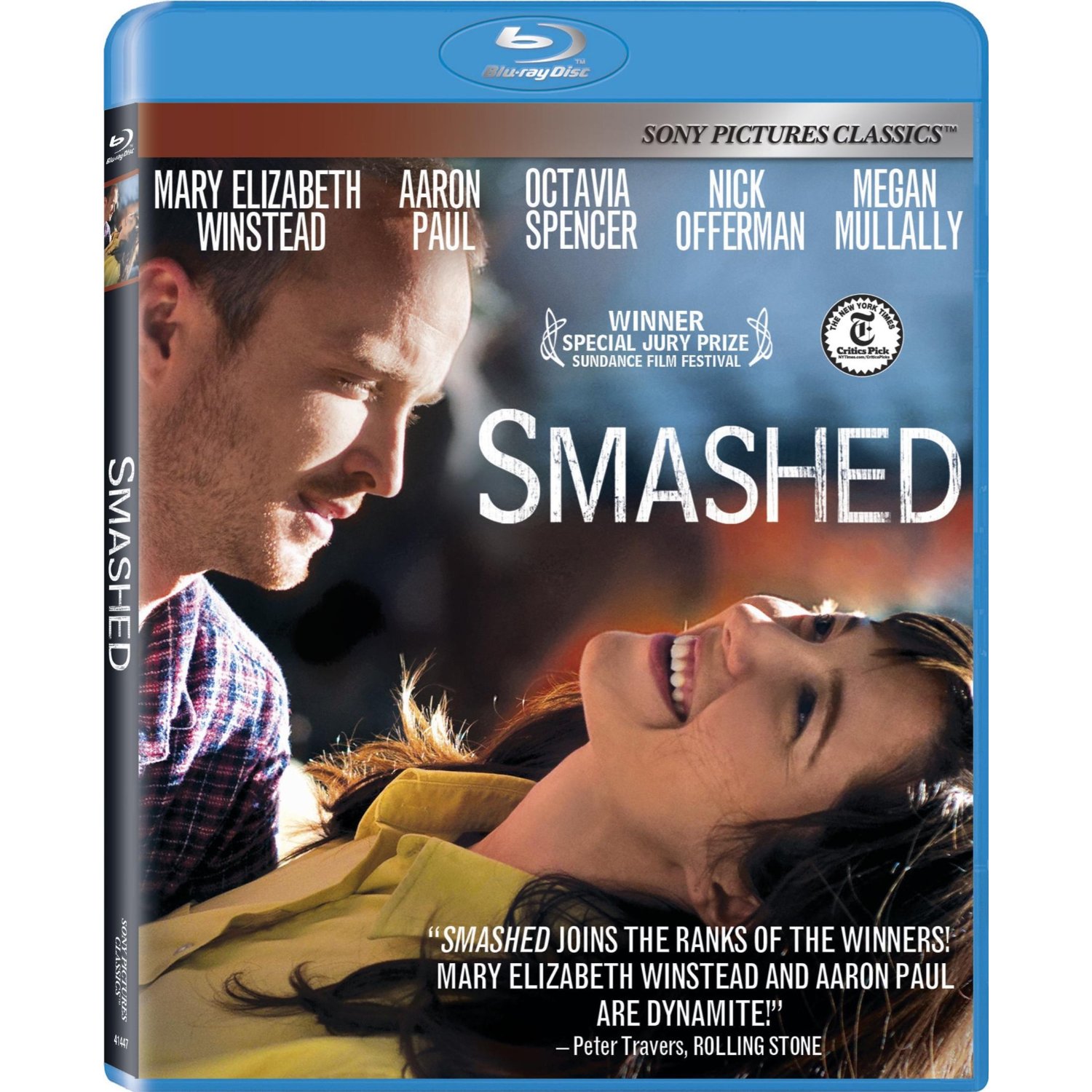
Movies that deal with alcoholism tend to either be relentless downers (Leaving Las Vegas, When a Man Loves a Woman) or use drunkenness as a catalyst for Hangover-style shenanigans and tipsy laughs (Arthur; Dean Martin’s entire act). In other words, drunks on film don’t usually look like Mary Elizabeth Winstead in Smashed, the brisk, well-acted dramedy from writer-director James Ponsoldt.


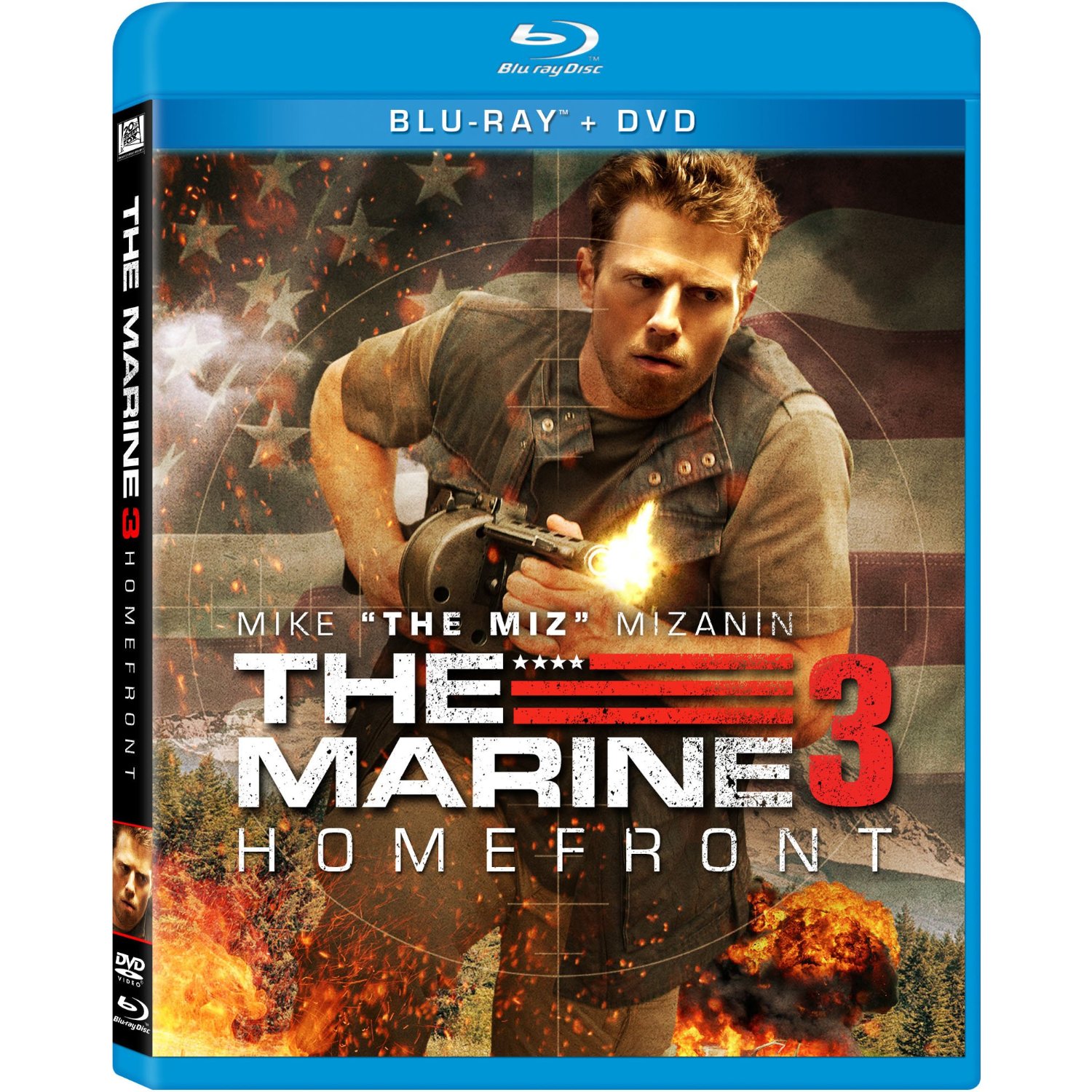
On paper, pro wrestlers are the perfect action movie stars. Their beefy frames and larger-than-life personalities should make them naturals at kicking butt on the big screen, plus the performers are certainly familiar with choreographed combat. (This is the part where I planned to mention that wrestling is fake, but I don’t want to make anybody cry.) Even though Arnold, Sly and their brawny brethren have struggled at the box office recently — and are about 20 years past their heyday — WWE Studios has a sneakily clever thing going with its Marine franchise.

Normally when I see trailers for films about “inspiring true stories” I try to remind myself to avoid that film at all costs.  Sure I’ve seen more than a few of these kinds of films, but that’s the problem with them, once you’ve seen one you’ve seen them all.  When Chasing Mavericks was brought to my attention I was ready to ignore, but then I gave it a quick look at IMDB and to my surprise it had two directing credits, Curtis Hanson (L.A. Confidential, which just so happens to be in my all-time top ten films) and Michael Apted (Gorky Park, Nell, Gorillas of the Mist), and with that my mind was made up. 

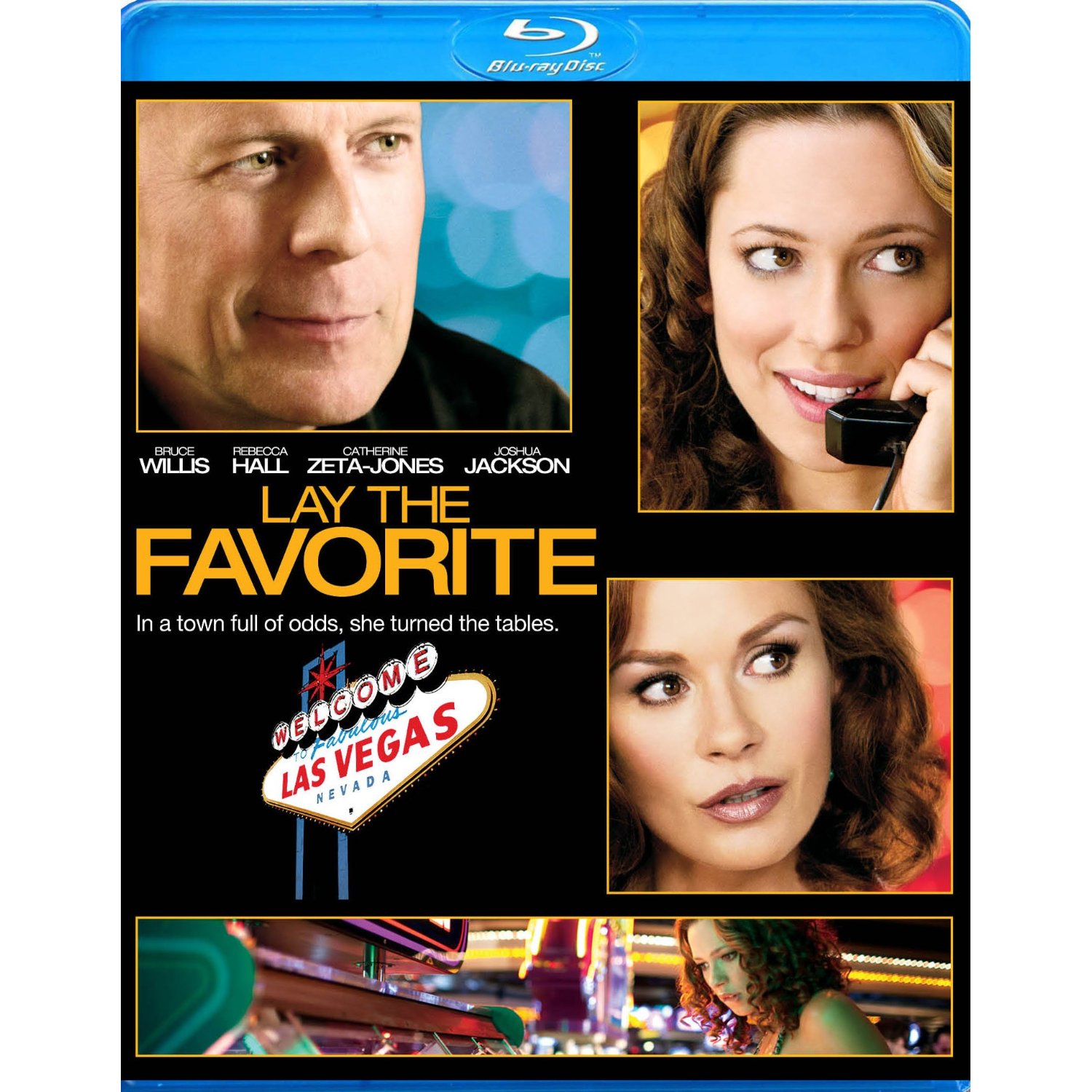
If a movie starring Bruce Willis, Catherine Zeta-Jones, Vince Vaughn and a few other notable names only grosses slightly more than $20,000 — BoxOfficeMojo.com assures us that’s not a typo — does it make a sound? The natural assumption is any film boasting that kind of star power must be pretty bad to be completely ignored by distributors and the movie-going public. Lay the Favorite is a disappointing, low-energy effort, but it certainly deserved to make more money than what A Good Day to Die Hard will probably earn in the time it takes you to finish reading this sentence.

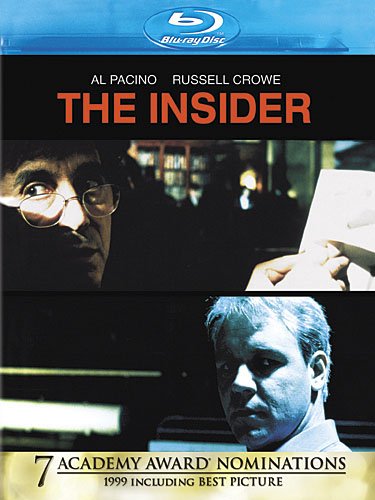
If you were alive at the time, you probably remember watching the seven tobacco company executives testifying in before a Senate committee on the addictive nature of their products. They all raised their hands to swear that they do not believe that nicotine is addictive. It made for great television of the absurd. It was great fodder for the late-night comedy routines, and almost every stand-up in the country found a way to work it into their material. It was the beginning of a changing environment in America toward smoking, in general. Most states have since passed "Clean Air Acts" which prohibit smoking from most public places.

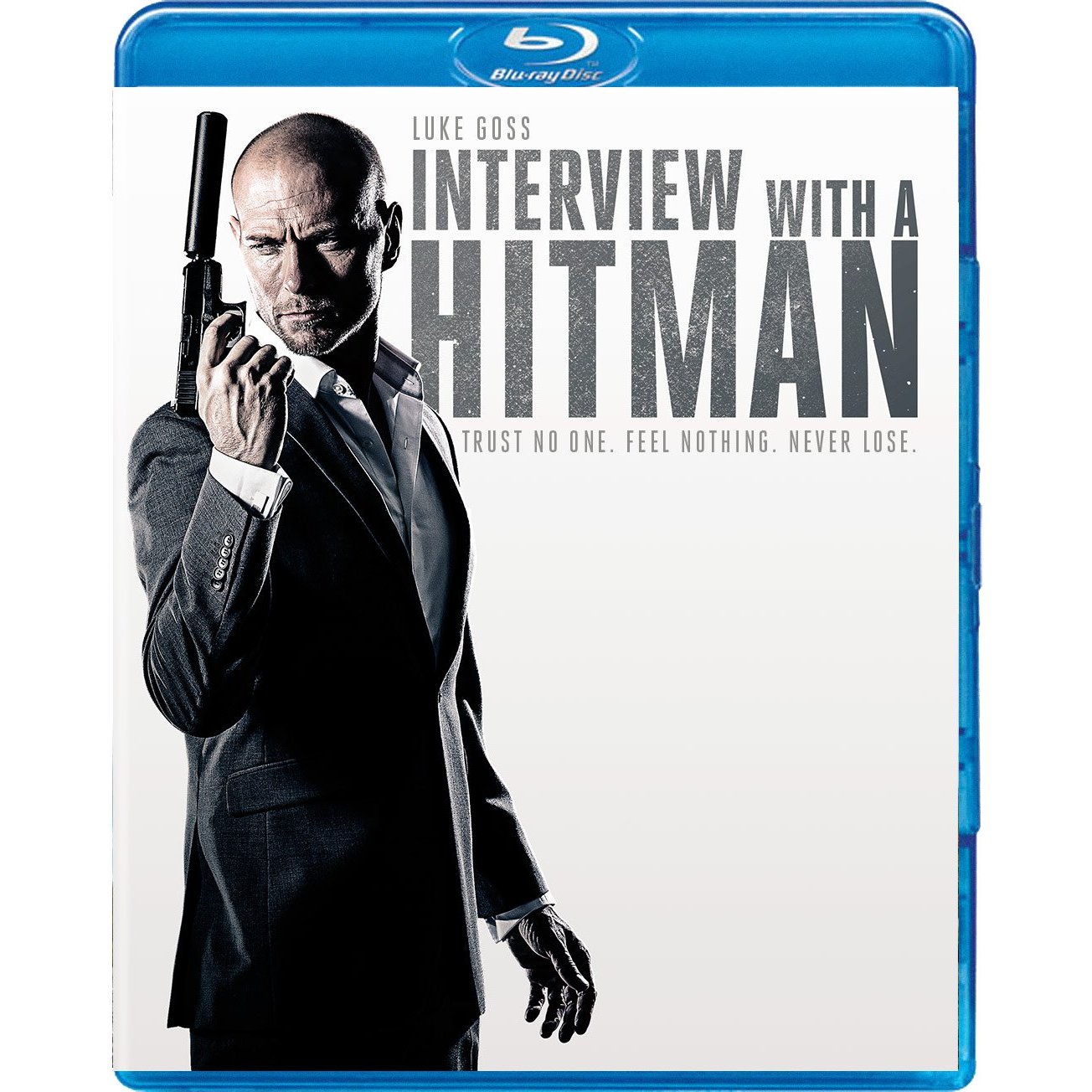
By the time we meet most big-screen hitmen, they’ve already attained the level of badass-ery required to be efficient killers. Far fewer movies take the time to examine the circumstances that result in a person becoming a murdering machine. Interview with a Hitman — a British action offering from first-time writer/director Perry Bhandal — stands out from the pack because it’s a surprisingly thoughtful meditation on the consequences of killing.

If the average civilian had been through the same stresses that you have been through, undoubtedly they too would have developed the same nervous conditions.”

The first time I saw The Master, I really didn’t like it. It was a terrible feeling. I’m a huge Paul Thomas Anderson fan, and Boogie Nights is one of my 10 favorite films of all time. So I walked into that theater excited to see what was being called a landmark achievement: the “Scientology movie” that wasn’t really about Scientology (but actually kinda was) helmed by one of the most talented directors working today.

Ever since Ben Affleck stepped behind the camera and took on the role of director, I’ve found myself not only becoming a fan of his work but believing the man has greatness ahead of him.  When I first watched Gone Baby Gone, I was more than a little impressed; after all, it was his first time at the helm.  But then Affleck released his follow-up film, The Town, and it blew me away.  Sure, there were some great movies that came out that year, but the fact that it didn’t make the list of best picture nominees I just can’t understand.