DTS HD 5.1 MA (English)

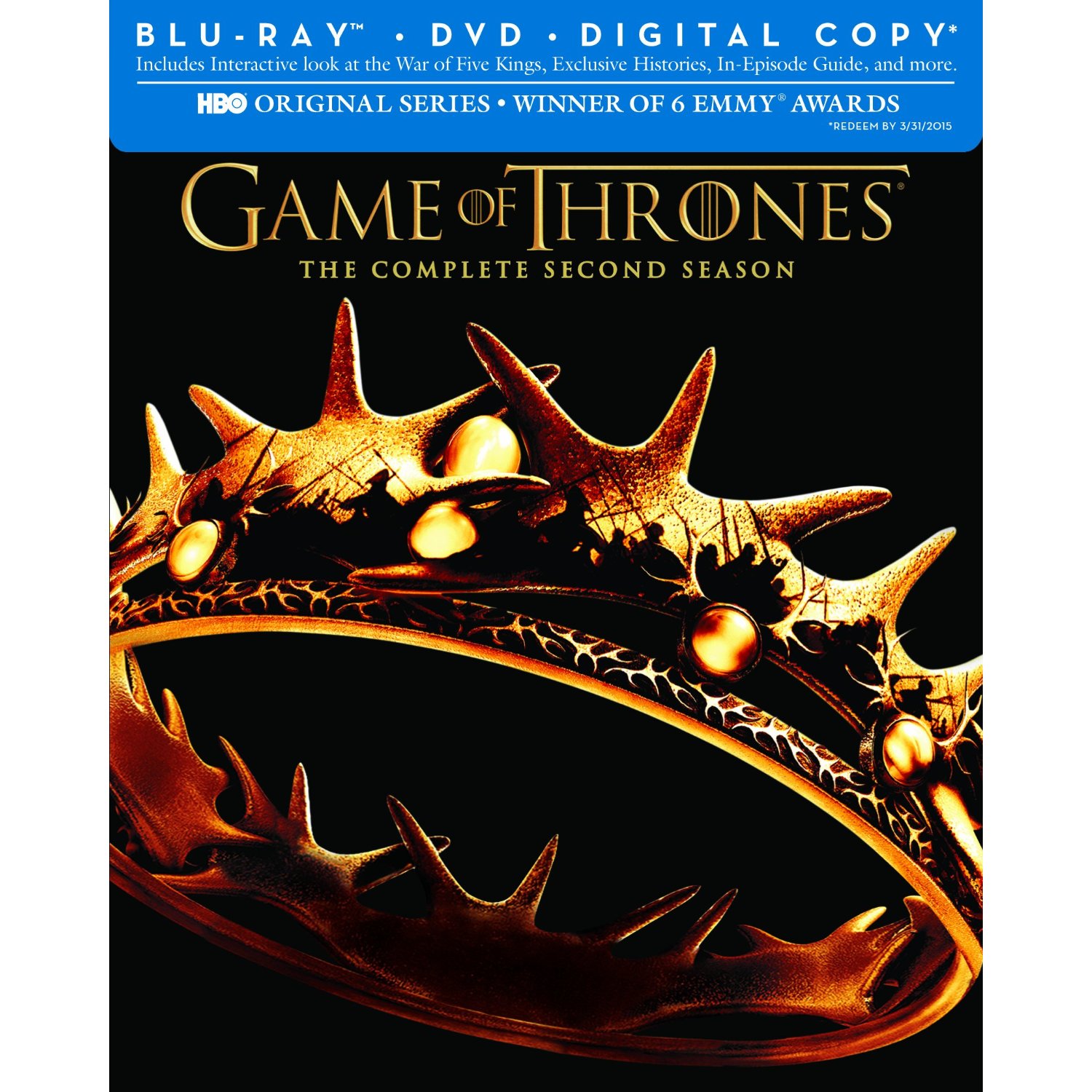
“There’s a king in every corner now.”

Game of Thrones is definitely one of the best shows on TV right now, and it might be the most ambitious television series ever produced. Ambition and quality don’t always go hand in hand. (See, Cloud Atlas. No, seriously…watch it. I’m one of the people who really enjoyed that convoluted mess.) The second season of Game of Thrones — a massive undertaking that took its cast to Iceland and Croatia, in addition to its Belfast base — performed a minor miracle. It deepened, expanded and improved upon an already excellent show.

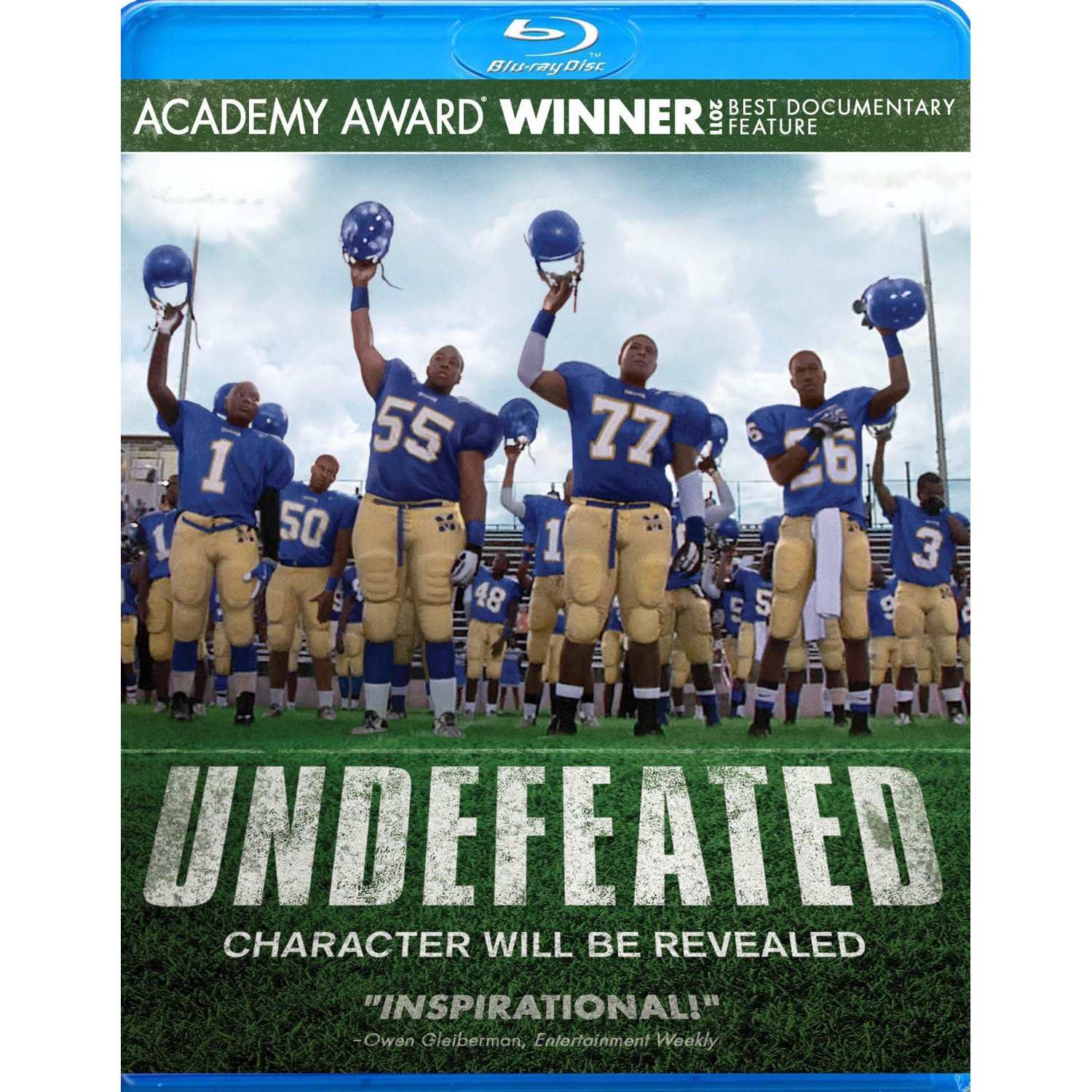
“You think football builds character? It does not; football reveals character.”

The open secret about sports movies is that they’re not really about sports. Most of the great ones use the games people play as a dynamic arena to tell universal stories about struggle, underdogs overcoming impossible odds, greatness and redemption. You don’t have to know a nose guard from a mouth guard to enjoy a football movie. By that same token, Undefeated may chronicle a grueling real-life high school football season, but I wasn’t surprised to see it play out like a lot of fictional sports flicks.

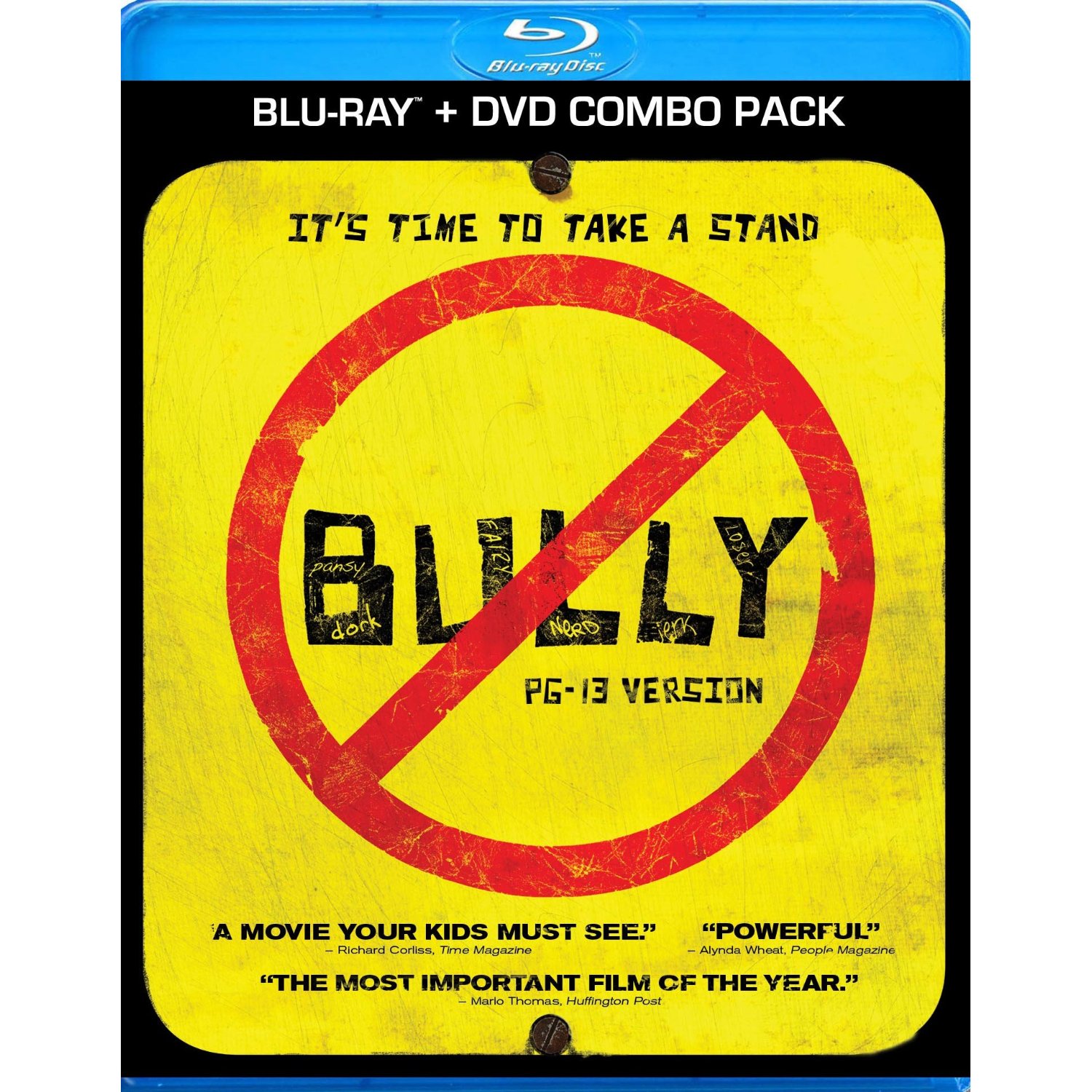
The image of what a bully looks and sounds like has changed drastically in recent years. When you and I were growing up, a “bully” was probably someone who looked like this and demanded your lunch money. Mean Girls came out less than 10 years ago; but if Tina Fey were trying to get the exact same movie made today, she’d probably have to deal with notes from a nervous studio exec worried that the Burn Book would drive one of the characters to suicide.

Bully — director Lee Hirsch’s heartbreaking and intensely-personal project — has lofty aspirations. In presenting five affecting stories of abuse that don’t necessarily involve black eyes or bloody noses, the documentary seeks to eradicate bullying by inspiring and educating the current generation of elementary, middle and high school students.

You don’t usually get too many legendary (and wildly polarizing) filmmakers coming off the biggest hit of their careers — unadjusted for inflation, of course — at age 77. Yet that’s exactly where Woody Allen found himself with To Rome with Love, his pleasant, witty, not-at-all-groundbreaking follow-up to Midnight in Paris. The writer-director originally named this film The Bop Decameron before changing it to Nero Fiddled. I’m guessing somebody (smartly) figured the suddenly buzzworthy director’s next film should have a less esoteric title; and if there was a way to incorporate a European city into the name, even better.

Luckily, the film’s more genetic moniker is actually a much better fit for this simple, engaging collection of stories set in the Eternal City. The movie is comprised of a series of parallel vignettes, but I really wish the director had found a clever way to connect these stories beyond the fact that they’re each set in contemporary Rome.

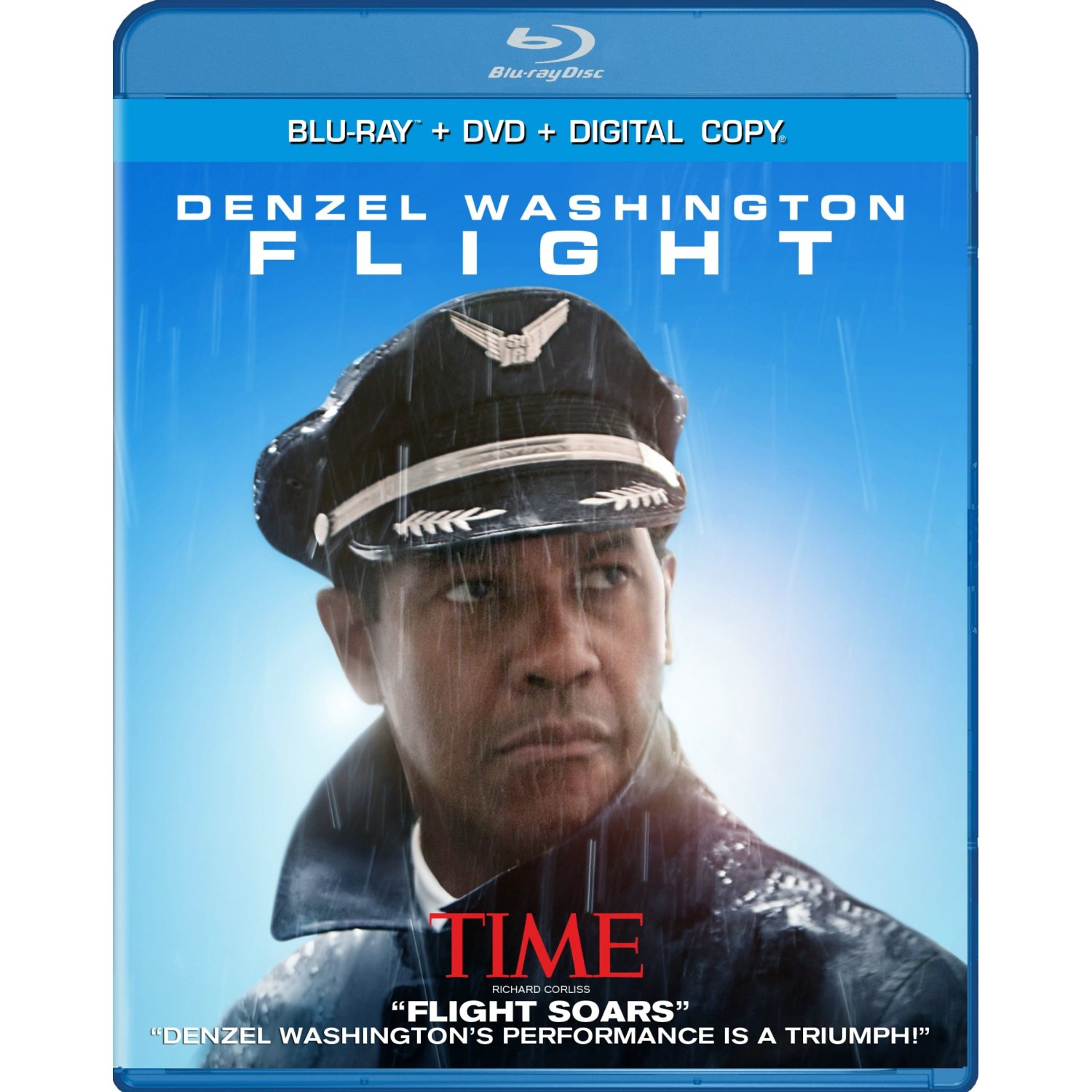
Can a scumbag also be considered a hero? Lance Armstrong fans probably mull that question each time a new, unsavory revelation about the now-disgraced cyclist comes to light. The issue was addressed in 1992’s Hero, which starred Dustin Hoffman as a low-life who saves a group of passengers on a crashed airplane. Flight also takes to the not-so-friendly skies to examine whether it’s possible to reconcile a lifetime of destructive behavior with an extraordinary act of valor.

You wouldn’t necessarily guess that from the film’s punchy trailer, which painted Flight as a cynical gloss on the Sully Sullenberger story. (The movie’s protagonist even has a similarly folksy, alliterative name: Whip Whitaker.) Instead, Flight is an R-rated drama that presents one of the most unflinching portrayals of drug and alcohol addiction you’re likely to ever see in a mass-appeal film from a big-time director and starring one of the world’s most famous movie stars.

No matter how much you hated Prometheus — parts of it were startlingly dumb, but people who seriously talk about it like it’s the worst film of all time need to take a deep breath — Ridley Scott has a pretty strong case to be included on any list of Top 10 Living Directors. His work has helped redefine genres (Alien, Blade Runner, Gladiator) given us indelible images (that final still from Thelma & Louise) and even provided a few smaller-scale delights (Matchstick Men is my favorite of this group). So I’m proposing we take a quick break from trashing his last movie to discuss his very first one.

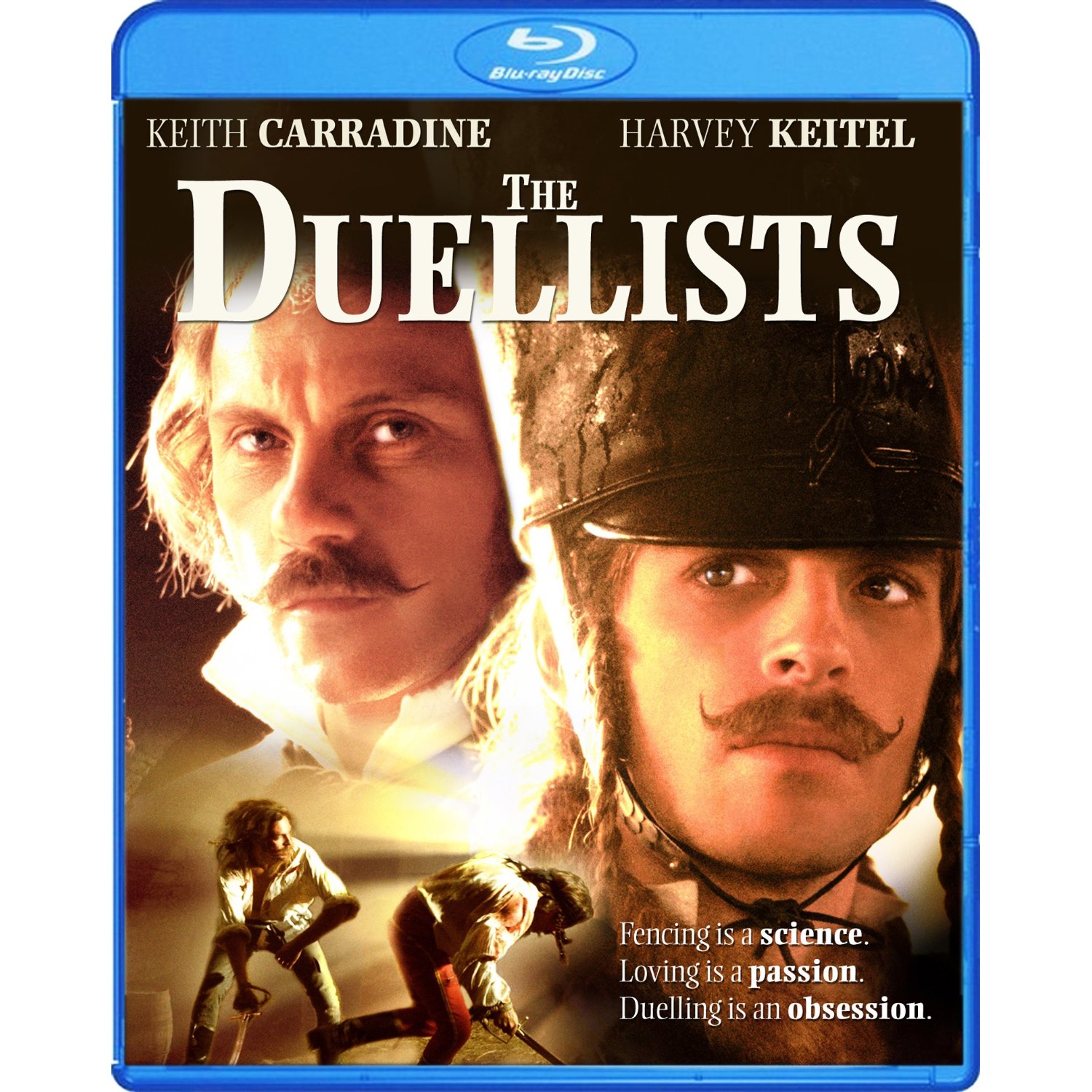
The Duellists follows a pair of officers in Napoleon’s Army during the early part of the 19th century. The film opens in Strasbourg with the mercurial Lt. Feraud (Harvey Keitel) critically injuring the mayor’s nephew during a duel. An even angrier general orders the dutiful Lt. D’Hubert (Keith Carradine) to place Feraud under arrest. Feraud is an avid duelist and thinks he did nothing wrong, so he feels insulted by D’Hubert's accusation. The fact that Feraud is with a woman when D’Hubert arrives to arrest him only adds to his embarrassment. Naturally, Feraud has no choice but to challenge D’Hubert to a duel.

How exactly do you make a superhero movie without the powers? Answer: Have them wake up with their powers being stripped from them. All Superheroes Must Die is a superhero tale that from the title you can tell is fated not to end in the traditional way that superhero films end: with the righteous prospering and the wicked suffering. What the film title doesn’t let you know, however, is how underwhelming the film is. It does have an interesting startup, I’ll give it that. Our heroes: Charge (Jason Trost, writer/director), The Wall (Lee Valmassy, THE FP), Cutthroat (Lucas Till, X-Men First Class), and Shadow (Sophie Merkley) wake up in an abandoned town (I have to be honest; I didn’t understand many of the chosen monikers). Seeing each other comes as a shock to each of the heroes as the once-powerful unit has been separated for what the audience is forced to assume is years. Personal issues forced them apart, and now a common enemy has brought them back together: Rigshaw, a methodical sociopath with an axe to grind against the group, especially Charge, who was thought to be responsible for his supposed downfall.

Rigshaw has created a complex series of trials for the team heroes to go through, the objective for them to experience what it is like to be on the losing side for once; a series he has aptly named Role Reversal. To survive the game and save lives, the heroes will have to get past their differences and work together, but will they be able to let go of the past and work together, or will their past be the deciding factor in their destruction?

Here’s the thing. Fans of the franchise should be pleased with the latest entry. The series has been a solid October tradition for some time now. When you consider the low cost of creating one of these films with the proven box office numbers, this was all really a no-brainer, to say the least. You’re going to get more of what you are expecting, and the film throws in enough new angles and tricks to keep the idea as fresh as possible. However, there is a flip-side to all of this. I don’t think it’s very likely that you can enjoy this film quite so fully if you have not seen any of the previous films. The history is of vital importance if you’re going to appreciate where all of this is going. That isn’t to say newcomers won’t be entertained. There are enough jumps and shocks to have a relatively good time. Still, if you haven’t gotten yourself caught up in the franchise’s mythology, you might want to make that effort before going to see this film. It was my intention to watch the first three again before I saw this one. I couldn’t find the time. I wish I had. I did see the first three films, and I still feel like I needed to refresh myself before the journey into number four. Alas, that was not meant to be, and this review will suffer somewhat because of that. I very strongly encourage you to take in the story so far before venturing to your local multiplex.

You say you don’t have the time either? Here’s a quick history lesson to get you caught up. You should be warned that here there be SPOILERS of the first three films:

We've seen action films like Taken enough times that we've become a little immune to the formula. But then again, Liam Neeson wasn't your typical action figure, and so the movie was able to take audiences by surprise. It's not that Neeson hadn't already established himself as a fine actor. He just didn't fit the mold we are so used to seeing. Things have changed in the couple of years since Taken had its box office run. Neeson has now done more action films, and he's started to look more the part. The clever antics of the first film are now behind us, so a sequel isn't going to really be able to take us unaware again. And perhaps that, more than anything else, is the reason Taken 2 comes across as a bit of a disappointment.

The story itself is one of the most clever I've ever seen in an action film sequel. How many times do we watch an action hero rack up the body count in his or her quest to save the day? There's enough shooting in these films to give Uncle Joe Biden nightmares. Sequels come along and our hero is back in action against new bad guys. But what about the aftermath of the first film? Don't these guys have friends and family who might take it badly that they were killed? Of course they would, and Taken 2 starts with that very premise.

Anytime a horror film is released with a religious element, I can’t help but be a little interested.  The film that first won me over for this sub-genre was, of course, The Exorcist, and ever since seeing that film I keep hoping that one day a film will hold up to it in quality, but it seems I’ll be waiting a while.  That’s not to say there haven’t been some good films to come out along the way.  The Possession is one of those valiant attempts that brings something fresh to the genre but never quite reaches its full potential. Before going into this film I was familiar with the “true story” surrounding the Dibbuk box, and I’ve always felt if there was ever a story to rival The Exorcist or The Omen, it would revolve around this box.  I don’t want to get into the history of the box because most of the story has little to do with the movie, and in my opinion that is part of the reason this film falls short of what could have been.

The film opens as an elderly woman approaches the cursed box to destroy it.  Unfortunately for her the box knows what she is up to and punishes her for it.  She is violently tossed around her living room as though she were nothing more than a rag doll; outside her son stands unaware of the punishment she is taking.   It’s clear this unseen force is powerful, but what is it?