Drama

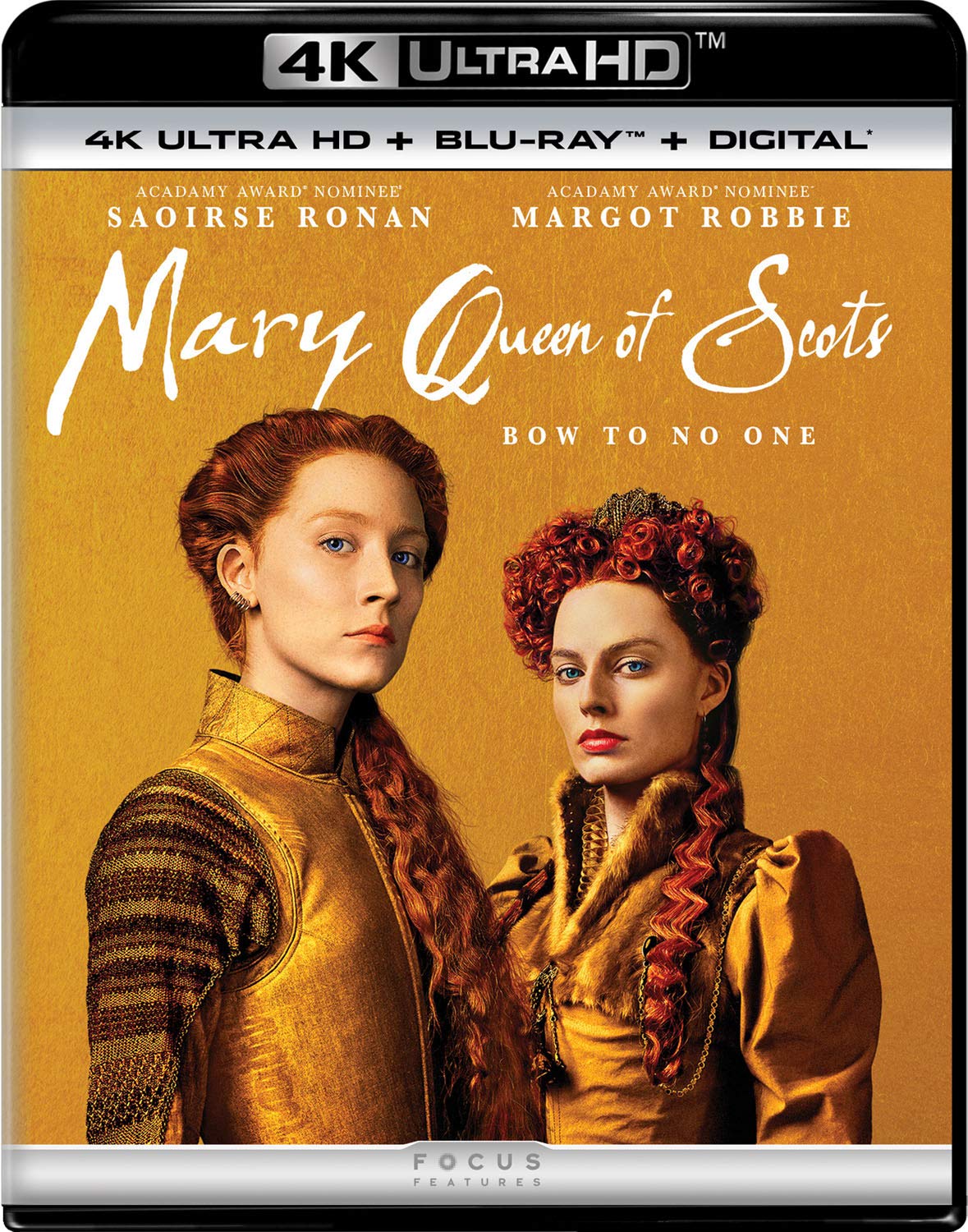
At first glance, Mary Queen of Scots has all the makings of a film you’d expect to be nominated for numerous awards; after all, it’s a period drama that showcases some remarkable performances from Saoirse Ronan and Margot Robbie.  Unfortunately this retelling of the story between Queen Elizabeth (Robbie) and Queen Mary (Ronan) is bogged down with its politics and the struggles these women have being leaders while their differing religions present a conflict preventing them from ever working together.  Let me just jump into this and attempt to sort this film out.

For those who are not history buffs, I won’t disclose who it is that we see in the opening moments of the film as they are being led to their execution.  It’s an odd way to open the film; despite it being historically accurate, it just seems a bit off-putting.  The film then takes us to Mary arriving in Scotland to claim her throne after being away in France.  At the same time Queen Elizabeth has been ruling over England and Scotland; since she hasn’t married and has no children, it is Mary who is ready to take on the reins of becoming the heir to the throne of England.  This is the start of many squabbles between the two queens, where we see their relationship dissolve from a unique sisterhood to the pair becoming envious of one another.  Basically how most families are, only without the royal labels.

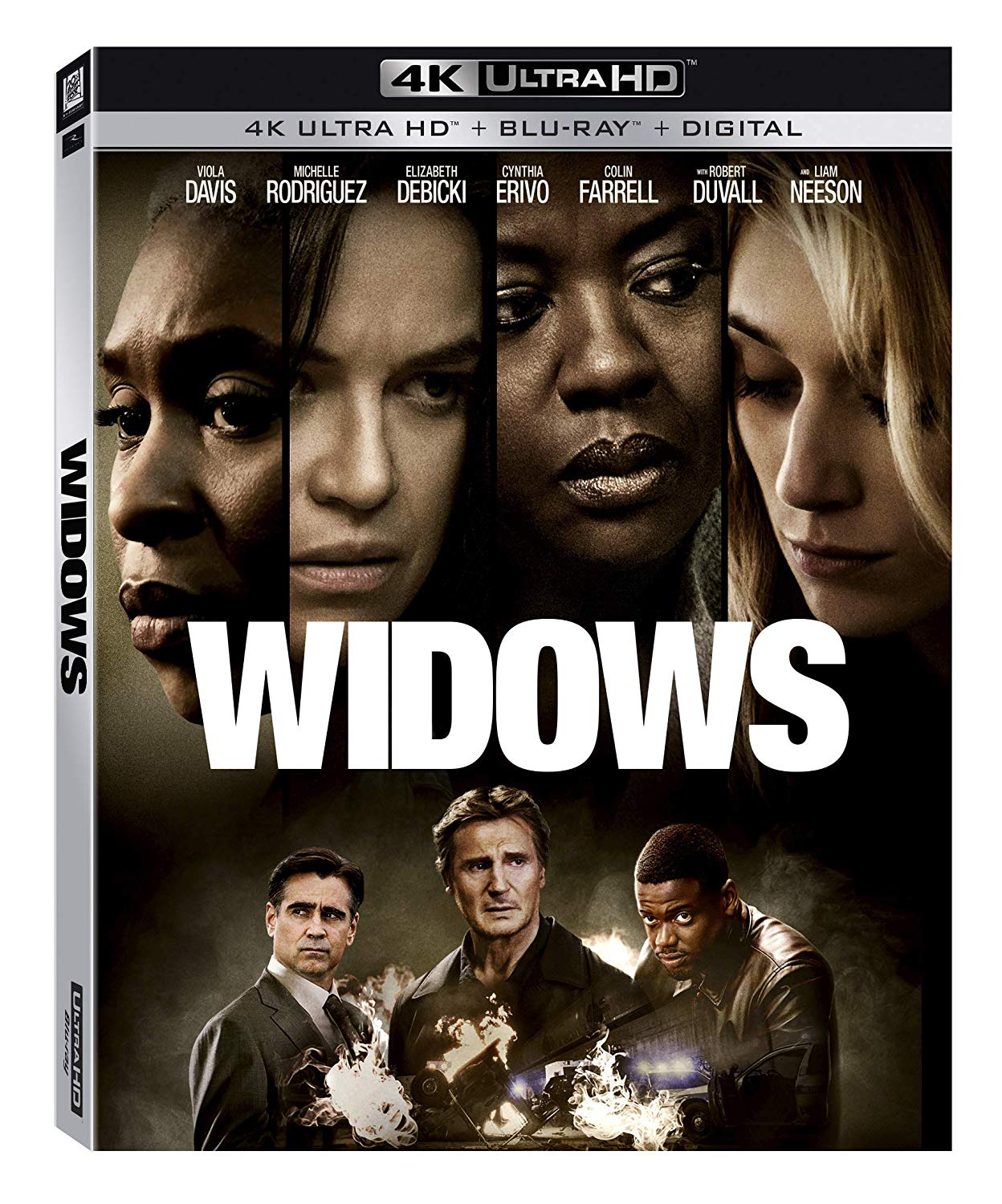
Steve McQueen has established himself as a rather talented director. 12 Years A Slave was one of the better films of 2013 and one of the few times I happened to agree with the Oscars’ choice for Best Picture. When he tackled the heist format, I expected something unique, and I wasn't at all disappointed. McQueen managed to put a clever spin on a tired genre and provide us with a superior and inspired cast. It wasn't all completely his idea, of course. The film is based on a Canadian miniseries that goes back to the 1980's. That doesn't mean he hasn't found a way to imprint the material with his own style and bold choices. There's a lot to love about Widows, but I have pretty low expectations for this film at the box office. More on that later. Let's get down to it, shall we?

Harry Rawlings (Neeson) is a career criminal. His wife Veronica (Davis) knows where the money comes from, but she's willing to feign a great deal of ignorance to the fact, because she has become used to the comfortable style in which they live. But it all comes crumbling down when Harry's latest heist appears to go horribly wrong and Harry perishes in an explosive encounter with the police along with his entire crew. Now Veronica is feeling the grief that comes with the death of a spouse, but there's more to deal with than that. The man Harry and his crew took down was a gangster by the name of Jamal Manning (Henry), who has taken a dip into politics. He's going up against the corrupt Jack Mulligan (Farrell), who is running to take his father's alderman seat. Manning's $2 million war chest was Harry's target, and the money appears to have been destroyed in the explosion that took down the crew. Now Manning has gone to Veronica and has given her one month to refund his money.

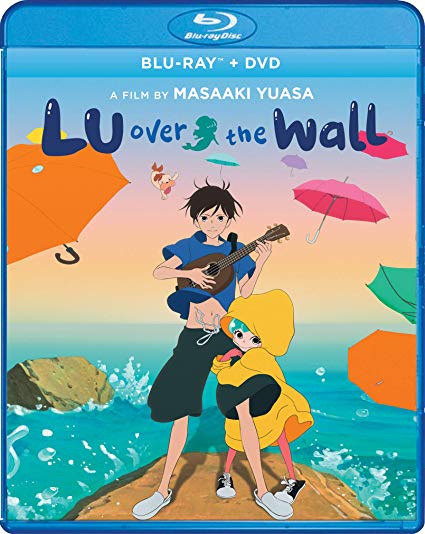
It is interesting to see two or more of a director's works in a short period of time.  One sees similarities, differences, and how the filmmaker hones his craft as they improve with every production.  Masaaki Yuasa is certainly one of those directors, and if you enjoyed my review on Night is Short, Walk on Girl,  then you will want to go ahead and read my review today on Lu Over the Wall.  While there are similarities, I can safely say that is quite the departure from the previous film.  Let us take a look in the animated world of merfolk and the people who live around them.

A boy taps his fingers next to a microphone for an Internet streaming session as we read the comments below his video.  There seems to be a lot of interest below his post including the potential for some band-mates should he ever want to expand his horizons.  We soon meet the boy named Kai as he shuffles downstairs to have breakfast with his grandpa and father.

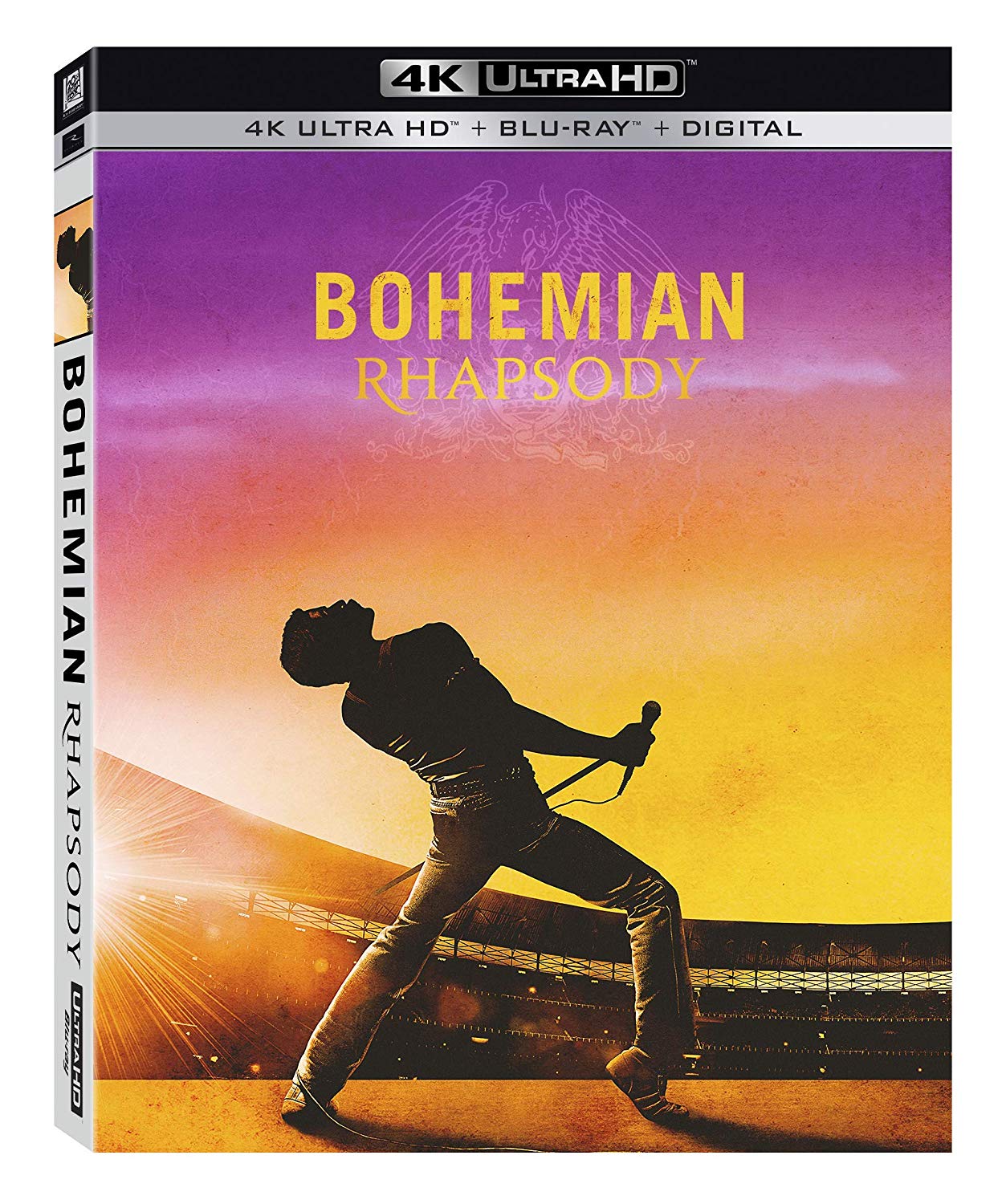
"Is this the real life or is this just fantasy?"

I think even Queen's biggest fans might have trouble distinguishing between the two in the Freddie Mercury/Queen biopic Bohemian Rhapsody. And that's absolutely OK. If you look at the film's trailers, the movie looks less like a bio-film and more like a celebration, and that's exactly the kind of experience you're going to have from beginning to end. I'm sure that a lot of film and Queen fans shared more than a little skepticism over the project. I know that I certainly did. But all of that magically disappeared when the first trailer hit the internet and we all watched in amazement as actor Rami Malek appears to be channeling the manic spirit of Queen front man Freddie Mercury down to the smallest detail. Suddenly I believed that everything was going to be OK. But just as our hopes and expectations were about to hit the ceiling, the film started gathering controversy after controversy like a snowball rolling down a steep hill in the winter. Everyone already had an opinion before the film was even finished. For months the web has been filled with issue after issue, and it all seemed to threaten the buzz we all got from the trailers. We're going to talk about those issues, to be sure. If you let any of that filtercrap keep you from checking out Bohemian Rhapsody, you're going to be missing the next best thing to actually seeing Freddie and the boys live in concert. Since that's not going to happen, this is where you want to be.

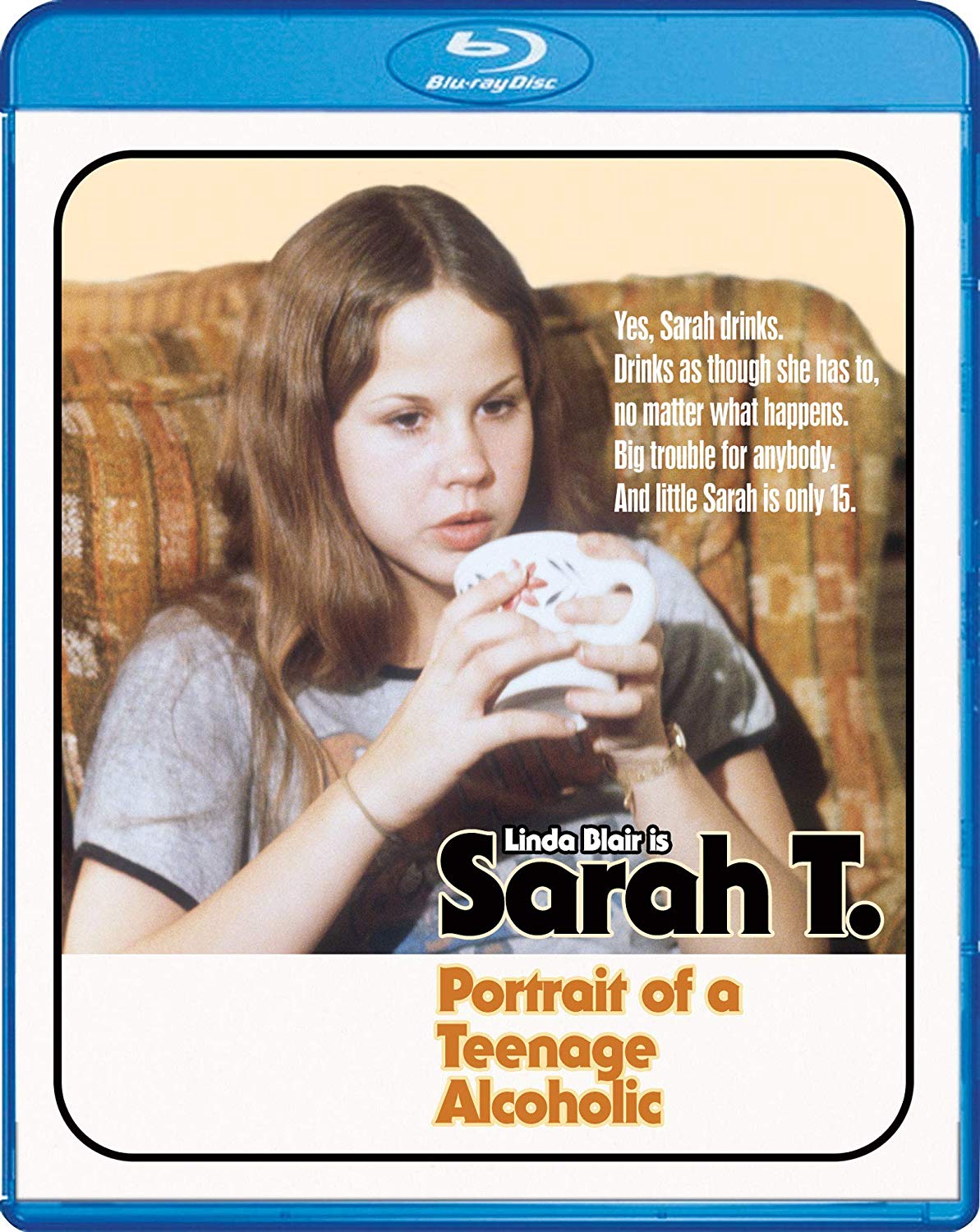
As with probably most people in this business, I am indeed addicted to the concept of collecting movies.  It should probably come as no surprise that I have well over 1,000 movies in all disc-based formats.  Anybody with a rational mind should question why I have to own all the movies in a given series.  Yes, I own Darkman 3, Hollow Man 2, and Bloodsport 4, among other strange and utterly awful movies.  But somehow despite that completion-ist mindset, my addictions and OCDs pale in comparison to a deadly drug such as alcohol, a drug that can overtake your life and kill you in an instant.  Our review today takes us to a TV movie from the 70's named Sarah T: Portrait of a Teenage Alcoholic.

We start with an upbeat commercial showing a bunch of teenagers having fun with a Courey's Beer.  Then we get some cold hard facts from the time period.  There are 500,000 pre-teen and teenage alcoholics.  Three in four teenagers have had a drink, 1 in 20 have a serious problem with alcohol, 1 in 10 of those people will become an alcoholic.  But it certainly makes you popular and easygoing with your friends, or at least that's what they say, anyway.

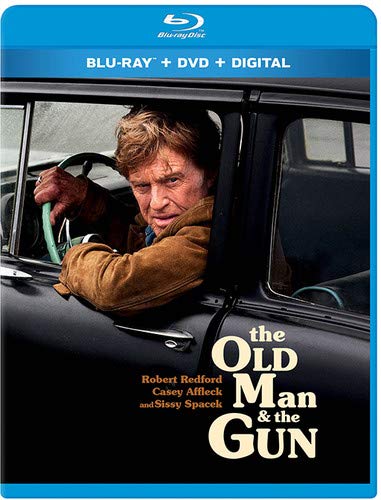
When Robert Redford first announced that The Old Man and the Gun was going to be the last film he was going to be acting in, it became a film that shot to the top of my must-see list.  Since that announcement he’s backed off on his comment, but if this were his last film, this would be one heck of a way to close out an amazing career. What writer and director David Lowery has delivered here is sort of a love letter to all of Redford’s greatest hits, and by the time the credits end, well, you simply know you’ve watched something special.  It’s a film from another era, when special FX didn’t come out of a camera and cinema just was different.  Most of all this film reminded me why Redford will always remain a cinematic icon, but what was missing here is the void Paul Newman left behind.  This would have been a perfect film for them to both be in and ride off into the sunset together, and it’s a reminder of how many greats we have lost and those other greats who may not have passed, but it seems Hollywood just doesn’t seem to have a place for anymore.

The film is mostly a true story based on the criminal Forrest Tucker (Redford), who has spent his life in and out of prison. He’s been incarcerated 18 times, and each of those times he’s managed to find a way to escape.  But the film isn’t about his entire life, but instead about when his criminal life may be coming to an end.  When he meets Jewel (Sissy Spacek), he’s actually on the run after a bank heist, and he pulls over on the highway to help her when he sees her car is broken down.  Of course it seems this is just a tactic to throw the cops off his tail, but the more he talks with Jewe,l you can’t be sure if that twinkle in his eye is part of the con or if he is sweet on the woman.

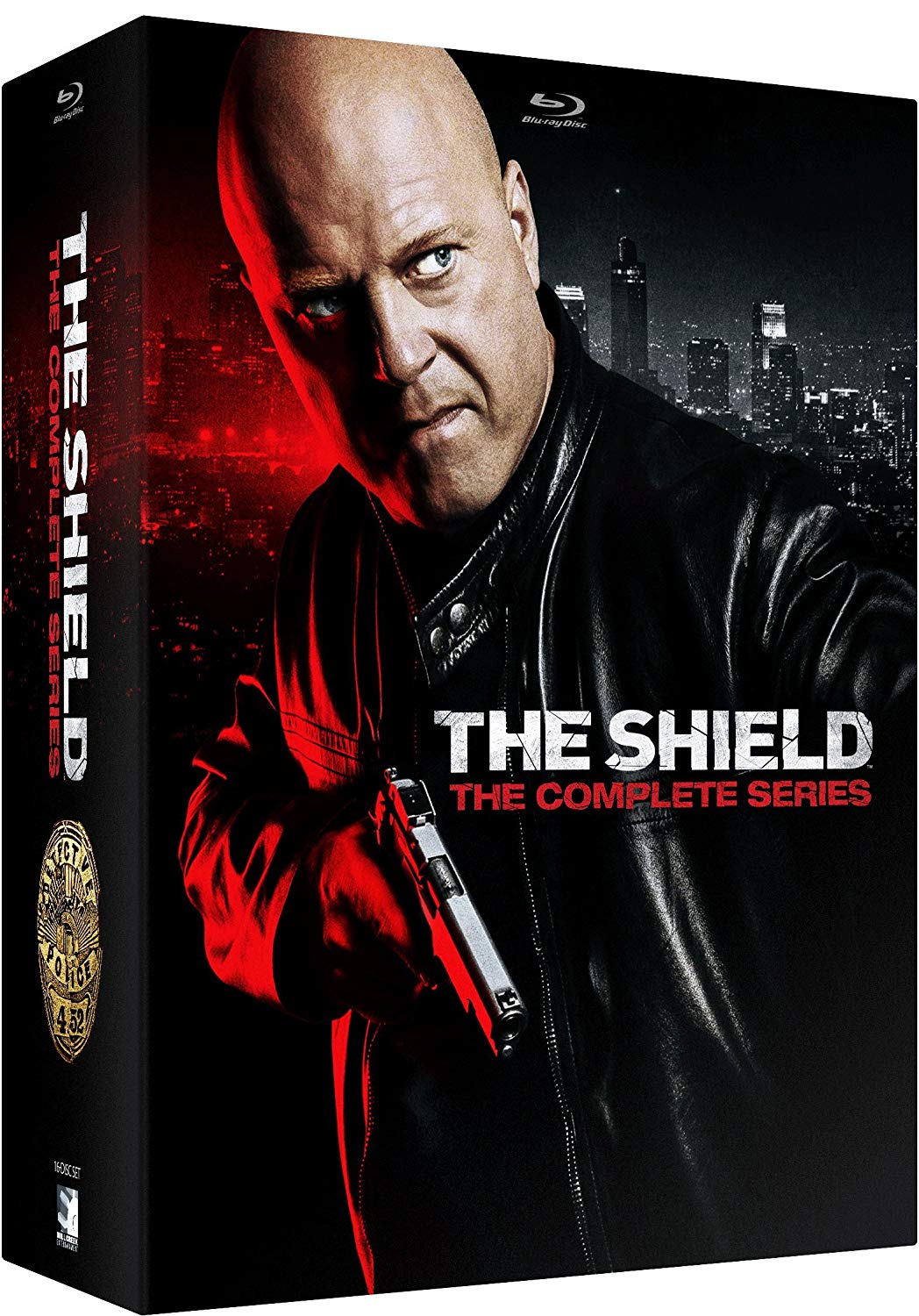
When did it become mainstream to root for the bad guys? Certainly our pop culture has been propagated with colorful villains since Shakespeare, goons we love to hate or even just love. Still, the rule always seemed to be that the white hats always win and the black hats get what’s coming. Television once demanded that shows follow that simple code. When Alfred Hitchcock did his television show, the stories often ended with the bad guys appearing to win. To comply with the code, he developed a habit of offering us a usually humorous sidebar about the unfortunate fate of the stories’ bad guys. It became a trademark that was created to keep to a moral code. But when did all of that change? Was it with The Sopranos? We all became enamored by this lovable teddy bear of a guy in Tony. We don’t have to spoil it by pointing out he’s a killer, adulterer, and all-star criminal sociopath. The Shield places us squarely in that same situation. Vic Mackey has a lot in common with Tony Soprano. He’s guilty of the entire litany just made. But he wasn't the first dirty cop we rooted for. Dennis Franz created two of the best between Hill Street Blues and NYPD Blue. He was as brutal as they come. But even Buntz couldn't kill a fellow cop in his unit or even worse. So why do we love him so much?

The answer most certainly lies in the compelling writing both of these shows share. Perhaps we’re not so much in love with Tony or Vic, but the stories that are told around them. It just might be that superior drama rivets us to our sets. We root for the bad guy because, to be frank, when they go down, the ride’s over. As with The Sopranos, we don’t want our moments with The Shield to end. Therefore Vic simply has to stay just one step ahead of his just desserts, or the story's over. It finally did end, but Mill Creek has brought Vic back, and he's as good as he's ever been. But now he's in HD and on Blu-ray. This is the kind of show binge-watching was invented for. I dare you to watch just one.

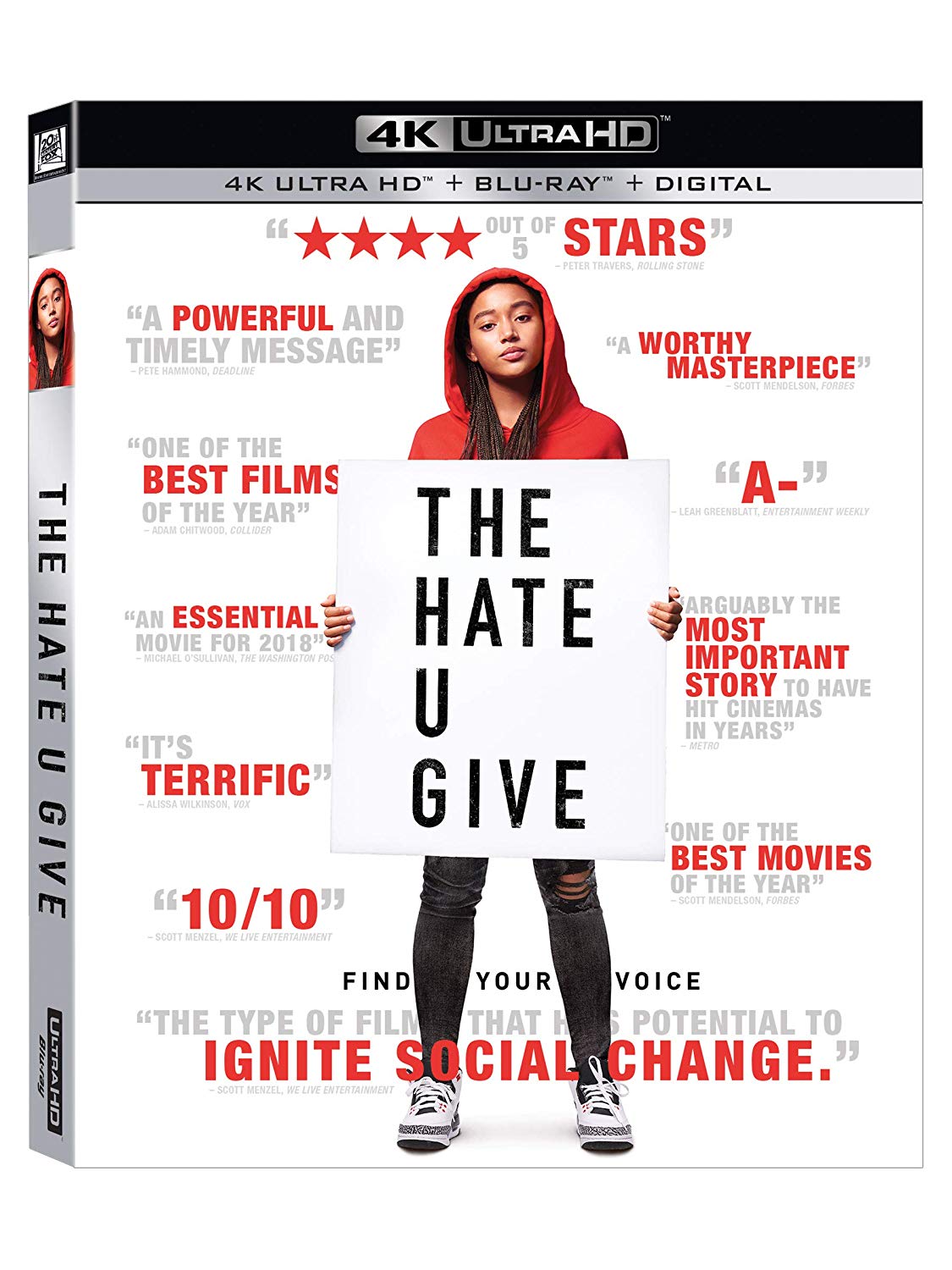
“You ready to stir some s--- up?”

In The Hate U Give, the fatal shooting of a young, unarmed black man by a police officer serves as the catalyst for a story about racial identity, police brutality, and much more. The film features some undeniably powerful performances and moments that, quite frankly, spoke to me on a personal level. The problem is that as the story’s level of outrage rises, the movie itself becomes more outrageous and harder to take seriously.

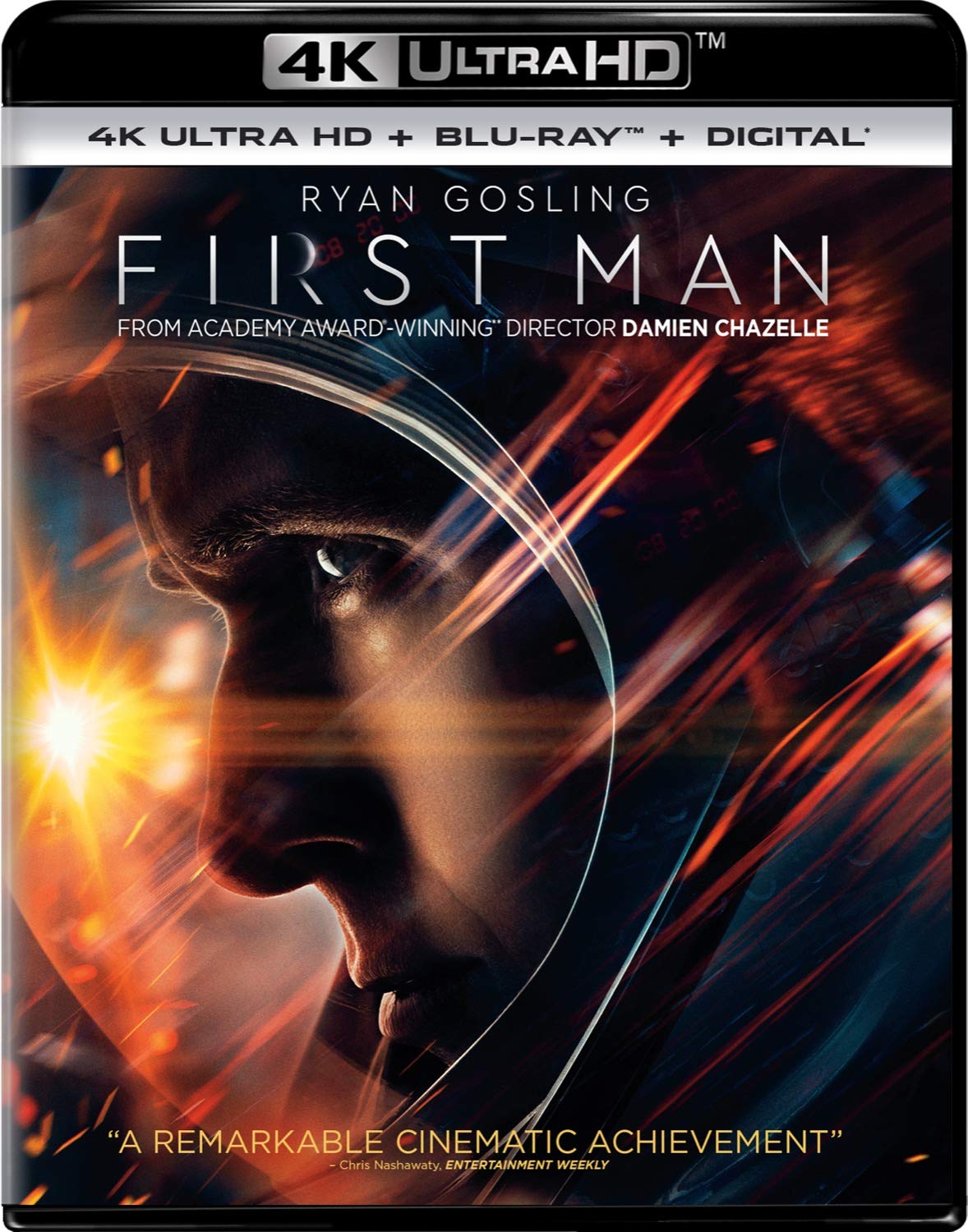
"That's one small step for (a) man. One giant leap for mankind."

July 20th, 1969. If you were alive and even somewhat old enough to be aware of your surroundings, you likely still remember that date. There are many such dates in history; unfortunately so many of them revolve around tragic events like 9-ll or the attack on Pearl Harbor. But on that night I was eight years old, and I know exactly where I was. I was watching Walter Cronkite on television as he brought us the first landing on the surface of the moon. Today that's a bittersweet memory. For an 8-year-old boy it was a promise that has remained unfulfilled. If you had told that 8-year-old who just saw humans walking on the moon that 50 years later we would have gone no further, he would have been dumbfounded. If you told him that not only would we go no further but that we would stop going to the moon in just a few short years, he would have been devastated. I can only imagine what that first man on the moon thought about it all so many years later. The truth is that Neil Armstrong never traded on his celebrity. He kept mostly to himself for the rest of his life, and perhaps the only tragedy larger than our abandonment of the pursuit he risked his life for is that we know so little about the man whose name lives with the likes of Columbus. He's almost a forgotten hero. That's why First Man is such an important film that almost lives up to that legacy.

John Travolta is one of those guys I like, but it seems like it has been ages since he’s done a great film.  Sure, he was great in The People vs. OJ Simpson where he played attorney Robert Shapiro, but apart from that role, it’s been a while since we’ve seen Travolta really make a splash at the box office. Personally I love seeing the guy on screen. Blow Out, Get Shorty and Pulp Fiction are just a few of my favorite films that he has been in, and I keep hoping his career will bounce back, but unfortunately it doesn’t look like it’ll be happening any time soon. Speed Kills is a film that has a story that is oozing with so much potential that if it were put in the hands of Brian De Palma or Michael Mann you could almost guarantee this film would be destined for greatness.  Unfortunately the result is a frustrating mess that manages to make boat racing and drug smuggling in the age of the “cocaine cowboys” seem boring.

One of the film’s biggest faults is to open where the story ends, where we see Ben Aronoff (Travolta) being the target of a hit.  The film then wants to take us back in time, where we have Aronoff narrating his story of how he had his rise and fall in Miami that reeks of a bad imitation of Henry Hill from Goodfellas.  Seriously, in less than 10 minutes this film manages to sabotage itself, and it doesn’t get much better from here.  This isn’t Casino where by some miracle our narrator manages to escape an exploding car. Having this given away so early on in the film is simply a giant mistake. If you eliminate this opening sequence, instantly you have a better film, but apparently even with over 40 named producers connected to the film, no one seemed to have realized this.