Sci-Fi / Fantasy

"Space... the final frontier. These are the voyages of the starship Enterprise. Its continuing mission, to explore strange new worlds. To seek out new life and new civilizations. To boldly go where no one has gone before."

The sixth season of Star Trek: The Next Generation is arguable one of the best seasons in the history of the franchise. There are likely many reasons for this. I think the most likely has to do with Rick Berman. He had moved his attention over to Deep Space 9 and had left the day-to-day running of Next Generation to others. Most notable of the others was Jerri Taylor, who moved up to take control of both the writer's room and casting choices. Both showed remarkable improvement under her leadership. She's credited with the "graying" of Starfleet, insisting that there be more guest stars over 30. She also insisted that stories stop using some of the same gimmicks. As a result, this is the only year in Star Trek history where a starship malfunction did not lead to the crises of the week. She would hold brainstorming sessions at her home on Sundays and was more open to tie-ins with the original series. This, of course, led to Relics, in which James Doohan returns as Scotty, and it became the third highest rated episode of Star Trek in franchise history. The season was so successful in the ratings that it beat that year's World Series, which led to a two-page spread in the trades from Paramount with the tag line: "Baseball's World Series lost to our worlds series". The truth was Trek didn't just beat it. It was a blowout. Trek brought in 23% more viewers during that time period than the games. Trek was at an all-time high in popularity. The merchandising had just crossed the $2 billion mark, and the sky was literally the limit.

"You're different. You don't fit into a category. They can't control you. They call it Divergent."

In the wake of Hunger Games and Twilight studios have been snatching up the rights to young adult fiction and gearing up for franchises, all in the name of capturing the hearts and wallets of the legions of fans of these book series.  Though there have been a few hits, the failures have been plentiful i.e.: City of Bones, The Host, and The Vampire Academy.  As a guy approaching his mid-thirties, it’s safe to say I’m nowhere near being the target audience for this film, but call me crazy, I actually dug it.


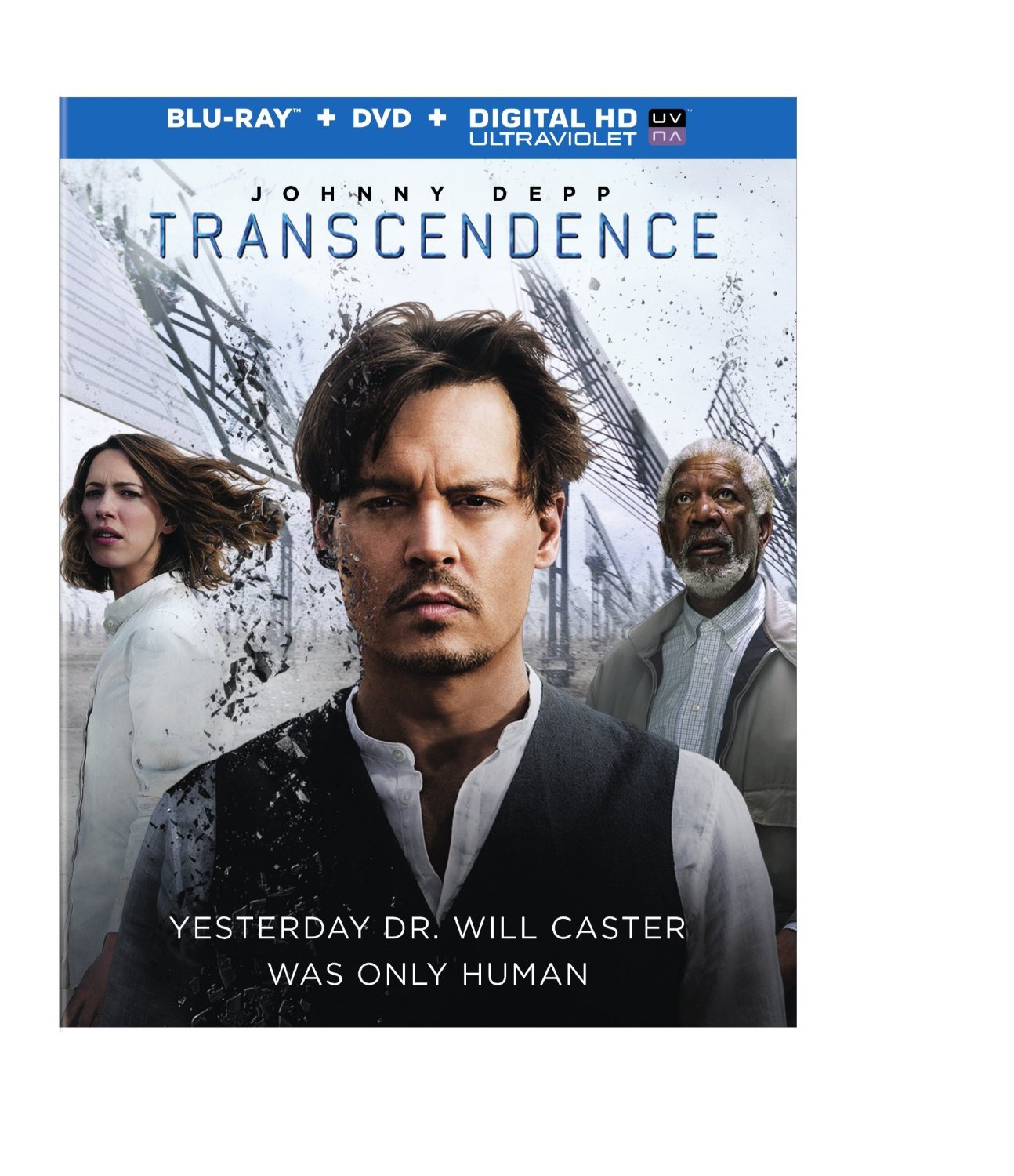
"Maybe it was all inevitable. An unavoidable collision between mankind and technology."

Just about any project that Christopher Nolan has any attachment to is going to get my attention.  And from the first glimpses of the film in the early teasers, Transcendence always felt like a film Nolan would seem right at home making.  Instead, taking the helm for the first time as director is Wally Pfister.  Though this may be his first time in the director’s chair, Pfister is no stranger to working on pictures of large scale; after all, he’s been Nolan’s director of photography since Memento back in 2000.  So how does Pfister do with his first at bat?  Well, it could be a lot worse…

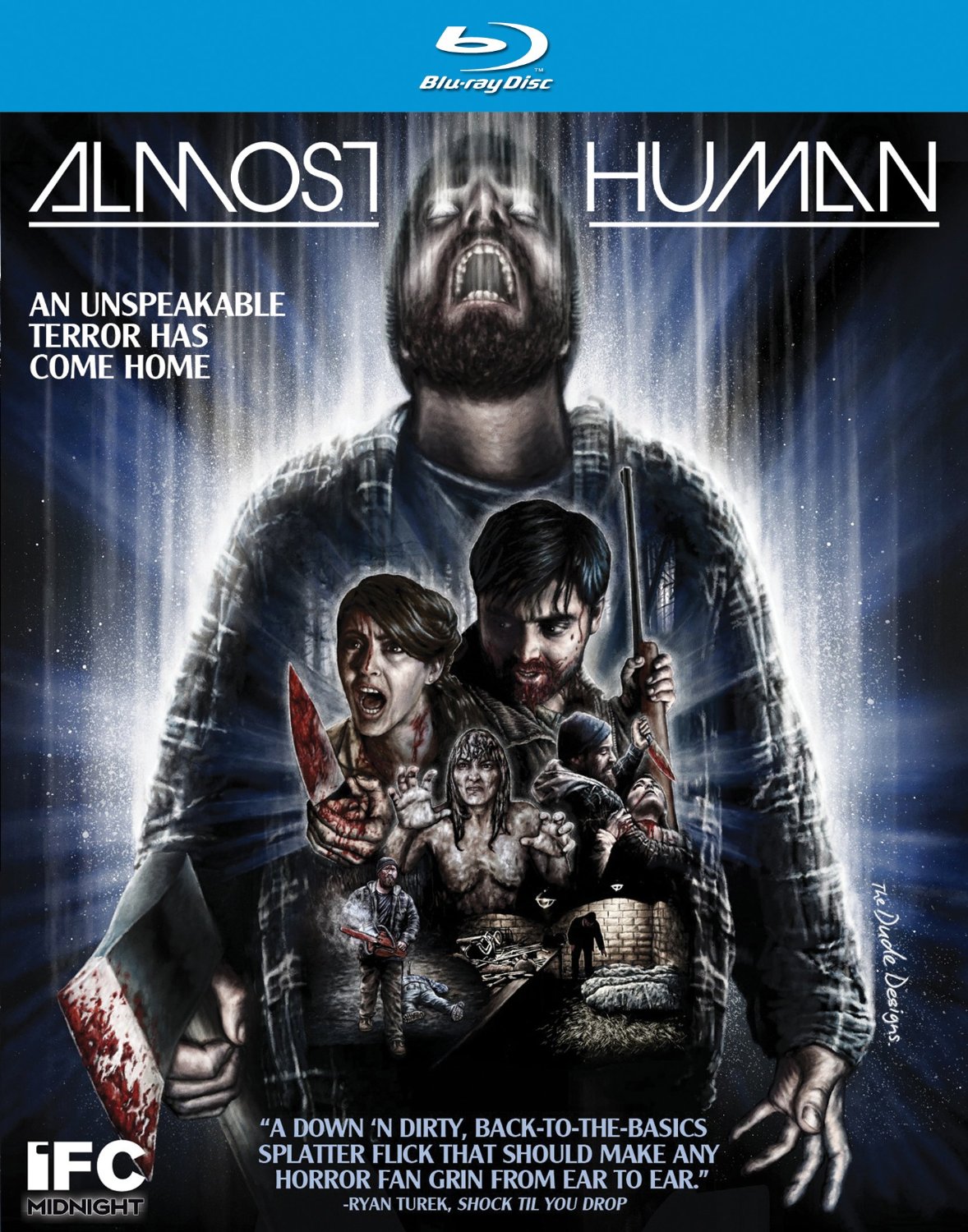
First I just have to say that the cover art design for this film is one of the best looking covers I’ve seen in a long time.  The fact that they actually took the effort to get an artist to design their cover is simply the first step in sucking the viewer into this 80’s sci-fi/ horror realm. Looking at this cover simply reminded me of the days working in a mom-and-pop video store when most of the horror titles were not just a collage of pictures thrown together in Photoshop, but  instead an artist would be assigned and create these beautiful and amazing covers.

When it comes to Almost Human, writer/ director Joe Begos seems to know exactly what it means to make an 80’s throwback film, and he welcomes the viewer to come along for the ride.  It seems to be a trend with the new up and coming guys in horror to look to the 80’s horror genre, Ti West (House of the Devil) and Adam Green (Hatchet) are just a few of these throwback directors who seem to have a love and appreciation of the time period in horror and embrace it.  Almost Human is a film that belongs on VHS, back in the era when practical effects still ruled the genre.

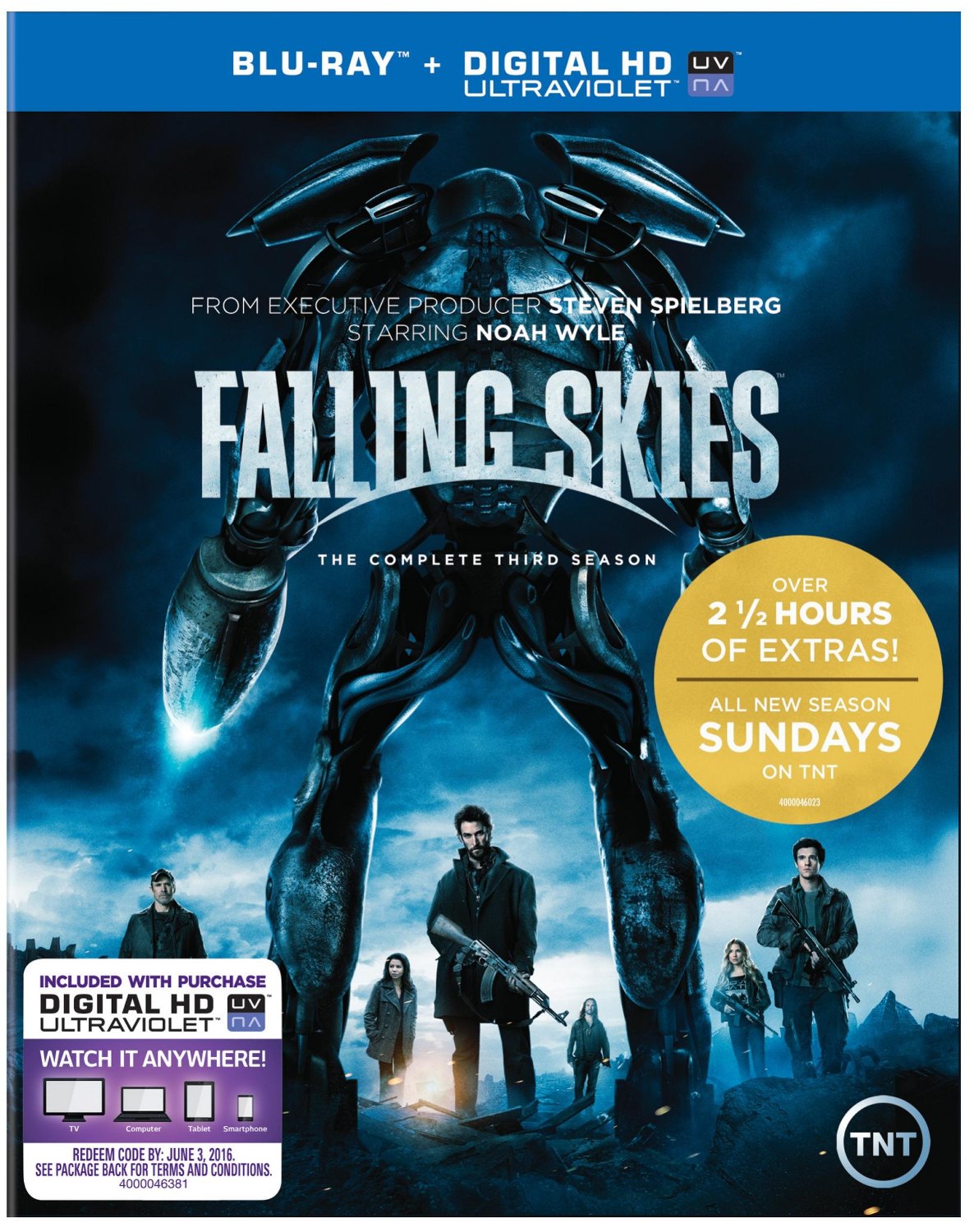
“Our planet, our war.”

Those four words neatly summarize the overriding theme for the third season of Falling Skies, TNT’s earnest alien invasion drama. While the show still takes its broad thematic cues from the American Revolutionary War, this batch of episodes directly references some of the uneasy alliances formed during World War II. So in between the numerous instances of human characters shooting at aliens — and at each other — the show explored the question of whether the enemy of my enemy really is my friend.

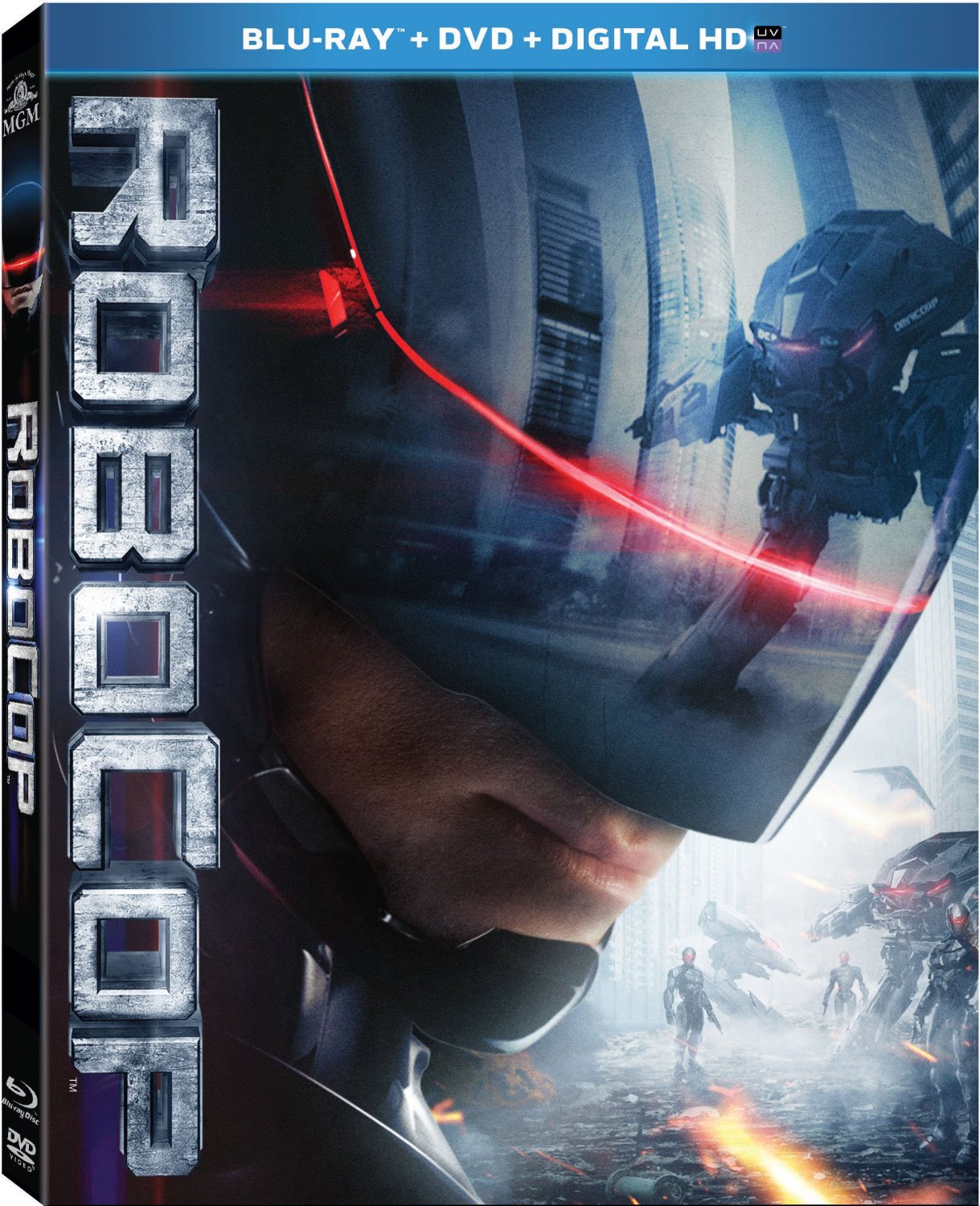
What makes us human? That is the primary theme of Robocop, the remake of the 1987 film of the same name. The 1987 film was a huge blockbuster success, spawning two sequels, and no doubt that is the hope for the remake at the very least. Joel Kinnaman steps into the suit made famous by Peter Weller, and he is not the only big name to grace the film: Michael Keaton, Samuel L. Jackson, Abbie Cornish, and Jackie Earle Haley, as well as the great Gary Oldman playing the doctor who made Robocop possible: with such a top-notch cast, how could the project fail?

Deviating from the original plot a bit, Omnicorp is the largest manufacturer of cybernetic organisms and has made billions supplying their devices to the government, which has used the machines to reduce our human military presence overseas, believing that the use of machines makes the process more efficient and prevents the loss of life due to human error. Omnicorp CEO Raymond Sellars (Michael Keaton) aspires to have his product used domestically, taking over for humans as the guardians on the police force.

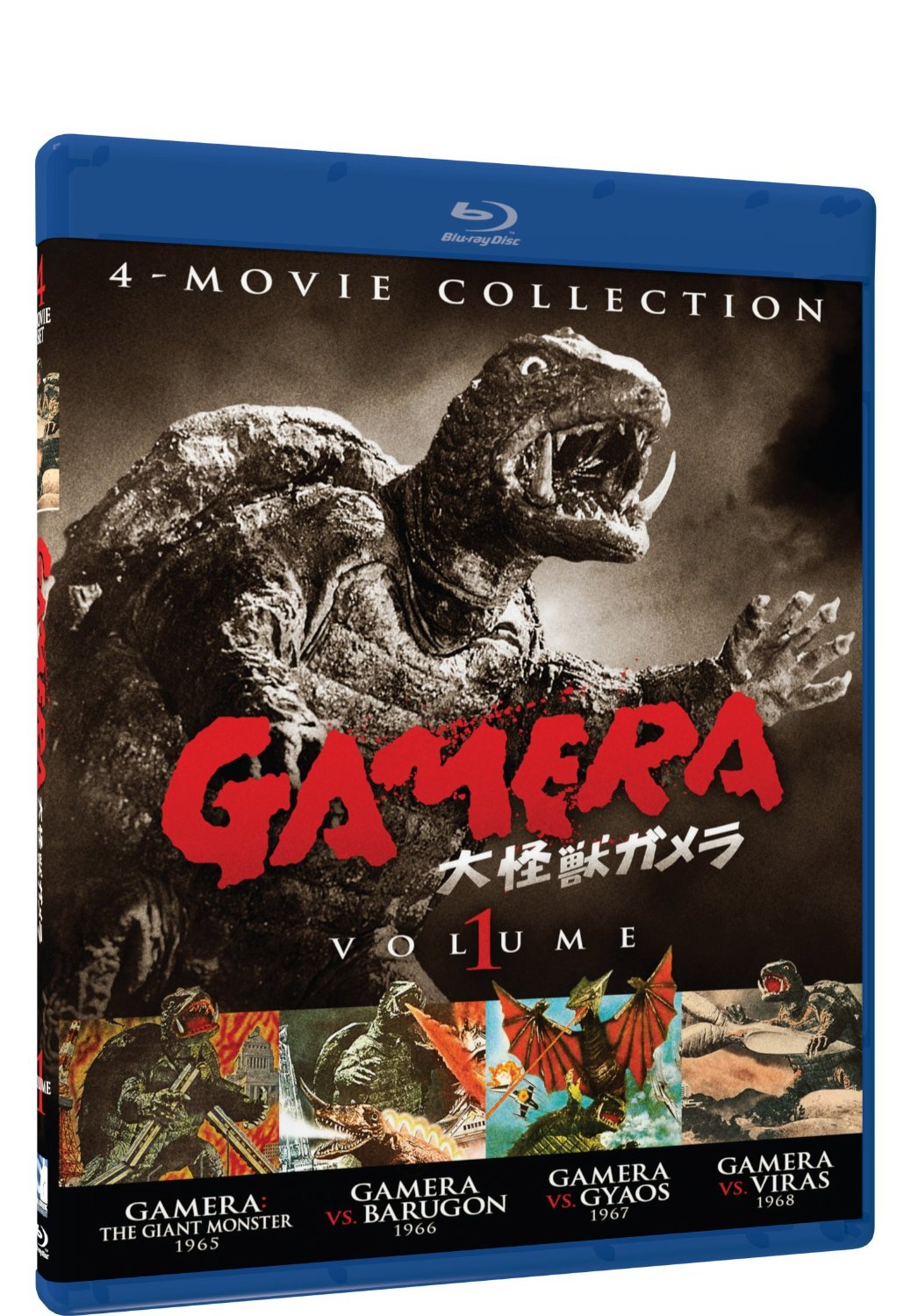
"In our findings on Gamera, we've ascertained that: Firstly, it is attracted to and consumes fire. Secondly, it also seems to possess an internal power plant, of sorts. This emits a signal frequency that can jam radio communications. In order to store up energy reserves, Gamera consumes inorganic resources. Not only does it consume petroleum as well as other mineral and fossil fuels, but Gamera may also seek out atomic bombs."

Ask anyone about Japanese monster movies and Gamera usually won't be the first name that comes into their minds. Godzilla would likely dominate the conversation, and for most of the last 60 years the folks at Toho have been synonymous with large monsters. But they didn't exactly hold a monopoly on the big beasts. Kadokawa Pictures had their own little monster franchise going on. It all started in 1954 with Gamera: The Giant Monster. From 1965 through the 1970's the studio would produce eight Gamera films in all. Now Mill Creek has gathered all eight films into two four-movie Blu-ray collections.

"There are dark spirits, old and full of hate...The world is in great danger."

A trilogy is a hard animal to pull off. Even when you have a popular franchise, it is extremely difficult. All of the pieces have to work just right, or you could have a disaster on your hands. It is even harder when you've already beaten the odds once and delivered a trilogy that is both loved and a huge box office success. You run into an almost insurmountable mountain of expectations. Your pieces must somehow fit together so that they can be viewed as one whole product. They also need to match the world and production style of the previous trilogy even though technology has changed quite a bit in the decade that separates the two. Lightning doesn't often strike the same place twice, unless you happen to live in Florida, or, apparently, New Zealand, where Peter Jackson has managed to do the impossible...so far.

“If you think this has a happy ending, you haven’t been paying attention.”

Even if Game of Thrones had inexplicably wrapped its run after two stellar seasons, the HBO series would’ve gone down as a landmark in television history because of its unprecedented scale and audacious storytelling. But then fans wouldn’t have gotten season 3, an adaptation of (roughly) the first half of “A Storm of Swords”, the third novel in George R.R. Martin’s “A Song of Ice and Fire” series. “A Storm of Swords” is considered the “Empire Strikes Back” of Martin’s novels, which is a terrifying prospect considering the “Empire” in the world of Thrones has been “striking back” since the very first episode.

Stonados...I'll be damned.”

They say if you're going to steal, you should steal from the best. Well, that's the exact opposite of what SyFy has done with the hilariously shameless act of self-cannibalization known as Stonados. Say what you will about Sharknado — and snarky commenters excitedly blew up Twitter shortly after its premiere — but at least that particular slice of premium B-movie cheese was inspired in its lunacy and stupidity. Stonados, on the other hand, is pretty obviously a way for the network to capitalize on the unexpected heat generated this past summer by the perfect shlock storm of Sharknado.