Disc Reviews

"Look at 'em. Every day people are buying more and more of them Amazon and Google thingies while we just sit here and lose our jobs. It ain't right. Automated personal assistants and self-driving trucks. Whatever happened to people jobs?"

Not sure machines will ever take over writing good television. With the release of season 21, the one-year experiment South Park had with the year-long story arc has come to an end. I think it's more than fair to say that the vehicle just doesn't work on a show that has always flipped off the idea of continuity.

“We can’t take any credit for our talents. It’s how we use them that counts.”

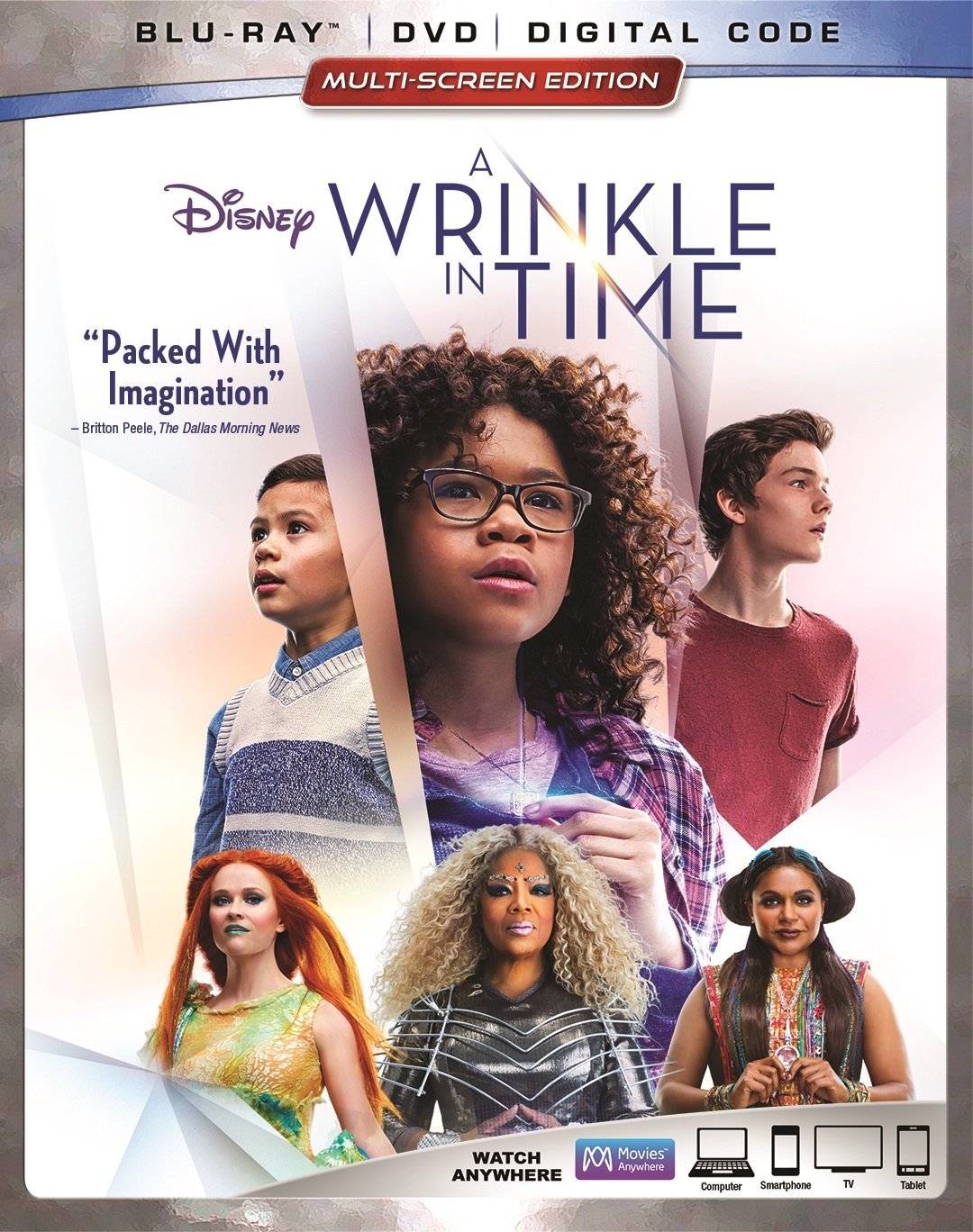
Much has been made about the fact that Ava DuVernay’s A Wrinkle in Time is the most expensive movie ever directed by a woman of color, carrying a reported $103-million price tag. The good news is the filmmaker has absolutely infused her own personality and perspective into this live-action Disney spectacle (no small feat, by the way). The bad news is that DuVernay has taken those considerable resources and made a wildly uneven movie that, at various points, somehow manages to look both way more expensive and way cheaper than its budget would suggest.

“The nail that sticks out gets hammered down.”

Freak Show centers on a flamboyant, fish-out-of-water teen who doesn’t fit in among his fellow high schoolers. The movie — a promising directorial debut from Trudie Styler, aka the wife of legendary musician Sting — works best when it finally lands on the notion that practically every teenager feels like a “freak” at one point or another. It’s a good, worthwhile message; the problem is other aspects of this film are about as subtle as Billy’s wardrobe and makeup choices.

“Look, all funny guys are damaged.”

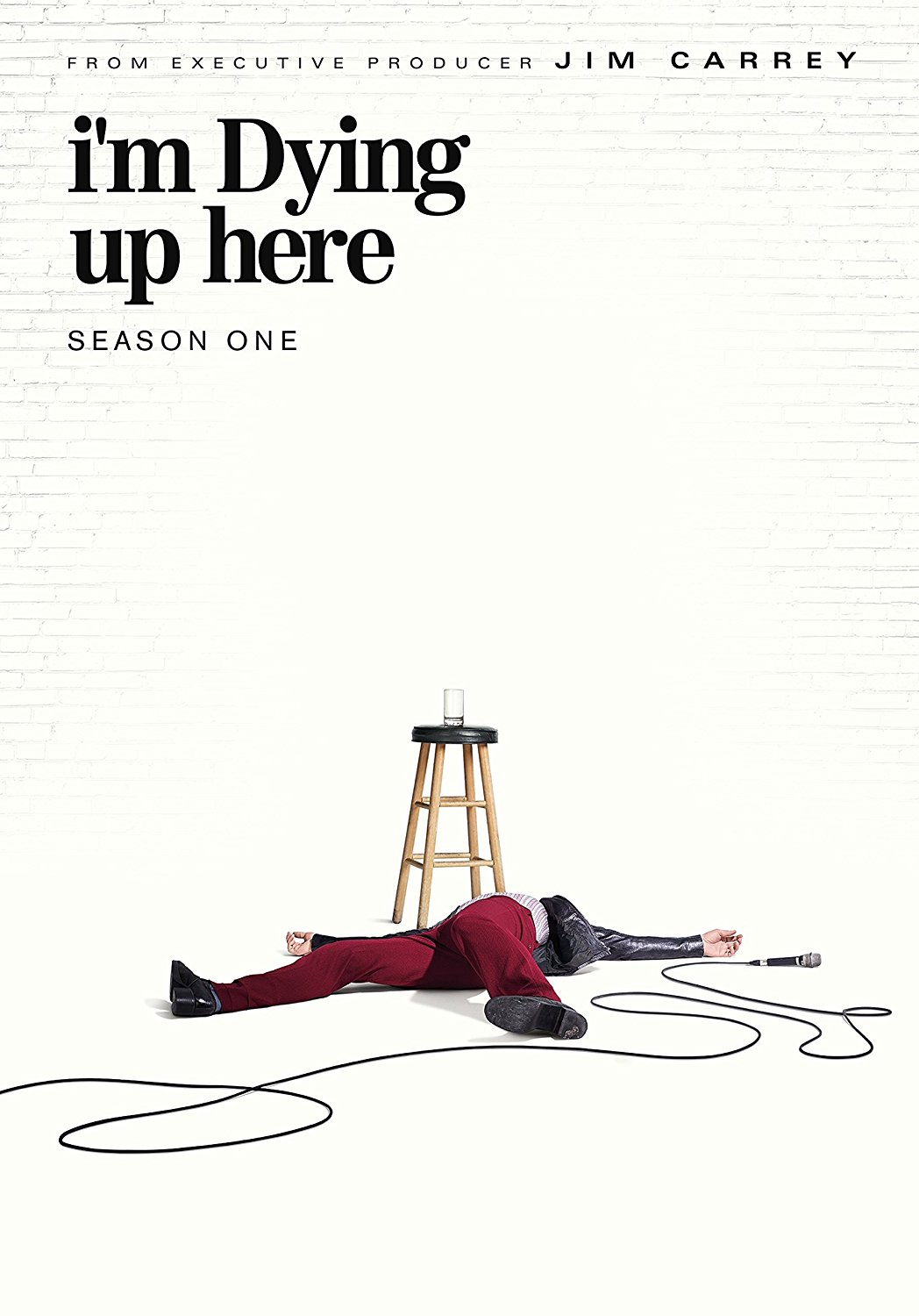
It's no secret that some of the greatest and most memorable stand-up comics of all time — Lenny Bruce, Richard Pryor and Robin Williams, to name a few — were as troubled as they were talented. Of course, turning their inner turmoil into comedy was a big part of what made them legends. Showtime's I'm Dying Up Here is a dramedy about a group of struggling Los Angeles comics in the 1970s. But the show is at its worst when it takes the art of stand-up comedy way too seriously.

"All this has happened before and will all happen again. But this time it happened in London. It happened on a quiet street in Bloomsbury. That corner house is the house of the Darling family, and Peter Pan chose this particular house because these were people who believed in him..."

In 1953, with a little help from some Walt Disney magic, generations of children, and adults, of course, would learn to believe in the boy who never grew up. Peter Pan began in the imagination of writer J. M. Barrie.


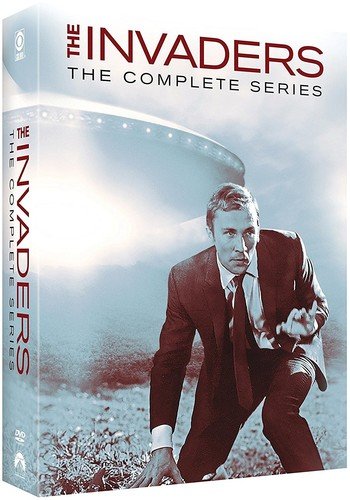
Just because you’re paranoid doesn’t mean they’re not really out to get you. That old axiom has never been more true than for David Vincent in the Martin Quinn series The Invaders. Quinn was best known for his police procedural shows like The FBI. At the time of the The Invaders, Quinn was coming going into the final season of one of his most popular shows, The Fugitive. While most people over the years has compared The Invaders to that Quinn production, they were really not as similar as all of that. In The Fugitive the hero, Richard Kimball played by David Janssen had a very specific mission. He was wrongly convicted of killing his wife and was on the trail of the real killer, whom he had witnessed.

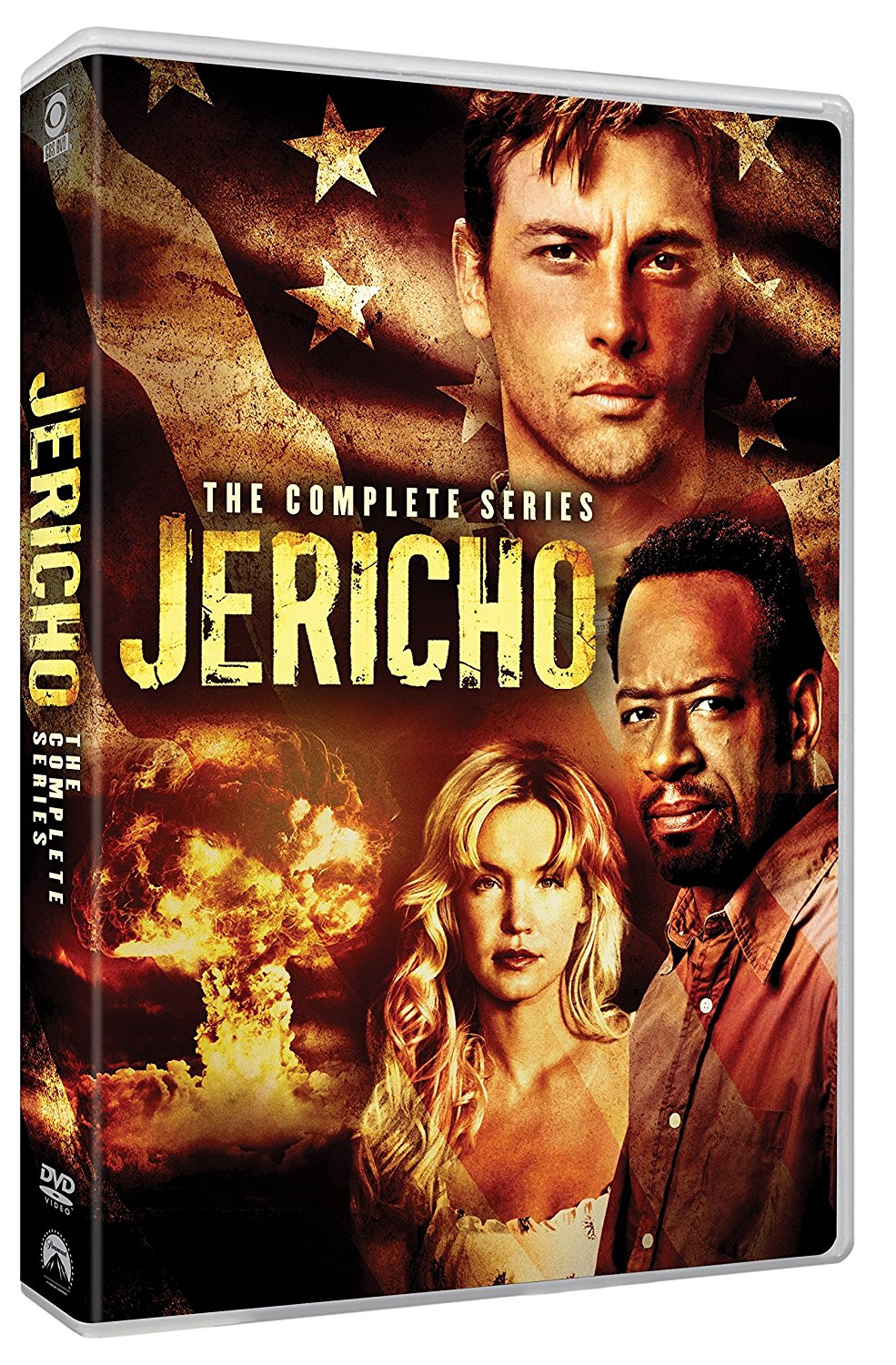
My very first impression was that this show was very ambitious from the gate. Perhaps the show’s fatal flaw is that it attempts to tackle far too many serious issues, complete with complex undertones, with the largest ensemble cast I’ve seen yet. Add this to the fact that the world is still a little sensitive to terrorist attacks, and you have a recipe for keeping your audience relatively small. None of these things are bad elements in and among themselves, and I’m certainly not suggesting that these issues need to be abandoned. I’ve been a high school teacher, and one thing any of us can tell you is that there’s only so much a person can absorb in a given amount of time.

Much to the dismay of probably most of my family and friends, I like to watch lots of weird films. Films directed by David Lynch, Planet of the Apes movies, and Johnny Mnemonic (I freaking love that movie) among many others I have watched over and over again. This is even more true with animation as I love to find clever styles that goes beyond convention and still produce a wonderful and thrilling story. So today, I review Satellite Girl and Milk Cow, a Korean animation film that is sure to test the boundaries of my fondness for weirdness. Is it too much for this critic or is it right in my sweet spot? Let's find out.

Much to the dismay of probably most of my family and friends, I like to watch lots of weird films. Films directed by David Lynch, Planet of the Apes movies, and Johnny Mnemonic (I freaking love that movie) among many others I have watched over and over again. This is even more true with animation as I love to find clever styles that goes beyond convention and still produce a wonderful and thrilling story. So today, I review Satellite Girl and Milk Cow, a Korean animation film that is sure to test the boundaries of my fondness for weirdness. Is it too much for this critic or is it right in my sweet spot? Let's find out.

“Welcome to Jurassic Park.”

With those words begin an adventure that started with the legacy of Willis O’Brien’s The Lost World. You see, dinosaur films are nothing new; they have held our childlike fascination since the industry was born. Jurassic Park was, however, something very new when it thundered into our cineplexes and forever into our imaginations 20 years ago. The marriage of brand new CGI technology with Stan Winston’s superbly detailed animatronics models transports you back 65 million years in time.