Image Entertainment

We’ve been conditioned to expect certain things when it comes to movies about love. The genre has become synonymous with chance encounters, kisses in the rain, and last-second declarations of love. (A tragic/downer ending is purely optional.) The most interesting thing about Last Love is how it explores the sort of deep connection between a man and a woman that isn’t necessarily tied to physicality or even romance. It’s such a refreshing change from the love story norm that it made the parts of the film that don’t quite work more palatable.

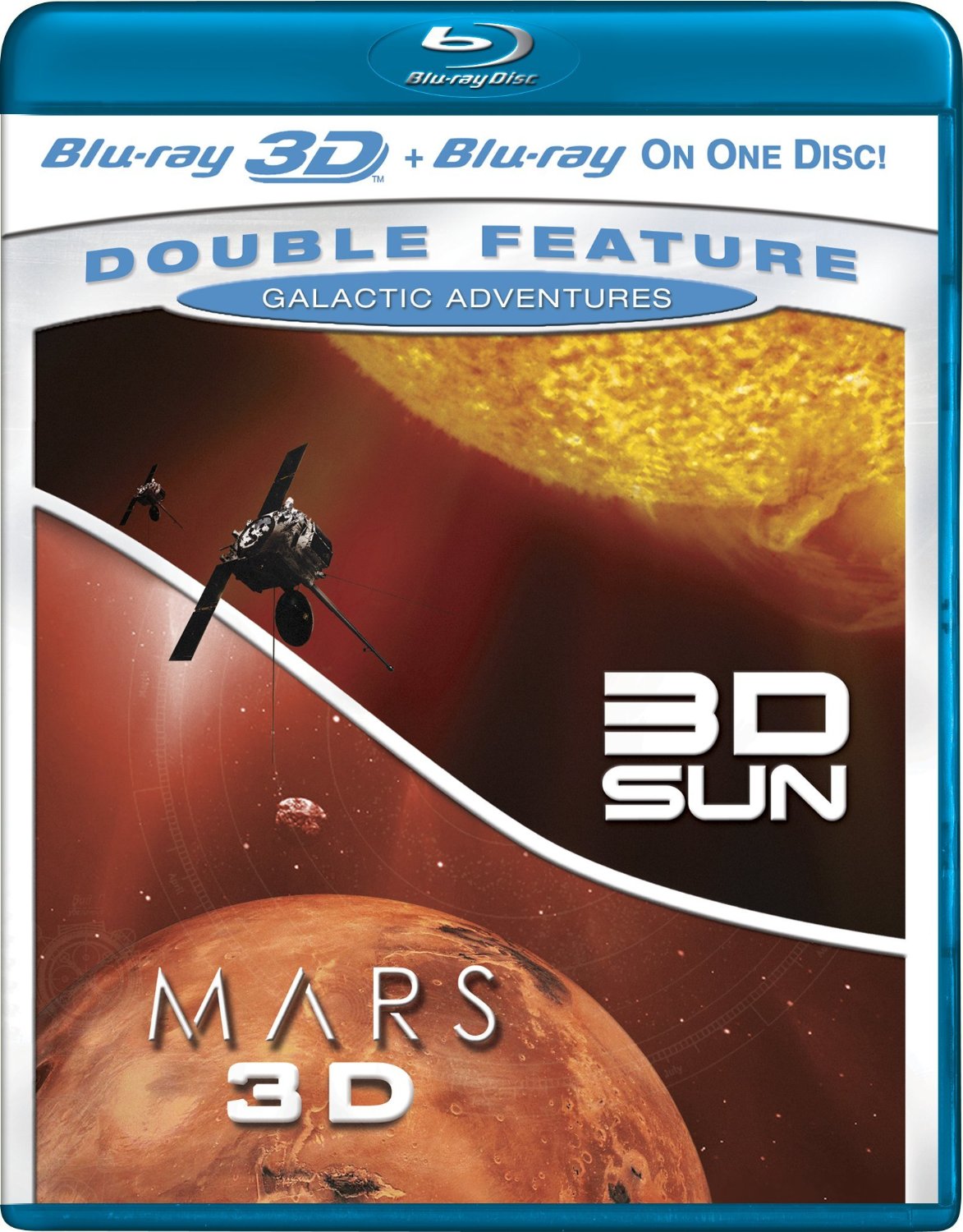
Galactic Adventures from Image Entertainment is a nifty little collection of two Solar System IMAX films both running just under a half hour. The two short documentaries off a 3D ride to both the Sun and Mars. The films were produced in 2007 with 3D Sun opening at The Smithsonian's Air & Space Museum. Both films have made the circuit of science museums throughout the country and come to you now through the modern milestone of home 3D for the first time ever

Those of us who love horror movies can remember the first great scare we ever got. (To be fair, those of you who hate horror movies probably remember the first scare you ever got too, since it’s probably why you stopped watching them.) Stephen King’s It wasn’t my first scary flick, but the image of Tim Curry’s Pennywise coaxing poor Georgie into the storm drain seared itself into my brain and became my original childhood freak-out. What I enjoyed most about All Hallows’ Eve is that it tapped into the unique impact a genuinely scary clown movie can have.

“When people are desperate, they’ll do horrible things to survive.”

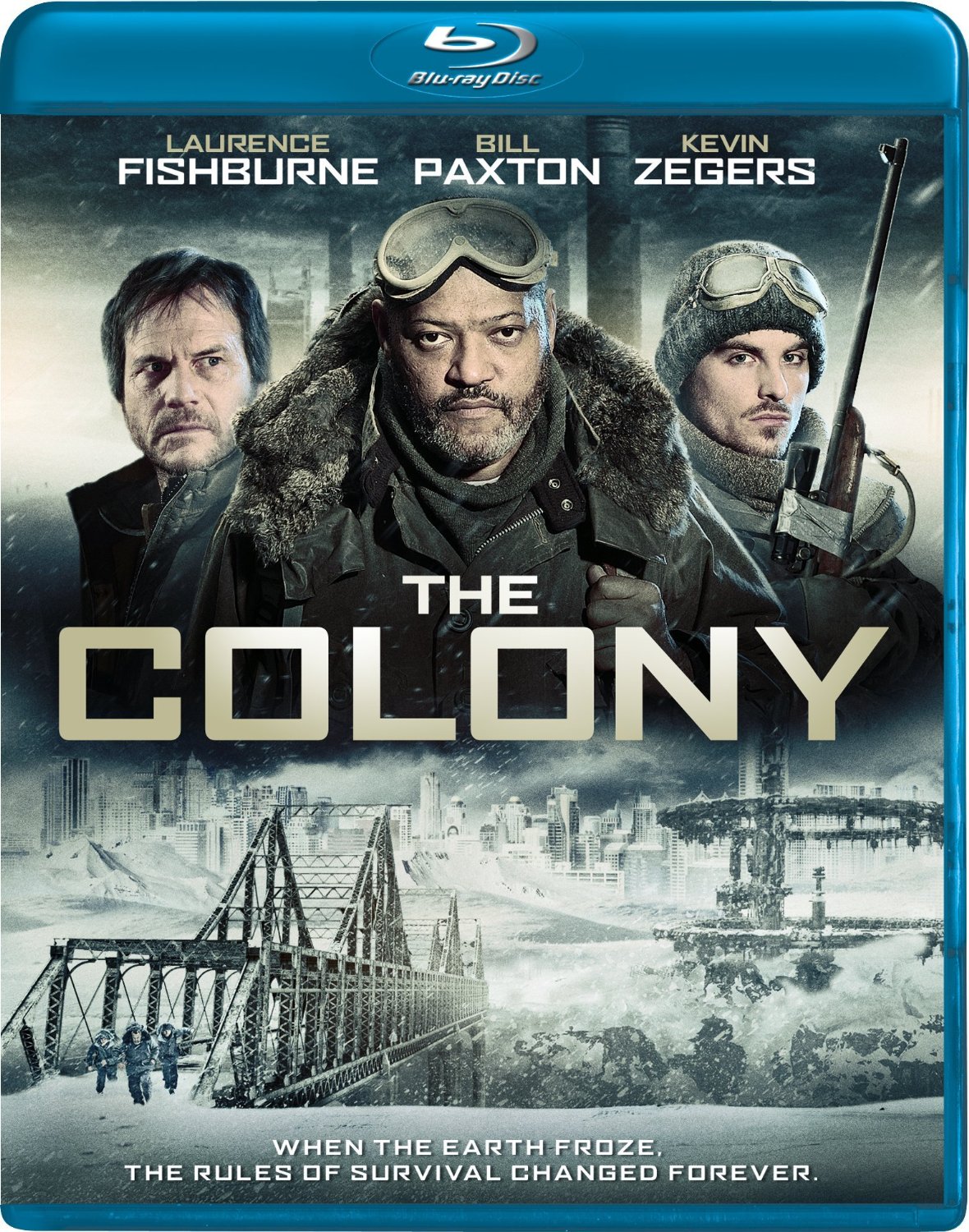
Sci-fi and horror have been exploring the dark side of human nature for as long as those genres have been around. Throw a group of people together in a high-stress situation — whether they’re running from The Walking Dead or hiding from whatever is in The Mist — and the base instinct to survive will eventually lead them to commit unspeakable atrocities. The Colony starts off as the sort of movie that explores the monstrous things people do to each other…and then the actual monsters show up.

"After a half century of space exploration we're now being faced with what's long been a staple of science fiction: an orbiting junkyard of space debris."

There's an old saying that what goes up must come down. For most of human history that has been a pretty steadfast axiom. Of course any kid who has ever had a kite or a football stuck in a tree knows there are exceptions to every rule. But in the 1950's we began to place objects in orbit about the Earth. In recent decades the practice has almost become a frenzy. We have all of those cell phones, television networks and GPS devices that require more and more satellite support.

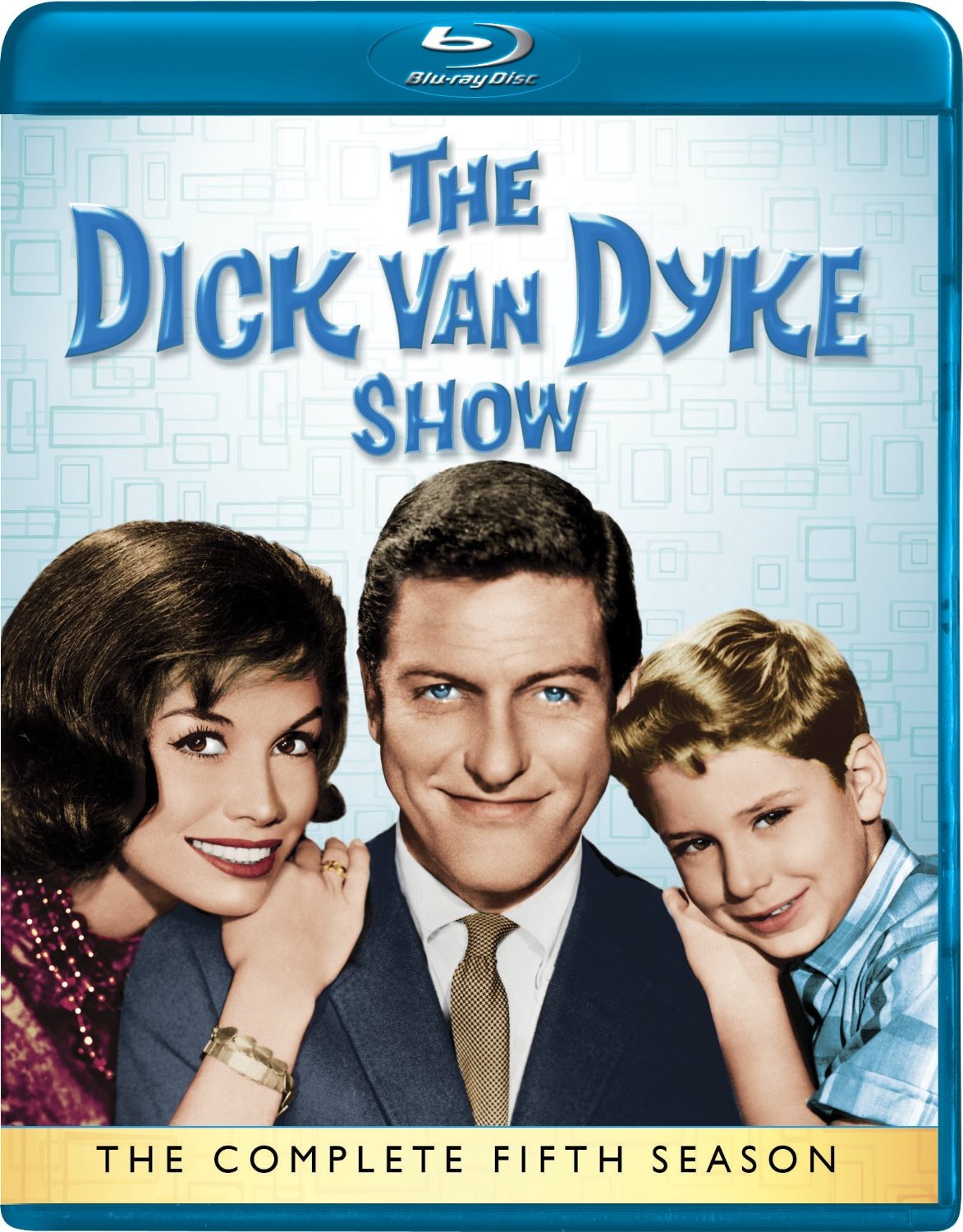
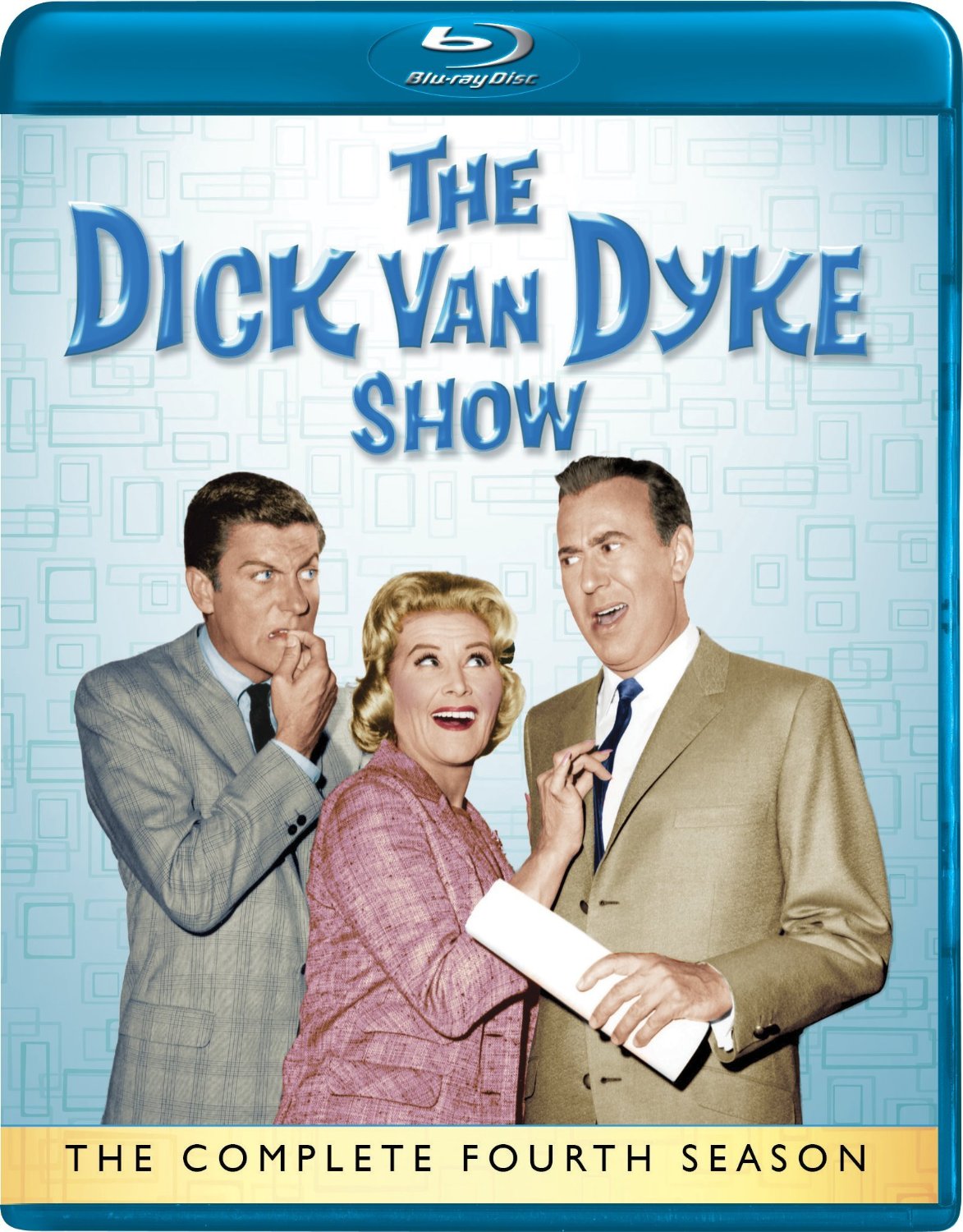
When the show ended in 1966 it was still one of the most popular shows on television. Both Dick Van Dyke and Mary Tyler Moore wanted to do something else. Both were made confident by the huge stardom the show provided them, but neither was ever able to reproduce the magic here. Of course, Mary Tyler Moore found great success with a different kind of show in The Mary Tyler Moore Show. That one would go on to become a classic in its own right.

When one thinks of The Dick Van Dyke Show it's hard not to think of its star Dick Van Dyke. After all, it's his name on the opening credits, and he does play the lead character in this groundbreaking television comedy. There's little question that the show became a wonderful vehicle for his many comedic talents. But the genius behind the show wasn't really Dick Van Dyke at all. It was Carl Reiner (yes, Meathead's father) who is the true brains behind the show.

When someone tries to break in and take something from the building you’re in, what do you do? Well, according to “The Official Good Guy Handbook”, you must immediately lock down the building, retreat to a secure room, and try to get help from the outside. Of course, you must do all this while repelling the bad guys, ignoring their threats and bribes, and (of course) watching out for the double cross.

We all know what it feels like to nod off in the middle of a film. It starts with micro-naps that last a few seconds. They’re so short, we don’t even realize we’ve fallen asleep. But when we wake up, we feel totally lost because we’ve missed a line of dialogue or scene transition. I mention this for two reasons: 1.) the confused protagonist of Tomorrow You’re Gone floats through his life in a dream-like state and 2.) watching this incomprehensible mess of a movie constantly made me feel like I’d fallen asleep and missed something. That’s a problem because I was wide awake.

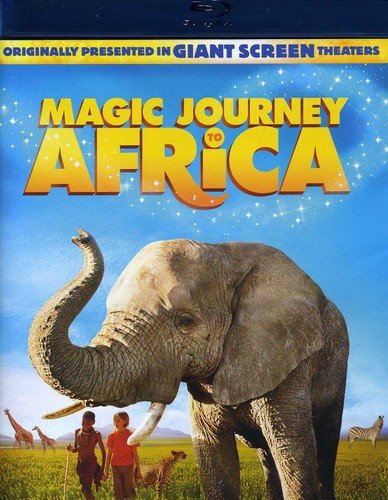
“I want to visit a country of dreams, imagination and magic.”

Instead of “dreams, imagination and magic”, the Africa presented in this confounding, family-friendly offering from Spanish filmmaker Jordi Llompart is a place of trippy visuals, head-scratching dialogue and horrid CGI. Magic Journey to Africa — billed as a “giant screen spectacle” — is now available for home consumption, where the film’s dazzling 3D presentation is its only saving grace.