1.78:1 Widescreen

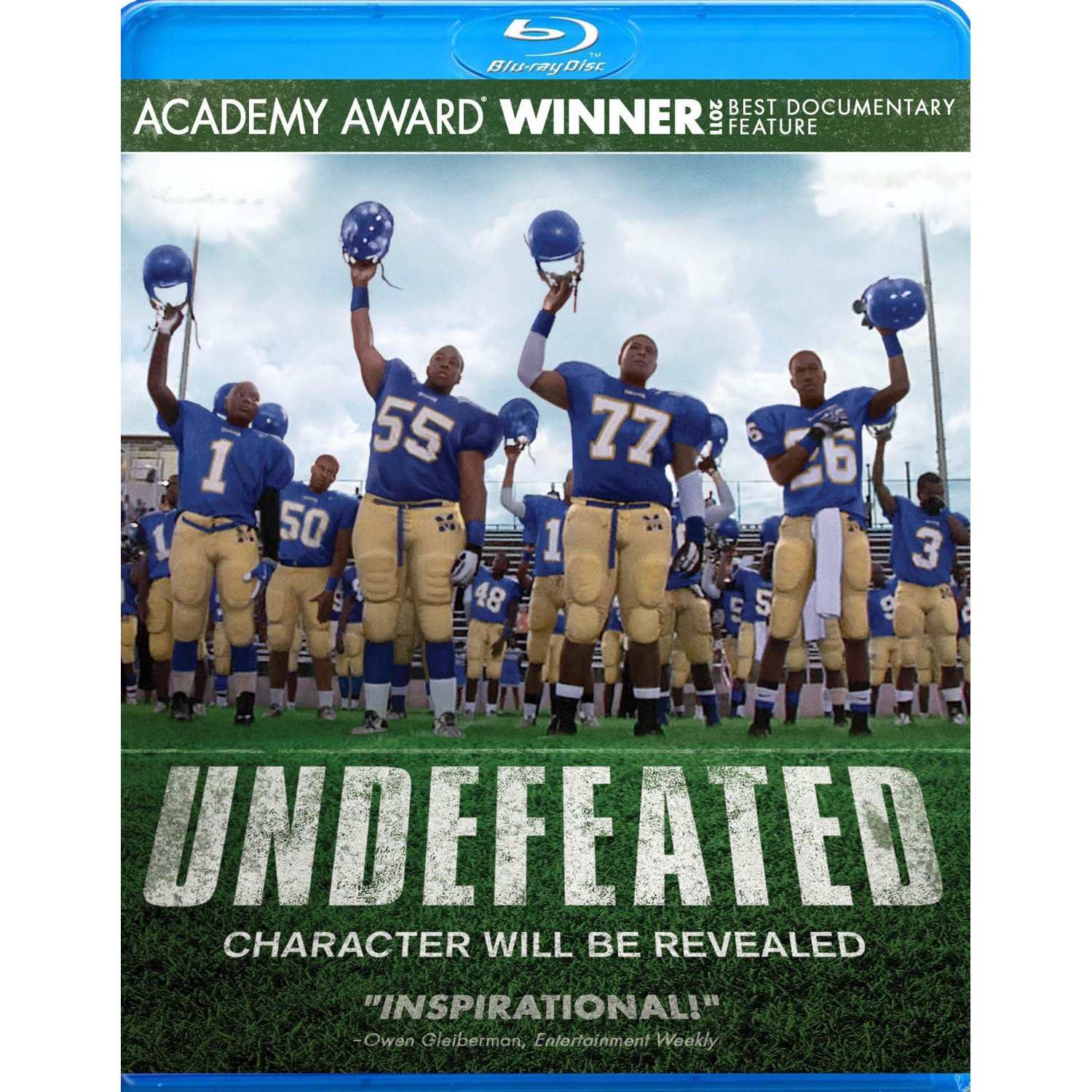
“You think football builds character? It does not; football reveals character.”

The open secret about sports movies is that they’re not really about sports. Most of the great ones use the games people play as a dynamic arena to tell universal stories about struggle, underdogs overcoming impossible odds, greatness and redemption. You don’t have to know a nose guard from a mouth guard to enjoy a football movie. By that same token, Undefeated may chronicle a grueling real-life high school football season, but I wasn’t surprised to see it play out like a lot of fictional sports flicks.

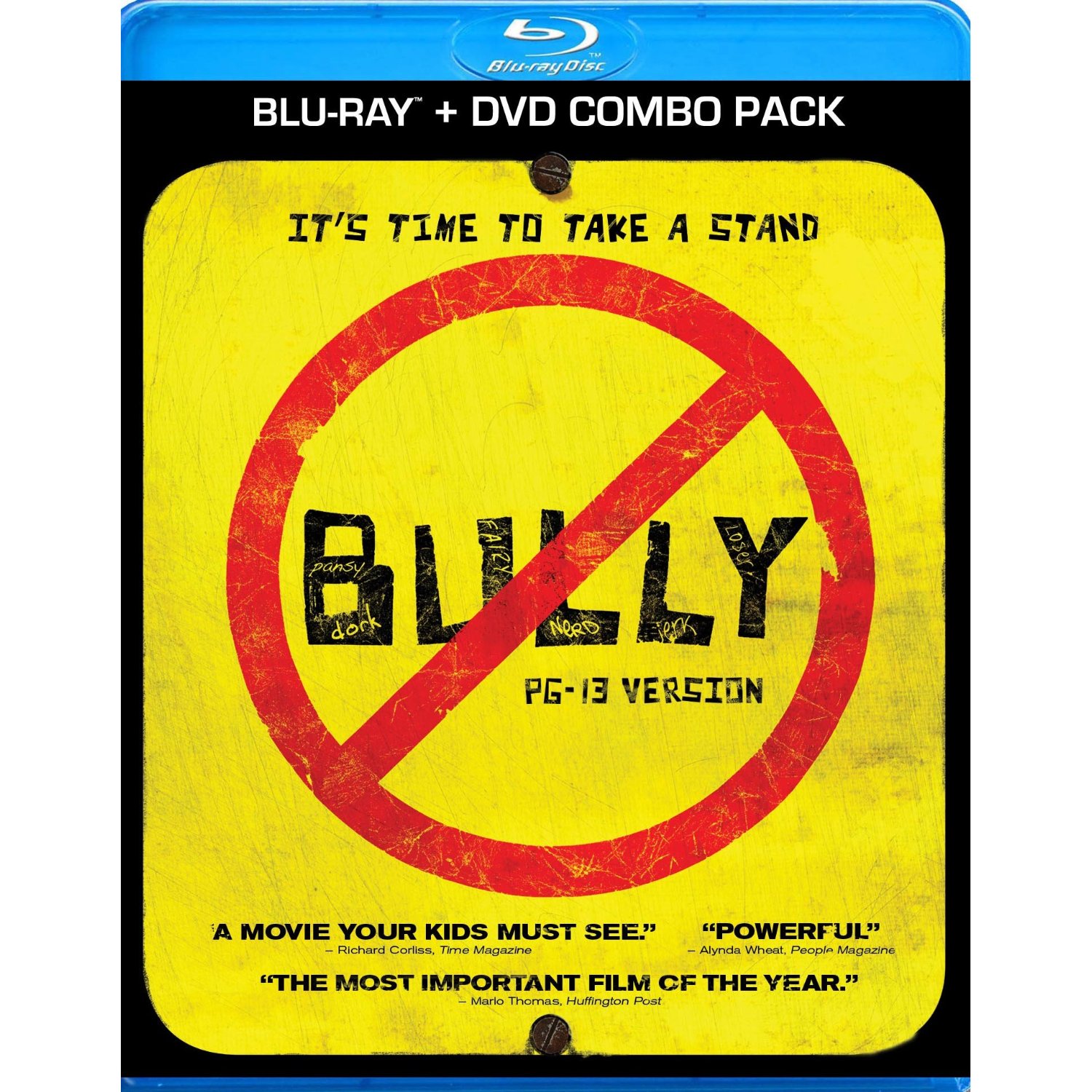
The image of what a bully looks and sounds like has changed drastically in recent years. When you and I were growing up, a “bully” was probably someone who looked like this and demanded your lunch money. Mean Girls came out less than 10 years ago; but if Tina Fey were trying to get the exact same movie made today, she’d probably have to deal with notes from a nervous studio exec worried that the Burn Book would drive one of the characters to suicide.

Bully — director Lee Hirsch’s heartbreaking and intensely-personal project — has lofty aspirations. In presenting five affecting stories of abuse that don’t necessarily involve black eyes or bloody noses, the documentary seeks to eradicate bullying by inspiring and educating the current generation of elementary, middle and high school students.

You don’t usually get too many legendary (and wildly polarizing) filmmakers coming off the biggest hit of their careers — unadjusted for inflation, of course — at age 77. Yet that’s exactly where Woody Allen found himself with To Rome with Love, his pleasant, witty, not-at-all-groundbreaking follow-up to Midnight in Paris. The writer-director originally named this film The Bop Decameron before changing it to Nero Fiddled. I’m guessing somebody (smartly) figured the suddenly buzzworthy director’s next film should have a less esoteric title; and if there was a way to incorporate a European city into the name, even better.

Luckily, the film’s more genetic moniker is actually a much better fit for this simple, engaging collection of stories set in the Eternal City. The movie is comprised of a series of parallel vignettes, but I really wish the director had found a clever way to connect these stories beyond the fact that they’re each set in contemporary Rome.

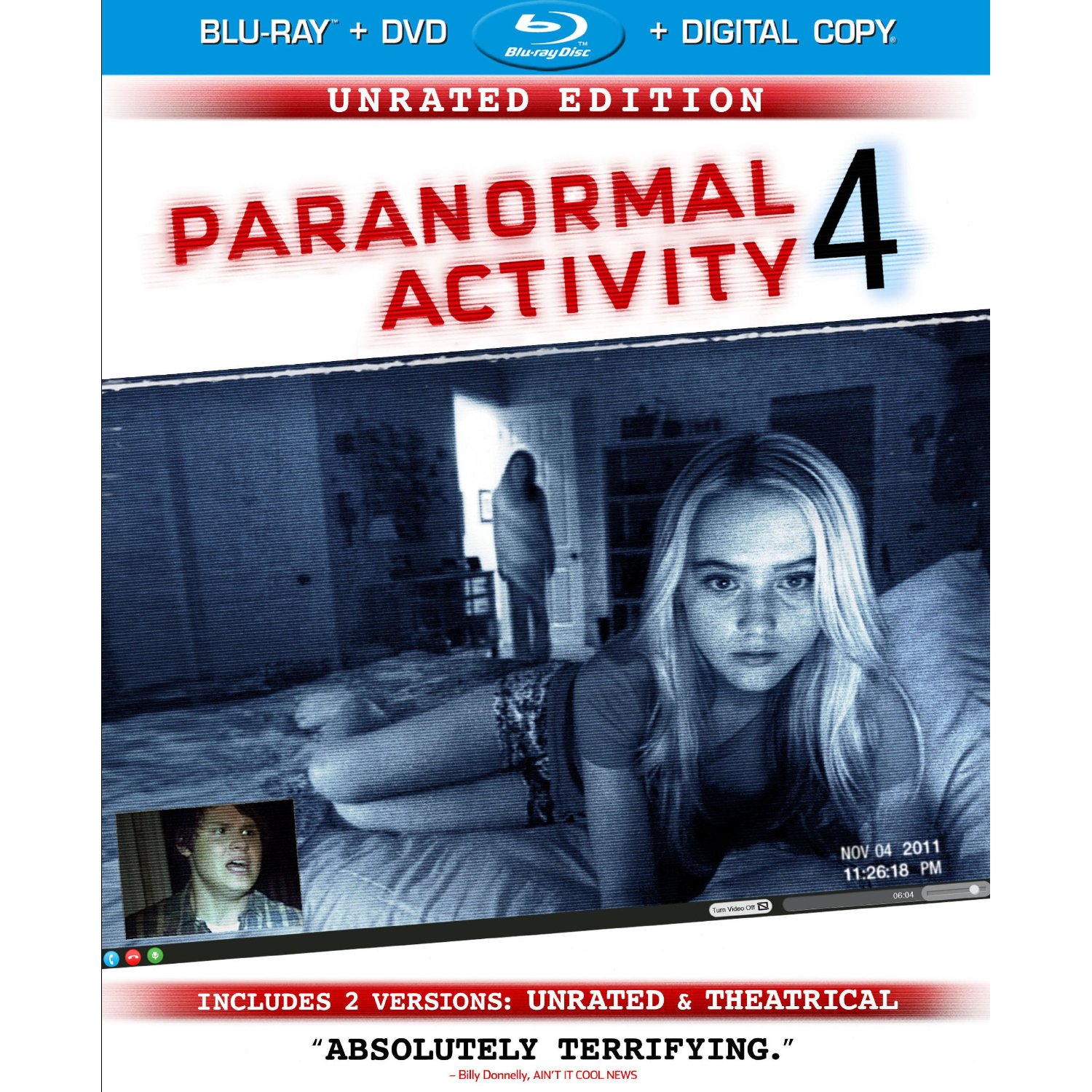
Here’s the thing. Fans of the franchise should be pleased with the latest entry. The series has been a solid October tradition for some time now. When you consider the low cost of creating one of these films with the proven box office numbers, this was all really a no-brainer, to say the least. You’re going to get more of what you are expecting, and the film throws in enough new angles and tricks to keep the idea as fresh as possible. However, there is a flip-side to all of this. I don’t think it’s very likely that you can enjoy this film quite so fully if you have not seen any of the previous films. The history is of vital importance if you’re going to appreciate where all of this is going. That isn’t to say newcomers won’t be entertained. There are enough jumps and shocks to have a relatively good time. Still, if you haven’t gotten yourself caught up in the franchise’s mythology, you might want to make that effort before going to see this film. It was my intention to watch the first three again before I saw this one. I couldn’t find the time. I wish I had. I did see the first three films, and I still feel like I needed to refresh myself before the journey into number four. Alas, that was not meant to be, and this review will suffer somewhat because of that. I very strongly encourage you to take in the story so far before venturing to your local multiplex.

You say you don’t have the time either? Here’s a quick history lesson to get you caught up. You should be warned that here there be SPOILERS of the first three films:

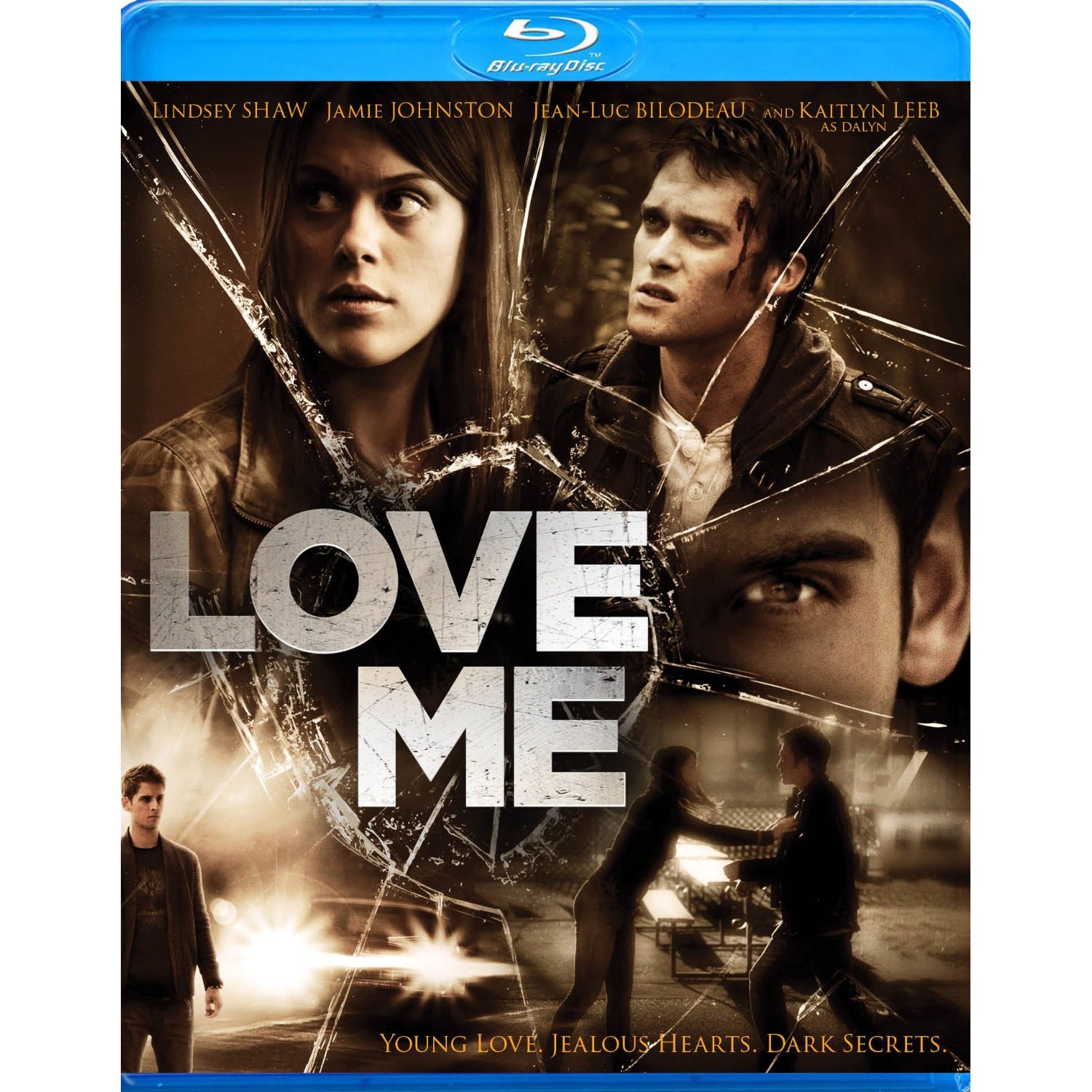
When I first received Love Me, I thought it was going to be just another angsty teen drama. (Something along the lines of Dawson’s Creek.) That notion was quickly disabused, however, when a young girl is stalked and attacked in the opening scene. From there, the film jumps ahead three months, with the town still reeling from her disappearance. While discussing how eerie the case is with her friends, Sylvia Potter (Lindsay Shaw, TV’s Pretty Little Liars) quite literally bumps into rich pretty boy Lucas Green (Jamie Johnston, TV’s Degrassi: The Next Generation) and falls for him instantly.


Fortunately for Sylvia, the feeling is mutual and, despite her friend’s many protests, Sylvia begins dating Lucas. As their relationship deepens, Sylvia discovers some unsettling things about Lucas, including the fact that he was dating the missing girl at the time of her disappearance and police consider him the prime suspect. As the pressure mounts and new evidence comes to light, Sylvia must decide what — and, more importantly, who — she believes.

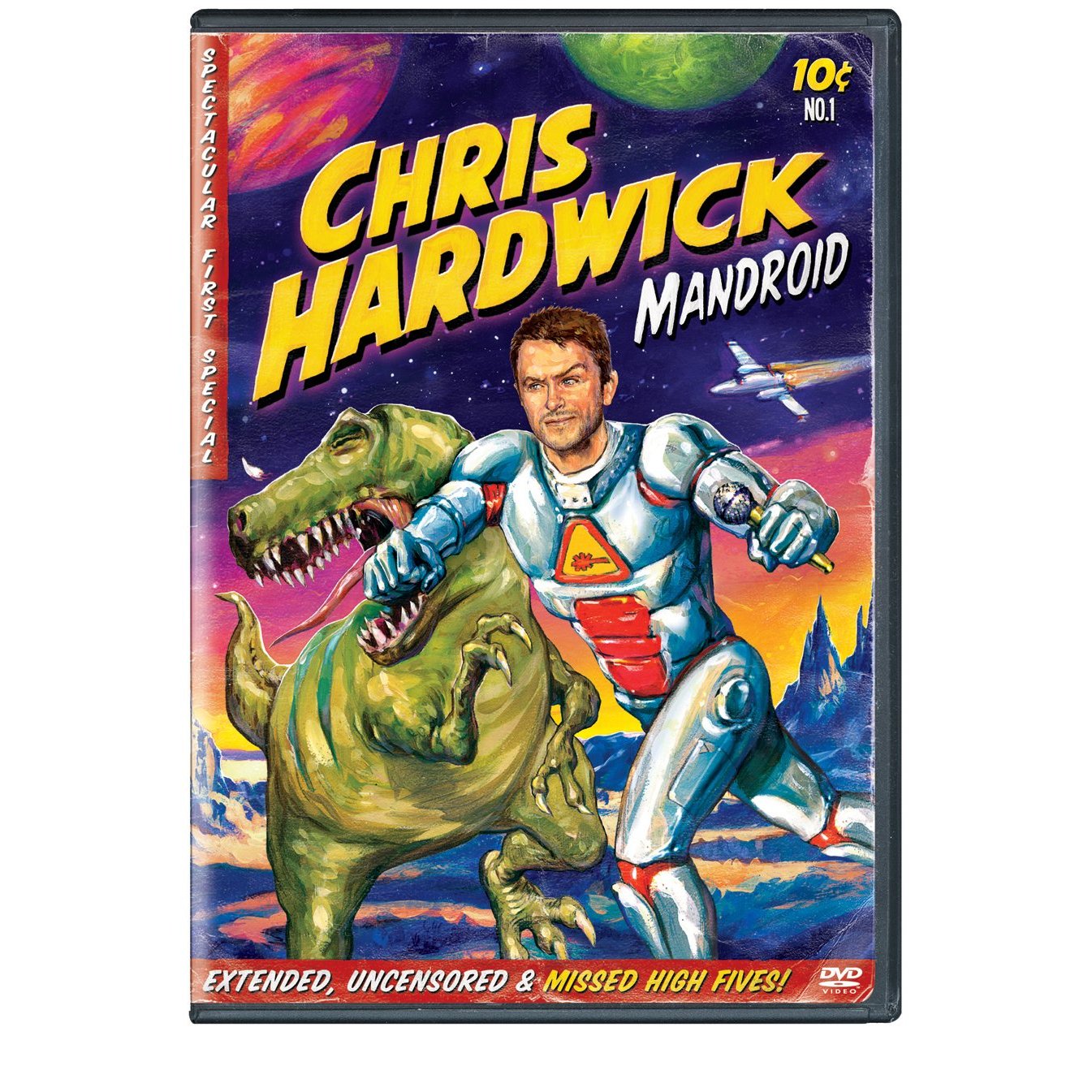
Chris Hardwick is a card carrying, flag-waving nerd. He is very proud of said nerdiness and has devoted the lion's share of his career expressing this. Probably best known for his various hosting duties, especially for the Nerdist podcasts, Hardwick gets to display his stand-up chops in his first, full-length DVD special and he does not disappoint.

Mandroid (if the title was the first hint) is certainly for the nerds. There are references throughout that may not be fully understood by those who have not been initiated into nerd kingdom. Though if you are a part of said kingdom, Hardwick may well be the leading jester. Also, if you a “nerd” (by nature or by choice) you could set up a pretty nice drinking game for every time he uses a Harry Potter reference..just sayin'...

“The key to immortality is first living a life worth remembering.”

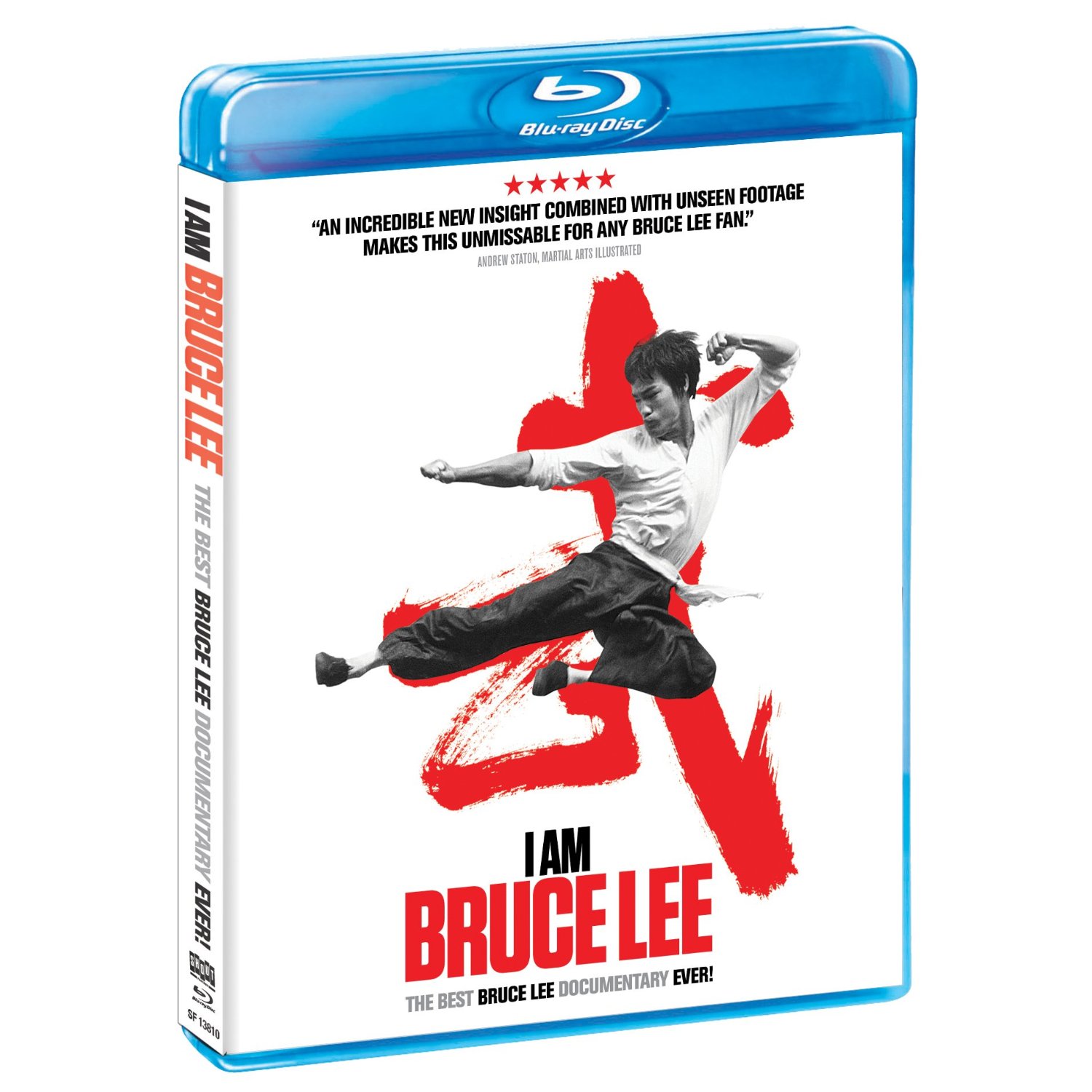
We’re now 40 years removed from Bruce Lee’s shocking death, and the martial arts superstar has unequivocally achieved pop culture immortality. I Am Bruce Lee examines the icon’s cultural and cinematic impact, as well as the many ways he has influenced current sports and music stars. The film already bills itself as “the best Bruce Lee documentary ever,” so I’m not really sure what you need me (or any other critic) for. I decided to go ahead and watch it anyway.

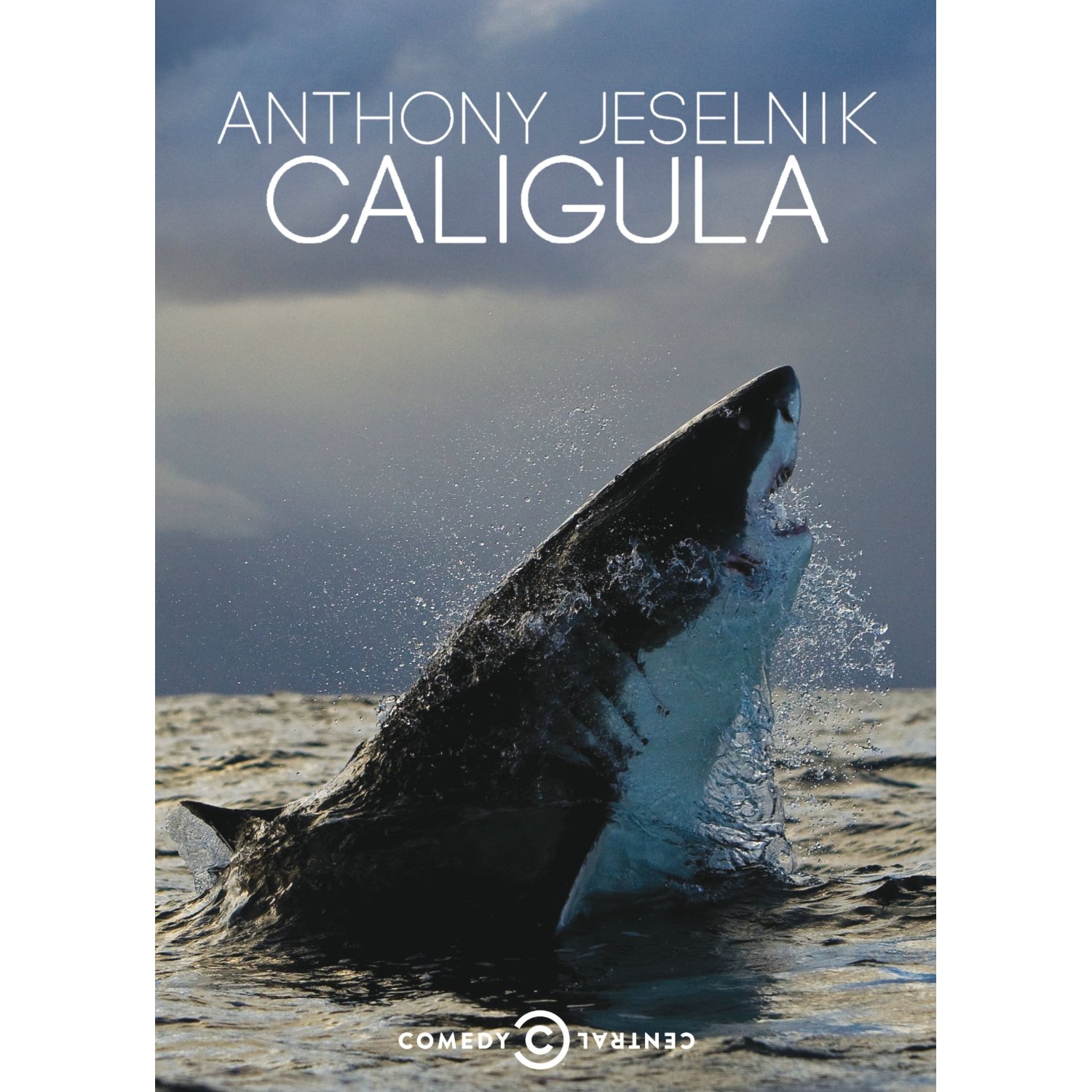
Probably most known for his roasts on Comedy Central, Anthony Jeselnik offers an hour (included the many long pauses) of stand-up comedy that is 100% bad taste. Dark humour and a huge ego are Jeselnik's shtick so you have absolutely every reason to walk away from this...except you might actually catching yourself laughing.

Jeselnik never attempts to make friends with the audience. It's common for a comedian to talk to members of the crowd and perhaps take a few shots at them. Jeselnik sets out to offend and elevate himself above everyone in the room with him. Again...this is his act. Could he be a true egomaniac? Perhaps. He's certainly good at portraying one onstage. More importantly, is it funny? The answer: sometimes.

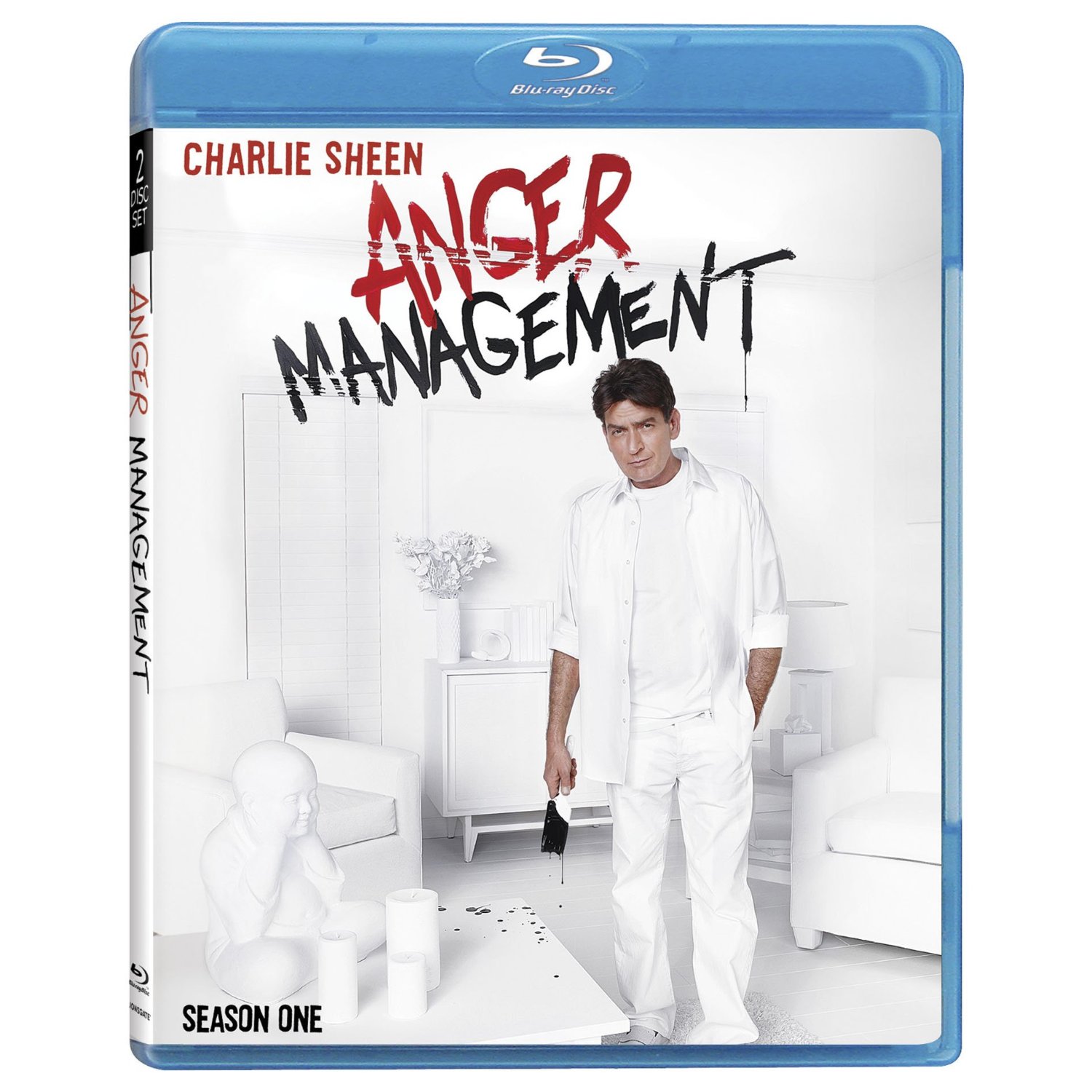
The following sentence is taken directly from the back of the Blu-ray case for Charlie Sheen’s latest small-screen vehicle: “Charlie thrives on the chaos in his life while still battling his own anger issues.” So it’s fair to say FX’s Anger Management isn’t afraid to blur the line between reality and fiction. It’s actually a good move because the latest TV show tailored specifically to Sheen’s talents doesn’t have much else going for it.

Anger Management, created by Bruce Helford (The Drew Carey Show), is loosely based on the 2003 Jack Nicholson/Adam Sandler film of the same name. (And I really can’t emphasize the word “loosely” enough; the only things the two have in common is that one of the characters is an anger management therapist and, um, it features humans.) Sheen stars as Charlie Goodson, activating a little-known clause in his contract that stipulates he can only play people named “Charlie.” In this case, his Charlie is a disgraced former baseball player turned therapist who counsels a motley crew of patients with anger management issues out of his home.

In the financial world, the term “arbitrage” refers to the possibility of risk-free profit at zero cost. This seems to be the goal for Robert Miller (Richard Gere), a hedge fund manager desperate to sell his business and retire. The reason for his desperation is that his business is completely broke due to a bad investment. This goal has completely consumed Robert, and it affects everything he does. Robert treats his employees like slaves, is nervous around his family, and regards his mistress as little more than a plaything. One night after the sale suffers yet another setback, he convinces his mistress to come with him to his country cabin. While driving her car, he falls asleep at the wheel and has an accident. Now he has something else to cover up. From then on, there’s nothing he won’t do — no lie he won’t tell, no depth he won’t sink to — in order to keep his secrets and keep his family in the dark.

Arbitrage turned out to be a lot better than I thought it would be. Gere takes what could easily be a static evil character and really fleshes it out. We may not like the things he does when his world starts falling apart, but we understand and almost — ALMOST — sympathize with him.